What Makes Idaho’s Fall Potatoes Taste So Much Better Than Spring’s
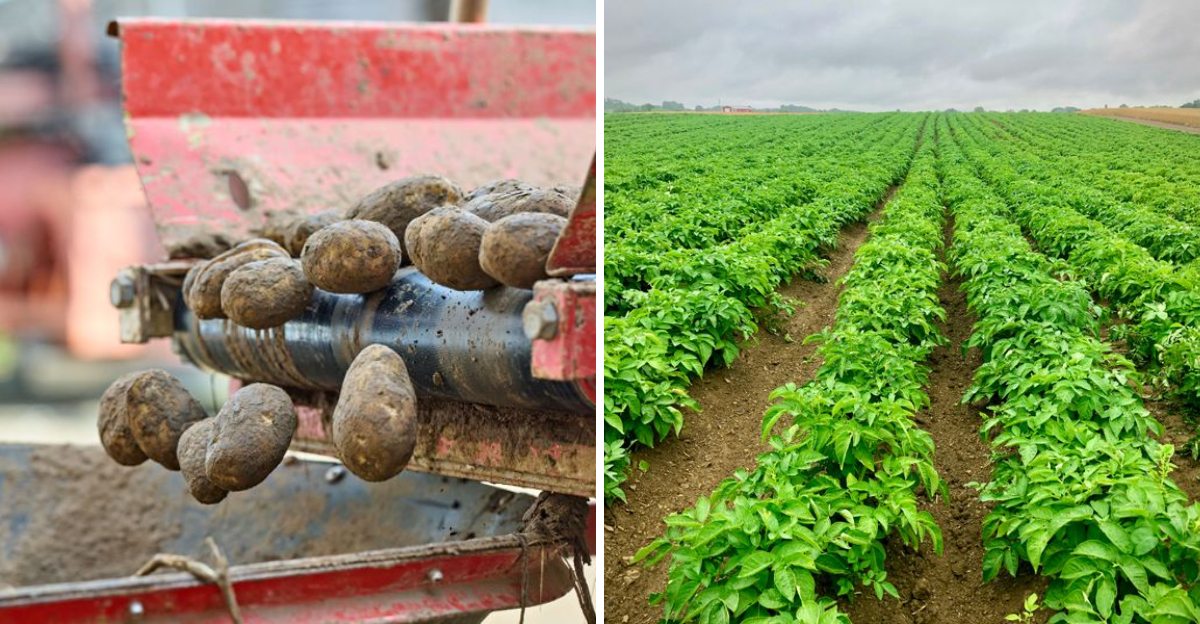
Ever wonder why your Idaho potato tastes different every fall? Some chefs have noticed the difference without fully explaining why. Cold nights force your potato to store extra sugar.
Warm days keep photosynthesis running until the end. Starch slowly converts, building flavor most spring potatoes lack. Idaho farmers time their harvest around this exact shift.
Soil temperature drops just enough to trigger the change. Sugar concentrates, texture tightens, and flavor deepens fast. Moisture levels fall too, tightening every cell inside. Density increases, giving each slice a fuller texture.
Nothing about a fall potato happens by accident. Farmers plan planting dates around this narrow window. Grocery store spuds rarely match what you’ll taste here. You taste the difference the moment you bite in.
Every variety responds differently, yet the pattern holds true. Science backs what your palate already suspected. Once you see how this works, plain potatoes will never satisfy you again.
Note: references to ‘spring potatoes’ throughout describe potatoes harvested before full seasonal maturity, not a distinct commercial variety.
1. Cooler Temperatures Slow Down Sugar Conversion
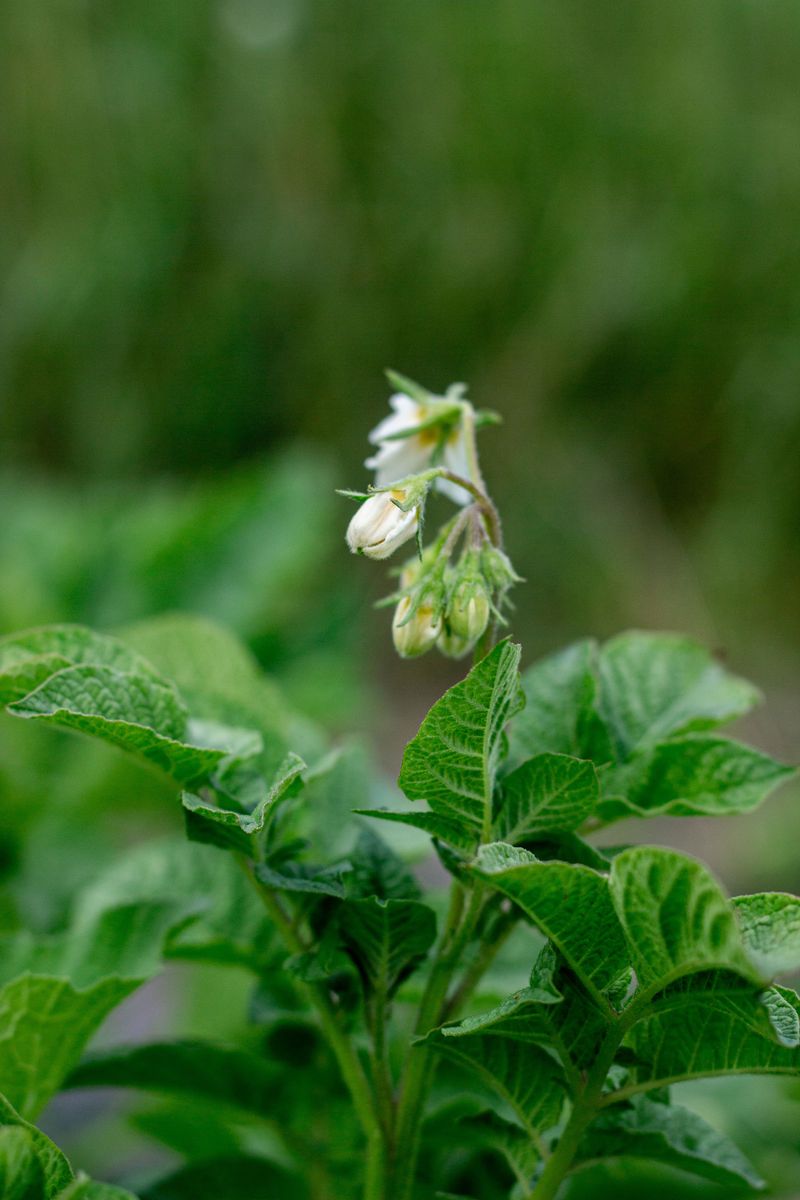
Cold nights change everything for a potato. When fall temperatures drop across Idaho, the plant’s metabolism slows in a way that keeps natural sugars locked inside the tuber longer than usual.
This slowdown isn’t random. It’s a survival response, one that happens to produce extraordinary flavor as a side effect.
Potatoes harvested before full maturity often convert sugars into starches too quickly. That rush robs the potato of the balanced sweetness that makes fall harvests taste layered, deep, and satisfying in ways spring simply cannot match.
Nothing rushed ever tastes as complex as something earned slowly. Fall’s cool air acts almost like a flavor preservative, holding sugars in place while other processes continue underneath the surface.
The slower the conversion, the more complex the taste profile that builds inside each potato over time. Every degree the temperature drops adds another layer to what’s happening beneath the skin.
Home cooks often notice this without knowing why. A fall potato roasted in the oven caramelizes more beautifully because those sugars remain present and intact from the growing season, untouched by premature conversion.
Growers across Idaho have long understood that cold snaps in September and October function almost like a gift.
Those chilly nights signal the plant to stop pushing energy outward and instead concentrate goodness inside the tuber, layer by layer, night after night.
The result is a potato that tastes like it grew with intention. Idaho’s fall potatoes taste remarkable partly because cold temperatures do flavor-building work that warm weather cannot replicate, no matter how hard it tries.
2. Longer Growing Season Deepens Flavor Development
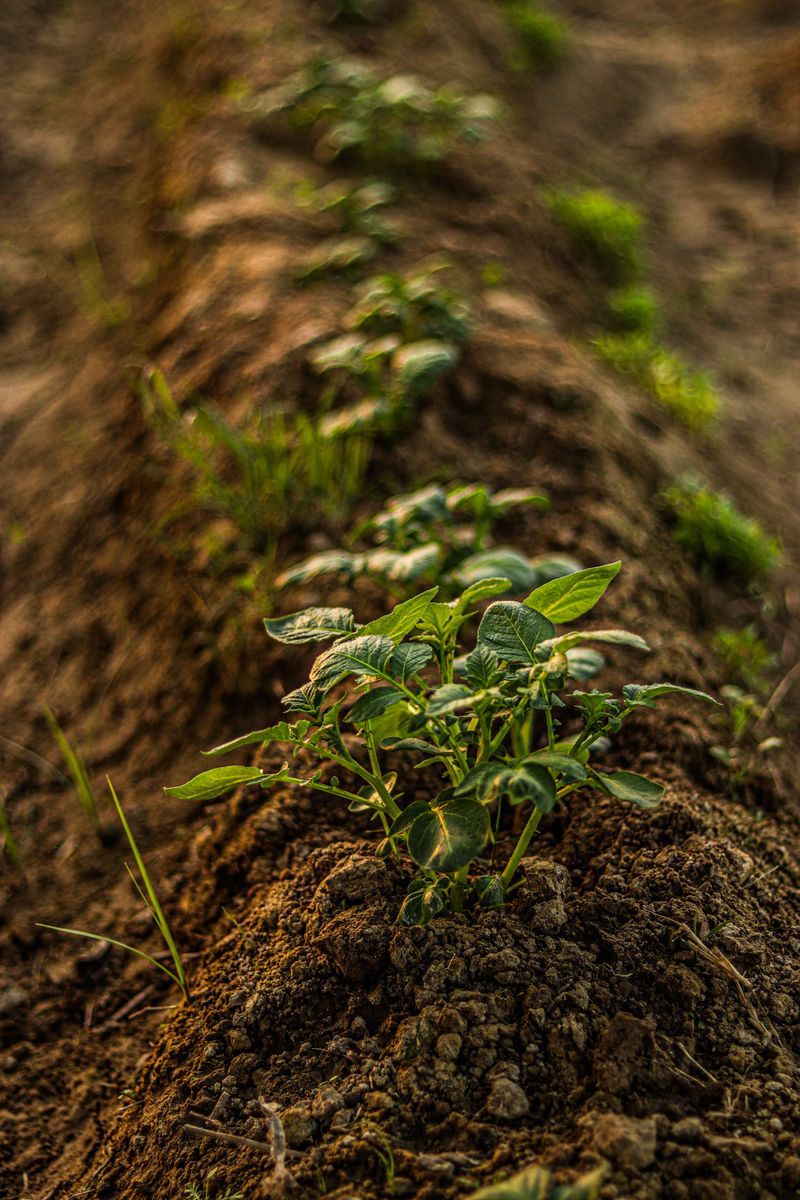
Time is the secret ingredient most recipes forget to mention. Fall potatoes in Idaho benefit from a longer stretch of growing days compared to spring varieties, and that difference shows up in every bite.
Spring potatoes are often planted and harvested within a compressed window. Growers rush to beat summer heat, which means tubers never fully develop their flavor potential before leaving the ground.
Your Idaho Garden Changes Every Week. Your Plan Should Too.
Gardening in Idaho changes quickly throughout the season. Every Friday you’ll receive a simple weekly plan showing exactly what to plant, prune, fertilize, harvest, and protect so you never miss the right timing.
Fall crops get planted earlier and allowed to grow slowly through summer into autumn. That extended timeline gives the potato time to absorb more nutrients, build more starch, and develop a taste that is noticeably richer than anything rushed.
Picture a slow-simmered stew compared to something microwaved in minutes. Both fill you up, but only one delivers the kind of depth that makes you pause and appreciate every bite you take.
Idaho’s fall potatoes taste better because they have earned it through weeks of steady, unhurried growth. The longer the journey from seed to harvest, the more complex the flavor that eventually lands on your plate.
Farmers who grow fall crops talk about patience like it’s an actual tool, not just a virtue. Waiting for the right moment to harvest matters just as much as planting at the right time, and fall gives growers both advantages at once, season after season, without fail.
3. Volcanic Soil Shapes Mineral-Rich Taste
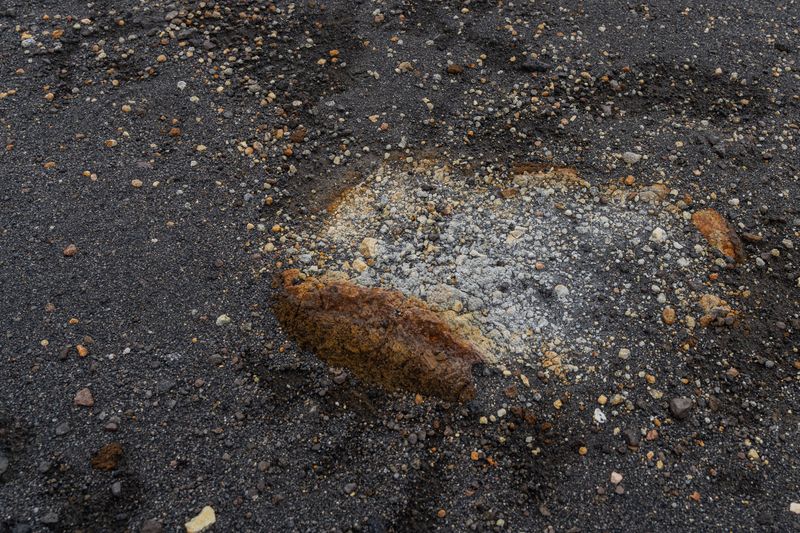
Idaho sits on ancient volcanic land, and that history is still feeding potatoes today. The soil left behind by volcanic activity is packed with minerals that most farming regions simply do not have.
Minerals like potassium, phosphorus, and magnesium move from the soil directly into the potato as it grows. These elements do more than support plant health, they actually shape the flavor you taste when you take a bite.
Potassium, for example, helps regulate water inside the tuber and contributes to that dense, satisfying texture fall potatoes are known for. Phosphorus supports root development, which means the plant can pull even more goodness from the ground.
Spring potatoes grown in less mineral-rich soils often taste flat by comparison. Idaho-grown potatoes are widely regarded for their quality, and the volcanic geology beneath the fields is a big part of that story.
The soil also drains exceptionally well because of its porous volcanic structure. Good drainage means potato roots stay healthy and do not sit in waterlogged conditions that dilute flavor and cause rot.
When you eat an Idaho fall potato, you are tasting thousands of years of geological history. That rich, earthy depth in every bite comes straight from the ground up, and few other regions share this exact combination of soil conditions.
4. Full Maturation Allows Starches To Develop
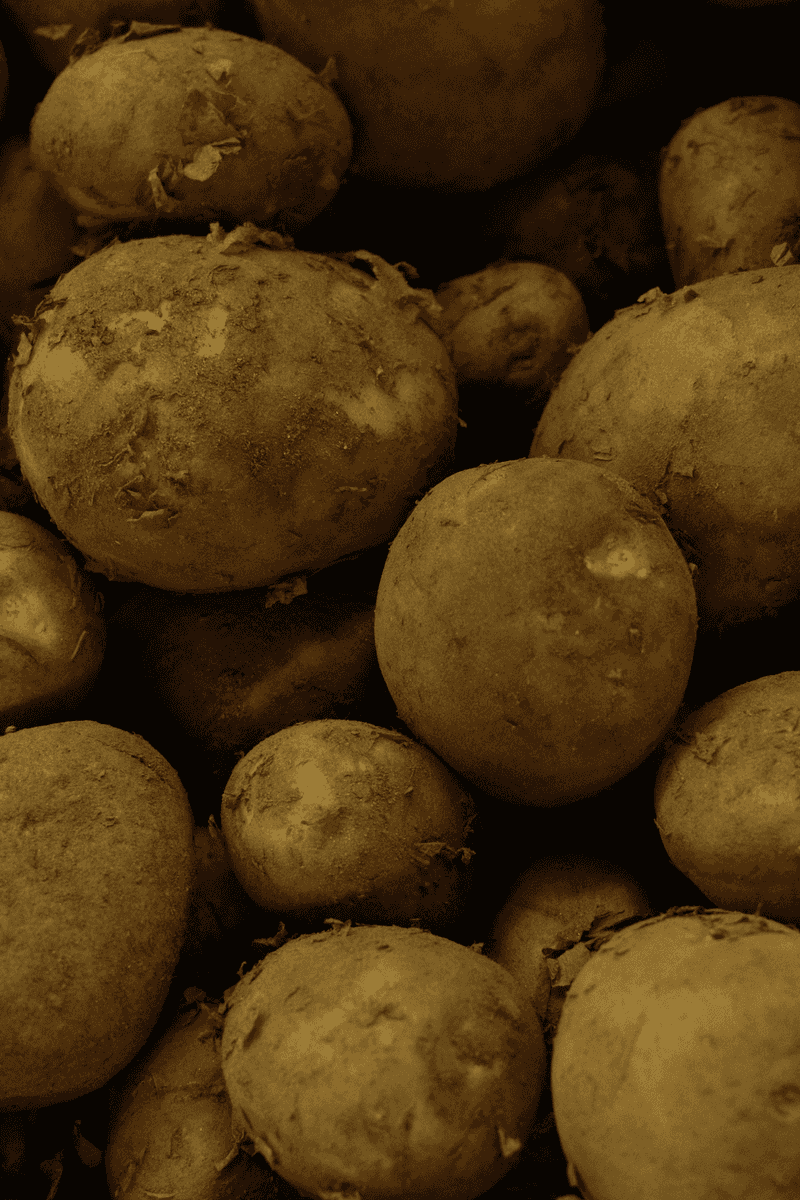
A potato picked too early is like a song cut off before the chorus. Spring harvests often happen before the tuber reaches full maturity, leaving the starch structure incomplete and the flavor underdeveloped.
Fall potatoes have the time they need to reach peak starch development. Starch is not just a texture thing, it is the backbone of how a potato tastes, cooks, and holds up on your plate. Fully mature starches create that characteristic fluffy interior.
When starch development is cut short, the potato tastes watery and lacks substance. You might not be able to name what is missing, but your taste buds will know something is off.
Idaho growers monitor starch levels closely before pulling their fall crops. They use a simple iodine test on cut potato slices to confirm the starch has reached the right concentration for harvest.
That attention to maturity is part of what separates Idaho fall potatoes from the rest. Full starch development is not an accident, it is the result of patient farming and a growing season long enough to let nature finish what it started.
5. Harvest Timing Preserves Natural Sweetness
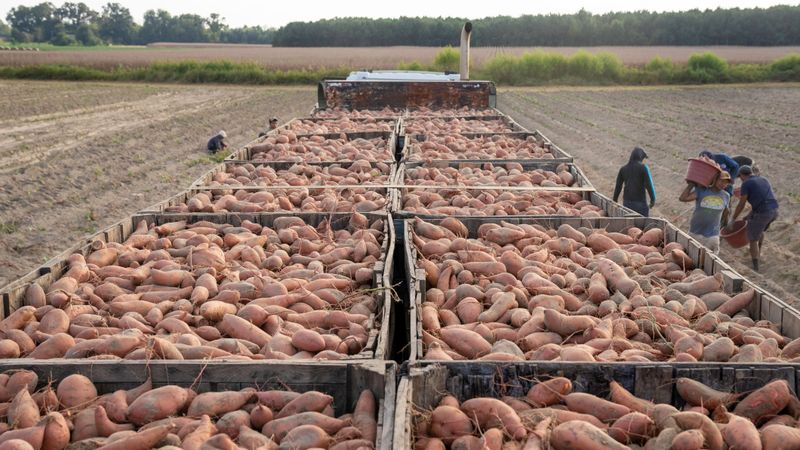
Picking a potato at exactly the right moment is an art form. Harvest too early and you lose sweetness, wait too long and the skin toughens while flavor flattens out completely.
Fall harvest windows in Idaho align almost perfectly with peak sweetness. The combination of cool nights and warm days just before harvest concentrates sugars in the tuber at exactly the right level.
Spring harvests rarely hit that same sweet spot. Warmer, less predictable weather makes correct timing difficult, forcing growers to choose between waiting for sweetness and risking damage from sudden heat.
Experienced Idaho farmers read the land like a trained eye reads a page. They watch plant tops yellow and wither naturally, a signal that the tuber has stopped growing and reached peak flavor.
That natural signal does not appear cleanly in spring. The growing season runs shorter and environmental cues stay less reliable, which means more guesswork and more inconsistency in the final product.
Idaho’s fall potatoes taste better partly because timing works in the farmer’s favor during autumn. When the season, the soil, and the weather all line up correctly, harvest becomes less of a gamble.
It turns into something closer to a celebration. Every choice made in those final weeks adds up to a tuber worth the wait.
6. Reduced Heat Stress Improves Overall Quality
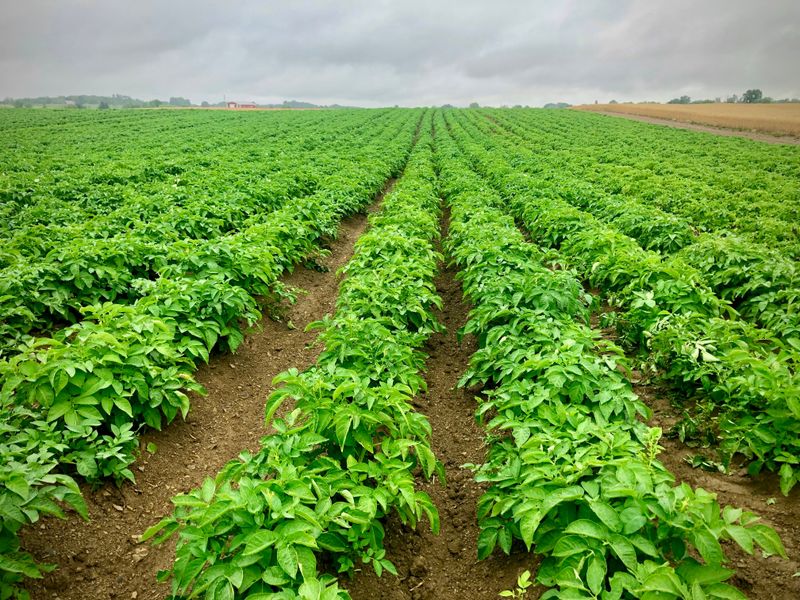
Heat is a potato’s limiting factor. When summer temperatures spike, potato plants shift into a stress response and stop feeding energy into the tuber where it matters most.
Spring crops often mature during the hottest stretch of the year. That heat stress causes plants to produce smaller, less flavorful potatoes with thinner skins and inconsistent texture throughout the harvest.
Fall crops in Idaho spend their final growing weeks in milder conditions. Temperatures cool gradually, allowing the plant to focus entirely on tuber quality instead of managing excessive heat stress.
Mild weather also reduces the risk of hollow heart, a defect where the center of a potato forms an air pocket. Heat stress is one of the primary triggers behind this problem, and it affects both appearance and flavor noticeably.
Cooler fall conditions mean fewer defects and far more consistent quality from field to table. Shoppers who pick up Idaho fall potatoes at the grocery store are more likely to get a flawless tuber nearly every time.
Stress-free growing conditions produce potatoes that are calmer, denser, and more flavorful, strange as that sounds for a vegetable pulled from dirt. Fall gives Idaho’s crops the gentle finish they need to move from decent to consistently higher quality.
Nothing about this happens by luck. Every mild afternoon in autumn quietly does work that summer heat could never manage, shaping flavor one degree at a time until harvest finally arrives.
7. Curing After Harvest Enhances Flavor Complexity
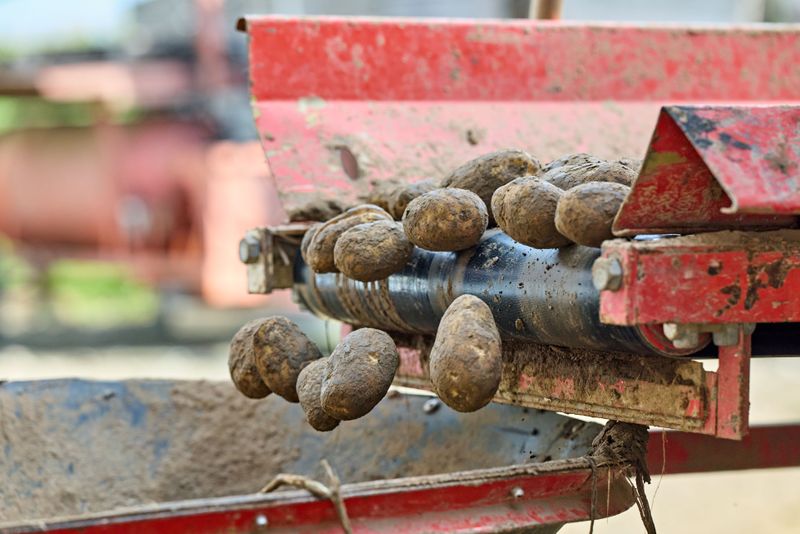
Harvesting a potato is not the finish line, it is more like halftime. After fall potatoes are pulled from the ground, they go through a curing process that transforms their flavor in a way most people never expect.
Curing involves holding the freshly dug potatoes in a warm, humid environment for one to two weeks. During that time, the skin thickens, minor surface wounds heal, and the internal chemistry of the tuber continues to evolve.
Sugars and starches shift during curing in ways that deepen the overall taste. A potato that tasted mild right out of the ground can develop a noticeably richer, more savory flavor profile after just ten days of proper curing.
Spring potatoes are often rushed to market without adequate curing time. The compressed spring harvest schedule leaves little room for this step, and the flavor declines noticeably as a result.
Fall crops have the luxury of timing on their side. Cooler storage temperatures after curing help lock in those flavor gains and keep the potato in peak condition for months without losing quality.
The curing step is one of the most underappreciated parts of what makes Idaho’s fall potatoes taste so much better. A little patience after harvest pays off in every bite, and fall is the season that makes that patience possible.
8. Consistent Irrigation Supports Even Growth
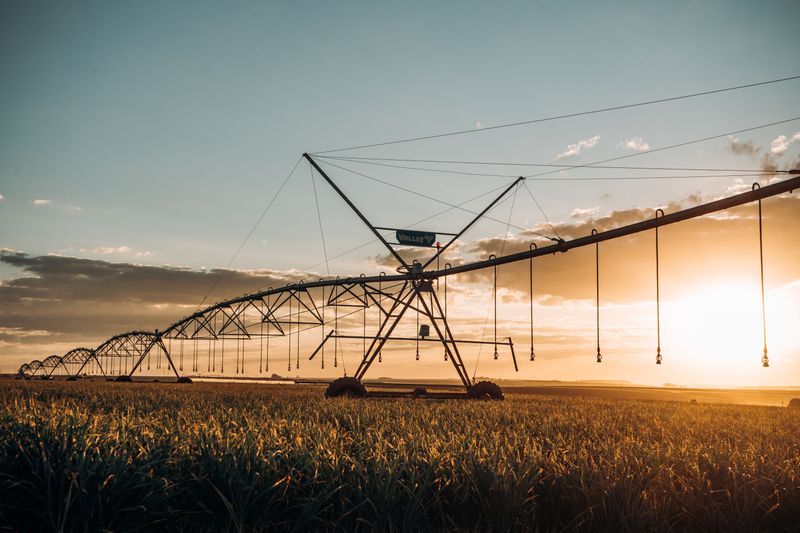
Water matters more than most gardeners realize. Potatoes that receive inconsistent moisture during the growing season develop uneven texture, cracked skin, and a flavor that swings from bland to bitter depending on the section you eat.
Idaho’s fall crops benefit from a highly managed irrigation system that delivers steady water throughout the growing season. That consistency keeps the tuber expanding at an even pace, which translates directly into better texture and flavor.
Spring crops are at the mercy of unpredictable rain patterns and rapidly changing temperatures. Too much rain followed by dry heat creates a boom-and-bust cycle that stresses the plant and produces uneven tubers.
Fall irrigation in Idaho is supported by snowmelt from surrounding mountains, which provides a clean, mineral-rich water source. That natural supply is both reliable and free of the chemical additives sometimes found in municipal water systems.
Even hydration also prevents a condition called second growth, where a potato stops expanding and then starts again after a dry spell. Second growth creates knobby, misshapen tubers that are harder to peel and less pleasant to eat.
Steady water from planting through harvest gives Idaho’s fall potatoes a smooth, uniform structure inside and out. That evenness is part of what makes Idaho’s fall potatoes taste so much better, and why they remain a widely respected benchmark.