The Soil Type Cucumbers Struggle To Grow In
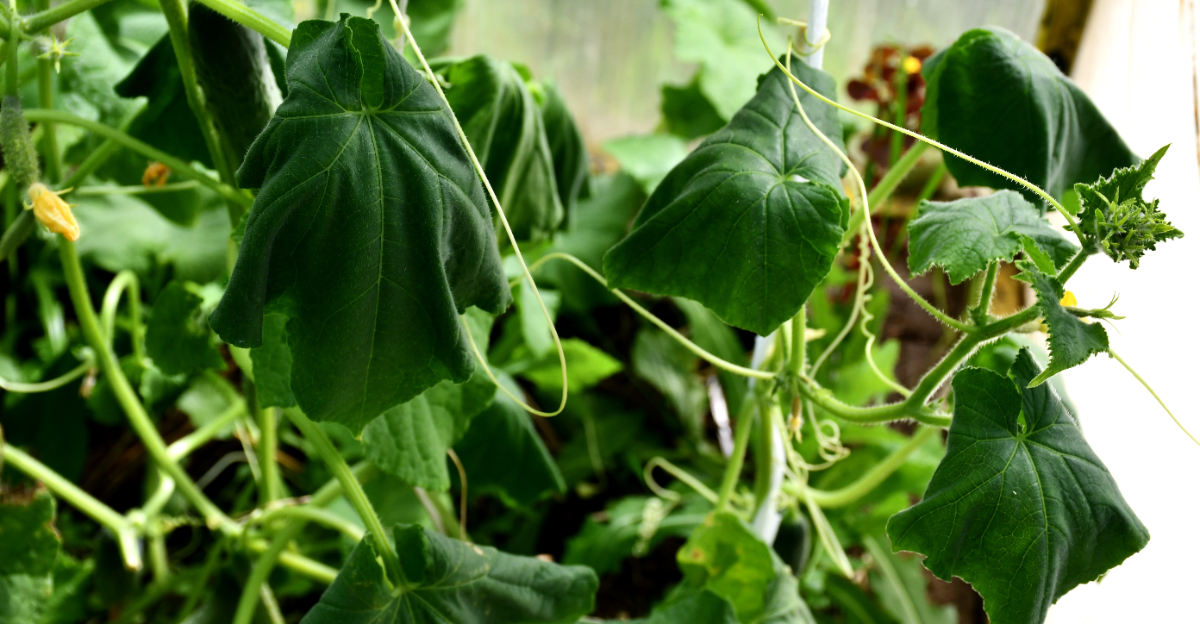
Two weeks in, everything looks perfect. Then your cucumbers just stop.
Leaves fade to a dull pale green, growth crawls to a stop, and fruit shows up stunted or refuses to form at all. Most gardeners blame the weather or switch fertilizers. The real problem sits inches below the surface, where the roots are struggling to survive.
Cucumber roots need loose, oxygen-rich soil to expand fast and feed the plant’s constant hunger. When the ground around them stays dense and tightly packed, that expansion stops cold, trapping water around the roots while starving them of air.
One soil type causes this more than any other, and it’s rarely the first thing gardeners suspect. What follows are the red flags to watch for and the fixes that actually work.
Heavy Clay Soil Blocks Root Growth And Drainage
Grab a handful of wet garden soil and squeeze it tight. If it holds a perfect shape like modeling clay, you have a serious problem for cucumbers.
Clay soil is made of extremely fine particles packed tightly together. Those particles leave almost no space for air or water to move through freely.
Cucumber roots need loose, airy soil to spread out and anchor the plant. Clay soil acts like a wall, stopping roots from pushing deeper into the ground.
When roots cannot expand, the whole plant stays small and stressed. A stressed cucumber plant produces fewer fruits and becomes an easy target for disease.
Clay also holds water like a sponge that never fully dries. After a heavy rain, clay soil stays soggy for days, sometimes even weeks.
That standing moisture around the roots is exactly what cucumbers hate most. The soil type cucumbers struggle to grow in is one that drowns their roots while starving them of oxygen.
Interestingly, clay soil is actually rich in minerals and nutrients. The problem is not what is in it, but how tightly it holds everything.
Nutrients get locked inside clay particles and become nearly impossible for roots to absorb. Even a well-fed clay bed can leave cucumbers looking yellow and hungry.
Fixing clay starts with understanding what you are up against. The challenge is real, but it is very manageable with the right approach.
Why Compacted Soil Leads To Weak, Stressed Vines
Picture stepping on a wet sponge every single day for a whole season. That is essentially what happens to soil under constant foot traffic or heavy rain.
Compacted soil is different from just being clay-heavy. Even sandy or mixed soils can become compacted over time through repeated pressure and poor management.
When soil particles are pressed together, the tiny pockets of air get squeezed out. Roots need those air pockets just as much as they need water to survive.
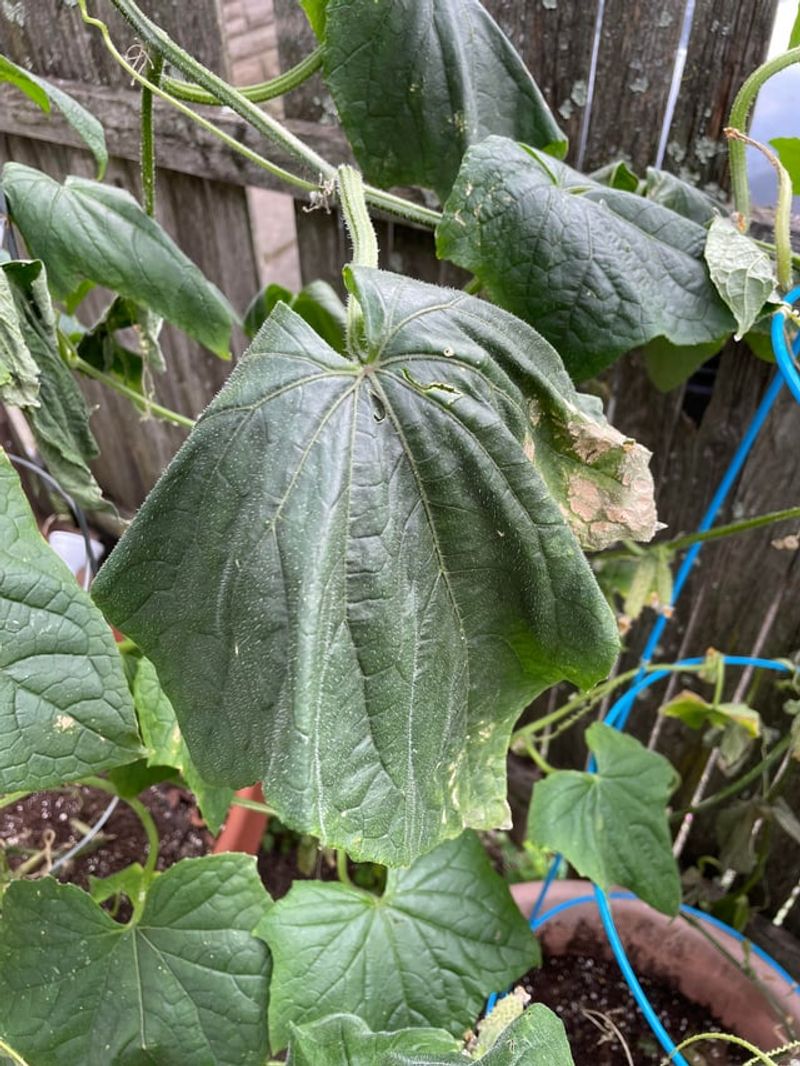
Cucumber vines that grow in compacted ground look thin, pale, and almost lifeless. The plant is spending all its energy just trying to push roots through soil that refuses to give way.
Compaction also slows water absorption dramatically. Instead of soaking in, rainfall runs off the surface and takes valuable topsoil nutrients with it.
The soil type cucumbers struggle to grow in does not just block physical growth. It disrupts the entire underground ecosystem that healthy plants depend on daily.
Earthworms and beneficial microbes cannot thrive in compacted ground either. Without those helpers, nutrient cycling slows to a crawl and the soil becomes even less hospitable.
One easy test is the screwdriver method. Push a standard screwdriver into your soil and see how far it goes before hitting resistance.
If you meet strong resistance before six inches, your soil is too compacted for cucumbers. Loose, healthy soil should let the screwdriver slide in with little resistance.
How Poor Drainage Invites Root Rot And Water Mold Disease
Standing water in a garden bed smells like trouble, because it usually is. Poor drainage turns your cucumber patch into a breeding ground for some of the most damaging plant pathogens.
Root rot is caused by water mold organisms that thrive in soggy, oxygen-starved conditions. Once those organisms reach cucumber roots, the damage spreads fast and quietly.
You might not even notice root rot until the whole plant starts collapsing above ground. By then, the roots have already turned brown, mushy, and unable to function.
Pathogens like Pythium and Phytophthora, technically water molds rather than true fungi, love waterlogged clay soil more than almost any other environment.
Clay soil stays wet long after rain stops because water cannot drain downward fast enough. That extended moisture window is all those pathogens need to establish themselves and spread.
The soil type cucumbers struggle to grow in creates a cycle that is hard to break. Wet soil breeds disease, disease weakens roots, and weak roots absorb water even less efficiently.
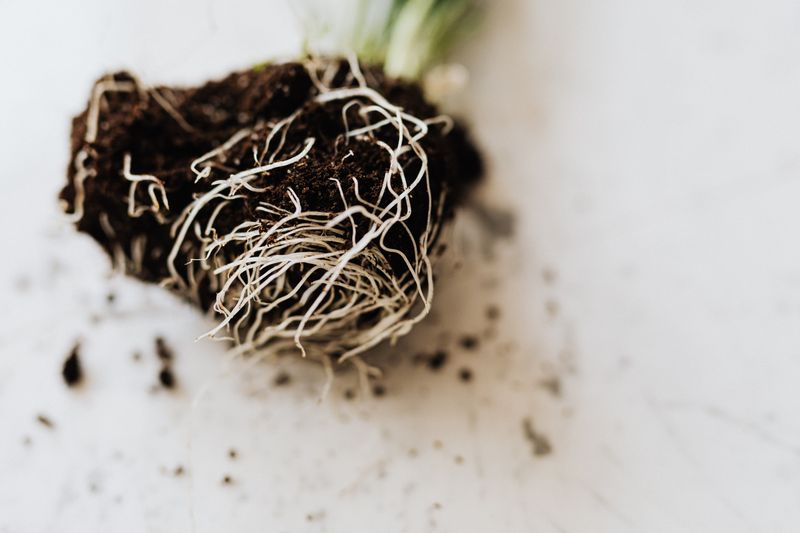
Healthy cucumber roots should look white or light tan and feel firm to the touch. Infected roots look dark, slimy, and fall apart when you handle them gently.
Improving drainage is not optional if you want to grow cucumbers successfully in clay. Every extra day of waterlogged soil is another invitation for disease to take over your harvest.
Signs Your Cucumbers Are Struggling With Clay Soil
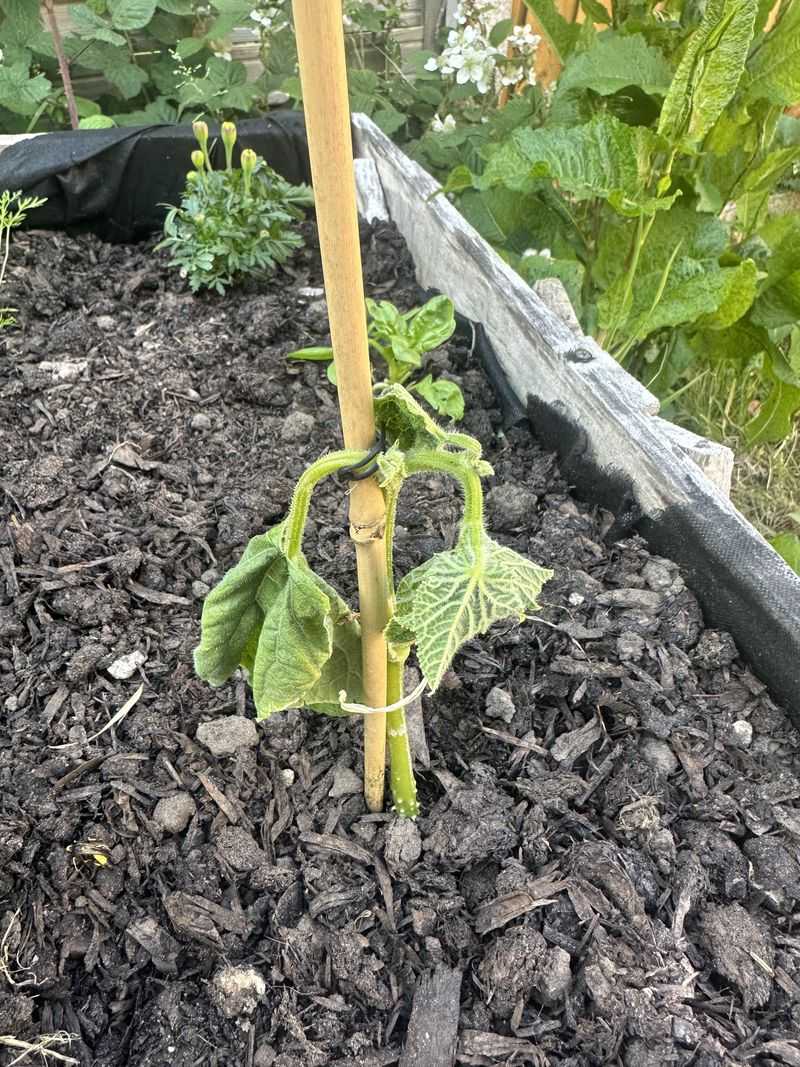
Your cucumbers will tell you when something is wrong underground. You just have to know what clues to look for above the soil surface.
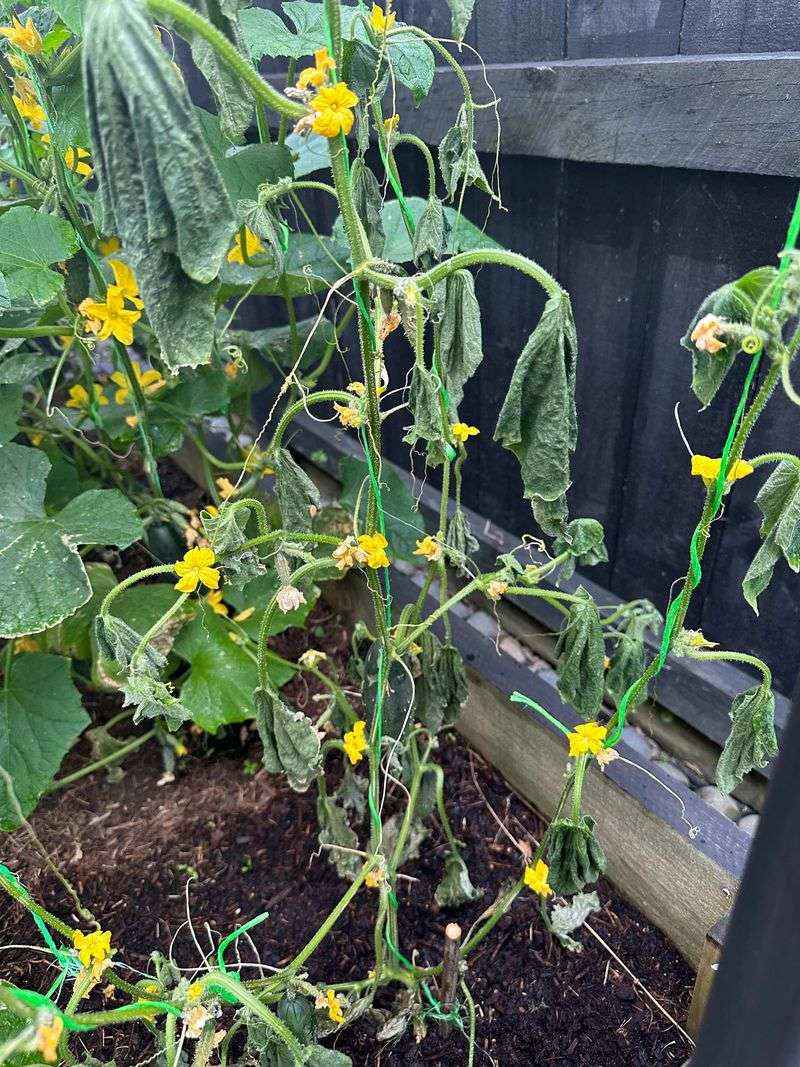
Yellowing leaves are one of the earliest and most common warning signs. When roots cannot absorb nutrients properly, the plant starts pulling energy from its oldest leaves first.
Stunted growth is another red flag that something underground is seriously off. Cucumbers are naturally fast growers, so a plant that barely moves in two weeks is sending a distress signal.
Wilting during the middle of the day, even after watering, points directly to root trouble. Damaged or suffocated roots cannot move water up the stem fast enough to keep leaves hydrated.
You might also notice the soil surface cracking in a mosaic pattern when it dries out. That cracking pattern is a classic signature of clay-heavy ground cycling between wet and dry extremes.
The soil type cucumbers struggle to grow in often leaves a hard crust on top after watering. Water pools on the surface instead of soaking in, and you can see it sitting there for several minutes.
Fruit production slows or stops entirely when roots are under serious stress. A cucumber plant in poor soil might flower but drop those blooms before any fruit sets.
Check the soil about four inches down after a rain. If it feels cold, wet, and sticky two days later, your drainage is not working and your cucumbers are suffering for it.
Amending Clay Soil With Compost And Organic Matter
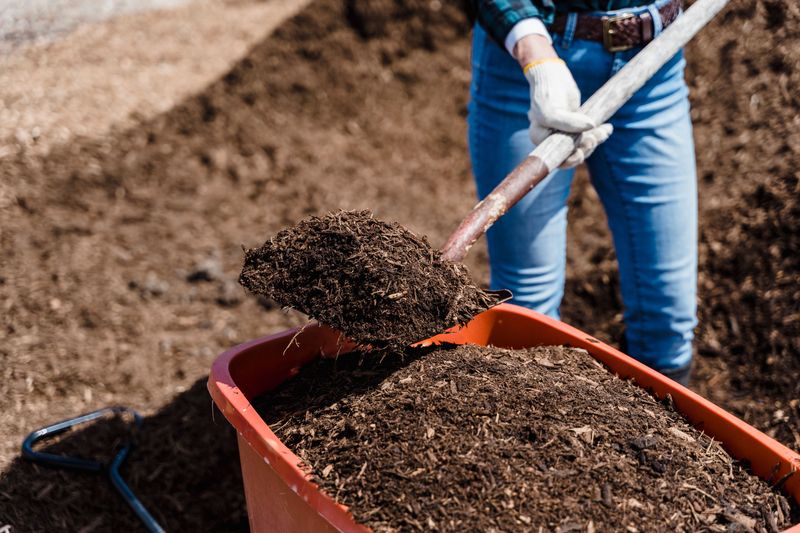
Compost is not just good for soil, it works wonders on clay. Adding organic matter is one of the most effective ways to break up dense, compacted ground over time.
Compost works by creating aggregates, which are tiny clumps of soil particles grouped loosely together. Those clumps open up space for air and water to move through the soil more freely.
Aim to add at least three to four inches of compost across your entire bed. Work it into the top twelve inches of soil using a garden fork or tiller for best results.
Aged manure is another powerful organic amendment that works beautifully alongside compost. Chicken, cow, or horse manure all add nutrients while helping clay particles loosen their grip on each other.
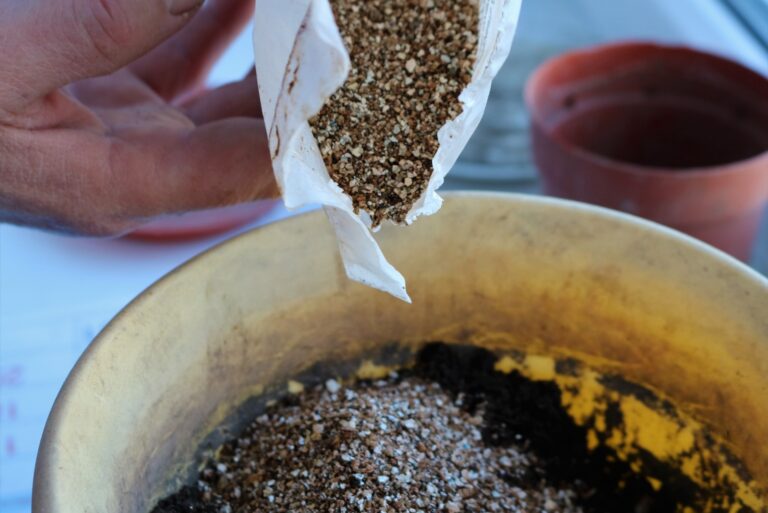
Perlite and coarse sand can also help improve drainage in heavy clay beds. Mix them in generously, because a small amount will barely make a noticeable difference in truly dense soil.
The soil type cucumbers struggle to grow in does not transform overnight. Consistent amendments over one or two full seasons will produce a dramatically different growing environment.
Cover crops like clover or winter rye also break up clay naturally through their root systems. Plant them in fall and turn them under in spring for an extra boost of organic material.
Mulching the surface between plants slows moisture loss and feeds soil biology steadily. Healthy soil biology is what keeps clay from reverting back to its old, stubborn habits.
Building Raised Beds As A Long-Term Fix
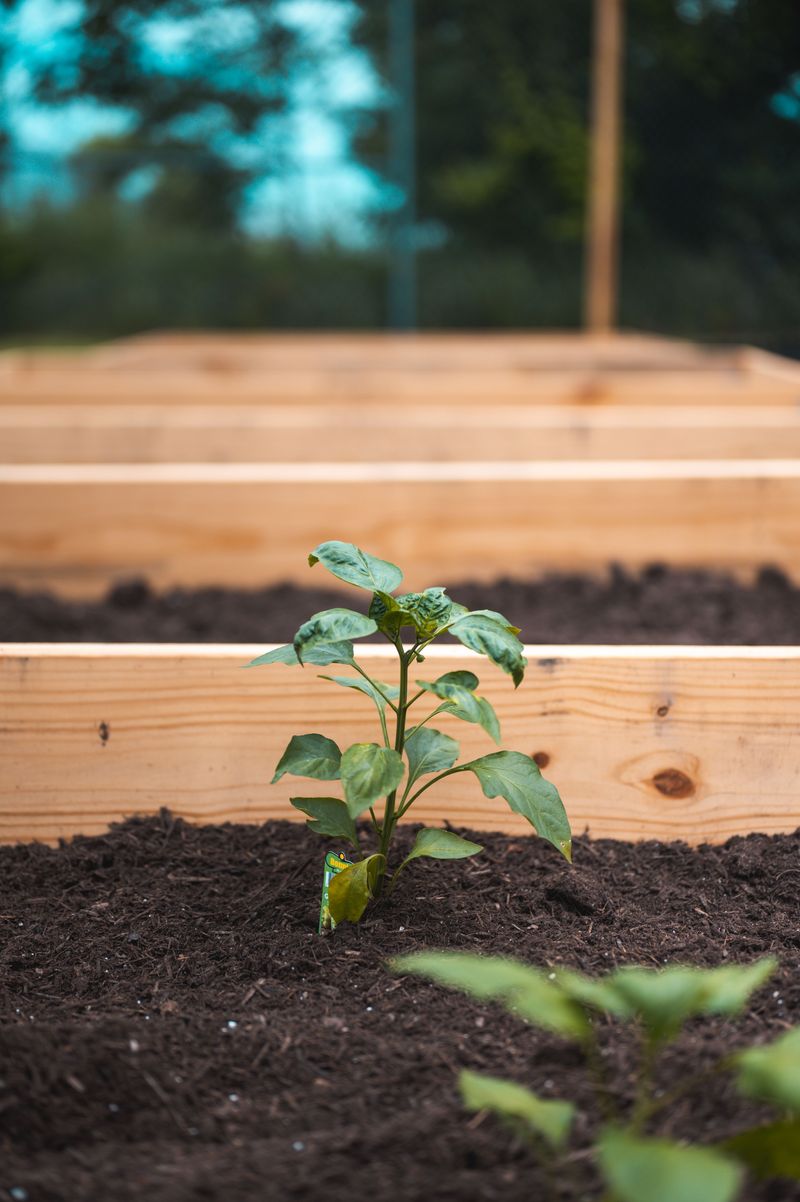
Sometimes the smartest move is to stop struggling against your native soil entirely. Building raised beds gives you full control over what your cucumbers grow in from day one.
Raised beds sit above the native clay layer, so drainage improves immediately and dramatically. Water flows down and out instead of pooling around roots and causing the slow damage that clay creates.
A good raised bed mix for cucumbers includes compost, topsoil, and perlite in roughly equal parts. That blend stays loose, drains well, and holds just enough moisture to keep roots happy between waterings.
Cedar and pine boards are popular choices for building raised bed frames. They hold up well outdoors and do not leach harmful chemicals into your growing soil over the seasons.
Aim for a bed depth of at least twelve inches, though eighteen is even better for cucumbers. Deeper beds allow roots to spread fully and anchor the plant as heavy vines begin climbing.
The soil type cucumbers struggle to grow in becomes irrelevant once you build above it. Your raised bed creates a fresh start with none of the drainage baggage that clay brings to the table.
Place your beds where they receive at least six to eight hours of direct sunlight daily. Cucumbers are sun-hungry plants and will not perform well in shaded or partially shaded spots.
Raised beds also warm up faster in spring, which means earlier planting and a longer harvest window. That extra growing time can mean dozens more cucumbers before the first frost arrives.