The New Jersey Shore Plants Built For Salt Air And Sandy Soil
Wind off the Atlantic doesn’t ask permission. It scours dune grass, flattens anything soft, and turns ordinary topsoil into shifting sand within a season. Add salt fog rolling in most mornings, and you have a growing zone that punishes guesswork fast.
Homeowners here learn this fast, usually after a garden center haul turns brown by July. A small group of native plants shrugs off these conditions anyway, shaped by this same sand, sun, and wind for generations.
These species aren’t decorative afterthoughts. They’re the reason certain dunes survive nor’easters while bare ones erode into the ocean. Plant what belongs, and the coast does most of the work for you.
1. American Beachgrass (Ammophila Breviligulata)
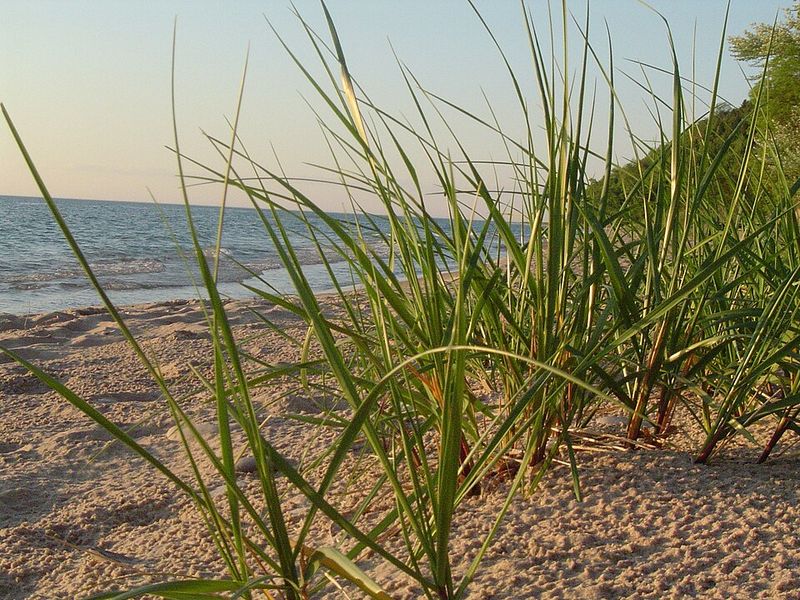
Walk any New Jersey Shore dune and you will spot this grass first. American Beachgrass is the original dune builder, and it has been holding coastlines together for thousands of years.
Sandy soil that would swallow most plants alive is exactly where this grass feels at home. Its roots plunge deep and spread sideways, locking sand in place before the next storm can steal it.
Salt air does not slow it down one bit. The blades are stiff, narrow, and coated with a waxy layer that shrugs off ocean spray like a raincoat.
Gardeners and land managers both love it for erosion control. Plant it in fall or early spring, space clumps about eighteen inches apart, and let it spread naturally.
It spreads through underground rhizomes, forming thick colonies over time. One small planting can become a serious dune system within just a few growing seasons.
Wildlife benefits too. Sparrows and other shorebirds nest low in its base, and small mammals find shelter among its dense roots.
You do not need to fertilize or water it once established. American Beachgrass is the definition of plant-it-and-forget-it along the New Jersey Shore.
If you live near the coast and want a plant that actually earns its place, start here. This grass is not just pretty — it is doing serious structural work every single day.
2. Beach Plum (Prunus Maritima)
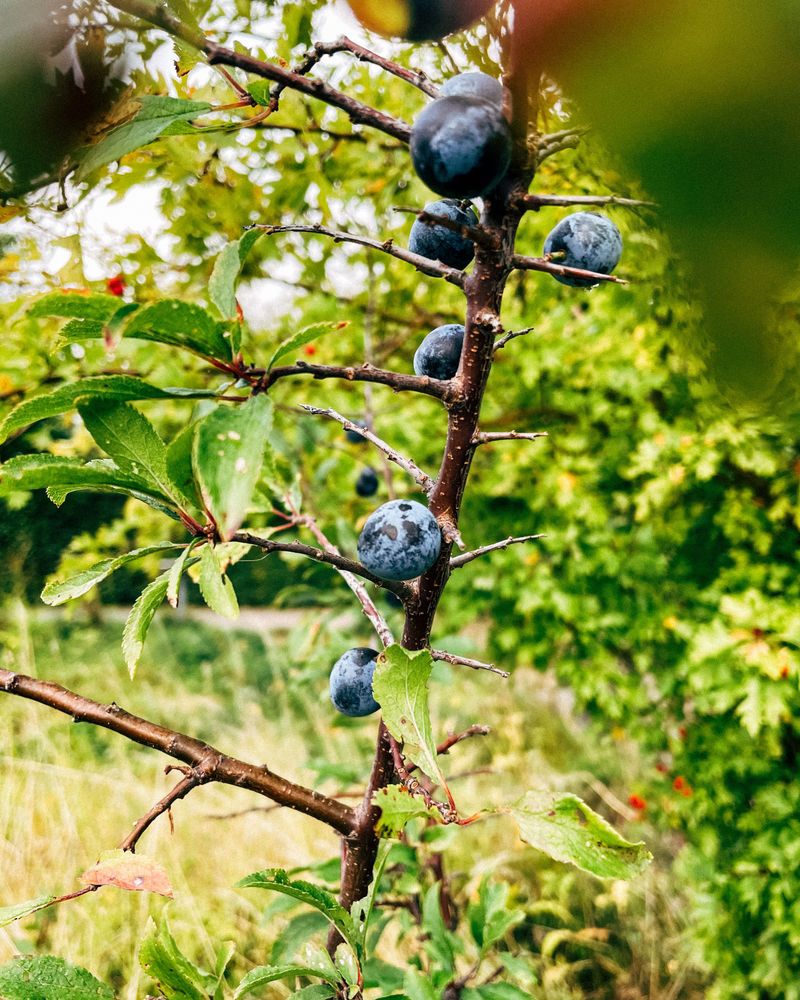
Every August, something magical happens along the Jersey Shore. Small, wild shrubs explode with deep purple fruits that locals have been turning into jam for generations.
Beach Plum is a true coastal native, perfectly adapted to salt air and sandy soil. It grows three to six feet tall and spreads into dense, tangled thickets that double as wildlife habitat.
Spring brings a spectacular show first. Clusters of small white flowers cover the branches before the leaves even open, making it one of the earliest bloomers on the shore.
The fruits ripen from late summer into early fall. They taste tart and complex, somewhere between a wild cherry and a classic plum, and they make outstanding preserves.
Plant Beach Plum in full sun for the best fruit production. It tolerates poor, fast-draining sandy soil without complaint and needs almost no irrigation once its roots are established.
Your New Jersey Garden Changes Every Week. Your Plan Should Too.
Gardening in New Jersey changes quickly throughout the season. Every Friday you’ll receive a simple weekly plan showing exactly what to plant, prune, fertilize, harvest, and protect so you never miss the right timing.
Salt spray resistance is exceptional. This shrub has evolved right alongside the ocean, so coastal wind and salt are just part of a normal Tuesday for it.
Birds go absolutely wild for the fruit. Catbirds, mockingbirds, and cedar waxwings descend on ripe Beach Plums every fall, making your yard a birding hotspot.
Plant two or more shrubs near each other to improve pollination and boost your fruit harvest. Beach Plum rewards patience with beauty, wildlife, and a pantry full of homemade jam.
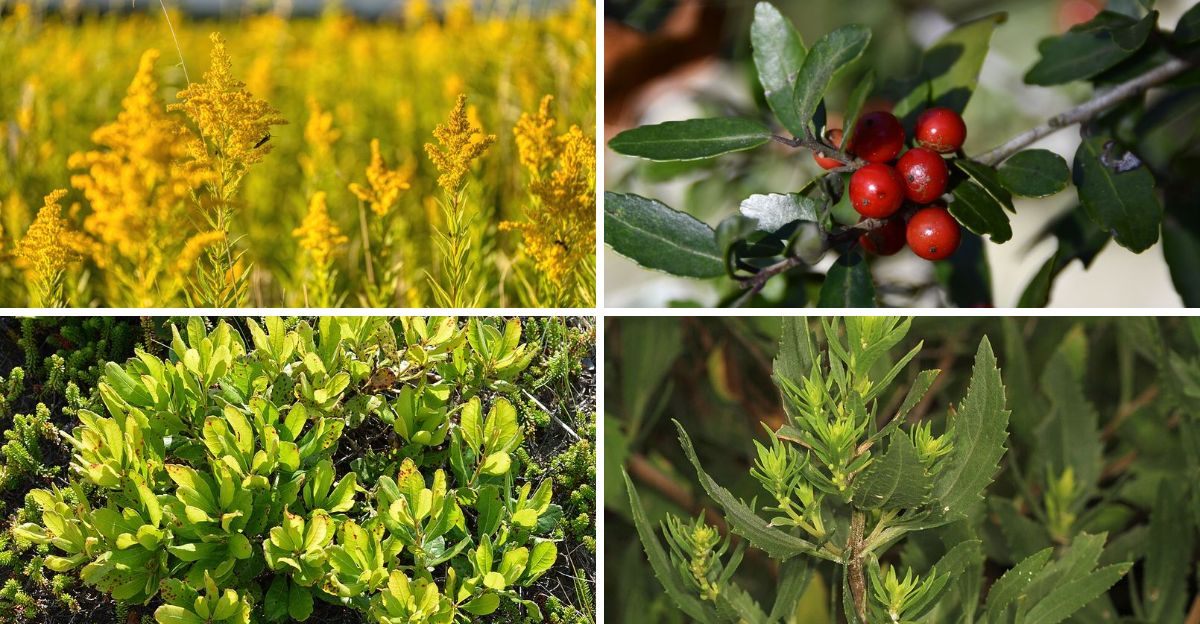
3. Seaside Goldenrod (Solidago Sempervirens)
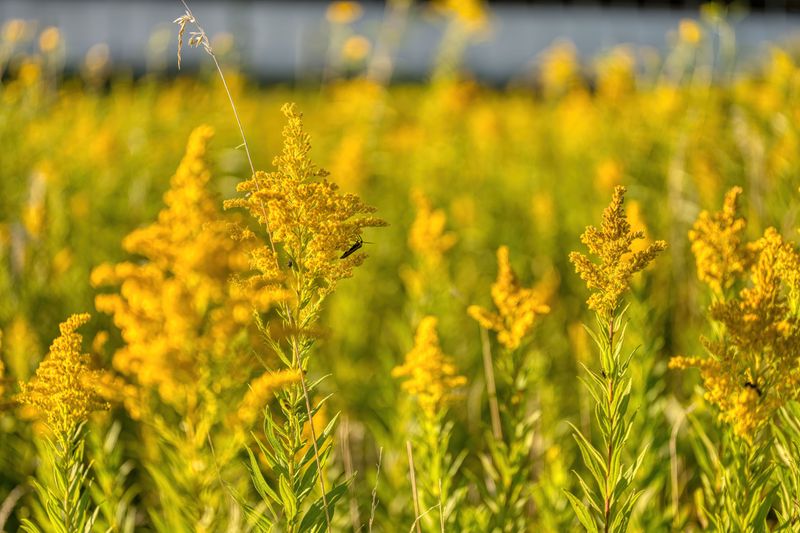
Picture a late-summer dune painted electric yellow from tip to tip. That is Seaside Goldenrod doing what it does best — putting on a show when everything else is fading.
This plant is a powerhouse for coastal gardens. It blooms from August through October, bringing color to the shore long after most other flowers have called it quits.
Salt air is no problem for Seaside Goldenrod. Its thick, succulent-like leaves hold moisture and resist salt burn far better than typical garden perennials.
Sandy, nutrient-poor soil is actually its preference. Rich garden soil can make it flop over or spread too aggressively, so lean and sandy is exactly right.
Pollinators absolutely swarm this plant. Monarch butterflies, bumblebees, and dozens of native bee species rely on its late-season nectar as they prepare for fall migration or winter.
Growing two to five feet tall, it works beautifully as a mid-border plant or naturalized along fence lines. Its arching golden plumes sway elegantly in coastal breezes.
It spreads by both seed and rhizome, so give it room. Once established, it forms cheerful colonies that come back stronger every single year without any help from you.
For anyone building a New Jersey Shore garden that feeds wildlife and survives tough conditions, Seaside Goldenrod is an absolute must-have. Plant it once and enjoy it for decades.
4. Northern Bayberry (Morella Pensylvanica)
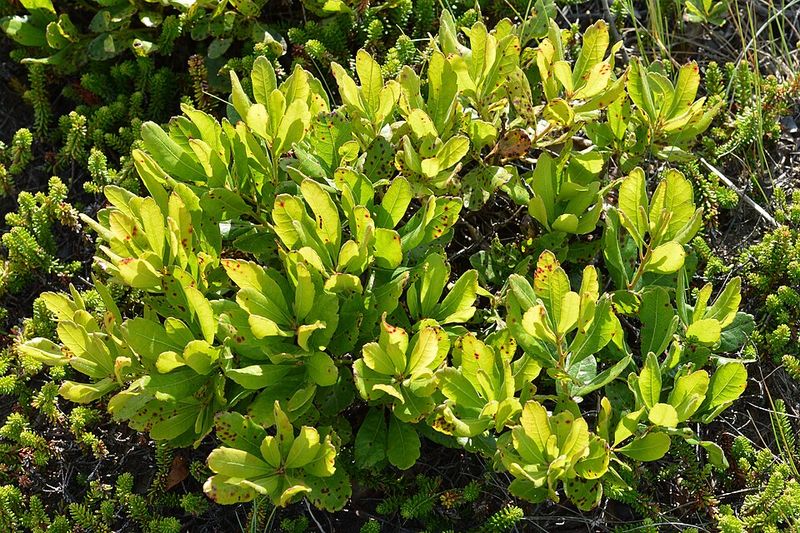
Crush a leaf of Northern Bayberry and you will understand immediately why colonists used it to make candles. That rich, spicy, woodsy scent lingers on your fingers long after you let go.
This sturdy shrub is one of the most salt-tolerant plants on the entire East Coast. Sandy soil, ocean spray, and brutal wind are conditions it handles without missing a beat.
Northern Bayberry grows four to eight feet tall and wide, forming dense, semi-evergreen thickets. The waxy gray berries cluster tightly on the stems and persist through winter.
Birds go crazy for those berries. Yellow-rumped warblers in particular depend on Bayberry fruit during their fall migration, making it one of the most important native shrubs for migrating warblers.
It fixes nitrogen in the soil through a symbiotic relationship with root bacteria. That means it actually improves the ground around it, helping neighboring plants grow better over time.
Male and female plants are separate, so you need both sexes to get berries. Plant at least one male for every two or three females to ensure a good fruit set.
Full sun to partial shade works fine for this adaptable shrub. Once established, it needs no supplemental watering and thrives in the exact sandy conditions that defeat less-tough plants.
For a coastal landscape that looks natural, feeds wildlife, and smells incredible, Northern Bayberry belongs on every New Jersey Shore property. Few plants deliver this much value for so little effort.
5. Inkberry Holly (Ilex Glabra)
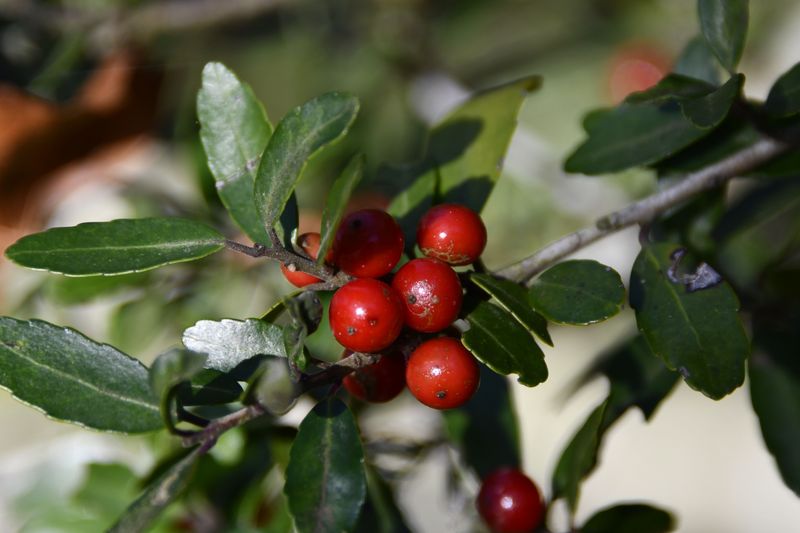
Most hollies get all the holiday attention, but Inkberry Holly is the quiet workhorse of the coastal garden. It earns its keep every single month of the year.
Unlike its flashier cousins, Inkberry is fully evergreen and native to the Atlantic coastal plain. Its dark, shiny leaves hold color through even the harshest Jersey Shore winters.
Small black berries appear in fall and cling to the branches well into winter. They are not much to look at from a distance, but birds find them absolutely irresistible.
Many songbird species eat Inkberry fruit, including robins, bluebirds, and hermit thrushes. Planting a few of these shrubs turns your yard into a winter bird buffet.
Salt spray and sandy soil are no obstacle for this tough native. It also handles wet, boggy areas that would drown most other shrubs, making it incredibly versatile along the shore.
Growing four to eight feet tall, it works as a hedge, a privacy screen, or a naturalized mass planting. Dwarf varieties stay compact if space is limited.
Like Bayberry, Inkberry has separate male and female plants. You will need at least one male plant nearby to get the berry production that makes this shrub truly shine.
Low maintenance is basically Inkberry’s middle name. Plant it in the right spot, give it one good season to establish, and it will reward you for decades. Sandy soil gardeners, meet your new best shrub.
6. Switchgrass (Panicum Virgatum)
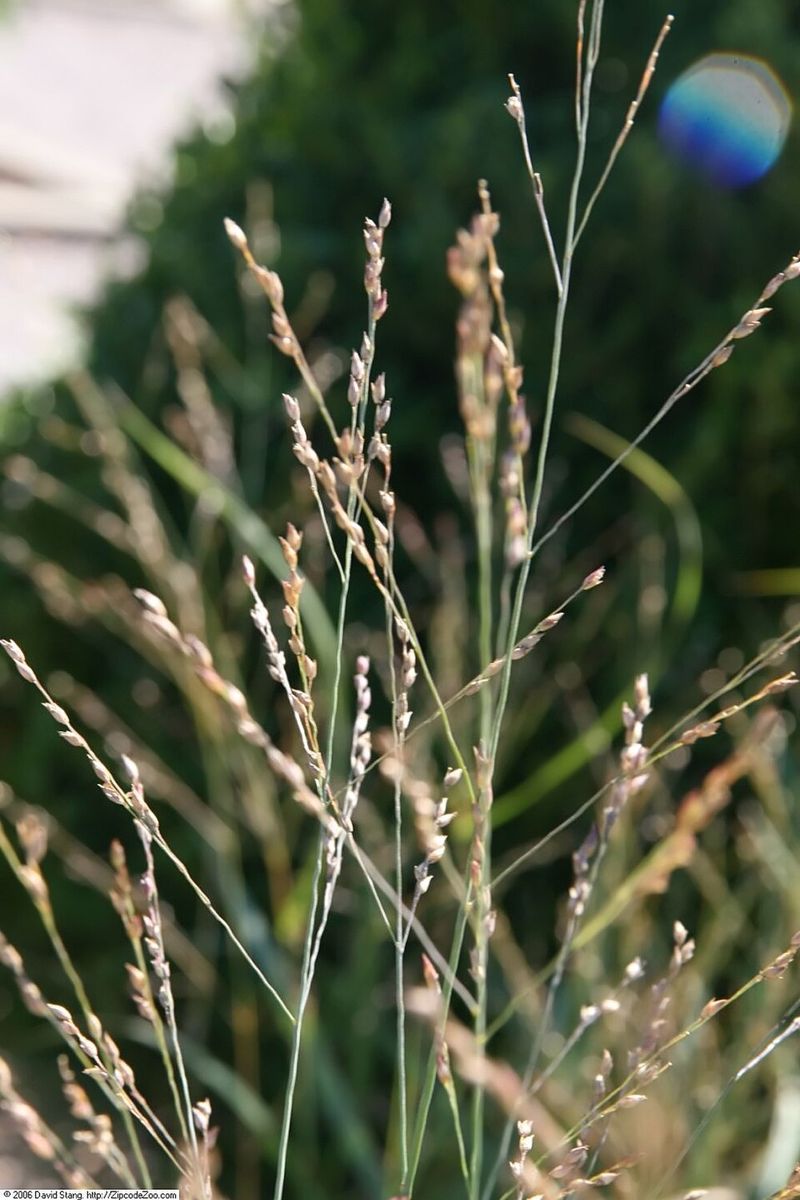
Switchgrass has a secret: it looks delicate, but it is one of the toughest plants on the continent. Native prairies and coastal dunes both claim it as their own.
Along the New Jersey Shore, Switchgrass thrives in sandy, nutrient-poor soil that most ornamental grasses refuse to tolerate. Salt air rolls right off its narrow, upright blades.
It grows three to six feet tall depending on the variety, forming elegant upright clumps. In late summer, airy clouds of tiny seed heads emerge and catch the light beautifully.
Fall color is a genuine surprise. The foliage turns brilliant shades of gold, orange, and burgundy before the first frost, rivaling any ornamental shrub in the landscape.
Birds feast on the seeds through winter, and the dense clumps provide critical shelter for small animals during cold months. Switchgrass earns its spot in any wildlife-friendly yard.
Named cultivars like Shenandoah and Cape Breeze offer more predictable height and color for garden settings. These selections keep the toughness of the species while looking more polished.
Cut it back hard in late winter, just before new growth begins. That one annual chore is all it needs, making Switchgrass one of the lowest-maintenance plants you can grow.
For a plant that moves beautifully in coastal wind, feeds wildlife, and turns heads every fall, Switchgrass is hard to beat. The New Jersey Shore was practically made for it.
7. Northern Sea Oats (Chasmanthium Latifolium)
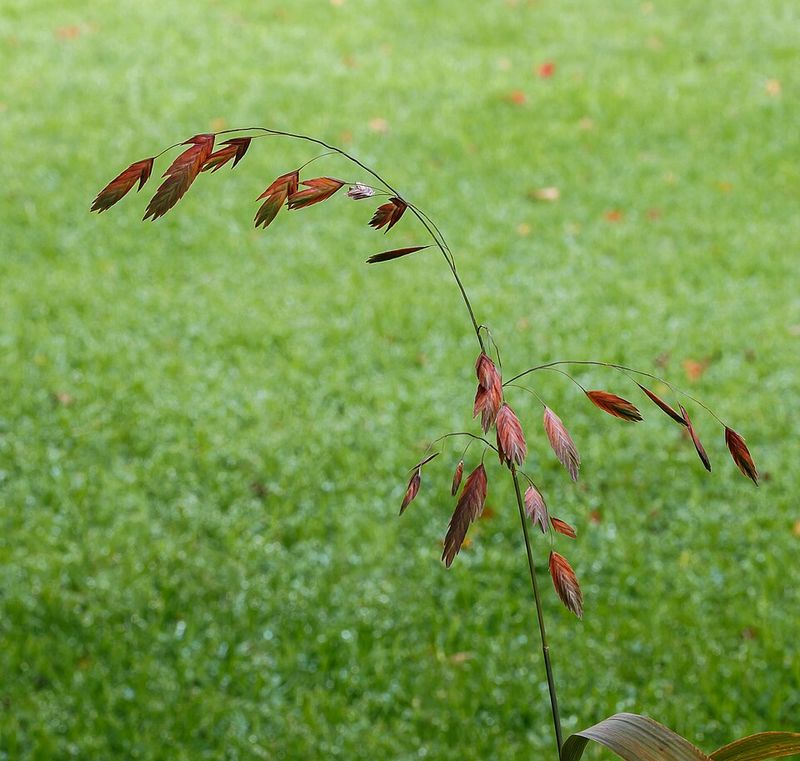
Those dangling, flat seed heads look like they belong on a beach gift shop postcard. Northern Sea Oats has the most distinctive silhouette of any native grass on the East Coast.
Unlike most coastal grasses, this one actually prefers partial shade. That makes it a rare and valuable find for shadier spots in your shore-area garden.
Sandy soil suits it well, though it also handles clay and moist conditions without complaint. Few plants offer that kind of flexibility in tough coastal environments.
The seed heads start green in summer, then shift to copper and bronze as fall arrives. They rustle and sway with every breeze, creating constant gentle movement in the garden.
Birds adore the seeds. Songbirds like finches and sparrows pick the seed heads clean through fall and winter, so leave them standing as long as possible after the season ends.
It spreads by self-seeding, sometimes enthusiastically. In a garden setting, pull unwanted seedlings in spring before they establish, or simply enjoy the naturalized effect it creates over time.
Growing two to four feet tall, it works beautifully beneath taller shrubs or along shaded pathways. Its broad, bamboo-like leaves add a lush, tropical texture to coastal plantings.
For shaded corners of a New Jersey Shore property where other grasses fail, Northern Sea Oats steps in without hesitation. Plant it once and let it quietly take over in the best possible way.
8. Northern Marsh Elder (Iva Frutescens)
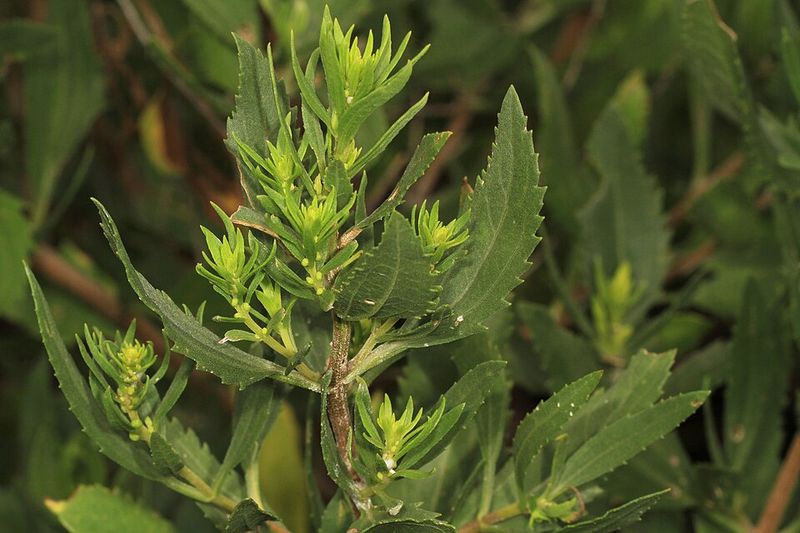
Most gardeners have never heard of Northern Marsh Elder, and that is a shame. This tough native shrub is doing critical ecological work along the New Jersey Shore every single day.
Found at the upper edges of salt marshes, it grows right where the tides stop and the sandy upland begins. Few plants can handle that specific zone of salt and stress.
Growing three to eight feet tall, it forms dense, shrubby colonies along marsh borders. Its small, toothed leaves are slightly succulent, helping it retain moisture in salty, saturated conditions.
Late summer brings tiny greenish flowers that rely on wind rather than insects for pollination, a quiet contrast to its otherwise wildlife-rich role.
Seeds ripen in fall and provide a reliable food source for migrating shorebirds and sparrows. Marsh Elder is a critical refueling stop for birds traveling the Atlantic Flyway each autumn.
It also acts as a natural buffer, protecting inland areas from storm surge and tidal flooding. Planting it along low-lying coastal edges reduces erosion in areas where few other shrubs will grow.
You will not find this plant at most garden centers, but native plant nurseries along the coast carry it. Seek it out if your property borders a tidal area or low-lying wetland edge.
Northern Marsh Elder may be unsung, but along the sandy, salty edges of the New Jersey Shore, it is quietly holding the whole ecosystem together. Give it the credit it deserves.