The Spots On Michigan Squash Leaves You Shouldn’t Ignore After Rain
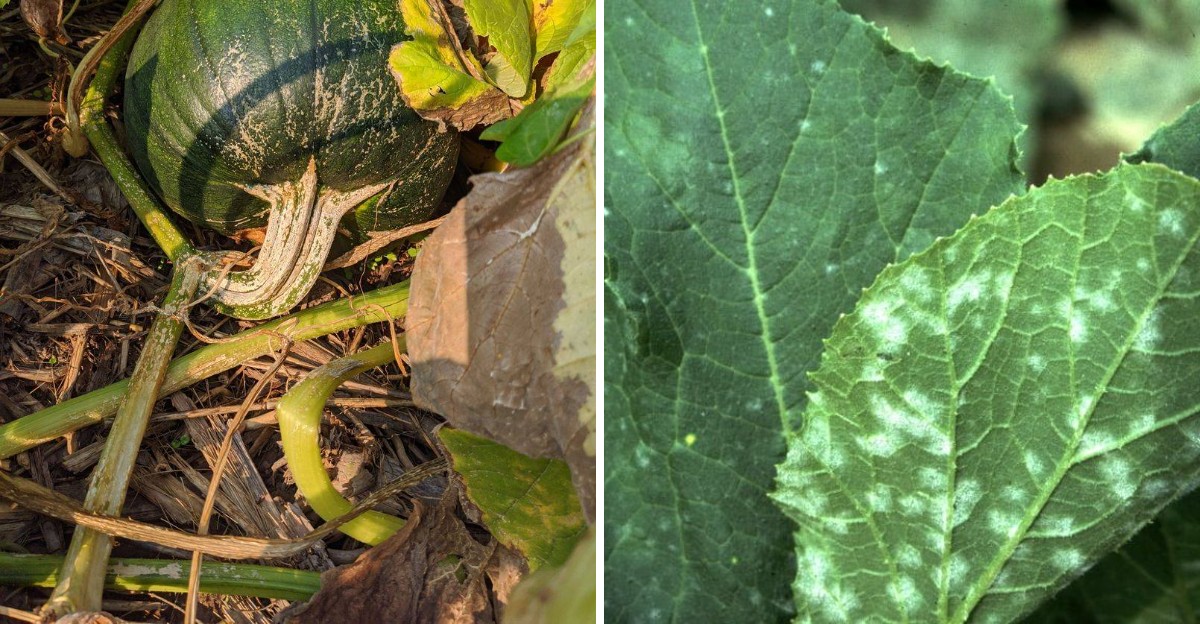
A rainy stretch can leave more than just puddles behind in a Michigan garden, it can also set off a wave of leaf spots on squash plants.
These spots often show up within a day or two after heavy rain, especially when leaves stay wet for long periods without much sun or air movement to dry them out.
Left unchecked, this kind of damage can spread quickly across a plant, weakening it right when it should still be producing.
Because different leaf spot issues call for different responses, taking a closer look right away matters more than waiting to see if it clears up on its own.
Catching these spots early gives Michigan gardeners a much better shot at saving the rest of the squash harvest.
1. Angular Water-Soaked Spots Point To Angular Leaf Spot
Raindrops do more than water your garden. When they hit the soil and bounce up, they can carry tiny bacteria right onto your squash leaves. That splashing is how angular leaf spot, a bacterial disease of squash, pumpkins, and other cucurbits, gets its start.
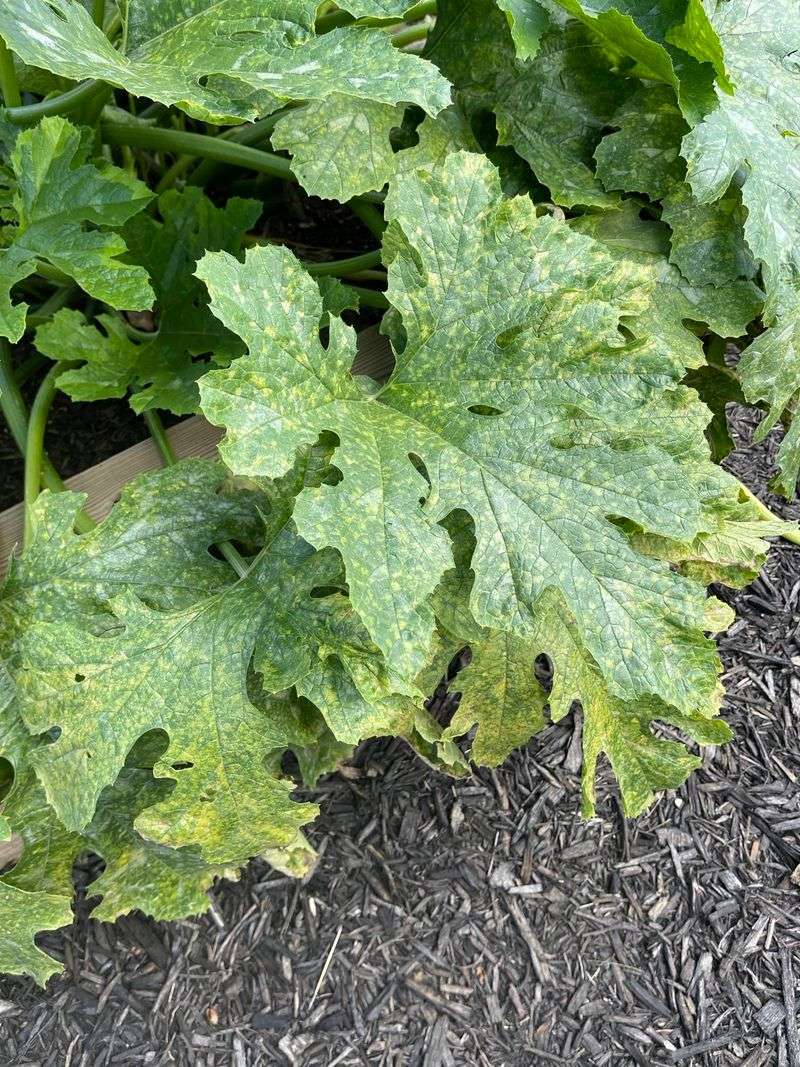
Once the bacteria land, they slip inside through natural openings in the leaf. Soon you may notice small spots that look wet or greasy. Their shape is the big clue, since leaf veins box them in and give them straight, angular edges.
Over time, those spots turn tan and dry. Many of them tear out, leaving ragged holes that make leaves look like someone took a hole punch to them. A plant with lots of damaged leaves has less power to grow healthy fruit.
Good habits make a real difference here. Skip overhead sprinklers and use a soaker hose or watering can at the base of the plant instead. Stay out of the patch while leaves are still wet, because your hands and clothes can move bacteria from plant to plant.
Pull off leaves that are heavily infected and toss them in the trash, not the compost pile. After harvest, clean up old vines and plant debris so the bacteria have fewer places to hide. Then plant cucurbits in a new spot for at least two years.
Michigan summers often bring warm, rainy stretches that last for days. Those are exactly the conditions bacterial leaf diseases love. Checking your leaves after each storm helps you catch problems while they are still small and easy to handle.
2. Small Dark Spots Can Signal Bacterial Spot
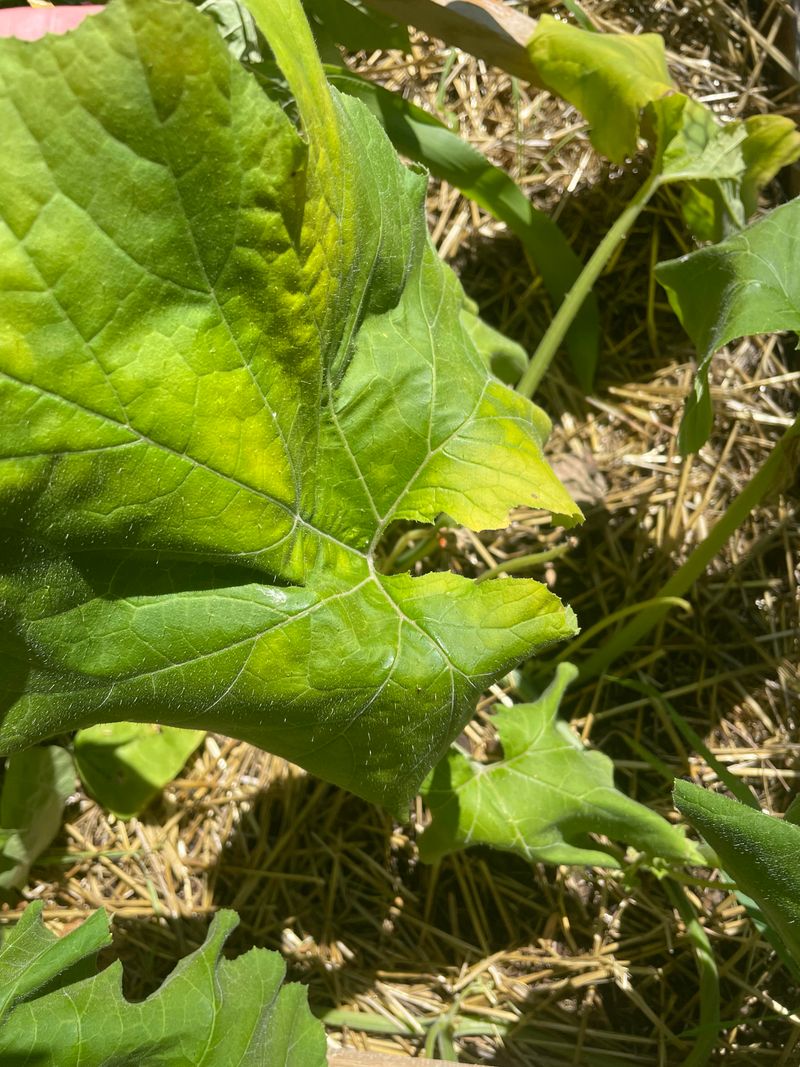
Your pumpkins could be telling you a story, and it starts on the leaves. Bacterial spot is a disease that mostly affects pumpkins and winter squash. It shows up as small, angular, dark spots with yellow rings, or halos, around them.
At first glance, those leaf spots may not seem like a big deal. The real worry comes later, because the same bacteria can also attack the fruit. Small, scabby spots can form on the rind, and some of them crack open.
Cracks are like open doors for rot. Once rot moves in, your squash or pumpkin will not keep as long in storage. That means fewer pies, soups, and porch decorations later in the year.
Your Michigan Garden Changes Every Week. Your Plan Should Too.
Gardening in Michigan changes quickly throughout the season. Every Friday you’ll receive a simple weekly plan showing exactly what to plant, prune, fertilize, harvest, and protect so you never miss the right timing.
Prevention begins before you even plant. Buy clean, high-quality seed from a trusted source, since the bacteria can travel on seed. Water at the base of your plants and avoid handling them when they are wet.
After harvest, gather up infected leaves and vines and get them out of the garden. Rotate your crops so pumpkins and squash grow somewhere new next season.
If bacterial spot has shown up in your garden before, copper products labeled for cucurbits can be used as a preventive step. Always follow the label directions carefully.
Pumpkins and winter squash are a huge part of fall in Michigan. Farm stands, pumpkin patches, and home gardens all count on clean, good-looking fruit. Keeping bacterial spot in check helps your harvest look great and last well into winter.
3. Yellow Angular Patches With Fuzz Underneath Mean Downy Mildew
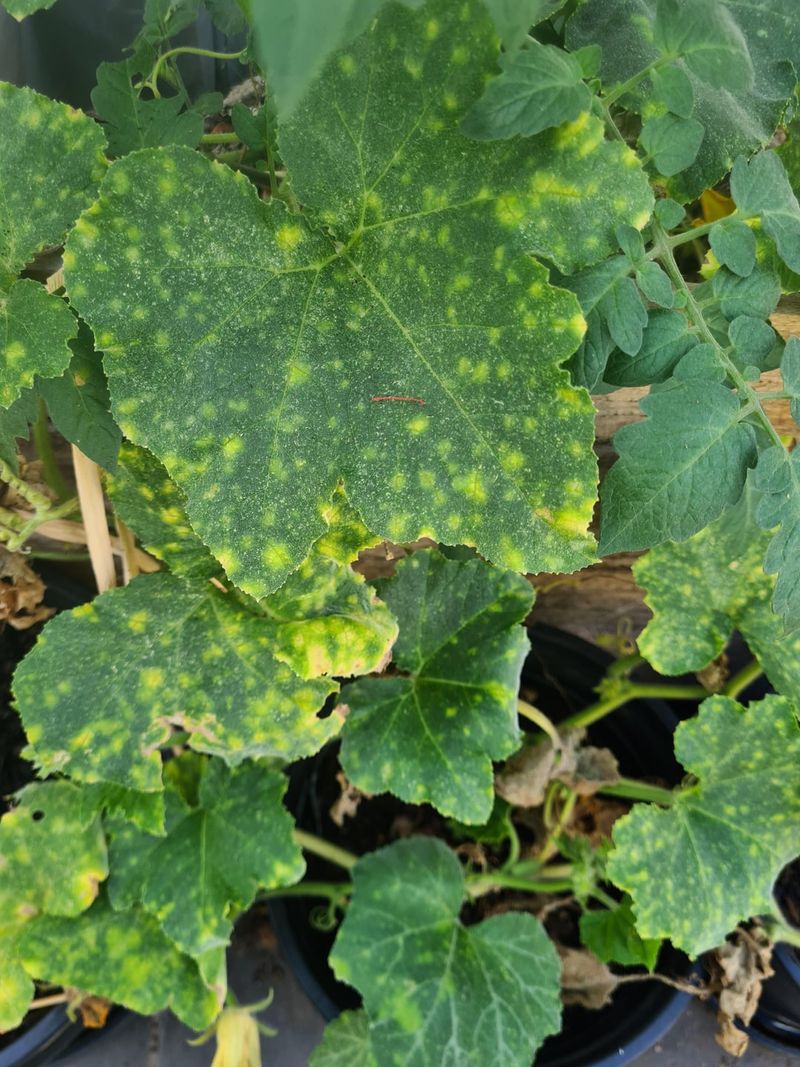
Flip that leaf over. Seriously, the underside of a squash leaf can reveal one of the fastest-moving problems in the vegetable garden. Downy mildew causes yellow, angular patches on top of the leaf, and underneath you may find gray to purplish fuzzy growth.
Speed is what makes this disease so tough. It loves cool, wet, humid weather, and it can damage leaves within just a few days. A patch that looked fine on Monday might look rough by Friday.
Here is something surprising. Downy mildew spores do not survive Michigan winters. Instead, they blow in each season on weather systems moving up from the south, which is why the disease tends to show up at about the same time each year.
After rainy periods, make a habit of checking leaf undersides. If you find infected leaves, remove them right away. Water at the base of plants in the morning so leaves dry quickly in the sun.
Give your plants room, too. Good spacing lets air move through the vines and keeps leaves from staying damp. If downy mildew does appear, fungicides labeled for downy mildew on cucurbits can help protect healthy leaves.
Michigan State University Extension tracks when downy mildew reaches the state and shares alerts with growers.
Signing up for those updates gives you an early warning. Since the disease usually arrives in mid to late summer, cucumbers, squash, and pumpkins all benefit from a watchful gardener.
4. Water-Soaked Spots And Wilting Can Mean Phytophthora Blight
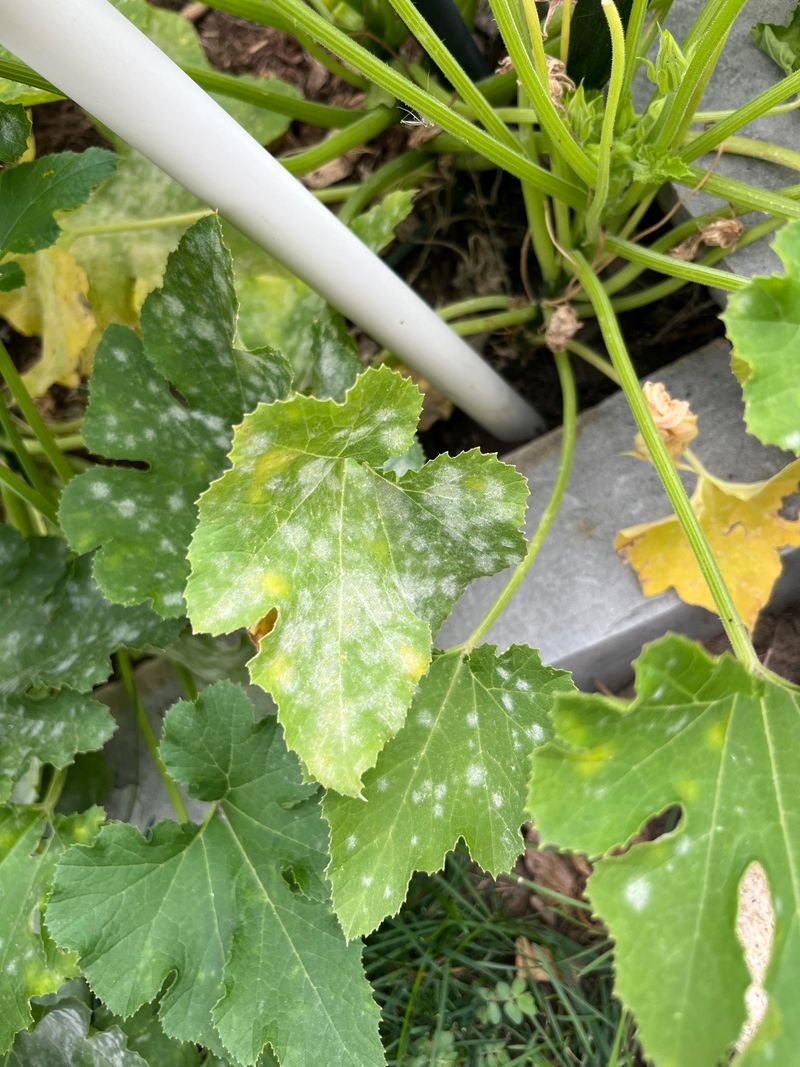
Few squash problems scare experienced growers quite like Phytophthora blight. It is caused by a water mold called Phytophthora capsici, and it ranks among the most destructive diseases of squash and pumpkins.
Where water sits, this troublemaker thrives. Soggy, saturated soil gives it the perfect home. Signs include water-soaked spots on leaves, sudden wilting, and dark lesions on stems.
Fruit can rot and become covered in a white, powdery growth that looks almost like spilled flour.
The hardest part is how long it sticks around. Once Phytophthora gets into your soil, it can survive there for years. That makes prevention far easier than trying to fix the problem later.
Choose your planting spot wisely. Well-drained soil or raised beds help keep roots out of standing water. Avoid low areas where puddles form after a storm.
If Phytophthora has appeared in part of your garden, do not plant squash or related crops there for several years.
Remove infected plants quickly and bag them up. Keep your tools and boots clean, since moving even a little soil from an infected area can spread the problem to new ground.
Michigan has well-documented cases of Phytophthora blight on cucurbits, and heavy rain often sets it off.
After a big downpour, walk your garden and look for plants that suddenly droop or fruit that looks soft. Catching it early helps protect the rest of your patch and the soil you depend on.
5. Tan Spots That Fall Out Point To Anthracnose
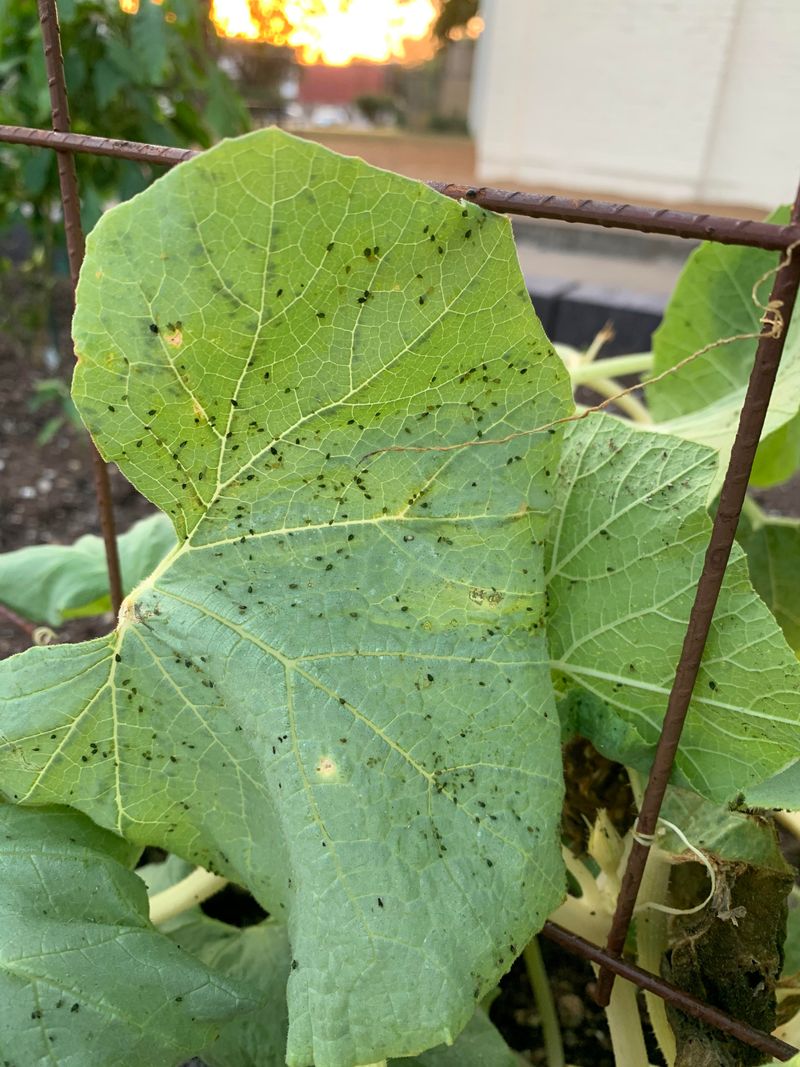
Shot holes in your squash leaves might make you think bugs are to blame. Sometimes, though, the real culprit is a fungus called anthracnose. It mainly attacks cucumbers, melons, and watermelons.
But it can occasionally cause tan to brown spots on pumpkin and squash leaves that dry out and drop away, leaving neat little holes behind.
Leaves are not the only target. Anthracnose can also cause sunken spots on fruit, which hurt both looks and quality. A pumpkin with dents and dark patches is not the one you want on your front step.
Rain plays a big role in how this disease travels. Splashing water carries the fungus from leaf to leaf and plant to plant. Warm, wet weather helps it grow fast, and it can hang on through winter in old, infected plant debris.
Watering at the base of your plants is a simple first step. Pick off infected leaves and remove damaged fruit so the fungus has less to feed on. When the season wraps up, clean up all the old vines and leaves.
Crop rotation helps a lot, too. Move your squash, pumpkins, and melons to a different part of the garden next year. Where you can, choose resistant varieties, which are bred to hold up better against the disease.
Summer thunderstorms and humid air are a regular part of Michigan weather. That combination favors anthracnose on vine crops of all kinds. Looking for those tan spots and holes after each storm gives you a head start.
6. Tiny Pale Spots Can Signal Septoria Leaf Spot
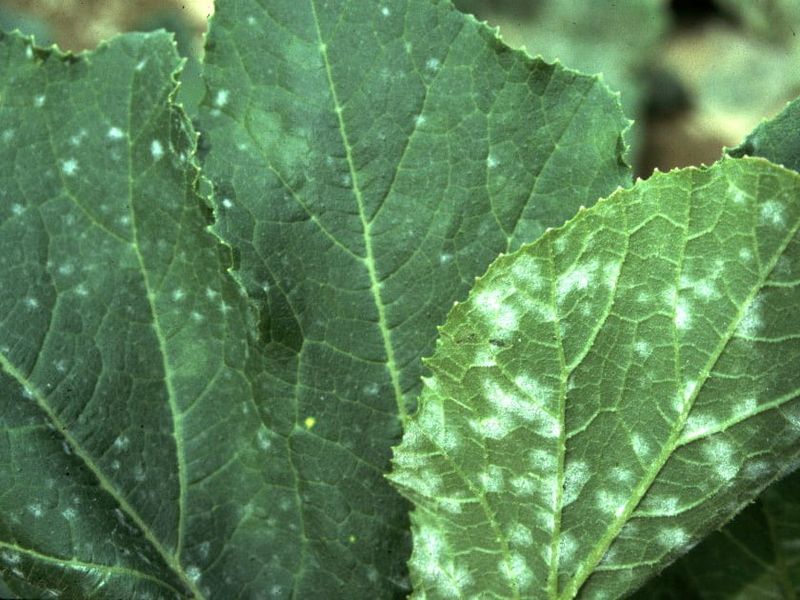
Small and easy to miss, the spots of Septoria leaf spot often fly under the radar. On squash and pumpkin leaves, they look like tiny pale tan to white dots. Many gardeners walk right past them without a second thought.
That is exactly why this disease deserves a closer look. Septoria develops in cool, wet weather, and people often do not notice it until the fruit starts showing damage. On pumpkins and squash, it can cause small, raised, scab-like spots on the rind.
Those bumps may not ruin the flavor inside, but they do hurt appearance. If you sell squash at a farm stand or want picture-perfect pumpkins for fall, blemishes matter. Buyers tend to pass over fruit with rough spots.
Cleaning up is your best defense. After harvest, remove infected leaves, vines, and other plant debris from the garden. Rotate your cucurbits to a fresh spot so the fungus does not greet them again next year.
Watering habits count as well. Avoid overhead watering that keeps leaves wet for hours. If Septoria has caused trouble in past seasons, fungicides labeled for cucurbits can help protect your plants.
In Michigan, cool, rainy weather in late summer and fall has been linked to Septoria problems on pumpkins and winter squash.
That timing lines up with the stretch when fruit is sizing up and ripening. Keep an eye out for those pale specks as the nights turn chilly and damp.
7. White Diamond-Shaped Lesions Signal Plectosporium Blight
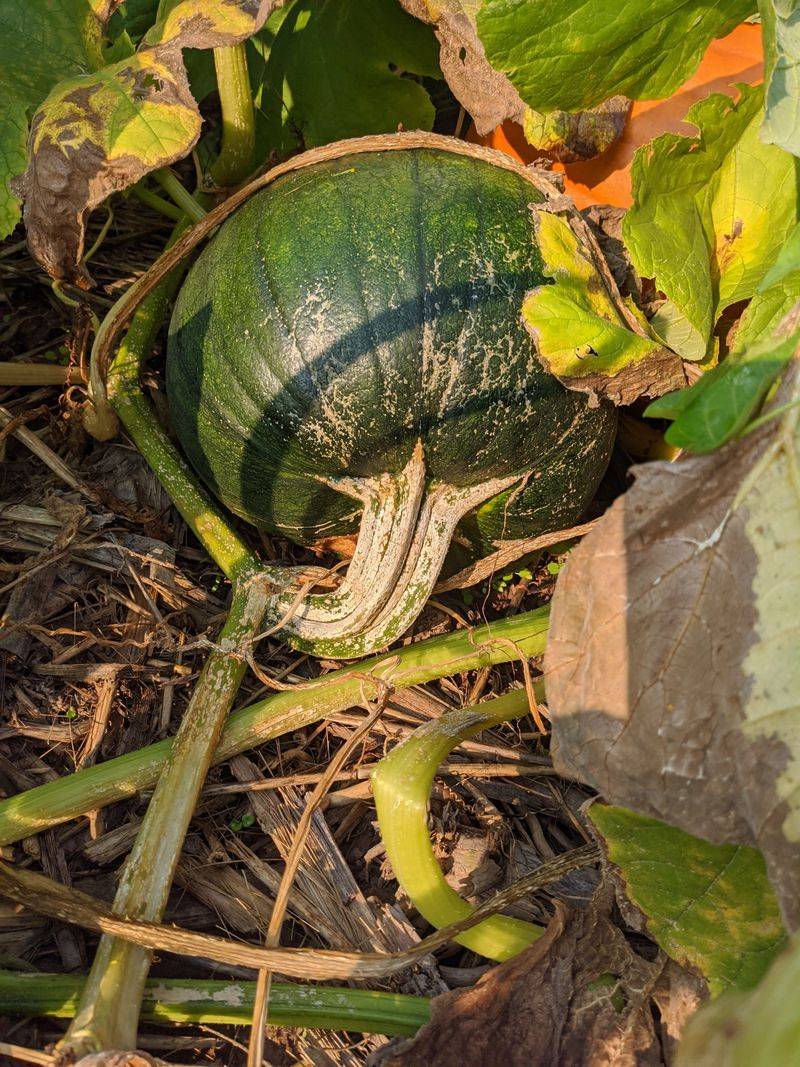
Diamonds are usually good news, but not on a squash vine. Plectosporium blight is a fungal disease that leaves small, white to tan, diamond-shaped marks on stems, leaf stalks, and leaf veins. Once you know the shape, it is hard to forget.
Fruit can get hit, too. Pumpkins and squash may develop small white spots on their skin. Those spots lower the quality of the fruit and can shorten how long it keeps in storage.
When infections get heavy, the damage becomes easy to see. Leaves wither, and stems take on a bleached, washed-out look, almost as if someone brushed them with pale paint. A plant in that shape struggles to feed its fruit.
Rotation is one of the simplest tools you have. Plant cucurbits in a new area each year so the fungus cannot build up in one spot. After harvest, clear out infected vines and leaves.
Timing your garden chores also helps. Avoid working among wet plants, since moving through damp foliage can spread spores. If Plectosporium has shown up before, fungicides labeled for cucurbits can offer protection during the season.
Plectosporium blight has been reported on pumpkins and squash in Michigan during wet periods. A rainy week can be enough to get it going.
Checking stems and leaf stalks, not just leaf surfaces, helps you catch those little white diamonds before they spread through the whole patch.
8. Brown Spots Starting At Leaf Edges Suggest Gummy Stem Blight
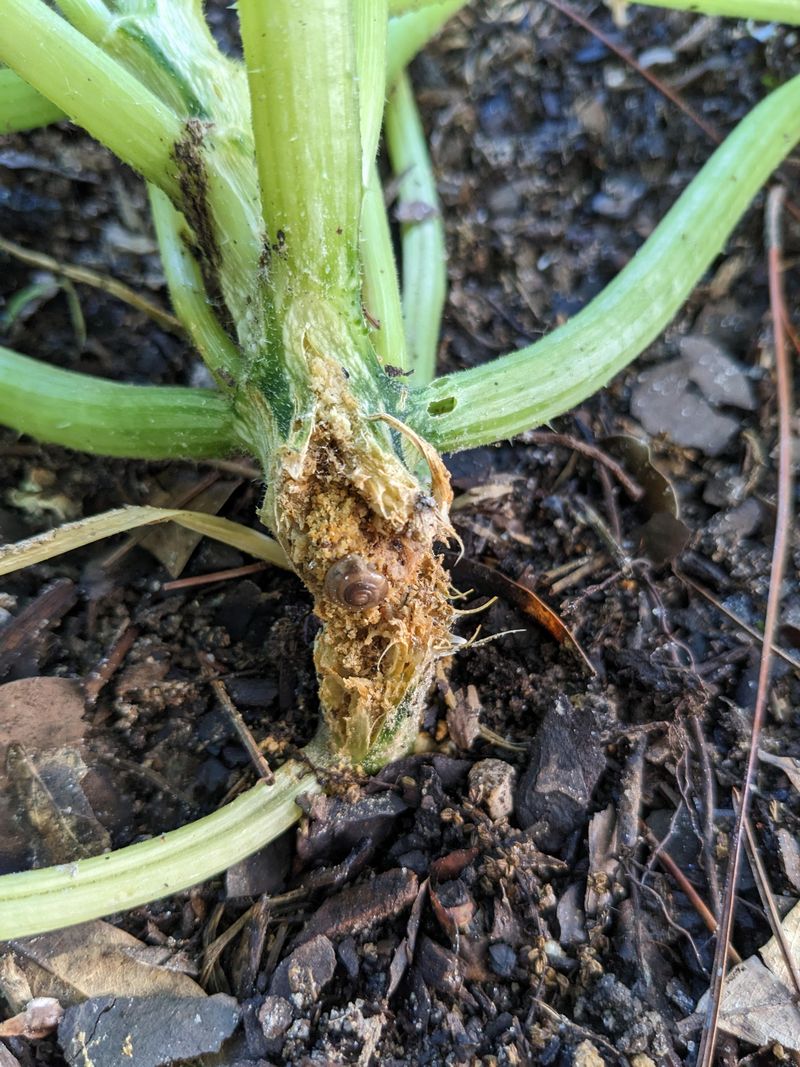
Sticky, reddish goo oozing from a cracked stem is a sign you should never brush off. That gummy ooze is where gummy stem blight gets its name. This fungal disease also causes brown to tan spots on leaves, and they often begin right at the leaf edges.
Wet weather is its best friend. Splashing rain and damp foliage help the fungus spread across your plants. As it moves, it weakens the vines and makes it harder for them to support growing fruit.
The trouble does not stop in the garden. Gummy stem blight can also cause black rot on squash and pumpkins, either out in the field or later in storage. You might pick what looks like a perfect squash, only to find it rotting weeks later.
Water at the base of your plants to keep leaves dry. Space plants so air can flow between them. After harvest, remove all infected plant debris so the fungus has fewer places to wait for spring.
Rotating cucurbits for at least two years breaks the cycle. Harvest winter squash with care, leaving a bit of stem attached and avoiding cuts or bruises. Curing squash in a warm, dry spot helps toughen the skin and reduces storage rot.
Michigan often serves up wet summers followed by cool, damp fall days. That mix supports gummy stem blight on vine crops. Watching leaf edges and stems closely helps your harvest stay healthy from the vine to the pantry.