The One Fall Task That Keeps New York Apple Trees Productive Next Summer
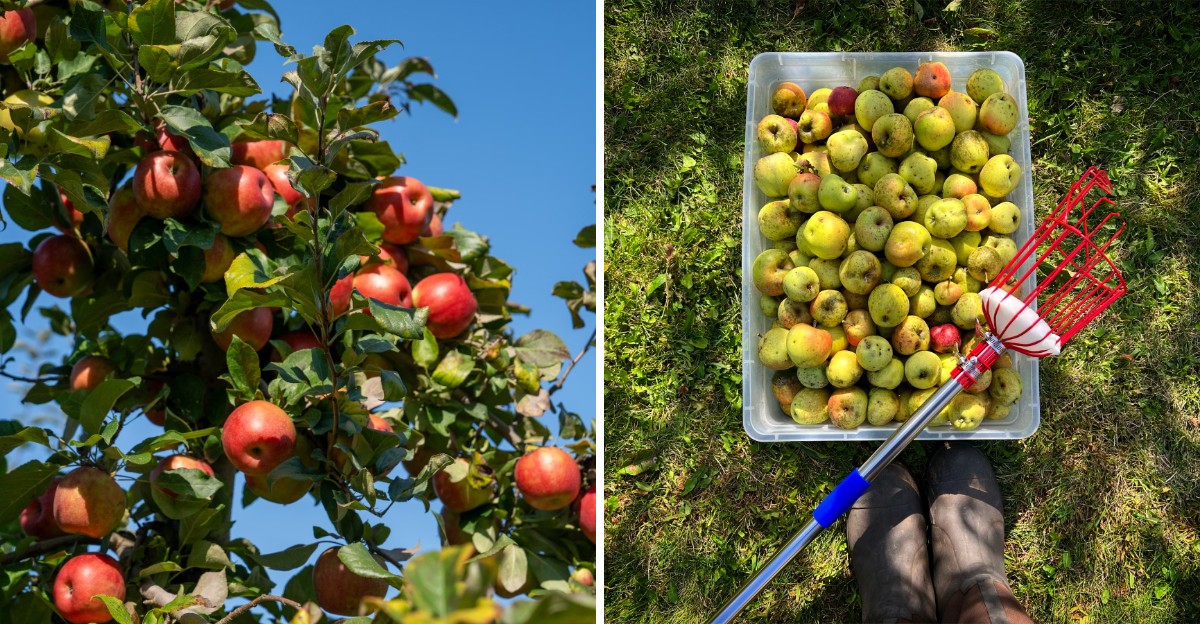
Those mushy apples under your tree are hosting uninvited guests. Inside many soft drops, apple maggot larvae wriggle toward your soil.
Tucked underground, they pupate and wait for your next crop. Meanwhile, soggy leaves carry apple scab, a fungus you cannot see.
Spring rain will launch its spores onto your fresh buds. Codling moth caterpillars also spin cocoons in that debris near your trunk.
Across New York, orchard pros treat October cleanup as pest control. You can borrow their raking routine without a drop of spray.
Yellowjackets feasting on the mush will buzz around, so move slowly. Bag the fruit and leaves rather than feeding your compost.
Your backyard heap often stays too cool to neutralize these hitchhikers. Finish before a deep New York frost seals your ground. Next August, your pie will hold apples free of tunnels and blemishes.
A Clean Orchard Floor Before The Snow Flies
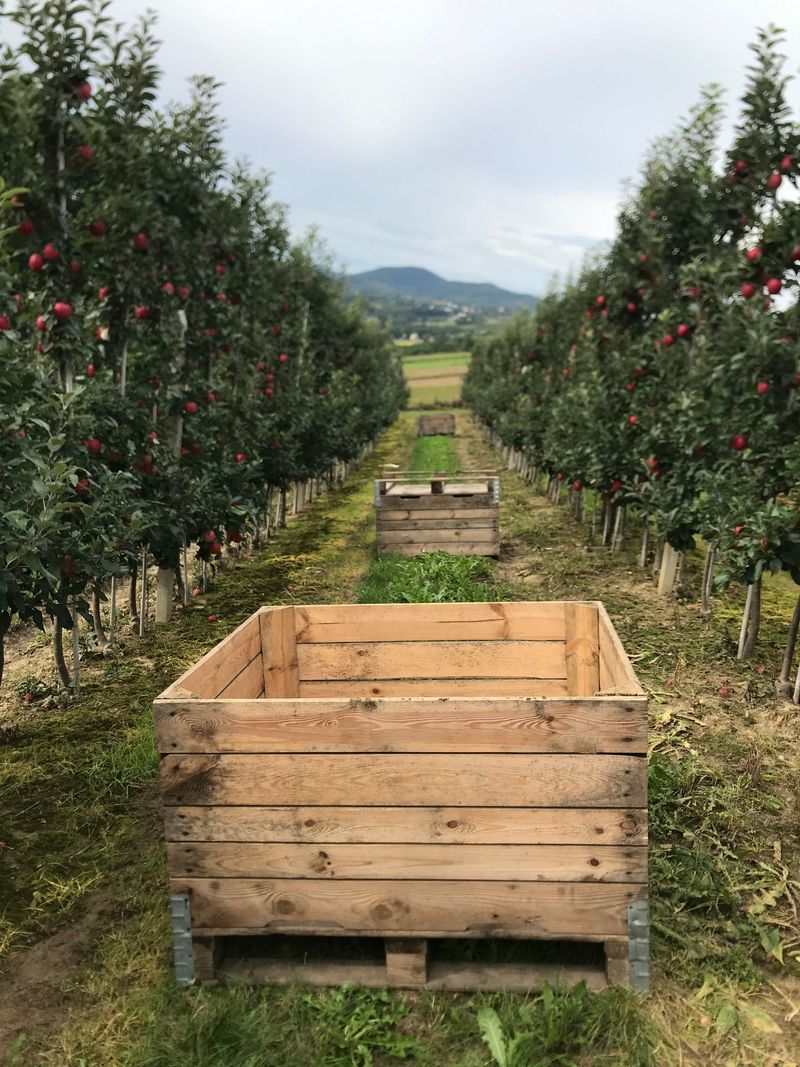
Picture a lawn under an old McIntosh tree, covered in brown leaves and soft, wrinkled fruit. That cozy, cider-scented mess is where many of next year’s problems spend the winter.
The key fall task is raking fallen leaves and removing as many dropped apples as you can. Orchard experts across New York call it sanitation, which sounds fancy but means tidying up.
Fallen leaves and fruit act like winter shelters for fungus spores and insect larvae. When spring rain arrives, those guests wake up and climb right back onto your tree.
Apple scab is a leading disease in the Northeast, and it thrives in wet springs. Its tiny spores ride raindrops and gusts of wind from old leaves onto fresh green buds.
Removing that leafy litter cuts the spore supply way down before the growing season even starts. Extension research, including work in New York, shows fall cleanup can noticeably reduce scab pressure.
Fallen apples bring their own problems, including codling moth larvae and black rot fungus. A single mushy apple on the grass can hold a surprising number of spores or hiding caterpillars.
The job does not need special skills, just a rake, some bags, and an afternoon. Kids can help too, especially if you turn it into a race to fill buckets.
Think of it as tucking your tree into bed with clean sheets. A tidy floor in November means fewer spotted leaves and blemished apples when blossoms open in May.
The Hidden Life Of Fallen Leaves And Windfall Fruit
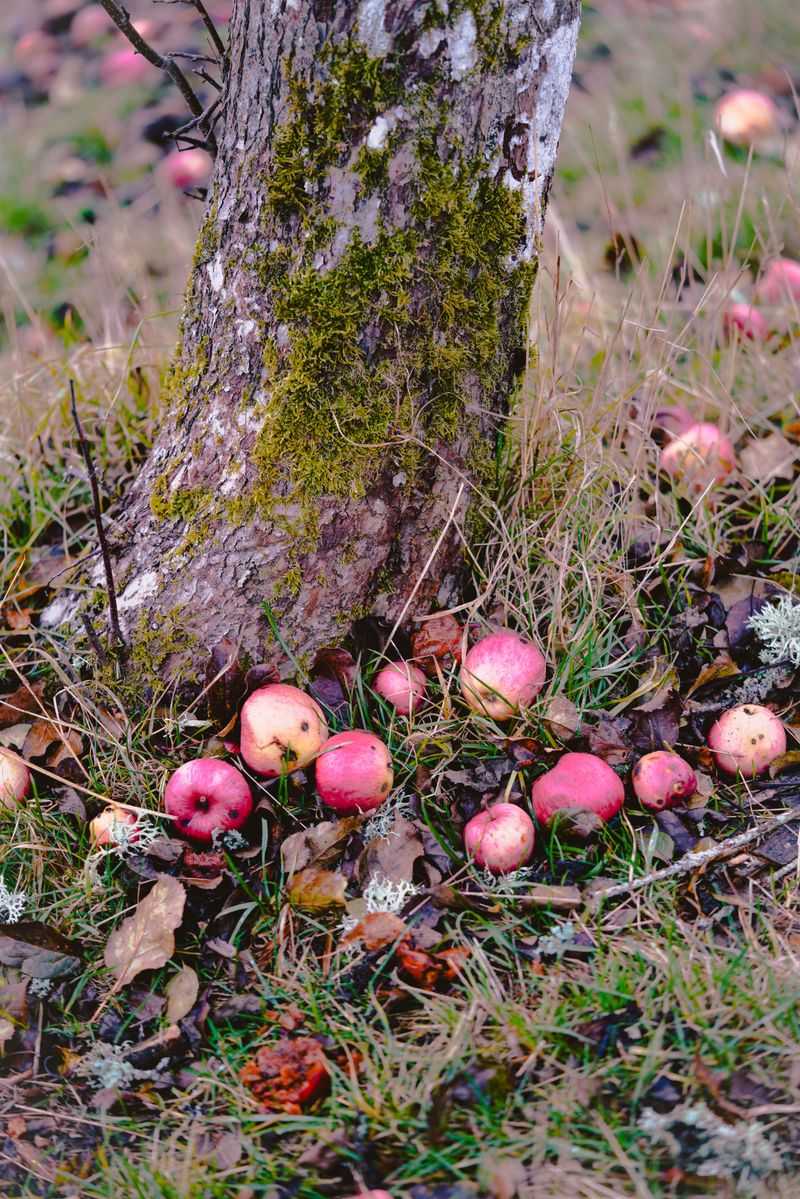
Somewhere under your backyard tree, a fungus is throwing a quiet little winter party. The guest list includes apple scab, black rot, and a few sneaky insects looking for shelter.
Apple scab spends the cold months inside fallen leaves, building tiny spore sacs as it waits. By April, those sacs are loaded and ready to burst with the first warm rain.
Each wet spell can release large numbers of spores into the air above the orchard floor. They land on young leaves and fruit, leaving olive-green spots that turn dark and corky.
Your New York Garden Changes Every Week. Your Plan Should Too.
Gardening in New York changes quickly throughout the season. Every Friday you’ll receive a simple weekly plan showing exactly what to plant, prune, fertilize, harvest, and protect so you never miss the right timing.
Fallen apples on the ground are a common home for several other fungi. Black rot fungus can grow inside them, while shriveled mummies cling to branches or hide in grass.
Codling moth caterpillars leave the fruit and spin winter cocoons under loose bark or in nearby debris. Apple maggot larvae do something similar, leaving fallen apples to pupate in the soil below.
Mice and voles also enjoy the free snack bar that fallen windfall fruit provides all autumn. Once fed, they may chew the bark near the trunk when snow covers the ground.
So a soggy pile of leaves is not just clutter, it is a cozy nursery. Many of the pests and spores hiding there can return to your tree next year.
Knowing what lives down there makes the rake feel a lot more useful. You are not just cleaning up, you are reducing next year’s problems early.
The Right Window Between Harvest And Frost
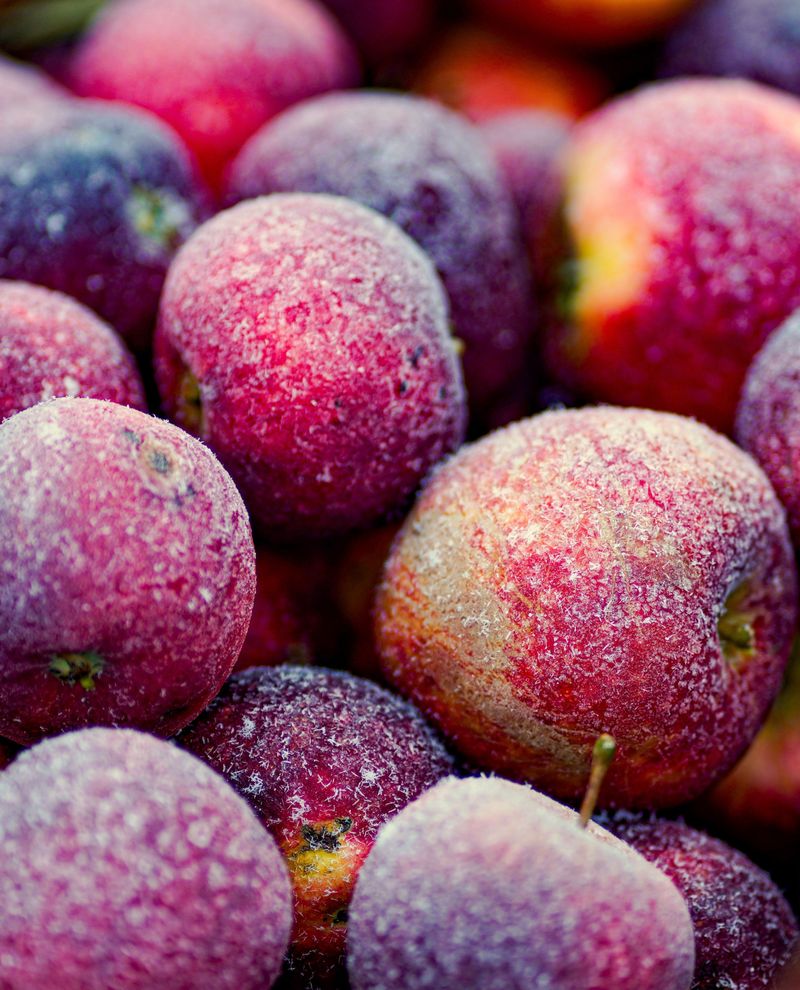
Timing this chore is a bit like catching a bus in upstate New York. Go too early and you wait around, go too late and you watch it pull away.
Most apple trees in New York drop their leaves from mid-October through early November. The milder Hudson Valley often runs a little later than the colder North Country and Adirondacks.
The best plan is to rake in stages rather than waiting for every last leaf. Doing a quick round each weekend keeps piles small and stops wet leaves from matting down.
Fallen apples need attention much sooner, ideally every few days during and after harvest. Pests start moving out of dropped fruit fast, so quick pickup gives them less time.
Try to finish the final sweep before the ground freezes solid or real snow arrives. Leaves buried under heavy snow turn into a soggy, flattened mat that is hard to lift.
If an early winter surprises you, try not to panic about it. A careful early spring cleanup, before buds break in April, can still remove plenty of spores.
Some backyard growers also mow leftover leaves in late fall to shred them into tiny bits. Smaller pieces break down faster, leaving fewer places for scab to survive until spring.
Mark a few Saturdays on your calendar between Halloween and Thanksgiving this year. Pair the work with warm cider, and it starts to feel more like a tradition than a chore.
The Right Way To Dispose Of Debris
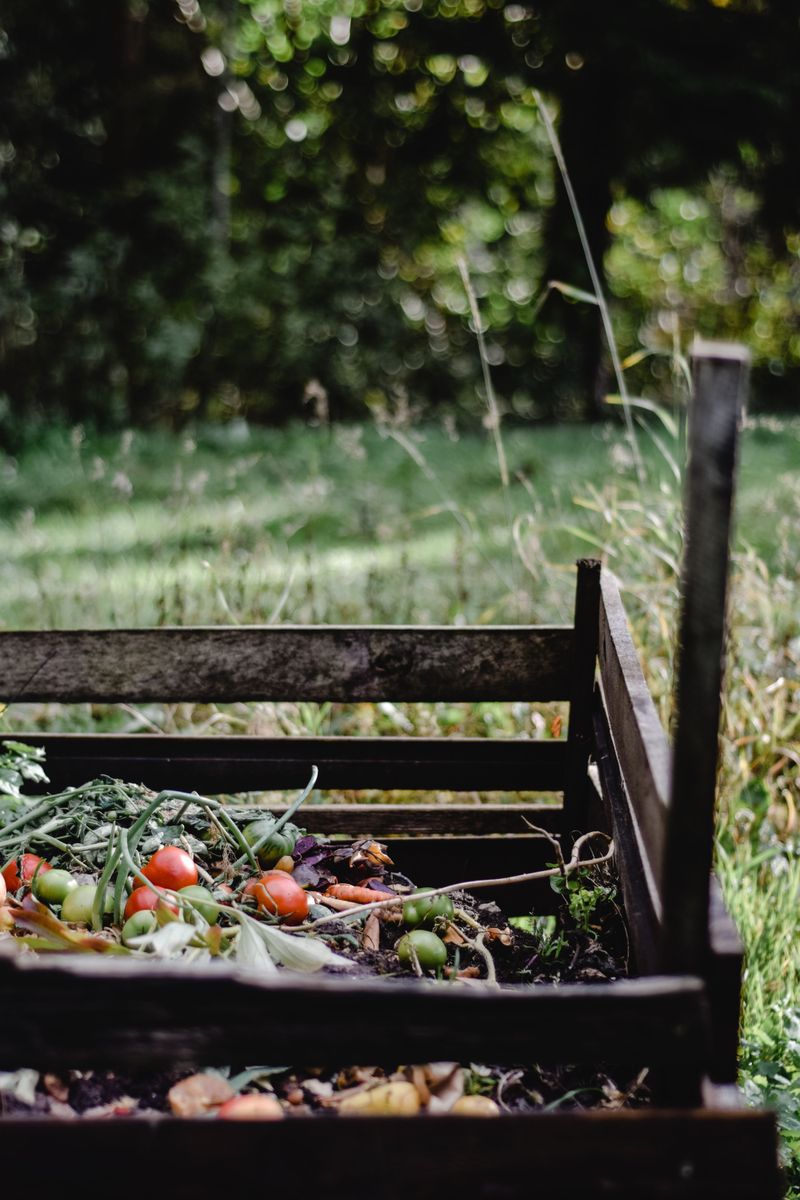
Tossing apple leaves onto the backyard compost pile feels like the responsible, earth-friendly move. Unfortunately, that choice can backfire if your pile does not get hot enough to break down pathogens.
Most home compost piles stay lukewarm, especially during a chilly, damp New York autumn. Scab spores and insect larvae can survive in a cool pile and spread right back next year.
Spreading that compost under your trees next spring puts the problem right back where it started. You have simply moved the issue around your yard instead of getting rid of it.
Another common slip is piling leaves in a cozy ring around the trunk as mulch. That damp layer invites voles to nibble bark and keeps spores close to the branches.
Some folks also leave a few pretty apples on the grass for deer or birds. Those leftovers become soft pest shelters long before any animal finishes them.
A better choice is bagging infected leaves for yard waste pickup, if your town offers it. Many New York towns collect leaves curbside in fall, so check local rules.
Dropped and decaying apples belong in the trash or a sealed bag, not the compost. Burying them at least a foot deep in a far corner also works in a pinch.
If you run a truly hot pile that reaches about 140°F, composting may work. Turning it often and checking with a compost thermometer is the most reliable way to be sure.
Tools And Tricks For A Faster Cleanup
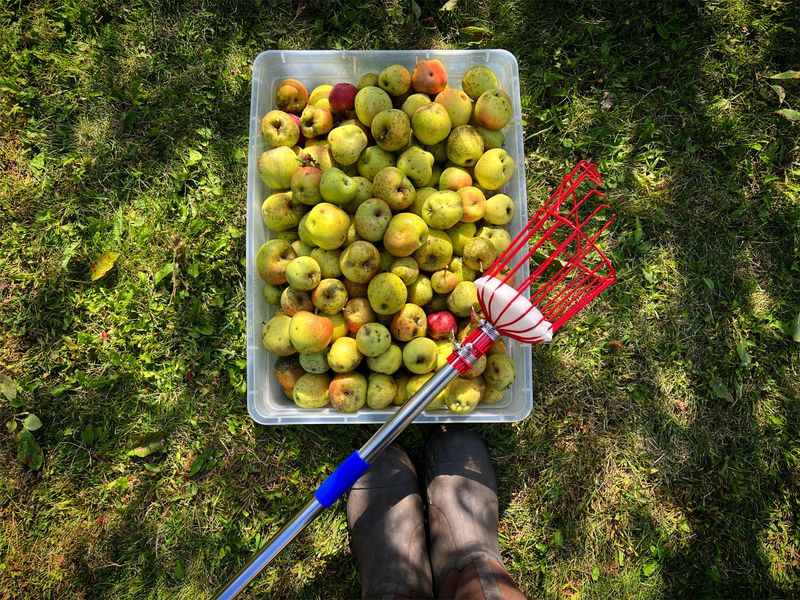
Raking the slow, old-fashioned way still works fine, but it takes plenty of time. A few smart tools can turn a whole afternoon of work into a quick hour.
A wide leaf rake with flexible tines grabs more leaves and bounces over bumpy roots. Pair it with a tarp, and you can drag big loads instead of lifting them.
A lawn mower with a bagging attachment is a useful tool for orchard floors. It chops leaves into tiny bits and collects them neatly in one easy pass across the yard.
Dropped apples are trickier because they bruise, squish, and roll into odd little spots. A rolling nut gatherer, the kind with a wire cage, scoops fruit up without bending over.
Wear sturdy gloves, since soft apples can hide yellowjackets that get quite defensive in the fall. Checking fruit with a stick before grabbing it saves you an unwelcome surprise.
Work from the trunk outward toward the outer edge of the branches, called the drip line. Most leaves and fruit land inside that circle, so it deserves the most attention.
Heavy-duty paper yard bags hold up much better than thin plastic when loaded with wet fruit. Keep a bucket handy for apples so they do not tear your leaf bags.
Finally, invite a friendly neighbor and trade help, since both yards likely need the same chore. Two people with rakes and a thermos of cocoa can finish before the sun drops.
A Healthier Tree And Cleaner Fruit Next Summer
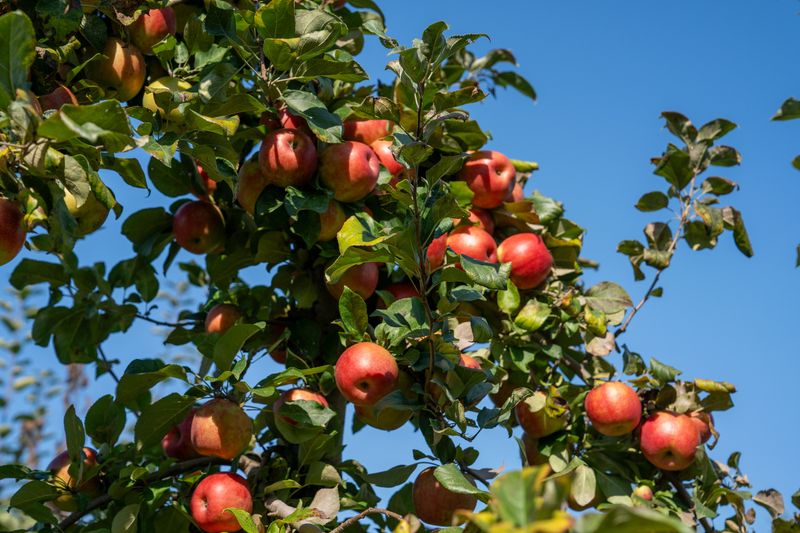
Imagine walking outside next August and seeing branches bending under shiny, clean apples. That happy moment really starts with the humble rake you pick up this fall.
Trees with clean floors face fewer scab spores, so their leaves stay green and healthy longer. Healthy leaves make more sugar, which means sweeter fruit and stronger buds for the next year.
Fewer codling moths and apple maggots also mean fewer damaged apples when you bite in. Your apple pies, fresh cider, and snack bowls will look a lot more appealing to everyone.
Over a few years, good cleanup can lower disease pressure, though susceptible trees may still need sprays. That saves money, time, and worry, especially for families with kids and pets playing nearby.
Cleanup works best as one important part of a bigger, year-round tree care plan. Pruning in late winter lets sunlight and wind dry the branches, which fungus really dislikes.
Choosing scab-resistant varieties like Liberty, Enterprise, or Freedom adds another strong layer of protection. Liberty and Freedom were both developed at the Geneva research station right here in New York.
Keep simple notes each fall on how many dropped apples and spotted leaves you find. Over a few seasons, you will see the numbers shrink as your tree gets healthier.
As an old orchard saying puts it, a clean orchard is a healthy, happy orchard. Your tree may not smile back, but a basket of healthy apples comes pretty close.