The 7 Spring Herbs That Bring Hummingbirds To California Gardens
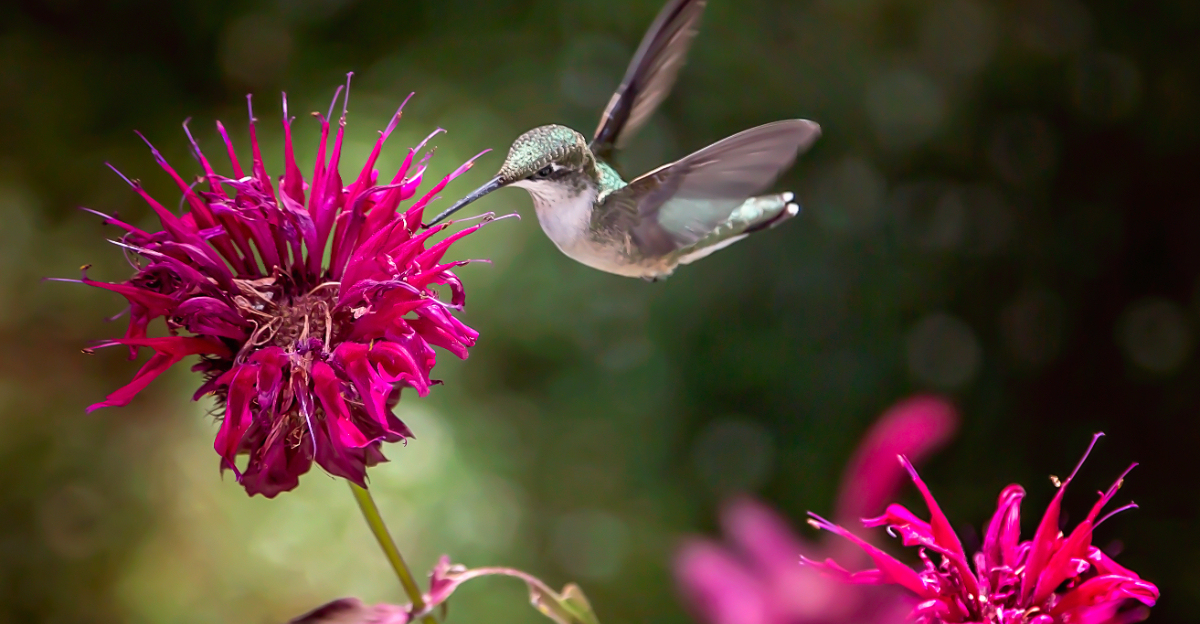
A lot of gardeners think of herbs as something you grow for the kitchen, then get pleasantly surprised when the flowers start stealing the show. In California, some spring herbs do double duty beautifully.
They bring fragrance, flavor, and the kind of blooms hummingbirds find hard to ignore. That means a small herb bed, a few pots on the patio, or a sunny border can end up doing a lot more than supplying dinner.
That is part of what makes these plants so fun to grow. They are useful, good-looking, and full of movement once hummingbirds start zipping in for a quick visit.
In a California garden, where sunny springs can push herbs into active growth fast, the right choices can turn a practical planting into a lively little hotspot.
A few well-placed herbs can add color, scent, and extra bird activity all at once, which is a pretty great return for something that also belongs in your cooking.
1. Hummingbird Sage
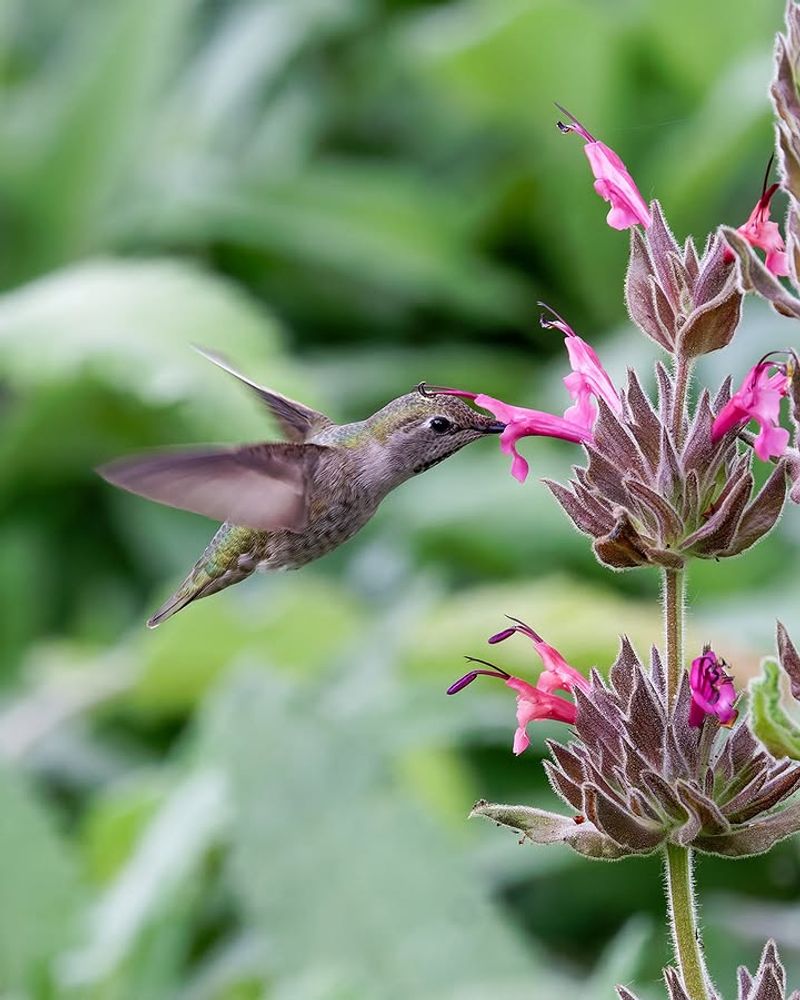
Few plants earn their name as honestly as Hummingbird Sage. Salvia spathacea produces bold, magenta-pink flower spikes that shoot up in early spring, and hummingbirds simply cannot resist them.
If you live anywhere in California, this native perennial is one of the best choices you can make for your garden.
What makes it even better is how easy it is to grow. It thrives in partial shade, which means you can tuck it under a tree or along a shaded fence line.
It handles dry spells well once established, making it a smart pick for water-conscious California gardeners.
The flowers are deeply tubular, which is exactly the shape hummingbirds prefer because their long beaks fit right inside. Beyond attracting birds, the leaves have a pleasant, fruity scent that makes working in the garden even more enjoyable.
Plant it in well-drained soil, water it occasionally during its first season, and watch it spread into a lush, low-maintenance ground cover. It also looks stunning against a dry stone wall or garden path.
California native gardens absolutely shine when Hummingbird Sage is part of the mix.
2. Cleveland Sage
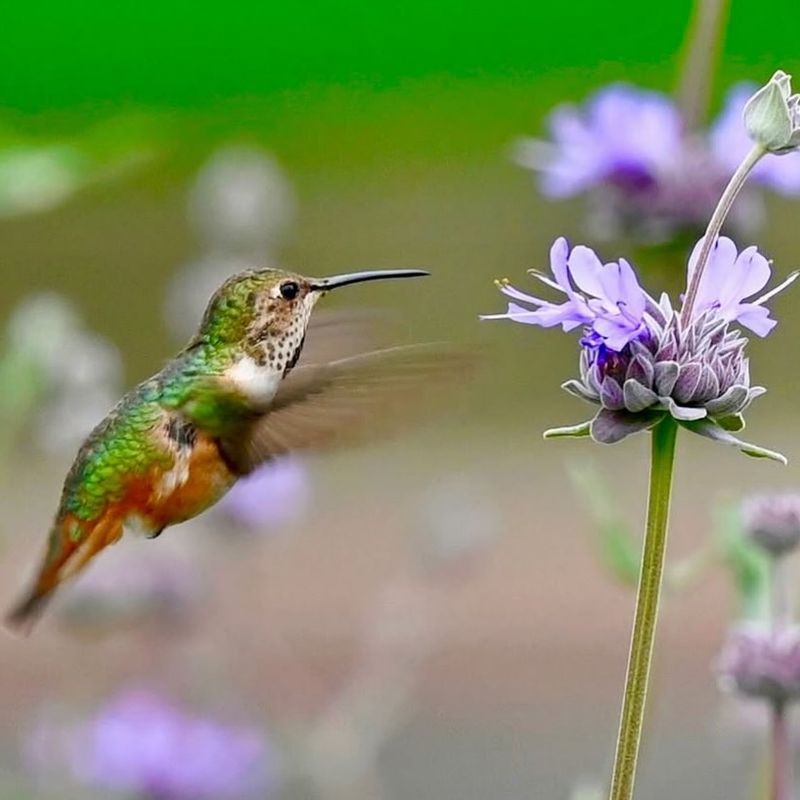
Walk past a Cleveland Sage on a warm California morning and the smell alone will stop you in your tracks. Salvia clevelandii releases a rich, earthy fragrance that fills the air around it.
But it is not just gardeners who love it. Hummingbirds are regular visitors, drawn in by the whorled clusters of purple-blue tubular flowers that bloom in spring and into early summer.
This plant is a California native through and through. It thrives in full sun and dry, well-drained soil, which makes it perfectly suited for Southern California landscapes and drought-tolerant garden designs.
Once established, it needs very little water, which is a huge bonus during dry seasons.
Cleveland Sage grows into a rounded shrub, usually reaching two to four feet tall. Its silvery-green leaves stay attractive even when the plant is not in bloom.
Gardeners in San Diego and the surrounding region often use it as a foundation plant or border shrub. Pair it with other California natives for a pollinator-friendly garden that hummingbirds will visit all season long.
Your California Garden Changes Every Week. Your Plan Should Too.
Gardening in California changes quickly throughout the season. Every Friday you’ll receive a simple weekly plan showing exactly what to plant, prune, fertilize, harvest, and protect so you never miss the right timing.
It is a tough, beautiful, and wildlife-friendly plant that earns its place in any California yard.
3. Pineapple Sage
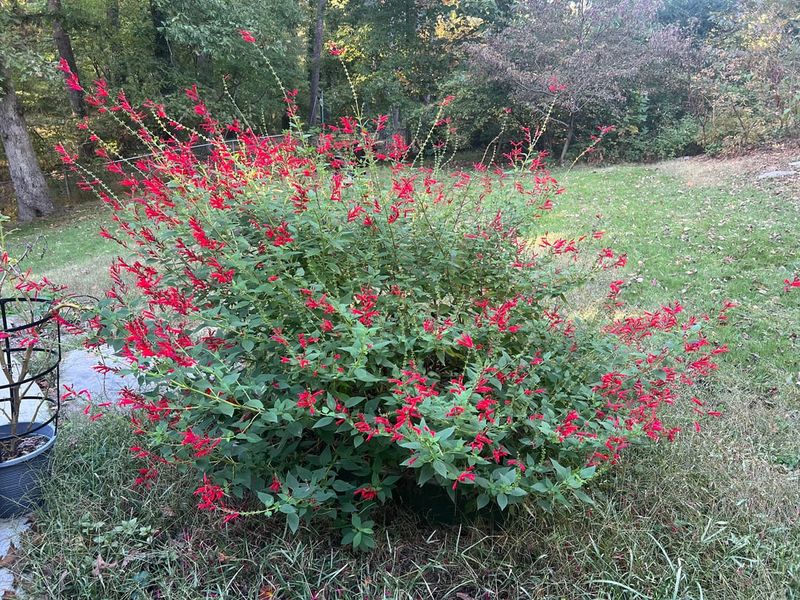
Rub a leaf of Pineapple Sage between your fingers and you get an instant whiff of fresh pineapple. That surprising scent is one reason gardeners love it, but hummingbirds are more interested in the blazing red tubular flowers.
Salvia elegans is a real showstopper, and it works hard to bring wildlife into your California garden.
Although it blooms heaviest in late summer and fall, Pineapple Sage starts putting on growth in spring, and early blooms can appear by late spring in warmer parts of California. Planting it now gives it time to establish strong roots before the big flowering season arrives.
It prefers full sun and well-drained soil.
One fun fact: the flowers are actually edible and taste mildly sweet, so you can toss a few into a salad or use them to garnish drinks. Hummingbirds, of course, prefer to drink the nectar directly.
The plant can grow quite large, sometimes reaching four feet or more, so give it some space. In coastal California, it stays semi-evergreen through mild winters.
It is a plant that keeps rewarding you season after season with color, fragrance, and plenty of hummingbird activity.
4. Anise Hyssop
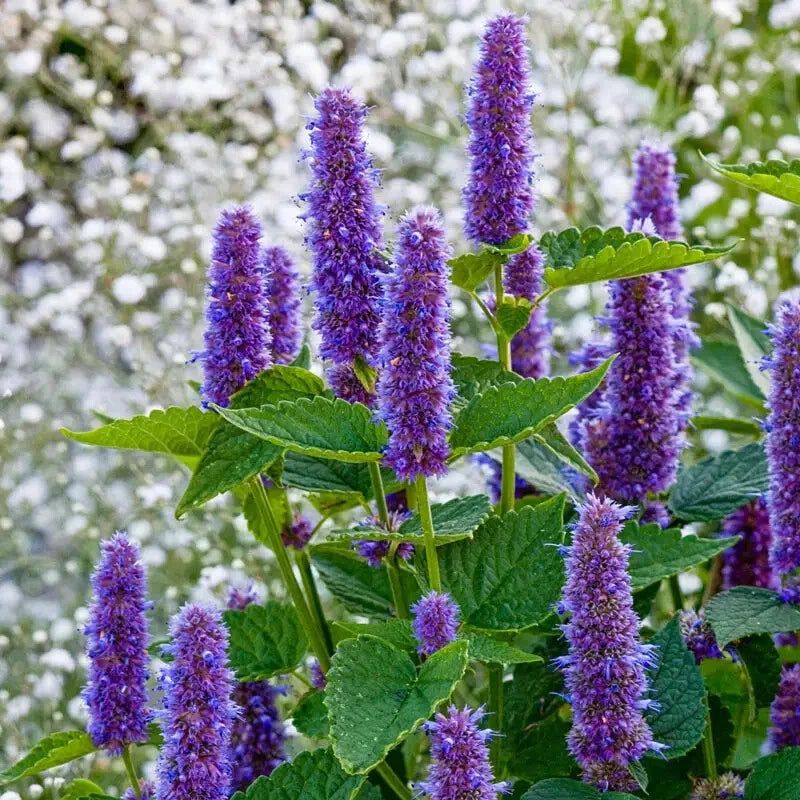
There is something almost magical about watching a hummingbird hover beside a tall spike of Anise Hyssop. The purple flowers of Agastache foeniculum are arranged in dense, upright clusters that make perfect landing pads for pollinators of all kinds.
Hummingbirds, bees, and butterflies all compete for a turn at these blooms throughout spring and summer.
Anise Hyssop has a licorice-like scent that comes from its leaves, which can also be used in teas and cooking. So you get a functional herb and a wildlife magnet all in one plant.
It grows best in full sun with well-drained soil, and it handles California heat reasonably well once it settles in.
This plant tends to self-seed, meaning it may spread gently around your garden over time without any effort from you. That can be a welcome surprise when new plants pop up in unexpected corners.
It typically reaches two to four feet tall, making it a great mid-border plant. In Northern California gardens, it performs especially well during the cooler spring months.
Cut the spent flower spikes back occasionally to encourage fresh blooms and keep the plant looking tidy and full throughout the growing season.
5. Bee Balm
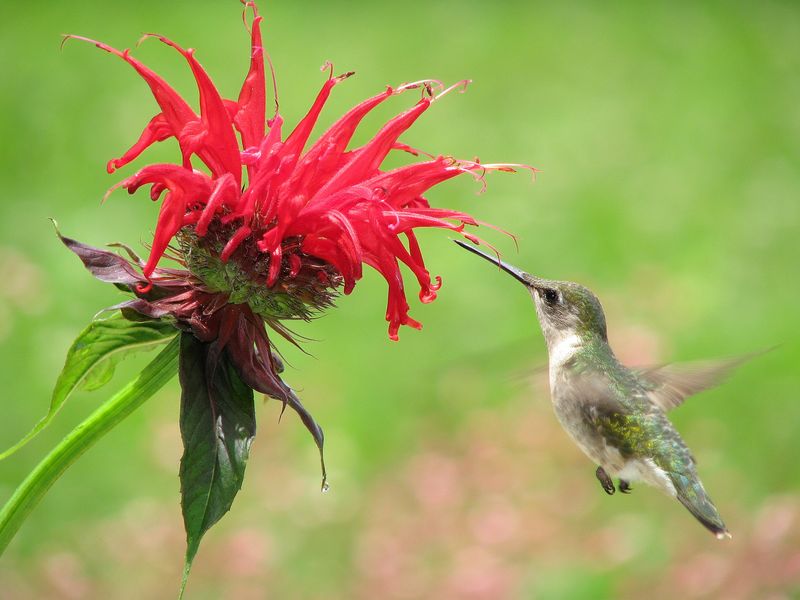
Bold, shaggy, and absolutely irresistible to hummingbirds, Bee Balm is one of those plants that practically demands attention. Monarda didyma produces clusters of spidery red tubular flowers that hummingbirds love to explore.
The blooms are uniquely shaped, almost like a firework frozen in place, and they add real drama to a California garden border.
It grows best in full sun to partial shade and prefers moist, well-drained soil. In California gardens with hot, dry summers, giving it a little afternoon shade and regular watering helps it stay happy.
Mulching around the base keeps moisture in and the roots cool during warm spells.
The plant has a long history in North American gardens. Native peoples used it medicinally and for flavoring food.
Today, gardeners grow it mainly for its beauty and wildlife value. The leaves have a pleasant minty, oregano-like scent that keeps many garden pests away naturally.
Bee Balm spreads slowly by underground runners, so you may find it filling in a patch over a few seasons. Dividing it every few years keeps it vigorous.
In California, it typically blooms from mid-spring through summer, giving hummingbirds a long window of nectar-rich flowers to enjoy throughout the season.
6. Lavender
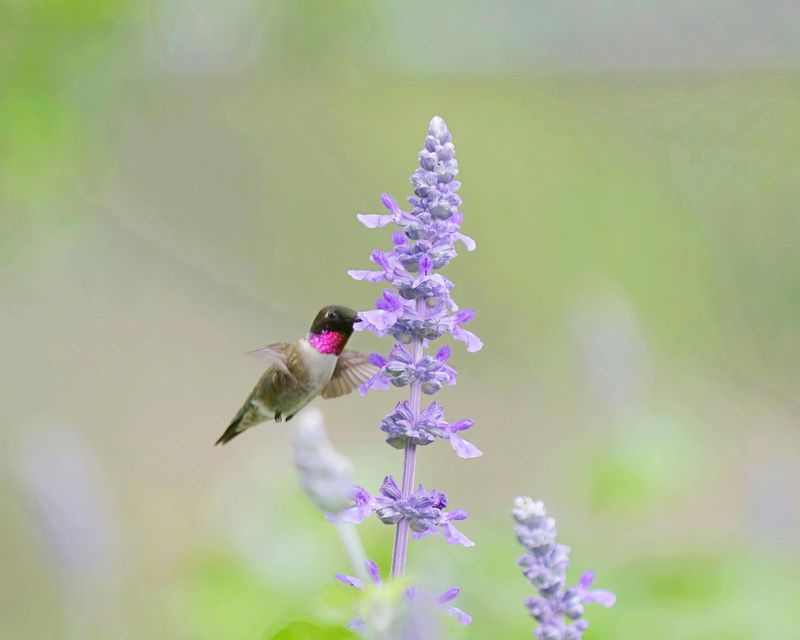
Lavender is one of the most beloved plants in California gardens, and it turns out hummingbirds agree with that assessment. The long purple flower spikes of Lavandula angustifolia are packed with nectar, and their tubular shape suits hummingbirds perfectly.
Watching a hummingbird work its way down a lavender spike is one of those simple garden moments that feels genuinely special.
Beyond hummingbirds, lavender is a workhorse in the garden. It tolerates drought, loves full sun, and thrives in well-drained soil.
These qualities make it an ideal plant for California’s dry summers. It is also deer-resistant and rarely bothered by common garden pests, which means less maintenance for you.
Lavender blooms in late spring and early summer, making it a timely choice for attracting hummingbirds during their active season. The flowers can be harvested and dried for sachets, cooking, or homemade beauty products.
Spanish lavender, Lavandula stoechas, is another excellent option that blooms even earlier in spring across California. Both varieties work beautifully in garden borders, raised beds, and containers.
Plant lavender in a spot that gets at least six hours of direct sunlight daily, and it will reward you with fragrant blooms and hummingbird visits year after year.
7. Rosemary
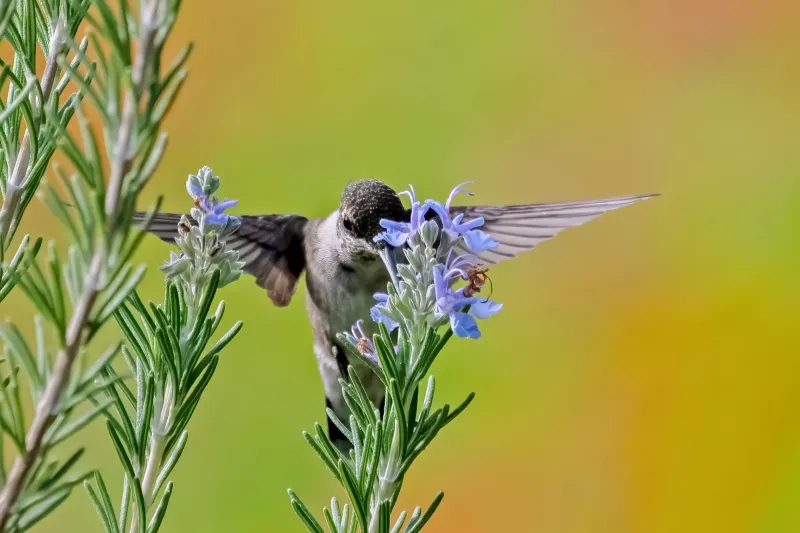
Most people think of rosemary as a kitchen herb, something to toss on roasted chicken or potatoes. But any California gardener who has watched a hummingbird dart between rosemary branches knows there is much more to this plant.
When rosemary blooms in late winter and early spring, its tiny blue to purple flowers attract hummingbirds at a time when other nectar sources are still scarce.
Rosemary, now reclassified as Salvia rosmarinus, is practically built for California conditions. It loves full sun, tolerates drought, and thrives in the kind of rocky, well-drained soil that challenges other plants.
Coastal California gardens especially suit rosemary, and you will find it growing in abundance from San Francisco down through San Diego.
It comes in upright and trailing varieties, giving you flexibility in how you use it. Trailing rosemary works beautifully cascading over a retaining wall or spilling out of a raised bed.
Upright varieties make excellent informal hedges. Either way, the spring flowers are a genuine gift to hummingbirds passing through California during migration.
Pruning lightly after bloom keeps the plant shapely and encourages fresh growth. Rosemary is a true multi-tasker, serving your kitchen, your eyes, and your garden’s hummingbirds all at once.