The Spring Lawn Mowing Height Trick Georgia Gardeners Should Try
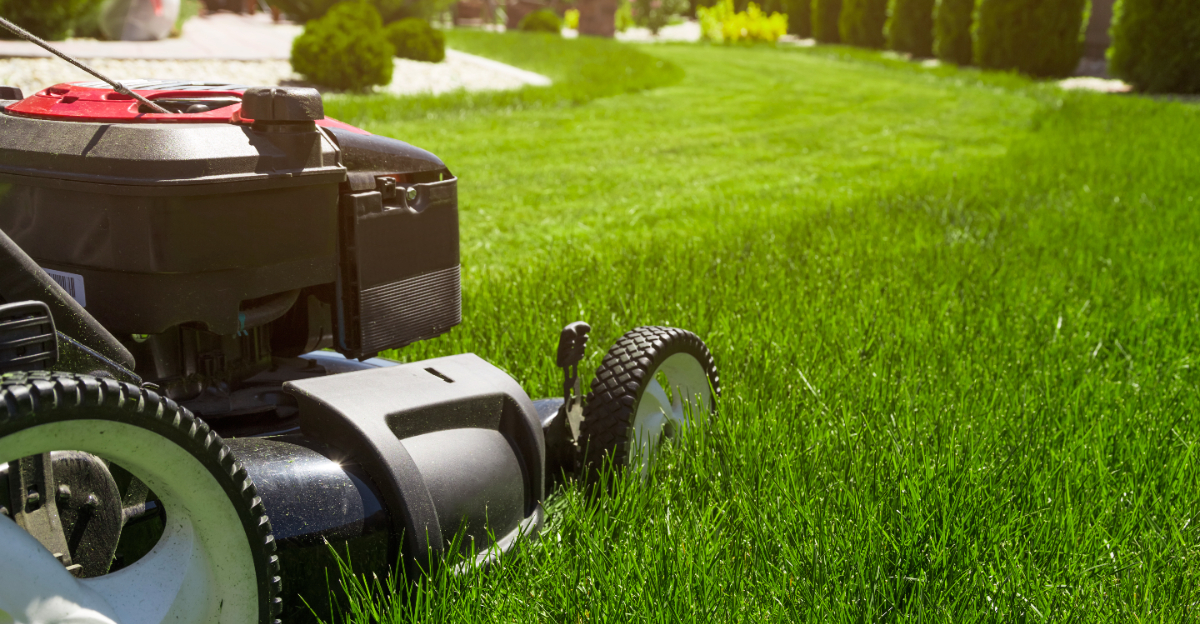
The first warm stretch of the season always brings that urge to get the lawn looking neat again, but Georgia grass does not always respond the way people expect.
One small change in early spring can quietly shape how thick, healthy, and resilient a lawn looks heading into the hotter months.
It is not about working harder or spending more, just paying attention to something most people overlook without realizing it.
Many Georgia homeowners jump into their usual routine too fast and end up setting their lawn back without meaning to. The difference shows up weeks later when some lawns start filling in strong while others struggle to catch up.
If the goal is a lawn that stays fuller, greener, and easier to manage as temperatures climb, this is where it starts.
1. Raising Mowing Height Protects Grass Roots In Spring
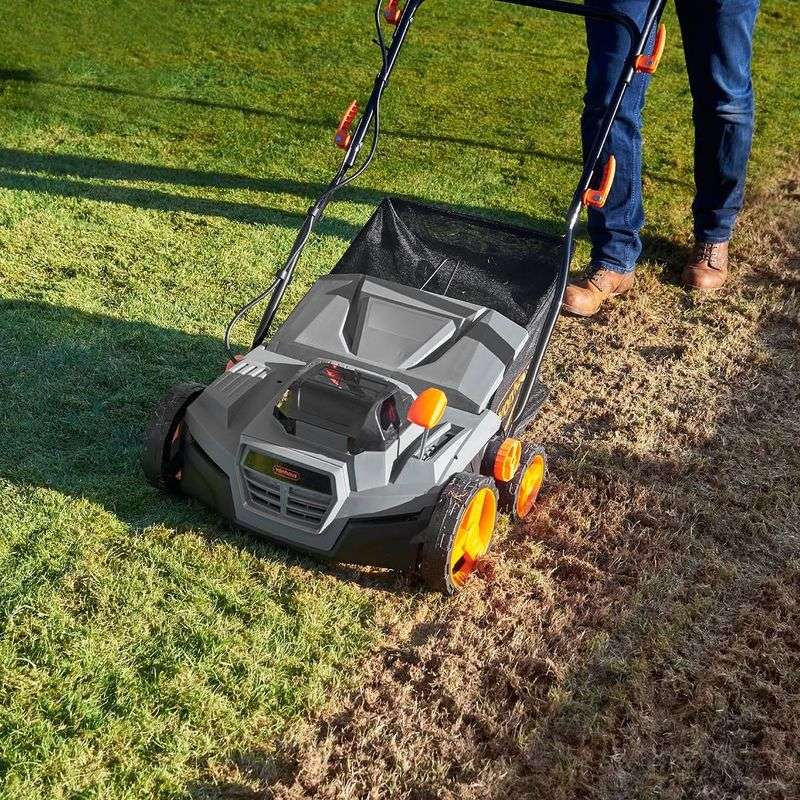
Cutting your grass too short in spring is one of the fastest ways to set your lawn back before the season even gets started. Roots need energy to grow, and energy comes from the leaf blade.
When you scalp the grass down low, you’re cutting off the plant’s ability to feed itself right when it needs fuel the most.
In Georgia, spring brings unpredictable weather — warm one week, a cold snap the next. Taller grass blades act like a small buffer, protecting the crown of the plant from those late-season temperature swings.
Bermudagrass and Centipedegrass are especially sensitive to early spring cuts that go too low.
Raising your mower deck by even half an inch makes a real difference. Aim for around 1.5 inches for Bermuda and closer to 2 inches for Centipede as you come out of winter dormancy.
Give those roots a chance to anchor down before you start cutting aggressively.
Root depth is directly connected to blade length — longer blades push roots deeper into the soil. Shallow roots struggle to pull water during Georgia’s dry spring spells.
Protecting root depth early in the season means your lawn has a stronger foundation heading into the brutal summer heat.
Sharp mower blades matter here too. A dull blade tears the grass instead of cutting it cleanly, leaving ragged edges that stress the plant.
Get your blades sharpened before that first spring cut and your grass will thank you all season long.
2. Taller Grass Helps Shade The Soil
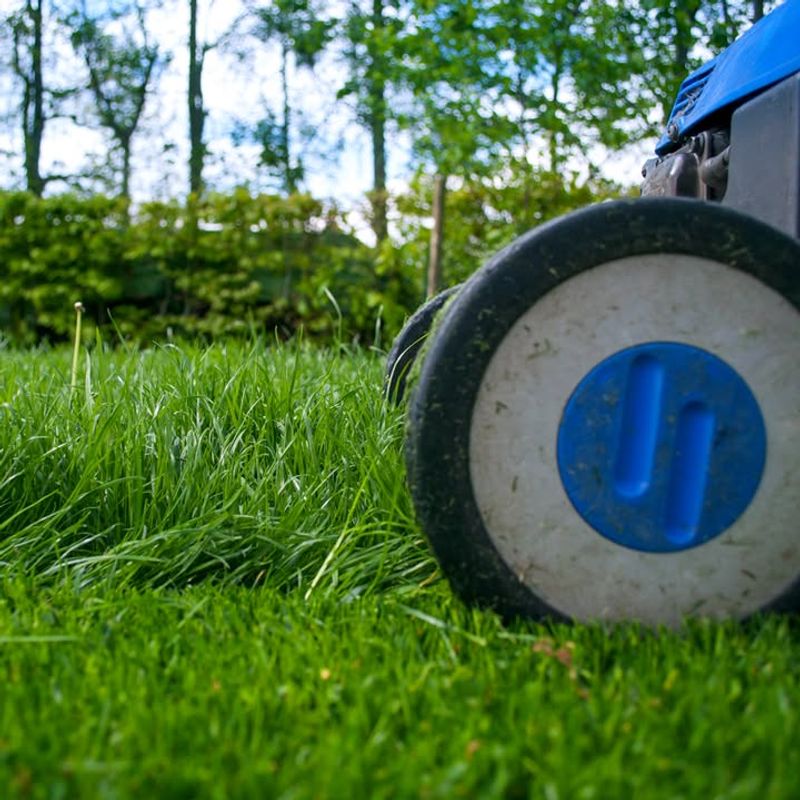
Soil temperature matters more than most Georgia gardeners realize. When the ground gets too hot too fast in early spring, it stresses the root zone and speeds up moisture loss.
Taller grass blades lean over slightly and create a natural canopy that keeps the soil cooler throughout the day.
Think about it like this — bare soil bakes in direct sun, but soil covered by a layer of grass blades stays several degrees cooler.
That temperature difference might not sound like much, but it has a big impact on how roots develop and how long moisture stays in the ground between rain events.
Shading the soil also slows down the soil’s surface from drying out after watering. In Georgia, where spring afternoons can get surprisingly warm by April, that extra moisture retention keeps your grass looking green and even between waterings.
You end up watering less and getting better results.
Weed seeds need light and warmth to sprout. Taller grass blocks both.
Keeping your mowing height up reduces the amount of sunlight hitting the bare soil between grass plants, which cuts down on weed germination before it even starts. It is a passive but effective approach.
Zoysiagrass especially benefits from this shading effect because it spreads low and dense. Keeping Zoysia at around 1.5 to 2 inches in spring lets it shade the soil while still looking tidy.
Across Georgia lawns, that combination of shade and density is a reliable way to stay ahead of problems naturally.
3. Deeper Roots Improve Drought Tolerance
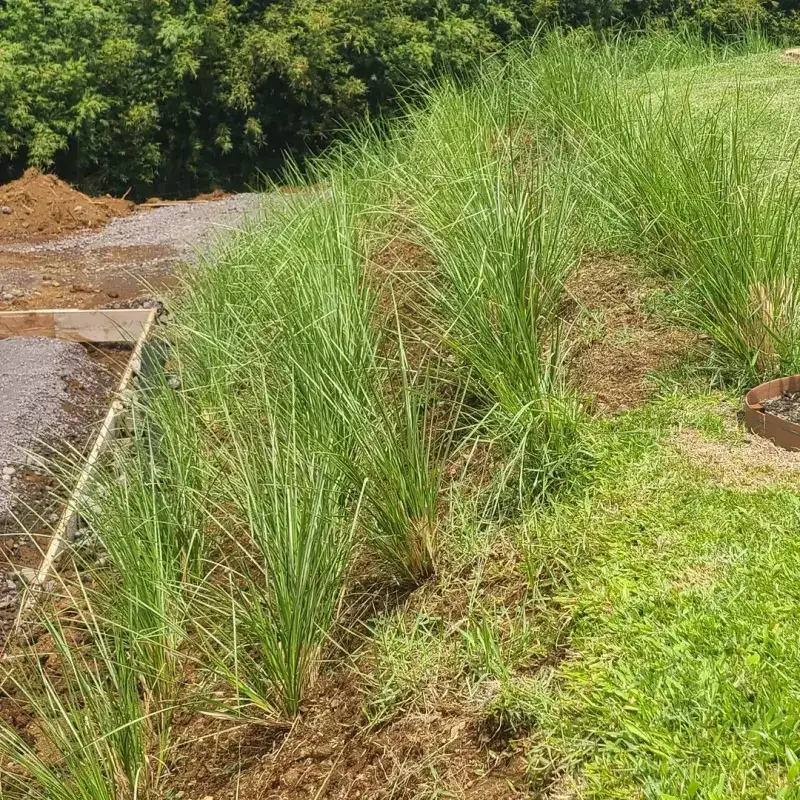
Georgia summers are no joke when it comes to heat and drought. Lawns that go into summer with shallow roots end up looking rough by July, no matter how much you water.
Building deep roots starts in spring, and mowing height is one of the biggest levers you have.
Grass roots follow the blade. Longer blades above ground generally mean deeper roots below.
When you keep your mowing height raised during spring, you are encouraging the root system to reach further down into the soil profile where moisture stays longer. Shallow-rooted lawns dry out from the top down, fast.
Centipedegrass, which is popular across middle and south Georgia, is especially prone to drought stress if the roots don’t get a solid start in spring.
Keeping it at around 1.5 to 2 inches during spring mowing gives the plant time to establish a root network that can handle dry stretches later in the year.
Root depth also affects how well your lawn bounces back after a dry period. Deeper roots can access stored soil moisture that surface roots simply can’t reach.
So even during a two-week stretch without rain, a well-rooted lawn holds its color and texture much better than one that was cut too short all spring.
Watering habits work hand in hand with mowing height. Water deeply and less frequently rather than lightly every day.
Combined with a higher mowing height, this approach trains roots to grow downward, building the kind of drought tolerance that carries a Georgia lawn through a tough August.
4. Higher Cuts Reduce Weed Growth
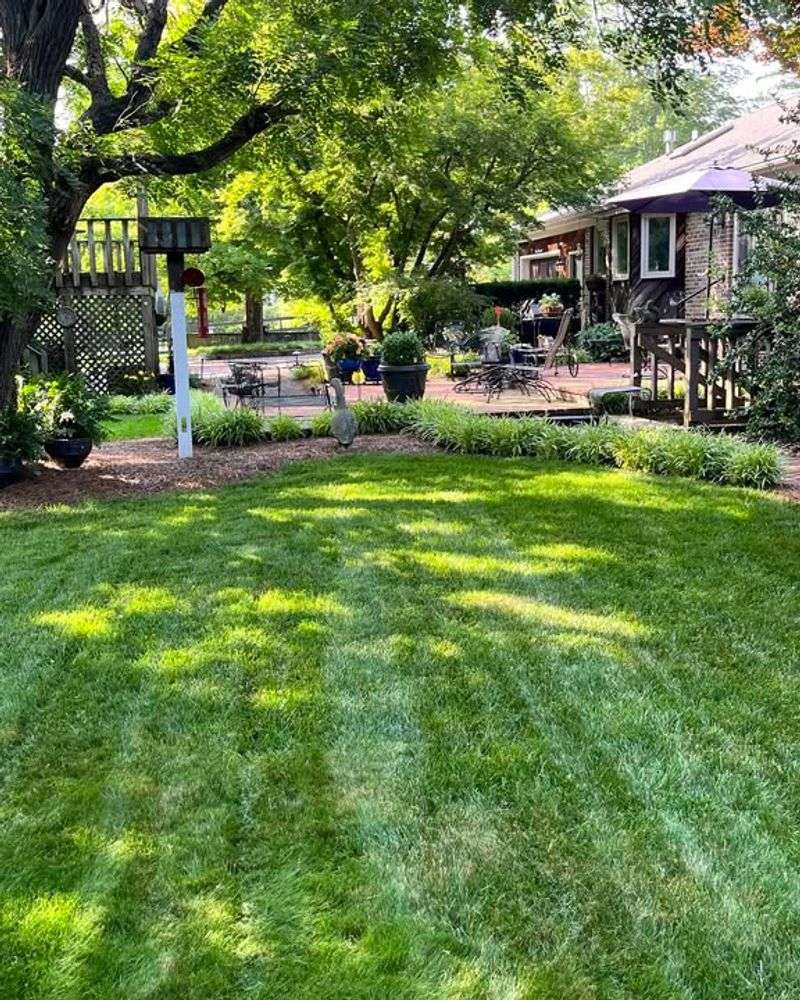
Weeds are opportunists. They move into any open, sunny spot they can find in your lawn.
A low-cut lawn gives weeds exactly what they want — exposed soil, sunlight, and space. Raise your mowing height and you take away their advantage before they ever get started.
Crabgrass is a major problem across Georgia lawns every spring. It germinates when soil temperatures hit around 55 degrees Fahrenheit, which happens earlier than most people expect in the Atlanta area and even sooner in south Georgia.
Taller grass shades the soil and keeps those surface temperatures just low enough to slow germination down.
Dense turf is your best natural defense against weeds. A lawn that is thick and growing at the right height fills in gaps where weeds would otherwise take hold.
You don’t need to rely entirely on herbicides when your grass is doing the work for you by crowding out the competition.
Dandelions, clover, and other broadleaf weeds also struggle to establish in a thick, taller-cut lawn. Their seeds need light to sprout and space to grow.
When your grass is covering the soil properly, those seeds land on a canopy of blades instead of bare ground, and most of them never make it.
Following the one-third rule helps here — never remove more than one-third of the blade in a single mow. Cutting off too much at once thins the lawn quickly and opens the door to weeds.
Keep cuts frequent and at the right height, and your Georgia lawn will stay noticeably cleaner all spring long.
5. Less Stress During Early Spring Growth
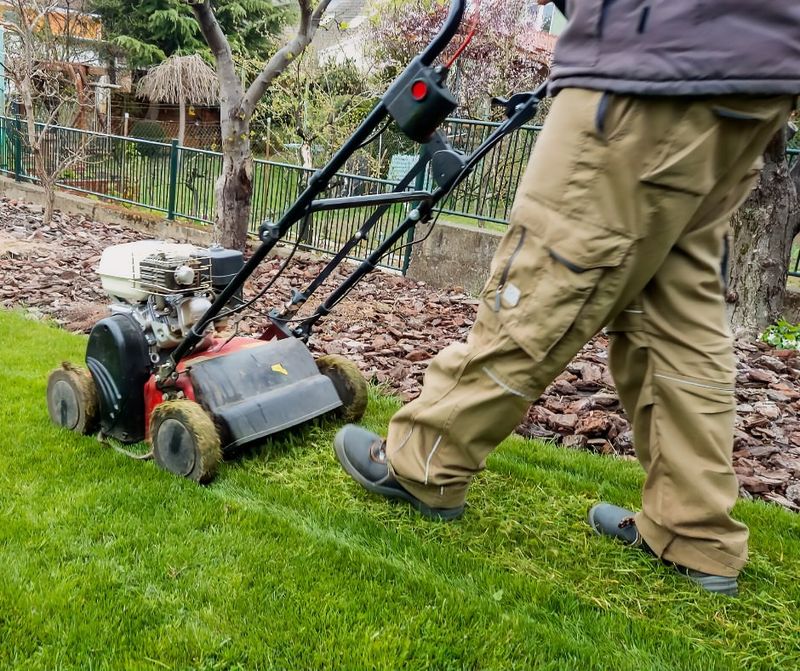
Spring is a recovery season for Georgia lawns. After months of dormancy, the grass is waking up slowly and pushing new growth from stored energy.
Hitting it with a low, aggressive cut right out of the gate adds stress at the worst possible time.
Grass plants coming out of dormancy are not at full strength. Their root systems are still re-establishing and their energy reserves are limited.
A high cut leaves more leaf surface intact, which means more photosynthesis and faster recovery. It sounds simple because it is — let the plant keep its leaves and it feeds itself better.
St. Augustinegrass, which you see a lot of in coastal Georgia and the warmer southern parts of the state, is particularly vulnerable to early spring stress. It likes to be kept between 2.5 and 3.5 inches and really does not respond well to aggressive scalping in March or early April when it is just starting to green up.
Mowing frequency matters just as much as height during this period. Cutting too often when the grass is growing slowly can be just as damaging as cutting too short.
Watch the growth rate and only mow when the grass actually needs it, not just on a set schedule that made sense in summer.
Keeping mowing stress low in early spring sets the tone for the whole season.
A lawn that gets through spring without repeated setbacks builds density faster, recovers from foot traffic better, and goes into Georgia’s hot summer months with a real head start over lawns that were pushed too hard too early.
6. Better Moisture Retention In Warmer Weather
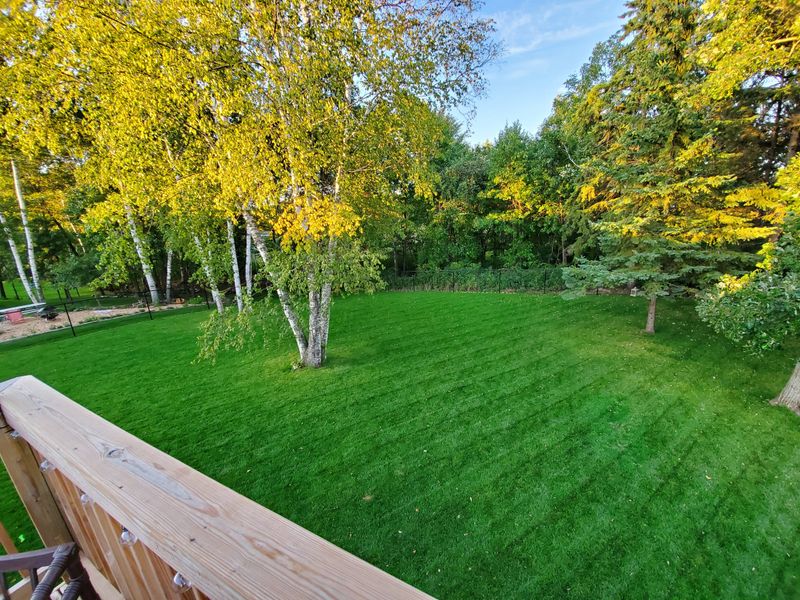
Water is always a concern in Georgia once spring shifts toward summer. Temperatures climb fast, and lawns that can’t hold moisture end up looking patchy and stressed by May.
Mowing height plays a direct role in how well your soil holds onto water between rain events.
Taller grass creates physical coverage over the soil surface. That coverage reduces evaporation by blocking wind and direct sunlight from hitting the ground.
On a warm April afternoon in Georgia, exposed soil can lose a surprising amount of moisture in just a few hours. Grass cover slows that process down significantly.
Mulching your grass clippings back into the lawn adds another layer of moisture retention. Short clippings from a high cut break down quickly and return organic matter to the soil.
Over time, this improves soil structure and its ability to hold water — a real benefit in Georgia’s sandy soils, especially in areas around Augusta and the Piedmont region.
Watering in the early morning works best when paired with a taller mowing height. Morning watering lets moisture soak in before the heat of the day, and taller grass helps trap that moisture at the soil surface rather than letting it evaporate immediately.
You get more value out of every watering session.
Bermudagrass lawns in Georgia can handle heat well, but they still benefit from improved moisture retention in spring.
Keeping Bermuda at 1 to 1.5 inches rather than scalping it keeps the soil covered and the root zone more consistently moist, which supports stronger, more even growth as temperatures climb through late spring.
7. Stronger Lawn As Temperatures Increase
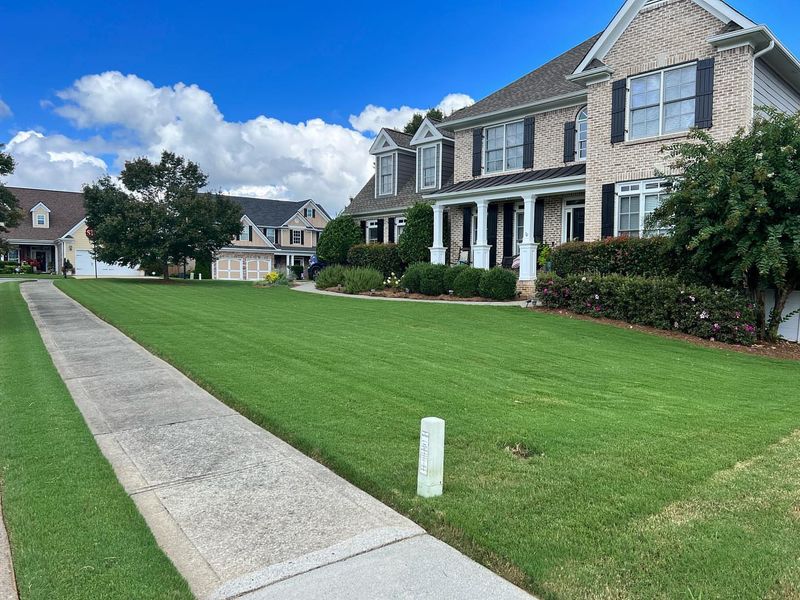
By the time May rolls around in Georgia, temperatures are rising fast and your lawn needs to be ready. A lawn that spent spring building density, root depth, and moisture retention is in a completely different position than one that got scalped down every other week.
Higher spring mowing height is what makes that difference.
Stronger turf handles foot traffic better. Kids playing in the yard, dogs running around, outdoor gatherings — all of that takes a toll on grass.
Dense, well-rooted turf recovers from that kind of wear much faster than thin, stressed grass. Spring is when that density gets built, and mowing height is a big part of how it happens.
Heat tolerance in grass is closely tied to root depth and overall plant health. Lawns that went through spring with proper mowing height have deeper roots and thicker canopies heading into summer.
When Georgia’s July heat arrives, those lawns hold up while others turn brown and patchy.
Lawn diseases also become more of a concern as temperatures and humidity climb across Georgia in late spring. Brown patch and dollar spot are two common problems that hit stressed, thin lawns harder than dense, healthy ones.
A lawn that came through spring strong simply has more natural resistance to these issues.
Adjusting your mowing height is one of the easiest and least expensive things you can do for your Georgia lawn. No special products, no complicated schedules — just raise the deck, follow the one-third rule, and let the grass do what it does best.
Strong spring habits build a lawn that genuinely thrives when the heat is on.