The Surprising Reason August Nights Play A Bigger Role In Massachusetts’s Most Watched Pest Outbreak
Darkness flips a switch inside this creature. Massachusetts nights grow restless once these moths take flight. You feel a tingle before you notice anything. Fine hairs drift through humid August air.
Adults emerge quietly, easy to miss until later. Heat and humidity spark their strongest activity. Streetlamps draw entire swarms toward your driveway. Porch lights become magnets, pulling moths straight toward you.
Skin responds quickly, sometimes within minutes. Neighbors compare notes about sudden welts and irritation. Windows left open invite unexpected visitors inside.
Coastal Massachusetts towns report noticeable spikes during these weeks. Nobody expects an insect to leave such an impression. Females lay eggs while males chase glowing bulbs.
Every flight path shapes next spring’s outbreak. Rain still offers little relief once hairs settle. Understanding their movement gives you real control.
Something shifts the moment you stop watching. What you do tonight decides what crawls through your grass by spring.
What Is The Browntail Moth
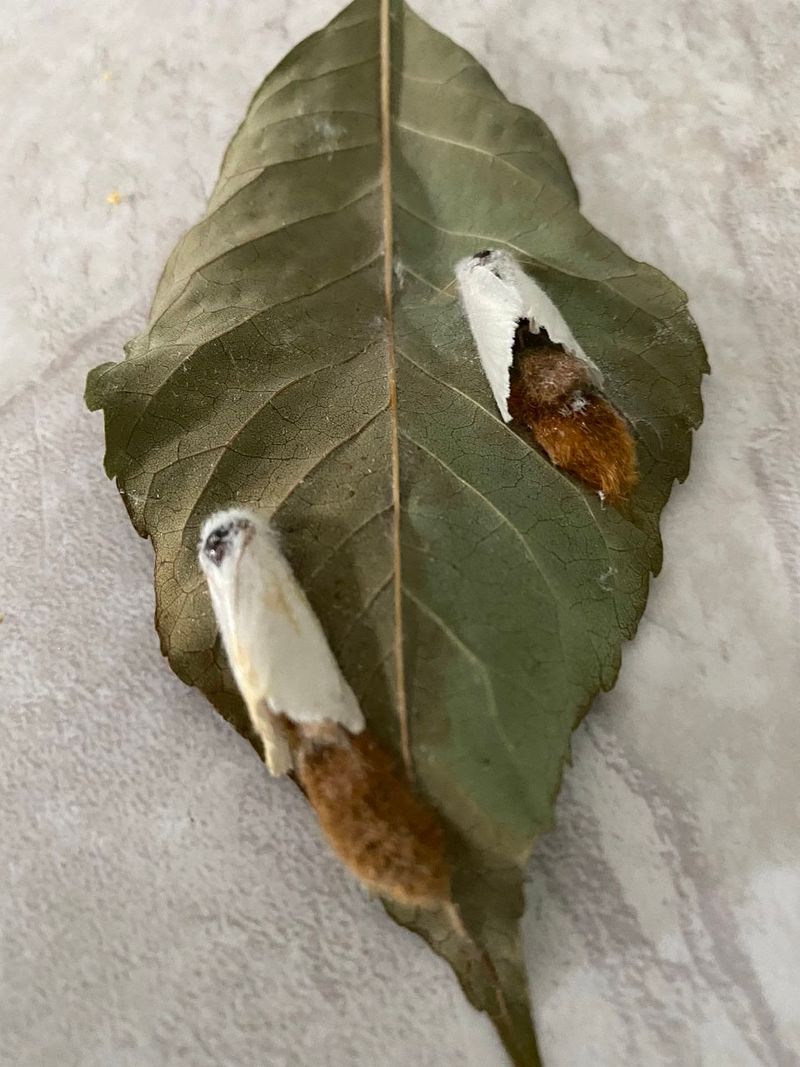
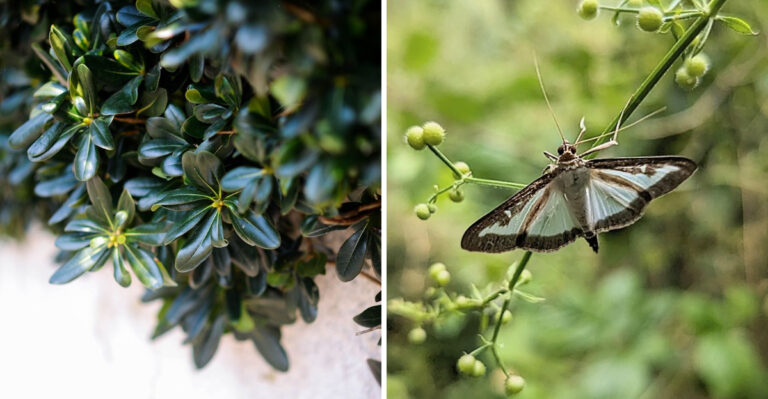
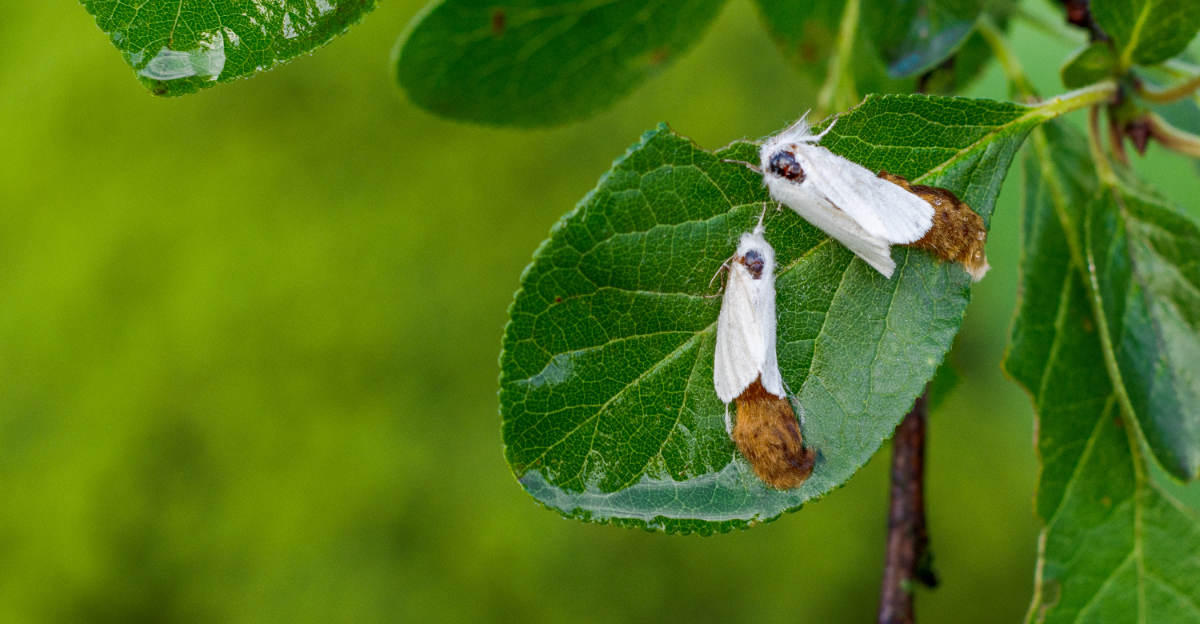
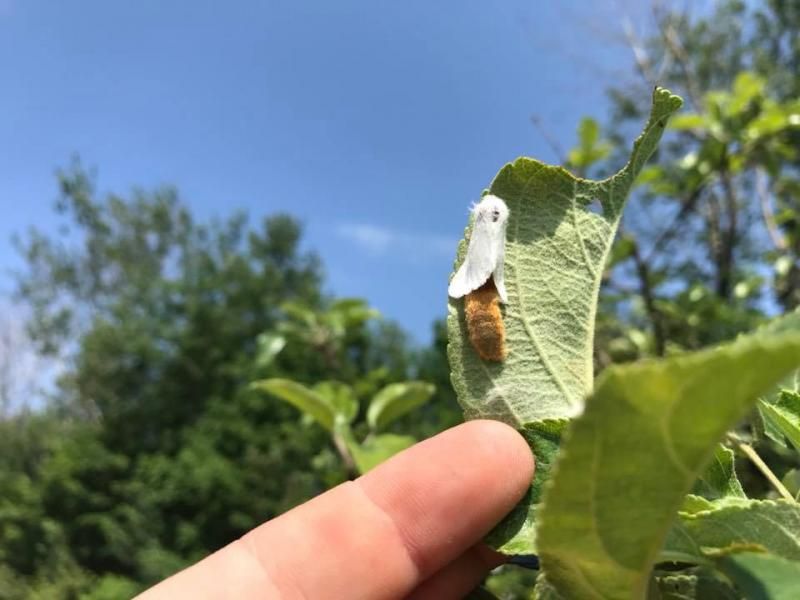
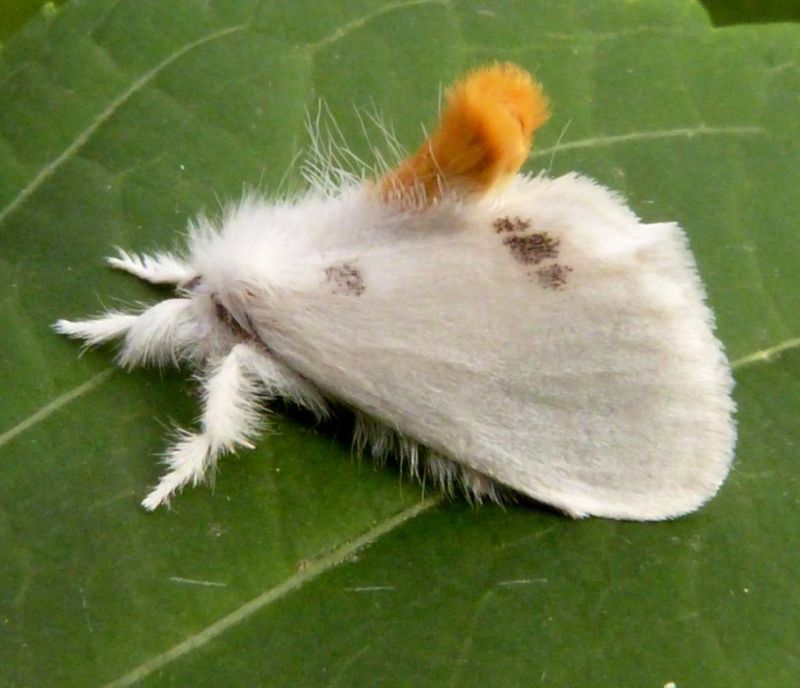
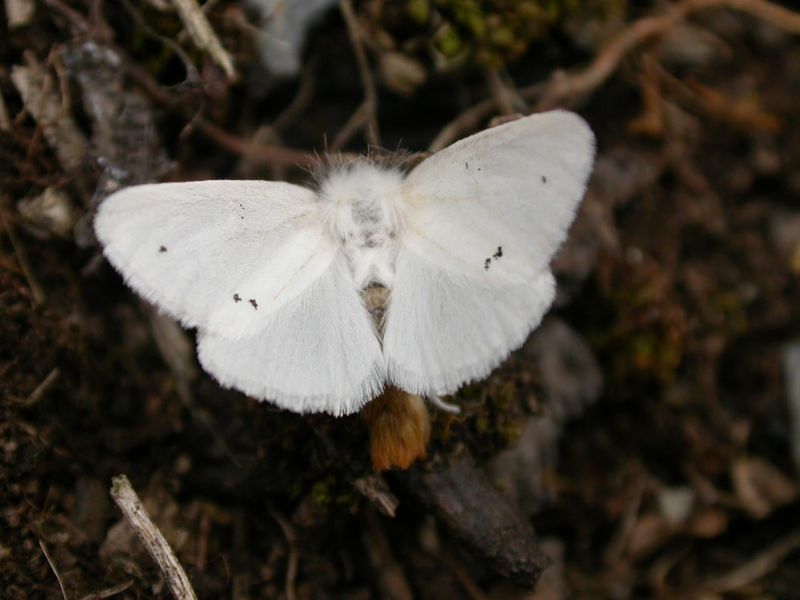
Not every white moth you spot outside is harmless. The browntail moth is a medium-sized insect with bright white wings and a distinctive brown tuft at the tip of its abdomen.
That fuzzy brown tail is where the name comes from, and it is one of the easiest ways to identify this species.
Originally from Europe, this pest arrived in Massachusetts around 1897. It spread quickly through New England and Atlantic Canada. Massachusetts remains one of the states most affected by this species in recent years.
The browntail moth is not just an agricultural nuisance. Its caterpillars carry tiny barbed hairs that cause serious skin rashes and breathing problems in people.
That toxic quality is what makes this species a genuine public health concern for residents and officials.
Adult moths emerge in late July and peak through August. They do not feed during their adult stage, which means their sole purpose is reproduction. Females release a chemical signal that males can detect from impressive distances.
Understanding this species starts with recognizing its life cycle. The adult phase is brief but critical, because what happens during those August nights determines how large next spring’s caterpillar population will be.
Keeping an eye on browntail moth activity in summer can give you a head start on protecting your property before things get worse.
Why August Nights Matter For Mating And Egg-Laying
August nights are not random timing for the browntail moth. Adult moths are most active during warm, humid evenings, which is exactly what late summer in Massachusetts delivers.
Cooler daytime temperatures slow their flight, but nighttime warmth keeps them moving. Females emerge ready to mate almost immediately after leaving their cocoons. They release pheromones into the night air that draw males from surprising distances.
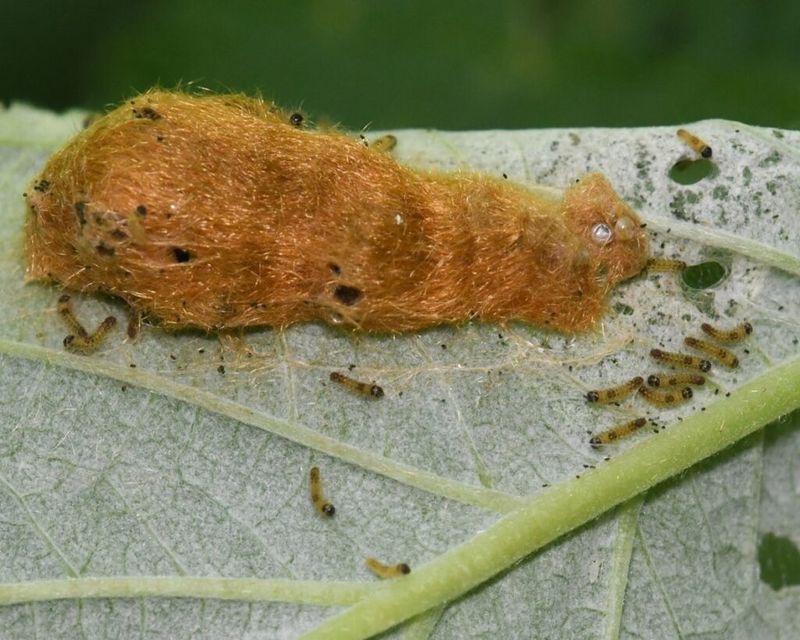
A single mated female typically lays several hundred eggs in one session. Egg masses are deposited on the undersides of oak leaves, apple leaves, and other host trees.
The female covers the cluster with hairs from her own abdomen, which protects the eggs and helps them survive into fall. Those same hairs can cause skin irritation if you brush against an infested branch.
Your Massachusetts Garden Changes Every Week. Your Plan Should Too.
Gardening in Massachusetts changes quickly throughout the season. Every Friday you’ll receive a simple weekly plan showing exactly what to plant, prune, fertilize, harvest, and protect so you never miss the right timing.
The timing is precise because the eggs need enough time to partially develop before winter sets in. Caterpillars actually hatch in late summer, feed briefly, then build a protective winter web. They need those August nights to get that process started on schedule.
Missing this window would break the entire cycle. So when August rolls around, browntail moth adults are working fast and efficiently.
Recognizing that this is peak reproductive season helps homeowners take the right precautions at exactly the right moment, before eggs are laid and the next generation gets established on your trees.
Outdoor Lights Play A Key Role In Attraction

Flip on your porch light on a warm August night and you are effectively signaling nearby moths. Artificial lights confuse nocturnal insects, pulling them off their natural flight paths and drawing them straight to your home.
The browntail moth is no exception to this well-documented pattern. Insects navigate using natural light sources like the moon and stars. A bright bulb overrides those signals and traps moths in looping, disoriented flight patterns near your house.
The closer moths gather to your home, the more likely females are to lay eggs on nearby trees. White and blue-spectrum bulbs are the biggest culprits. These wavelengths are highly visible to insects and act like a beacon across a wide area.
Switching to warm yellow or amber LED bulbs can significantly reduce the number of moths your Massachusetts yard attracts on any given night.
Motion-activated lights are another smart option. They only turn on when needed, cutting down the total hours your yard is lit up during peak moth activity. Less light exposure means fewer moths hanging around your property.
This connection between outdoor lighting and browntail moth attraction is one of the most surprising and actionable pieces of information homeowners can use. You do not need pesticides to make a difference.
A simple bulb swap can quietly reduce how many of these insects choose your Massachusetts yard as a destination on those warm, busy August nights.
The Health Risks From Toxic Caterpillar Hairs
The browntail moth earns its feared reputation mostly because of its caterpillars. Each one carries thousands of microscopic barbed hairs that break off easily and float through the air. Contact with these hairs causes an itchy, blistering rash similar to poison ivy.
The reaction can last for weeks and tends to be worse in people with sensitive skin. Some individuals also experience respiratory symptoms like coughing and wheezing after breathing in airborne hairs.
Those with asthma or allergies are especially vulnerable during peak caterpillar season. Spring is when caterpillars are most active and the health risk is highest. But the hairs do not disappear when the caterpillar does.
Cast-off skins, old webs, and fallen leaves can all hold toxic hairs well into summer and even fall. Eggs laid in August will hatch into young caterpillars that begin feeding before winter. Even these tiny early-stage caterpillars carry irritating hairs.
Handling infested branches in late summer without protection can still trigger a rash. Wearing long sleeves, gloves, and a face covering when working near host trees is a smart habit from late spring through early fall.
Showering after outdoor work during browntail moth season helps wash away any hairs that may have settled on your skin.
Taking these steps seriously during August nights and beyond keeps your family safer through the entire cycle of this persistent insect.
Simple Steps To Reduce Moths On Your Property
You do not have to feel powerless against the browntail moth. A few targeted actions taken in August can make a real difference in how many caterpillars you deal with next spring. Starting early is always the smarter play.
Check your trees for winter webs starting in late August and September. These small, silky shelters appear at the tips of branches and house young caterpillars through the cold months.
Removing and destroying them before winter breaks the cycle at a critical point. Pruning infested branch tips is effective but must be done carefully. Wear gloves, long sleeves, and eye protection when cutting.
Bag the clippings immediately and dispose of them away from your Massachusetts yard to avoid spreading hairs or eggs.
Switching your outdoor bulbs to warm amber LEDs, as mentioned earlier, reduces how many adult moths your property attracts during August nights. Fewer moths nearby means fewer egg masses on your trees.
That simple change costs almost nothing and pays off in spring. Sticky traps placed near host trees can help monitor adult moth populations. They will not solve the problem alone, but they give you a clear picture of how active the population is around your home.
Pairing traps with physical removal of webs gives you a solid, low-chemical approach. Consistent effort across multiple seasons is what truly reduces browntail moth pressure. One good August can set you up for a calmer, less itchy spring ahead.
How Eggs Hatch And Caterpillars Emerge In Late Summer
Most people think of spring as browntail moth season, and they are not wrong. But the story actually begins months earlier, on warm August nights when eggs are first laid. Understanding this earlier chapter changes how you approach the whole problem.
After a female lays her egg mass, the eggs begin developing almost right away. Within a few weeks, tiny caterpillars hatch and start feeding on nearby leaves.
They are small enough to miss with the naked eye, but they are already building the winter webs that will carry them through cold weather.
These first-stage caterpillars feed as a group, stripping small sections of leaf tissue before retreating into their silk shelter. The web grows as the group feeds and expands.
By the time temperatures drop, the web is sealed tight and the caterpillars go dormant inside.
Come spring, those same caterpillars emerge hungry and ready to grow. They feed heavily through May and June, reaching full size before spinning cocoons in late June or early July. That spring feeding phase is when the toxic hairs cause the most public health trouble.
Tracing that entire cycle back to a single August night puts the whole browntail moth life cycle in sharp focus. The decisions this insect makes in the dark, during those late-summer hours, shape everything that follows.
Staying aware of the browntail moth’s August behavior gives you the best possible chance of staying one step ahead.