Here’s Why North Carolina Homeowners Keep Spritzing Vinegar Around Their Yard
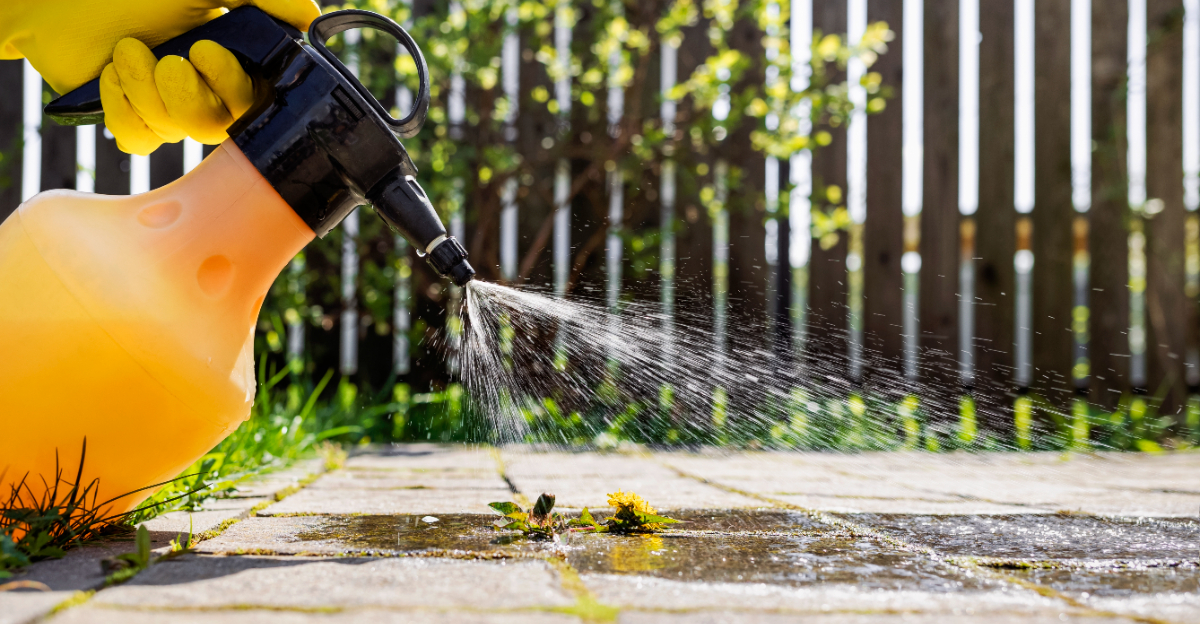
Your neighbors are trying something strange in their gardens this week. Curiosity might already have you glancing over the fence. Something ordinary from your kitchen cabinet sits at the center of it.
You might dismiss it as another passing yard trend. Skeptics assume it is nothing more than folklore. Professionals insist real chemistry drives the results, though. North Carolina lawns are proving them right in real time.
Timing changes everything when this method actually works. Certain plants react instantly while others barely notice. Conditions across North Carolina soil can tip the outcome either way.
Results depend on details most people overlook completely. Mistakes here can undo days of steady effort fast. Even experienced gardeners get surprised by simple details. Getting it right takes more than guesswork.
Vinegar’s Acetic Acid Draws Moisture Out Of Weeds
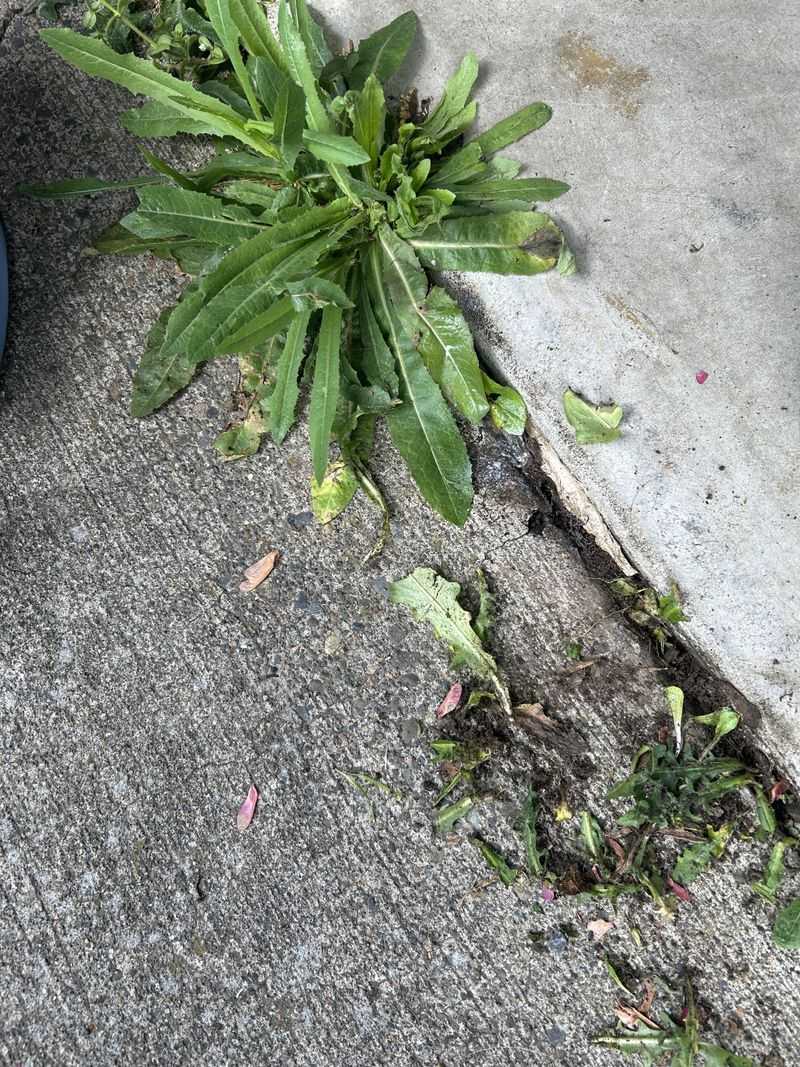
Grab a bottle of white vinegar and you are holding a natural tool against weeds. The secret ingredient is acetic acid, the compound that gives vinegar its sharp, nose-tickling smell.
Acetic acid works by pulling moisture right out of plant cells. When it hits a weed’s leaves, it disrupts the outer coating that keeps the plant hydrated.
The weed basically dries out from the outside in. You can actually see results within hours on a hot, sunny afternoon in your North Carolina yard.
This explains why so many local gardeners reach for it on young, shallow-rooted weeds. Seedlings and tender sprouts are especially vulnerable to this drying effect.
Mature weeds with thick leaves may need a stronger dose or repeated treatments. Think of it like sunburn on a plant, fast and visible but not always permanent.
The acetic acid does not travel into the soil to attack roots directly. That is both a limitation and a benefit, since it means no long-term soil damage.
Lawn pros point out that household vinegar at five percent acidity works well on young growth. Older, tougher plants may laugh it off and bounce back quickly.
Understanding how acetic acid works helps you use this remedy smarter. Spray on the right weeds at the right time, and you will see real results in your yard.
Household Versus Horticultural Grade Strength Matters
Not all vinegar bottles are created equal, and that difference matters more than most people realize. Standard white vinegar from the grocery store sits at about five percent acidity.
Horticultural vinegar, sold at garden centers, runs between twenty and thirty percent acidity. That is a dramatically stronger formula, and it demands serious respect.
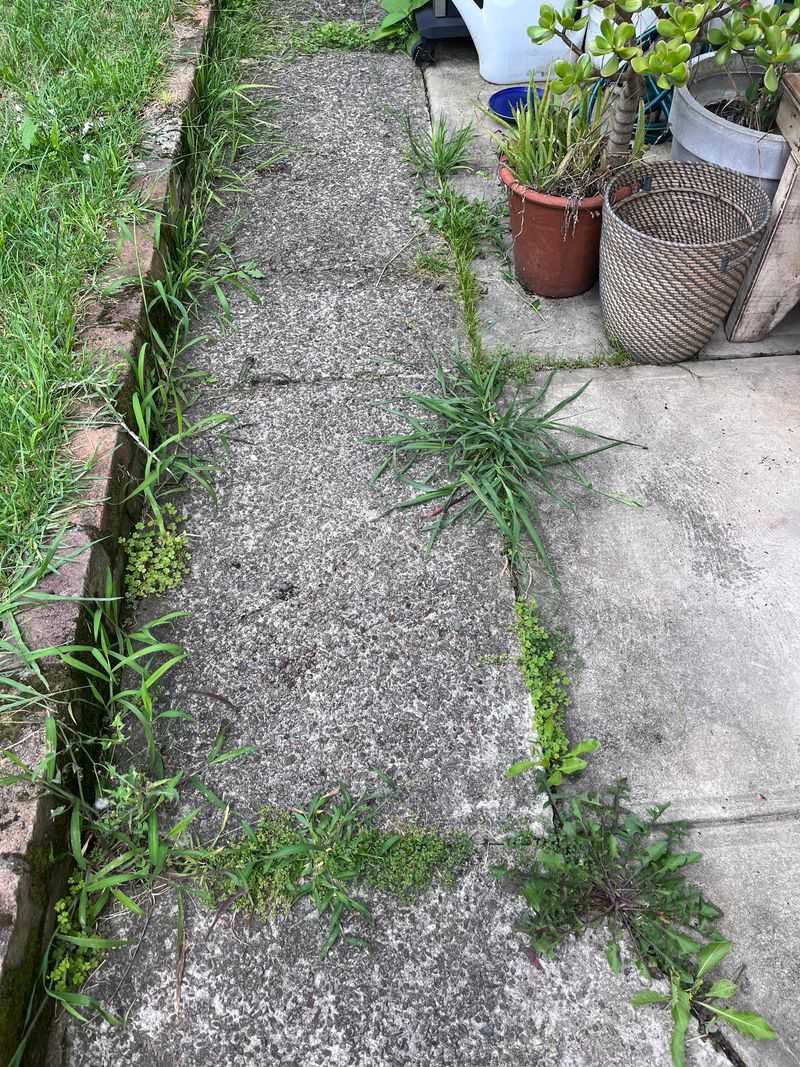
Five percent vinegar works fine on young, thin-stemmed weeds that pop up along sidewalks or driveways. Tougher, established weeds often shrug it off within a day or two.
Horticultural grade cuts through thicker plant tissue much faster and more completely. Many lawn pros in North Carolina recommend it for stubborn, persistent weed patches.
However, higher concentration comes with real safety concerns. Skin and eye contact with twenty percent vinegar can cause painful burns, so gloves and goggles are not optional.
Always read the label before you buy a stronger formula. Some products require dilution before application, and skipping that step can damage surrounding plants or soil.
Your North Carolina Garden Changes Every Week. Your Plan Should Too.
Gardening in North Carolina changes quickly throughout the season. Every Friday you’ll receive a simple weekly plan showing exactly what to plant, prune, fertilize, harvest, and protect so you never miss the right timing.
Cost is another factor worth considering before you upgrade your spray bottle. Horticultural vinegar runs significantly more expensive than the jug you grab at the grocery store.
For casual spot-treating in a small yard, household strength may be all you need. Bigger weed problems or large garden beds might justify investing in the stronger option.
Matching the strength of vinegar to the size of your weed problem is the smartest starting point. Choosing correctly saves time, money, and protects your surrounding lawn.
Sunny Dry Days Improve Application Results
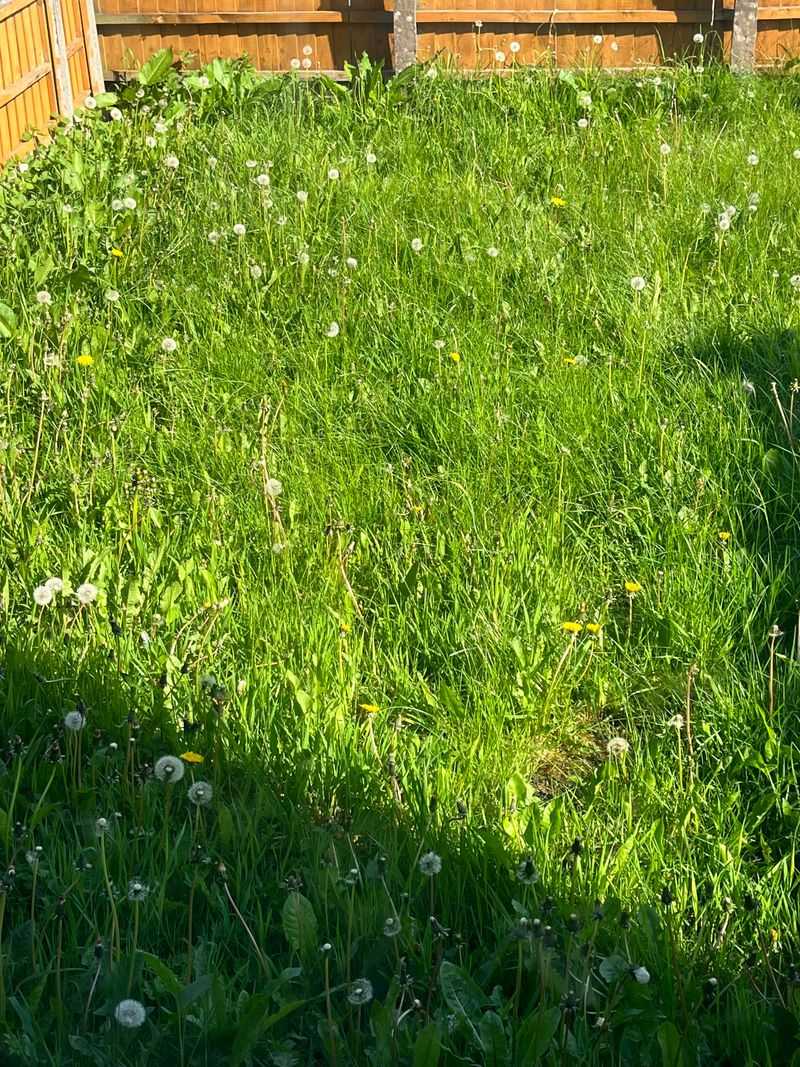
Timing is everything when you pull out that spray bottle. Applying vinegar on a bright, cloudless day can double or even triple how effective it is on weeds.
Sunlight accelerates the drying process that acetic acid starts on plant leaves. The heat works alongside the vinegar to stress and dehydrate the weed faster.
Lawn pros recommend spraying in the late morning, after dew has dried but before afternoon winds pick up. That window gives the vinegar maximum contact time with the plant surface.
Rain works against a fresh vinegar application. Even a light afternoon shower can wash the solution off leaves before it has a chance to penetrate.
Checking a three-day forecast before you spray is a simple habit that saves wasted effort. Aim for a stretch of dry, warm weather for the best outcome.
Humidity also plays a role in how well vinegar performs in North Carolina. High humidity can slow the evaporation process and reduce the drying effect on weed leaves.
Early summer and early fall tend to offer the most ideal conditions in this region. Temperatures are warm enough to accelerate the process without extreme heat that stresses your lawn too.
Soil moisture matters less than air conditions when it comes to vinegar spray. The product works on the leaf surface, not underground, so a dry sky matters more than dry soil.
Pick your spray day like you would pick a day for a picnic. Sunshine, low humidity, and no rain in the forecast equals your best shot at success.
Wind And Drift Can Damage Nearby Grass
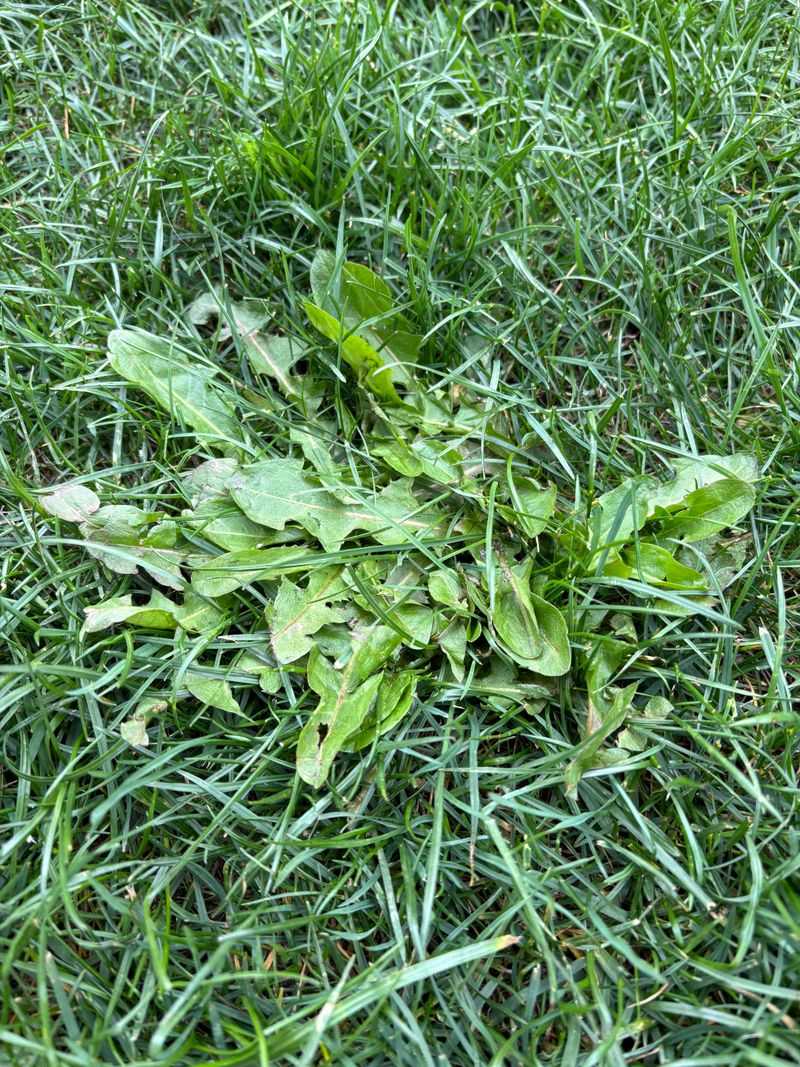
Vinegar does not know the difference between a weed and your favorite patch of lawn grass. That is the catch that many first-time users discover the hard way.
Spray drift is a real problem, especially on breezy days when the mist floats sideways before landing. Even a light breeze can carry droplets several feet in the wrong direction.
Acetic acid burns most green plant tissue it touches. Grass blades hit by drifting vinegar will brown out just as fast as the weeds you were targeting.
Lawn pros suggest using a low-pressure spray setting or a foam applicator for precision work near grass edges. Keeping the nozzle close to the target plant also reduces drift significantly.
Cardboard shields work surprisingly well as makeshift barriers when treating weeds in tight spots. Hold a piece beside the weed to block overspray from reaching surrounding turf.
Wind speed above ten miles per hour is generally considered too risky for vinegar application. Save the spray bottle for calm mornings when the air is still and quiet.
Container plants and flower beds near weed zones also need protection during treatment. Moving pots out of the spray zone before you start prevents accidental damage.
Being strategic about where and how you spray makes all the difference in a mixed landscape. Slow down, aim carefully, and protect what you love before you treat what you do not.
A little patience before spraying protects weeks of lawn care effort. Rushing the process is the fastest way to create a new problem in your North Carolina yard.
Repeat Treatments Handle Deep Root Systems
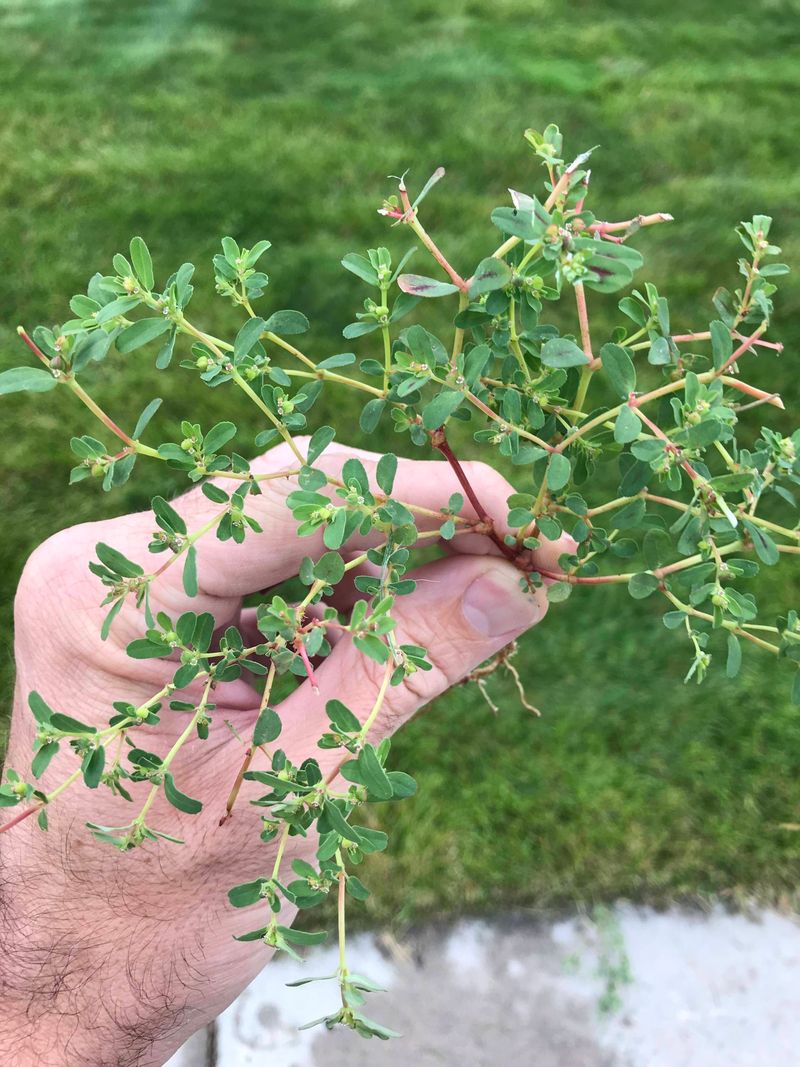
One spray is rarely the whole story with stubborn weeds. Dandelions, thistle, and nutsedge all have deep root systems that one application of vinegar simply cannot reach.
Vinegar attacks the visible top growth, causing leaves and stems to wilt fast. But the root sitting underground stays intact and ready to send up fresh growth within days.
Repeat treatments weaken the plant over time by forcing it to keep spending energy on regrowth. Each new flush of leaves that gets burned off drains the root’s reserves a little more.
Lawn pros typically recommend reapplying every five to seven days when dealing with persistent weeds. Consistency is more important than concentration when you are dealing with a deep-rooted plant.
Some stubborn species may require four or more applications before they finally give up. Patience and persistence matter just as much as the vinegar itself in those cases.
Combining vinegar with hand-pulling can speed up the process considerably. Removing as much root as possible before spraying gives the acetic acid less work to do.
Adding a small amount of dish soap to the vinegar solution helps it stick to leaves longer. The soap breaks surface tension, allowing better contact between the acid and plant tissue.
Tracking which weeds you have treated and when helps you stay consistent with reapplication schedules. A simple notepad or phone photo can serve as your weed treatment log.
Stubborn weeds respect persistence more than a single powerful blast. Stick with a regular treatment schedule, and even the toughest root systems will eventually wear down.
Weighing Natural Appeal Against Real Limitations
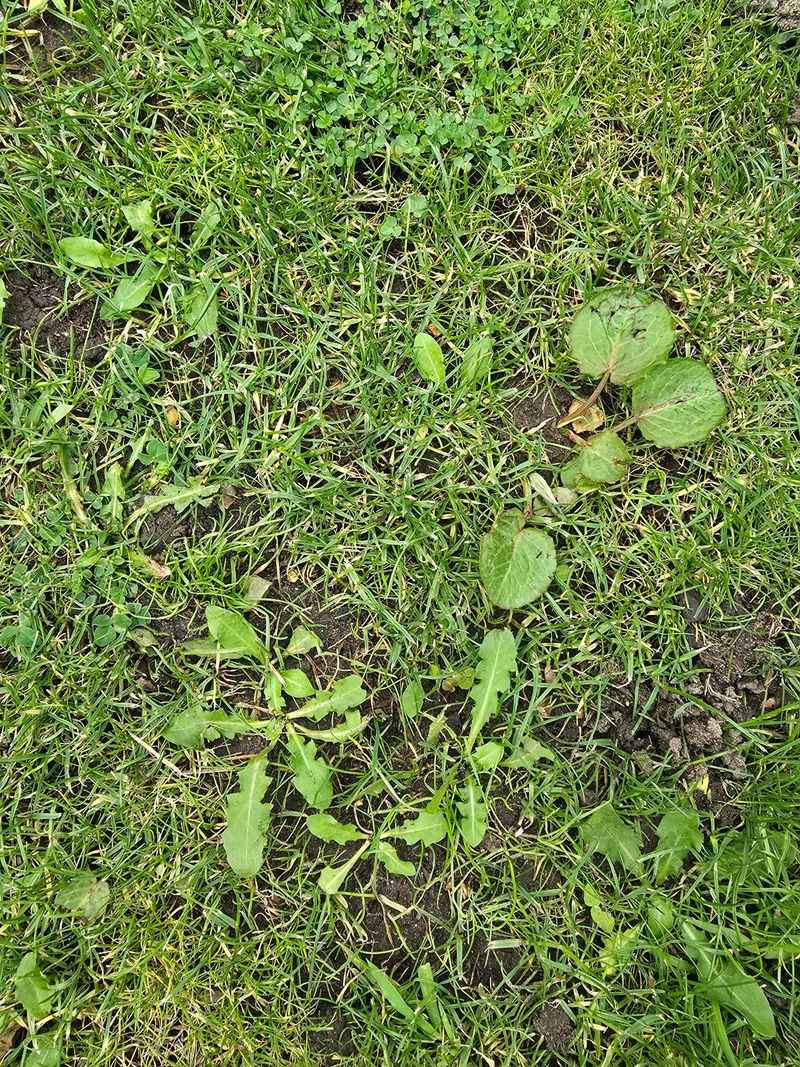
Vinegar sounds like a dream solution, and for certain situations it genuinely is. But knowing where it falls short keeps you from being disappointed when results are not what you expected.
The biggest appeal is obvious: it is non-synthetic, widely available, and inexpensive. Plenty of local gardeners love that it fits a chemical-free lifestyle.
However, vinegar is a non-selective treatment, meaning it does not discriminate between weeds and desirable plants. That lack of selectivity makes careful application especially important.
Lawn pros point out that vinegar does not prevent new weed seeds from germinating after treatment. Unlike pre-emergent herbicides, it offers no protective barrier against future growth.
Dense weed infestations covering large areas are also beyond what vinegar handles efficiently. Treating a half-acre of weeds with a spray bottle would take enormous time and product.
For spot-treating cracks in driveways, sidewalk edges, or isolated garden bed weeds, vinegar shines. It is a scalpel, not a lawnmower, and works best when used that way.
Cost savings compared to commercial herbicides are real but modest for small-scale use. Buying multiple gallons of horticultural vinegar for large areas can add up quickly.
Environmental impact is generally lower than synthetic options, which is a genuine win. Acetic acid breaks down quickly in soil without leaving harmful residues behind.
The verdict from lawn pros is balanced and honest: vinegar is a useful tool with a specific job. Use it where it fits, and do not expect it to replace a full lawn care plan.