The Tomato Cage Habit Gardeners Wish They’d Fixed Sooner
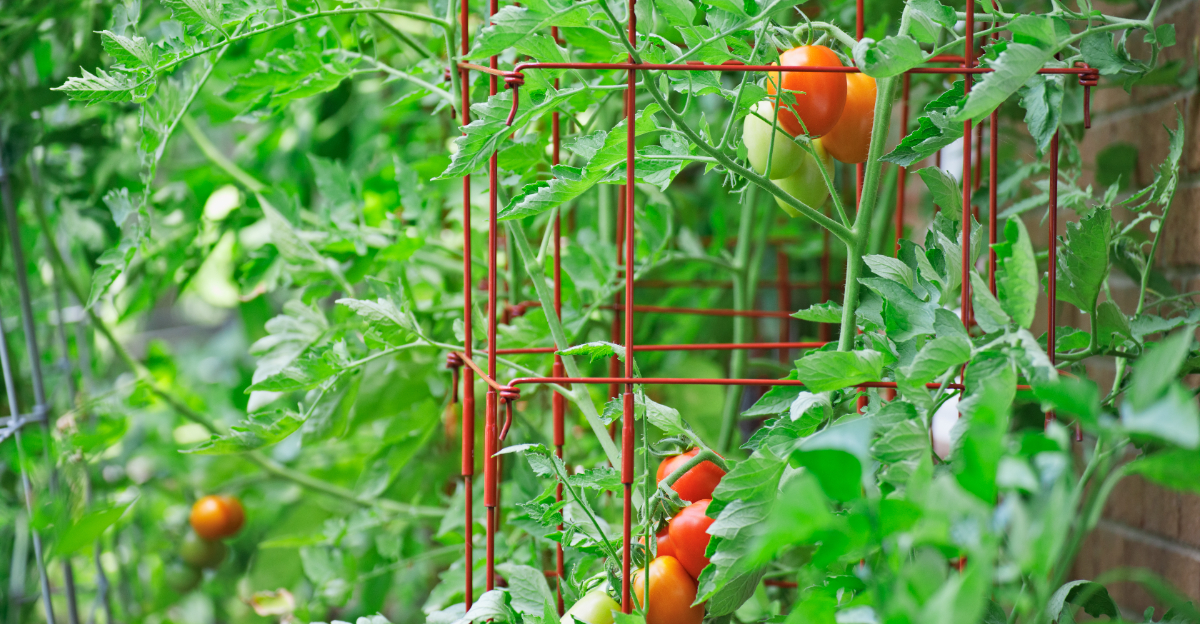
That skinny tomato seedling barely reaches your knee, so a cage feels like something to worry about later. Give it three warm weeks, and the same plant can turn into a leafy tangle with nowhere polite to put its arms.
Stems bend under their own weight, and the tidy row you pictured in spring starts looking like a small jungle. By the time most gardeners notice, the plant has already outgrown any support they could add.
Caging tomatoes seems simple, yet waiting too long to set that support undoes all that early effort. The fallout shows up in more places than most gardeners expect, from tangled stems to fruit lost on bare soil.
The Habit That Catches Up With The Tomatoes
That one small delay feels harmless at first. You tell yourself the plant is still tiny, still manageable, still weeks away from needing a cage.
Then growth explodes overnight. Tomato plants can gain several inches in just a few days during warm spells.
The tomato cage habit of waiting too long starts exactly like this. A gardener gets busy, skips one weekend, and returns to find a plant that no longer cooperates.
Stems harden fast. Once a branch sets in a downward direction, bending it back upright risks snapping it clean off.
Support structures work best when stems are still soft and flexible. Young stems bend gently into position without protest or damage.
Waiting until the plant looks like it needs help is already too late. By that point, you are managing a problem instead of preventing one.
Most experienced growers set their cages on planting day. The cage goes in the ground before the seedling even settles in.
This approach sounds overly cautious to beginners. But seasoned gardeners know that early action saves hours of frustrating correction later.
The plant does not wait for your schedule. It grows according to sun, warmth, and water, not your weekend availability.
Breaking this habit requires a mental shift. Think of the cage as part of the planting process, not an accessory added later.
Once that shift happens, the whole season runs smoother. Your plants stay upright, your fruit stays clean, and your stress level drops considerably.
Signs The Cage Went In Too Late
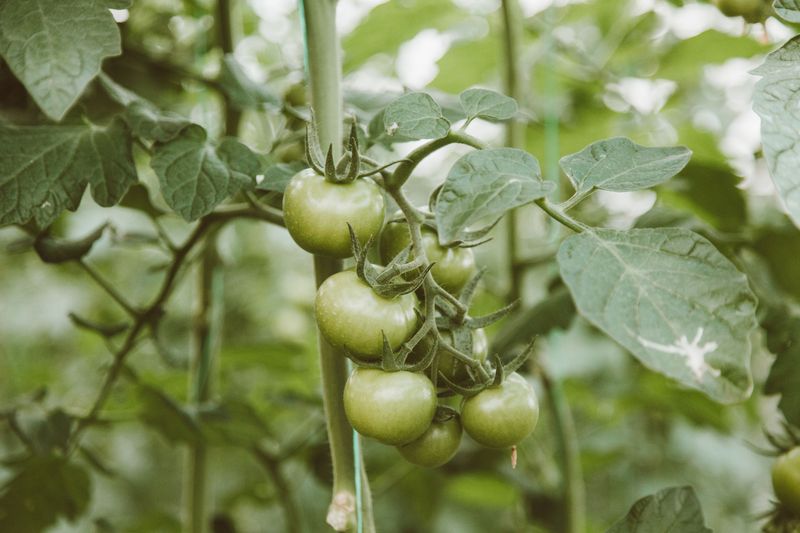
Your tomato plant starts sending distress signals before you even notice the lean. Stems begin bending at odd angles near the base.
Leaves that once pointed upward start facing sideways or downward. That shift in leaf direction is one of the earliest visual clues.
Another clear sign is when the main stem develops a curve. A healthy, supported stem grows straight up with confidence and purpose.
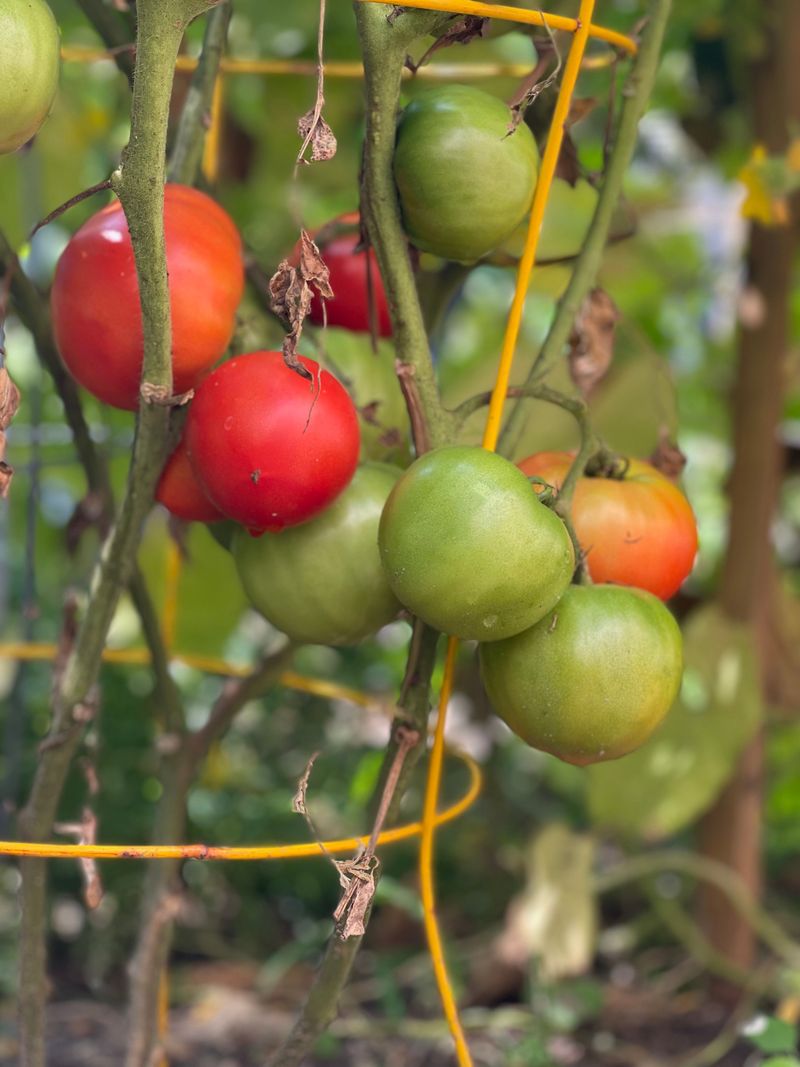
Fruit clusters that hang low and touch the soil are also a red flag. Ground contact invites rot, pests, and fungal problems fast.
Look at where branches fork from the main stem. If those joints look strained or stretched, the plant has been unsupported too long.
Yellowing lower leaves sometimes get blamed on disease, though crowded, unsupported growth can also slow airflow and contribute to the same pattern.
When you press gently on the main stem and the whole plant sways loosely, support is overdue. A properly caged plant stays firm under light pressure.
Gardeners who check their plants every few days catch these signs early. A quick daily walk through the garden prevents most support problems entirely.
The tomato cage lesson here is about observation. Watching your plant closely gives you a window to act before damage becomes permanent.
Missing these signs does not make you a bad gardener. It makes you a normal one who is now learning to look more carefully.
Act on the first hint of drooping. Early correction is always easier than late-stage rescue.
Tangled Stems And Reduced Airflow
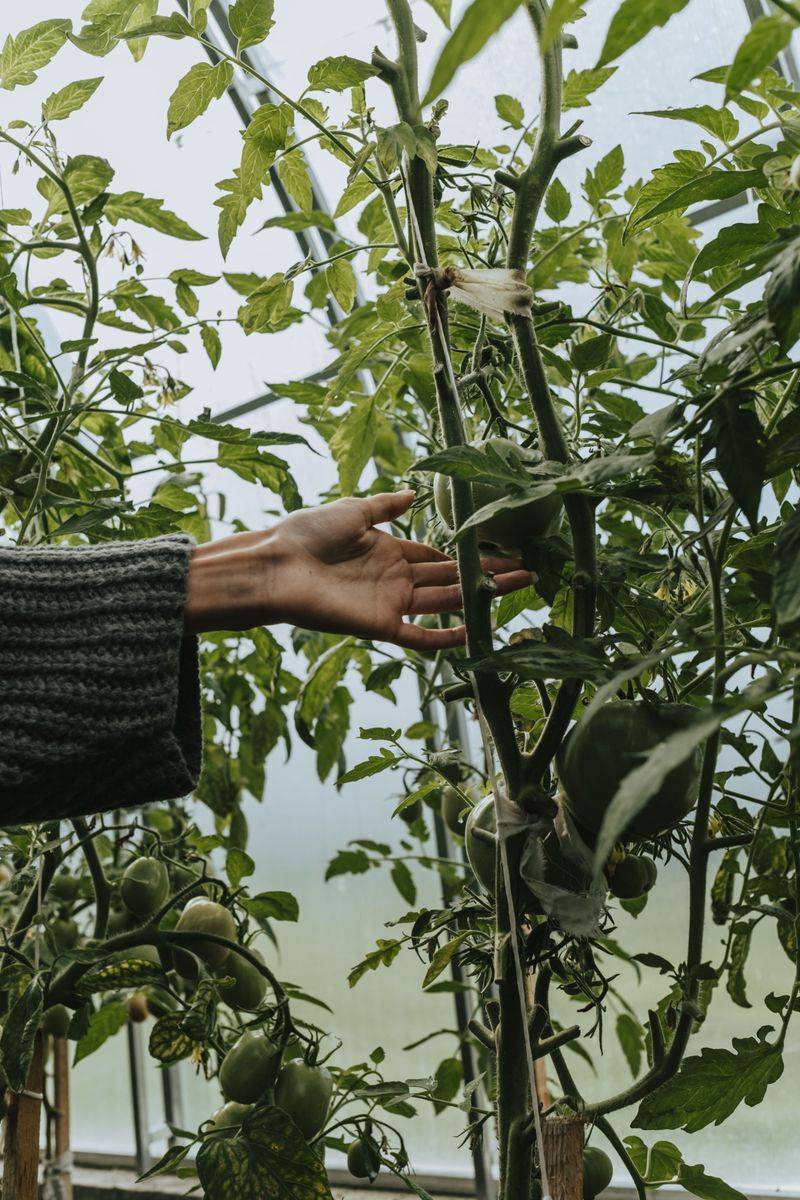
Crowded stems are more than an eyesore. They create a humid microclimate inside the plant where fungal spores thrive and spread.
When branches cross and press against each other, airflow drops dramatically. Still, moist air trapped inside the canopy is a recipe for blight.
Early fungal infections often start in the most crowded sections of an unsupported plant. The outer leaves look fine while the inner ones suffer quietly.
Tomato cages solve this problem by training branches outward and upward. Open structure allows wind to move through and dry out excess moisture.
Without that structure, branches tangle as they compete for light. Each stem bends toward the sun and crosses whatever is in its path.
Untangling an overgrown plant without snapping branches is genuinely difficult. It requires patience, soft hands, and sometimes a willingness to sacrifice a branch.
Pruning suckers helps reduce crowding, but only if the plant still has some structure to work with. Pruning a fully collapsed vine is chaotic and stressful.
A cage installed at planting time keeps this tangle from forming. Branches grow through the rings and stay separated naturally over time.
Better airflow can also reduce how often pesticide applications are needed.
Think of the cage as a built-in ventilation system for your plant. It does passive, constant work that no spray can fully replace.
Cleaner airflow means a cleaner harvest. Fewer sick leaves means more energy directed toward growing large, flavorful fruit.
Fruit Loss From Leaning And Toppling
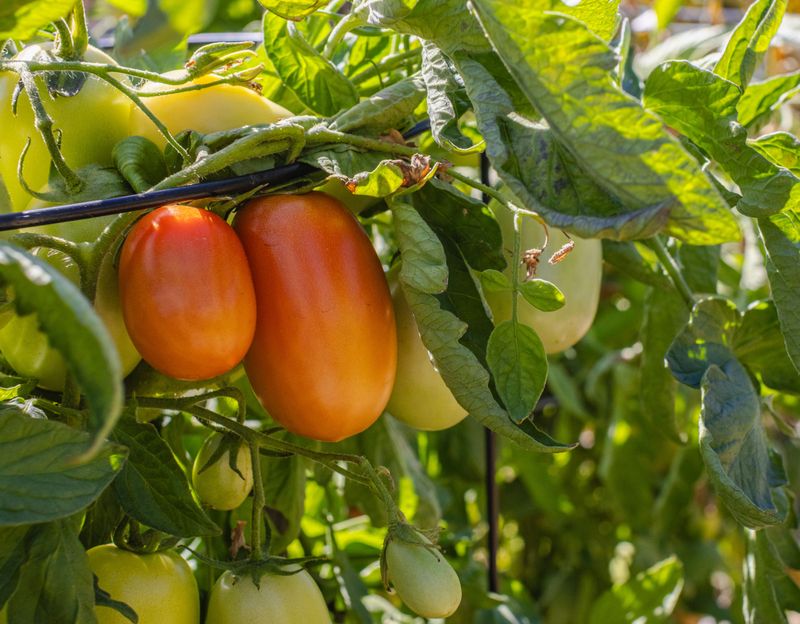
A leaning plant looks almost comical at first. Then you notice the fruit on the ground, and the mood shifts fast.
Tomatoes that rest on soil bruise quickly. That soft contact point becomes a doorway for bacteria, mold, and insects soon after.
Heavy fruit clusters are one of the main reasons plants topple. A single large cluster can weigh enough to tip an unsupported plant sideways.
Once a plant falls, the stem near the base takes serious strain. That stress point weakens the plant’s ability to move water and nutrients upward.
Fruit that develops while the plant leans tends to grow unevenly. One side gets more sun exposure, which creates odd coloring and uneven ripening.
Gardeners who have lost a full cluster to ground rot remember it clearly. That kind of loss stings, especially after weeks of careful watering and feeding.
The tomato cage prevents toppling by anchoring branches before they get heavy. The cage shares the load so the stem does not bear it alone.
Staking alone sometimes works, but cages distribute weight more evenly. Multiple contact points create stability that a single stake cannot match.
Wind also plays a role in toppling. An unsupported plant acts like a sail, catching gusts that slowly loosen its grip on the soil.
Deep cage legs help anchor against wind and fruit weight together. Pressing cage legs at least six inches into the ground makes a real difference.
Protecting the fruit means protecting the whole season’s effort. A cage is the simplest insurance policy a gardener can buy.
Installing Support At Planting Time Instead
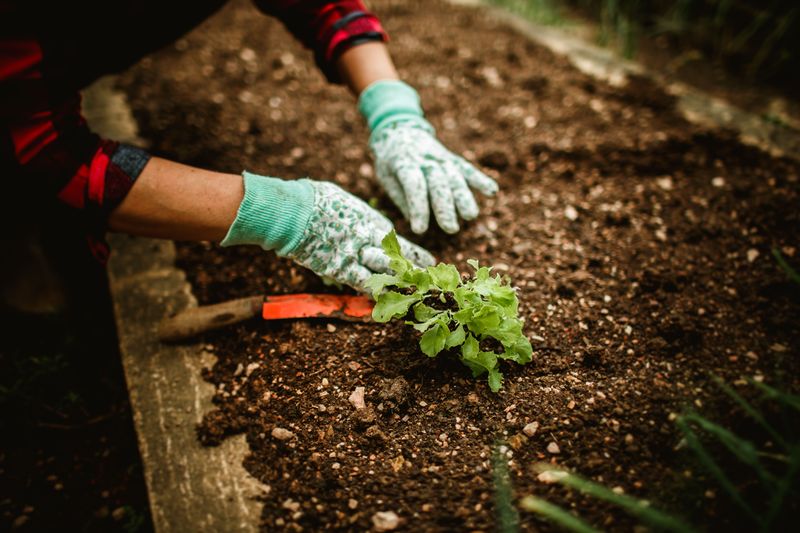
Planting day is the best day to set a tomato cage. The soil is loose, the plant is small, and the job takes only a minute or two.
Pushing cage legs into freshly turned soil requires almost no effort. Doing the same thing six weeks later, around an established root system, is much harder.
Roots spread wide and fast beneath the surface. Driving cage legs in late risks slicing through roots that the plant depends on for stability.
Setting the cage early also trains the plant from its first days in the ground. Young stems naturally grow toward and through the cage rings without guidance.
Choose a cage tall enough for your variety. Indeterminate tomatoes can reach six feet or more, so a short cage becomes useless by midsummer.
Heavy-gauge wire cages outlast flimsy store-bought options by years. That upfront investment pays off across multiple seasons without replacement costs.
Spacing cages correctly matters as much as timing. A cage set too close to the stem crowds the plant before it even gets started.
Leave a few inches of breathing room between the cage and the main stem. That gap allows natural movement without rubbing or chafing the stalk.
Some gardeners place a stake inside the cage for extra support. That combination tends to hold up well even under the weight of heavier heirloom varieties.
Planting-day setup turns a future problem into a non-issue. The plant grows into its support structure instead of fighting against it later.
Make it a ritual, not an afterthought. Your future self will appreciate the habit every single harvest season.
Fixing An Already Overgrown Vine
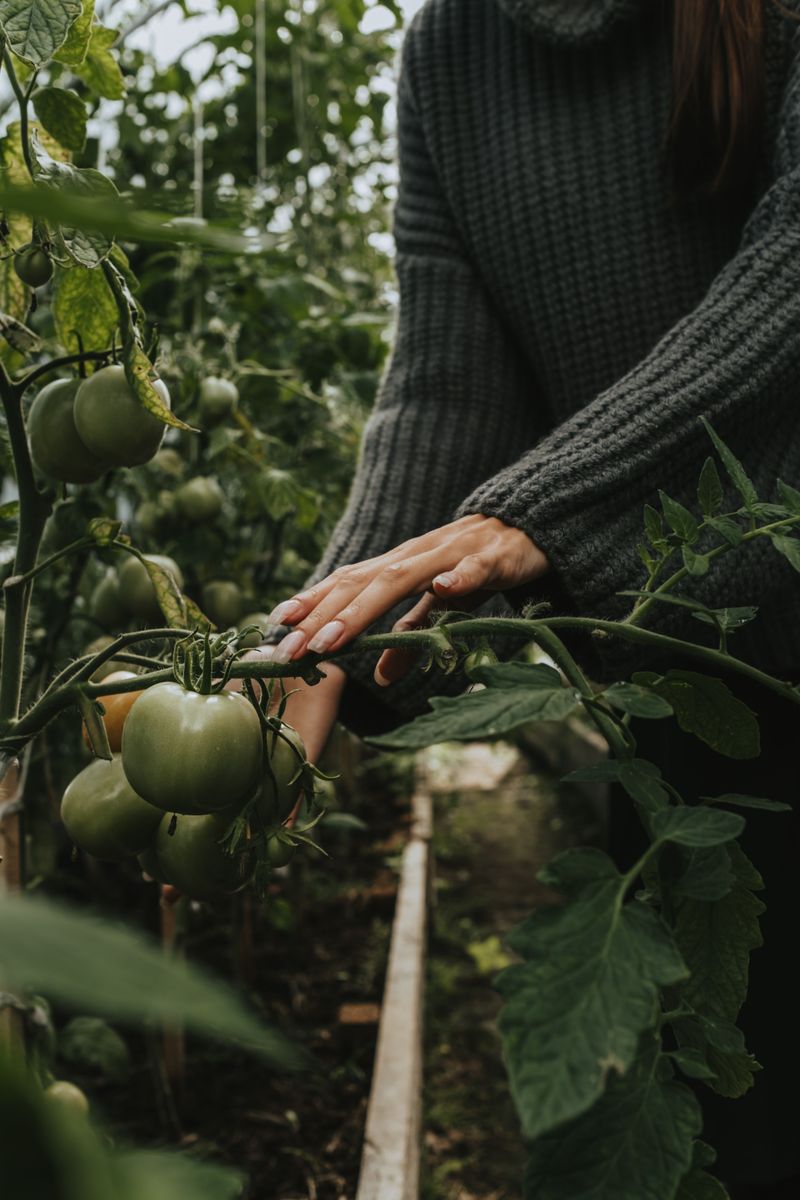
Not every gardener catches the problem early. If your plant is already sprawling, do not give up on it just yet.
Start by assessing which stems are still flexible. Younger growth near the tips bends without resistance and can be guided into position.
Work slowly and move only one branch at a time. Rushing this process snaps stems and removes the fruit you were trying to save.
Place the cage over the plant from above if possible. Sliding it down gently allows stems to fall into their natural positions within the rings.
For plants that are too large for a standard cage, use soft garden ties. Loop them loosely around branches and attach them to stakes placed around the plant.
Avoid wire or string that cuts into the stem. Anything that constricts growth can damage the vascular tissue inside the branch over time.
After repositioning, remove any leaves that are touching the soil. Those low leaves spread disease upward and should come off cleanly with scissors.
Water the plant well after repositioning. Stress from being moved increases the plant’s need for moisture in the following days.
Check the plant again after two or three days. Some branches shift back toward their old positions and need a second gentle correction.
Recovery is possible, but it requires more effort than early prevention. Most gardeners who fix an overgrown vine once rarely let it happen again.
The tomato cage lesson lands hardest in moments like this. Fixing a problem teaches you far more than avoiding one ever could.