The Top 10 Butterfly Herbs To Plant In February For Pollinator Friendly Florida Gardens
Florida gardens wake up fast in February, and one bold planting move can flood your yard with butterflies within weeks. Warm soil and gentle sun give new herbs a powerful head start, drawing monarchs, swallowtails, and skippers as temperatures climb across the Sunshine State.
The right plants do more than add color. They create nectar stations, shelter young caterpillars, and spark nonstop movement that turns an ordinary garden into a living spectacle.
Strong roots form early, blooms arrive sooner, and pollinators lock onto reliable food sources long before peak heat. With smart choices, even a small patch of soil can pulse with wings, scent, and vibrant life from spring through fall.
Plant at the right moment, feed the right species, and watch your Florida garden transform into a butterfly magnet that stays active, colorful, and full of energy all season long.
1. Dill: A Swallowtail Favorite For Florida Gardens
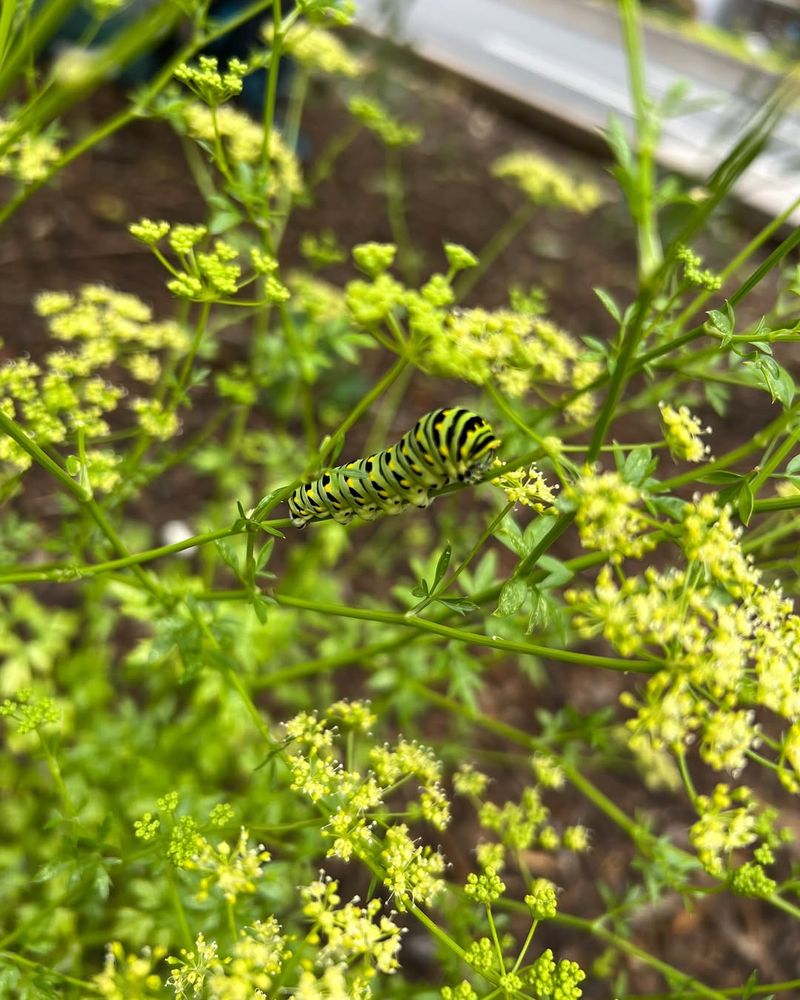
Black swallowtail butterflies consider dill one of their top choices for laying eggs. The feathery foliage provides perfect food for their striped caterpillars, which munch happily on the delicate leaves throughout their growth stages.
February planting gives dill time to establish before warm weather encourages rapid growth.
This annual herb thrives in full sun and well-drained soil, conditions readily available in most Florida gardens. Dill grows quickly from seed or transplants, reaching two to three feet tall by early summer.
The umbrella-shaped yellow flowers attract numerous pollinators beyond butterflies, including beneficial wasps and native bees.
Gardeners should plant dill in spots where caterpillar feeding won’t cause concern, since hungry larvae can strip foliage quickly. Growing multiple plants ensures enough leaves for both kitchen use and caterpillar nurseries.
Dill reseeds readily in Florida, often returning year after year without replanting.
Water newly planted dill regularly until roots establish, then reduce frequency as plants mature. Avoid heavy fertilization, which produces lush foliage but reduces the essential oils butterflies find attractive.
Harvest leaves before flowers form for culinary use, or let plants bloom to maximize butterfly visits and enjoy watching the complete life cycle unfold in your garden.
2. Fennel: A Butterfly Magnet That Keeps Giving
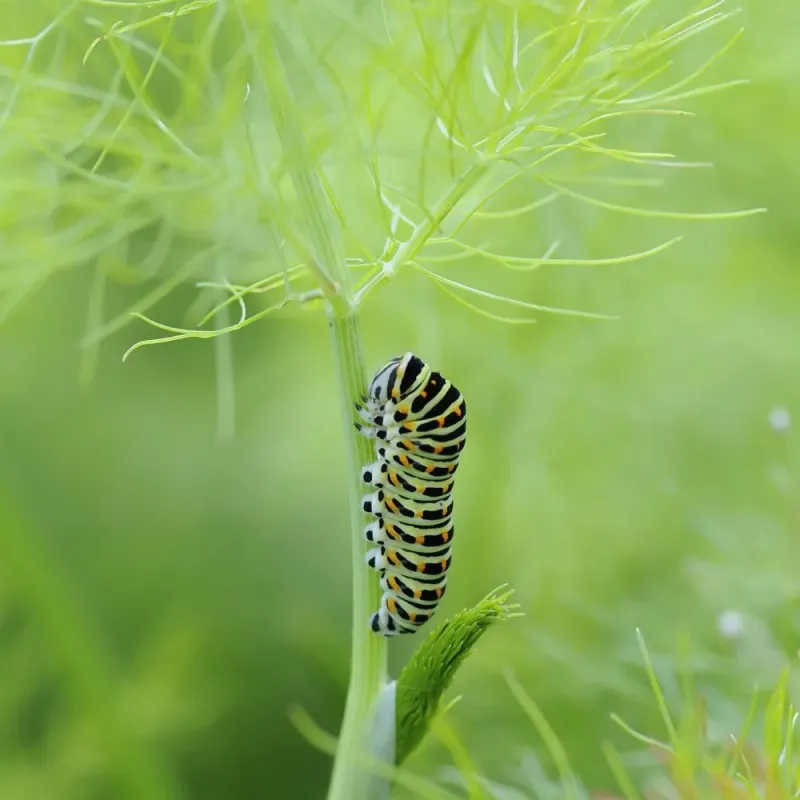
Bronze and green fennel varieties both serve as host plants for swallowtail butterflies while adding texture and height to Florida herb gardens. The anise-scented foliage grows in graceful mounds that can reach four to five feet tall, creating dramatic vertical interest.
Planting in February allows fennel to develop substantial size before summer butterfly activity peaks.
This perennial herb tolerates Florida’s heat remarkably well once established. Fennel prefers full sun and average soil, adapting to various garden conditions without fussing.
The bright yellow flower clusters appear from late spring through fall, providing continuous nectar for butterflies, bees, and other beneficial insects.
Black swallowtail caterpillars commonly feed on fennel. Giant swallowtails usually prefer citrus and wild lime, and only rarely use fennel.
Rather than viewing this as damage, consider it successful butterfly gardening. Fennel regrows quickly after caterpillar feeding, especially when given occasional water during dry spells.
Space fennel plants at least two feet apart to accommodate their spreading growth habit. The herb self-seeds generously in Florida gardens, producing volunteer seedlings that can be transplanted or shared with fellow gardeners.
Harvest the seeds, leaves, and bulbous base for cooking while leaving plenty of plant material for visiting butterflies and their offspring.
3. Parsley: The Classic Host Plant For Caterpillars
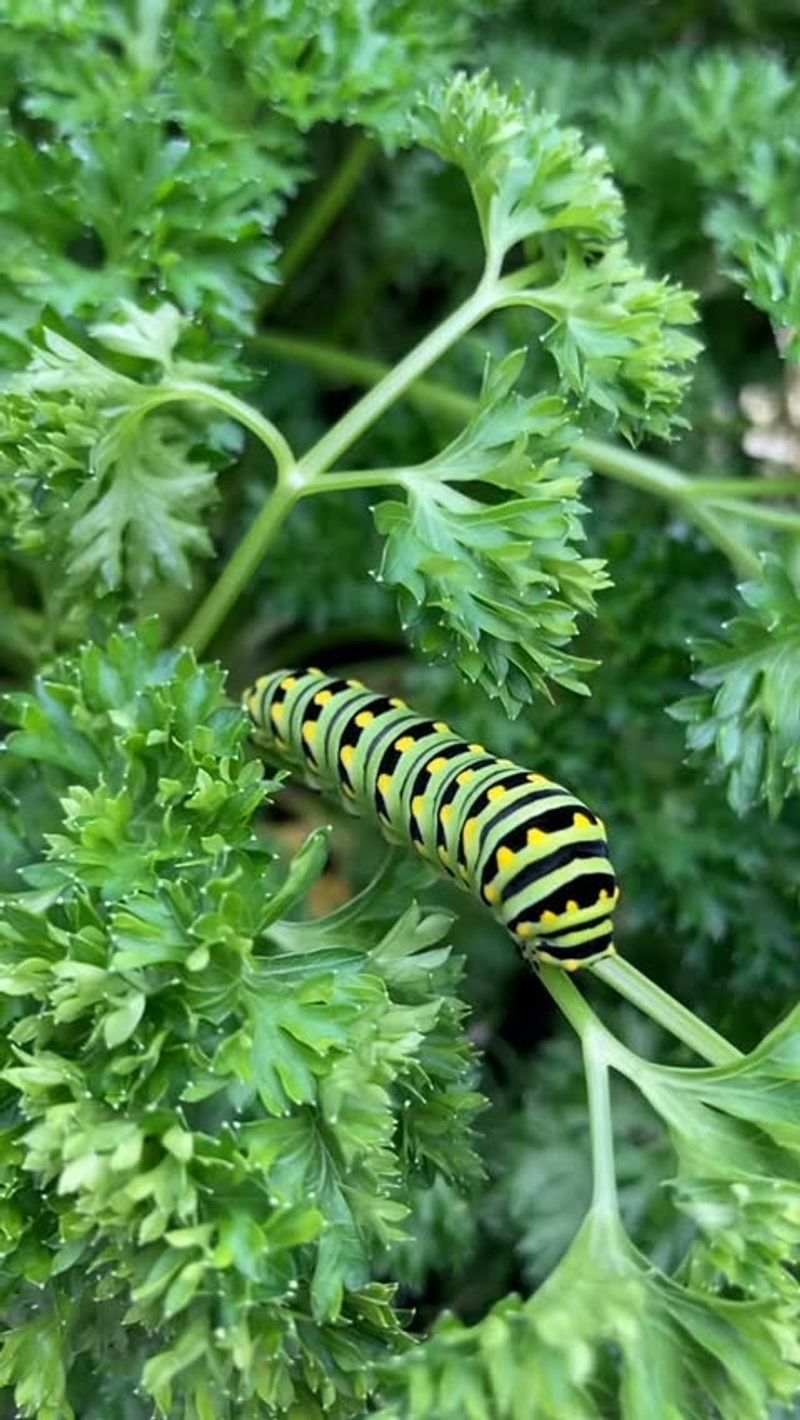
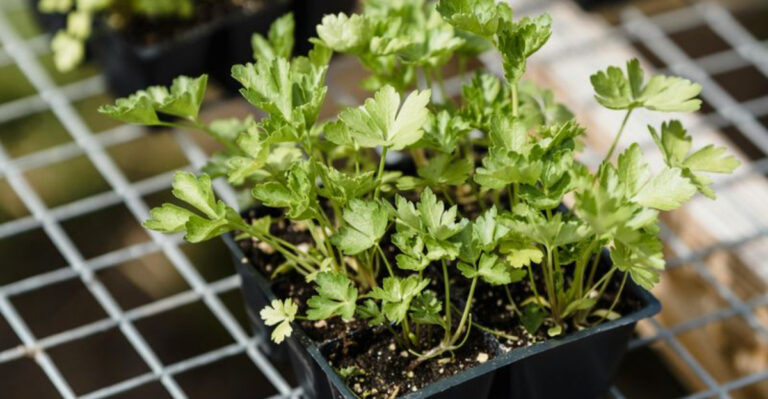
Both curly and flat-leaf parsley varieties function as essential host plants for black swallowtail butterflies throughout Florida. The bright green foliage provides nutritious food for developing caterpillars while offering culinary versatility for home cooks.
February represents an ideal planting time, giving parsley cool weather to establish before summer arrives.
Parsley grows as a biennial in Florida, producing leaves the first year and flowers the second season. Most gardeners treat it as an annual, replanting each year for continuous fresh foliage.
This herb prefers partial shade in Florida, especially during hot afternoons, though it tolerates full sun with adequate moisture.
Rich, well-amended soil produces the healthiest parsley plants with thick, flavorful leaves. Regular watering keeps foliage tender and encourages steady growth.
When caterpillars appear, they may consume significant amounts of leaves, but parsley grows back vigorously with proper care.
Plant extra parsley to ensure enough for both kitchen harvests and caterpillar nurseries. The bright green, white, and black striped caterpillars are quite striking and fun to observe as they grow.
Parsley flowers attract numerous pollinators when allowed to bloom, though most gardeners prefer harvesting leaves before flowering occurs. Container growing works excellently for parsley, making it accessible even for small-space Florida gardeners.
4. Cilantro: Fragrant Flowers Butterflies Cannot Resist
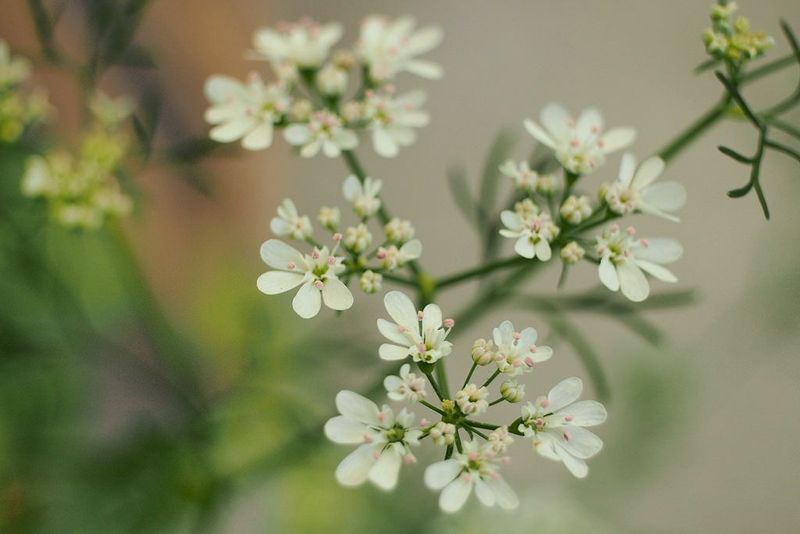
Cilantro produces delicate white flowers that butterflies find irresistible once the herb bolts in warming spring weather. While many gardeners view bolting as the end of cilantro’s usefulness, pollinator enthusiasts recognize these flowers as valuable nectar sources.
Planting cilantro in February provides weeks of leaf harvests before flowering begins as temperatures rise.
This fast-growing annual prefers Florida’s cooler months, making February planting particularly strategic. Cilantro thrives in full sun to partial shade with consistent moisture and well-drained soil.
The herb grows quickly from seed, often germinating within a week when conditions are favorable.
Harvest cilantro leaves regularly during the cool season for fresh salsa, curries, and garnishes. As days lengthen and warm, plants naturally transition to flowering.
Rather than removing bolted plants, allow the flowers to mature and attract butterflies, native bees, and other beneficial insects.
The seeds that follow flowering are coriander, a valuable spice for cooking and baking. Butterflies appreciate the extended bloom period cilantro provides, visiting flowers throughout the day.
Succession planting every two weeks during winter months ensures continuous leaf production and staggered flowering for prolonged pollinator support. Cilantro self-seeds readily in Florida gardens, often returning without replanting efforts.
This herb requires minimal maintenance while delivering maximum benefits for both kitchen and garden ecosystem. Cilantro is primarily a nectar plant and is not a major caterpillar host plant for butterflies.
5. Mint: Fast Growing Herb That Attracts Pollinators
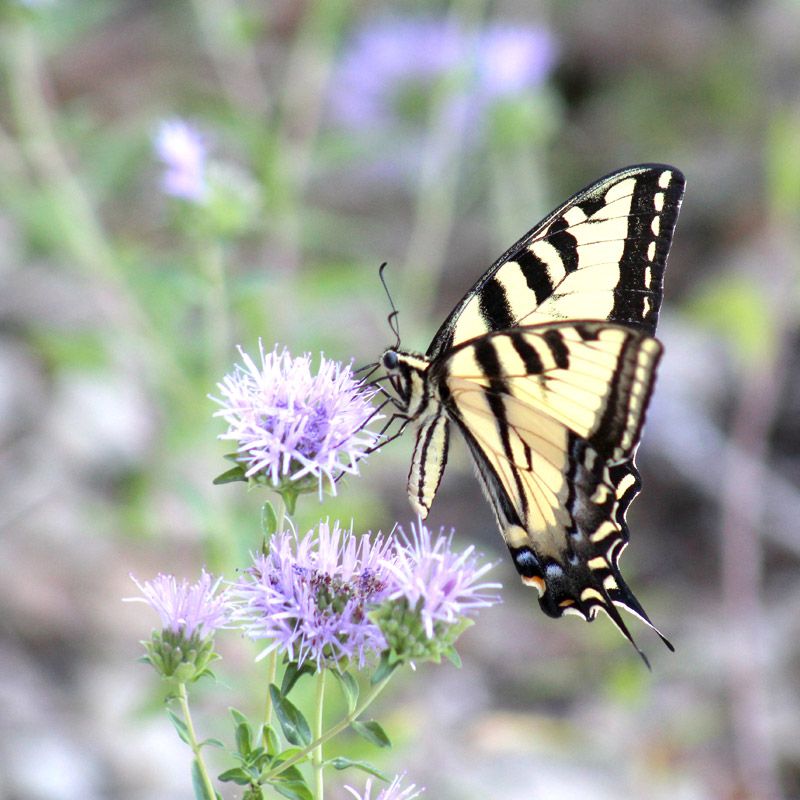
Mint’s vigorous growth habit and abundant flowers make it a pollinator powerhouse in Florida gardens. Mint attracts butterflies for nectar but does not serve as a host plant for caterpillars.
Varieties like spearmint, peppermint, and chocolate mint all produce spikes of tiny flowers that butterflies eagerly visit. February planting allows mint to establish before spreading enthusiastically through garden beds or containers.
This perennial herb tolerates a range of light conditions from full sun to partial shade, adapting well to Florida’s variable weather. Mint prefers consistently moist soil and benefits from afternoon shade in hotter regions.
The herb’s aggressive spreading nature makes container growing ideal for maintaining control while still enjoying abundant harvests.
Butterflies, native bees, and other pollinators flock to mint flowers throughout the blooming season. The extended flowering period provides reliable nectar when other sources may be scarce.
Mint requires minimal care once established, tolerating occasional neglect while continuing to produce fragrant foliage and flowers.
Harvest mint leaves regularly for teas, cocktails, desserts, and savory dishes. Regular trimming encourages bushier growth and delays flowering, though allowing some stems to bloom ensures pollinator support.
Mint spreads through underground runners, potentially becoming invasive in garden beds.
Planting in sunken containers or using barriers prevents unwanted spread while maintaining the herb’s benefits.
Root division every few years rejuvenates older plants and provides new starts for expanding your mint collection.
6. Basil: Sweet Blooms Loved By Butterflies
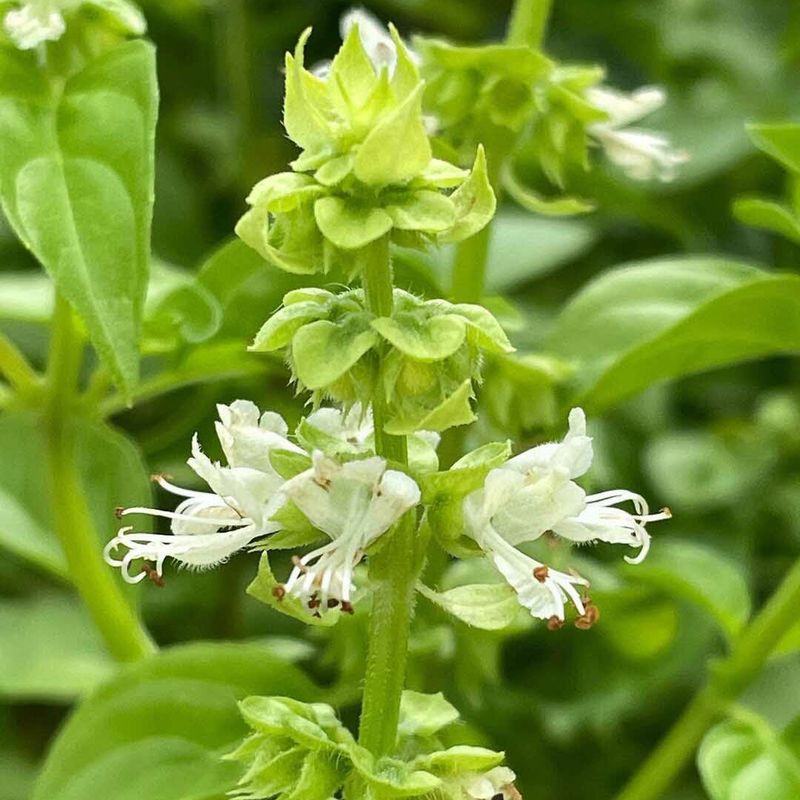
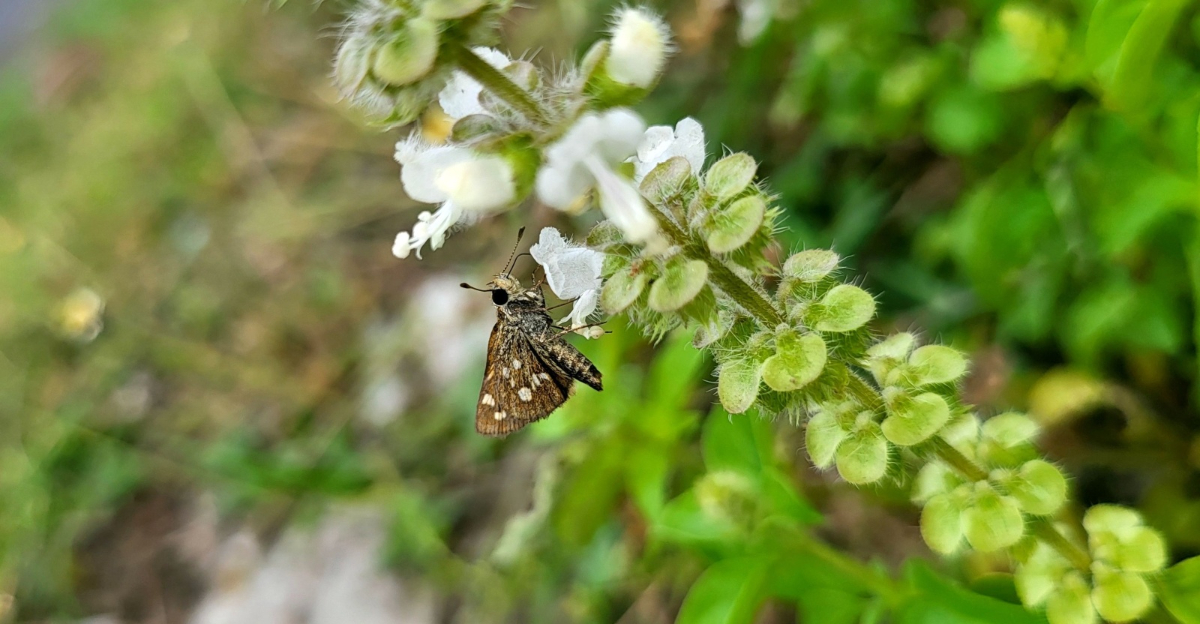
Sweet basil and its many relatives produce flower spikes that butterflies find absolutely captivating. The tubular blooms offer easily accessible nectar while releasing the characteristic basil fragrance that attracts pollinators from across the garden.
In South Florida, basil can be planted in February. In North and Central Florida, wait until March or April after the last frost.
This warm-season annual thrives in Florida’s heat once temperatures stabilize. Basil requires full sun, rich soil, and consistent moisture to produce abundant foliage and flowers.
Multiple varieties including Genovese, Thai, purple, and lemon basil all attract butterflies when allowed to bloom.
Most culinary gardeners pinch off flower buds to maintain leaf production, but dedicating some plants specifically for pollinators creates win-win situations. Basil flowers appear on tall spikes above the foliage, making nectar easily accessible for butterflies of various sizes.
The blooms continue opening for weeks, providing sustained pollinator support.
Water basil regularly and fertilize monthly with balanced organic fertilizer to support vigorous growth. Harvest leaves from non-flowering stems for pesto, caprese salads, and other culinary uses.
Plants designated for butterfly support can bloom freely without affecting your kitchen harvest. Basil performs excellently in containers, allowing flexibility in garden placement.
Replant basil every few months throughout Florida’s long growing season for continuous foliage and flower production that benefits both your cooking and local butterfly populations.
7. Oregano: Tiny Flowers Big Pollinator Appeal
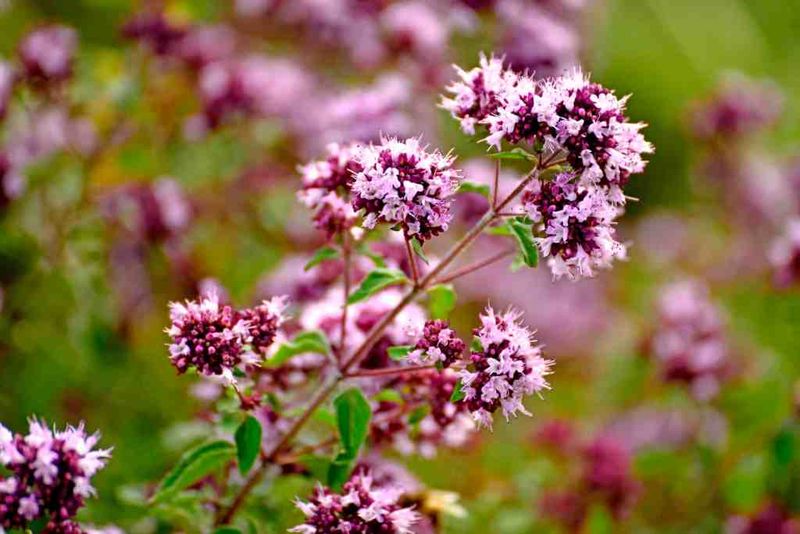
The modest oregano belies its tremendous value for Florida butterfly gardens. The tiny pink or white flowers cluster densely on stems above aromatic foliage, creating landing pads that butterflies visit repeatedly throughout the day.
February planting establishes oregano before summer heat intensifies, allowing strong root development.
This Mediterranean perennial adapts surprisingly well to Florida conditions when provided excellent drainage. Oregano tolerates heat and drought once established, making it relatively low-maintenance compared to other herbs.
The plant prefers full sun but accepts partial shade, especially during brutal summer afternoons.
Greek oregano and Italian oregano both attract pollinators effectively while offering distinct flavor profiles for cooking. The herbs bloom from late spring through fall in Florida, providing months of continuous nectar availability.
Butterflies share oregano flowers with native bees, beneficial wasps, and other helpful garden insects.
Harvest oregano leaves throughout the growing season by cutting stems back by one-third. This pruning encourages bushier growth and delays flowering temporarily.
Eventually allowing plants to bloom ensures pollinator support while still providing ample harvests. Oregano requires minimal fertilization and actually develops stronger flavor when grown in leaner soils.
The herb spreads slowly through gardens, forming attractive mounds of fragrant foliage. Divide established plants every few years to maintain vigor and create new starts for expanding your herb collection or sharing with friends.
8. Thyme: Low Growing Herb Full Of Nectar
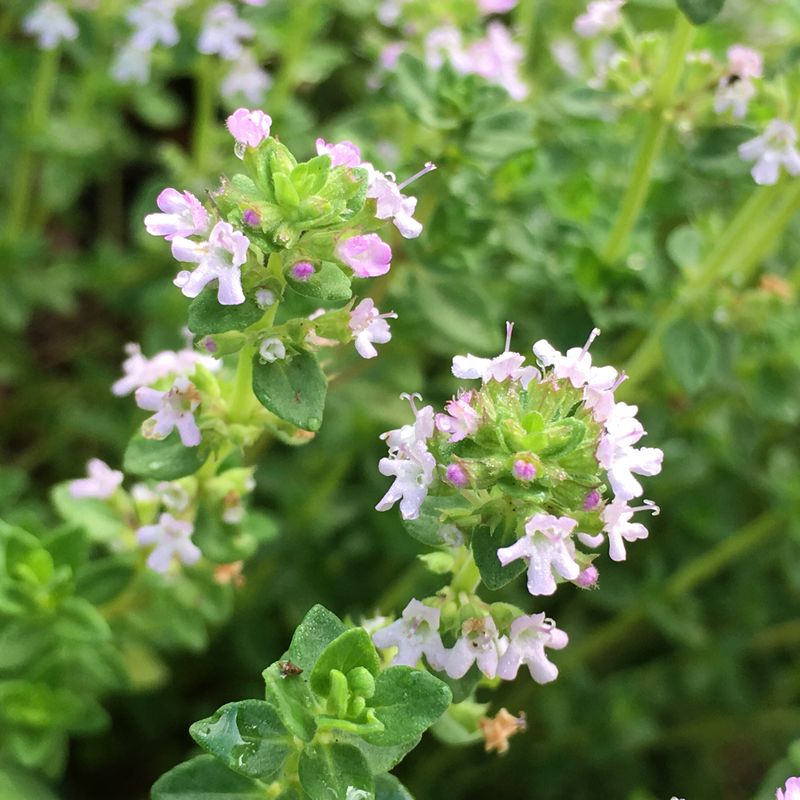
Thyme forms fragrant carpets of tiny leaves topped with abundant small flowers that butterflies adore. The low-growing habit makes thyme perfect for edging herb beds or filling gaps between stepping stones where its nectar-rich blooms attract pollinators at ground level.
Planting thyme in February gives it cool weather to establish before flowering begins in spring.
This woody perennial tolerates Florida’s heat when provided sharp drainage and protection from excessive moisture. Thyme thrives in full sun with lean, well-drained soil that mimics its Mediterranean origins.
Raised beds or containers work particularly well for Florida gardeners dealing with heavy clay or poorly draining soils.
Common thyme, lemon thyme, and creeping thyme all produce flowers beloved by butterflies and native bees. The blooming period extends for several weeks, providing consistent nectar during critical spring months.
Thyme requires minimal watering once established, actually preferring drier conditions that concentrate its essential oils.
Harvest thyme sprigs regularly for roasted vegetables, soups, and meat dishes. Light pruning after flowering encourages compact growth and prepares plants for Florida’s summer challenges.
Thyme struggles with excessive humidity and summer rainfall, so ensuring perfect drainage becomes critical for long-term success. Mulching around thyme with light-colored gravel or sand reflects heat while improving drainage.
The herb’s evergreen nature provides year-round garden interest even when not flowering, making it valuable beyond its pollinator benefits.
9. Lavender: Fragrant Blooms Butterflies Adore
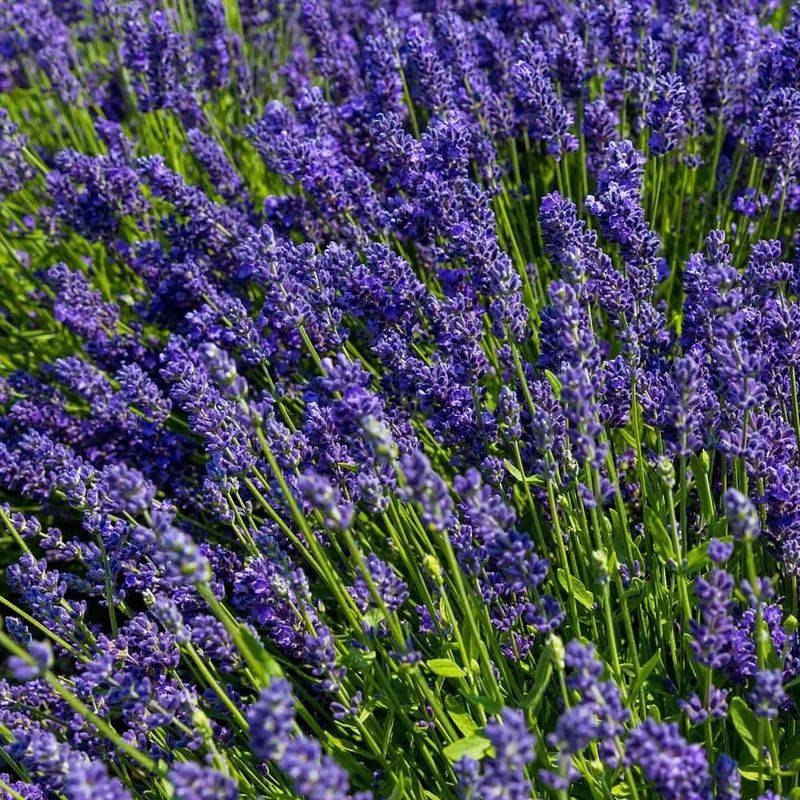
The iconic purple flower spikes and soothing fragrance make lavender a beautiful and rewarding addition to butterfly-friendly Florida gardens when planted in the right conditions. The nectar-rich tubular blooms attract butterflies, native bees, and other beneficial pollinators, while the upright flower spikes provide easy landing spots for feeding insects.
Planting lavender in February allows roots to establish during Florida’s cooler, drier weather before summer arrives.
In Florida, heat-tolerant varieties such as Spanish lavender and ‘Phenomenal’ lavender perform best, especially when given full sun and excellent drainage. Raised beds or sandy, well-drained soil help prevent root problems and greatly improve long-term success.
While lavender may grow more like a short-lived perennial in the warmest parts of the state, many gardeners still find it well worth growing for its beauty, fragrance, and pollinator value.
Butterflies frequently visit lavender flowers, moving from bloom to bloom across the long-lasting flower spikes. With proper care, plants typically bloom from spring into early summer, with repeat blooms possible when conditions are favorable, helping provide a steady nectar source during peak pollinator season.
Water lightly, allowing soil to dry between waterings, and avoid overhead watering during humid weather. Light pruning after flowering encourages compact growth and repeat blooming.
With good drainage and sun, lavender can be a fragrant, colorful, and pollinator-friendly highlight in Florida herb gardens.
10. Bee Balm: Bright Color And Endless Butterfly Visits
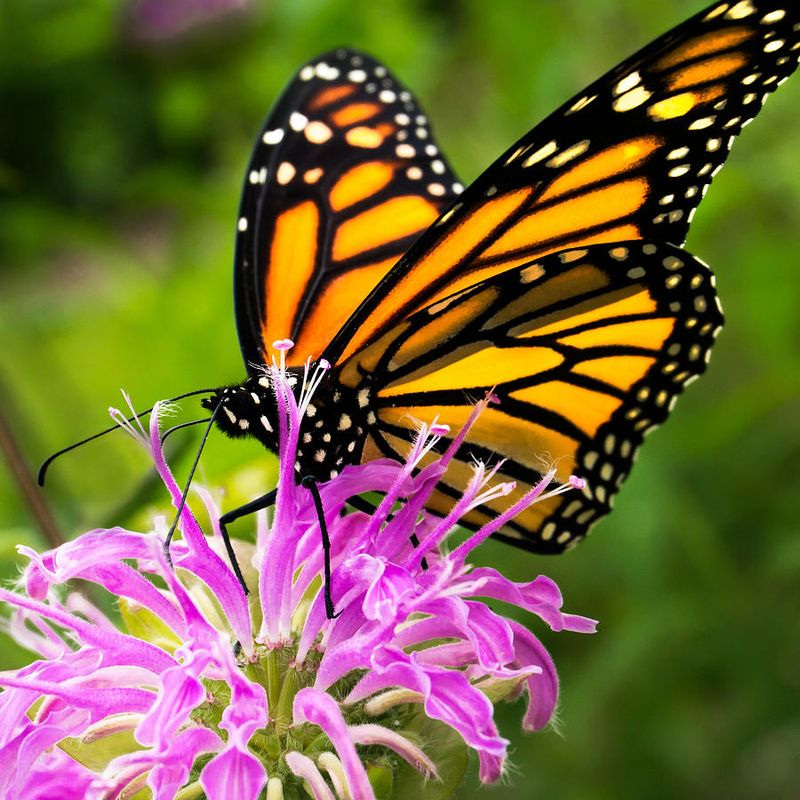
Bee balm produces spectacular shaggy flower heads in shades of red, pink, purple, and white that butterflies find absolutely irresistible. The tubular flowers perfectly match butterfly proboscis length, making nectar easily accessible.
Planting bee balm in February allows establishment before Florida’s intense summer heat, though this herb actually thrives in warm conditions when properly situated.
This native perennial prefers partial shade in Florida, particularly afternoon protection from scorching sun. Bee balm tolerates full sun in northern Florida but requires shade and consistent moisture in central and southern regions.
The plant spreads through underground rhizomes, forming expanding clumps that produce more flowers each year.
Butterflies, hummingbirds, and native bees all compete for access to bee balm’s abundant nectar. The extended blooming period from late spring through summer provides critical food sources during peak butterfly season.
Scarlet bee balm particularly attracts swallowtails and fritillaries, while pink and purple varieties appeal to skippers and smaller butterflies.
Keep bee balm consistently moist, especially during flowering periods when plants demand more water. Mulching around plants helps retain moisture while keeping roots cool.
Deadhead spent flowers to encourage continued blooming throughout the season. Bee balm can develop powdery mildew in humid Florida conditions, so providing good air circulation and avoiding overhead watering helps prevent problems.
Divide crowded clumps every few years to maintain vigor and share plants with fellow butterfly gardening enthusiasts. Florida native species such as spotted bee balm (Monarda punctata) often perform better in Florida conditions than some ornamental varieties.