The Top 10 Florida Native Plants To Grow This February For A Low-Maintenance Garden
February is a cheat code for Florida gardens. The weather cooperates, the soil isn’t baked, and plants actually want to grow.
Native species make it even easier! They handle heat, sandy soil, and humidity while calling in wildlife that does half the work for you.
Birds show up uninvited, butterflies patrol every corner, and pollinators turn your flowers into a nonstop performance. Watering and pruning barely register, and pests seem to stay somewhere else.
Plant now, and by the time summer arrives, roots are deep, blooms are popping, and your yard looks alive without draining your weekend. This is the month that turns ordinary spaces into resilient gardens that do more with less.
February is the secret weapon your garden has been waiting for and here’s how to make it unstoppable!
1. Plant Firebush For Color And Toughness
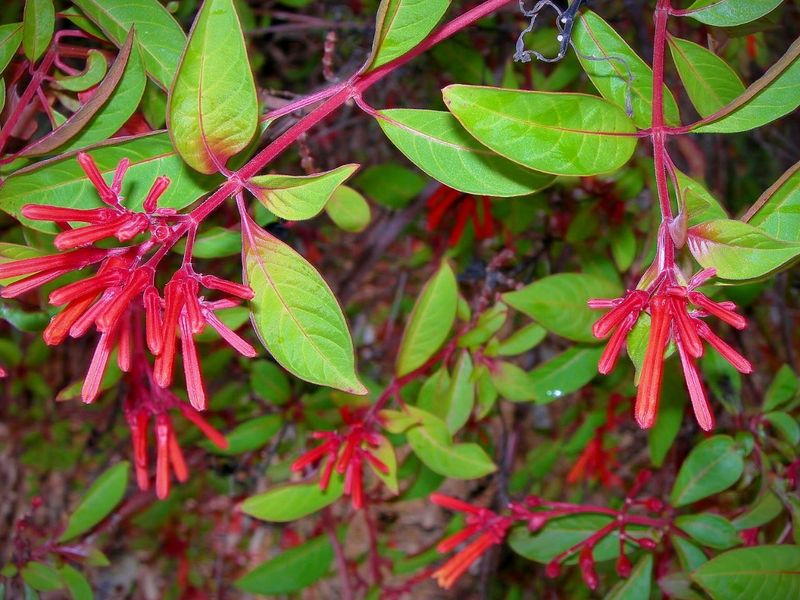
Bright orange-red tubular blooms bring nonstop color and hummingbird activity for most of the year, especially in South Florida. Firebush thrives in heat, sun, sandy soil, and dry spells once established.
This native shrub grows quickly, typically reaching four to ten feet tall and wide depending on variety and growing conditions, making it perfect for filling empty spaces or creating natural privacy screens.
Sandy soil doesn’t bother it at all, and once the roots establish after a few months, firebush handles dry spells remarkably well.
You can plant it in February and watch it take off as spring arrives.
Firebush requires almost no maintenance beyond occasional trimming to keep its shape. It naturally forms a rounded, bushy appearance that looks good even without pruning.
Pests rarely bother it, and diseases are uncommon, which saves you time and money on treatments.
Place firebush in sunny spots where you want continuous color and wildlife activity. It works beautifully as a backdrop for lower plants or as a standalone accent.
February planting gives the roots time to spread before hot weather, ensuring your firebush thrives with minimal care throughout the year.
2. Grow Florida Sunshine Anise For Easy Evergreen Structure
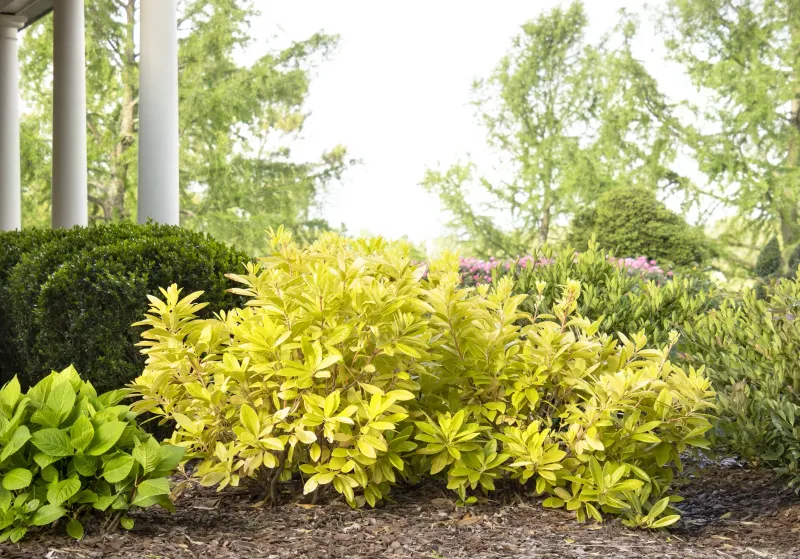
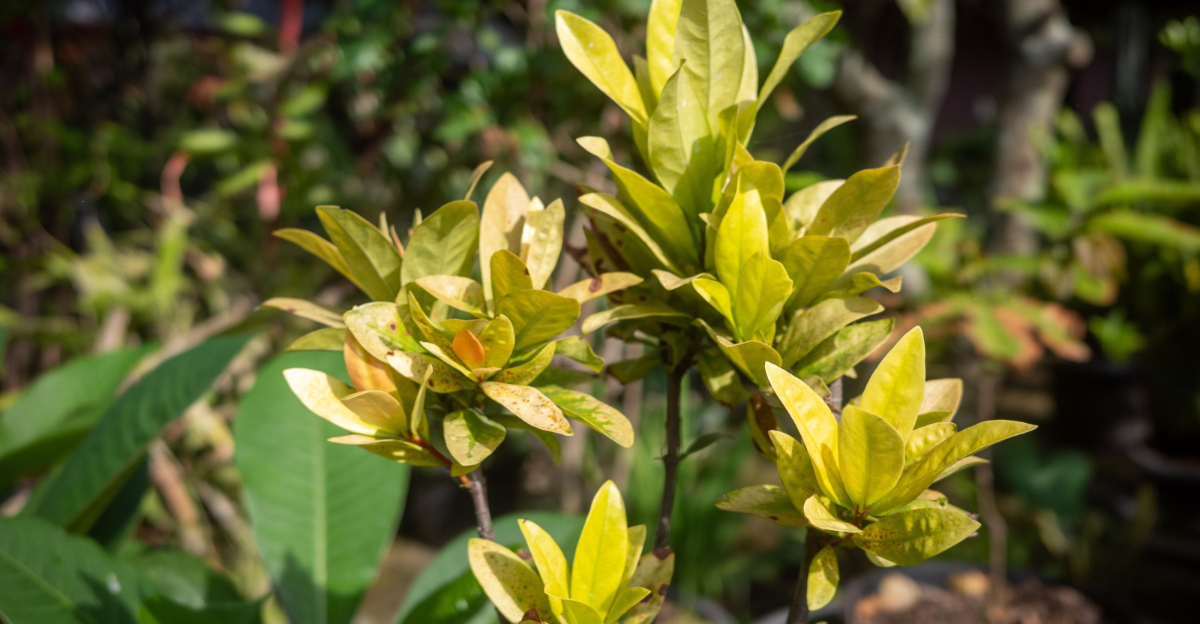
Florida sunshine anise, a cultivated variety of a Florida native plant, brings year-round greenery to your landscape with minimal fuss. This evergreen shrub features bright chartreuse foliage that adds a cheerful pop of color even during winter months.
Unlike many plants that fade or drop leaves, sunshine anise maintains its vibrant appearance through every season, giving your garden consistent structure and visual interest.
The plant grows three to six feet tall and wide, growing best in partial shade, though it can tolerate sun with adequate moisture. In shadier spots, the foliage stays slightly darker green, while full sun brings out the brightest yellow tones.
It handles Florida’s humidity without developing fungal problems, a common issue with non-native shrubs.
Sunshine anise tolerates a wide range of soil conditions, from sandy coastal areas to heavier inland soils. Once established, it needs very little supplemental watering, even during dry stretches.
The plant naturally forms a neat, rounded shape without constant pruning, though you can trim it anytime to maintain your preferred size.
February planting allows sunshine anise to develop strong roots before summer. Use it as a foundation plant near your home, as a low hedge, or in mixed borders where its bright foliage contrasts with darker greens.
Deer generally leave it alone, and pests rarely cause problems, making this native shrub truly effortless to grow.
3. Choose Coontie For Ultra-Low Maintenance Greenery
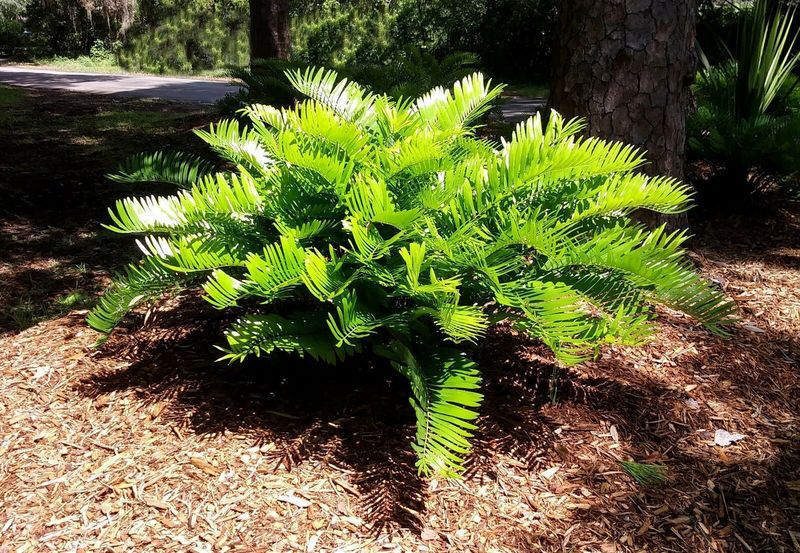
A tough, palm-like native delivers tropical texture with almost no maintenance. Coontie tolerates drought, heat, salt, poor soil, and sun or shade, while serving as the host plant for the rare Atala butterfly and staying compact and evergreen year-round.
Growing slowly to about two to three feet tall and wide, coontie never requires much space or aggressive pruning. It thrives in full sun to full shade, adapting to whatever light conditions your yard provides.
This flexibility means you can tuck coontie into difficult spots where other plants struggle.
Coontie serves as the only host plant for the beautiful atala butterfly, so planting it supports this rare Florida native insect. Beyond its wildlife value, coontie needs almost no care once established.
It tolerates extended dry periods, handles sandy Florida soils naturally, and resists pests and diseases without any spraying or treatments.
February offers excellent timing for planting coontie because cooler weather helps it settle in comfortably. Use it as a low border plant, underneath trees where grass won’t grow, or in containers near entryways.
Its evergreen foliage stays attractive year-round, and you’ll appreciate how little attention it demands while still looking polished and healthy in your landscape.
4. Add Simpson’s Stopper For Dense Native Beauty
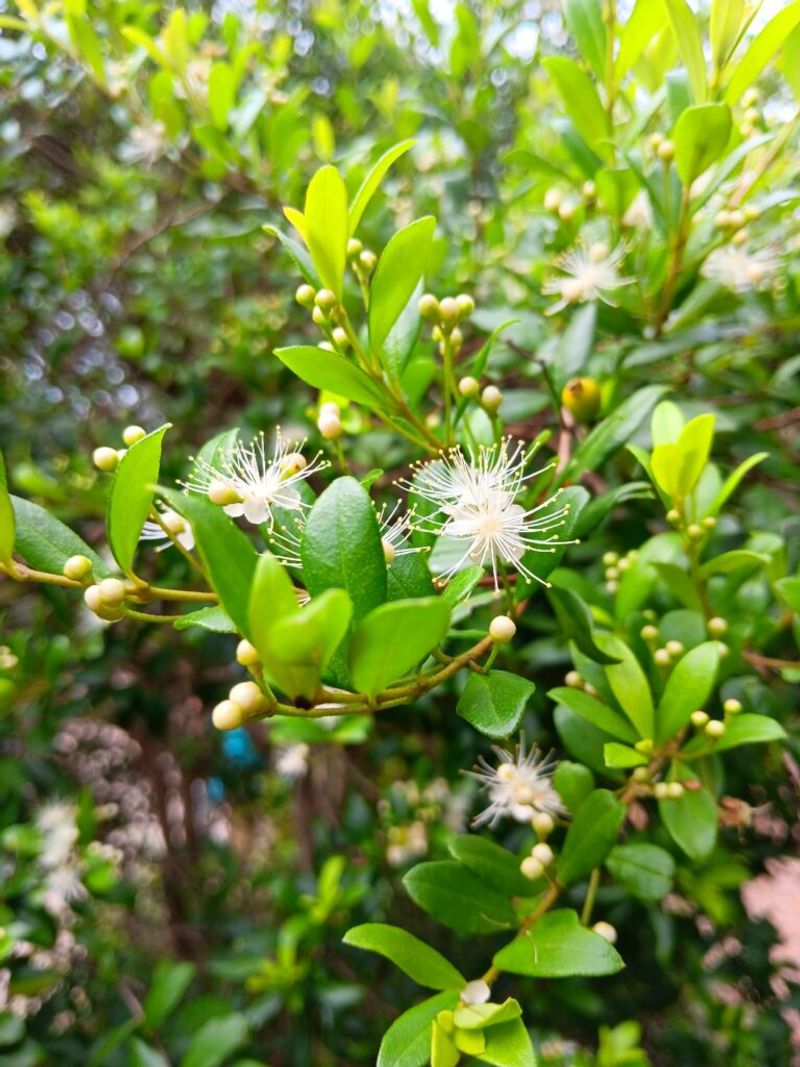
Simpson’s stopper brings refined elegance to Florida gardens without demanding high maintenance. This native shrub produces small, glossy green leaves that create dense, attractive foliage year-round.
Tiny white flowers appear in spring and summer, followed by small berries that birds eagerly consume, bringing natural wildlife activity to your yard.
The plant grows naturally to about seven to ten feet tall but responds well to pruning if you want a smaller size or formal hedge. It tolerates full sun to partial shade and adapts to various Florida soil types.
Simpson’s stopper handles coastal conditions well, including salt spray and sandy soils, making it suitable for seaside landscapes.
Once established, this native shrub needs little water beyond normal Florida rainfall. It rarely suffers from pest problems or diseases, eliminating the need for chemical treatments.
The dense growth pattern makes it useful as a privacy screen or backdrop for flowering plants, and its semi-deciduous to deciduous nature means it may lose some leaves in cooler parts of Florida.
Planting Simpson’s stopper in February gives it months to develop roots before summer heat arrives. Position it where you need screening, use it as a foundation plant, or incorporate it into mixed native borders.
The shrub’s natural form looks neat without constant shaping, though you can trim it anytime to maintain your desired appearance, making it genuinely low maintenance for busy gardeners.
5. Plant Muhly Grass For Effortless Seasonal Texture
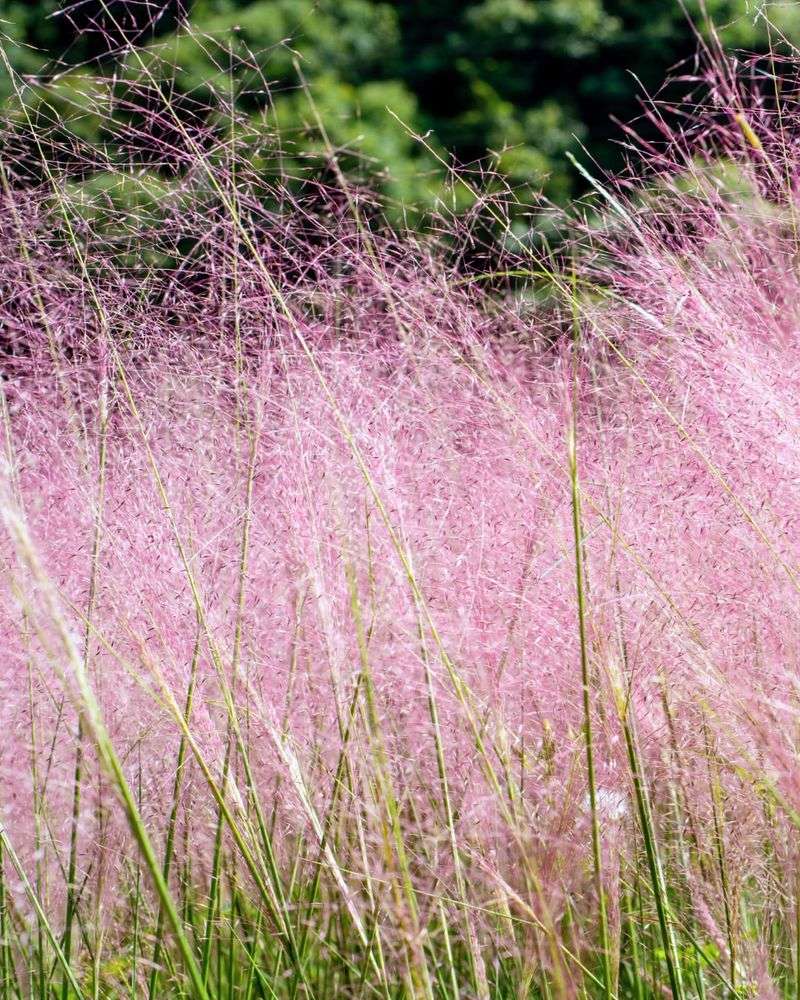
Soft green clumps transform into glowing pink clouds of color each fall with almost no effort. Muhly Grass thrives in sun, heat, and drought as long as soil drains well, adding texture and seasonal drama to Florida landscapes.
Growing three to four feet tall and wide when in bloom, muhly grass fits perfectly into Florida landscapes. It thrives in full sun and handles heat, humidity, and drought exceptionally well once established, as long as the soil is well-drained.
Sandy, well-drained soil suits it perfectly, which describes most Florida yards naturally.
This grass requires minimal maintenance beyond cutting back old foliage once a year in late winter, right before new growth appears. It needs no fertilizer, rarely attracts pests, and resists diseases that plague non-native grasses.
The clumping growth habit means it stays where you plant it without spreading aggressively through your garden.
February planting allows muhly grass to establish strong roots before its fall bloom season. Use it as an accent plant, in mass plantings for dramatic effect, or along borders where its soft texture contrasts with rigid shrubs.
The pink plumes create stunning displays without demanding any extra effort, and the grass tolerates neglect better than most ornamentals, making it perfect for low-maintenance Florida gardens seeking seasonal interest.
6. Sow Tickseed For Bright Native Blooms
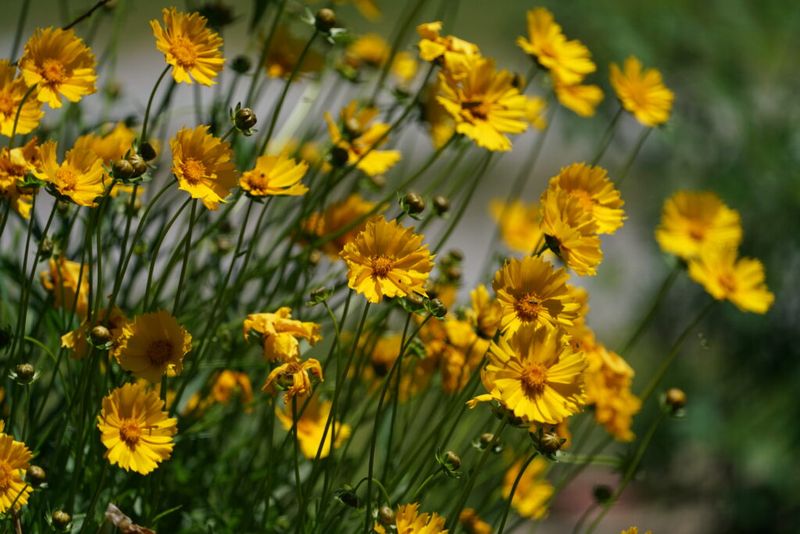
Tickseed produces cheerful yellow flowers that brighten Florida gardens from spring through fall. This native wildflower grows easily from seed, making it one of the most affordable ways to add color to your landscape.
The daisy-like blooms attract butterflies and bees, creating a lively, pollinator-friendly space without any complicated gardening techniques.
Growing one to three feet tall depending on the variety, tickseed thrives in full sun and well-drained soil. It tolerates Florida’s sandy soils naturally and handles heat and humidity without wilting or developing problems.
Once established, tickseed needs little water beyond regular rainfall, making it ideal for water-conscious gardeners.
Many tickseed varieties reseed themselves readily, though reseeding depends on the specific species and growing conditions, so you’ll enjoy flowers year after year without replanting. Deadheading spent blooms encourages more flowers, but even if you skip this task, tickseed keeps blooming.
It rarely suffers from pests or diseases, and its tough nature means it survives neglect better than fussy ornamentals.
February offers perfect timing for sowing tickseed seeds directly in your garden. Scatter seeds in sunny spots where you want color, rake them lightly into the soil, and water until they sprout.
Once growing, tickseed requires almost no care while providing months of bright blooms. Use it in wildflower meadows, cottage gardens, or as a cheerful border that adds color and supports Florida’s native pollinators effortlessly.
7. Grow Walter’s Viburnum For Reliable Green Coverage
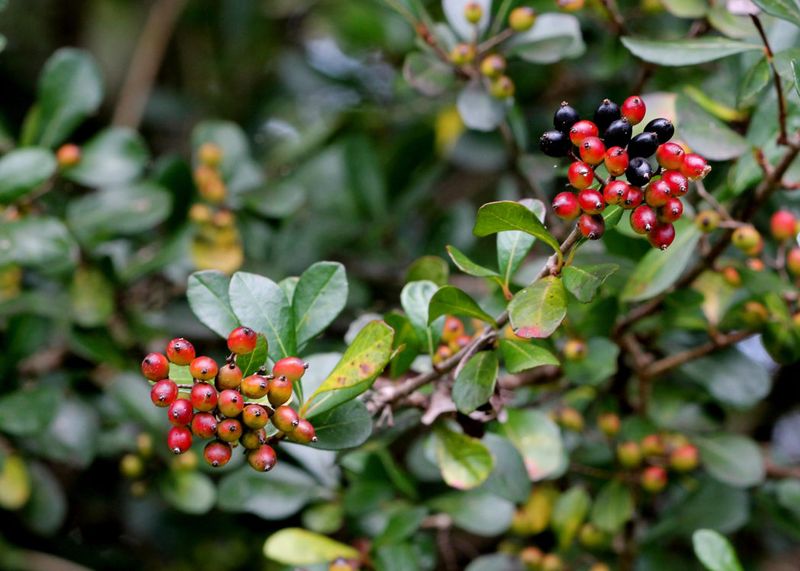
Reliable evergreen coverage adds structure, screening, and year-round greenery. Walter’s Viburnum forms dense glossy foliage, spring flowers, and bird-feeding berries.
The plant can grow twelve to twenty feet tall if left unpruned, though regular trimming keeps it smaller if desired. It adapts to full sun or partial shade and tolerates a range of soil conditions, from sandy coastal areas to heavier inland soils.
Walter’s viburnum handles Florida’s humidity without fungal issues that plague non-native shrubs.
Once established, this native shrub needs minimal watering beyond normal rainfall. It resists most pests and diseases naturally, eliminating the need for chemical treatments.
The dense growth makes it excellent for privacy screens, windbreaks, or as a backdrop for smaller plants, and its evergreen nature ensures your landscape never looks empty.
Planting Walter’s viburnum in February gives it time to develop roots before summer heat. Position it where you need screening or use it in mixed native borders for structure.
The shrub’s natural form looks neat without constant pruning, though you can shape it anytime. Its reliable performance and low demands make it perfect for Florida gardeners seeking hassle-free greenery.
8. Use Twinflower For Easy Ground-Level Color
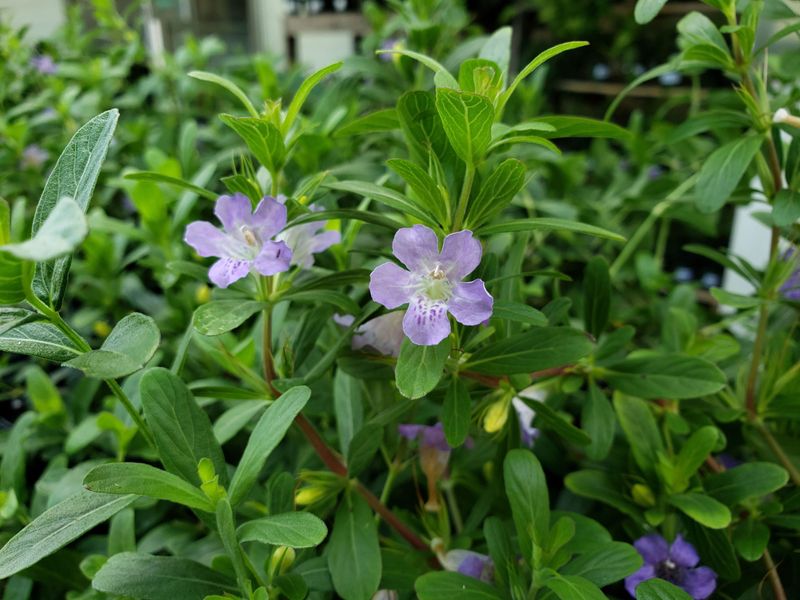
Twinflower brings color to ground level without the fuss of traditional bedding plants. This low-growing Florida native produces small tubular flowers in shades of purple, pink, and white throughout the warmer months.
The blooms attract butterflies and hummingbirds, adding movement and life to your landscape without any special care on your part.
Growing only six to twelve inches tall, twinflower spreads gently to form attractive patches of color and foliage. It thrives in full sun to partial shade and tolerates Florida’s sandy soils and hot, humid conditions naturally.
Once established, twinflower tolerates short dry spells but may need occasional watering during extended drought in sandy soils.
This native plant requires almost no maintenance beyond occasional trimming to keep it within bounds. It doesn’t need deadheading to continue blooming, and pests rarely bother it.
Twinflower’s low growth habit means it never needs mowing like grass, yet it provides much more visual interest and wildlife value.
February planting allows twinflower to establish roots before blooming season begins. Use it as a groundcover under trees, along pathways, or in areas where grass struggles.
It also works beautifully in containers or hanging baskets where its trailing habit can cascade over edges. Twinflower offers continuous color and texture with minimal effort, making it ideal for low-maintenance Florida landscapes seeking ground-level beauty.
9. Plant Frogfruit For A Living Native Groundcover
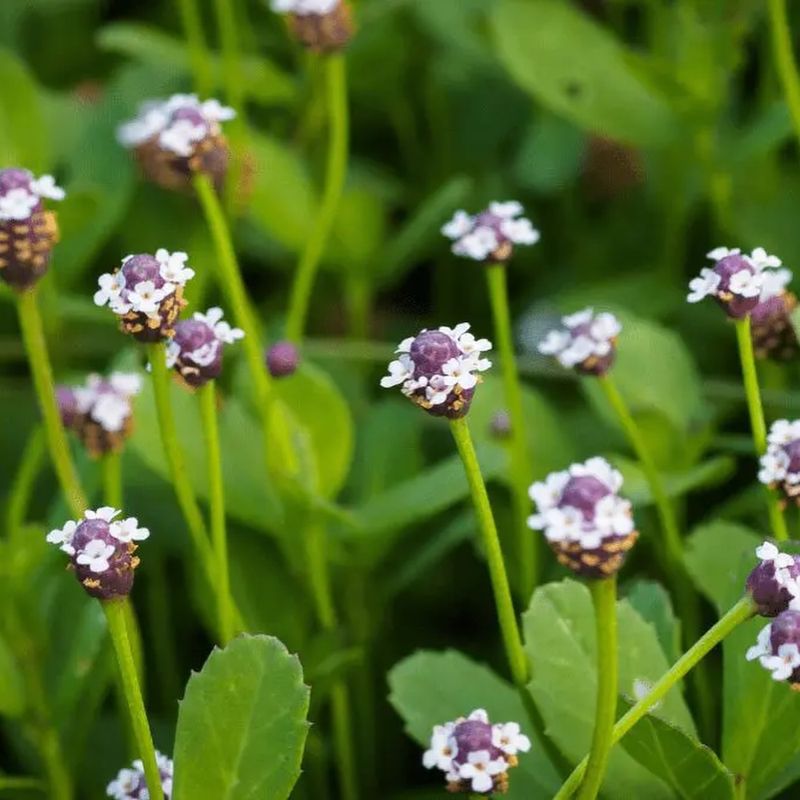
Frogfruit creates a living carpet that outperforms traditional grass in many Florida situations. This low-growing native groundcover spreads naturally to form dense mats of small, green leaves dotted with tiny white flowers.
The blooms attract numerous butterflies, including rare species that depend on frogfruit as a host plant, making your lawn a wildlife haven.
Growing only two to four inches tall, frogfruit tolerates foot traffic better than many groundcovers while never needing mowing. It thrives in full sun to partial shade and adapts to various soil types, including the sandy soils common throughout Florida.
Frogfruit handles heat, humidity, and drought exceptionally well once established.
This groundcover requires almost no maintenance after planting. It needs no fertilizer, rarely attracts pests, and resists diseases naturally.
Frogfruit spreads to fill bare areas without becoming invasive, and it competes well with weeds once established, reducing the time you spend pulling unwanted plants.
February offers ideal planting conditions for frogfruit as it begins its active growing season. Use it to replace grass in areas that are difficult to mow, as a living mulch under shrubs, or in areas where you want a softer, more natural look.
Frogfruit tolerates wet and dry conditions, making it versatile for various landscape situations while providing continuous low-maintenance coverage that supports Florida’s native butterflies beautifully.
10. Add Beautyberry For Wildlife And Natural Charm
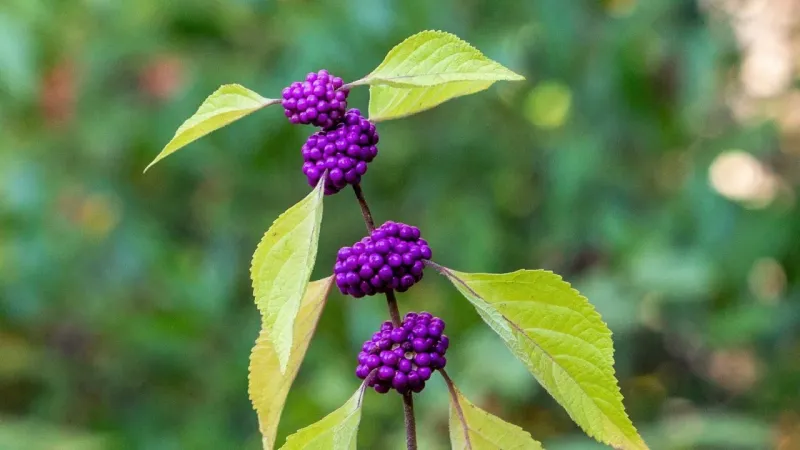
Arching branches loaded with vivid purple berries bring standout fall color and bird activity. Beautyberry grows best in partial shade, is semi-deciduous in cooler parts of Florida, and needs only light pruning to stay healthy and productive.
Growing four to six feet tall and wide, beautyberry features arching branches that create a natural, informal appearance. It grows best in partial shade but can tolerate sun with adequate moisture and adapts to various Florida soil types.
The plant handles heat and humidity well while tolerating occasional dry periods once its roots establish.
Beautyberry requires minimal care beyond cutting it back in late winter to encourage fresh growth and better berry production. It rarely suffers from serious pest problems or diseases, making it genuinely low maintenance.
The plant’s loose, open growth habit gives it a natural, woodland character that fits well in casual landscape designs.
Planting beautyberry in February allows it to grow vigorously through spring and summer before producing its spectacular fall berry display. Position it in mixed borders, naturalized areas, or as an understory plant beneath tall trees.
The berries provide excellent wildlife value, and the plant’s easy nature makes it perfect for gardeners who want seasonal interest without constant upkeep in their Florida landscapes.
For best success, match plants to your region of Florida, soil drainage, and sunlight, and remember that even native plants need occasional watering while establishing.