The Ultimate Road Trip To See The Most Famous Trees In Texas
Texas is full of the kind of sights that make you pull over, grab your phone, and say, “Wait, that’s real?”
Most people think of big skies, long highways, and nonstop barbecue when they picture the Lone Star State, but some of its most unforgettable landmarks have roots. Literally.
Scattered across Texas are famous trees with wild shapes, deep history, and stories that have been passed around for generations. Some have stood for centuries.
Some are tied to local legends. And some are just so huge and beautiful that seeing them in person feels a little surreal.
That is what makes this road trip so much fun. It is not just about getting from one stop to the next.
It is about cruising through small towns, finding hidden gems, and turning a simple drive into something way more memorable. If you are in the mood for a trip that feels different from the usual tourist route, these iconic Texas trees are more than worth the miles.
1. The Big Tree (Rockport)
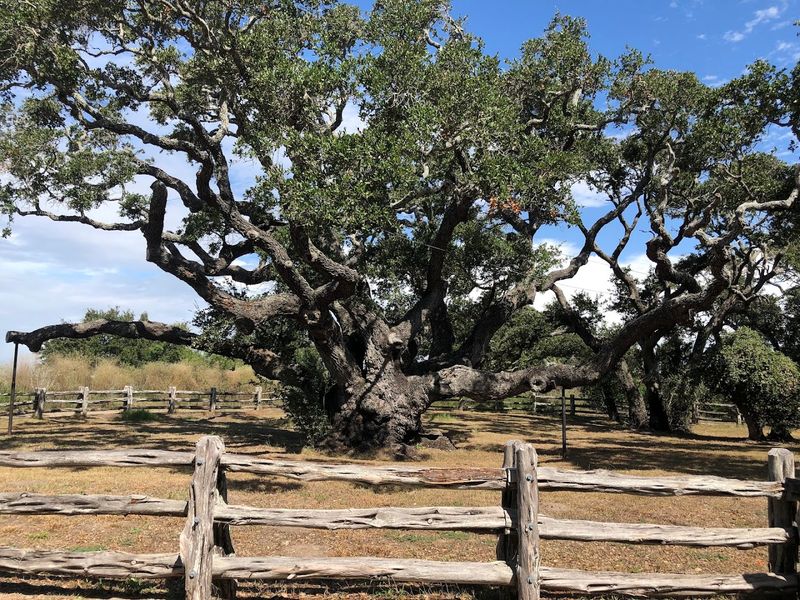
Standing proudly in Goose Island State Park, at 1622 12th St, Rockport, The Big Tree is one of the most impressive live oaks you’ll ever encounter.
This ancient giant is estimated to be over 1,000 years old, making it a living witness to centuries of Texas history.
Its massive trunk measures more than 35 feet in circumference, and its enormous branches stretch out to create a canopy that provides shade across a vast area.What makes this tree even more remarkable is its incredible resilience.
The Big Tree has survived countless hurricanes, including the devastating Hurricane Harvey in 2017, which battered the Texas coast with fierce winds and flooding.
Despite losing some branches, this ancient oak continues to thrive, demonstrating the strength and endurance that live oaks are famous for throughout the region.
Visiting The Big Tree is easy and family-friendly, with a short accessible trail leading from the parking area.
The park provides interpretive signs that share fascinating details about the tree’s age, size, and historical significance.
Many visitors come to marvel at its gnarled trunk and sweeping limbs, taking photos beneath its protective canopy.
The coastal location adds extra beauty to your visit, with nearby opportunities for birdwatching, fishing, and exploring the park’s other natural features.
Goose Island State Park offers camping facilities if you want to extend your stay and enjoy the peaceful surroundings.
The Big Tree serves as a perfect starting point for your Texas tree road trip, combining natural wonder with coastal charm in a setting that captures the spirit of the Lone Star State’s remarkable natural heritage.
2. Treaty Oak (Austin)
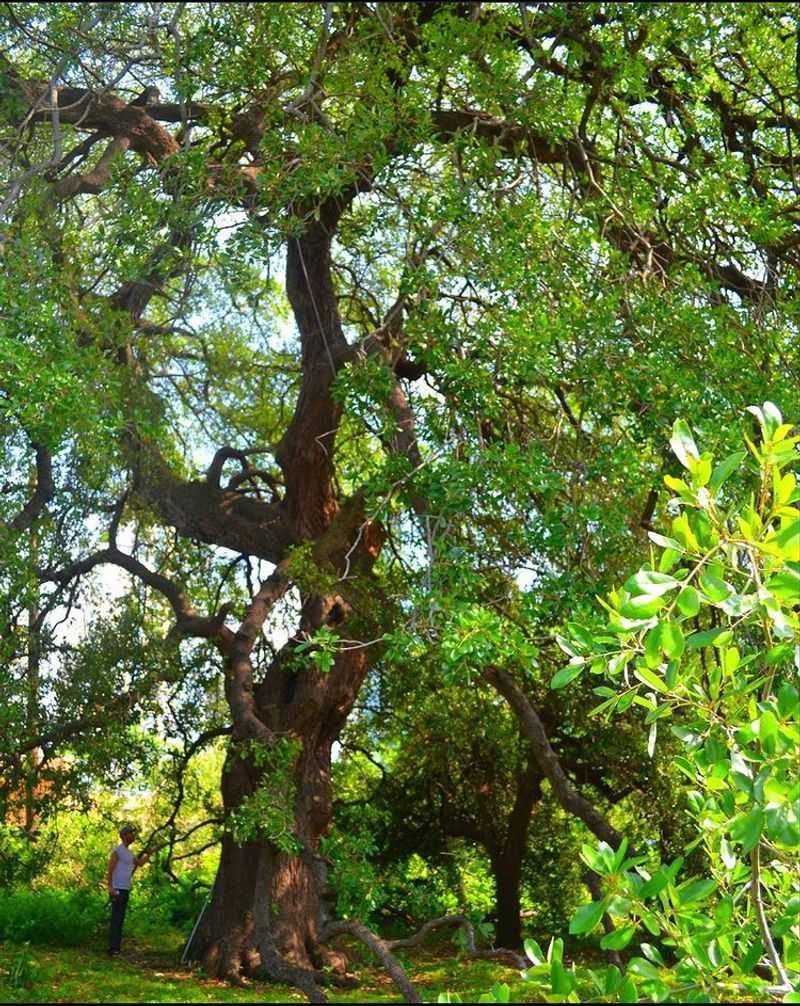
In Austin’s charming West Line Historic District stands a tree that embodies both resilience and Texas history.
The Treaty Oak, estimated to be around 500 years old, earned its name from legends suggesting it was the site where Stephen F. Austin signed a boundary treaty with local Native American tribes.
While historians debate the accuracy of this story, there’s no denying this live oak’s significance to Austin’s cultural identity and heritage.
The tree’s most dramatic chapter came in 1989 when someone deliberately poisoned it with a powerful herbicide.
News of the attack sparked outrage across Texas, with concerned citizens donating money and time to save the beloved landmark.
Arborists worked tirelessly, removing contaminated soil and treating the tree with various remedies, ultimately saving about one-third of the original canopy.
Today, the Treaty Oak continues to flourish despite its ordeal, symbolizing the determination and community spirit that defines Austin.
The tree stands in a small park at 503 Baylor Street, surrounded by a protective fence that allows visitors to admire it while keeping the root system safe.
Its remaining branches still create an impressive display, especially when new leaves emerge each spring.
The site includes informative plaques explaining the tree’s history and the remarkable recovery effort.
Many Austin residents consider the Treaty Oak a living monument to their city’s values and connection to nature.
Visiting this survivor offers a moment of reflection on how communities rally to protect what matters most, making it an essential stop on any Texas tree tour that celebrates both natural beauty and human compassion.
3. Sam Houston Oak (Huntsville)
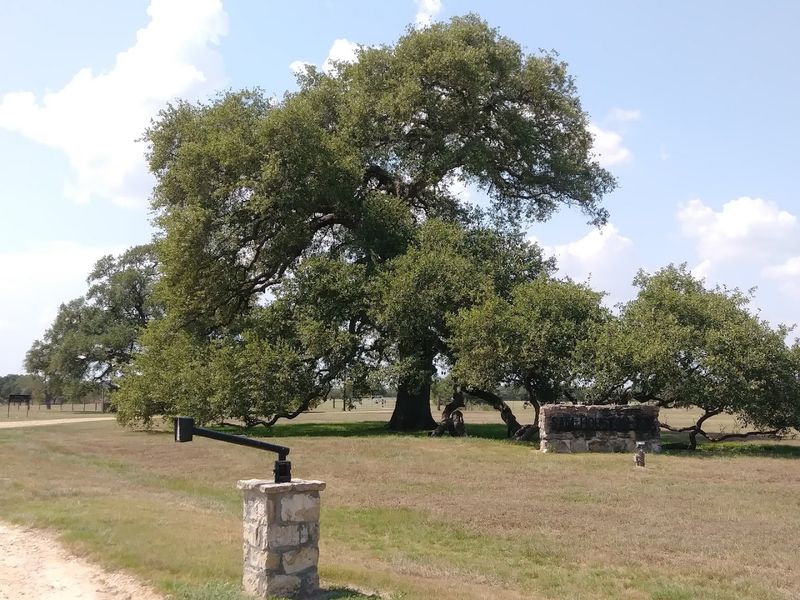
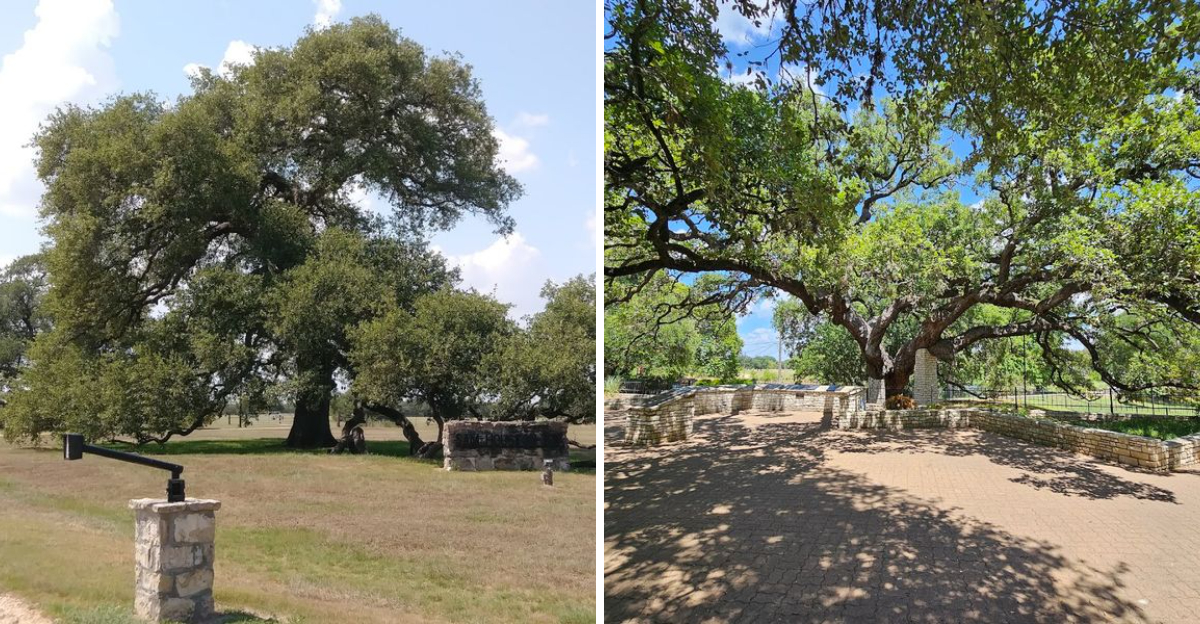
History comes alive beneath the branches of the Sam Houston Oak in Huntsville, where Texas’s most legendary figure once walked.
This magnificent tree stands near the Sam Houston Memorial Museum complex, connecting visitors to the man who led Texas to independence and served as president of the Republic of Texas.
The oak’s presence near Houston’s former homestead creates a tangible link to the 1800s, when this land was part of his daily life.
Sam Houston chose Huntsville as his final home, and the oak trees on his property provided shade and beauty during his later years.
The oak that bears his name today represents the enduring connection between Texas heroes and the natural landscape they cherished.
Standing beneath its branches, you can almost imagine Houston himself seeking respite from the Texas heat in this very spot, contemplating the future of his beloved state.
The Sam Houston Memorial Museum complex offers much more than just the tree, with restored buildings and exhibits detailing Houston’s remarkable life.
However, the oak remains a favorite stop for visitors who appreciate the way nature preserves history in its own unique fashion.
The tree’s sturdy trunk and spreading limbs have witnessed generations of Texans coming to pay respect to their heritage.
Huntsville takes great pride in maintaining this living memorial, ensuring the tree receives proper care and protection.
The location at 1836 Sam Houston Avenue makes it easy to combine your tree visit with a complete tour of the museum grounds.
For anyone interested in Texas history, the Sam Houston Oak provides a peaceful moment to reflect on the past while standing in the presence of a tree that has survived for generations, just as Houston’s legacy endures in Texas memory.
4. The Century Tree (College Station)
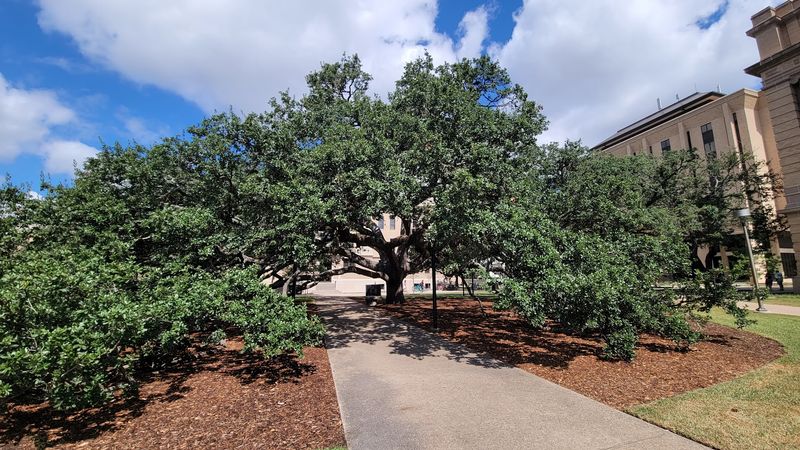
Few trees inspire as much affection and tradition as the Century Tree on the Texas A&M University campus, 766 Military Walk, College Station.
Believed to be well over 100 years old, this beloved live oak has become woven into the fabric of Aggie culture and student life.
Its massive branches create a natural canopy that provides welcome shade between classes, making it a popular gathering spot for students throughout the year.
The Century Tree is most famous for a romantic tradition that has endured for decades among Texas A&M students.
According to campus lore, if a couple walks beneath the tree’s branches together, they’re destined to marry someday.
This charming belief has made the tree a favorite location for marriage proposals, engagement photos, and even small wedding ceremonies, with countless Aggie couples crediting the tree for their lasting relationships.
Beyond romance, the Century Tree represents continuity and connection across generations of students.
Alumni returning to campus often seek out the tree, sharing memories with their children and grandchildren about their own experiences beneath its branches.
The tree has appeared in countless photographs, serving as a backdrop for everything from graduation pictures to casual snapshots of campus life.
Located near the Academic Building on the main campus, the Century Tree is easily accessible and well-marked.
The university takes excellent care of this treasured landmark, with arborists regularly monitoring its health and ensuring it remains safe for visitors.
Whether you’re an Aggie, a prospective student, or simply a tree enthusiast passing through College Station, the Century Tree offers a perfect blend of natural beauty and human tradition that captures the warm spirit of Texas A&M and its devoted community.
5. Comanche Council Oak (New Braunfels)
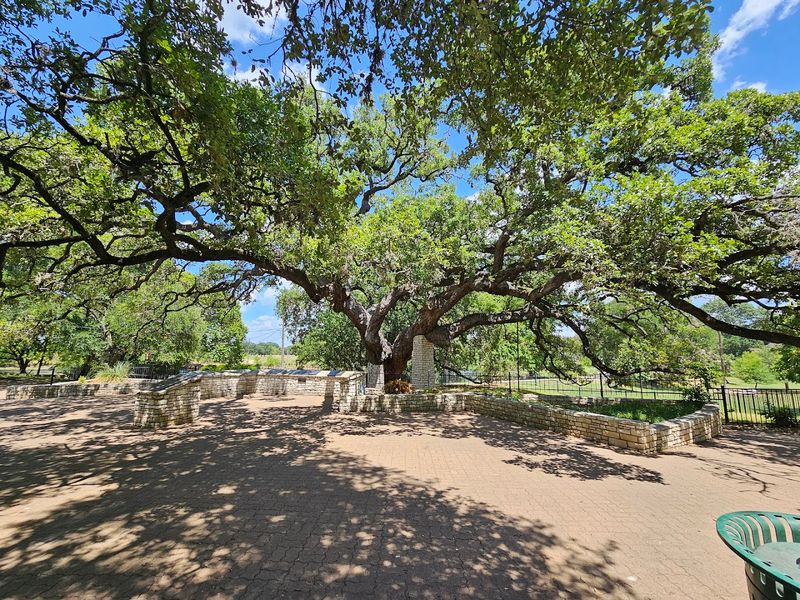
In the heart of Landa Park in New Braunfels grows a tree that witnessed countless gatherings and important decisions throughout Texas history.
The Comanche Council Oak, also known as the Founders’ Oak, is estimated to be over 300 years old and ranks among the largest trees in the entire state.
Its enormous trunk and sprawling branches have provided shelter for Native American councils, early German settlers, and generations of park visitors who continue to marvel at its size.
The tree earned its name from its historical role as a meeting place for Comanche people, who recognized the oak’s central location and impressive presence.
When German immigrants founded New Braunfels in the 1840s, they too appreciated the tree’s significance, holding their own community gatherings beneath its protective canopy.
This dual heritage makes the Comanche Council Oak a symbol of cultural intersection and shared history in Texas.
Today, the tree stands as one of Landa Park’s most treasured features, carefully maintained by the city of New Braunfels.
Its massive limbs require occasional support cables to prevent damage, but the tree remains remarkably healthy for its advanced age.
Visitors often comment on the sense of peace they feel standing beneath branches that have sheltered so many important moments in Texas history.
The park setting enhances your visit, with beautiful gardens, springs, and recreational facilities nearby.
Interpretive signs around the tree provide fascinating details about its history and ecological importance.
Whether you’re exploring New Braunfels for the first time or returning to a favorite spot, the Comanche Council Oak offers a powerful reminder of how trees serve as living connections to our past, standing witness to centuries of change while remaining steadfast and strong.