The Underrated Georgia Native That Helps Keep Mosquitoes Off Your Patio
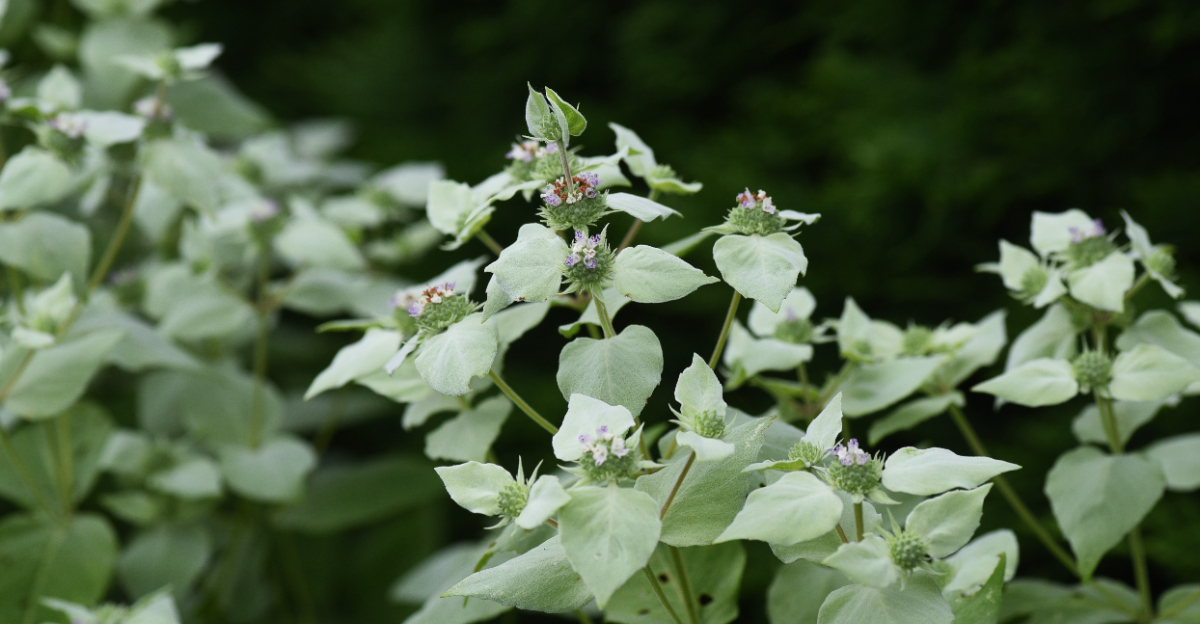
Enjoying your patio gets a lot harder when mosquitoes seem to appear the moment you sit down. Plenty of gardeners reach for sprays or citronella first, but adding the right native plant can also make your outdoor space more inviting.
It’s a simple change that fits naturally into the landscape instead of becoming another chore.
Some native plants do more than add color. They attract beneficial insects that feed on mosquitoes while releasing fragrant foliage many gardeners appreciate around seating areas.
Choosing one that grows well in Georgia gives you another practical way to make your patio feel more comfortable.
Don’t expect a single plant to solve the problem on its own, but it can become part of a smarter approach that helps you enjoy more evenings outside.
1. Plant Mountain Mint Near Your Patio
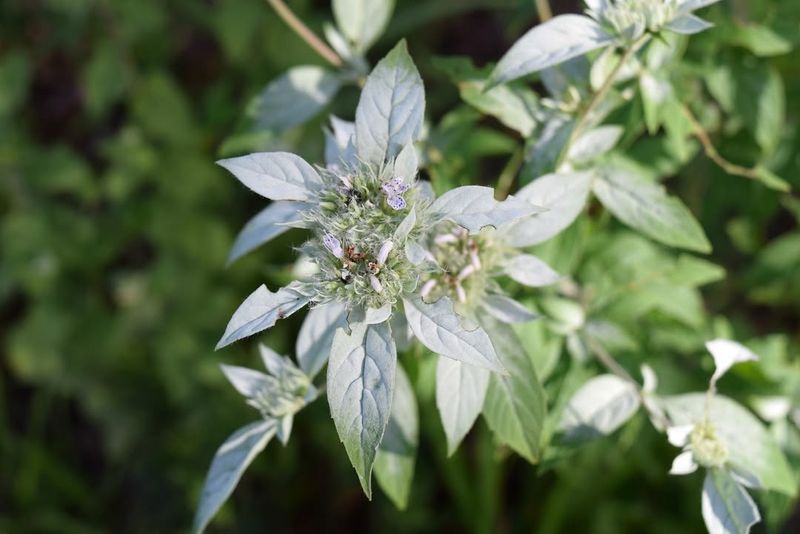
Placement matters more than most people realize. Mountain mint works best when it is close enough to your sitting area that its natural scent can actually reach you.
Tucking it along the edges of your patio or in containers nearby puts it right where you want it.
Mountain mint releases its strongest fragrance when leaves are brushed or disturbed. Planting it where foot traffic grazes it, like along a walkway border, can help release that scent more often.
Even a light breeze can carry the aroma toward your seating area.
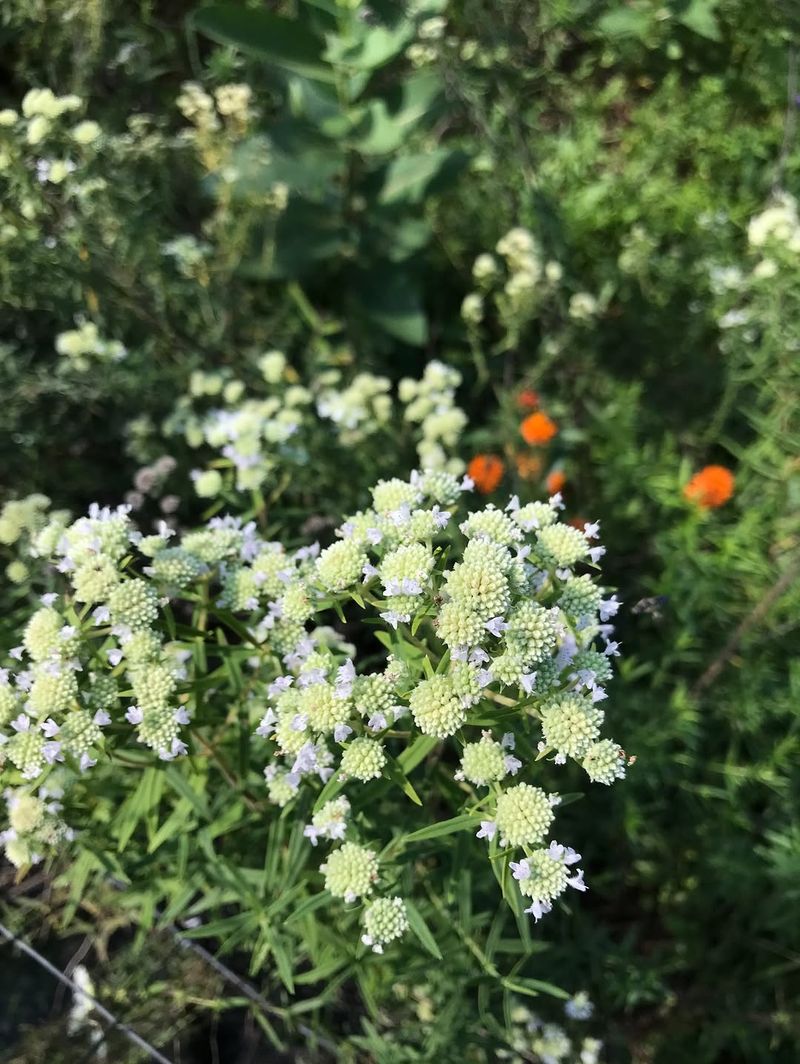
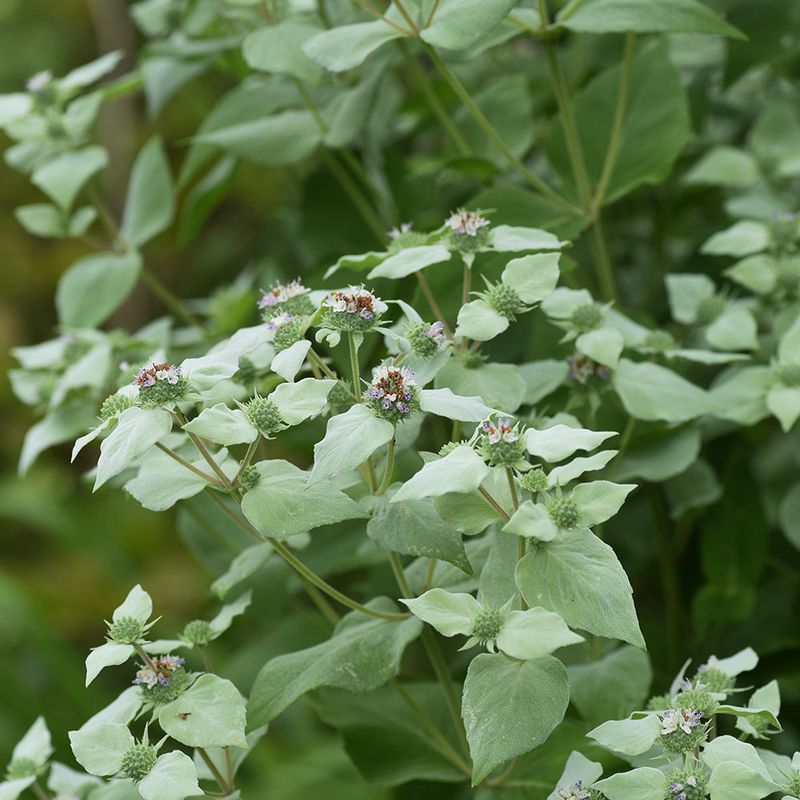
Pycnanthemum muticum is the botanical name for broad-leaved mountain mint, and it is one of the most common varieties found in Georgia gardens. It grows in clumps and spreads steadily over time, which means a few starter plants can eventually fill in a nice border.
Keep that spreading habit in mind before choosing your spot.
Container planting is a solid option if you want more control. A large pot near your patio chairs lets you move the plant around as needed.
Just make sure the container has good drainage so roots do not sit in standing water after summer rain.
Starting with a spot that gets consistent airflow helps the plant stay healthy.
Good air circulation reduces the chance of fungal issues, which can sometimes affect dense-growing plants in humid southeastern summers.
2. Its Fragrant Leaves Can Help Deter Mosquitoes
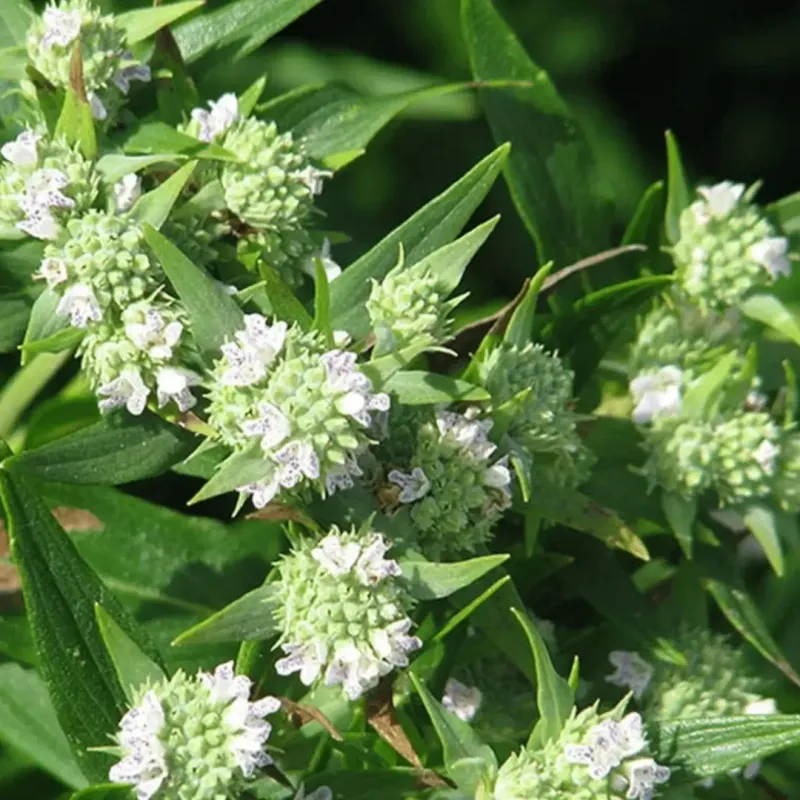
Not every plant that smells good actually bothers mosquitoes. Mountain mint is different.
Its leaves contain compounds like pulegone and menthol-related oils that may interfere with mosquito activity, although the effect can vary depending on conditions.
Those naturally occurring compounds are one reason mountain mint has earned a reputation as a mosquito-resistant plant. While it will not create a mosquito-free yard, its strong fragrance may make the immediate area less appealing to these insects.
Crushing a few leaves and rubbing them on your skin is a trick some gardeners swear by. It is not a replacement for tested insect repellents, but it can provide a short burst of natural fragrance that may reduce biting for a short time.
Results vary from person to person.
Mosquitoes rely heavily on scent to locate hosts. Strong, unfamiliar plant aromas can disrupt that process to some extent.
Your Georgia Garden Changes Every Week. Your Plan Should Too.
Gardening in Georgia changes quickly throughout the season. Every Friday you’ll receive a simple weekly plan showing exactly what to plant, prune, fertilize, harvest, and protect so you never miss the right timing.
Mountain mint’s sharp fragrance may contribute to a less inviting outdoor environment for those insects.
Mountain mint also attracts pollinators like bees and butterflies. So while it may discourage mosquitoes to some degree, it also supports many of the beneficial insects you want in the garden.
Growing several mountain mint plants together creates a stronger source of fragrance than a single plant on its own.
Even so, it works best as part of a broader approach to reducing mosquito activity around your yard.
3. Choose Full Sun Or Light Afternoon Shade
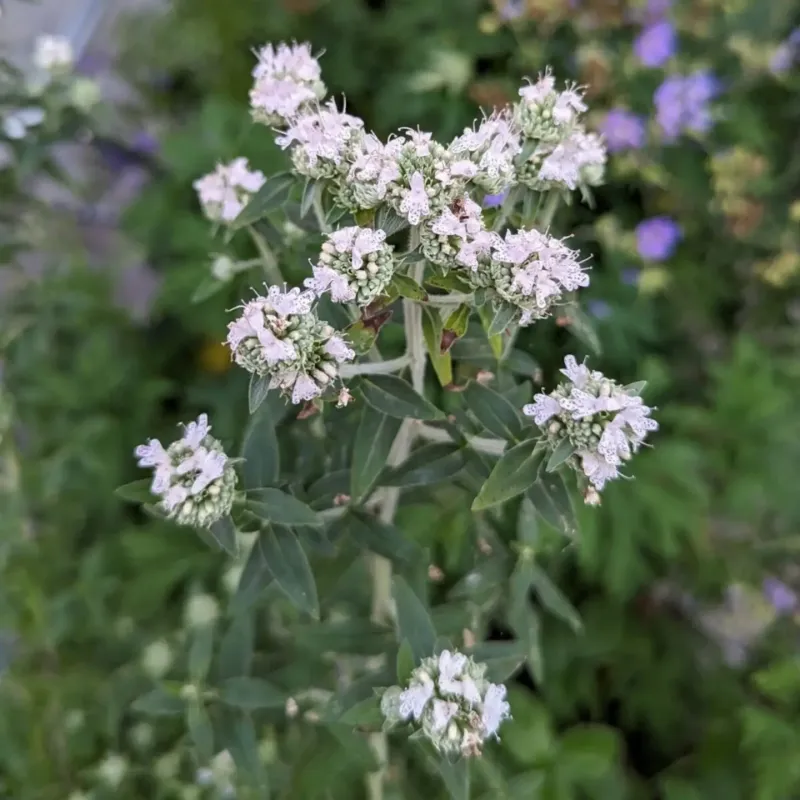
Sun exposure shapes how well mountain mint performs. Full sun, meaning six or more hours of direct light daily, produces the most vigorous growth and the strongest scent.
Plants in shadier spots tend to grow leaner and may not fill in as densely.
Light afternoon shade can actually be helpful in the hottest parts of a Georgia summer. Intense heat combined with full afternoon sun can stress plants, especially in July and August when temperatures regularly push past 90 degrees.
A bit of shade during those peak hours gives the plant some relief without limiting overall growth.
Morning sun is ideal. It dries dew off leaves quickly, which reduces the risk of fungal issues.
Afternoon shade then steps in to cool things down during the most intense heat of the day. That combination tends to produce healthy, full-looking plants.
Avoid deep shade spots under dense tree canopies. Mountain mint can survive with less light, but it gets leggy and sparse, and the fragrant oils in the leaves become less concentrated.
A weak-smelling plant offers fewer of the benefits you are hoping for.
Observing your yard through the day before planting helps you make a smarter choice. Light patterns shift with the seasons, so a spot that looks sunny in spring might get shaded out by summer foliage.
4. Grow It In Well Drained Soil
Soggy roots are a real problem for mountain mint. Standing water, even briefly after heavy rain, can cause root stress over time.
Well-drained soil keeps moisture moving through without letting roots sit wet for extended periods.
Sandy or loamy soils work well. Heavy clay soil, which is common across much of Georgia, tends to hold water too long.
Amending clay with compost or coarse sand before planting improves drainage noticeably. A raised bed is another option if your yard has especially poor drainage.
Mountain mint is not picky about soil richness. It actually performs well in average or even slightly lean soils.
Overly fertile soil can push too much leafy growth while reducing the concentration of aromatic oils in the foliage. Lean soil often means stronger fragrance.
Soil pH between 6.0 and 7.0 suits it well. Most native Georgia soils fall within or near that range without much adjustment.
A simple soil test from your local extension office can confirm where your yard stands if you are unsure.
Adding a light layer of mulch around the base helps regulate soil moisture and temperature. About two to three inches of wood chip mulch works well.
5. Water Regularly During The First Growing Season
Young plants need consistent moisture to get established. During the first growing season, mountain mint is still developing its root system and cannot yet handle long dry stretches the way a mature plant can.
Regular watering during this phase sets it up for long-term success.
Aim for about an inch of water per week, from rain or supplemental watering. Check the soil a few inches down before watering.
If it still feels moist, hold off. Overwatering is just as much of a concern as underwatering for this plant.
Deep, infrequent watering encourages roots to reach deeper into the soil. Shallow daily watering keeps roots close to the surface, which makes plants more vulnerable during dry spells.
Watering deeply two or three times a week during dry stretches is a better approach than a quick sprinkle every day.
Once mountain mint is established, usually by the second season, it becomes noticeably more drought-tolerant. At that point, supplemental watering is mainly needed during extended dry periods.
In a typical Georgia summer with regular afternoon storms, established plants often need little extra help.
Morning watering is preferable to evening. Wet foliage overnight can encourage fungal issues, especially in humid southeastern summers.
6. Trim Plants After Flowering To Keep Them Tidy
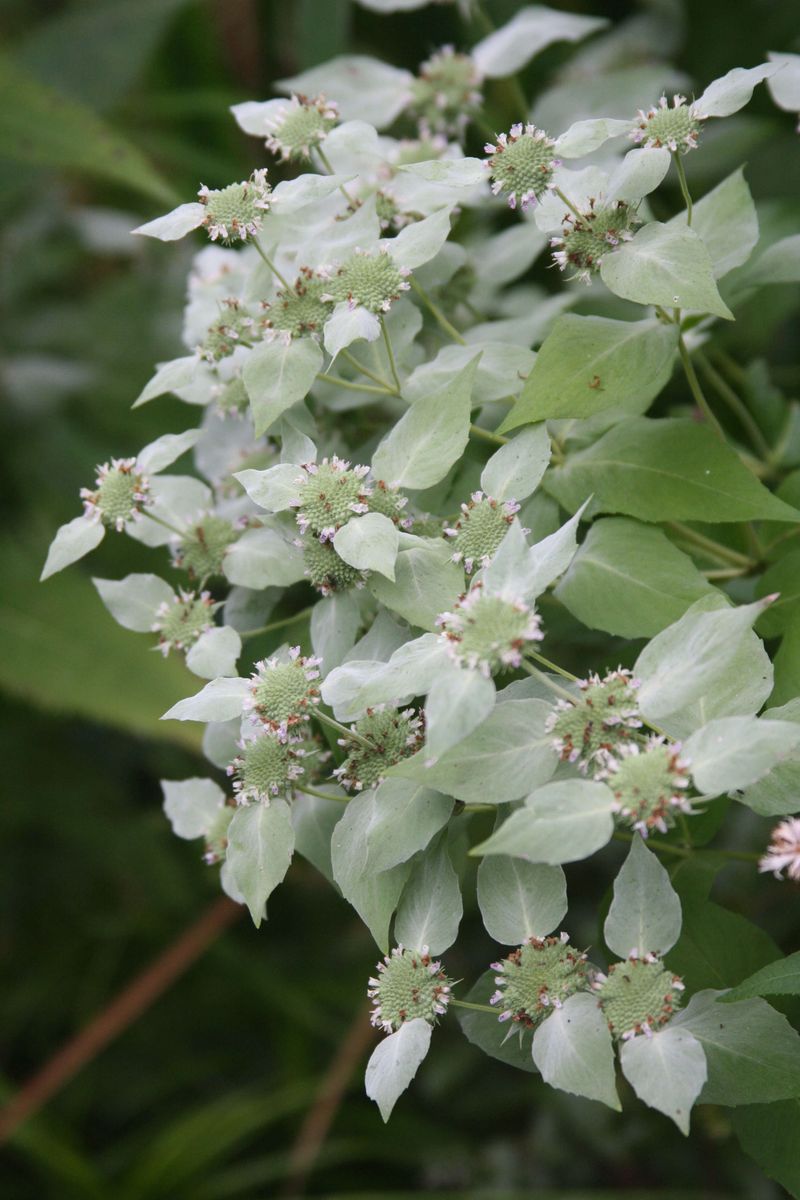
Mountain mint blooms in midsummer, producing small white flowers that pollinators absolutely love. Once those flowers fade, the plant can start to look a bit ragged and sprawling.
A simple trim after flowering brings it back to a neater, more compact shape.
Cut stems back by about one-third after the main bloom period ends. Sharp, clean pruners make the job easier and reduce stress on the plant.
Dull blades crush stems rather than cutting cleanly, which can slow regrowth and invite problems.
Deadheading spent flowers before they go to seed can also slow the plant’s natural spreading tendency. Mountain mint spreads by both rhizomes underground and by seed.
Removing seed heads gives you a bit more control over where new plants pop up.
After trimming, fresh growth usually appears within a few weeks. That new foliage is often more fragrant than older growth.
So trimming is not just about looks, it can actually refresh the plant’s aromatic output right when you want it most during late summer patio season.
Do not cut plants back too hard in late fall. Mountain mint benefits from some stem structure left standing over winter.
It provides a small amount of frost protection for the crown and also offers habitat for beneficial insects during colder months.
7. Divide Mature Clumps Every Few Years
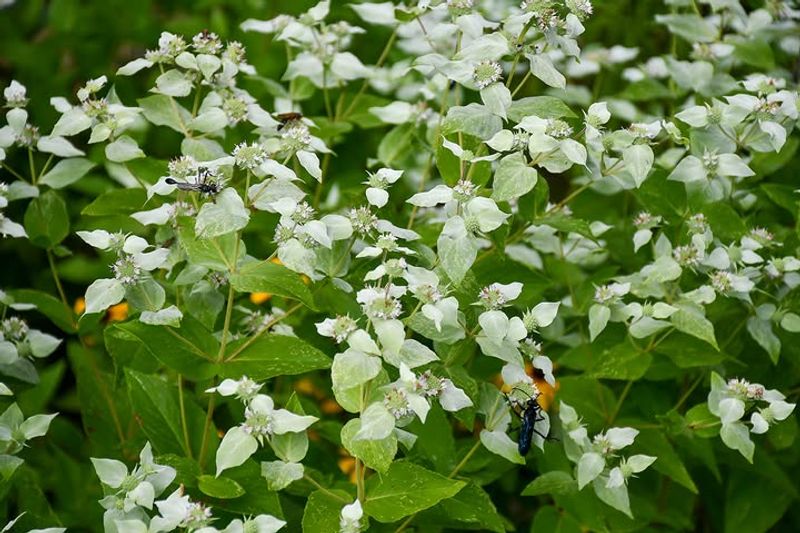
Mountain mint spreads. That is one of its strengths, but it can also become a bit much if left unchecked for several years.
Dividing mature clumps every three to four years keeps plants vigorous and prevents them from crowding out neighboring plants.
Spring is the best time to divide. New growth is just emerging, which makes it easier to see what you are working with.
Cooler temperatures also reduce transplant stress compared to dividing in midsummer heat. Early fall works too, as long as plants have time to settle in before cold weather arrives.
Use a sharp spade to cut straight down through the clump. Lift sections out and check the roots.
Healthy divisions have firm, white or tan roots. Discard any sections that look mushy or have no visible root development.
Replant divisions at the same depth they were growing before. Water them in well right after planting.
Keeping divisions consistently moist for the first few weeks helps them establish without much setback. Most divisions bounce back quickly and fill in within a single growing season.
Extra divisions make great additions to other parts of your yard, or you can share them with neighbors who want to try mountain mint for the first time. Across Georgia, native plant swaps and garden club events often welcome divisions like these.