How Georgia Gardeners Can Protect Lemongrass Before The First Frost
The fragrant stalks in your favorite curry come from a grass that sulks when nights drop into the 40s. A plant that can tower over five feet tall in August can turn to brown straw after one hard freeze.
I find that contrast a little funny and a little heartbreaking. Native to tropical Asia, this herb thrives in summer heat but has almost no tolerance for real cold.
Most of Georgia sits in USDA Zones 7 and 8, which feel mild to us but harsh to this sun lover.
You need to act before the weather forecast surprises you. Atlanta often sees its first frost in late October or early November, and the mountains get chilly even sooner.
After spending all summer growing lemongrass, the thought of buying those same stalks in March feels like a waste.
So what does it take to carry that citrusy clump safely through winter?
1. Those Tall Lemongrass Clumps Are Tougher Than They Are Hardy
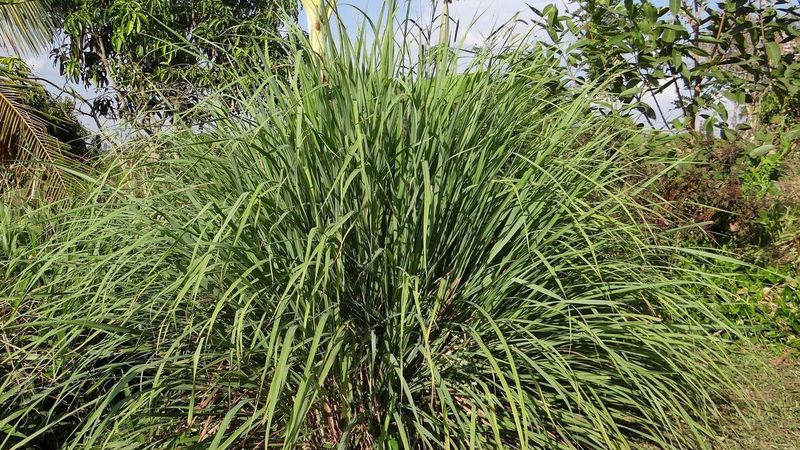
Lemongrass fooled me my first year. It grew so fast and thick that I figured a little cold would barely slow it down.
That plant taught me a lesson. Lemongrass comes from tropical South and Southeast Asia, and it is reliably perennial only in USDA Zones 10 and 11.
Some gardeners in Zone 9 can coax it through winter, but much of Georgia falls into Zones 7 and 8.
Growth slows sharply once nights fall below about 50 degrees. Leaves begin to look tired and yellow when temperatures sit in the low 40s.
A frost browns the blades, and a hard freeze can damage the crown and roots, which is where next year’s growth comes from.
The trick is to watch nighttime lows, not daytime highs. A sunny 70 degree afternoon in October can hide a 38 degree night.
Your phone’s weather app or the National Weather Service forecast is your best friend this time of year.
Frost timing varies a lot across the state. North Georgia mountain towns can see frost in mid-October, while metro Atlanta usually gets it in late October or early November.
Coastal and far south areas often hold off until late November or December.
2. Digging Up And Potting Lemongrass Is Your Safest Bet
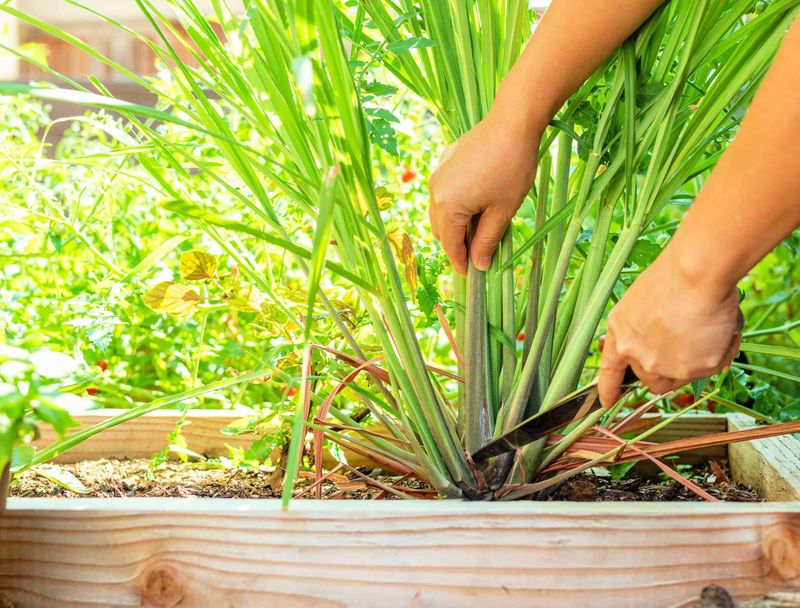
Moving lemongrass indoors is the most reliable way to keep it going in most of Georgia. I wish someone had told me that sooner.
You don’t need the whole clump. A mature plant can be enormous, and hauling it inside is a backache waiting to happen.
Instead, use a sharp spade to slice off a healthy section with several stalks and a good chunk of roots attached.
Choose a pot that fits the root ball with an inch or two of room around it. Drainage holes matter more than the pot’s looks.
Fill it with a quality potting mix rather than heavy garden soil, which packs down and stays soggy in a container.
Plant the division at the same depth it grew in the ground. Water it lightly to settle the soil, then let it rest in a shady outdoor spot for a few days.
Your Georgia Garden Changes Every Week. Your Plan Should Too.
Gardening in Georgia changes quickly throughout the season. Every Friday you’ll receive a simple weekly plan showing exactly what to plant, prune, fertilize, harvest, and protect so you never miss the right timing.
That short break helps it adjust before the bigger move indoors.
Timing is everything. Aim to dig while nights are still in the 40s or low 50s, well before the first frost.
Plants that get chilled hard before potting tend to recover slowly.
Already growing lemongrass in a container? You’re ahead of the game.
Just check the pot for cracks and peek under it for hitchhiking bugs before bringing it inside.
3. Prefer Fresh Stalks All Winter? Try A Sunny Lemongrass Windowsill
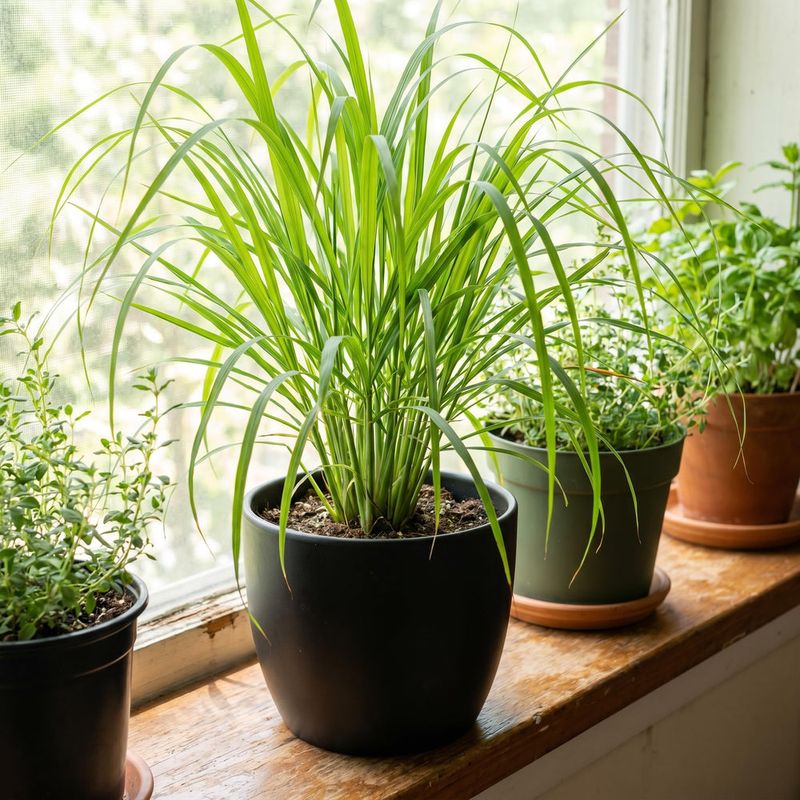
Fresh lemongrass in January feels like a small kitchen miracle. If you want to keep snipping all winter, active growth indoors is the way to go.
Light comes first. Place the pot by your brightest window, ideally facing south, where it can soak up as much sun as possible.
Aim for at least 10 hours of light each day.
Georgia winter days run short, so many windows fall short of that goal. A simple LED grow light hung several inches above the leaves can fill the gap nicely.
Set it on a timer and you won’t have to think about it.
Warmth is the next piece. Lemongrass keeps growing best in rooms that stay above 60 degrees.
Keep it away from drafty doors and heating vents, since both cold blasts and dry hot air stress the leaves.
An actively growing plant needs more water than a sleeping one. Many indoor growers end up watering about twice a week, but your home’s warmth decides that.
Water when the top inch of soil feels dry, and empty the saucer so roots don’t sit in water.
Indoor air gets dry in winter, and spider mites love dry air. Check under leaves for fine webbing or tiny specks.
A quick rinse in the shower can knock them back.
4. A Cool Garage Lets Potted Lemongrass Snooze Through Winter
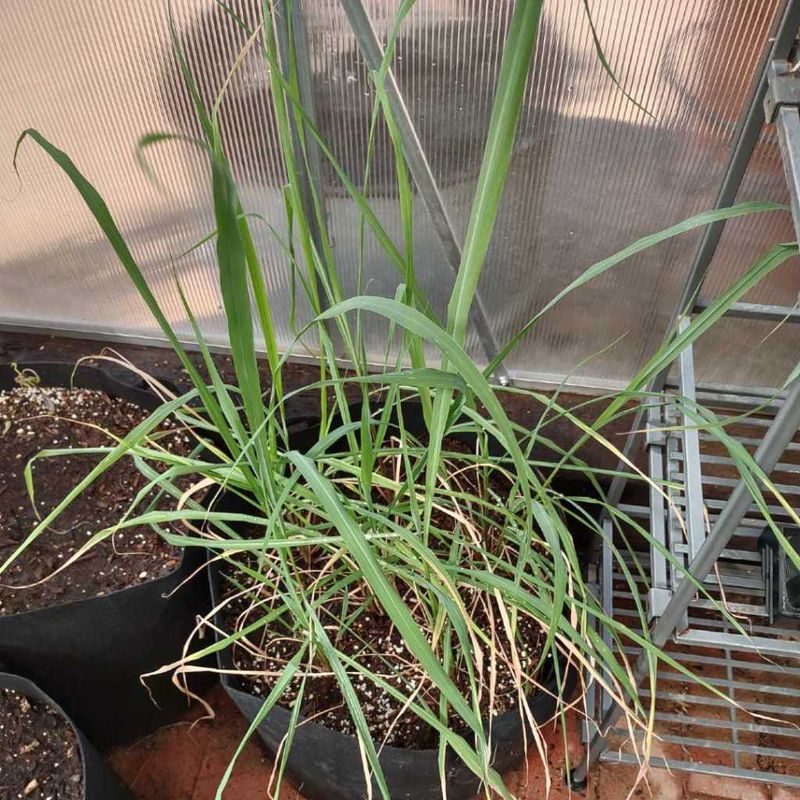
My favorite low-effort trick is letting lemongrass nap. Dormancy asks very little of you, and the plant seems happy to rest.
Find a cool, frost-free space that stays roughly between 40 and 50 degrees. An unheated garage, a basement, or an enclosed porch often works well in Georgia.
Bright light isn’t required during this sleepy phase, though a little window light does no harm.
Watering is where most people slip up. A resting plant drinks very little, so soggy soil can lead to root rot.
Check the pot every few weeks and water lightly only when the top couple of inches feel dry.
For many homes, that works out to a small drink about once a month. The goal is to keep roots from drying out fully, not to push new growth.
Skip the fertilizer until spring.
Keep an eye on the thermometer during cold snaps. Garages can dip below freezing on the coldest January nights, especially in North Georgia.
A cheap indoor-outdoor thermometer takes the guesswork out of it.
If a hard freeze is coming, move the pot into a frost-free indoor space, such as a mudroom or basement, until temperatures rise again.
5. Give Those Grassy Lemongrass Blades A Short Haircut
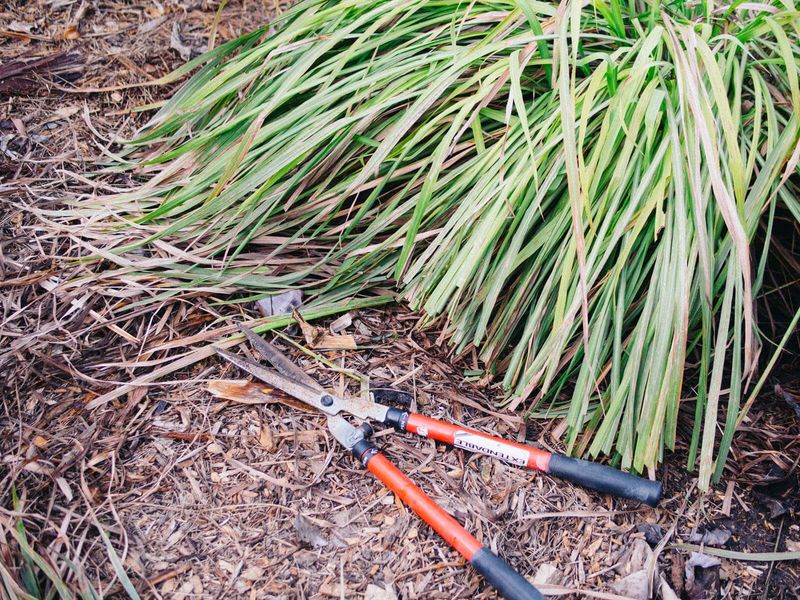
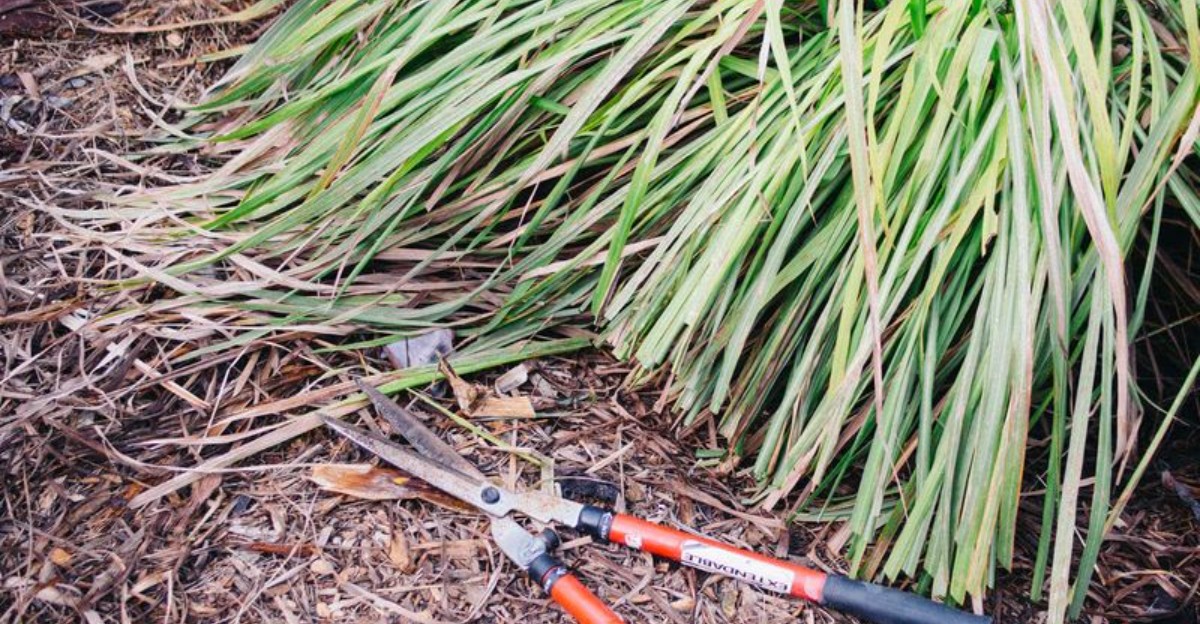
Snip, snip, and suddenly that wild green fountain looks like a neat little brush. I’ll admit the first cut felt dramatic, but my plant was better for it.
Trimming lemongrass before winter makes a lot of sense. Those long blades take up space, shed onto your floor, and lose water through their leaves.
Cutting the foliage back to roughly 6 to 10 inches makes the plant easier to handle and lowers its water needs during short winter days.
Use clean, sharp pruning shears or sturdy scissors. Lemongrass leaves have rough, slightly sharp edges, so gloves and long sleeves are a smart choice.
Those edges can leave tiny scratches on bare arms.
Here’s the fun part. Don’t toss the trimmings right away.
Thick lower stalks are perfect for cooking, and you can freeze them whole or chopped for soups and stir-fries all winter.
The leafy tops make a lovely tea. Dry them in loose bundles in a warm, airy spot, then crumble them into a jar.
Your kitchen will smell like a lemon drop for days.
Remove any yellow or brown leaves while you trim. Damaged foliage can attract pests and hold extra moisture once the plant moves inside.
6. South Georgia Gardeners Can Gamble With A Thick Straw Mulch
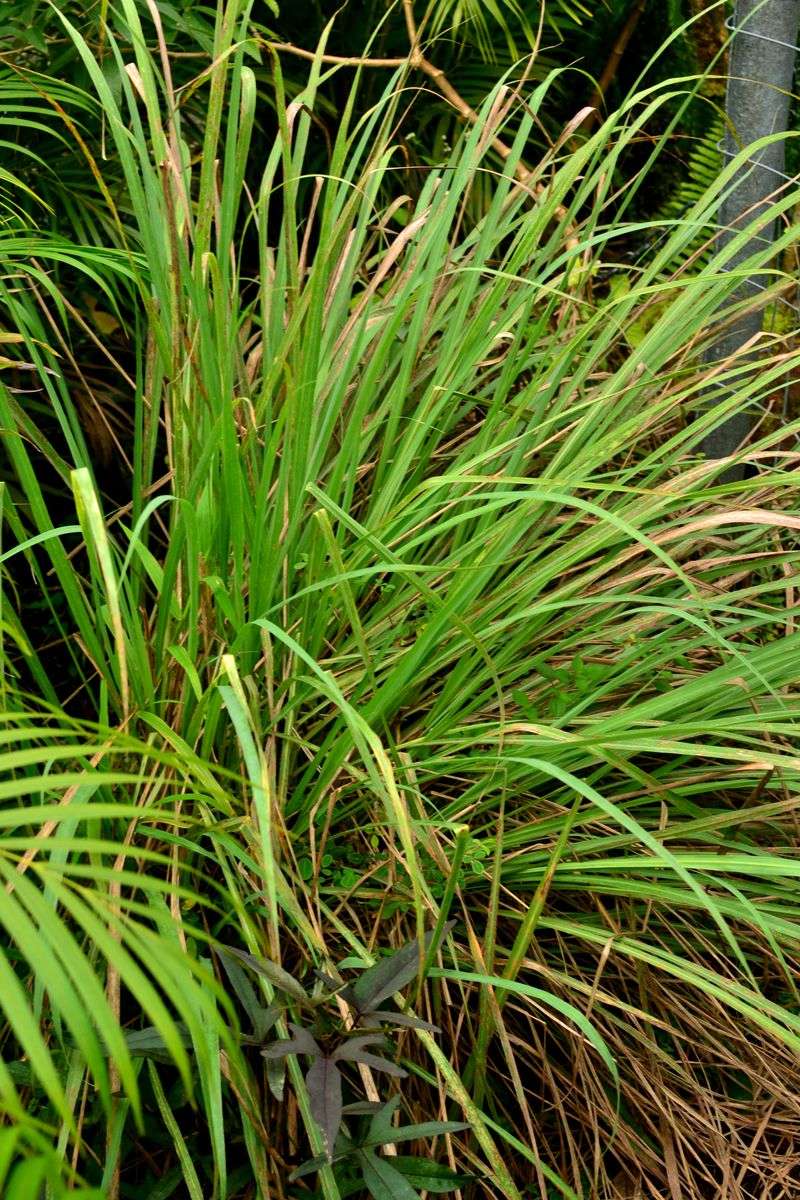
Down near Savannah and along the coast, some gardeners roll the dice and leave lemongrass in the ground. I respect the courage, and sometimes it works.
Parts of coastal and far south Georgia fall into Zone 9a. First frost there often arrives in late November or December, and many winters stay fairly mild.
That gives in-ground plants a fighting chance.
Preparation decides the outcome. After trimming the foliage, pile 4 to 6 inches of clean straw or pine straw over the crown before the first light frost.
That fluffy layer traps soil warmth and helps roots ride out short cold snaps.
Expect the leaves above the mulch to brown. That’s normal.
The real question is whether the crown and roots stay healthy underground.
Drainage can make or break this plan. Cold, wet soil is often a bigger problem than cold alone, because soggy crowns tend to rot.
Raised beds or sandy, loose soil give your clump much better odds.
Watch forecasts closely. Georgia winters can swing from balmy to bitter in a few days, and an extreme freeze can still reach the coast.
Frost cloth over the mulch adds extra insurance on the coldest nights.
7. Ease Your Lemongrass Back Outside When Spring Nights Warm Up
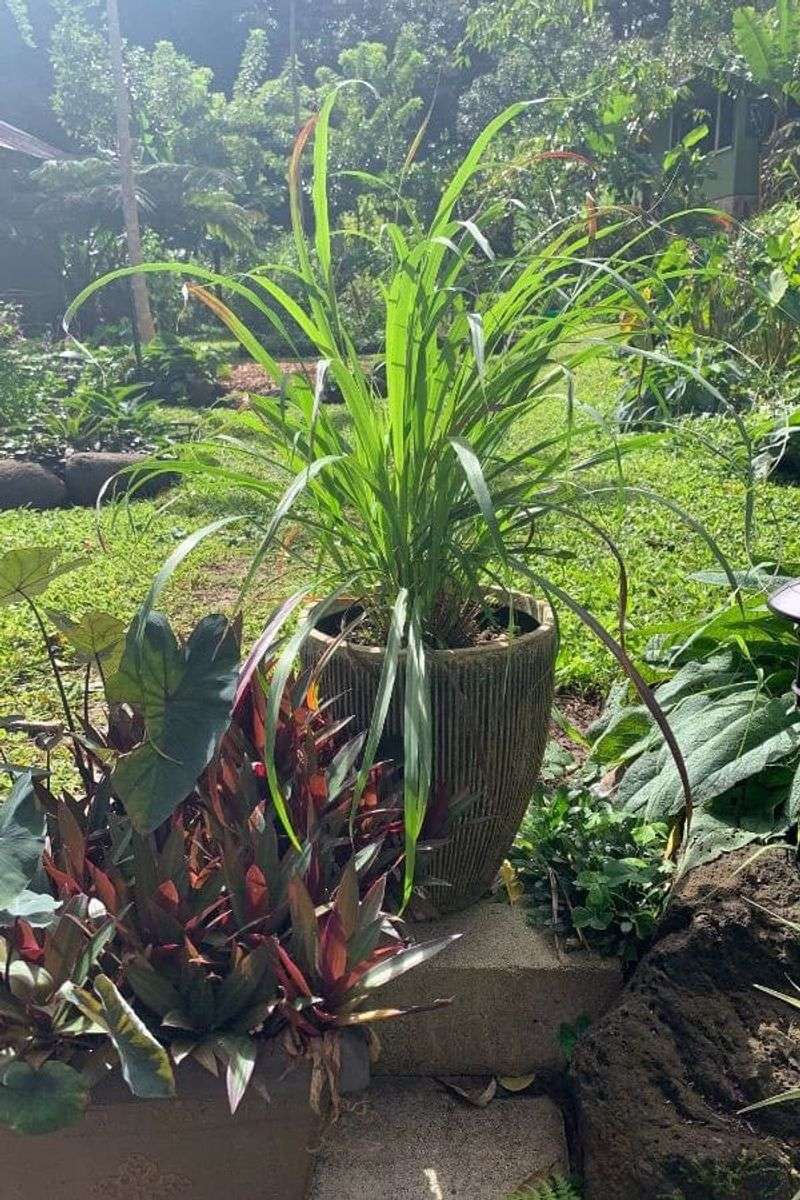
Few things make me grin like spotting fresh green spears poking from a pot that looked tired all winter. Spring is your reward for all that planning.
Patience pays off here. Once daytime temperatures reach the 50s and 60s, start waking dormant plants up.
Move them into brighter light, and water a bit more often as new growth appears.
After a couple of weeks, begin hardening them off. Set pots outside in a shady spot for a few hours on mild days.
Gradually add more sun and time over about a week.
Indoor leaves can scorch in strong outdoor sun, so this slow transition matters. Bring pots back in if nights threaten to drop below 40 degrees.
Late spring cold snaps are common, especially in North Georgia.
When nights stay above 50 degrees, your lemongrass can stay outside full time. In much of the state, that’s usually around late April or May.
Coastal gardeners can often move sooner.
Now you can replant it in the garden or move it into a larger container. Give it full sun, rich soil, and steady water.
A light feeding with balanced fertilizer helps it bounce back quickly.