The Vegetables That Handle Arizona Spring Heat Without Slowing Down
Spring heat in Arizona does not ease in slowly, and many vegetables feel that shift almost right away. Beds that looked full and productive can start to lose momentum sooner than expected once temperatures begin to rise.
Leaves turn dull, growth slows, and harvests become less consistent.
Some crops are simply not built for that kind of early heat, no matter how well they were doing before. Others keep pushing forward and stay productive even as conditions get tougher.
That difference becomes clear fast once the season changes.
Choosing vegetables that can handle rising temperatures makes it easier to keep gardens active instead of watching them stall out too soon.
1. Okra Thrives As Temperatures Start Rising
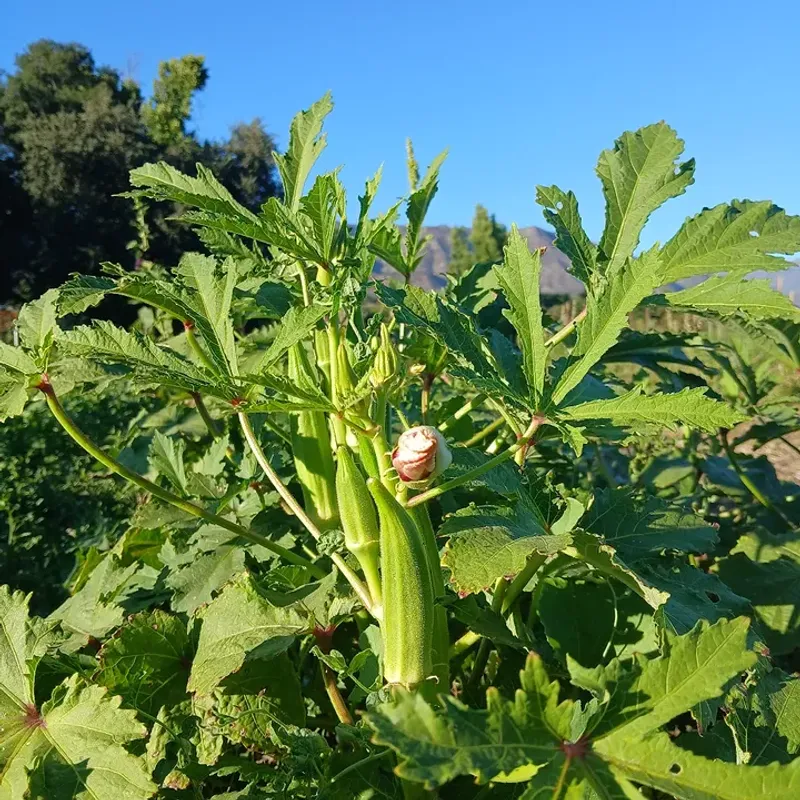
Few vegetables seem as perfectly matched to Arizona spring conditions as okra.
This crop was practically designed for heat, and it shows the moment temperatures start climbing past 85 degrees.
Originally from Africa, okra has been grown in hot climates for thousands of years, making it one of the most dependable choices for desert gardeners.
In Arizona, okra really hits its stride once the soil warms up to at least 65 degrees. Plant seeds directly into the ground about an inch deep, and space them around 12 to 18 inches apart to give each plant enough room to grow tall and strong.
Once established, okra needs very little extra attention, which makes it a fantastic low-maintenance option for busy gardeners across the state.
Watering deeply but not too frequently encourages the roots to go deep, which helps the plant handle dry stretches between waterings.
Okra pods grow fast, sometimes doubling in size overnight during warm weather, so check your plants every day or two.
Harvest pods when they are about three to four inches long for the best texture and flavor. Leave them on the plant too long and they get tough and fibrous.
With regular harvesting, one okra plant can keep producing for months straight through the Arizona spring and into summer without slowing down at all.
Full sun exposure throughout the day supports the strongest growth and highest pod production in Arizona gardens.
2. Eggplant Handles Warm Conditions Without Slowing Down
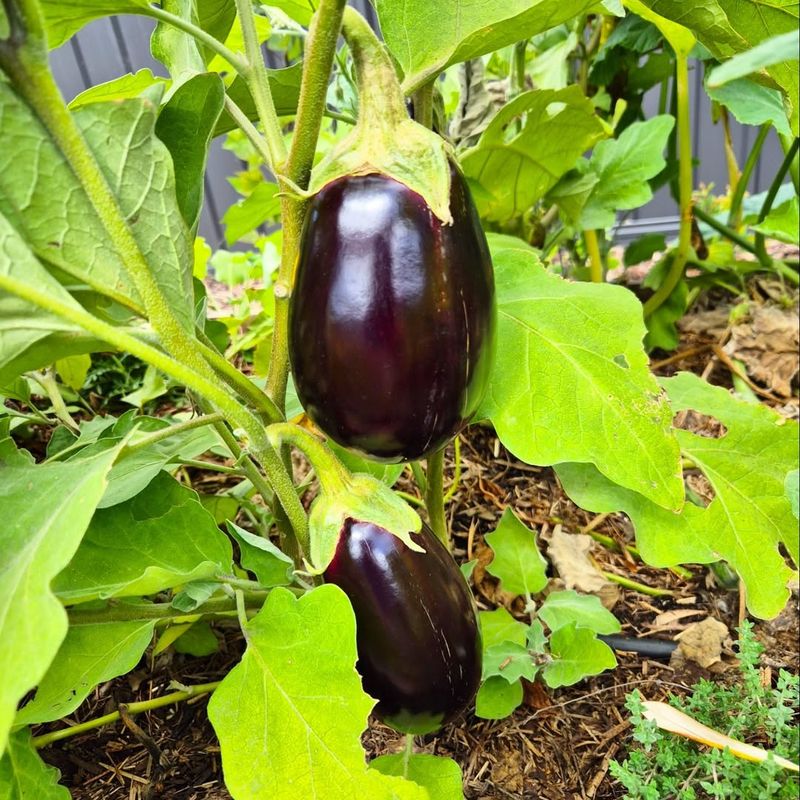
Walk through any productive Arizona spring garden and there is a good chance you will spot the deep purple shine of eggplant hanging from sturdy green stems.
Eggplant loves warmth the way most vegetables love water, and it responds to rising temperatures by putting out more flowers and fruit rather than shutting down.
That kind of attitude makes it a true spring garden hero in the desert Southwest. Start eggplant transplants in the ground after the last frost has passed, which in most parts of Arizona happens between late February and early March.
Give each plant plenty of space, at least 18 to 24 inches apart, because eggplants grow into fairly large, bushy plants when they are happy.
Full sun is a must, and eggplant will soak up every bit of direct sunlight Arizona has to offer without complaint.
Consistent watering is the biggest key to keeping eggplant productive through the spring heat. Aim for deep, thorough waterings two to three times per week rather than light daily sprinkles that barely reach the roots.
Your Arizona Garden Changes Every Week. Your Plan Should Too.
Gardening in Arizona changes quickly throughout the season. Every Friday you’ll receive a simple weekly plan showing exactly what to plant, prune, fertilize, harvest, and protect so you never miss the right timing.
A layer of mulch around the base of each plant helps lock in soil moisture and keeps roots from overheating on the hottest afternoons.
Eggplant comes in many varieties beyond the classic purple type, including white, striped, and small Italian styles that all perform beautifully in Arizona spring gardens.
Harvesting fruit while it is still glossy and firm helps maintain better flavor and encourages the plant to keep producing more throughout the Arizona spring.
3. Peppers Continue Growing Well In Spring Heat
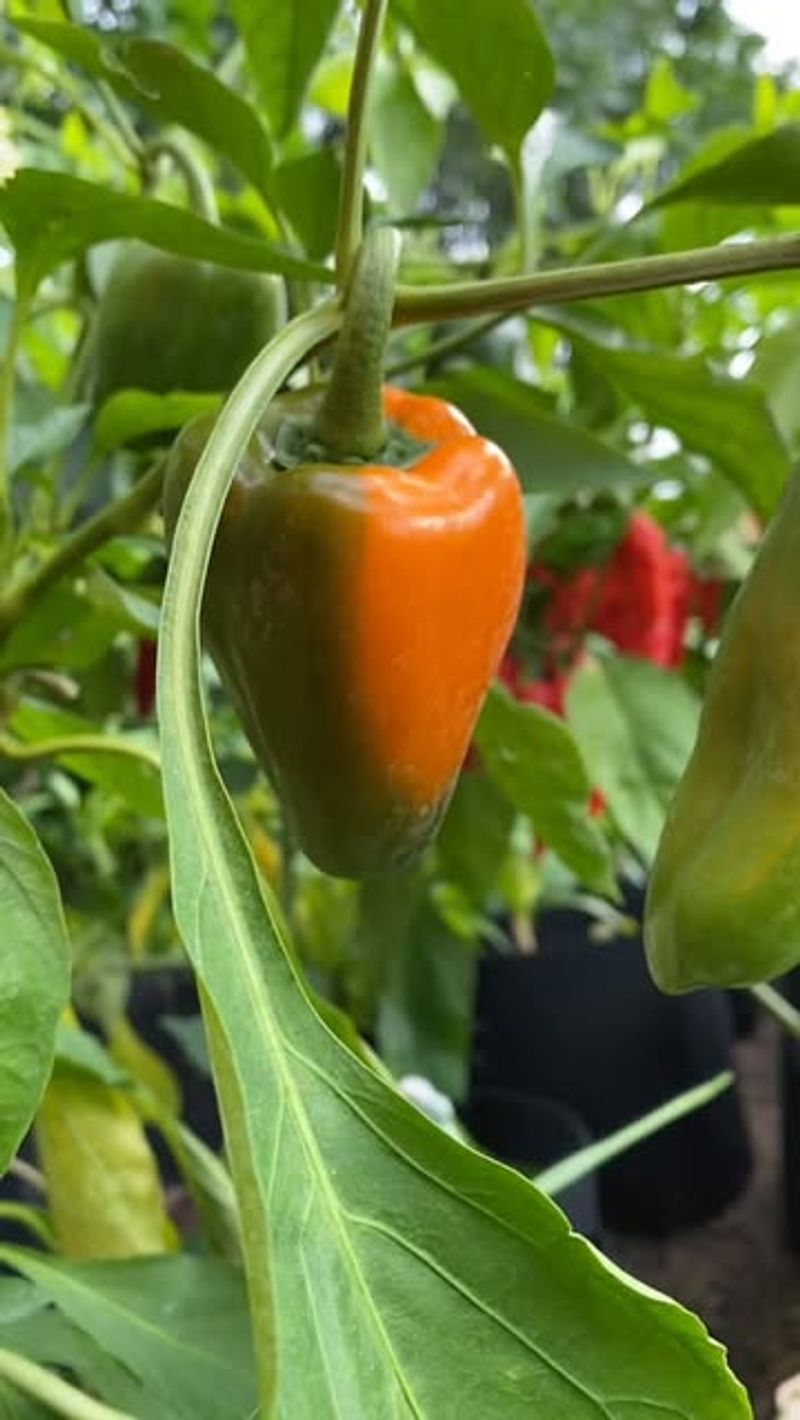
Peppers and Arizona spring heat are practically best friends. While many vegetables start to struggle once the thermometer climbs past 90 degrees, peppers seem to respond by producing even more flowers and fruit.
Both sweet and hot varieties perform remarkably well across Arizona, giving gardeners a wide range of options from mild bells to fiery habaneros.
One thing to keep in mind is that peppers do best when nighttime temperatures stay above 55 degrees, which is usually the case across most of Arizona by late February or early March.
Transplanting starts into the garden rather than direct seeding gives you a head start, and most local nurseries carry a solid selection of pepper varieties suited to desert conditions.
Space plants about 18 inches apart and choose a spot with full sun exposure for the best results.
Mulching around pepper plants makes a noticeable difference in how well they handle the heat. A two to three inch layer of straw or wood chips keeps the soil cooler and reduces how often you need to water.
Peppers are moderate water users, so consistent moisture without waterlogging is the sweet spot. Fertilizing with a balanced vegetable fertilizer every few weeks keeps the plants producing strong through the entire Arizona spring season.
With the right care, pepper plants can keep going well into summer without taking a break.
4. Sweet Potatoes Grow Strong As Soil Warms Up
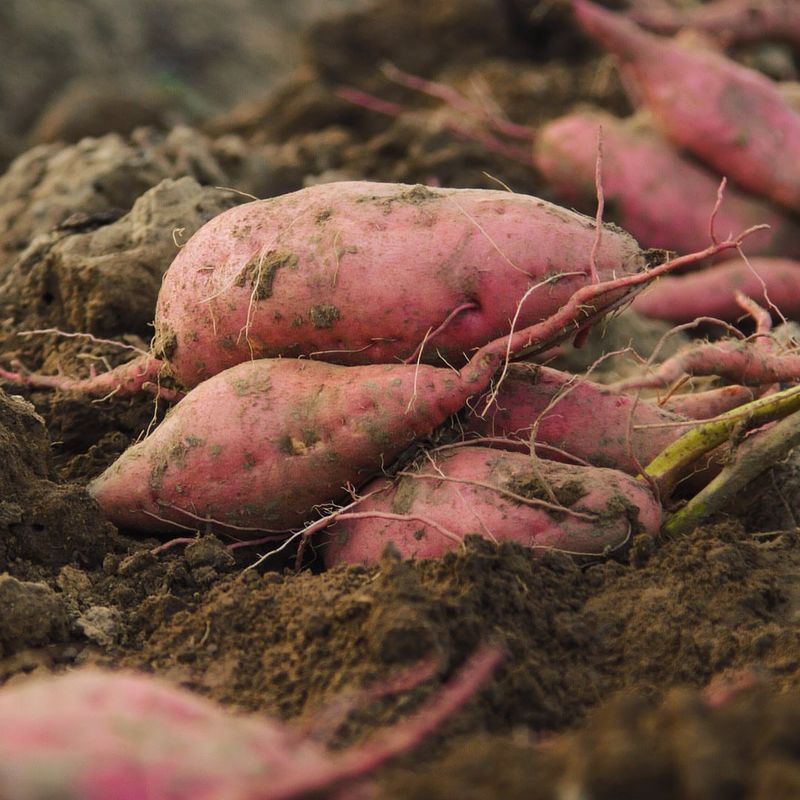
Sweet potatoes have a secret weapon that makes them perfect for Arizona spring gardening: they actually get better as the soil heats up.
Unlike most root vegetables that prefer cool ground, sweet potatoes use warm soil temperatures to fuel vigorous vine growth and strong tuber development underground.
Planting them in spring means they spend the entire growing season building up energy in the soil.
Sweet potatoes are grown from slips, which are small rooted cuttings taken from a mature sweet potato rather than from seeds. You can buy slips from local garden centers or even grow your own by placing a sweet potato in water until sprouts appear.
Plant slips in loose, well-drained soil after the ground has warmed to at least 60 degrees, spacing them about 12 inches apart in rows about three feet wide.
Across Arizona, the warm spring season gives sweet potato vines plenty of time to spread and establish before the intense summer heat arrives.
These plants are surprisingly drought tolerant once established, though regular watering during the first few weeks after planting helps roots get settled in.
The vines spread quickly and can cover a lot of ground, which actually helps shade the soil and keep moisture in. Harvest usually happens around 90 to 120 days after planting, meaning a spring-planted crop can be ready right around late summer or early fall.
5. Malabar Spinach Keeps Producing In Warm Weather
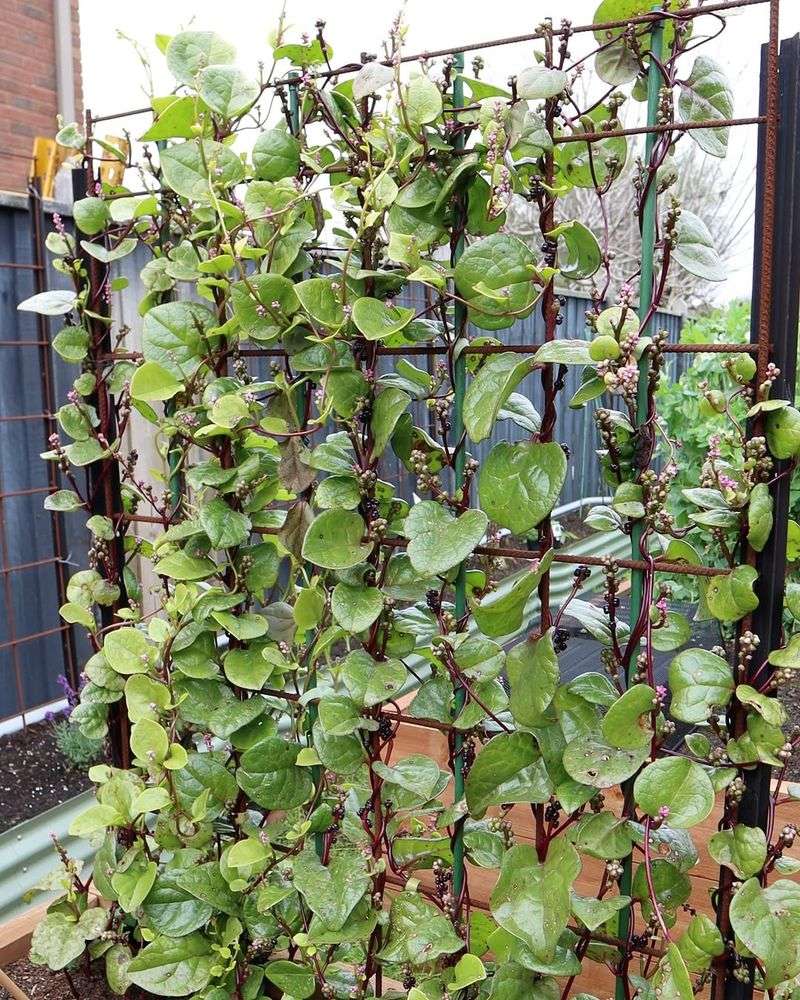
Regular spinach throws in the towel the moment Arizona temperatures start climbing, but Malabar spinach plays by completely different rules. Despite sharing a name, Malabar spinach is not actually related to traditional spinach at all.
It is a tropical vine originally from South Asia that loves heat, humidity, and full sun, which makes it an almost perfect fit for spring gardening across Arizona.
Malabar spinach grows as a vigorous climbing vine that can reach six feet or more when given a trellis or fence to climb. The thick, glossy leaves have a mild, slightly earthy flavor that works well in salads, stir-fries, soups, and smoothies.
Because the leaves are so thick and fleshy, they hold up much better in cooked dishes than regular spinach, which tends to wilt down to almost nothing when heated.
Plant Malabar spinach seeds after the last frost, pressing them about half an inch into warm, moist soil. Germination can take a couple of weeks, so patience pays off here.
Once the vines start growing, they move fast and will need something to climb on right away. Regular harvesting of the outer leaves encourages the plant to keep pushing out fresh new growth all season long.
In Arizona, Malabar spinach can keep producing straight through spring and well into the summer months, giving you a reliable leafy green when most others have already faded.
6. Armenian Cucumber Handles Heat Better Than Standard Types
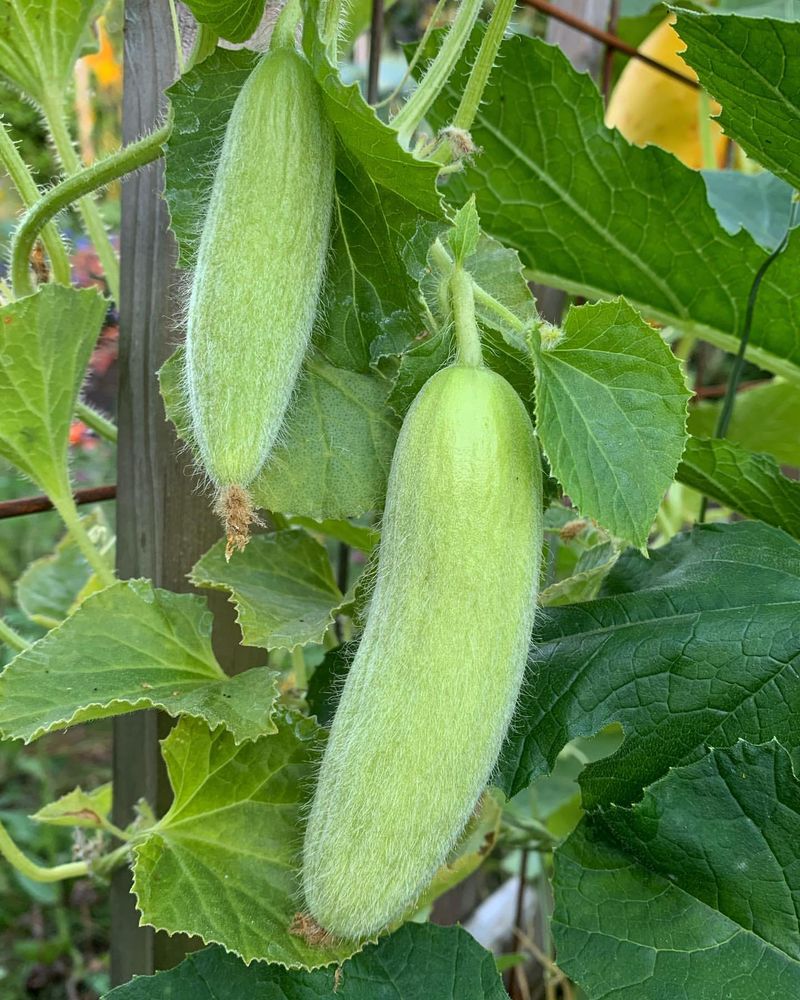
Standard cucumbers can be a gamble in Arizona spring gardens because they tend to get bitter and stressed out when temperatures push past 90 degrees. Armenian cucumber is a completely different story.
Despite its name and cucumber-like appearance, this plant is actually a type of muskmelon, and that melon heritage gives it a dramatically higher tolerance for desert heat.
Armenian cucumbers grow long, pale green, and slightly ribbed, with a mild, refreshing flavor that is perfect for salads and snacking.
The vines grow vigorously and need a sturdy trellis to keep fruits off the ground, which also improves air circulation and reduces the chance of disease in the humid monsoon season that follows Arizona spring.
Plant seeds directly in the garden after the last frost, pressing them about an inch deep into well-prepared soil.
One of the best things about Armenian cucumber is how forgiving it is when watering gets inconsistent. It handles dry spells better than most cucumbers, though regular deep watering still produces the best fruit.
Fruits are best harvested when they reach about 12 to 18 inches long, before the skin starts to yellow. Leaving fruits on the vine too long causes the plant to slow its production.
For Arizona gardeners looking for a reliable, heat-tough alternative to standard cucumbers, Armenian cucumber is one of the smartest choices available for spring planting.
7. Yardlong Beans Grow Fast In Increasing Heat
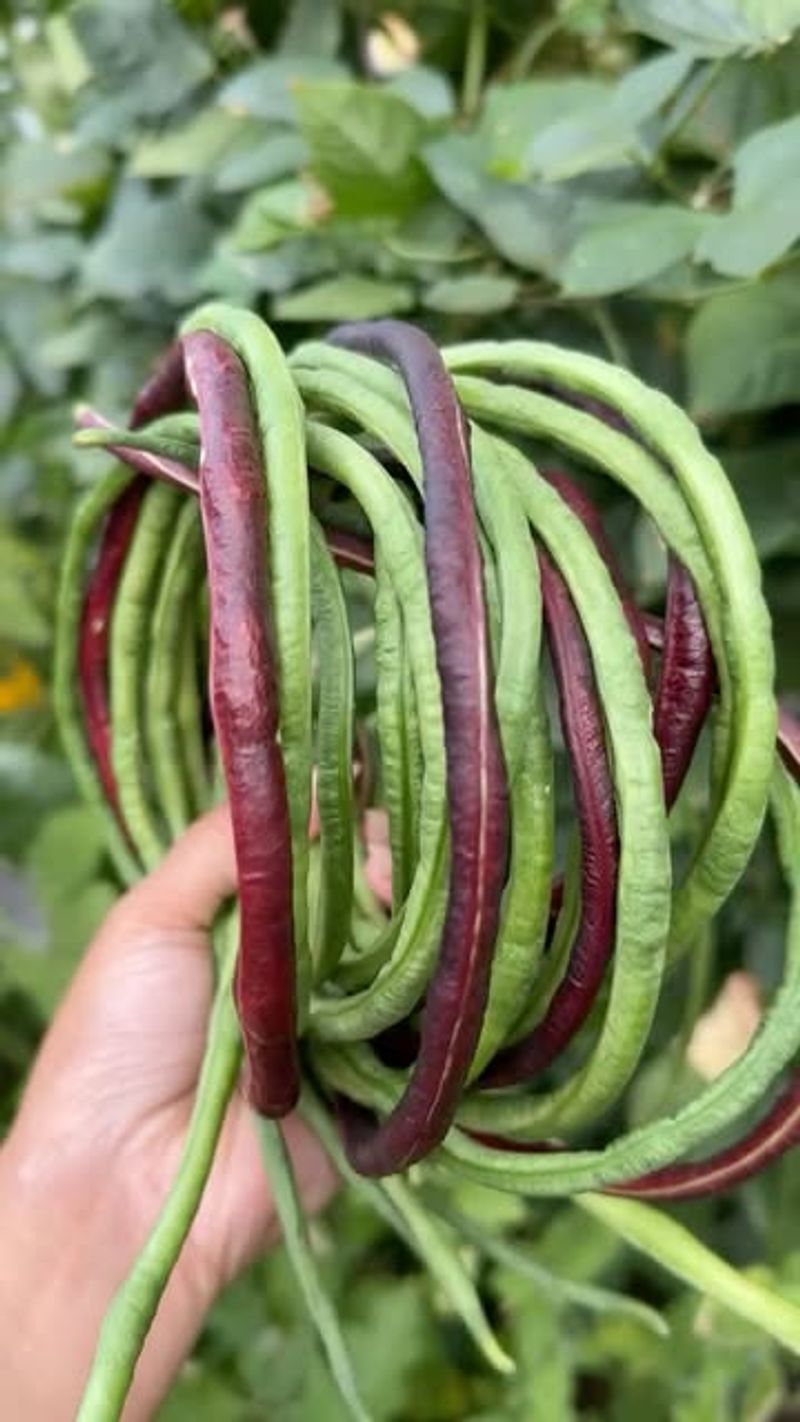
There is something almost magical about watching yardlong beans grow during Arizona spring. These climbing vines can produce beans that stretch up to three feet long, and they do it quickly once warm temperatures arrive.
Originating from Southeast Asia, yardlong beans are built for tropical heat, which translates beautifully to Arizona spring and early summer conditions.
Unlike regular green beans, which slow down and stop producing when heat gets intense, yardlong beans actually speed up as temperatures climb. They need a trellis, fence, or other vertical support because the vines can reach six to eight feet tall with ease.
Plant seeds directly in the garden after the last frost, spacing them about six inches apart at the base of your support structure. Full sun and well-drained soil are the two most important factors for a strong harvest.
Yardlong beans are relatively drought tolerant once established, but consistent watering during flowering helps maximize pod production. Beans are best harvested when pods are about 12 to 18 inches long and still slender and tender.
Waiting too long results in tougher, chewier pods that are less pleasant to eat. The flavor is similar to green beans but slightly nuttier and more savory, making them a fantastic addition to stir-fries and soups.
For Arizona gardeners who want a fast-growing, heat-loving crop that keeps delivering all spring, yardlong beans are an outstanding choice that rarely disappoints.
8. Tomatillo Handles Warm Conditions And Keeps Producing
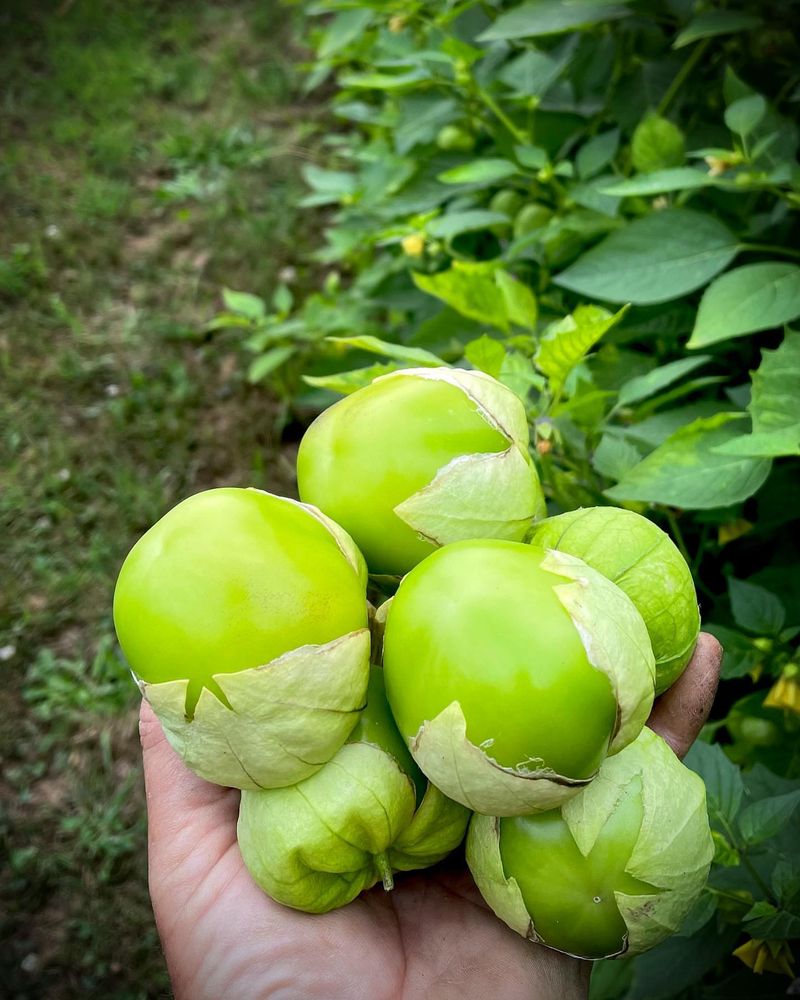
Tomatillos have been a staple of Mexican and Southwestern cooking for centuries, and it turns out they are also one of the best-performing vegetables you can grow in an Arizona spring garden.
These bushy, productive plants are closely related to tomatoes but handle heat much more gracefully, continuing to flower and fruit even as temperatures push into the high 90s.
Each tomatillo fruit grows inside a papery husk that peels back to reveal a firm, slightly sticky green fruit with a bright, tangy flavor.
That unique flavor is the backbone of green salsa and countless other Southwestern dishes, which makes tomatillos a rewarding crop for home cooks across Arizona.
Plant transplants in the garden after the last frost, spacing plants about two to three feet apart because they spread out significantly as they grow.
Tomatillos are self-incompatible, meaning you need at least two plants nearby for cross-pollination and fruit production. This is an easy fix, and most gardeners plant three or four to make sure pollination happens reliably.
Once fruit production begins, tomatillos are remarkably consistent and keep setting new fruit even through warm spring afternoons. Harvest when the husk begins to split open and the fruit feels firm inside.
With good watering and a bit of fertilizer every few weeks, tomatillo plants in Arizona can stay productive from spring all the way through the early monsoon season.