The Best Pennsylvania Flowers That Repel Garden Pests Naturally
Garden pests have a way of showing up right when your plants are looking their absolute best, and the timing never feels like a coincidence.
One week your garden is thriving, and the next you’re spotting chewed leaves, damaged stems, and the kind of pest activity that makes you want to reach for the nearest spray bottle without stopping to think about what’s actually in it.
Pennsylvania gardeners deal with a solid lineup of common pests throughout the growing season, and chemical solutions work, but they come with tradeoffs that a lot of people are increasingly uncomfortable with, particularly in gardens where kids, pets, and beneficial insects are part of the picture.
What doesn’t get nearly enough attention is that certain flowers naturally produce compounds and scents that specific pests want absolutely nothing to do with.
Plant the right ones strategically and your garden starts defending itself, which is honestly one of the smarter approaches to pest management that Pennsylvania gardeners can take.
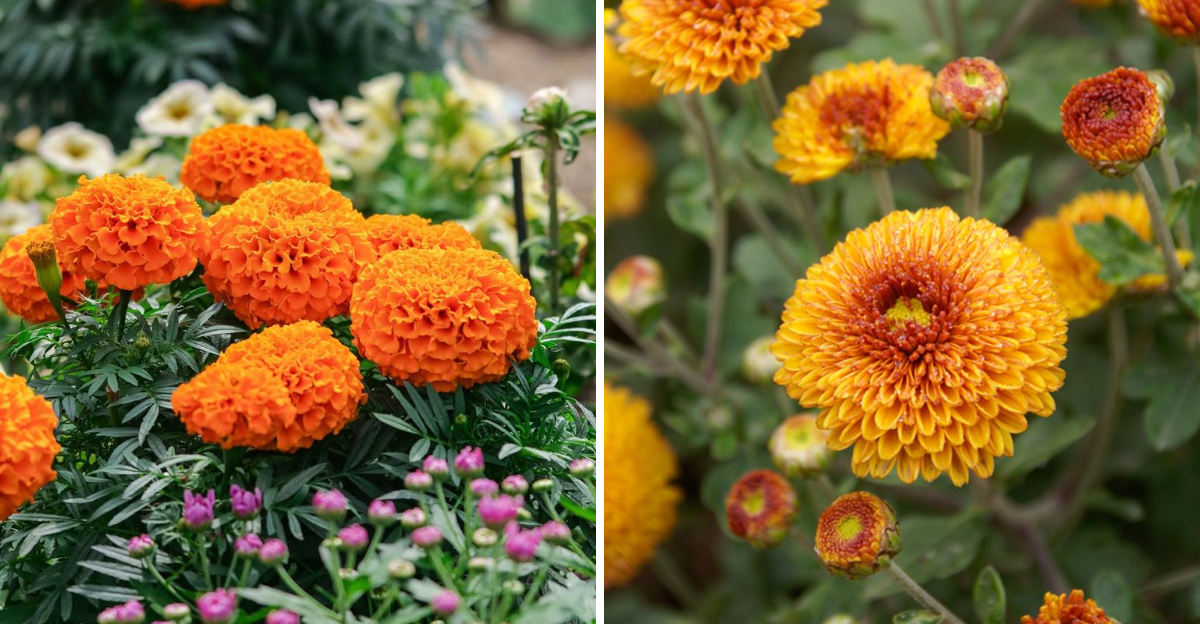
1. Marigolds
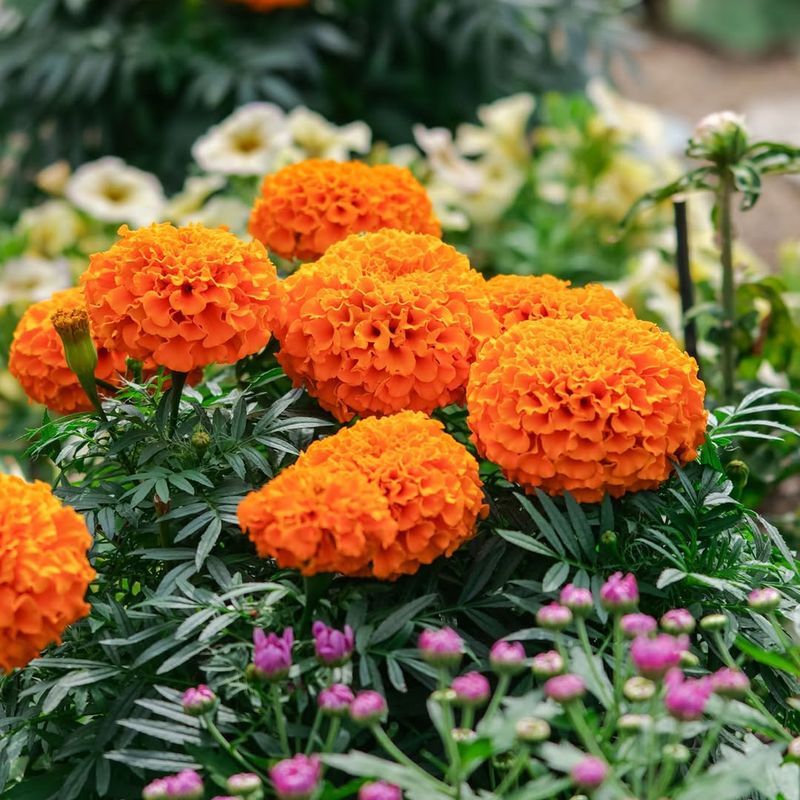
Walk through almost any Pennsylvania garden center in spring, and you will spot marigolds front and center. That is no accident.
Gardeners have trusted these bold, cheerful flowers for generations, and for good reason. Their strong, slightly spicy scent is one of the most effective natural pest deterrents you can plant.
Marigolds release a chemical from their roots that is known to discourage certain soil-dwelling nematodes. These tiny pests can quietly damage the roots of your vegetables before you even notice a problem.
Planting marigolds as a border around tomatoes, peppers, and squash creates a natural barrier that helps keep those root pests at bay.
Above the soil, their scent is known to push back aphids and whiteflies. Aphids are a common headache for Pennsylvania gardeners, especially during warm, humid summers. Placing marigolds near your vegetable beds gives those pests a reason to look elsewhere.
French marigolds (Tagetes patula) tend to be the most popular choice for pest control because they produce the strongest scent. They grow well across Pennsylvania in full sun and are not picky about soil, making them a fantastic low-maintenance option.
African marigolds are another great pick if you want taller, showier blooms. Plant marigolds in early May after the last frost passes. Keep them watered and deadhead spent blooms regularly to encourage continuous flowering throughout the season.
With very little effort, these vibrant flowers will work hard all summer long protecting your Pennsylvania garden.
2. Nasturtiums
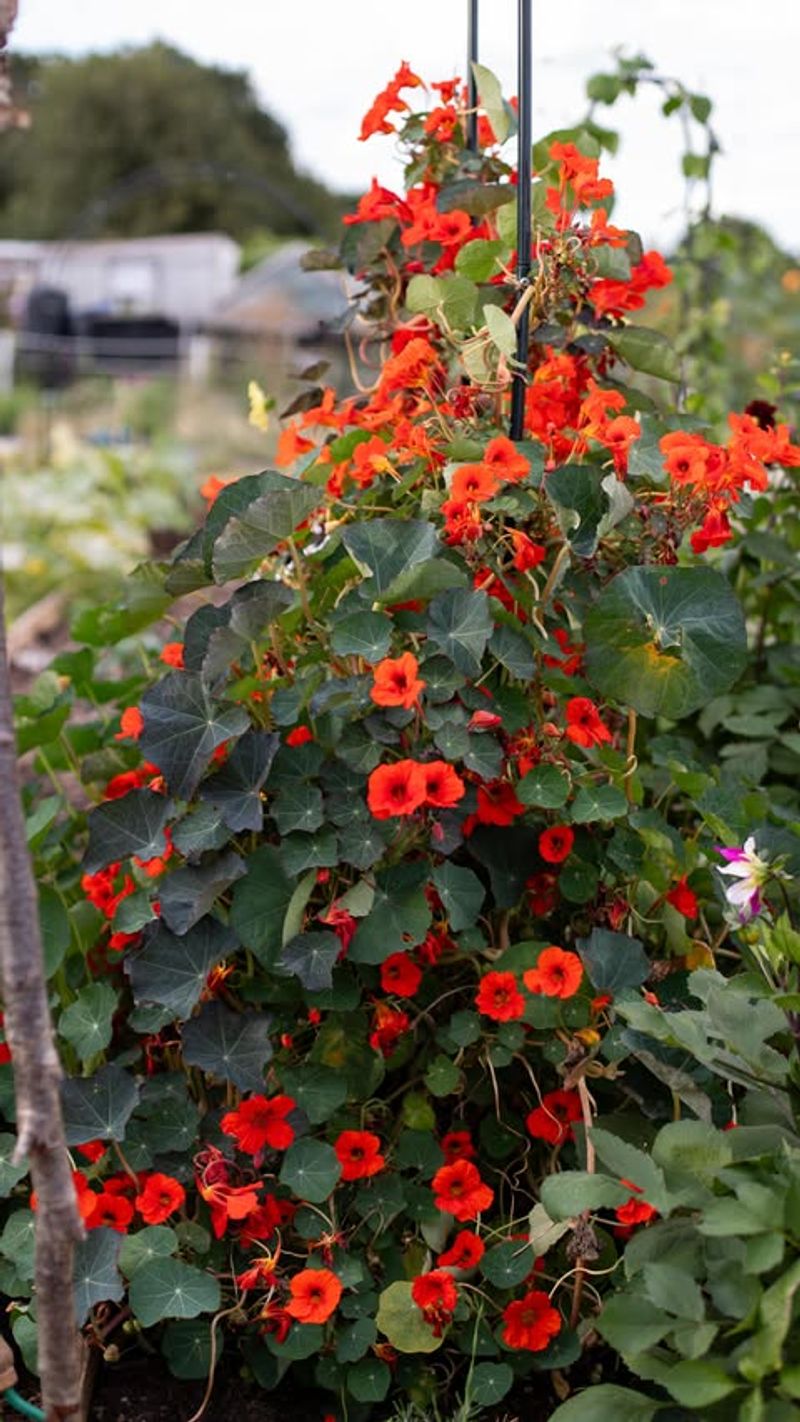
Nasturtiums are the clever tricksters of the Pennsylvania garden world. Instead of just repelling pests, they do something even smarter.
They act as a trap crop, luring aphids and other insects away from your prized vegetables and onto themselves instead. Think of nasturtiums as a decoy. Aphids absolutely love them.
When you plant nasturtiums near your squash, cucumbers, or broccoli, the aphids flock to the nasturtiums first. This gives you a chance to remove the infested plants or simply let natural predators like ladybugs handle the job.
Beyond aphids, nasturtiums are also known to help deter squash bugs and beetles. Squash bugs can be a serious problem in Pennsylvania gardens, especially in the warmer counties during July and August.
Your Pennsylvania Garden Changes Every Week. Your Plan Should Too.
Gardening in Pennsylvania changes quickly throughout the season. Every Friday you’ll receive a simple weekly plan showing exactly what to plant, prune, fertilize, harvest, and protect so you never miss the right timing.
Having nasturtiums nearby gives your squash plants a fighting chance. One of the best things about nasturtiums is how easy they are to grow. Direct sow the seeds right into the ground after your last frost date.
They prefer a bit of neglect, actually thriving in poor soil with minimal fertilizer. Too much nitrogen makes them produce more leaves than flowers, so hold back on the plant food.
Nasturtium flowers and leaves are also completely edible, adding a peppery kick to salads and garnishes.
Pennsylvania gardeners love that this plant pulls double duty as both a pest manager and a kitchen ingredient. Few plants offer that kind of all-around value in one cheerful package.
3. Lavender
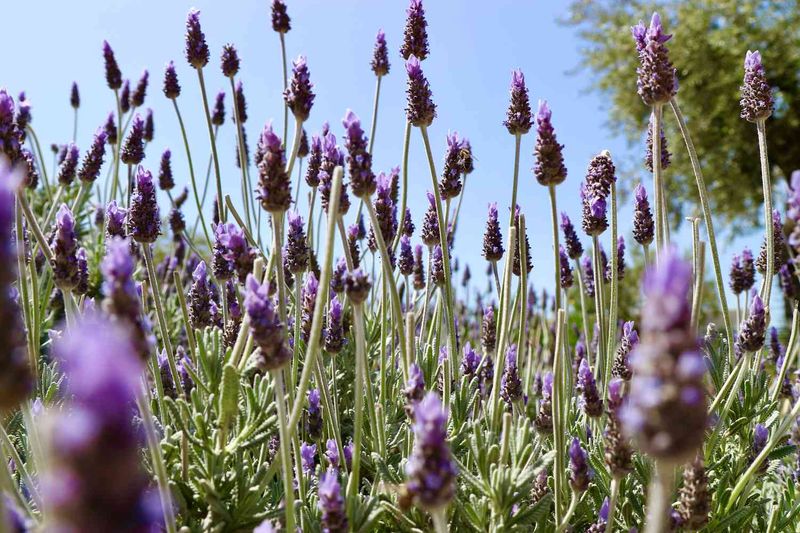
There is something almost magical about the scent of lavender drifting across a Pennsylvania garden on a warm summer afternoon. Humans love it.
Most garden pests absolutely do not. That sharp, sweet fragrance that makes lavender candles and sachets so popular is exactly what sends moths, fleas, and certain flying insects heading in the other direction.
Lavender contains linalool and linalyl acetate, two natural compounds responsible for its famous scent. These compounds are naturally off-putting to many insects, including mosquitoes and gnats.
Planting lavender near your patio or garden entrance can help reduce the number of flying insects buzzing around during those warm Pennsylvania evenings.
Growing lavender successfully in Pennsylvania does require a little planning. It loves full sun and well-drained soil, which means raised beds or sloped areas work especially well.
Pennsylvania’s clay-heavy soils can hold too much moisture for lavender, so amending with sand or gravel before planting is a smart move.
English lavender (Lavandula angustifolia) is the hardiest variety for Pennsylvania’s cold winters. It can handle temperatures well below freezing as long as it is not sitting in waterlogged soil.
Plant it along pathways, near doorways, or as a border plant to maximize its pest-deterring reach.
Harvest the flower spikes before they fully open for the strongest scent. Dried lavender bundles placed in closets or garden sheds can also help keep moths and insects away indoors.
This plant is a true all-season workhorse for Pennsylvania gardeners who want beauty and function rolled into one.
4. Calendula
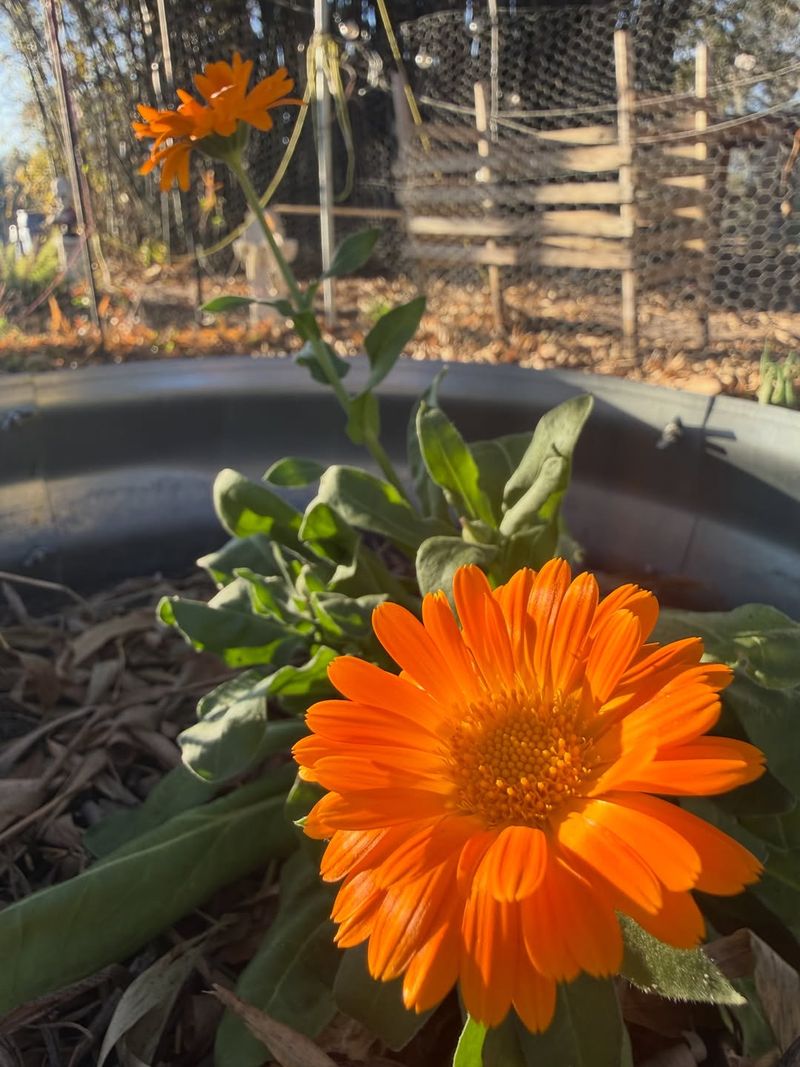
Calendula has been growing in Pennsylvania gardens for centuries, and it has earned every bit of its loyal following. Also called pot marigold, this cheerful orange and yellow bloomer does something really clever in the garden.
It works two jobs at once, attracting the good bugs while making life uncomfortable for the bad ones.
Beneficial insects like hoverflies and parasitic wasps are drawn to calendula’s bright, open blooms. These helpful insects feed on or parasitize common garden pests like aphids, caterpillars, and whiteflies.
By planting calendula near your vegetable beds, you are essentially inviting a natural pest control army into your Pennsylvania garden.
At the same time, calendula is known to discourage certain pests like asparagus beetles and tomato hornworm moths. The sticky resin on its stems can trap small insects, and its scent is believed to confuse and deter others.
It is not a silver bullet, but as part of a diverse planting strategy, it adds real value. Calendula thrives in Pennsylvania’s cooler spring and fall temperatures. It actually prefers not to be in the hottest part of summer, which makes it perfect for early-season planting.
Start seeds indoors in late February or direct sow outdoors in early April for blooms by late spring.
Regular deadheading keeps calendula producing fresh flowers all the way into October in many parts of Pennsylvania. The petals are also edible and make a colorful addition to salads and soups.
Growing calendula is one of the easiest and most rewarding choices a Pennsylvania gardener can make.
5. Bee Balm
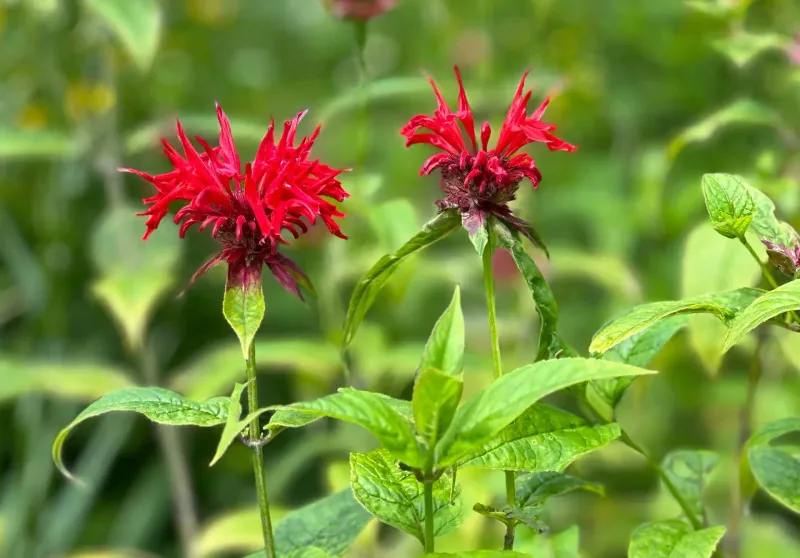
If you want a flower that truly belongs in Pennsylvania, bee balm is it. This striking native plant has been growing wild in Pennsylvania’s woodlands and meadows long before anyone thought to put it in a garden bed.
Its bold red, pink, or purple flowers are impossible to miss, and its strong herbal scent is what makes it so useful for pest management.
Bee balm belongs to the mint family, and like its relatives, it produces a powerful aromatic oil. That scent is believed to confuse and deter certain flying insects and gnats.
Some Pennsylvania gardeners also report fewer mosquitoes near areas where bee balm grows in large clumps, though results can vary depending on the season.
While it pushes some pests away, bee balm rolls out the welcome mat for pollinators. Hummingbirds, bumblebees, and butterflies flock to its tubular flowers from June through August.
A healthy pollinator population in your Pennsylvania garden means better fruit set on your vegetables and a more balanced overall ecosystem.
Bee balm spreads through underground rhizomes, so give it room to grow. It does best in moist, well-drained soil and can handle partial shade, which is great news for Pennsylvania gardeners dealing with tree cover.
Divide the clumps every few years to keep the plants vigorous and to prevent overcrowding.
Watch for powdery mildew on the leaves during humid Pennsylvania summers. Planting in areas with good airflow and choosing mildew-resistant varieties like Raspberry Wine or Jacob Cline will help keep the foliage looking healthy all season long.
6. Chrysanthemums
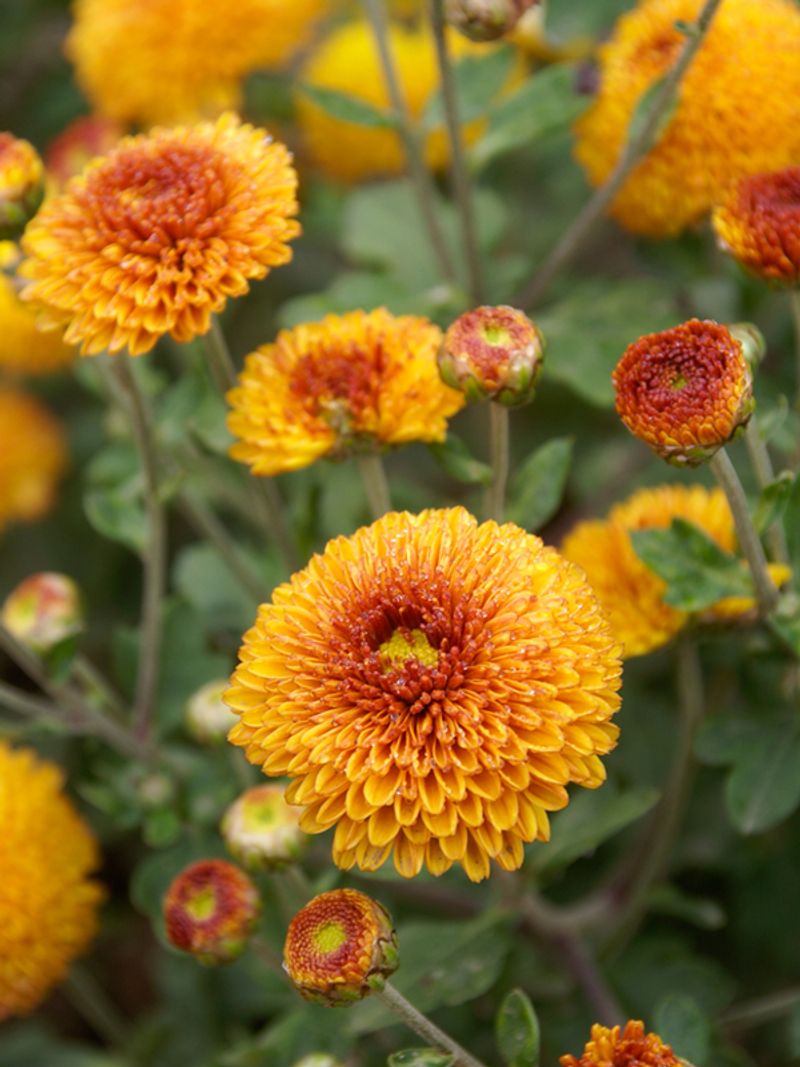
Did you know that one of the most powerful natural insect-control substances in the world comes from a common garden flower? Chrysanthemums, or mums as most Pennsylvania gardeners call them, contain natural compounds called pyrethrins.
These chemicals are so effective at affecting insects that they are used as the base ingredient in many commercial insect sprays.
Pyrethrins work by attacking the nervous systems of insects on contact. The good news for gardeners is that when pyrethrins come from the living plant rather than a spray bottle, they act as a deterrent rather than an aggressive treatment.
Pests tend to avoid plants growing near chrysanthemums because the scent signals danger. Chrysanthemums are particularly associated with repelling roaches, ants, ticks, silverfish, and Japanese beetles.
For Pennsylvania gardeners dealing with Japanese beetle pressure, which is a significant issue across much of the state, planting mums near roses or fruit trees can be a helpful part of your strategy.
Fall is when chrysanthemums truly shine in Pennsylvania. Garden centers across the state fill up with potted mums every September, and they are one of the most recognizable symbols of autumn here.
But do not wait until fall to use them for pest control. Plant them in spring to get a full season of protection before the fall bloom show begins.
Choose garden mums rather than florist mums if you want them to come back each year. Hardy varieties can survive Pennsylvania winters when planted in the ground with a layer of mulch for insulation. They are a long-term investment that keeps on giving season after season.
7. Petunias
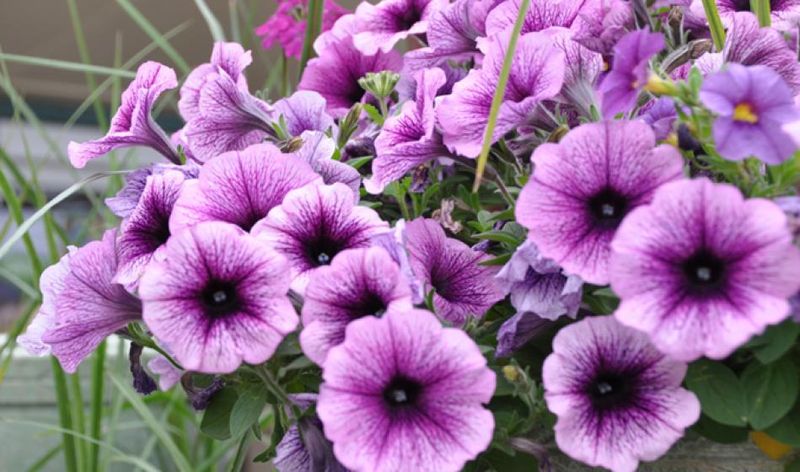
Petunias might look like they belong on a porch railing or in a hanging basket, but they are actually one of the hardest-working pest deterrents you can plant in a Pennsylvania vegetable garden. These colorful, velvety flowers have a quiet power that many gardeners overlook entirely.
Petunias are known to help deter aphids, tomato hornworms, and leafhoppers. Tomato hornworms are a particularly frustrating pest for Pennsylvania gardeners growing tomatoes.
These large green caterpillars can strip a plant almost overnight. Planting petunias as a border around your tomato beds is a simple, affordable way to add an extra layer of protection.
The secret lies in the slightly sticky, hairy texture of petunia stems and leaves. Small insects can get trapped on the plant’s surface, which naturally reduces the number of pests that make it to your vegetables.
The scent of petunias also plays a role in masking the smell of nearby crops that pests are searching for.
Petunias love full sun and warm temperatures, which makes them a perfect fit for Pennsylvania summers from June through September.
They are incredibly easy to find at any garden center across the state and are available in dozens of colors to brighten up any planting scheme.
Water petunias at the base rather than overhead to avoid fungal issues during Pennsylvania’s humid summer months. Pinch back leggy stems mid-season to encourage bushier growth and more blooms.
With a little regular care, petunias will keep both your garden looking gorgeous and your pest pressure noticeably lower all summer long.