The Venomous Predator Minnesota Keeps On Its Endangered List Despite No Recent Sightings
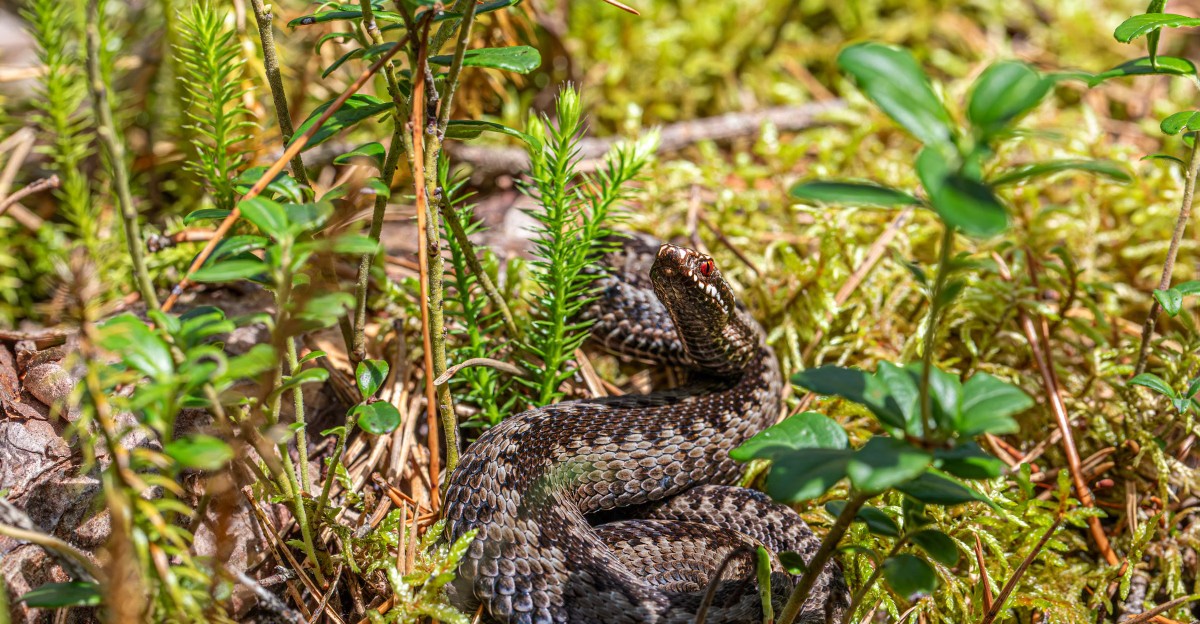
One of Minnesota’s most protected predators may not live here anymore. Biologists searched for it in the early 1990s and came up empty. It remains on the endangered list anyway.
This little hunter carries venom, a rattle, and cat-like pupils. It is smaller than most people expect, too.
It prefers soggy river bottoms over rocky bluffs. Old records place it in the southeast corner of Minnesota, close to the Mississippi.
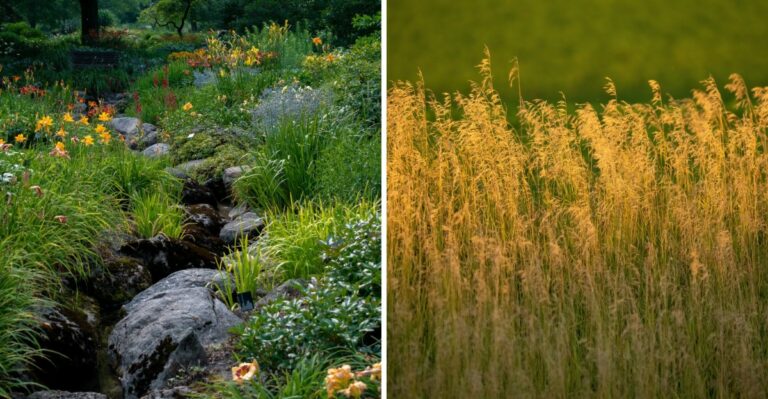
I spend a lot of time poking around the wet edges of my garden. I find garter snakes, frogs, and the occasional startled vole.
Honestly, I am surprised how much a missing animal still shapes the rules for land you and I share.
So why keep a ghost on the books? The answer says a lot about how wild places recover. It also hints at what might still be hiding in the reeds along the river.
A Shy Swamp Rattler Hasn’t Been Confirmed Here in Decades
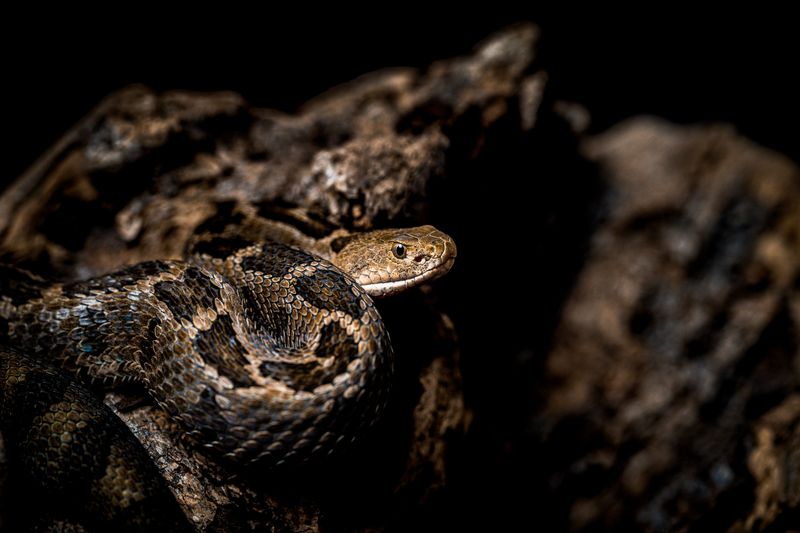
Old museum records hold most of what we know about this snake. The eastern massasauga, a small pit viper nicknamed the swamp rattler, was documented in only a few southeastern Minnesota counties.
Most records come from the Mississippi River floodplain near Wabasha and Winona Counties.
Those records are old, and a few are debated. Some experts suspect certain specimens were actually collected across the river in Wisconsin. That makes the snake’s true history here a little fuzzy.
Targeted surveys in the early 1990s searched likely habitat and found no massasaugas. Since then, no confirmed sighting has turned up on this side of the river.
The state Department of Natural Resources now describes the species as possibly extirpated.
Extirpated is a handy word to know. It means a species is gone from one area while still surviving somewhere else. Massasaugas still live in parts of Wisconsin, Michigan, Illinois, and other Great Lakes states.
I find this kind of mystery oddly comforting. Snakes are secretive, and wetlands are big, messy places that hide plenty.
A missing record is not the same as proof, which is exactly why biologists stay careful with their wording.
Why the Massasauga Rattlesnake Still Holds Its Endangered Spot
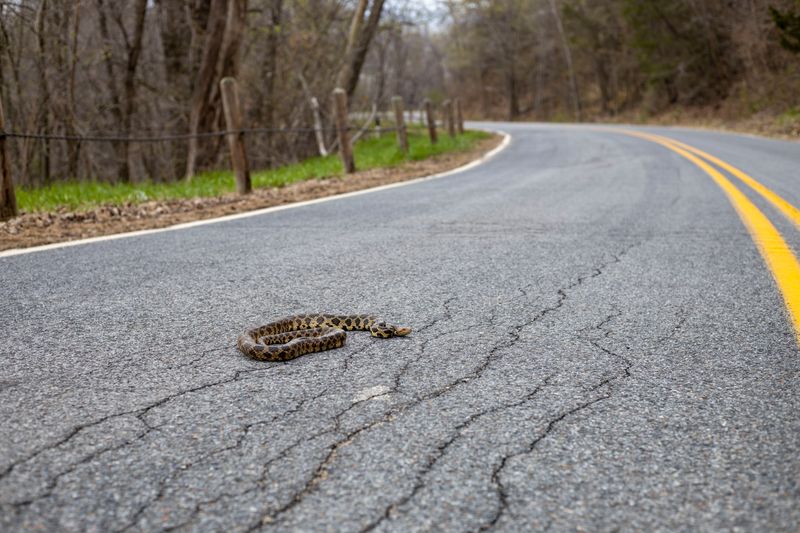
Paperwork moves slower than snakes, and that is on purpose. The massasauga is listed as endangered in Minnesota, and it remains listed because nobody can prove every last one is gone.
It stays listed because nobody can prove every last one is gone. Keeping a species on the list costs very little. Removing it, on the other hand, could leave a hidden population with no protection if one ever turns up.
Biologists would rather be cautious than sorry. Federal rules add another layer. In 2016, the U.S.
Fish and Wildlife Service listed the eastern massasauga as threatened under the Endangered Species Act. That status covers the snake across its whole range, wherever it is found.
Listing also keeps attention on the habitat itself. Floodplain marshes and wet prairies support dozens of rare plants, birds, and amphibians. Protecting one missing rattler helps shield those places, too.
Think of the listing like leaving a porch light on for a friend who moved away. It does not promise a return visit. It simply makes sure the door is ready if one happens.
So the snake’s status is not a mistake or an oversight. It is a deliberate choice backed by caution, science, and a little hope.
Wisconsin River Bottoms Keep the Rattler’s Story Alive
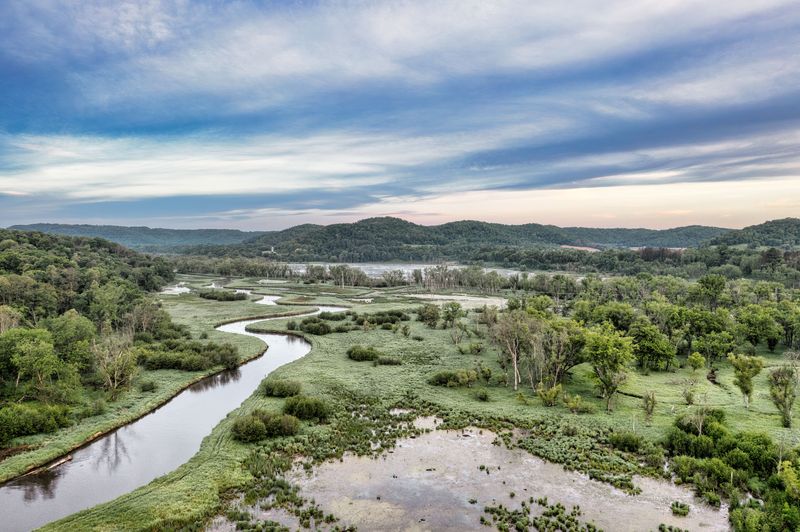
Stand on a bluff near Wabasha and look east. Across the water lies Wisconsin, where small massasauga populations still hang on in river bottom wetlands, including areas along the Chippewa and Black Rivers.
That nearby presence matters a lot. Rivers do not stop snakes, and floodplain habitat once stretched across both shores. Historic massasaugas on the western side were likely part of the same broad population.
Wisconsin lists the species as endangered, too. Biologists there track known sites, protect hibernation areas, and manage wet meadows with careful burning and brush control.
Their work gives the whole region a source population to watch. Could a snake wander across someday? It is possible, though unlikely.
Massasaugas tend to stay close to home, often moving less than a mile or so during an active season.
I love how this flips the usual story. Instead of a dramatic rediscovery, the real hope rests on slow habitat recovery along connected river corridors. Healthy marshes on both banks raise the odds.
For now, Wisconsin holds the closest living link to this snake’s past. Keeping that link strong is one quiet reason the western listing still makes sense.
Telling a Massasauga From the Harmless Snakes in Your Garden
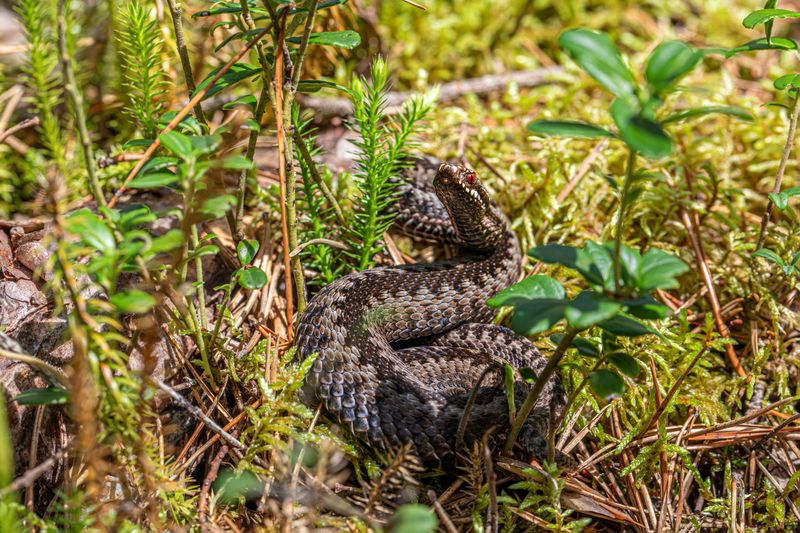
Most snake scares in the garden end with a very harmless culprit. Fox snakes, bullsnakes, and milk snakes all rattle their tails against dry leaves when nervous. That buzzing sound fools plenty of people every summer.
A real massasauga has a few clear clues. It is thick for its size, usually 18 to 30 inches long, with a gray-brown body and dark brown blotches down the back.
Look for a broad triangular head, vertical pupils, and a true segmented rattle on the tail tip. Fox snakes look similar at a glance, with yellowish bodies and brown blotches. Their tails taper to a plain point, and their pupils are round.
They are also much larger, often reaching four or five feet. Here is my rule in the garden. If I am not sure, I step back, snap a photo from a safe distance, and let the snake move along.
That habit keeps both of us comfortable. You can share clear photos with the state DNR or a local naturalist group for help. A verified massasauga report would be big news. Good identification helps experts sort real sightings from honest mix-ups.
Drained Marshes and Plowed Prairies Pushed the Swamp Rattler Out
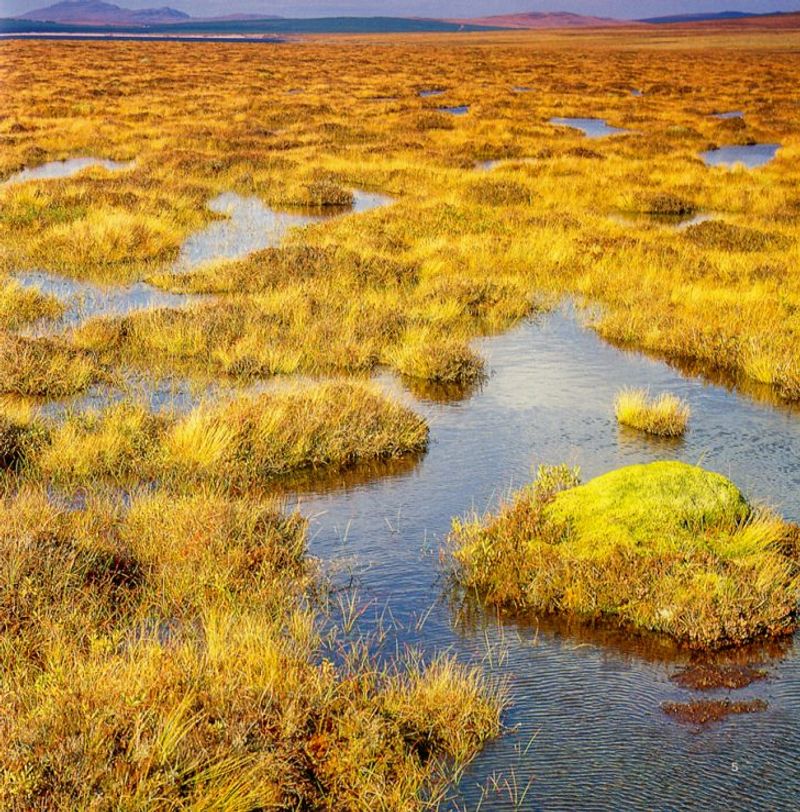
A century of shovels and tile lines changed this snake’s world. Massasaugas rely on wet meadows, marshes, and bogs, plus nearby drier ground for summer basking. Much of that patchwork disappeared as land was drained for farming and towns.
Habitat loss was only part of the problem. Roads sliced through what remained, and slow snakes crossing pavement rarely fare well. Small, isolated groups also struggle to find mates and recover from bad years.
People played a direct role, too. Rattlesnakes were widely feared and persecuted, and bounties once encouraged removing them on sight. A shy species with low numbers simply could not absorb that pressure.
Trees and brush add another quiet threat. Without fire or grazing, open sedge meadows fill in with shrubs and shade. Massasaugas need sunny spots to warm up, so a shady marsh slowly becomes unusable.
Their biology makes recovery tricky. Females often give birth only every other year or so, to a modest litter of live young.
Populations rebound slowly even when conditions improve. Knowing these causes helps explain why habitat protection, not just snake protection, sits at the heart of recovery efforts.
The Timber Rattlesnake on Southeast Bluffs Is the One You Might Meet
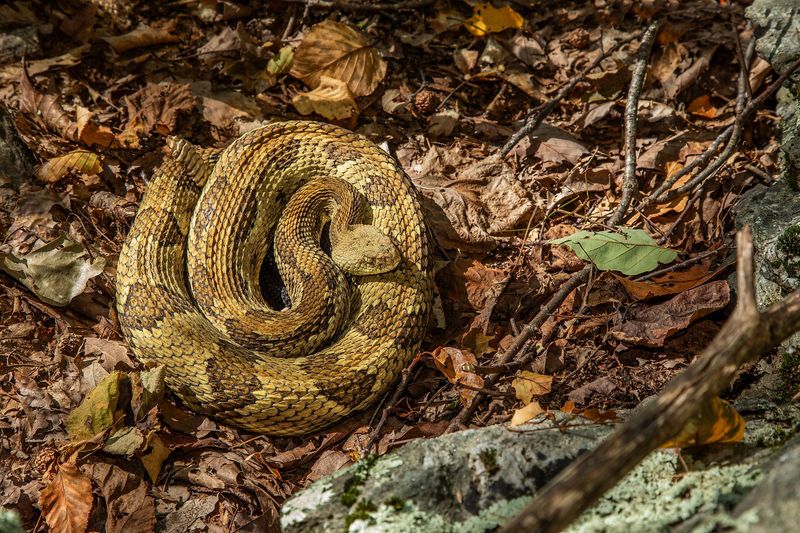
Plot twist, the state does have a living rattlesnake. The timber rattlesnake still survives on sunny bluff prairies and rocky slopes in the far southeast, especially in the Driftless Area.
It is listed as threatened, not endangered. Timber rattlers look quite different from massasaugas. They are larger, often three to four feet long, with dark chevron bands across a yellow, tan, or gray body.
Their tails are usually solid black right before the rattle. Habitat separates them, too. Timbers favor dry, rocky bluffs and wooded hillsides, while massasaugas chose wet lowlands.
Seeing a rattlesnake on a limestone ledge almost certainly means a timber, not its missing cousin. Bites are rare and usually happen when someone handles or steps on a snake. Watch your footing on bluff trails, keep pets leashed, and give any rattler plenty of room.
If a bite happens, stay calm and get to a hospital right away. Like all native snakes, timber rattlers are protected by law. Harming or collecting them is illegal. Enjoy them from a respectful distance, and count yourself lucky for the glimpse.
Wet Meadows and Native Plantings Help Every Snake Species
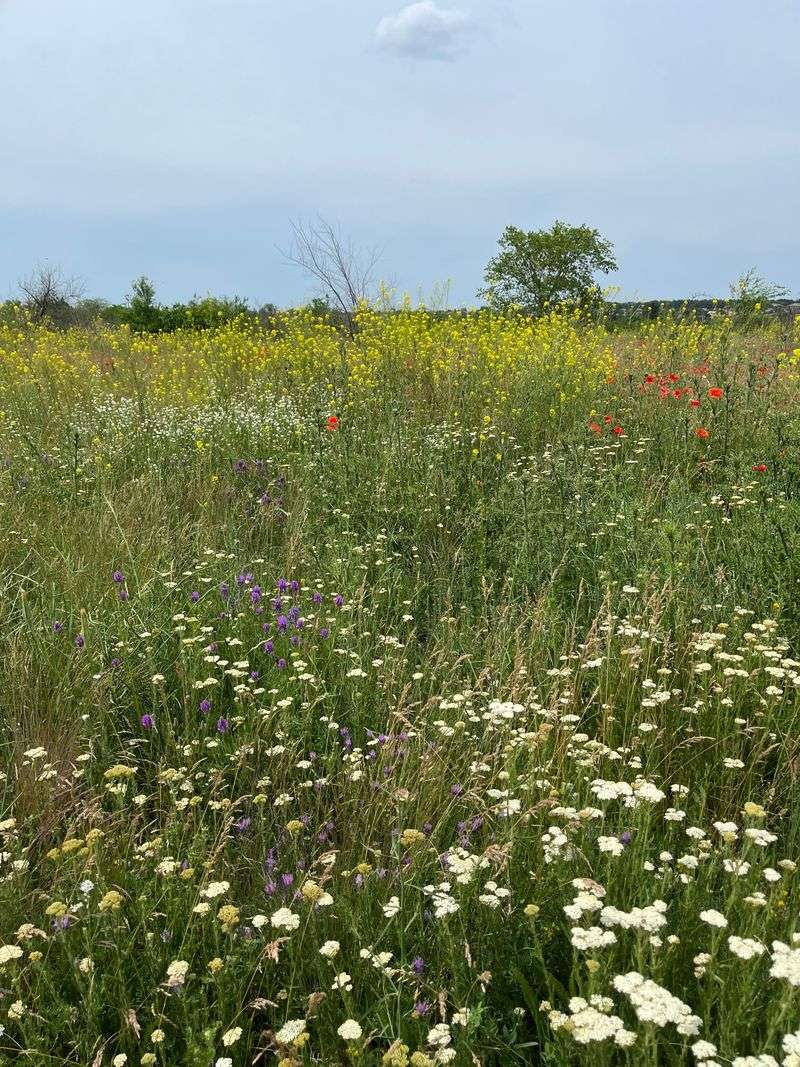
You may not host a massasauga, but your yard can still pitch in. Native plantings and soggy spots support the same web of life these rattlers once needed. Garter snakes, frogs, and pollinators will happily move in first.
Start with a rain garden in a low area. Sedges, blue flag iris, swamp milkweed, and Joe-Pye weed handle wet feet and feed insects all season.
Skip invasive plants like purple loosestrife and reed canary grass, which choke wetlands fast.
Leave a few sunny basking rocks and a brush pile near the edge. Snakes use them for warming up and hiding. Mow tall grass edges high, and check before you mow to avoid surprises.
Bigger impact comes from community action. Volunteer with wetland restoration groups, support land trusts, and back local efforts to protect river floodplains.
Every restored acre adds habitat connection. Finally, report anything unusual. A clear photo of a suspected rattlesnake sent to the DNR helps biologists track wildlife accurately.
My takeaway is simple. Protecting wet places today keeps hope alive for every shy creature, including one we have not seen in a very long time.