The Warm-Season Vegetables Florida Gardeners Must Plant Before April
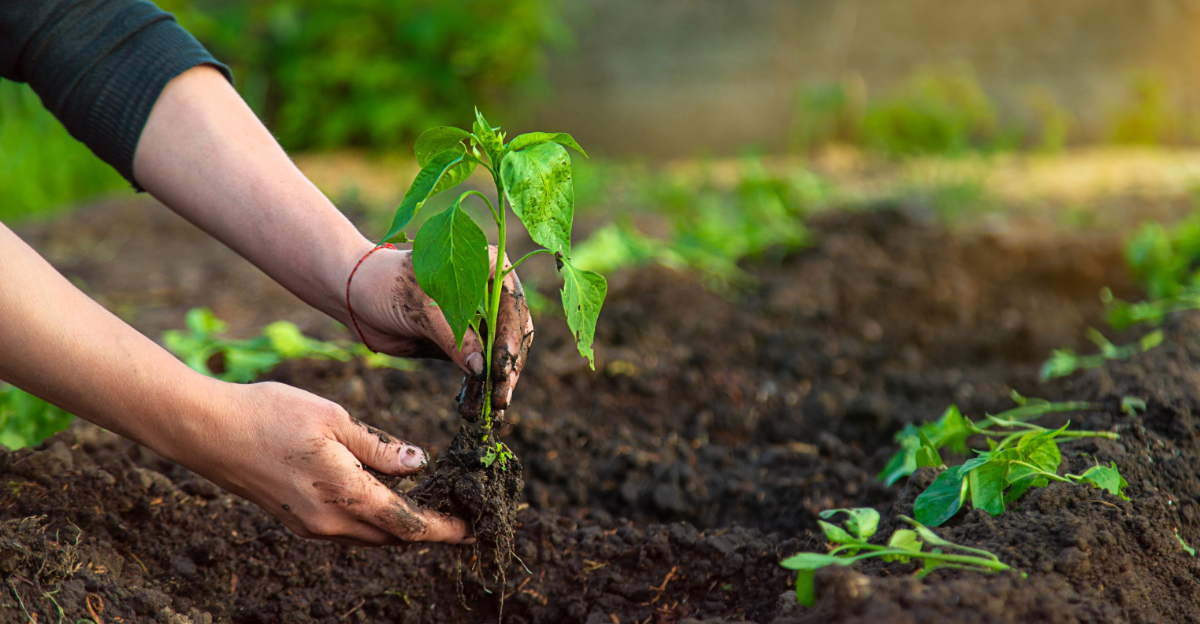
If you’ve been tending a Florida garden for a few seasons, you know how quickly the weather changes. One week it’s mild and manageable, and the next, the sun is blazing, and your garden needs attention.
For vegetable gardeners, timing is everything – plant too late, and you risk stunted growth or low yields.
Warm-season vegetables respond best to the heat and long days of spring. By planting the right crops before April, you give them a strong start, ensuring that your family can enjoy fresh, homegrown produce throughout the season.
There’s a targeted list of vegetables that thrive when planted now, along with a simple planting strategy to get them off to the best start. Following it lets you make the most of Florida’s spring growing window.
1. Beans Growing Strong And Adding Fresh Flavor
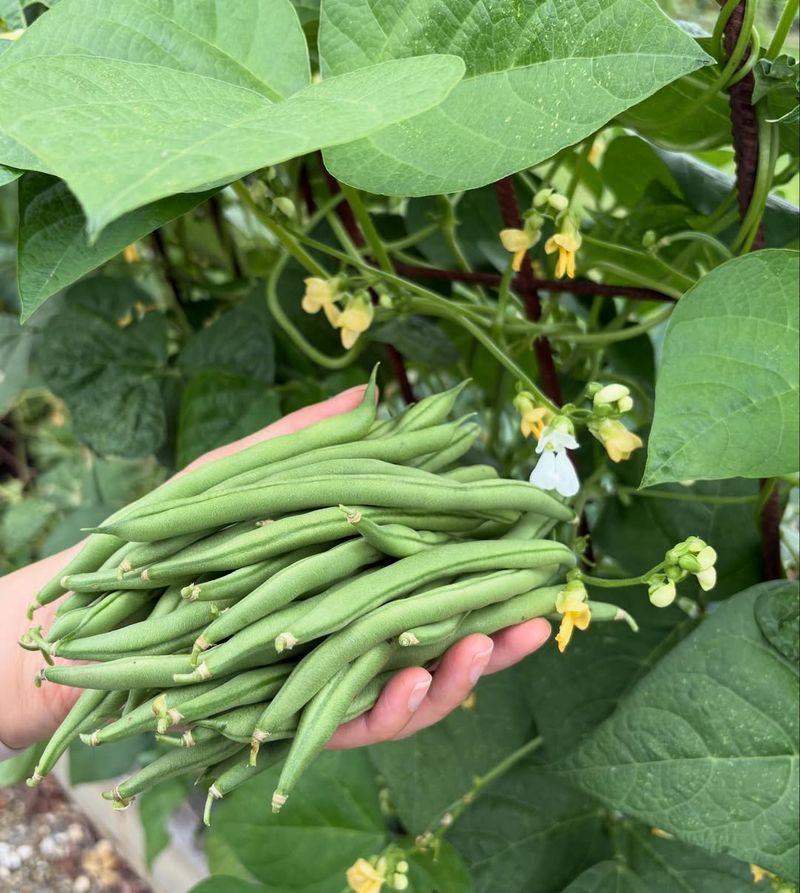
Few vegetables reward Florida gardeners with as little fuss as beans. Bush beans and pole beans both thrive in Florida’s warm soil, and right now is the perfect window to sow them directly outdoors.
The warming ground temperatures encourage fast germination, often within just five to seven days.
Bush beans are a great choice for smaller garden spaces because they grow low and compact without needing any support. Pole beans, on the other hand, climb trellises and fences beautifully, making them a smart pick if you want to save ground space in your Florida garden.
Either way, you will be harvesting fresh pods in about 50 to 60 days.
Plant beans in a sunny spot with well-drained soil, and water consistently to keep the ground moist but not soggy. Avoid over-fertilizing with nitrogen, since beans naturally fix their own nitrogen from the air.
Spacing seeds about four to six inches apart gives each plant enough room to spread out and produce well. Harvesting beans regularly when pods are young and tender actually encourages the plant to keep producing more, so check your plants every couple of days once they start flowering.
2. Sweet Corn Reaching Tall With Golden Ears
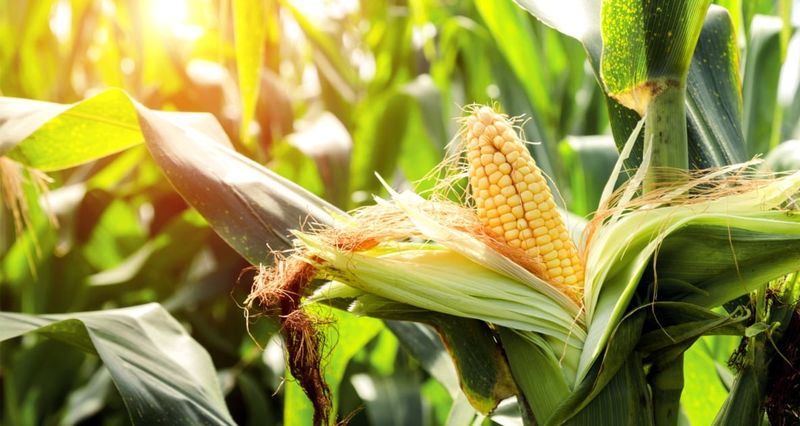
Growing sweet corn in Florida feels like a true gardening achievement. There is something undeniably satisfying about pulling back a husk to reveal rows of plump, sweet kernels you grew yourself.
Florida’s warm climate is well-suited for corn, but timing matters more than almost anything else with this crop.
Planting sweet corn before April in Florida can help the stalks establish before the rainy season increases moisture and pest challenges. Corn needs at least six to eight hours of direct sunlight every day, so choose the sunniest spot in your yard.
Plant seeds one inch deep and about nine to twelve inches apart in blocks rather than single rows, since corn is wind-pollinated and needs neighboring plants nearby to produce full ears.
Florida gardeners should look for varieties labeled as adapted to the South, such as Silver Queen or Florida Staysweet, which handle heat and humidity better than northern varieties. Keep the soil consistently moist, especially once the plants start forming tassels and silks.
Adding a layer of mulch around the base of your corn plants helps retain soil moisture and keeps weeds from competing for nutrients. Expect to harvest roughly 70 to 90 days after planting, depending on the variety you choose.
3. Cucumbers Spreading Vines And Crisp Goodness
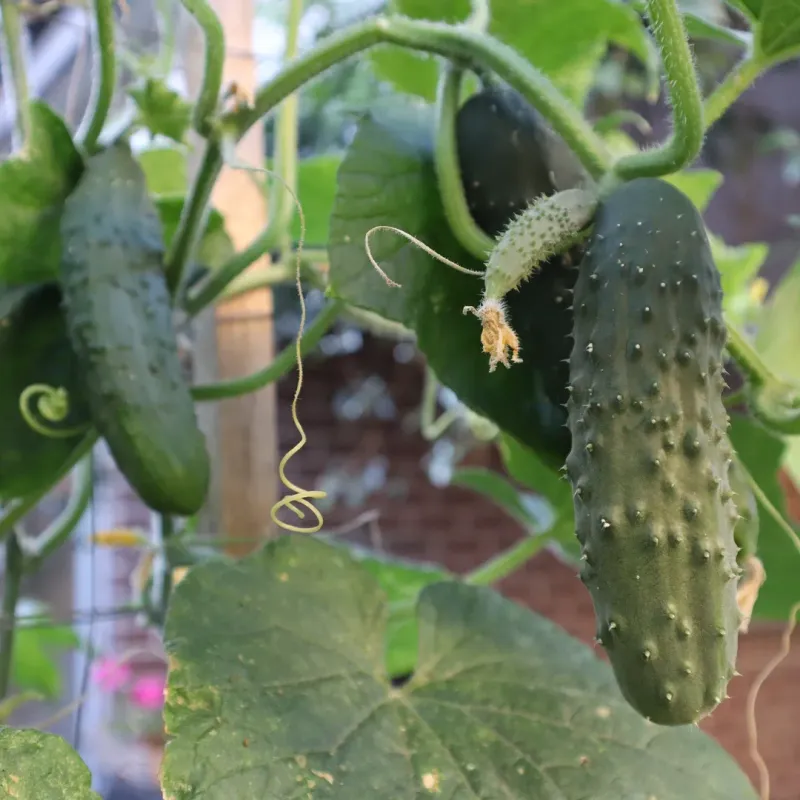
Crisp, cool cucumbers might seem like an odd fit for Florida’s heat, but they actually love the warm temperatures that come with early spring planting. Getting cucumbers in the ground before April gives Florida gardeners a solid harvest window before the summer humidity and heat become overwhelming for the vines.
Cucumbers grow fast, sometimes producing harvestable fruit in as few as 50 days from planting. Direct sow seeds about one inch deep in rows or hills, spacing plants roughly 12 inches apart.
Training your cucumber vines up a trellis or wire cage not only saves garden space but also improves air circulation, which helps prevent the fungal diseases that Florida’s humid climate can encourage.
Water cucumbers deeply and consistently, aiming for about one inch of water per week. Mulching around the base of each plant keeps roots cool and reduces moisture loss from the soil.
Florida gardeners should watch for cucumber beetles, which are common pests in the state and can spread disease among plants. Picking cucumbers when they are young and firm, usually six to eight inches long, keeps the vines productive throughout the season.
Leaving overripe cucumbers on the vine signals the plant to slow down production, so harvest often for the best results.
4. Eggplant Showing Off Its Bold Shiny Fruits
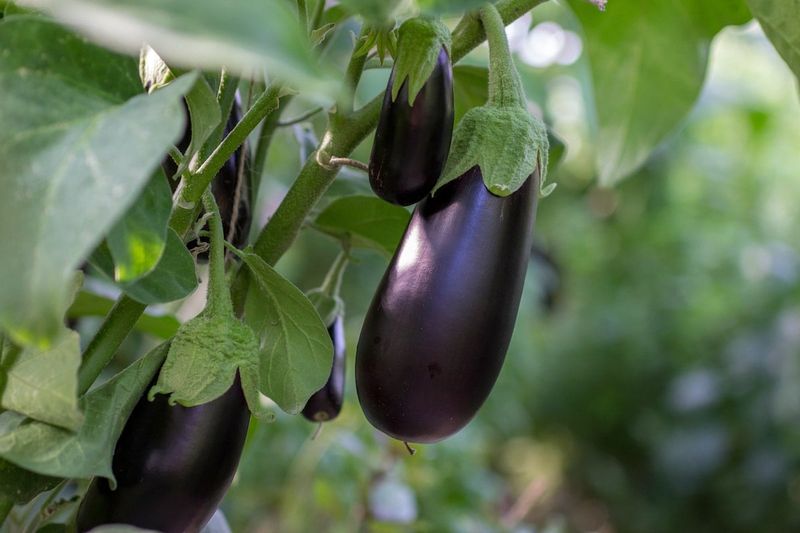
Eggplant is one of those vegetables that truly belongs in a Florida garden. Unlike many crops that struggle once summer temperatures climb, eggplant practically thrives in the heat.
Florida’s long, warm growing season gives this vegetable plenty of time to produce abundantly, especially when you get transplants or seeds in the ground before April.
Start with transplants from a local nursery for the fastest results, or start seeds indoors six to eight weeks before you plan to plant outside. Eggplant needs full sun and rich, well-drained soil to perform at its best.
Space plants about 18 to 24 inches apart so each one has room to branch out and support a heavy load of fruit.
Eggplant in Florida can produce steadily through spring and sometimes into early summer, though extreme heat may reduce productivity. Regular fertilizing every three to four weeks with a balanced vegetable fertilizer keeps plants vigorous and productive.
Watch out for flea beetles, which are tiny black insects that chew small holes in eggplant leaves and are particularly common in Florida. Covering young plants with a lightweight row cover can protect them while they get established.
Harvest eggplants when the skin is shiny and firm, as dull skin signals that the fruit is past its prime.
5. Melons Ripening Sweet And Juicy In The Sun
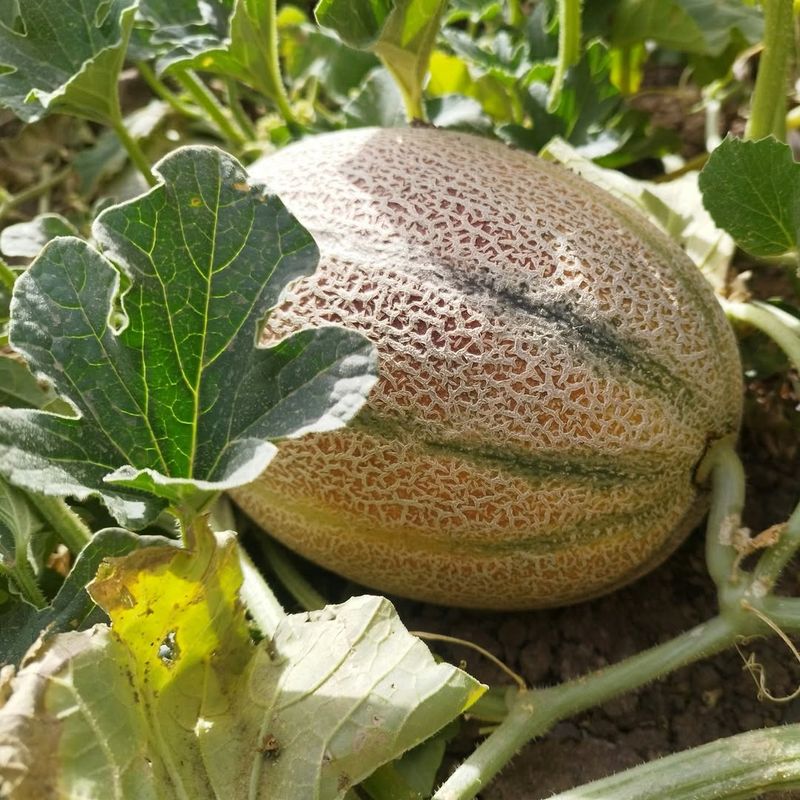
Nothing says summer in Florida quite like biting into a cold, sweet slice of watermelon or cantaloupe. The good news for Florida gardeners is that the state’s warm climate is practically tailor-made for growing melons.
Planting before April gives vines the time they need to spread, flower, and set fruit before the rainy season peaks.
Both cantaloupe and watermelon need a lot of space, so plan ahead before you plant. Watermelon vines can spread six feet or more in every direction, while cantaloupe takes up slightly less room.
Plant seeds about one inch deep in hills or rows, with three to four seeds per hill, then thin to the two strongest seedlings once they sprout. Sandy, well-drained Florida soil is actually ideal for melons, which do not like wet roots.
Full sun and consistent moisture during fruit development support healthy melons and can help improve flavor in Florida gardens. Reduce watering slightly as fruit ripens to concentrate the sugars inside.
Florida gardeners should look for disease-resistant varieties, since powdery mildew and downy mildew can affect melon vines in humid conditions. Cantaloupe is typically ready to harvest when the stem slips easily from the fruit with gentle pressure.
For watermelons, thumping the fruit and listening for a hollow sound is a classic and reliable way to check ripeness.
6. Peppers Bursting With Color And Flavor
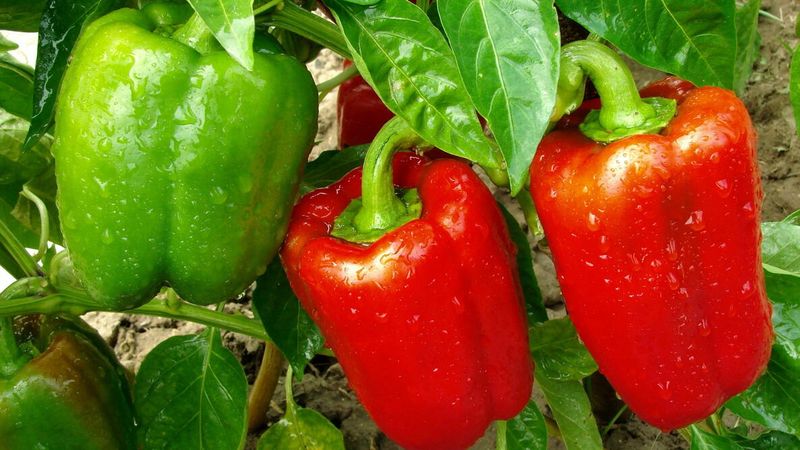
One of Florida’s most versatile warm-season crops is peppers, with gardeners across the state growing everything from mild sweet bell peppers to fiery habaneros. Planting peppers before April helps plants establish roots early, which can support a productive season in Florida’s warmer months.
Both sweet and hot pepper varieties do well in Florida’s climate, but they do appreciate a little extra care during establishment. Start with transplants from a local nursery rather than seeds if you want to save time, since peppers can take up to 10 weeks to grow from seed to transplant size.
Space plants about 18 inches apart in a sunny location with fertile, well-drained soil. Mulching around the base of each plant helps keep roots cool and retains moisture during dry spells.
Peppers need consistent watering, especially once fruit begins to form. Inconsistent moisture can lead to a condition called blossom end rot, which causes the bottom of the pepper to turn dark and soft.
Florida gardeners should also watch for aphids and spider mites, which tend to appear during warmer months. Feeding plants with a balanced fertilizer every few weeks encourages steady growth and fruit production.
Harvest peppers at any stage of ripeness, though fully ripe red or yellow peppers tend to be sweeter and more flavorful than green ones.
7. Sweet Potatoes Spreading Roots And Earthy Goodness
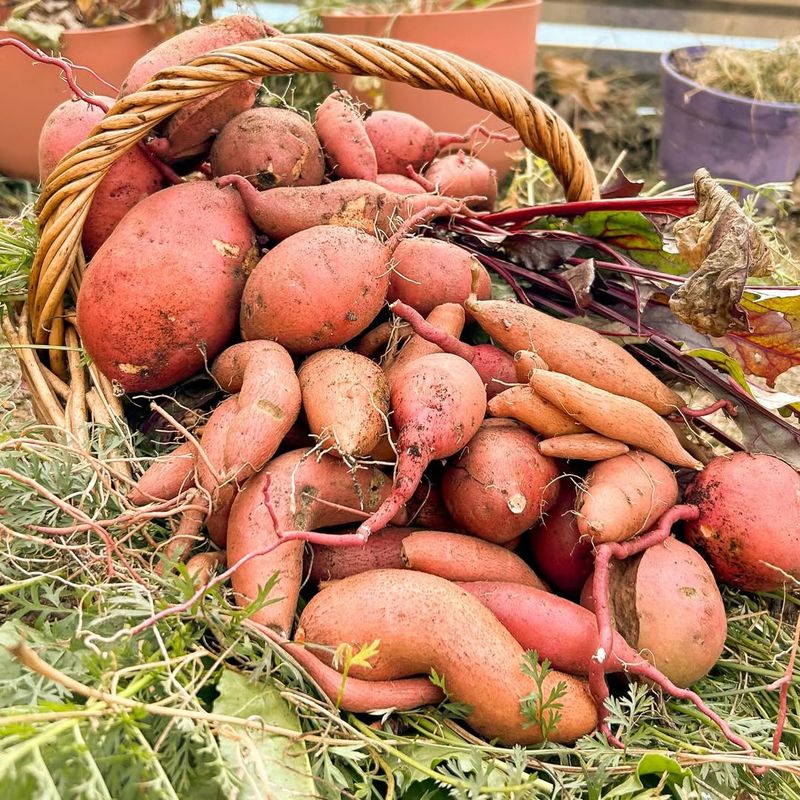
Surprisingly easy once you know how they grow, sweet potatoes rank among the most rewarding crops for Florida gardeners. Unlike most vegetables that grow from seeds, sweet potatoes are grown from slips, which are small rooted shoots that develop from a mature sweet potato.
Starting your slips now and getting them in the ground before April gives the vines a full growing season to develop large, flavorful roots underground.
Florida’s sandy soil is actually well-suited for sweet potato production because it allows roots to expand without resistance. Loosen the soil at least 12 inches deep before planting, and work in some compost to boost nutrients.
Space slips about 12 to 18 inches apart in rows, and give the vines plenty of room to spread. Sweet potatoes are surprisingly drought-tolerant once established, which is a real bonus during Florida’s unpredictable spring and summer weather.
Avoid over-watering, since consistently soggy soil can cause roots to rot before harvest. Sweet potatoes typically take 90 to 120 days to mature, so planting before April means you should have a harvest ready by late summer or early fall.
Florida gardeners should check for the roots by gently digging near the base of the vine. Cure freshly dug sweet potatoes in a warm, humid spot for about 10 days before eating to improve their flavor and sweetness.
8. Squash Growing Vigorous With Vibrant Fruits
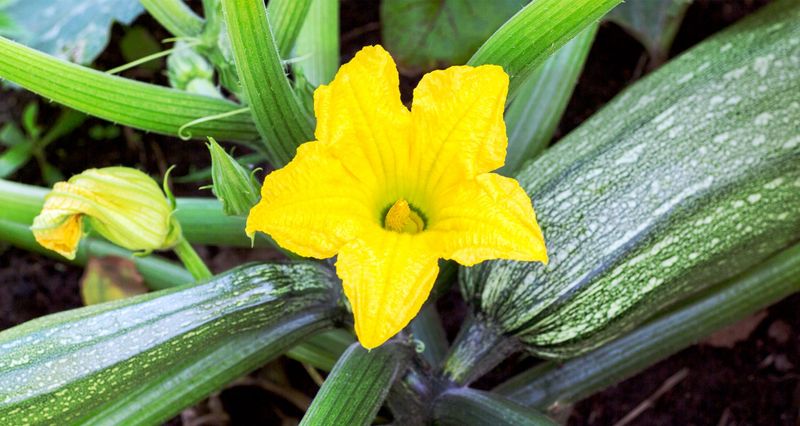
One of the fastest-growing vegetables you can plant in a Florida garden is squash, and that speed is a big advantage when racing to get a harvest before the summer heat peaks. Both summer squash varieties like zucchini and yellow squash, and winter types like butternut and acorn squash, can be planted before April for excellent results in Florida.
Sow squash seeds directly in the garden about one inch deep, spacing plants 24 to 36 inches apart to give the large leaves plenty of room. Squash plants grow quickly and can start producing fruit in as few as 45 to 55 days for summer varieties.
Florida gardeners should keep a close eye on squash vine borers and squash bugs, two common pests that can seriously damage plants if not caught early.
Planting squash in well-drained soil with full sun exposure gives plants the best possible start. Adding a thick layer of mulch around each plant conserves moisture and keeps the soil temperature steady during Florida’s warm spring days.
Harvest summer squash when fruits are small and tender, usually six to eight inches long for zucchini, since larger fruits become tough and seedy. Consistent harvesting keeps plants producing new fruits throughout the season.
Florida’s warm spring climate makes squash one of the most productive and satisfying vegetables you can grow right now.
9. Tomatoes Turning Red And Tempting Taste Buds
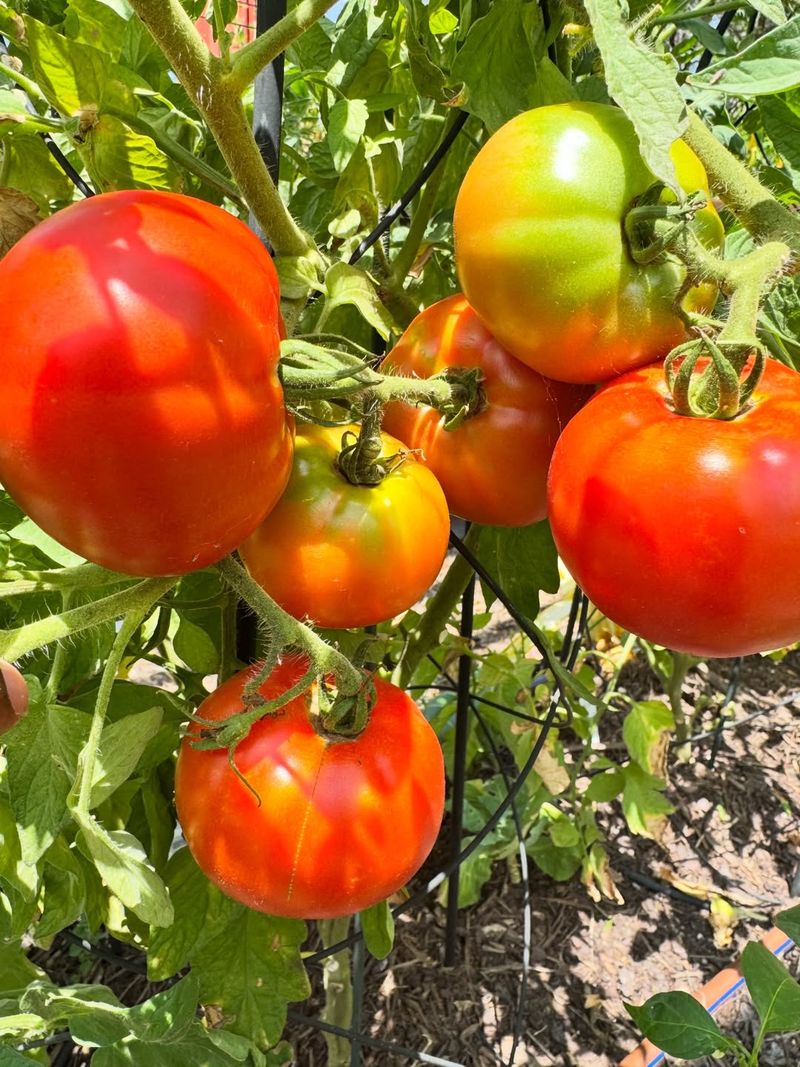
A popular choice in Florida vegetable gardens, tomatoes benefit from being planted before April to improve the chances of a successful harvest. Florida’s spring planting window for tomatoes is famously short because the combination of intense summer heat and high humidity makes it very hard for tomato plants to set fruit once temperatures consistently top 90 degrees Fahrenheit.
Getting transplants in the ground now gives Florida gardeners the best shot at harvesting ripe tomatoes before that heat arrives. Choose heat-tolerant varieties that are bred for the South, such as Solar Fire, Heatmaster, or Celebrity, which are well-known performers across Florida.
Plant transplants deep, burying the stem up to the lowest set of leaves, which encourages a stronger root system. Full sun, rich soil, and consistent moisture are the three pillars of a successful tomato crop in Florida.
Cage or stake your tomato plants early so they have support as they grow heavy with fruit. Water at the base of the plant rather than overhead to reduce the risk of fungal leaf diseases, which are common in Florida’s humid climate.
Fertilize every two to three weeks with a tomato-specific fertilizer to keep plants healthy and productive. Florida gardeners who stay on top of watering, feeding, and pest management will be rewarded with armloads of fresh, homegrown tomatoes before summer fully takes hold.