The Watering Mistake Many Arizona Gardeners Make During A 107° Heat Warning
Ninety minutes. That’s roughly how long it takes for water poured at the wrong moment to do more harm than the heat itself ever could.
Arizona gardeners know the drill: temperatures spike, plants droop, and the hose comes out on autopilot. But that automatic response skips a step almost nobody thinks twice about.
The soil isn’t asking for more water. It’s asking for a completely different rhythm, one tied to how sunlight moves across your yard rather than how hot the air feels.
Get that rhythm wrong during a triple-digit stretch, and even drought-tolerant plants start showing damage that looks suspiciously like underwatering, when the opposite is actually true.
Soil Surface Temperatures Climb Far Higher Than The Air
Most people feel the air temperature and assume the soil feels the same. That is a costly misread on a triple-digit day.
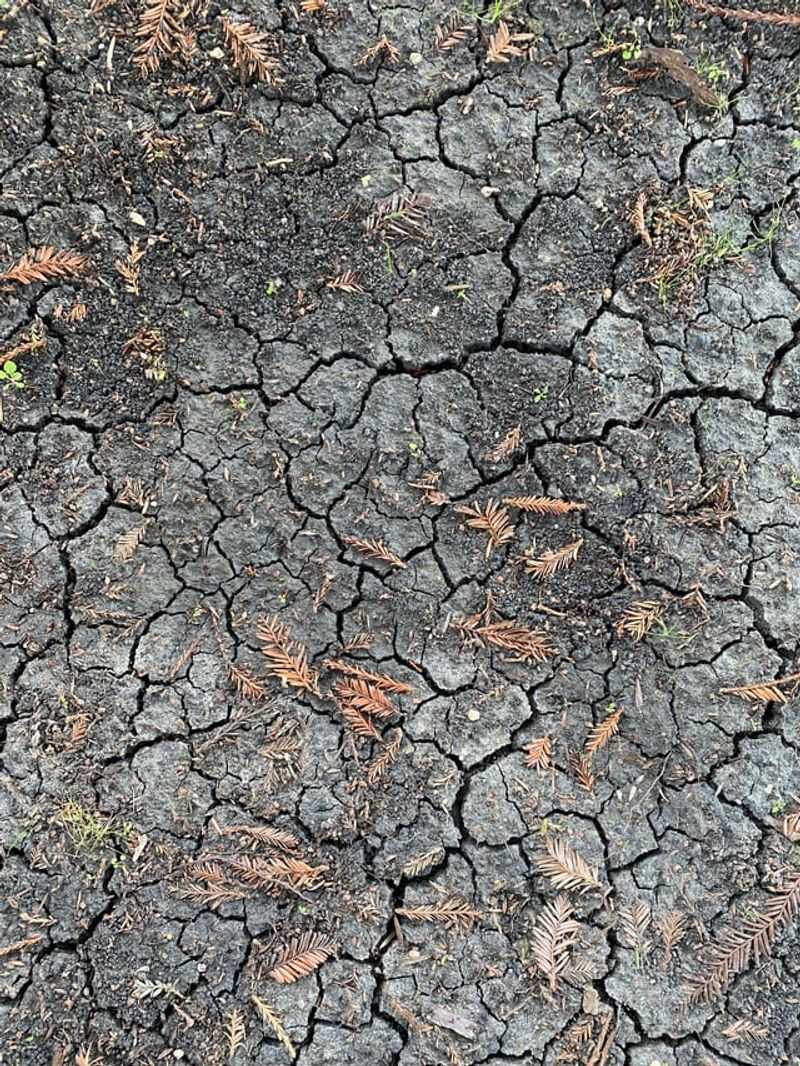
When air temps hit 107°F, the soil surface can bake to 150°F or higher. That number is not an exaggeration.
Sandy and rocky soils common in desert yards absorb heat fast and hold it even faster. The top inch of soil becomes almost like a griddle by noon.
Plants pull water up through their roots, but those roots sit inside an oven of soil. Watering at the wrong time sends moisture into that scorched layer first.
The water evaporates before roots can absorb it. Your plants get almost nothing useful from that effort.
Understanding soil surface temps helps you time your watering smarter. The ground needs to cool before water can actually penetrate and stay where roots need it.
Checking soil temp with a simple probe thermometer costs under ten dollars. That small tool can reshape how you approach your watering schedule.
Arizona gardeners who track soil temperature tend to lose fewer plants during heat warnings. The data tells a story that air temperature alone never can.
Surface heat is the hidden factor during a 107° heat warning. Once you see those numbers, you’ll think twice before watering at noon again.
Midday Watering Sends Most Of It Straight Into Evaporation
Picture pouring a glass of water onto a hot skillet. That is basically what midday watering looks like in a desert summer.
Studies show that up to 70 percent of water applied at midday evaporates before soaking into the soil. That is a staggering waste during a heat warning.
The sun is at its strongest between 10 a.m. and 4 p.m. during peak summer months. Watering inside that window is almost like skipping it entirely.
Dry desert air pulls moisture away from soil surfaces incredibly fast. Even a slow drip system loses significant water to evaporation when temps are extreme.
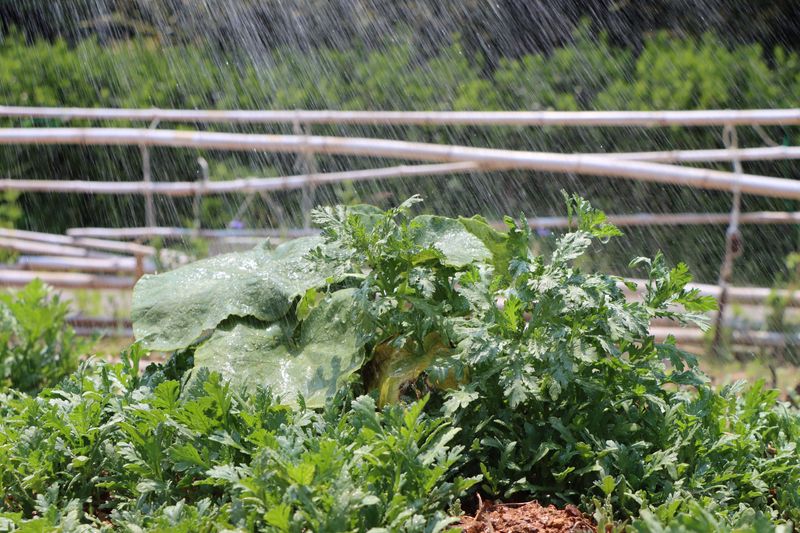
Sprinklers cause the biggest losses during midday heat. The droplets can evaporate mid-air before they even land near the root zone.
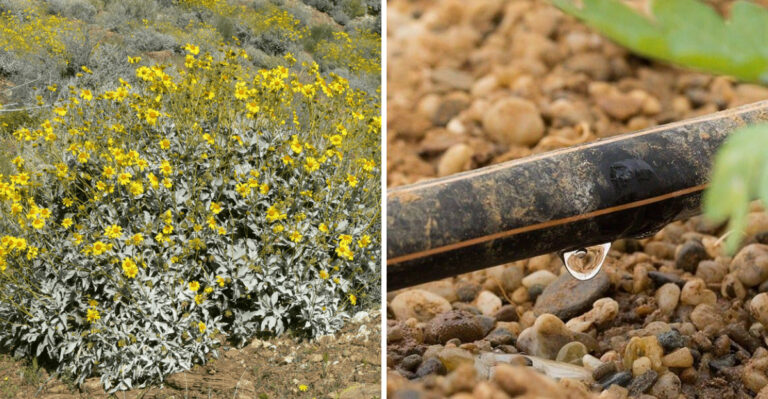
Drip irrigation helps, but timing still matters even with that system. Running drip lines at noon on a 107°F day still leads to higher-than-normal water loss.
Shifting your schedule by just a few hours can save hundreds of gallons per week. That savings also means your plants stay better hydrated without extra effort.
Your Arizona Garden Changes Every Week. Your Plan Should Too.
Gardening in Arizona changes quickly throughout the season. Every Friday you’ll receive a simple weekly plan showing exactly what to plant, prune, fertilize, harvest, and protect so you never miss the right timing.
Applying water and actually absorbing it are two completely different outcomes on a scorching afternoon.
Stop watering at midday and watch your plants respond. The change happens faster than most gardeners expect.
Cold Water On Hot Soil Stresses Root Cells
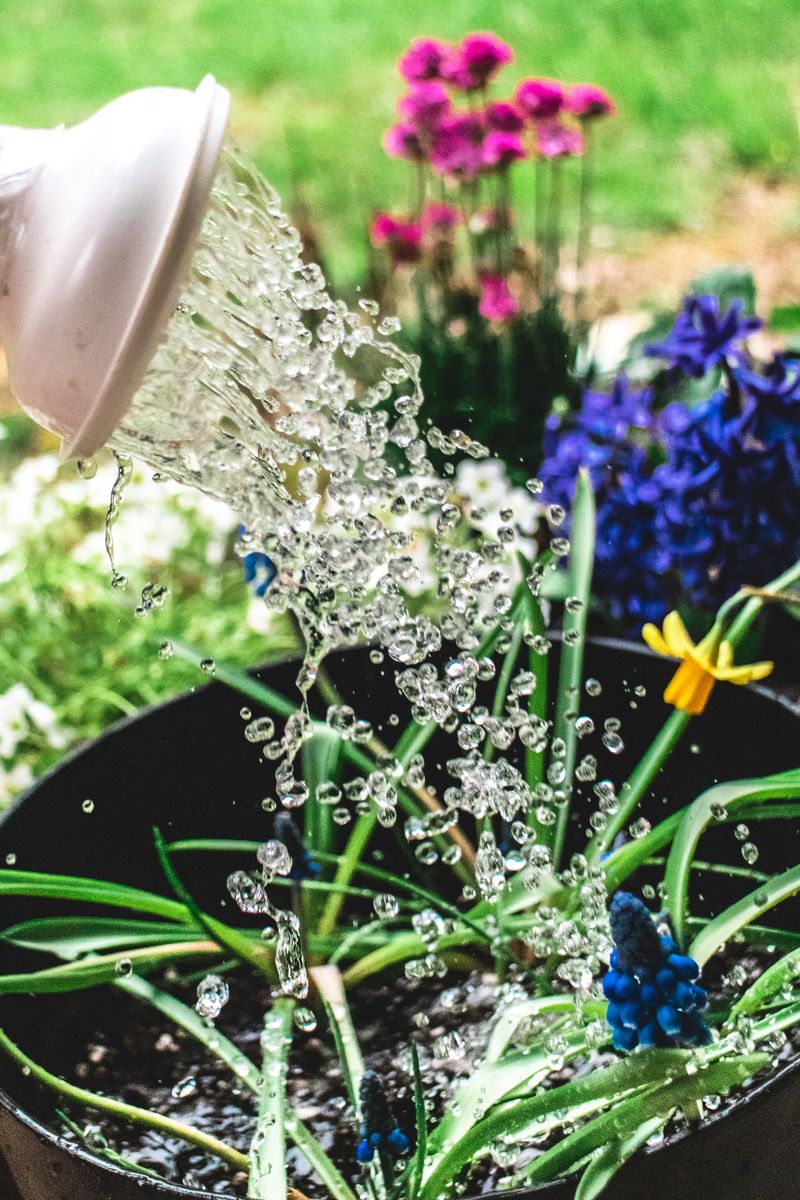
Dropping ice into a hot glass can crack it. The same basic principle applies to your plant roots in extreme heat.
Cold tap water hitting soil baked to 140°F creates a sharp thermal shock. Root cells are not built to handle that sudden temperature swing.
Roots are living tissue, and they react to stress just like skin does. A sudden cold blast causes them to constrict and temporarily stop absorbing moisture.
This is counterproductive on a 107°F day when your plants desperately need hydration. You are essentially pausing the very system designed to save them.
Letting your hose sit in the sun for a few minutes before watering helps. The water warms slightly, which makes it far less jarring to the root zone.
Early morning tap water is naturally cooler from overnight pipe temps. That is another reason to water before the sun climbs high in the sky.
Drip systems buried slightly below the surface reduce this stress effect significantly. The soil acts as a buffer between cold water and sensitive root tissue.
Some Arizona gardeners add a short delay after connecting the hose, letting warm water flow first. That simple step takes about 30 seconds and protects roots from unnecessary stress.
Protecting roots from sudden temperature swings keeps plants actively absorbing during a heat warning. Healthy roots are your garden’s best defense against an unforgiving desert summer.
Shallow Habits Keep Roots Near The Hottest Layer
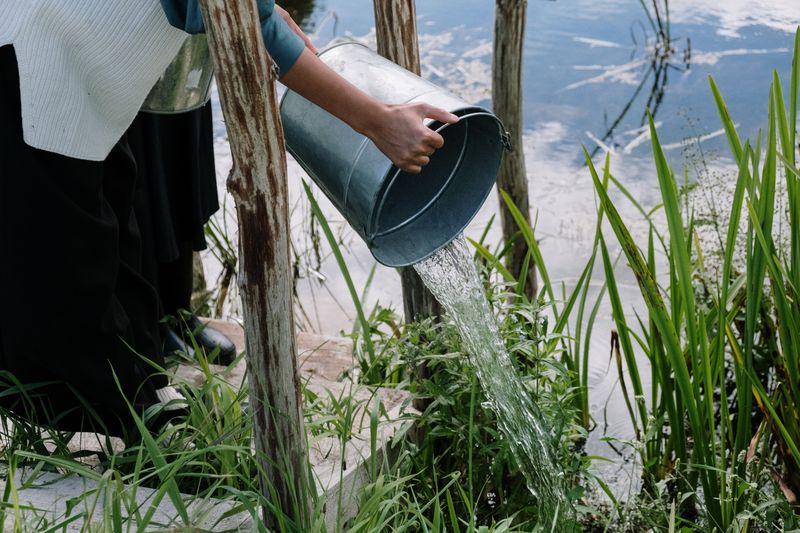
Frequent shallow watering trains roots to stay close to the surface. That is the worst place for roots to be when temps hit 107°F.
Surface soil is the hottest, driest layer during an extreme heat warning. Roots that live there bake in that heat while deeper soil stays relatively cool and moist.
Deep watering encourages roots to follow moisture downward into cooler ground. Plants with deep roots are far more heat-tolerant than their shallow-rooted neighbors.
Many gardeners water a little every day, thinking that keeps plants safe. But daily light watering is one of the most common habits that creates shallow root systems.
Watering deeply two or three times per week builds stronger, more resilient plants. The roots learn to search downward, which is exactly where they need to be.
A simple soil probe or long screwdriver can test how deep moisture reaches. Push it in after watering and check how far it slides before hitting dry resistance.
Aim for moisture to reach at least 12 inches below the surface. Most desert-adapted plants have roots that can access that depth with the right watering approach.
Shallow habits are hard to break because they feel responsible and attentive. But backing off daily watering and going deeper is one of the smartest shifts you can make.
Deep roots survive heat warnings. Shallow ones struggle and often show stress within hours of a temperature spike.
Early Morning Hours Give Water Time To Soak In
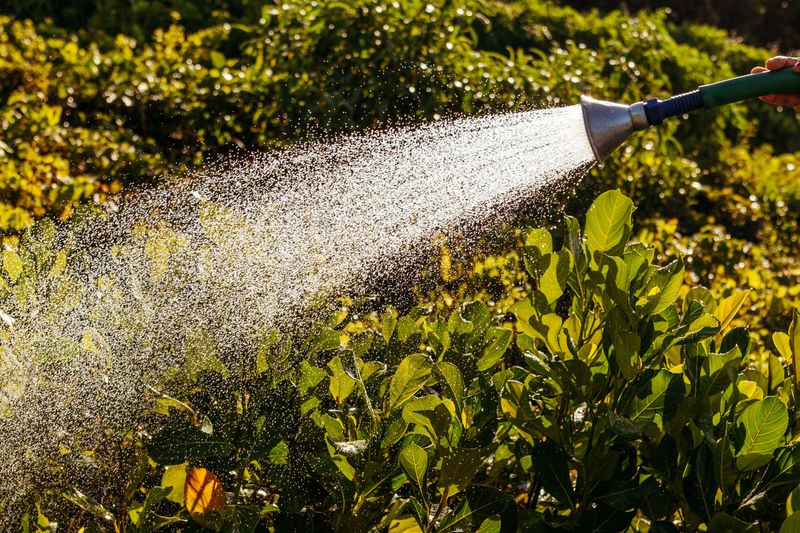
There is something almost magical about a garden at 5:30 a.m. in summer. The air is cooler, the soil is calm, and water actually goes where it belongs.
Early morning is the single best time to water during a 107° heat warning. Soil temps are at their lowest, and evaporation rates drop significantly before sunrise.
Watering between 4 a.m. and 7 a.m. gives moisture hours to soak deep before midday heat arrives. Roots get a long, slow drink instead of a quick, wasted splash.
Morning watering also reduces the risk of fungal disease compared to evening watering. Wet foliage dries quickly once the sun rises, limiting the damp conditions mold loves.
Setting a timer or smart irrigation controller makes early watering effortless. You do not have to wake up at dawn to pull it off.
Smart controllers can be programmed by soil type, plant type, and local weather data. Some even pause automatically when rain is detected or temperatures drop unexpectedly.
Evening watering is a common backup plan, but it has real downsides in desert climates. Moisture sitting on leaves overnight can invite pests and disease that thrive in humid conditions.
Morning is the sweet spot that balances hydration, root health, and disease prevention. Make it your non-negotiable watering window during any heat advisory.
Timing sits at the root of almost every heat-related watering setback. Get the timing right, and almost everything else improves automatically.
A Quick Adjustment That Protects Plants Through The Warning
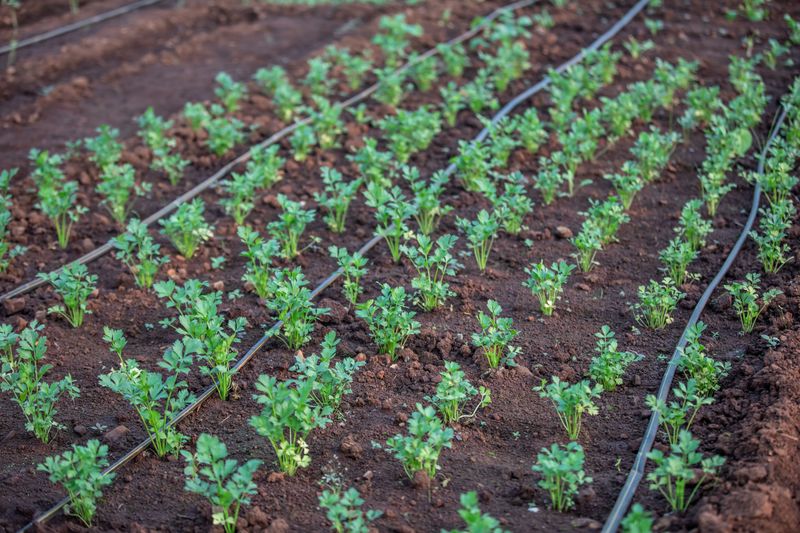
One small change in your routine can protect your entire garden through a punishing heat warning. You do not need new tools or expensive upgrades to make it work.
Switch your watering schedule to before 7 a.m. and water deeply instead of frequently. That single adjustment addresses the most common and damaging mistake Arizona gardeners make.
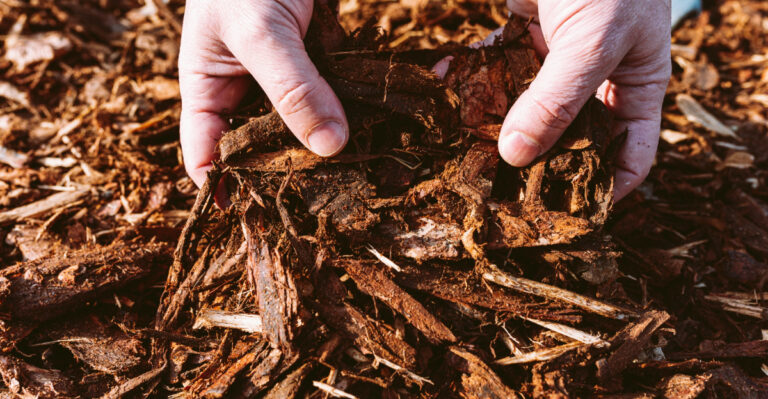
Add a two-inch layer of mulch around your plants if you have not already. Mulch insulates the soil, slows evaporation, and keeps root zones several degrees cooler during peak heat.
Organic mulch like wood chips or straw works especially well in desert gardens. It breaks down slowly and adds nutrients to the soil over time.
Check your drip emitters before the heat warning hits its peak. Clogged or misaligned emitters waste water and leave plants without the hydration they need most.
Group plants with similar water needs together so you can water zones efficiently. This prevents over-watering some plants while under-watering others in the same bed.
Pull back on fertilizing during extreme heat, since fertilizer pushes growth. New growth is fragile and far more vulnerable to heat stress than established leaves and stems.
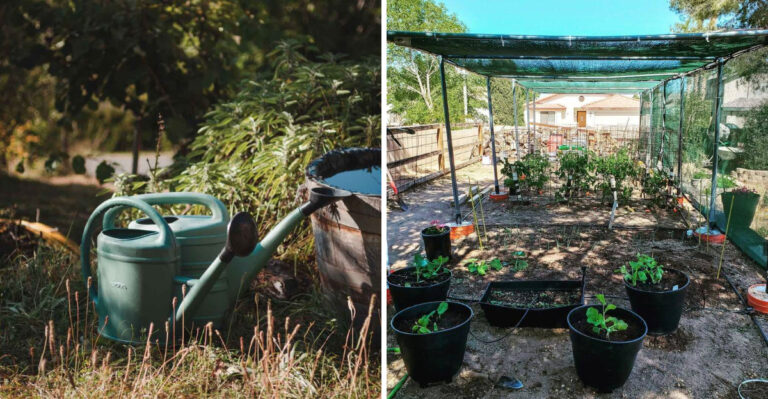
Shade cloth is another fast fix that many gardeners overlook during warnings. Even a 30 percent shade cloth can drop leaf temperature by 10 to 15 degrees.
This kind of setback is fixable today, with almost no extra effort. Small, smart adjustments now protect your garden long after the warning lifts.