The Watering Mistake Ohio Gardeners Make That Stops Christmas Cactus From Blooming
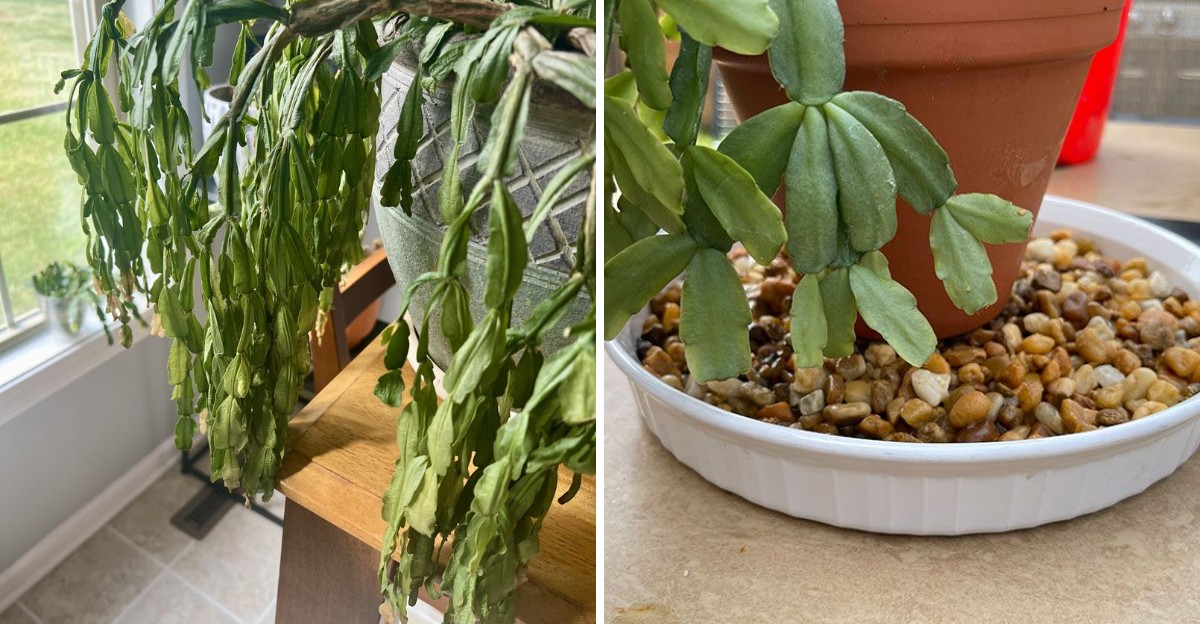
In the wild, this holiday favorite skips the dirt and grows on tree branches in the misty mountain forests of southeastern Brazil. Its roots cling to bark and moss, soaking up quick rain showers and then drying out in the breeze.
I love that detail because it explains so much about the pot sitting on your windowsill. A plant built for tree branches does not want to live in a soggy cup of soil. Yet that is exactly what happens in plenty of Ohio living rooms each fall.
You water it faithfully, you give it a sunny spot, and you wait for December color. Instead, you get plump green stems and not a single bud. Believe it or not, I spent two winters blaming the light before I looked at my watering can.
Could one well-meant habit be the reason your plant stays stubbornly green?
Your Christmas Cactus Is Not The Desert Plant It Seems
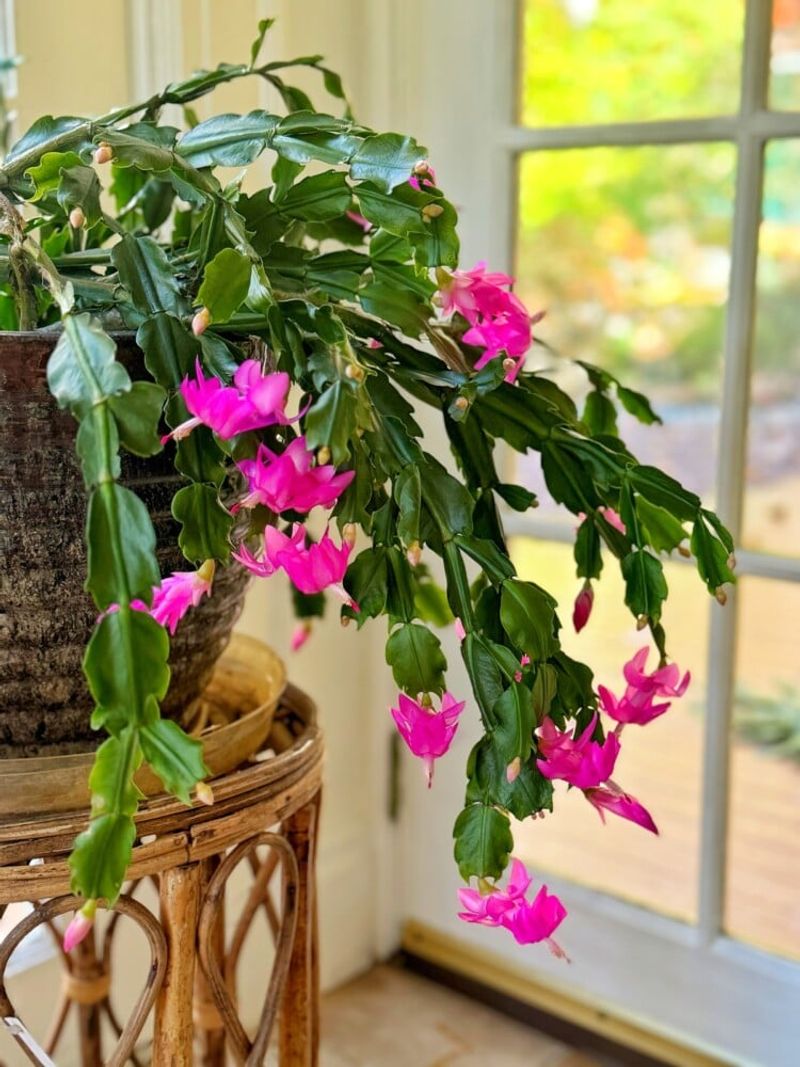
Despite the word cactus in its name, this plant would struggle in Arizona. Christmas cactus, Schlumbergera, is an epiphyte from the coastal rainforests of Brazil.
It grows on tree limbs where rain falls often but drains away fast.
That one fact shapes everything about watering. Desert cacti store water and tolerate long droughts, so many people either starve a Christmas cactus or swing the other way and drown it.
Neither approach matches what the plant evolved to handle.
Out in its forest home, roots get a steady supply of moisture, plenty of air, and a quick dry-down between showers. Think of a damp sponge, not a puddle.
Your potting setup needs to copy that pattern as closely as possible.
Fun detail: the flat green pads are not leaves at all. They are modified stems called cladodes, and they do the work of photosynthesis.
When those pads look healthy, it is easy to assume the roots are fine too.
Unfortunately, roots can quietly suffer long before the stems show trouble. A healthy-looking top paired with no blooms is often the first hint that something is off below the soil line.
That hidden trouble usually starts with how much water the pot receives.
Soggy Potting Soil Is The Habit Holding Back Those Buds
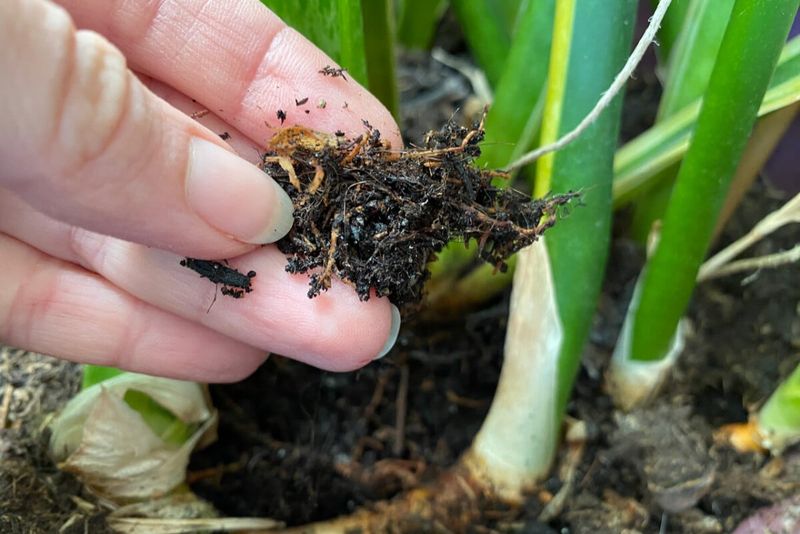
Overwatering is the mistake that trips up most Ohio houseplant lovers. University extension services, including Ohio State, point to soggy soil as a leading cause of Christmas cactus trouble.
The plant simply cannot handle wet feet for long.
When soil stays saturated, the tiny air pockets between soil particles fill with water. Roots need oxygen to work, so they begin to suffocate.
Soon they struggle to pull in water and nutrients, which sounds backward but is true.
A plant with stressed roots puts its energy into survival, not flowers. Bud formation takes real effort, and a weakened plant often skips it.
If buds do appear, they may drop before opening.
Here in Ohio, the problem gets worse each fall. Shorter days, cooler rooms, and less sunlight mean the soil dries much more slowly than it did in July.
Keeping a summer watering schedule into October is a common trap.
Saucers make it sneakier. Water collects underneath, and the pot wicks it right back up into the root zone.
Decorative foil wraps from the store do the same thing, holding a hidden pool that keeps roots soaking for days.
A Quick Finger Test Beats Any Watering Calendar
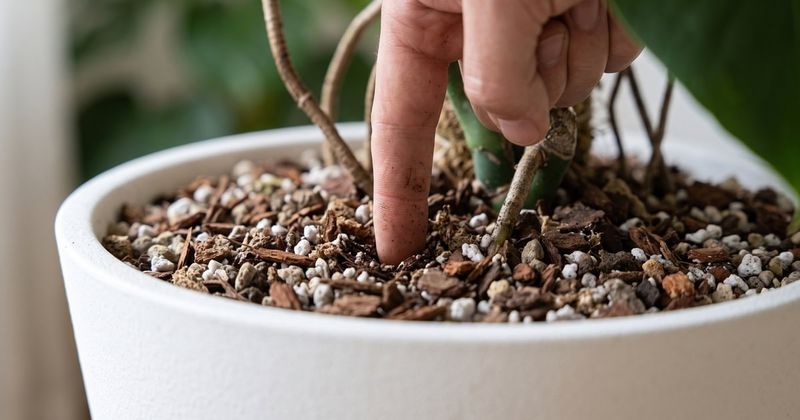
My favorite moisture meter costs nothing and lives at the end of your hand. Push one finger into the soil about an inch deep.
If it feels dry, water. If it feels cool and damp, wait a few days and check again.
Calendars rarely work for this plant. A pot near a warm furnace vent dries much faster than one in a chilly sunroom.
Clay pots dry quicker than plastic ones, too.
When it is time, water thoroughly. Pour slowly until water runs out the drainage holes, then let the pot drain fully in the sink.
Empty the saucer within about fifteen minutes so roots are not left sitting in runoff.
Another handy trick is lifting the pot. A freshly watered pot feels noticeably heavy, while a dry one feels light.
After a few weeks, you will judge it in seconds.
Watch the stems as well. Slightly limp or wrinkled pads can mean thirst, but they can also mean rotting roots that cannot drink.
Check the soil before reaching for the watering can, since adding more water to a soggy pot makes things worse.
Fall Is When Christmas Cactus Wants Less Water
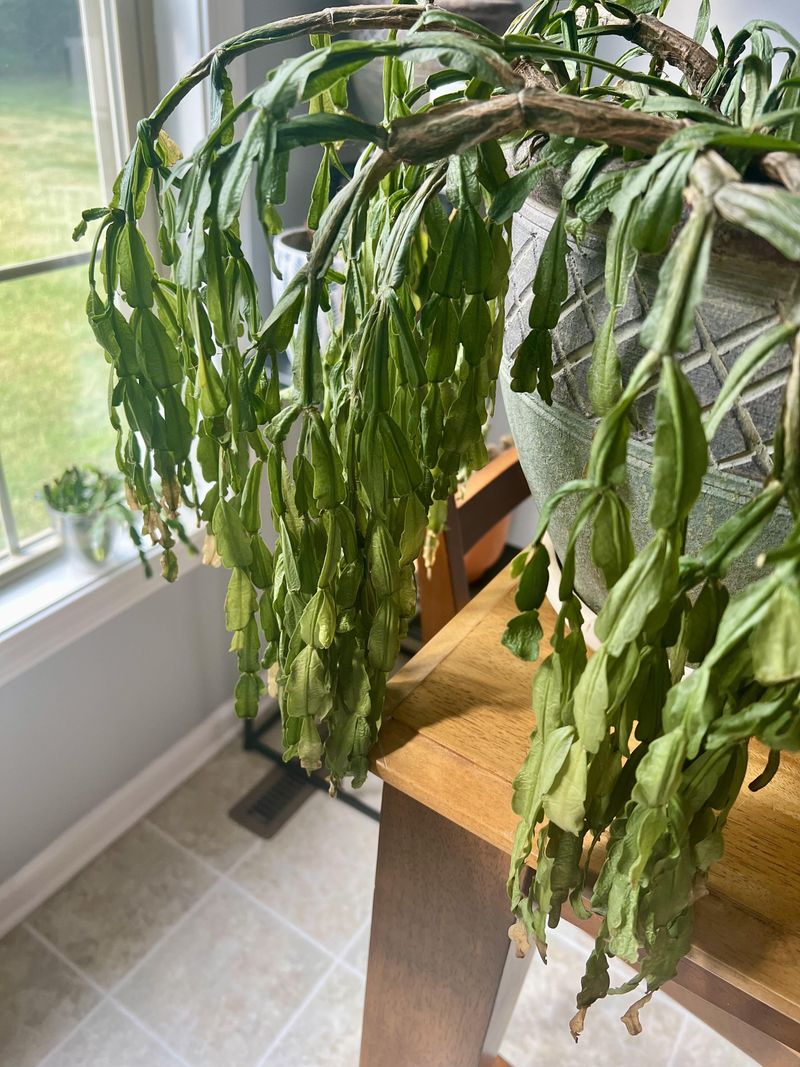
October is the month that decides your holiday show. Christmas cactus sets flower buds in response to long nights and cool temperatures.
Many growers find that a slightly drier rhythm during this stretch helps nudge the plant toward blooming.
Starting in early fall, let the top inch or two of soil dry between waterings. You are not starving the plant, just easing back.
Pads should stay firm, not shriveled.
Light matters alongside water. Buds form best with roughly 12 to 14 hours of uninterrupted darkness each night and temperatures around 50 to 60 degrees.
An unheated spare room or a cool porch before frost can work well in much of Ohio.
Lamps and TV glow can interrupt that darkness, so a quiet room helps. Many folks in Cleveland and Columbus have luck simply leaving the plant in a bedroom window that stays cool overnight.
Once you spot tiny buds at the stem tips, return to steady watering. Keep the soil lightly moist but not wet.
Sudden dryness or a big soak at this stage can make buds fall, which is a frustrating way to lose all that progress.
Dropping Flower Buds Often Point Back To The Watering Can
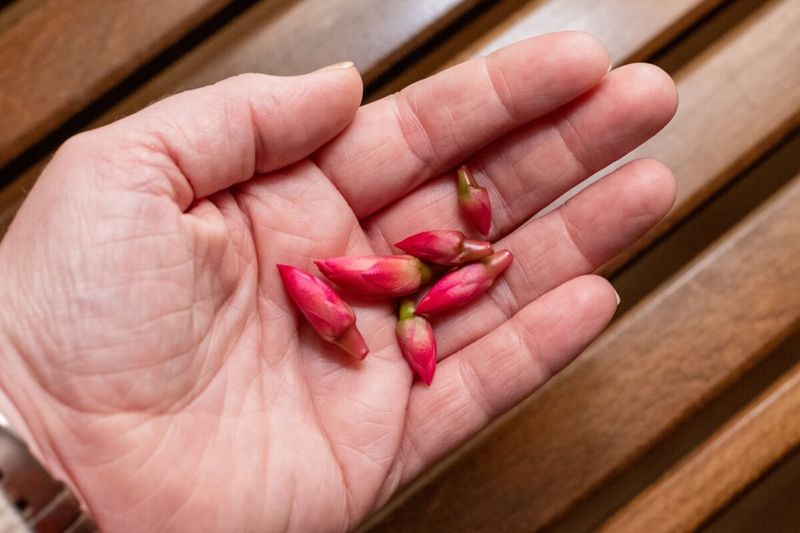
Few things sting like finding fat pink buds scattered on the windowsill. Bud drop is one of the most common Christmas cactus complaints, and watering swings are a big part of it.
Too much water stresses roots, and the plant sheds buds to save energy. Letting it go bone-dry for too long causes the same reaction.
The goal is balance during bloom season, with soil that feels lightly moist.
Other triggers deserve a look, too. Cold drafts from an opening door, hot air from a heating register, and sudden moves to a new room can all upset the plant.
Moving it once buds form is a classic mistake, since it reacts to changes in light and temperature.
I learned this one the hard way. I carried my budded plant to the dining table for a family dinner, and half the buds dropped within a week.
Now it stays put until flowers open.
Once blooms begin, enjoy the plant where it sits. Check soil every few days, since warmth from holiday cooking and furnaces can dry it faster than usual.
Steady care keeps the flowers coming for several weeks.
Heavy Garden Soil Traps Water Around Christmas Cactus Roots
Even perfect watering habits fail in the wrong soil. Dense potting mix or dug-up garden soil holds moisture far too long for an epiphyte.
Roots that evolved on tree bark want something loose and airy.
A good blend mixes regular potting soil with extra perlite and some fine orchid bark. Many growers use roughly two parts potting mix to one part perlite or bark.
Bagged cactus mix works too, though adding a little organic matter keeps it from drying too quickly.
Drainage holes are non-negotiable. A pretty ceramic pot without a hole turns into a bathtub at the bottom.
Use it as a sleeve instead, with a plain nursery pot tucked inside.
Christmas cactus likes being a bit snug in its container. Repot only every few years, ideally in spring after blooming ends.
Go up just one pot size, since extra soil holds extra water the roots cannot use.
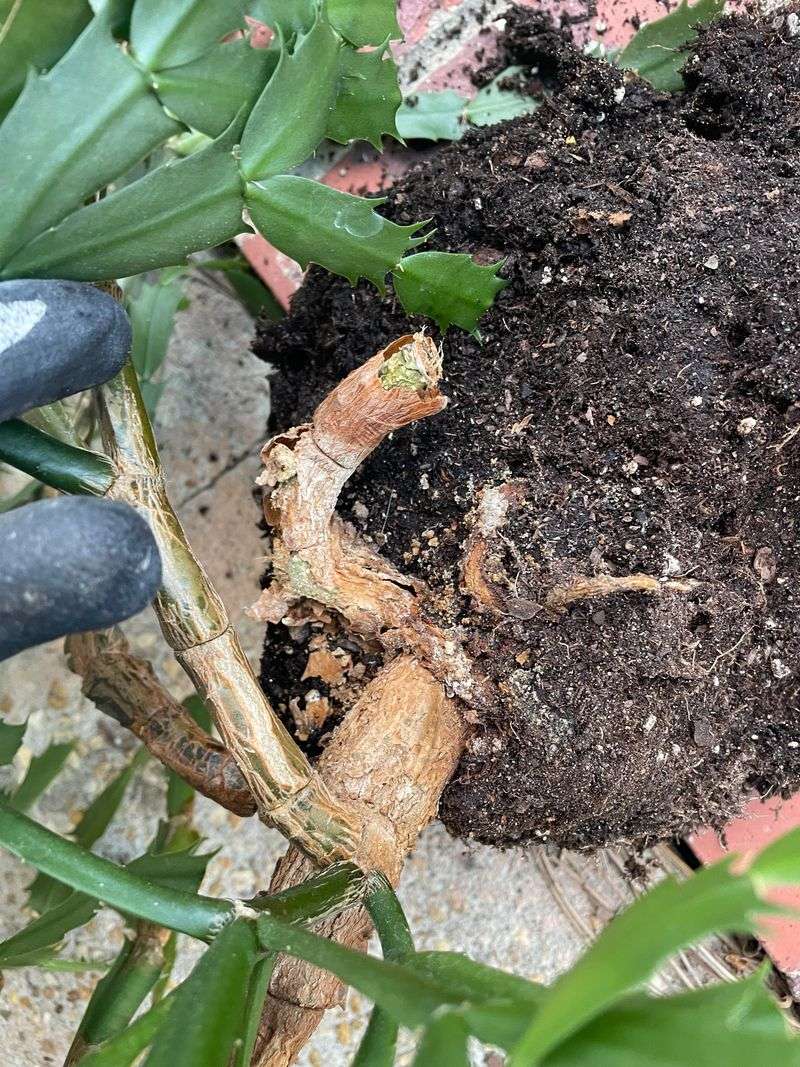
While repotting, check the roots. Healthy ones look firm and pale.
Brown, mushy roots with a sour smell signal rot. Trim those away with clean scissors and settle the plant into fresh, dry mix before watering lightly.
Dry Winter Air Matters More Than Extra Watering
Ohio furnaces run hard from November through March, and indoor air can get surprisingly dry. Some gardeners respond by pouring more water into the pot.
That instinct feels kind, but it rarely solves the problem.
Low humidity affects the air around the plant, not the soil. Adding water to the pot just pushes roots back toward sogginess.
A better fix raises moisture in the air instead.
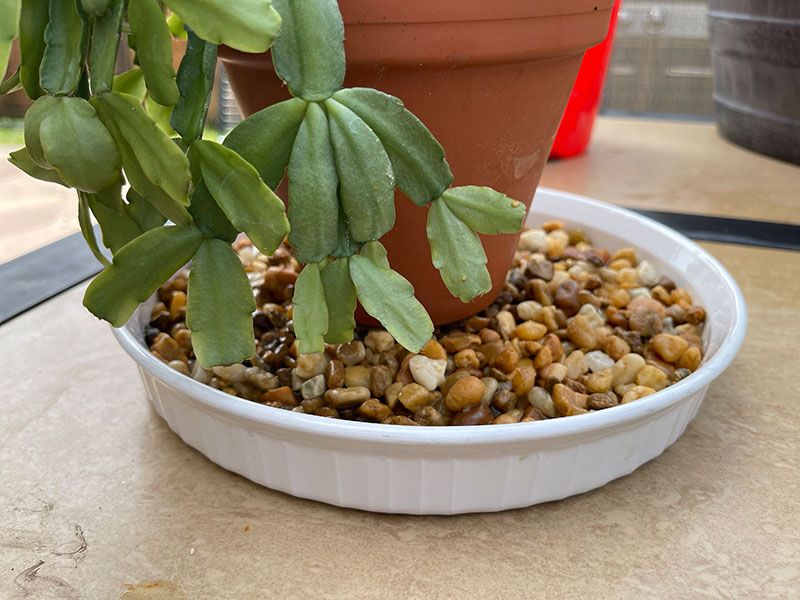
Try a pebble tray. Fill a shallow tray with gravel, add water to just below the top of the stones, and set the pot on the pebbles.
Evaporation creates a slightly humid pocket while roots stay out of the water.
Grouping houseplants together helps too, since plants release moisture as they breathe. A small room humidifier works well if you have several tropical plants.
Misting gets mixed reviews. It raises humidity for only a few minutes, so it is not worth stressing over.
Keep the plant away from heat registers, radiators, and fireplaces. Those spots blast dry air directly on the stems and can trigger bud drop, even when your watering is spot on.
A Light Touch After Blooming Sets Up Next Year’s Flowers
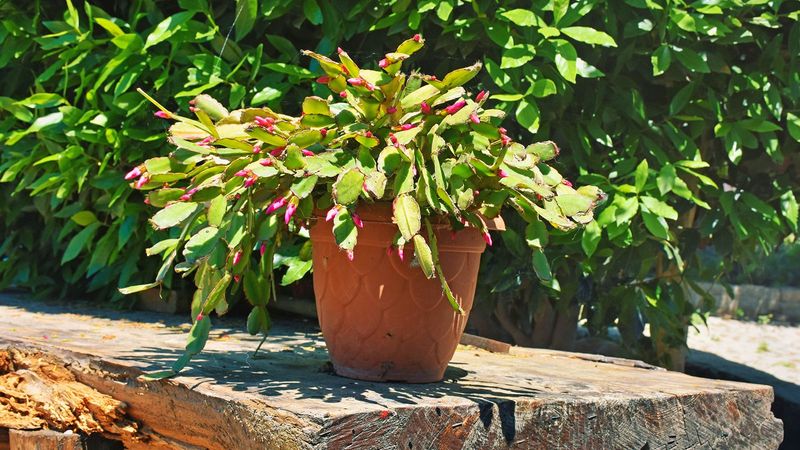
Once the last flower fades in late winter, your plant earns a break. Give it a short rest of about a month with lighter watering, letting more of the soil dry between drinks.
Stems should stay plump, not wrinkled.
Spring is the time for fresh growth. Resume regular watering whenever the top inch dries, and feed with a balanced houseplant fertilizer at half strength every few weeks.
Pinching off a segment or two encourages bushier stems and more bloom tips.
After Ohio nights stay above 50 degrees, usually late May, many growers move their plants outdoors. Pick a spot with bright shade, since direct afternoon sun can redden or scorch the pads.
Summer rain can drench pots, so check drainage after storms.
Bring the plant indoors before temperatures dip near freezing in fall. The cool nights it experiences outside before then can actually help start bud formation.
The big takeaway is simple. Water to match the season, the soil, and the plant’s needs, not a habit or schedule.
Treat it like the tree-dwelling rainforest plant it is, and you will likely see a burst of color right on cue.