The Watering Mistake That Makes Orchids Drop Their Buds In Texas
A fat, healthy flower bud can turn yellow and fall off before it ever opens, even on a plant that looks perfectly fine. Growers call it bud blast, and it sounds about as fun as it feels.
I used to blame bad luck when my plant shed its buds one by one. To my surprise, the trouble started at the roots, with a habit I thought was helping. Nobody warned me that a soggy pot can leave a plant just as thirsty as a dry one.
Here in Texas, our homes swing from icy air conditioning to dry winter heat. Those shifts make a tropical plant fussy about every drink you give it. You need to know how its roots really take up water.
The most interesting part? The fix costs nothing and takes about thirty seconds. So why do so many of us get it wrong?
Those Shriveling Orchid Buds Are Trying To Tell You Something
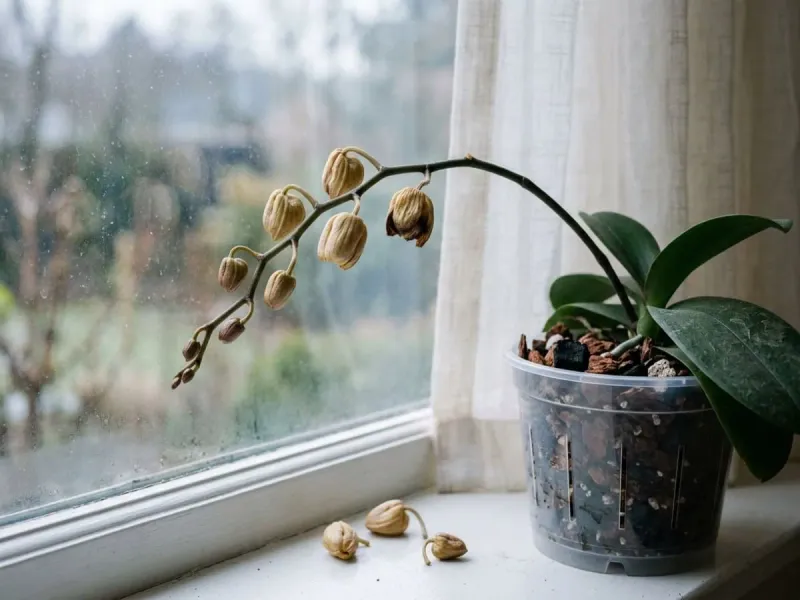
Few things sting like finding a perfect orchid bud lying on the windowsill. One day it looks plump and green, and two days later it turns yellow and drops. Orchid growers have a name for this, and it is bud blast.
The American Orchid Society describes bud blast as a stress response. Flower buds are the most sensitive part of the plant, so they react first when something feels off.
Your orchid is basically making a budget decision, letting go of blooms it cannot support so it can protect leaves and roots.
Several things can trigger it. Sudden temperature swings, cold drafts, very dry air, ripening fruit nearby, and moving the plant can all play a part. Still, watering problems sit near the top of the list for home growers.
I like to treat a dropped bud like a smoke alarm. It does not tell you exactly where the trouble is, but it tells you to go look. Start with the pot and the roots before blaming anything else.
One quick tip helps right away. Check whether one bud fell or several at once, since a big drop usually points to a sudden change in care or conditions within the past week or two.
Watering On A Strict Calendar Is The Habit That Backfires
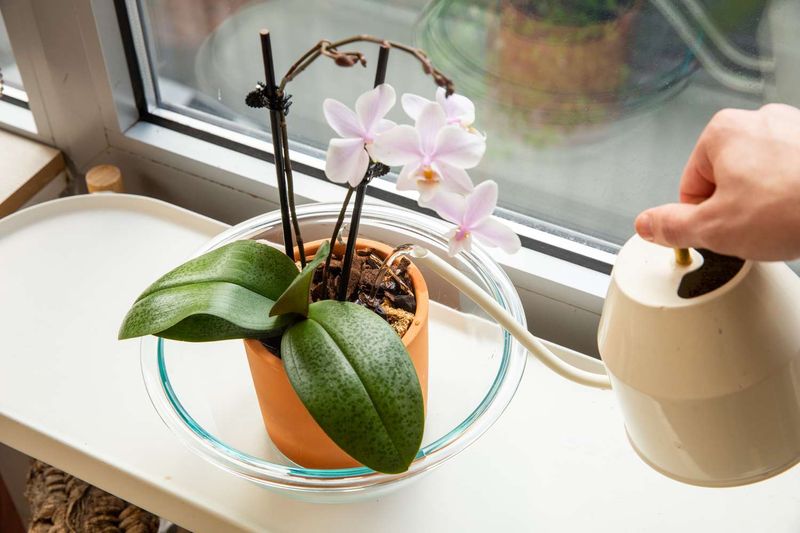
Most of us water orchids the same way we pay bills, on a set day every week. It feels responsible. Sadly, it is the mistake behind a lot of dropped buds.
Orchids do not drink on a schedule. Most home orchids, like the moth orchid, grow on tree branches in the wild, where their roots soak up rain and then dry quickly in moving air. They want a rhythm of thorough soaking followed by a period of drying.
A fixed routine ignores what is happening inside the pot. In a humid Houston summer, bark may stay damp for a week. In an Austin home with the heater running, the same pot could be dry in four days.
Watering by the calendar often means soaking roots that are still wet, or leaving thirsty roots waiting. Either way, the plant gets uneven moisture, and buds pay the price.
The better plan is simple. Water when the potting mix is nearly dry, not when the date says so. Lift the pot, peek at the roots, or poke the mix with your finger.
A few seconds of checking beats any calendar, and your buds will thank you for it.
Mushy Brown Orchid Roots Can Leave Buds Thirsty
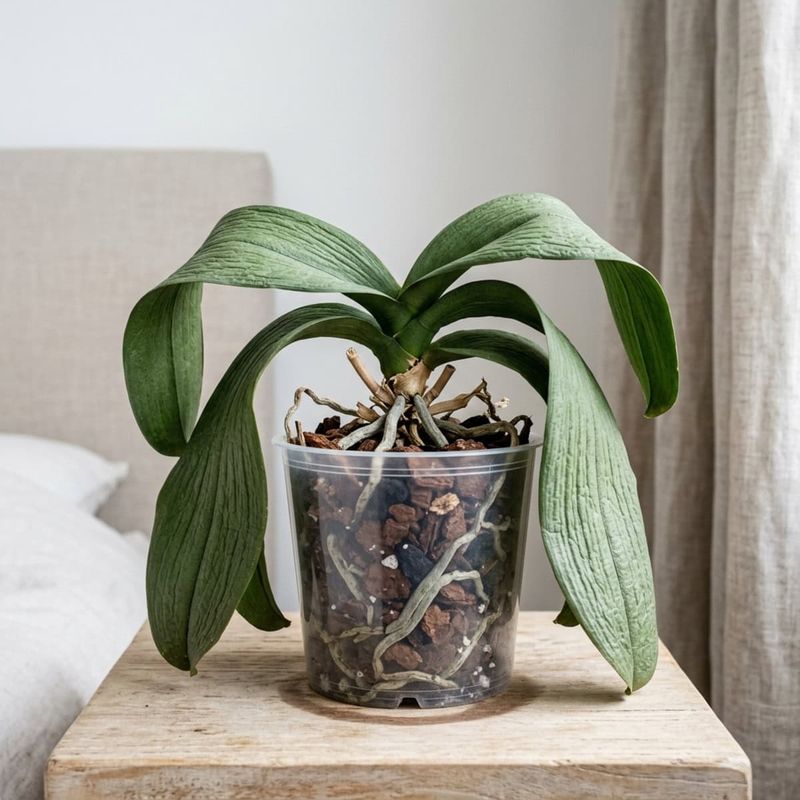
Here is the twist that surprised me most. An orchid can sit in soaking wet bark and still act like it is in a drought.
Roots need air as much as water. When the mix stays soggy, roots suffocate and begin to rot. Rotted roots turn brown or black, feel soft and mushy, and sometimes slide right off their stringy core when you pinch them.
Once roots break down, they cannot move water up to the leaves and buds. So the plant starts rationing. Leaves may go limp and wrinkled, and buds often yellow and fall, even though the pot feels heavy and wet.
Many people see limp leaves and water even more. That makes the rot worse and speeds up bud drop.
If you suspect trouble, slide the orchid out of its pot. Healthy roots look firm and silvery or green. Trim off mushy roots with clean scissors and repot in fresh orchid bark in a pot with drainage holes.
Expect the plant to sulk for a while. It may lose the current buds, but healthy new roots will set it up for blooms next season.
That Pretty Decorative Orchid Pot Might Be Holding Water
Grocery store orchids look gorgeous on the checkout stand. Underneath that shiny ceramic sleeve, though, there is often a trap.
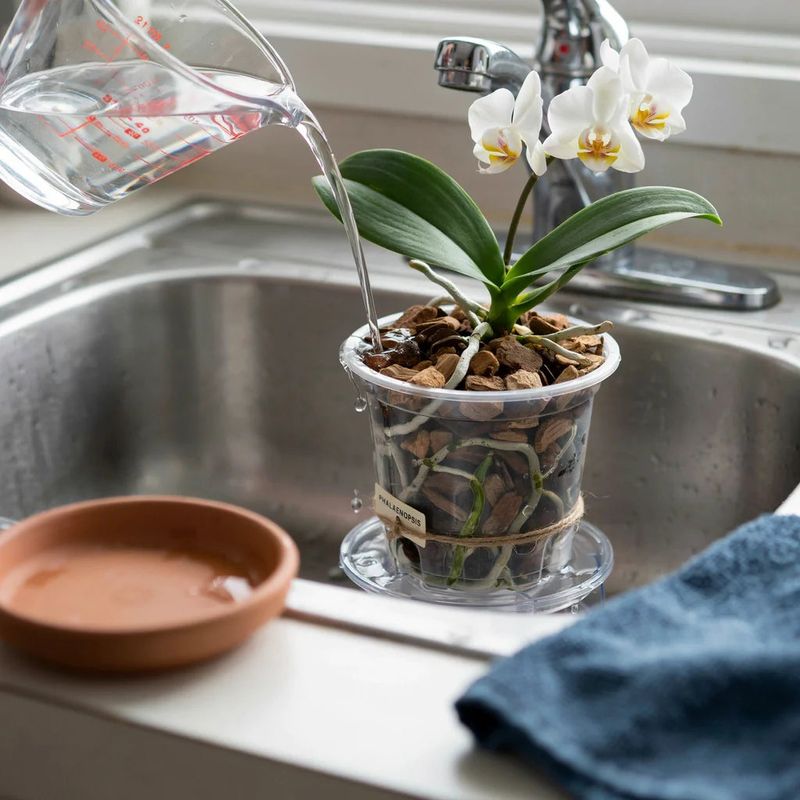
Many gift orchids come in a clear plastic pot tucked inside a decorative pot with no drainage hole. When you water, the extra runs out of the inner pot and pools at the bottom. The roots end up sitting in a little puddle for days.
Some come packed in tight sphagnum moss, too. Moss holds lots of water, which helps growers ship plants, but it can stay soggy for a long time in a home.
I learned this the hard way with a pink orchid from a holiday sale. It dropped every bud within three weeks, and the outer pot had about an inch of murky water hiding in it.
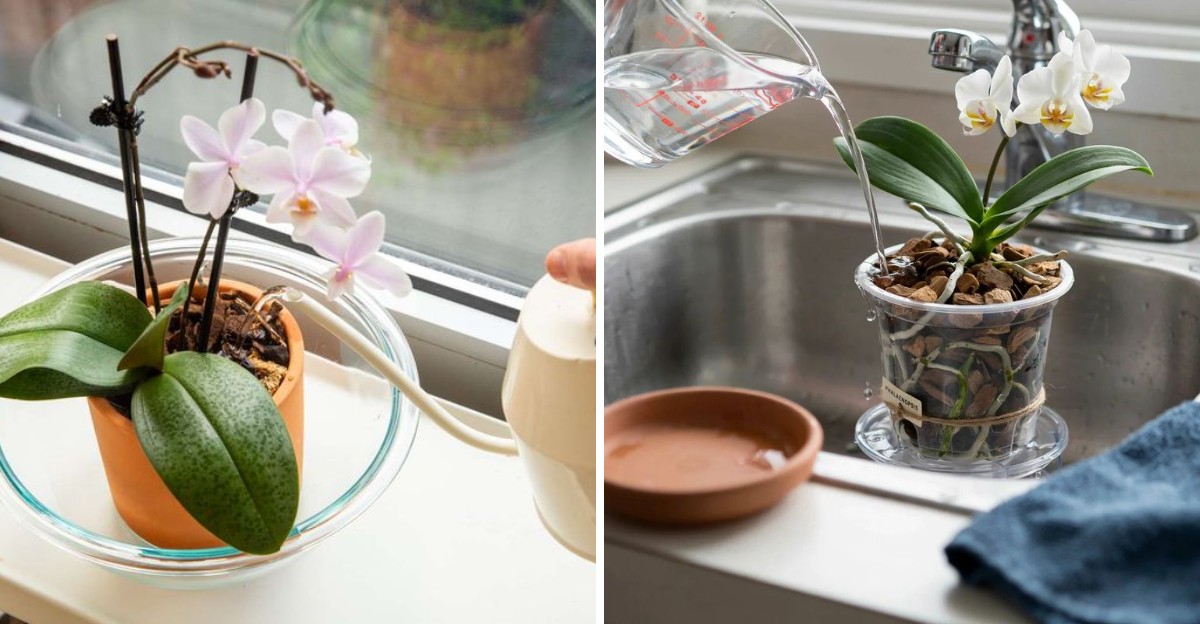
The fix is easy. Take the inner pot out to water at the sink, let it drain fully, then put it back. You can also tip the decorative pot over after watering to check for leftover water.
After blooming ends, consider repotting into a chunky bark mix in a pot with plenty of holes. That gives roots the airflow they crave.
Bone Dry Bark And Wrinkled Moth Orchid Leaves Spell Trouble Too
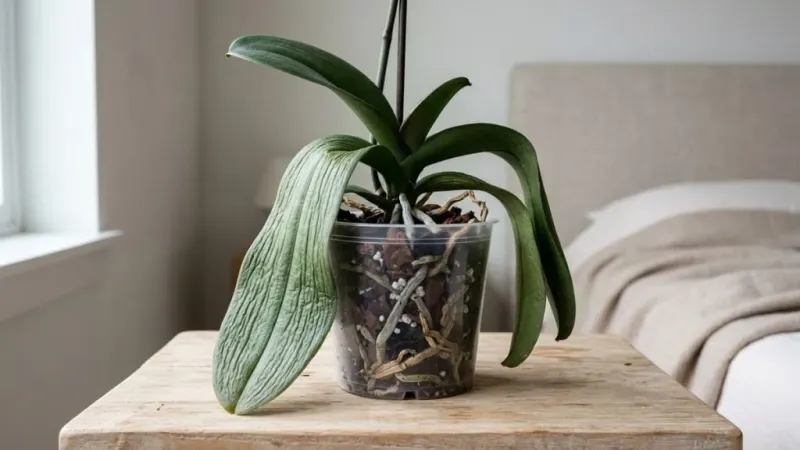
Swinging too far the other way causes just as much heartache. A forgotten orchid in a dry Texas house can run out of water fast.
Moth orchids, or Phalaenopsis, are the most common type sold in stores. Unlike cattleyas or dendrobiums, they have no pseudobulbs, which are swollen stems that store water. Their thick leaves and roots are their only backup supply.
So when the bark goes bone dry for too long, the plant has little to fall back on. Buds take a lot of water to swell and open. If supplies run low, the orchid lets those buds go first.
Watch for clues. Dry roots look pale silver or white, while wet roots turn green. Leaves may get soft and wrinkled, and the pot feels light as a feather.
Winter is a sneaky time for this. Indoor heating dries air and bark quickly, especially in the Panhandle and North Texas where cold snaps keep furnaces running.
Give a parched plant a slow, thorough soak, letting water run through the pot for a minute or so. Then let it drain and resume checking every few days.
Ice Cubes And Chilly Tap Water Can Shock Orchid Roots
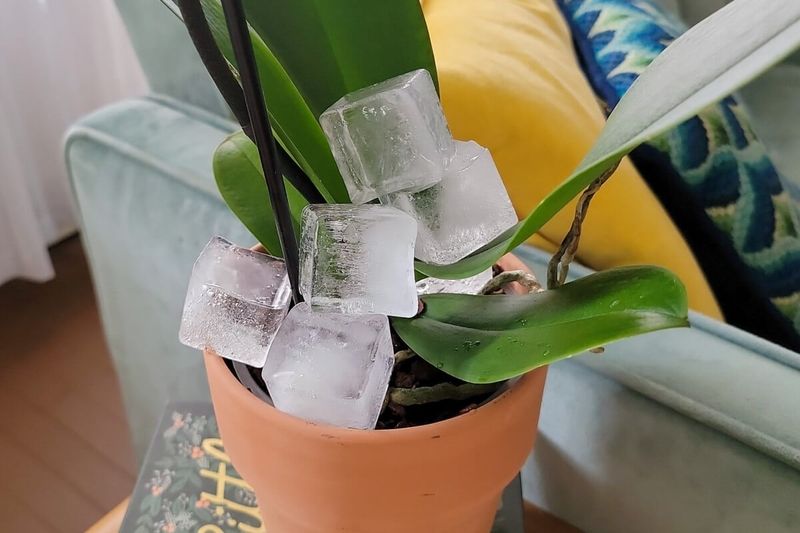
Believe it or not, some orchids are sold with tags telling you to water with three ice cubes a week. It sounds clever, and it does keep people from drowning their plants.
Research from Ohio State University found that moth orchids watered with ice cubes did not show obvious harm in their tests.
So the ice trick is not a disaster. However, many experienced growers still prefer room temperature water, and for good reason.
Orchids come from warm tropical places. Cold water can chill roots, and sudden temperature changes are a known trigger for bud blast. Ice cubes also give a small, uneven amount of water that may not reach all the roots.
Cold water splashed on leaves can cause spots, too. Phalaenopsis leaves are especially touchy about this.
My approach is easy. I fill a pitcher the night before and let it sit out to reach room temperature. That way, the water is gentle and the roots get a full, even drink.
If you use well water or softened water, keep an eye out for crusty white buildup. Rainwater or filtered water works nicely when your tap water is very hard.
A Wooden Skewer Test Tells You When Your Orchid Is Thirsty
Grab a wooden chopstick or bamboo skewer from the kitchen drawer. It might become your favorite orchid tool.
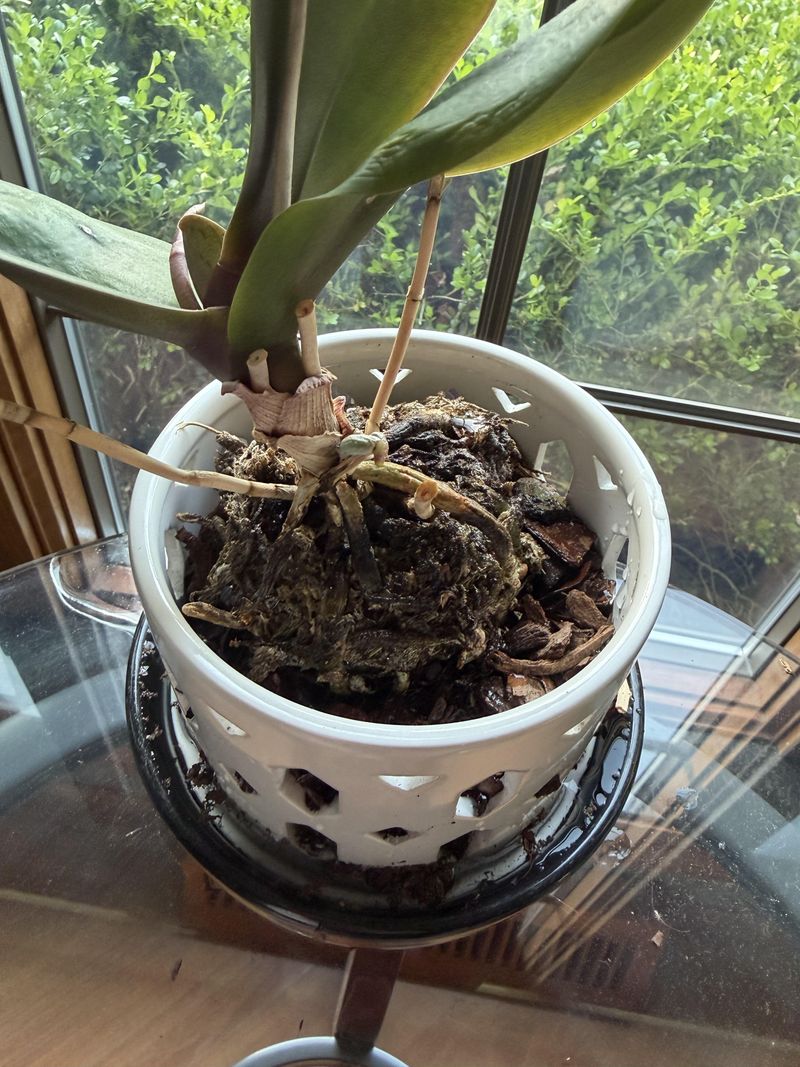
Push the skewer gently into the bark, about halfway down, and leave it for a few minutes. When you pull it out, look and feel. A dark, damp skewer means wait. A dry, light-colored one means it is time to water.
Clear plastic pots make this even easier. You can see roots right through the side. Green roots mean they still hold water, while silvery roots tell you they are ready for a drink.
The weight test works well too. Lift the pot right after watering to feel how heavy it is, then lift it again every few days. You will quickly learn what a thirsty pot feels like.
When it is time, water thoroughly. Run lukewarm water through the bark until it flows out the bottom, then let it drain completely.
Water in the morning when you can. That gives any water trapped in the leaf crown time to dry, which lowers the risk of crown rot. Tip the plant slightly if water pools where the leaves meet.
Texas Air Conditioning And Dry Heat Change How Often Orchids Drink
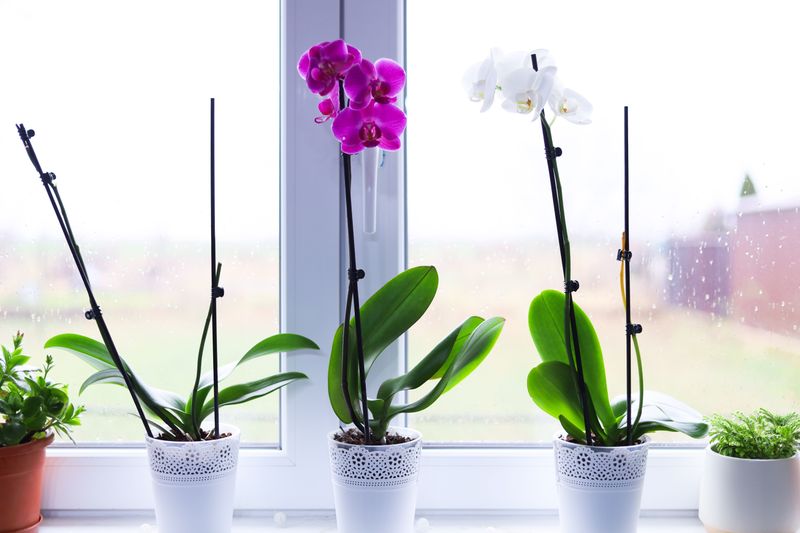
Texas homes put orchids through a real workout. Summer air conditioning dries the air, and winter heat does the same, so watering needs shift all year.
Expect to water more often in hot months and when the heater runs hard. In milder spring and fall weather, the bark may stay moist longer.
Coastal areas like Houston and Corpus Christi often stay more humid than El Paso or Lubbock, so plants there may dry more slowly.
Placement matters as much as the watering can. Keep orchids away from AC vents, heater registers, and drafty doors. A blast of cold or hot air dries buds quickly and often leads to bud drop.
Moth orchids enjoy humidity around 50 to 70 percent. A pebble tray with water, or grouping plants together, can raise moisture around the leaves without soaking the roots.
Try not to move a budding orchid around much once spikes form. Pick a bright spot with gentle light, like an east window, and let it settle.
Personally, I check my orchids every few days and adjust as the seasons change. Steady care, not perfect care, is what carries those buds into full, gorgeous bloom.