The Weirdest Insects That May Be Living In Your Texas Garden
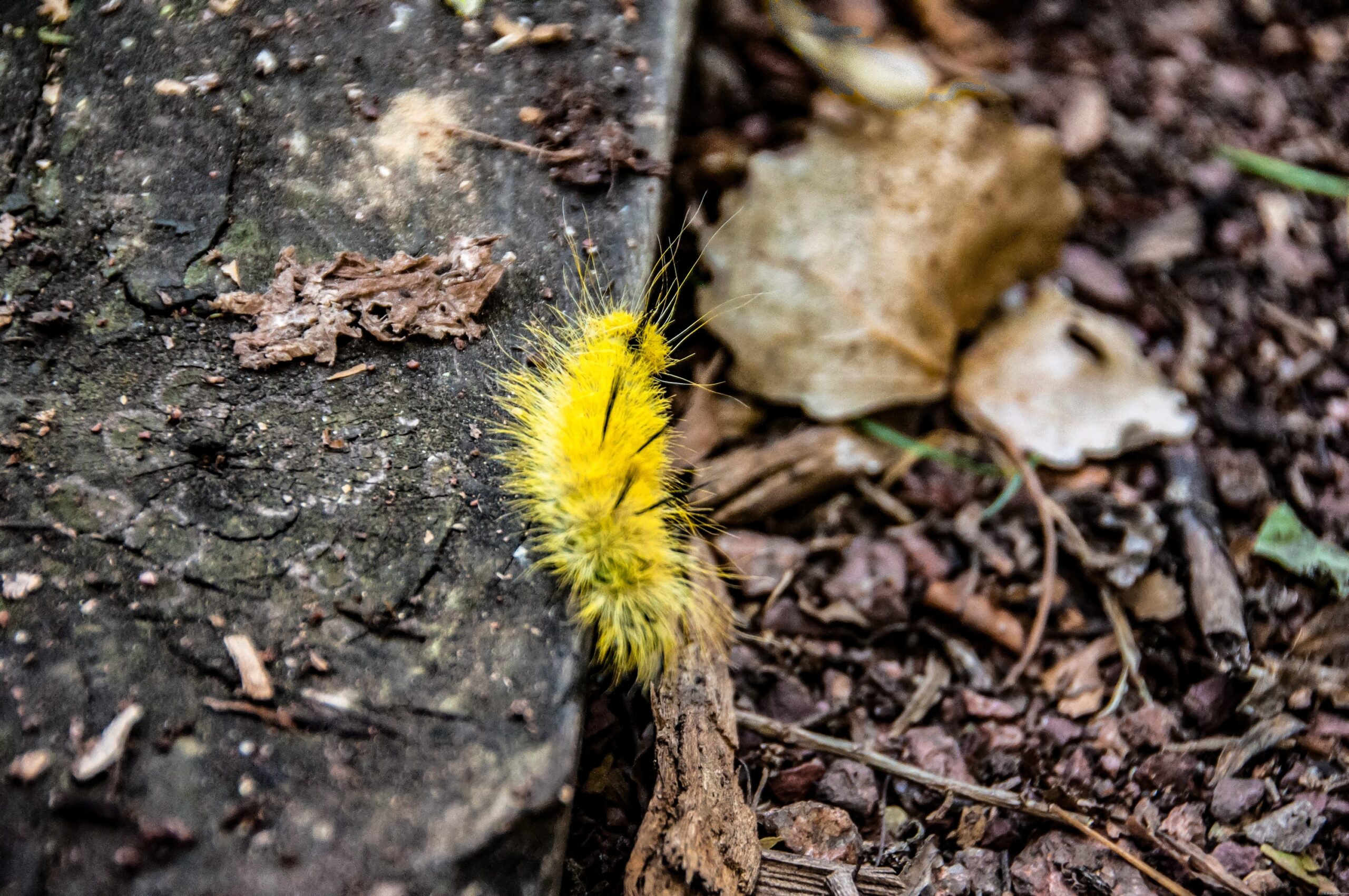
A Texas garden can feel full of surprises even on an ordinary day. You step outside to check the flowers, pull a weed, or water a few pots, and suddenly something strange catches your eye crawling across a leaf or hiding under a stem.
Maybe it looks like a stick with legs. Maybe it has a shape that barely seems real. Maybe it is so odd-looking that your first thought is that it cannot possibly belong in your yard. But in Texas, some of the weirdest insects around are closer than most people think.
That is part of what makes gardening here so interesting. Along with colorful blooms and thriving plants, there is a whole world of unusual creatures sharing the space.
Some look bizarre but are harmless. Others are helpful to have around and quietly take care of pests behind the scenes.
A few are just plain hard to forget once you have seen them. If you have ever spotted something in your garden that looked more like a science fiction prop than a bug, you are definitely not the only one.
1. American Dagger Moth Caterpillar
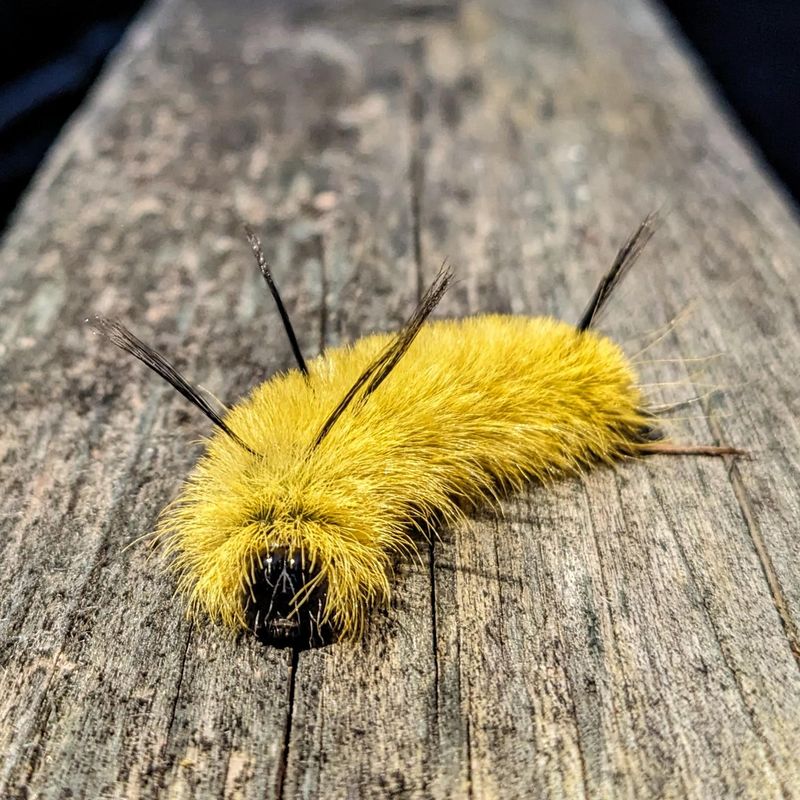
At first glance, this fluffy yellow creature looks like something you would want to pick up and pet. The American Dagger Moth Caterpillar is covered in soft-looking yellow bristles with long black hair tufts sticking out from its body.
It almost looks like a tiny, wild-haired stuffed animal crawling along a branch. But do not let its cute appearance fool you.
Those bristles can cause real skin irritation if you touch them. Some people experience redness, itching, and a mild rash after contact.
Children playing in Texas gardens are especially at risk because the caterpillar looks so inviting. The best advice is to admire it from a safe distance and never handle it with bare hands.
You will most often spot this caterpillar on trees and shrubs during spring and summer. It loves oak, birch, and walnut trees, which are common across many parts of Texas.
The caterpillar feeds on the leaves of these trees but rarely causes serious damage to healthy, mature trees.
Eventually, the caterpillar transforms into a gray and white moth that is far less dramatic-looking than its younger self. The moth is harmless and actually plays a role in the local food web by serving as a food source for birds and other wildlife in Texas.
Spotting one of these caterpillars is actually a sign that your garden has a healthy ecosystem. If you see one, simply leave it alone and let nature do its thing.
Gardeners who stay aware of what is crawling around their plants are always better prepared to protect both themselves and their gardens.
2. Wheel Bug (Assassin Bug)
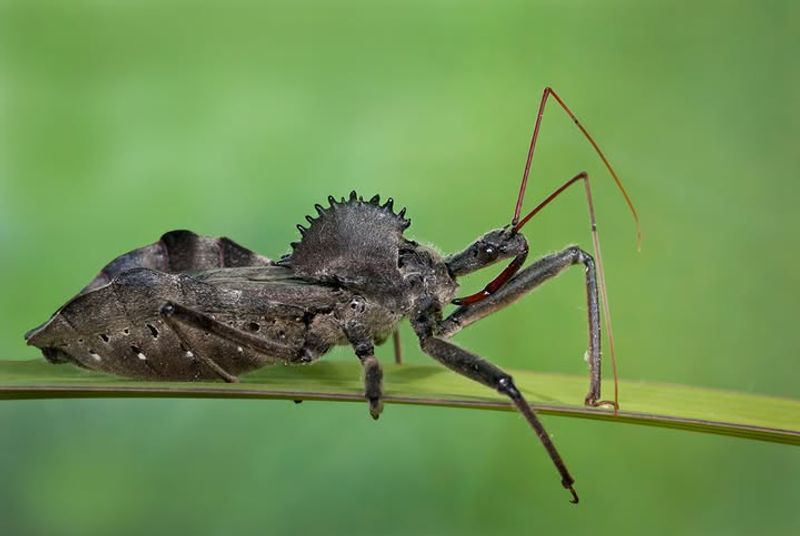
Imagine looking down at your tomato plant and spotting what looks like a tiny armored robot. That is pretty much what it feels like the first time you see a Wheel Bug.
Named for the strange, gear-shaped crest that rises from its back like a half-wheel, this insect is one of the most unusual-looking bugs you will find in any Texas garden. It belongs to the assassin bug family, which already sounds like something from an action movie.
Despite its intimidating appearance, the Wheel Bug is actually a gardener’s best friend. It feeds on caterpillars, aphids, and other insects that can damage your plants.
Watching a Wheel Bug hunt is something else entirely. It moves slowly and carefully before striking with a sharp, needle-like beak that injects a paralyzing fluid into its prey. It is a natural form of pest control that costs you absolutely nothing.
However, there is one important warning for Texas gardeners. If you accidentally grab or threaten a Wheel Bug, it can deliver an extremely painful bite.
Many people describe it as one of the most painful bites from any North American insect. The pain can last for several hours and may cause some swelling around the bite area.
The good news is that Wheel Bugs are not aggressive toward humans at all. They only bite when they feel directly threatened.
So if you spot one in your garden, just let it go about its business. It is doing more good than harm, quietly keeping pest populations under control across Texas gardens all season long. Treat it with respect and it will return the favor.
3. Leaf-Footed Bug
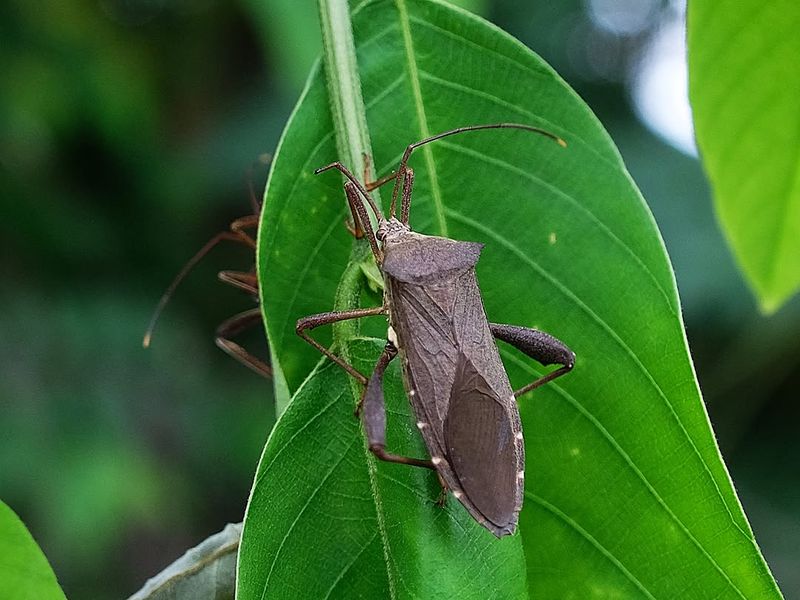
You might do a double take the first time you spot a Leaf-Footed Bug. Its hind legs have wide, flat extensions that look exactly like tiny leaves, giving the bug a truly bizarre silhouette.
It almost looks like someone glued little paddles onto its legs as a joke. But this is actually a real insect, and it is one of the most commonly spotted garden bugs across Texas.
Leaf-Footed Bugs are especially fond of tomatoes, peppers, peaches, and squash. They use a sharp mouthpart to pierce the skin of fruits and suck out the juices inside.
This feeding can cause discoloration, scarring, and early drop of fruits. If you grow vegetables or fruit trees in your Texas garden, there is a good chance you have already seen the damage these bugs can cause without even knowing what made it.
They also release an unpleasant odor when disturbed, which is a defense mechanism shared with their stink bug relatives. Picking them off by hand works well, though wearing gloves is a smart move to avoid the smell.
You can also use row covers on vulnerable plants to keep them away during peak season in Texas.
One interesting thing about Leaf-Footed Bugs is that they tend to gather in groups, especially when the weather starts to cool down in fall. You might find a whole cluster of them on a single plant or even on the sunny side of a fence.
They are not dangerous to humans, just a nuisance for gardeners trying to protect their harvest. Staying alert during late summer and early fall gives you the best chance of managing them before they cause too much trouble.
4. Katydid
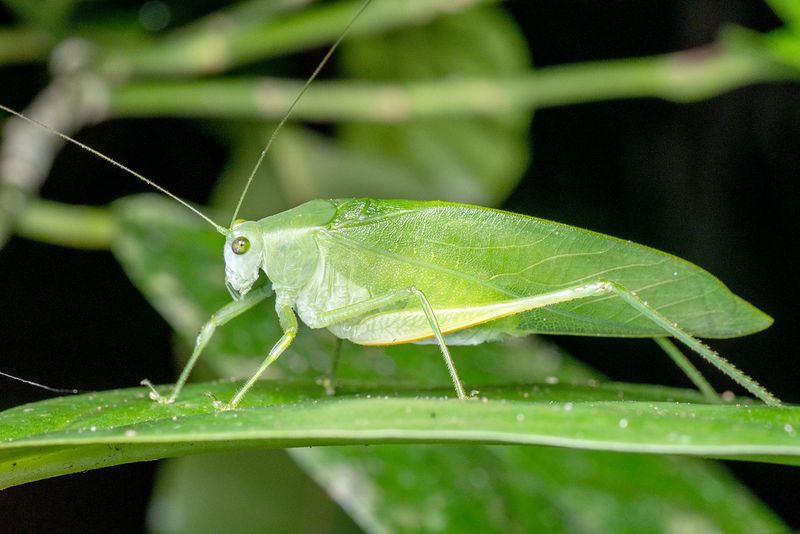
If your Texas garden suddenly comes alive with loud, rhythmic chirping after sunset, chances are you have Katydids nearby. These bright green insects are masters of disguise.
Their wings are shaped and textured to look almost exactly like leaves, complete with fake veins running across the surface. Sitting still on a plant, a Katydid is nearly impossible to spot during the day.
Katydids belong to the same insect family as crickets and grasshoppers. The males produce their famous nighttime calls by rubbing their wings together, a process called stridulation.
The sound can be surprisingly loud, especially on warm Texas summer nights when dozens of them are calling at once. Many Texans grow up hearing this sound without ever knowing exactly what is making it.
As for garden damage, Katydids feed on leaves, flowers, and occasionally fruit. However, their populations in most Texas gardens are rarely large enough to cause serious harm to your plants.
A few chewed leaves here and there are usually the worst you will see. They actually serve as an important food source for birds, bats, and other wildlife that visit your garden.
Fun fact: there are over 6,000 species of Katydids worldwide, and several of them call Texas home. Some species even eat other insects, making them part-time predators as well as plant feeders.
If you hear them singing on a warm Texas evening, consider it a sign of a healthy and balanced garden.
Rather than trying to get rid of them, enjoy the free nighttime concert they put on every summer. They are truly one of nature’s most underappreciated performers.
5. Praying Mantis
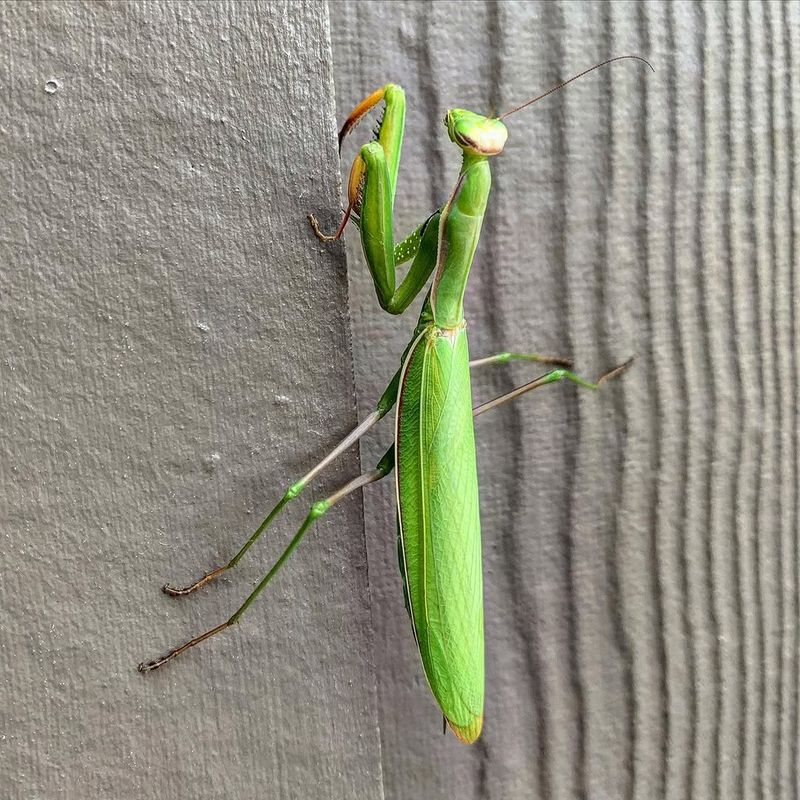
Few insects stop people in their tracks quite like the Praying Mantis. With its triangular head, enormous eyes, and raised front legs held together as if in prayer, it looks like something from another planet.
There is something almost eerie about the way it slowly turns its head to look directly at you, the only insect capable of turning its head 180 degrees. Texas gardeners who spot one often feel like they are being watched right back.
The Praying Mantis is one of the most valuable predators you can have in a Texas garden. It feeds on moths, beetles, grasshoppers, and a wide variety of other insects that cause damage to plants.
Unlike pesticides, a Mantis works silently and selectively, targeting prey with lightning-fast precision. Gardeners who attract Mantises to their space are essentially getting free, natural pest control all season long.
Praying Mantises are most active in Texas during the warmer months, from late spring through early fall. You are most likely to spot them in areas with tall grasses, flowering plants, or dense shrubs where prey is plentiful.
They blend in so well with their surroundings that you might walk right past one without noticing it at all.
Egg cases, called oothecae, can sometimes be found attached to plant stems or fences during winter. Each case can hold up to 200 eggs, meaning one Mantis can produce a whole new generation of garden helpers.
If you find an egg case in your Texas garden, leave it right where it is. Come spring, you will have a fresh batch of these remarkable hunters ready to patrol your plants and keep the pest population in check naturally.
6. Harlequin Bug
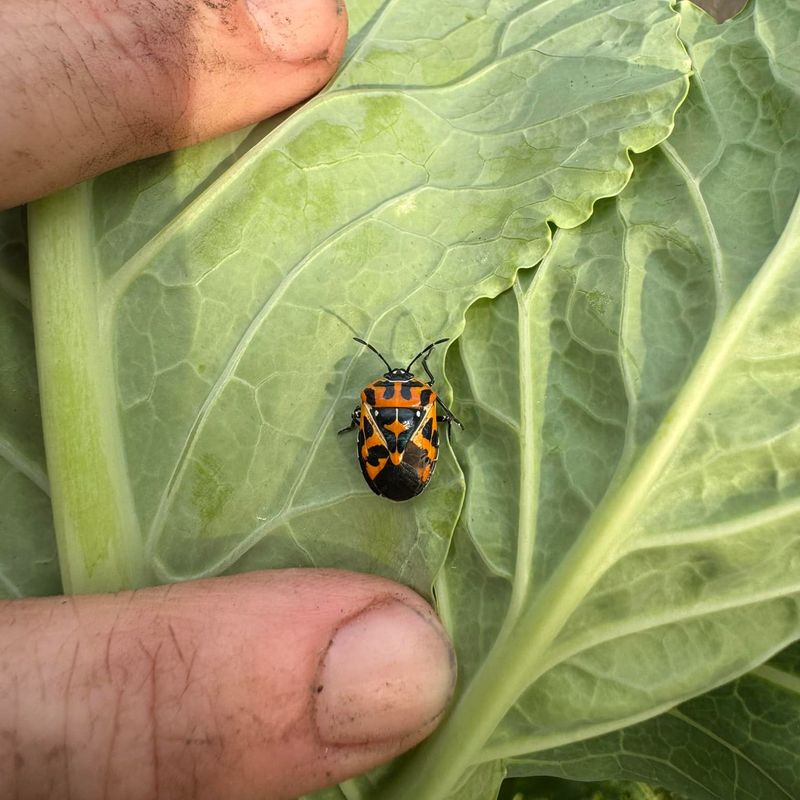
If insects held a contest for the most eye-catching outfit, the Harlequin Bug would win by a landslide. Dressed in bold patches of orange, red, and black, this stink bug relative looks like it belongs on a carnival float rather than a cabbage leaf.
The name says it all. Its striking color pattern is actually a warning to predators that it tastes terrible, a survival trick used by many brightly colored insects in nature.
Unfortunately for Texas vegetable gardeners, this beautiful bug is also one of the most destructive pests you can find in your garden.
Harlequin Bugs feed by piercing plant tissue and sucking out the sap, causing wilting, yellowing, and eventually the complete collapse of the plant if the infestation is large enough.
They particularly love cabbage, kale, broccoli, Brussels sprouts, and other leafy crops that are popular in Texas home gardens.
They are most problematic during warm months, and Texas gives them plenty of warmth to work with. One of the best ways to manage them is to check the undersides of leaves regularly for their distinctive barrel-shaped eggs, which are laid in neat double rows.
Removing egg clusters by hand before they hatch is one of the most effective control methods available to home gardeners.
Keeping your garden free of weeds and debris also helps reduce Harlequin Bug populations, since they use these areas to shelter during cooler periods. Planting trap crops like mustard greens nearby can lure them away from your main vegetable beds.
Despite all the trouble they cause, there is no denying that Harlequin Bugs are one of the most visually stunning insects you will ever spot in a Texas garden. Sometimes the most beautiful things are the ones that require the most careful attention.