The Wildfire-Resistant Plants California Homeowners Are Planting Around Their Homes
Wildfire safety can change the way California homeowners think about every plant near the house. A shrub that looks pretty in spring may not feel like a smart choice once dry summer winds arrive.
That is why more people are paying closer attention to what grows around walls, patios, and walkways.
Some plants hold moisture better, stay lower to the ground, or create less messy buildup when cared for well.
They are not magic shields, of course, but they can be part of a safer yard plan. The real goal is choosing plants that add beauty without adding extra worry.
California landscapes still deserve color, texture, and life, even in fire prone areas. The smartest yards do not look bare or boring. They just make every plant work harder for the home.
1. Yarrow Stays Low And Easy To Maintain
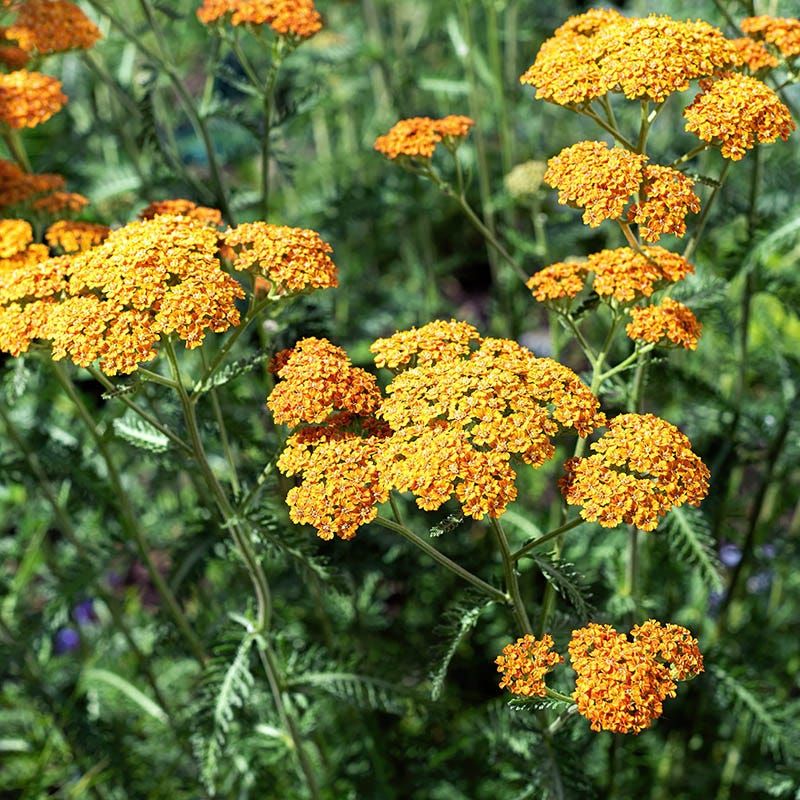
Few plants earn their place in a fire-wise yard the way yarrow does. It stays low to the ground, spreads gradually, and rarely needs much attention once it gets established.
That combination makes it a favorite among homeowners who want safety and simplicity at the same time.
Yarrow has flat-topped clusters of small flowers that come in white, yellow, and soft pink. The blooms attract butterflies and beneficial insects, which is a bonus for anyone trying to support local pollinators.
The leaves are feathery and aromatic, which adds a pleasant texture to garden beds. From a fire safety standpoint, yarrow has high moisture content in its leaves and stems, which helps resist ignition.
It does not produce thick woody stems or lots of dry debris, so there is less fuel sitting around the base of the plant. That matters a lot when embers land in your yard during a fire event.
Yarrow grows well in full sun and handles poor, dry soil without complaint. It actually thrives with less water, making it a smart choice for summer months when irrigation is limited.
Cutting it back after blooming keeps it tidy and encourages fresh growth. Plant it along borders, pathways, or open slopes where low ground coverage is needed most.
2. California Fuchsia Brings Color Without A Thirsty Lawn
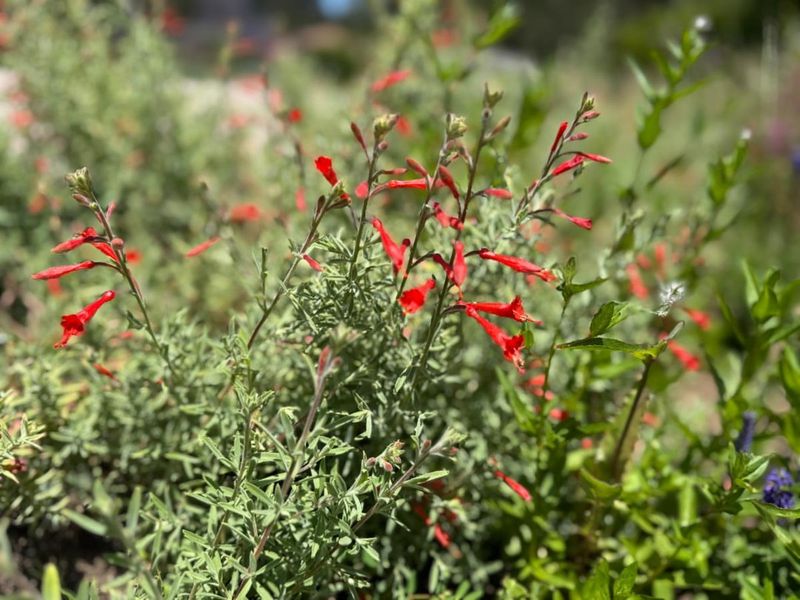
Blazing red-orange blooms on a drought-tolerant plant sounds almost too good to be true, but that is exactly what this native beauty delivers.
Known botanically as Epilobium canum, it lights up late summer and fall with tubular flowers that hummingbirds absolutely love. It blooms right when most other plants are fading out in the heat.
From a fire-safety perspective, it checks off several important boxes. The plant stays relatively low, usually under two feet tall.
It does not accumulate heavy thatch or dry woody debris at its base, which helps reduce the amount of material that could catch a spark and spread flames toward your home.
It spreads by underground runners, which means it can fill in gaps along slopes and dry hillsides where bare soil would otherwise be exposed.
Covered ground is safer ground when it comes to wildfire risk. The more you plant it, the more it works in your favor.
Your California Garden Changes Every Week. Your Plan Should Too.
Gardening in California changes quickly throughout the season. Every Friday you’ll receive a simple weekly plan showing exactly what to plant, prune, fertilize, harvest, and protect so you never miss the right timing.
Watering needs are minimal once the plant is established. It handles full sun and reflected heat well, making it perfect for south-facing slopes or areas near pavement.
Cutting it back hard in late winter encourages a full, bushy flush of new growth each spring. For homeowners wanting bold color without a water-hungry lawn, this plant is a strong and reliable answer.
3. Creeping Sage Covers Ground With Less Fuel Buildup
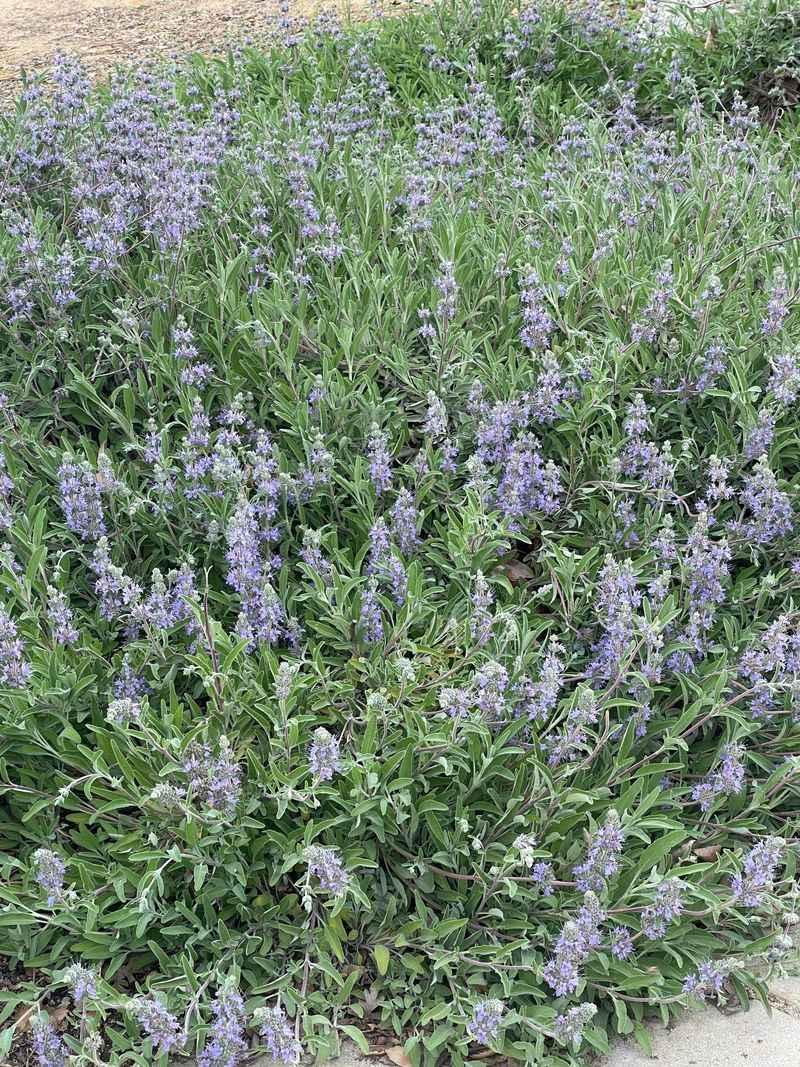
Ground cover plants play a big role in fire safety, and creeping sage is one of the best options available to homeowners in our state.
It spreads low and wide, hugging the soil in a way that helps prevent bare patches where dry weeds could otherwise take root. Fewer weeds means less unplanned fuel sitting around your property.
Salvia sonomensis, as it is formally known, produces small lavender-purple flower spikes that attract bees and other pollinators.
The silvery-green foliage has a pleasant herbal scent when brushed, and it stays evergreen through much of the year. That gives your yard a tidy, finished look even in the dry season.
Unlike some sages that grow tall and woody, creeping sage stays under a foot in height. That low profile is a big advantage in defensible space planning.
Tall, dense shrubs close to a home can act as ladders that carry fire upward, but low-growing plants like this one keep that risk much lower.
It thrives in full sun and well-drained soil, and it needs very little supplemental water once it settles in after the first season. Occasional trimming helps keep the edges tidy and encourages fresh, dense coverage.
Plant it on slopes, along walkways, or in open beds where you need reliable, fire-smart ground coverage without a lot of upkeep.
4. Coyote Mint Adds Fragrance In A Tidy Package
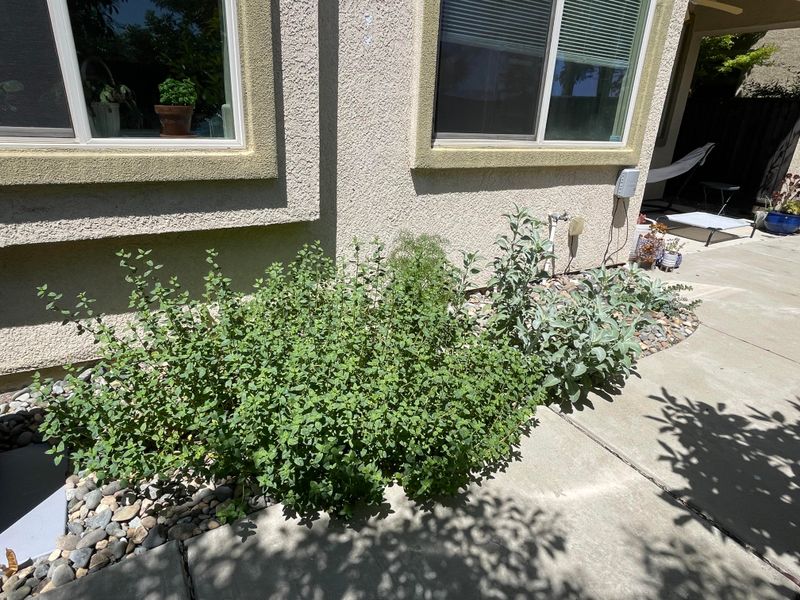
Walk past a patch of coyote mint on a warm afternoon and you will immediately understand why so many gardeners are drawn to it. The scent is sharp, clean, and unmistakably minty.
It is one of those plants that rewards you just for walking by, and that kind of sensory experience makes a garden feel truly alive.
Monardella villosa is native to our state and has evolved to handle long, hot, dry summers with ease. It forms tidy mounds that typically stay under eighteen inches tall and wide.
That compact size is exactly what fire safety experts recommend for planting in the zones closest to your home.
The small, rounded flower heads bloom in shades of purple and lavender throughout summer. They are a favorite of native bees, hummingbirds, and butterflies.
Having those pollinators in your yard is good for your whole garden, not just the coyote mint itself.
From a fire-resistance standpoint, the plant has a high moisture content relative to its size and does not produce large amounts of dead wood or dry thatch. It also tends to stay green longer into the dry season than many other plants.
Give it full sun, excellent drainage, and minimal water once established, and it will reward you with years of fragrant, colorful, low-maintenance coverage that also happens to be smart fire-wise landscaping.
5. Island Alum Root Works In Shadier Fire-Wise Beds
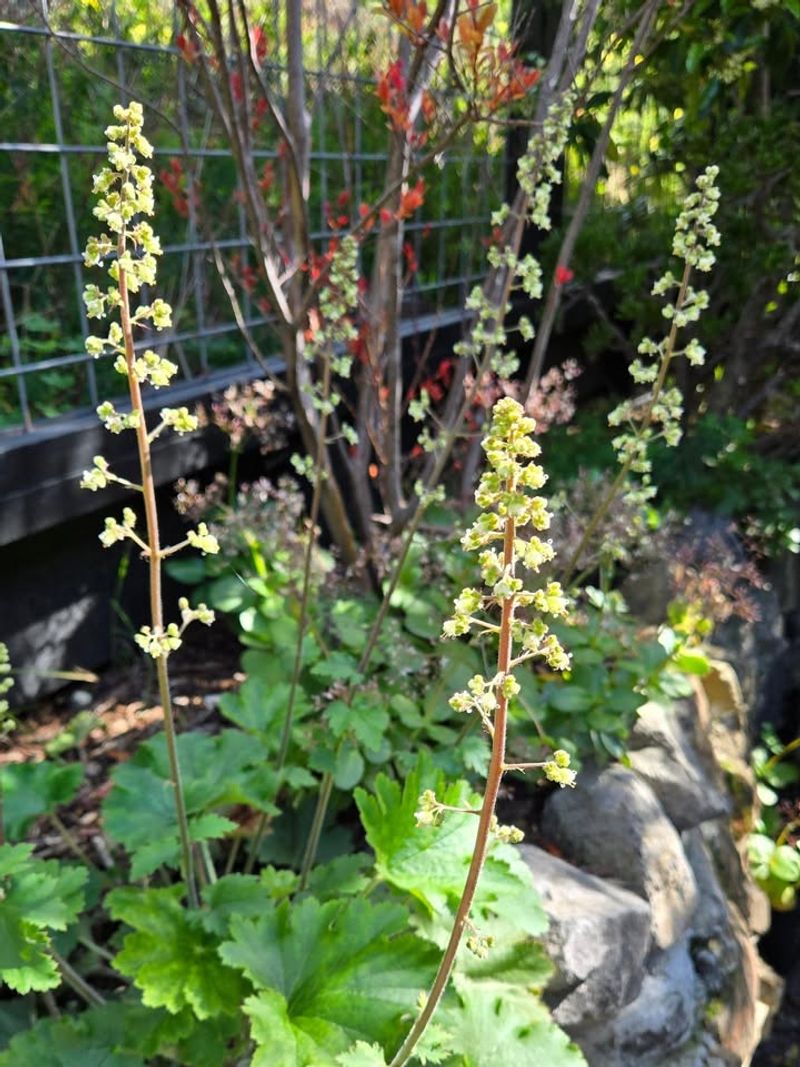
Most fire-resistant plant lists focus on full-sun, open-space options, but what about the shady spots near your home? That is exactly where island alum root earns its reputation.
This native perennial thrives under trees, along north-facing walls, and in any area that does not get direct afternoon sun.
Heuchera maxima grows in tidy clumps with broad, rounded leaves that stay green through most of the year. In spring and early summer, it sends up tall, slender flower stalks covered in tiny white or pink blooms.
Those stalks can reach two feet high, but the base of the plant stays low and compact. Shade is often overlooked in fire-safety planning, but it matters.
Dry, bare soil under trees can collect fallen leaves and debris that become fuel during fire season.
Planting island alum root in those spots keeps the ground covered and reduces the buildup of loose, dry material that could catch a spark.
It handles drought reasonably well once established, though it does appreciate occasional deep watering during the hottest weeks of summer.
Pair it with other low-growing natives under oak trees or along shaded pathways for a layered, fire-wise planting scheme.
It is a quiet, understated plant that does important work without demanding much attention, which makes it a genuinely smart addition to any defensible space plan.
6. Coral Bells Keep Borders Low And Leafy
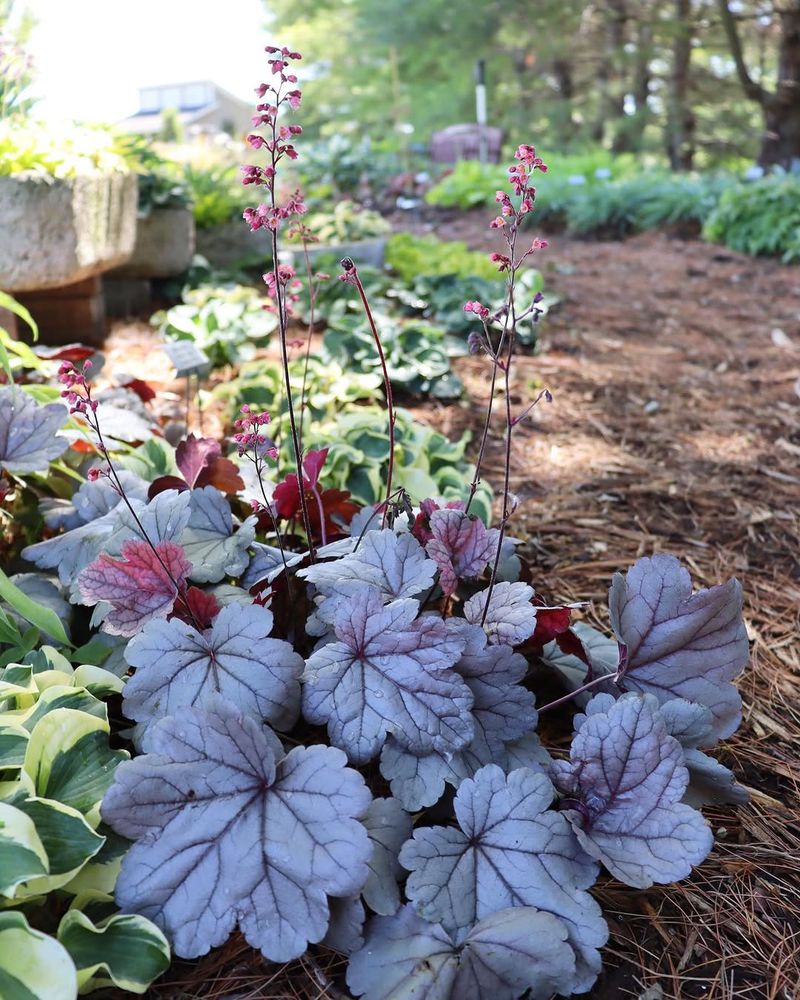
Bold foliage color is something most people associate with tropical plants that need lots of water and care. Coral bells flip that idea on its head entirely.
These compact perennials come in a stunning range of leaf colors, from deep burgundy and chocolate brown to lime green and silvery purple, and they do it all without needing much water.
Heuchera species and hybrids stay low to the ground, typically reaching only twelve to eighteen inches in height.
That low profile is one of the main reasons fire-safety planners recommend them for planting close to structures.
Low, leafy plants simply do not carry the same fire risk as tall, woody shrubs packed with dry material.
The leaves stay on the plant year-round in most parts of our state, which means consistent ground coverage through every season. Consistent coverage means fewer bare spots where dry weeds can sneak in and create unexpected fuel sources.
That is a practical benefit that goes beyond just looking good. Coral bells do best in partial shade to full sun, depending on the variety.
They prefer well-drained soil and moderate watering, though many varieties handle dry spells gracefully. Trim off old flower stalks after blooming to keep the plant looking neat.
Use them along borders, in raised beds, or as a colorful alternative to traditional groundcovers near patios, pathways, and entryways where fire safety meets everyday curb appeal.
7. Douglas Iris Adds Structure Without Getting Huge
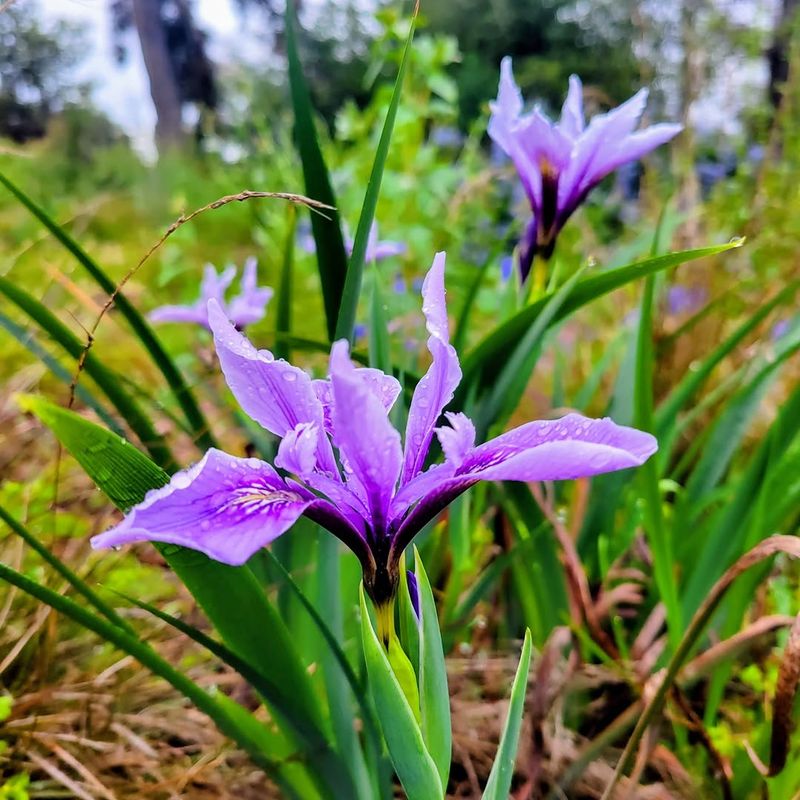
There is something quietly elegant about a Douglas iris in bloom. The flowers have that classic iris shape, with delicate veining and rich purple, blue, or white coloring that catches the eye from across the yard.
Yet the plant itself stays surprisingly modest in size, which is exactly what makes it so useful in fire-wise landscaping.
Iris douglasiana is native to coastal and inland areas of our state. It forms low, grassy clumps that rarely exceed eighteen inches in height.
The narrow, strap-like leaves stay green year-round and create a neat, structured look without the bulk that comes with larger ornamental grasses or shrubs.
Because the plant does not produce thick, woody stems or large amounts of dry debris, it fits well within the low-fuel planting zones that fire safety guidelines recommend near homes.
The clumping growth habit also means it does not spread aggressively, so it stays where you put it without taking over the whole bed.
Douglas iris handles both sun and partial shade, which gives homeowners more flexibility in where they plant it.
It is quite drought-tolerant once established and actually prefers to stay on the dry side during summer.
Dividing the clumps every few years keeps the plants vigorous and full. Use it as a border plant, a slope stabilizer, or a structural accent in mixed native plantings where you want beauty and function in one tidy package.
8. Blue-Eyed Grass Fits Small Defensible Spaces
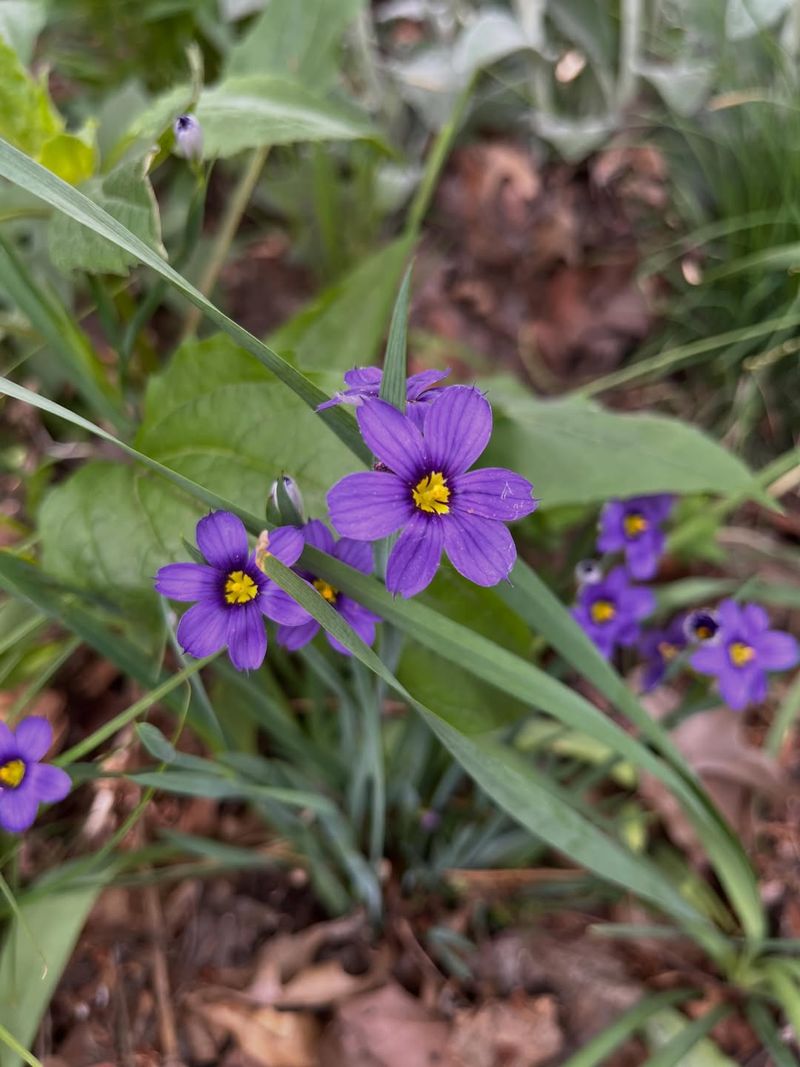
Not every homeowner has a large yard to work with, and that is perfectly fine. Blue-eyed grass was practically made for small defensible spaces where every square foot needs to earn its place.
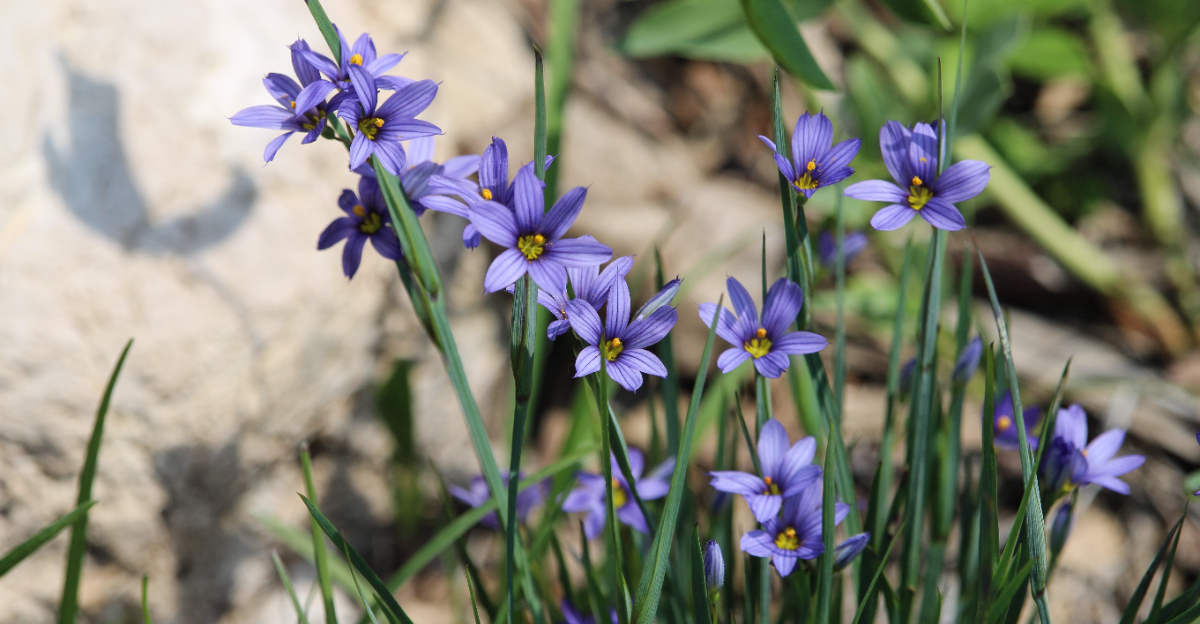
Despite its delicate appearance, this little native is surprisingly tough and adaptable. Sisyrinchium bellum is not actually a grass, even though it looks like one.
It belongs to the iris family and produces small, cheerful flowers in violet-blue with a bright yellow center.
The blooms appear in spring and early summer and have a charm that is hard to match for such a compact plant.
In terms of fire safety, blue-eyed grass is a strong performer. It stays under twelve inches tall, produces minimal dry debris, and does not form dense, woody clumps that can become fuel.
It is the kind of plant that does quiet, reliable work without drawing attention to itself, which is exactly what you want in a fire-safe planting scheme.
It grows well in full sun to light shade and handles both regular garden soil and heavier clay soils better than many natives. Watering can be reduced significantly after the first growing season.
Scatter it in clusters among rocks, along pathways, or in narrow planting strips where space is tight.
It also works beautifully in containers on patios and balconies, bringing native charm and fire-smart thinking to even the smallest outdoor areas.