The Worst Pests For North Carolina Homeowners And How To Get Rid Of Them
North Carolina homeowners face a handful of particularly stubborn pests each summer, though most respond well to the right approach.
Fire ants top the list for many, with their painful stings and mounds that seem to appear overnight in lawns.
Treating mounds directly with a targeted bait works better than broad yard treatments, which often miss the colony’s queen entirely.
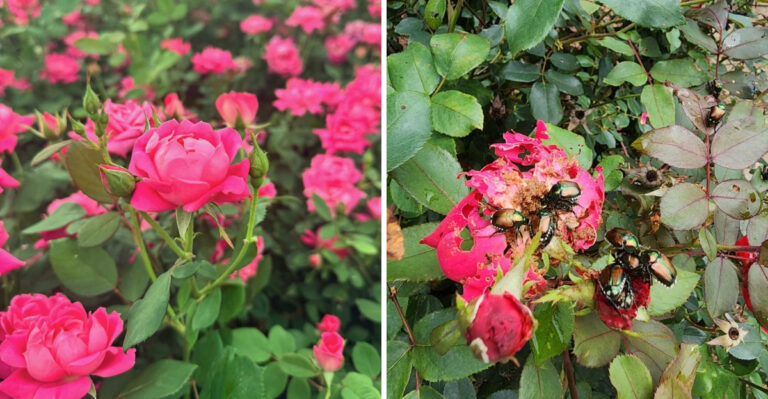
Japanese beetles cause widespread damage to roses and other ornamentals, best managed through handpicking or targeted grub treatments applied in early fall.
Ticks thrive in North Carolina’s humid climate, making regular yard maintenance and keeping grass trimmed essential for reducing their populations.
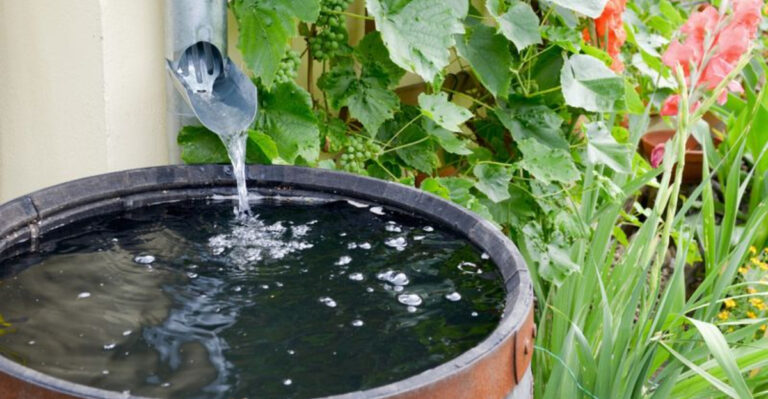
Mosquitoes multiply quickly in standing water, so eliminating birdbaths, clogged gutters, or other water sources cuts down their numbers significantly.
Termites remain a serious concern for homes, often requiring professional treatment once an infestation is confirmed.
Staying proactive with these pests throughout summer prevents small problems from becoming much bigger ones.
1. Red Imported Fire Ants Can Take Over Lawns And Garden Edges
Few things ruin a barefoot afternoon in the yard quite like stepping on a fire ant mound.
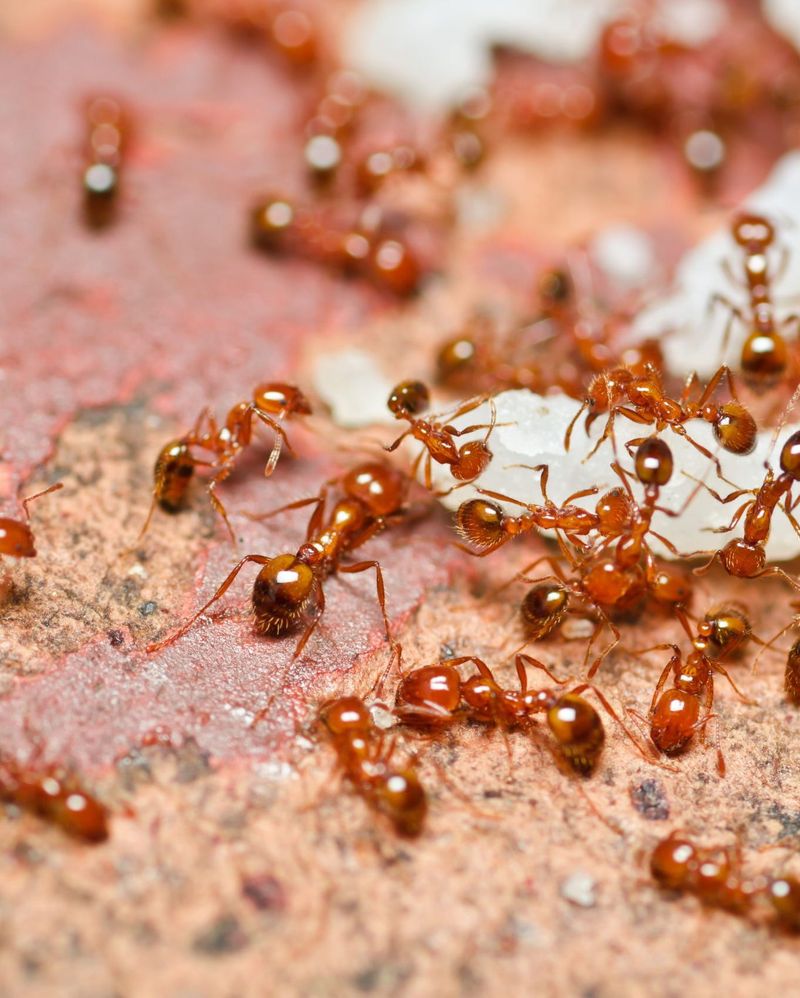
Red imported fire ants are one of the most aggressive and widespread lawn pests in North Carolina, and their colonies can pop up fast in sunny spots like lawn edges, garden borders, and areas near pavement.
A single mound can hold hundreds of thousands of ants, and disturbing one accidentally sends them swarming almost instantly.
Their stings are painful and can cause serious allergic reactions in some people, which makes managing these colonies a real priority for families with young children or pets.
Before reaching for any treatment, take a moment to confirm you are actually dealing with fire ants.
Look for the dome-shaped mounds with no visible center opening, which sets them apart from other ant species common in the region.
When only a few colonies are present, individual mound treatments offer a targeted and practical solution.
Fire ant baits spread across the lawn work well for broader infestations because worker ants carry the bait back to the colony.
Always read the full product label before applying anything, and keep children and pets away from treated areas until the product has dried or settled completely.
Timing matters too, since fire ants are most active and will pick up bait more readily when temperatures are moderate and the ground is not overly wet.
Treating during early morning or late evening tends to give better results than midday applications when ants stay deeper underground.
2. Japanese Beetles Can Strip Flowers And Landscape Plants
There is something almost shocking about walking out to your rose garden and finding the leaves reduced to thin, lacy skeletons overnight.
Japanese beetles are exactly that kind of pest, bold and destructive, feeding on roses, grapes, fruit trees, ornamental shrubs, and dozens of other landscape plants across North Carolina.
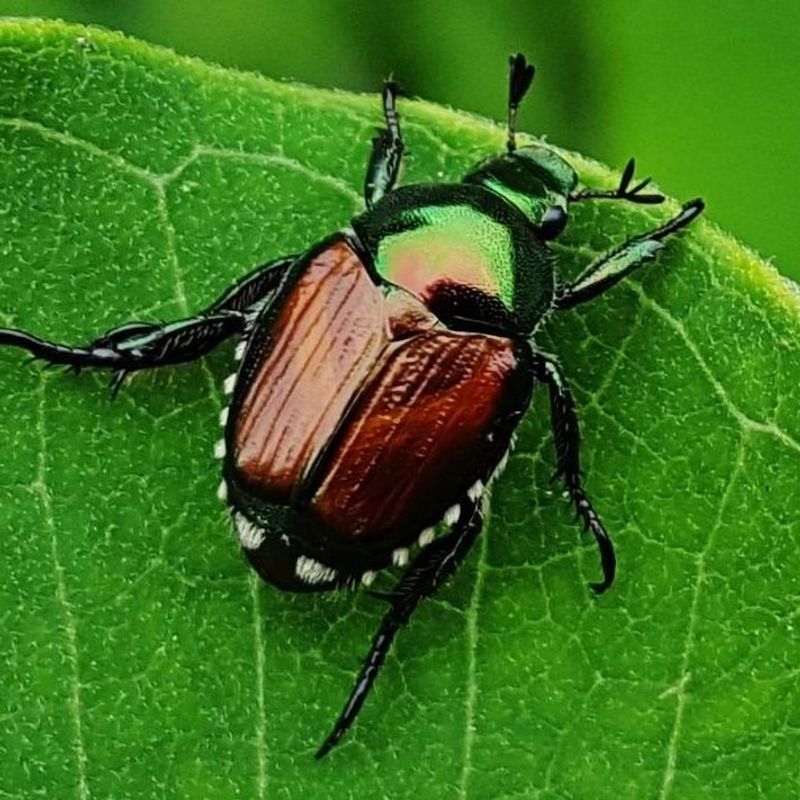
Adults are easy to spot with their shiny metallic green bodies and copper-colored wing covers, usually about half an inch long and found clustered in groups.
Your North Carolina Garden Changes Every Week. Your Plan Should Too.
Gardening in North Carolina changes quickly throughout the season. Every Friday you’ll receive a simple weekly plan showing exactly what to plant, prune, fertilize, harvest, and protect so you never miss the right timing.
They feed from the top of a plant downward, chewing through leaf tissue while leaving the veins behind, which creates that distinctive skeletonized look.
Checking your plants regularly during beetle season, which typically runs from late June through August, gives you a chance to catch an infestation early.
For small numbers, hand-picking beetles into a container of soapy water in the early morning works surprisingly well since they move more slowly when temperatures are cooler.
Beetle traps are widely sold but come with a catch. Research shows they can actually attract more beetles into your yard than they trap, so placing them right next to prized plants can make the problem worse rather than better.
If damage becomes severe and a product is truly necessary, choose one labeled specifically for Japanese beetles on the affected plant type.
Always check the label to make sure it is safe to use around flowering plants where bees and other pollinators may be visiting.
Protecting beneficial insects while managing the beetles is the smarter long-term approach for any North Carolina garden.
3. White Grubs Can Damage Turf From Below
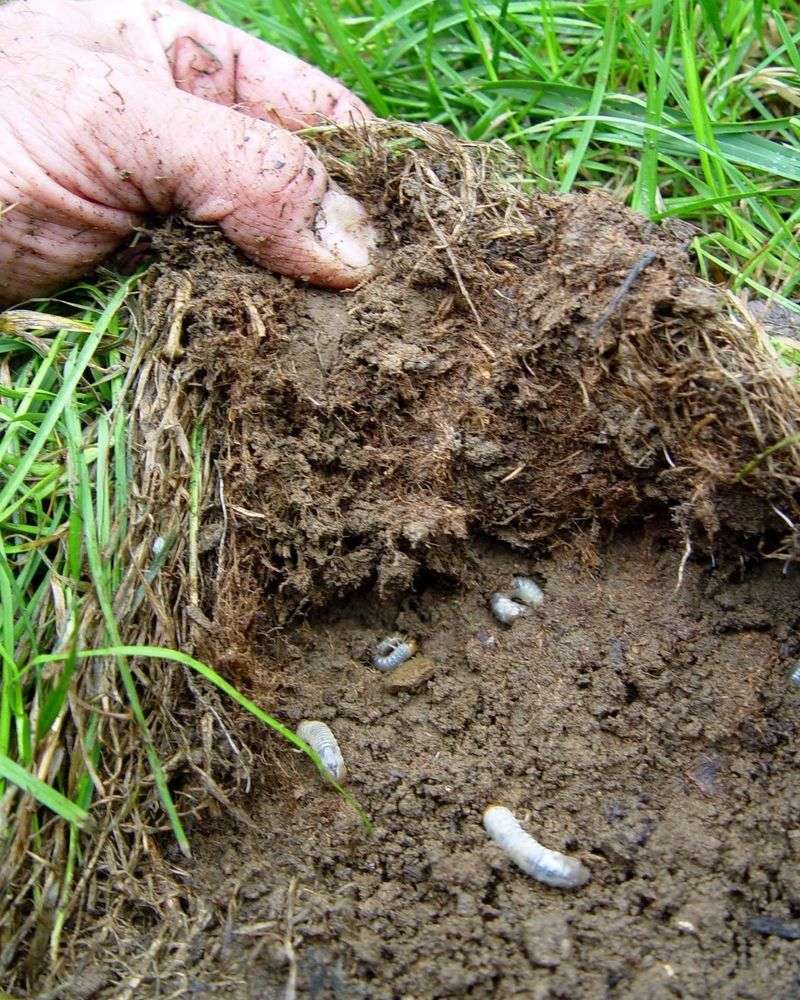
Some lawn problems sneak up on you from underground, and white grubs are the perfect example.
These plump, C-shaped larvae are the immature stage of several beetle species, including Japanese beetles and June beetles, and they spend months feeding on the roots of your grass without you seeing a single one.
By the time the damage becomes visible above ground, a significant amount of root loss has already happened. Watch for irregular patches of thinning or browning grass that do not respond to watering.
One of the most telling signs is turf that peels back from the soil unusually easily, almost like lifting a loose rug, because the roots holding it in place have been eaten away.
Before applying any treatment, confirm that grubs are actually the cause by cutting out a small section of sod about one square foot and examining the soil beneath.
Finding fewer than five grubs per square foot generally does not warrant treatment in most home lawns.
Control options depend on the grub species, their size, and most importantly, the timing of the application.
Preventive products work best when applied around egg hatch in early summer before larvae grow large. Treating mature, large grubs in late fall is significantly harder and often less effective.
Avoid the temptation to treat the entire lawn simply because you spotted adult beetles flying around your yard.
Adult presence does not automatically mean damaging grub populations are developing below, and unnecessary treatments can disrupt soil health and beneficial organisms living in the ground.
4. Fall Armyworms Can Damage A Lawn Very Quickly
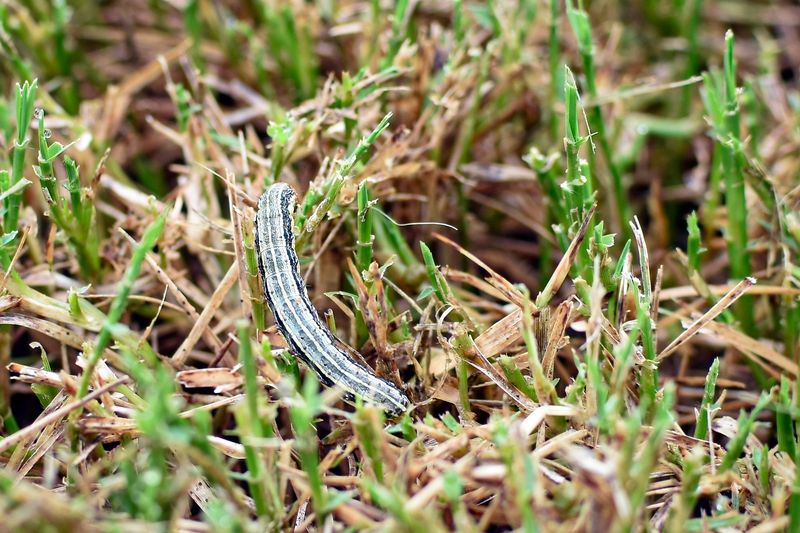
One week your lawn looks perfectly fine, and the next it looks like something went through it with a weed trimmer. Fall armyworms have a reputation for moving fast, and that reputation is well earned.
These caterpillars arrive in large numbers during summer and early fall, often migrating in waves, and they can consume grass at a rate that leaves entire sections of a lawn brown and ragged within just a few days.
Bermudagrass, fescue, and ryegrass are all fair targets. Catching an infestation early makes a big difference because smaller, younger caterpillars are much easier to manage than large, mature ones.
Inspect suspicious areas by parting the grass and looking closely at the soil surface and lower grass blades.
You might also try the soapy water drench method, mixing a tablespoon of dish soap in a gallon of water and pouring it over a square yard of turf. If armyworms are present, they will surface within a few minutes.
NC State Extension recommends mowing and lightly irrigating the turf before applying certain treatments, as this can improve product effectiveness by encouraging caterpillars to move up onto the grass blades.
Always confirm the pest before treating, and choose a product labeled specifically for fall armyworms on your grass type.
Applying a product to the wrong pest wastes money and can harm beneficial insects in the process.
Treating in the early morning or evening when caterpillars are most active near the surface tends to produce the best results for homeowners dealing with a fresh infestation.
5. Squash Vine Borers Can Cause Healthy Squash To Suddenly Wilt
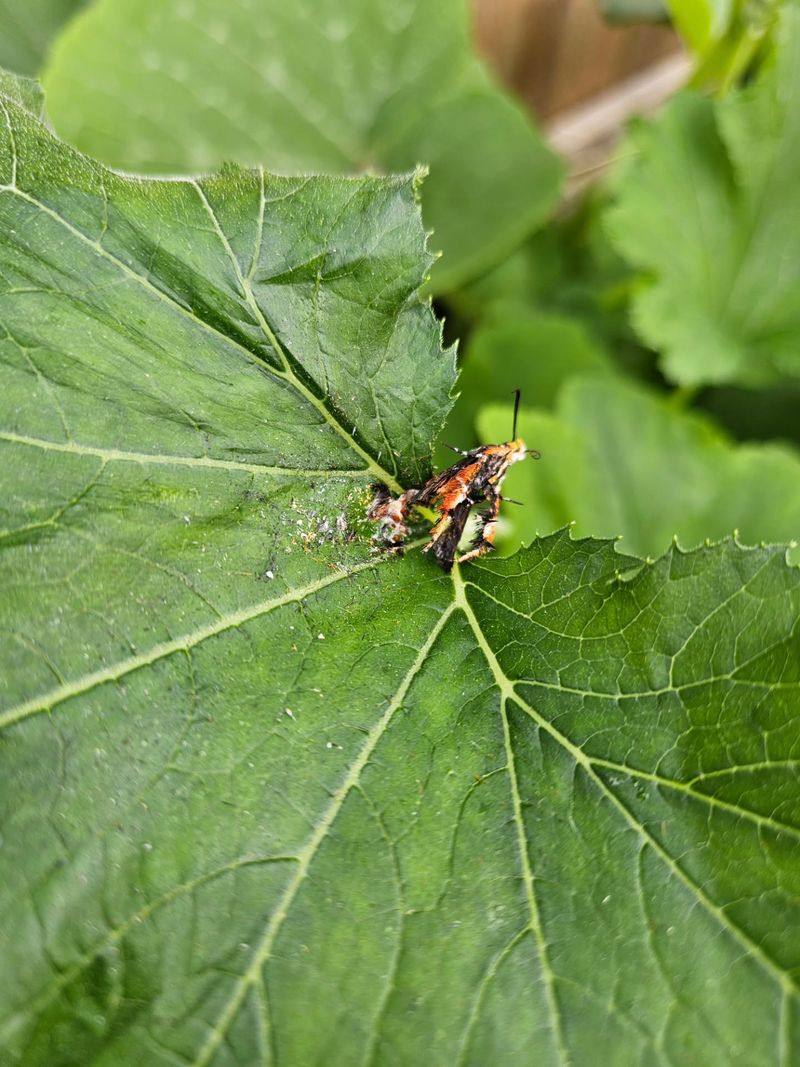
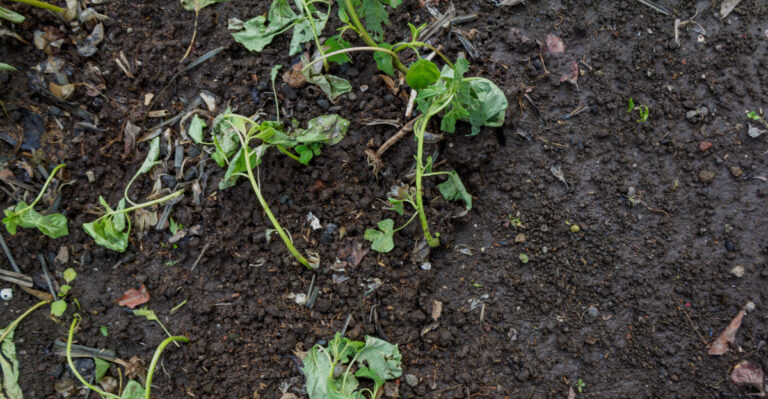
Squash plants can look completely healthy in the morning and be wilting dramatically by afternoon, and squash vine borers are usually the reason why.
These sneaky pests are the larvae of a moth that lays eggs near the base of squash stems in late spring and early summer.
Once the larvae hatch, they tunnel directly into the stem and begin feeding on the tissue that moves water and nutrients through the plant, cutting off the supply from roots to leaves.
Gardeners often mistake the wilting for drought stress and water more, but the real problem is inside the stem.
Look for a small entry hole near the base of the plant along with coarse, moist, greenish material pushed out from the stem. That frass is the clearest sign that a borer is already working inside.
Butternut squash has natural resistance to this pest compared to zucchini, yellow squash, and other summer squash varieties, making it a smart swap for gardeners who struggle with borers every season.
Prevention is the most reliable strategy here. Rotating your squash planting location each year reduces the chance of overwintering pupae in the soil becoming next year’s problem.
Floating row covers placed over young plants before the moth begins flying can block egg-laying entirely. Just remember that covers must come off once flowers open so pollinators can reach them.
Removing any eggs you spot on stems before they hatch is also worth the effort, since catching the problem before larvae enter the plant makes all the difference in keeping your squash productive through the season.
6. Tomato And Tobacco Hornworms Can Remove Foliage Fast
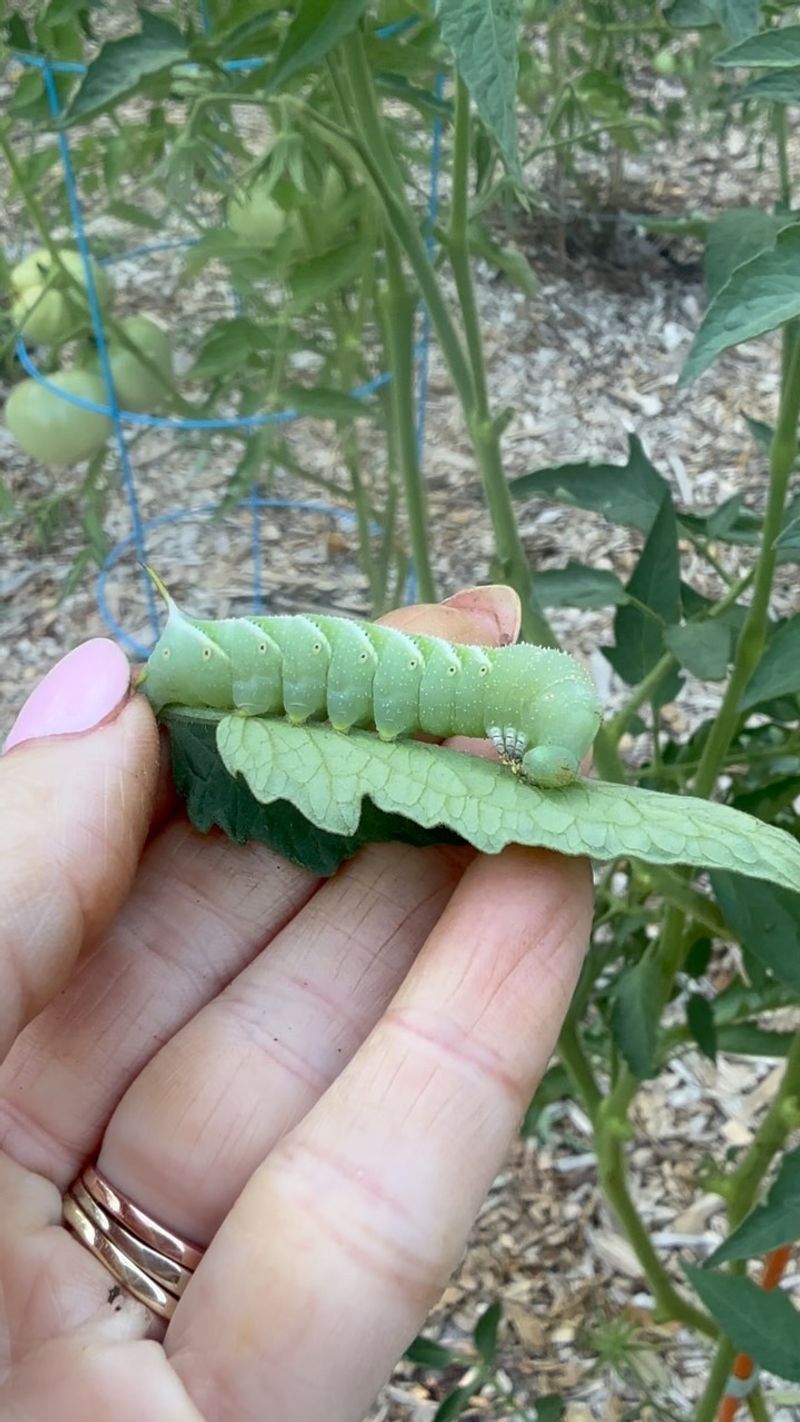
Spotting a tomato hornworm for the first time is genuinely surprising.
These caterpillars grow up to four inches long, are bright green with white diagonal stripes, and blend into tomato foliage so well that gardeners often notice the missing leaves before they ever spot the caterpillar.
Both tomato hornworms and tobacco hornworms feed on tomato plants and can strip entire branches bare, with damage becoming most noticeable from midsummer onward when populations peak.
Inspecting your plants regularly is the best way to catch them before they do serious harm. Check along stems and the undersides of leaves, and look for dark green droppings on leaves below as a clue that a hornworm is feeding somewhere above.
In a small home garden, hand-picking caterpillars is genuinely effective and does not require any products at all.
Drop them into a bucket of soapy water or relocate them far from your garden. Here is something worth knowing before you remove every hornworm you find.
If you spot one covered in small, white, rice-shaped cocoons attached to its back, leave it alone. Those are the cocoons of parasitoid wasps that have already used the caterpillar as a host.
When those wasps emerge, they will go on to attack more hornworms in your garden, providing natural control that keeps future generations in check.
Applying broad insecticides when these beneficial wasps are active can wipe them out and actually make your hornworm problem worse over time. Targeted, thoughtful management always wins in the home vegetable garden.
7. Twospotted Spider Mites Thrive During Hot Dry Weather
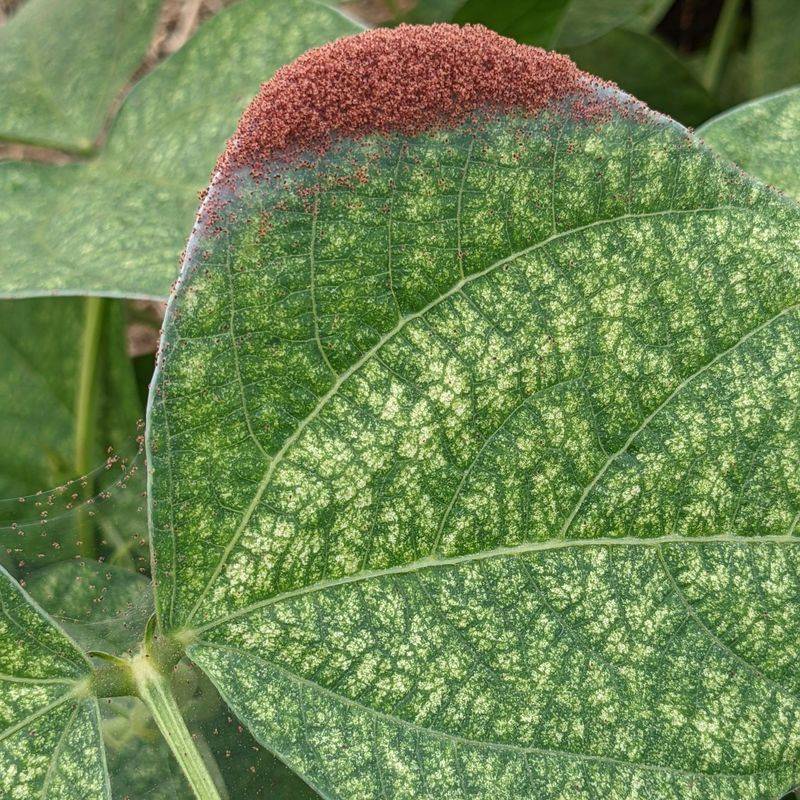
When summer heat cranks up and rainfall gets scarce, twospotted spider mites see it as a perfect opportunity to explode in numbers.
These tiny pests are barely visible without magnification, but the damage they cause is hard to miss.
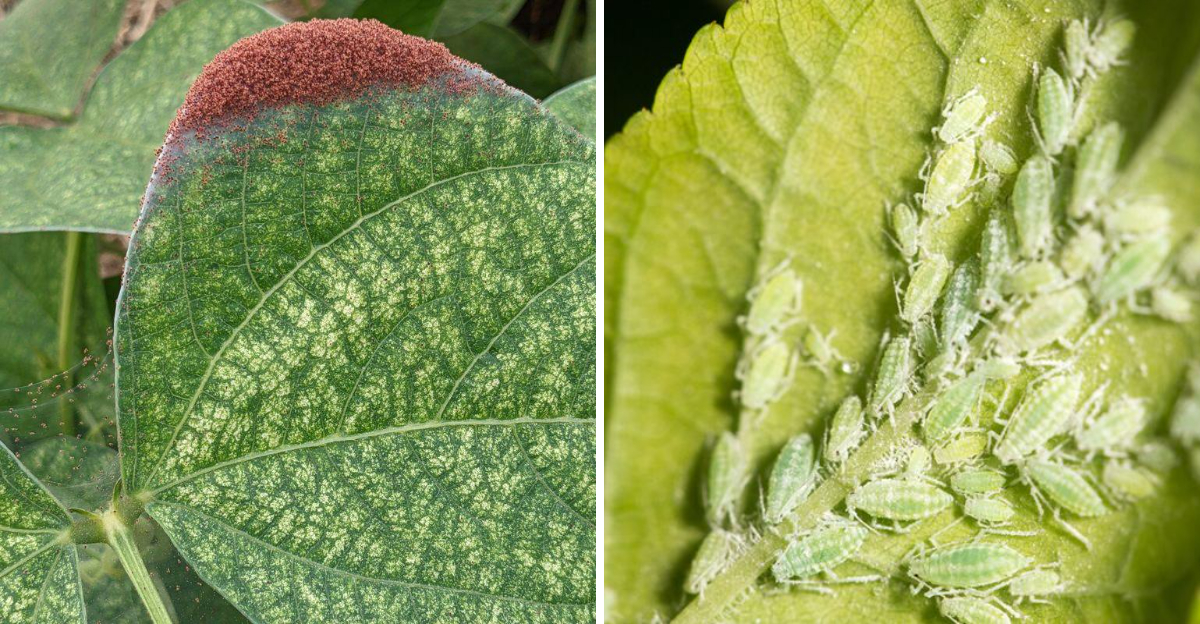
They feed on the undersides of leaves by piercing plant cells and drawing out the contents, leaving behind pale yellow or bronze stippling that gives foliage a dull, washed-out appearance.
Roses, beans, strawberries, cucumbers, and many ornamental plants are all common targets in North Carolina gardens.
As populations grow, you may notice fine webbing stretched across the undersides of leaves or between stems. At that stage, mite numbers are already quite high, and plant stress is significant.
Before assuming the problem is a disease or nutrient deficiency, flip a leaf over and examine the surface with a hand lens or even a smartphone camera zoomed in close. Tiny moving dots confirm active mites.
Also check whether the plant is getting enough water, since drought-stressed plants are far more vulnerable to mite damage than well-irrigated ones.
A strong spray of water directed at leaf undersides can knock mites off plants and reduce populations meaningfully on sturdy plants like roses and vegetables.
Keeping up with regular irrigation removes one of the main conditions that allows mites to thrive. Be careful about reaching for broad insecticides as a first response.
Many of those products remove the natural predators that feed on spider mites, including predatory mites and minute pirate bugs, and populations can actually rebound even harder after treatment without those beneficial insects present to keep them in check.
8. Aphids Can Multiply Rapidly On Tender New Growth
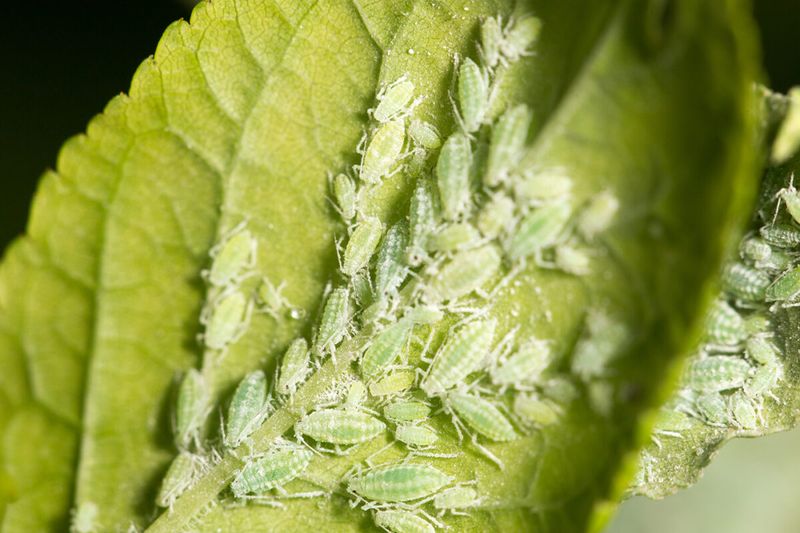
Aphids are small, soft-bodied insects that come in green, yellow, black, brown, and even pink, depending on the species.
What they all share is a talent for showing up in enormous numbers almost overnight, particularly on the soft new growth of vegetables, flowering plants, and young shrubs.
A single aphid can produce dozens of offspring in a week without mating, which is why a small cluster can turn into a full-blown infestation so quickly during warm North Carolina weather.
Beyond the direct feeding damage, aphids leave behind a sticky substance called honeydew that coats leaves and stems.
That honeydew invites a dark, powdery fungal growth called sooty mold, which blocks sunlight and makes plants look grimy and unhealthy.
You might also notice ants moving around heavily infested plants, since ants actually protect aphid colonies in exchange for access to the honeydew they produce.
Curled or distorted leaves are another common sign that aphids have been feeding on tender tissue for a while.
Before reaching for any product, scan the plant carefully for natural predators already doing the work for you.
Lady beetles, lacewing larvae, hover fly larvae, and tiny parasitoid wasps all feed on aphids and can bring populations down dramatically on their own given a little time.
For smaller plants, a firm stream of water aimed at the infested areas dislodges aphids effectively and is completely safe for beneficial insects.
If additional help is needed, insecticidal soap or horticultural oil applied according to label directions can reduce populations without causing widespread harm to the garden ecosystem around them.