These Are The 10 Florida Flowers To Start From Seed In March
March opens one of the best planting windows in Florida, and a packet of seeds can turn that timing into months of color. Warm soil, longer days, and a head start before the toughest summer heat give many flowers the chance to settle in and thrive.
For gardeners who want bright beds, busy pollinators, and strong blooms without overspending, seed starting in March makes a lot of sense. The key is choosing flowers that can handle Florida’s climate instead of fighting it.
Some varieties love the rising warmth, adapt fast, and reward a little effort with bold color through spring and beyond. From cottage-style favorites to heat-tolerant standouts, the right picks can fill your yard with life at exactly the right moment.
Start with smart choices now, and your garden can look fuller, brighter, and far more impressive in the weeks ahead.
1. Zinnias Bring Fast Color And Big Payoff
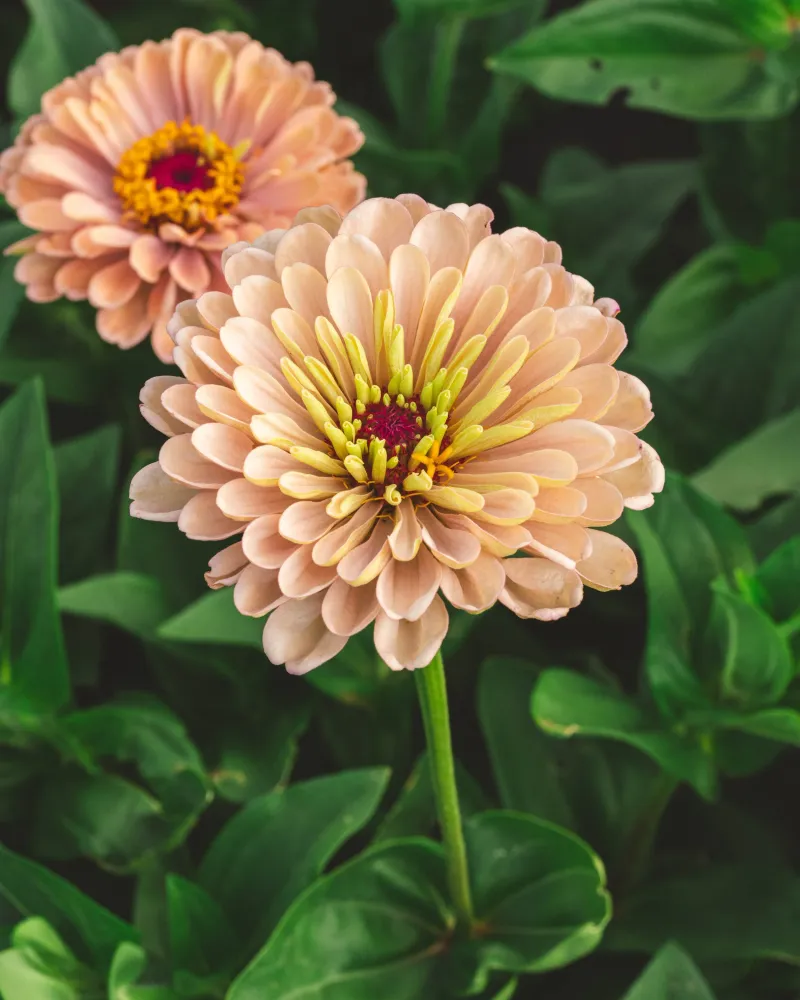
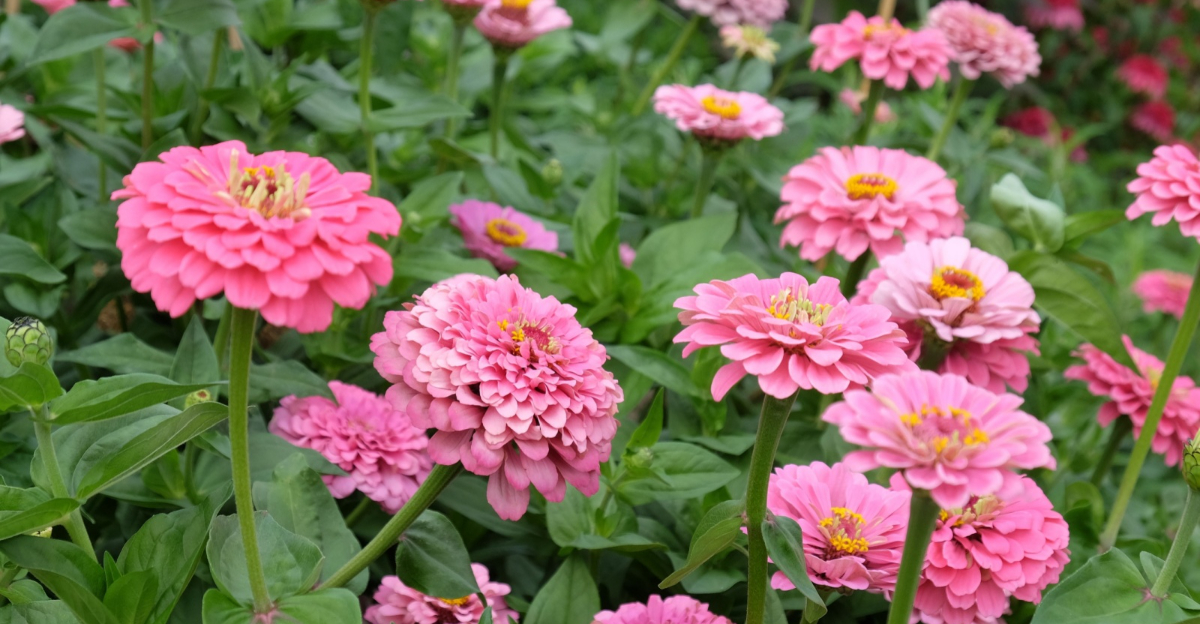
Few flowers reward a Florida gardener faster than zinnias. From the moment you press those flat little seeds into warm soil, you are looking at blooms in as little as six to eight weeks.
That kind of turnaround is hard to beat, especially in a state where the growing season moves quickly and color matters all season long.
Zinnias love heat, and Florida has plenty of it. March is an ideal time to direct sow zinnia seeds across much of the state, though gardeners in North Florida should keep an eye on overnight temperatures and wait until the risk of a late cool snap has passed.
In Central and South Florida, conditions in March are usually warm enough to get seeds going without much worry.
Sow seeds about a quarter inch deep in well-drained soil and give them full sun. Zinnias are not fussy about soil quality, but they do need good drainage to avoid rot.
Thin seedlings to about six to twelve inches apart depending on the variety. Deadheading spent blooms regularly keeps the plant producing through the warm months.
Butterflies absolutely love zinnia flowers, which makes them a double win for any Florida garden looking for life and movement.
2. Marigolds Earn Their Spot In Florida Gardens
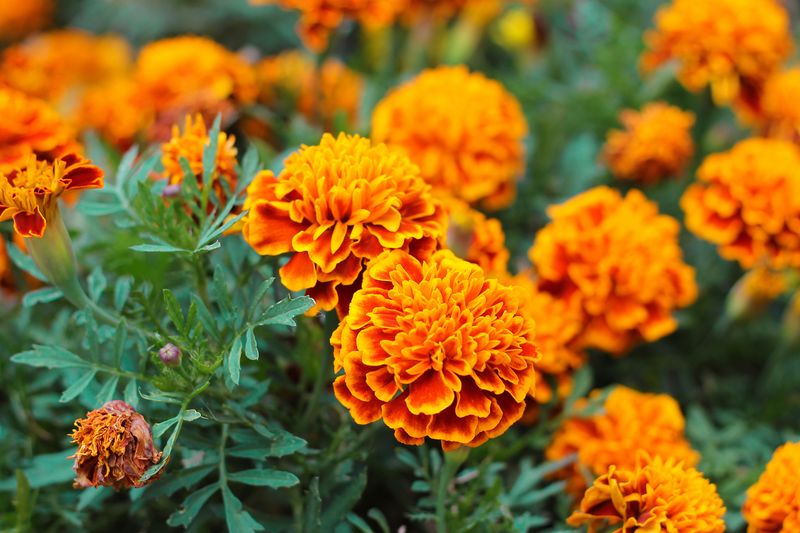
Marigolds have been a staple of home gardens for generations, and Florida gardeners keep coming back to them for good reason. They are reliable, cheerful, and surprisingly tough for a flower that looks so delicate.
Starting marigold seeds in March lines you up for a long stretch of color through the warmer months ahead.
You can start marigold seeds indoors a few weeks before your target transplant date, or direct sow them straight into the garden once nighttime temperatures are consistently above 50 degrees Fahrenheit. In South Florida and Central Florida, March is typically a safe bet for direct sowing.
North Florida gardeners may want to wait until mid to late March just to be safe, since cooler nights can slow germination.
Marigolds prefer full sun and well-drained soil. Space seeds about six to nine inches apart, depending on whether you are growing compact French types or the taller African varieties.
Water regularly but avoid overwatering, since soggy soil is not something marigolds handle well. Once established, they are fairly drought tolerant, which suits many parts of Florida perfectly.
Their long-lasting blooms and bold color make them a dependable choice for borders, containers, and garden beds throughout the state.
3. Sunflowers Make A Bold March Statement
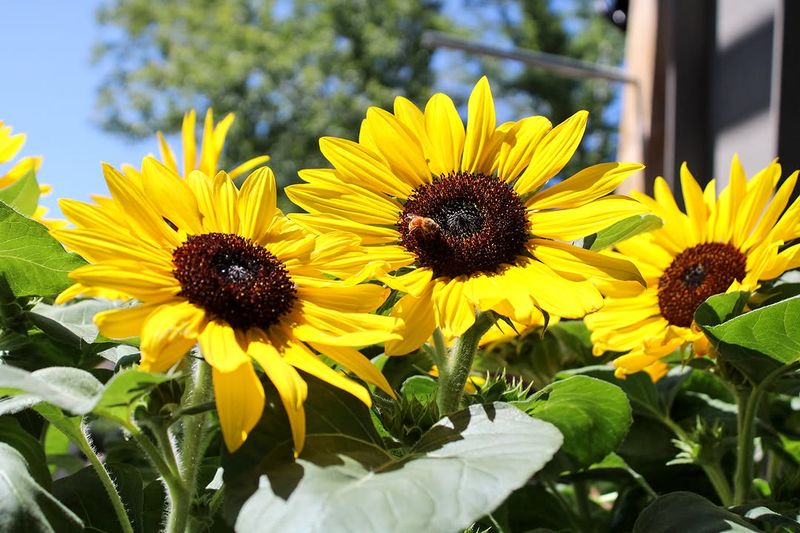
There is something undeniably exciting about planting a sunflower seed and watching it grow taller than you expected in just a matter of weeks. Sunflowers are one of the most satisfying plants to grow from seed, and March is a great time to get them started across much of Florida.
Warmer areas of the state, including South Florida and parts of Central Florida, are often ready for sunflower seeds earlier in March. In North Florida, it is worth waiting until the second half of the month when soil temperatures have had a chance to rise.
Sunflowers germinate best when soil is consistently above 60 degrees Fahrenheit, and cooler soil can slow things down significantly.
Direct sowing is the preferred method since sunflowers do not love having their roots disturbed. Plant seeds about an inch deep and give each plant at least twelve inches of space, more for larger varieties.
Full sun is non-negotiable for these plants. They thrive in Florida’s intense light and grow quickly once temperatures climb.
Dwarf varieties work well in containers or smaller garden spaces, while the classic tall types make a dramatic statement along fences or at the back of a border. Either way, sunflowers are a bold and rewarding March choice.
4. Gomphrena Keeps The Color Coming In Heat
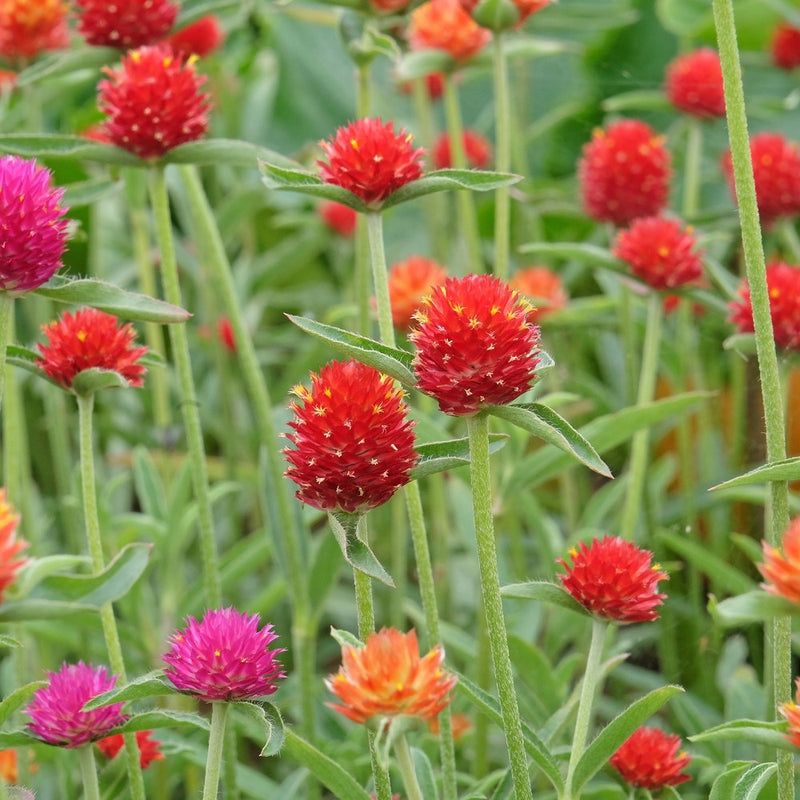
Walk through any well-planned Florida garden in the heat of summer and you will almost certainly spot gomphrena holding its own while other flowers start to fade. Starting gomphrena from seed in March gives it time to establish before the intense heat of a Florida summer arrives in full force.
Gomphrena, also called globe amaranth, produces small round flower heads in shades of pink, purple, magenta, red, and white. The blooms are incredibly long lasting, both on the plant and when cut for arrangements.
They keep their color and shape even after they dry, which makes them a favorite for crafters and gardeners alike.
Sow seeds in March directly into garden beds or containers after soaking them in water for a day to help speed up germination. Gomphrena prefers full sun and well-drained soil, which is easy to find in many parts of Florida.
Space plants about ten to fifteen inches apart once they are thinned out. This flower handles Florida’s humidity and heat with remarkable ease, making it a smart choice for gardeners across the state who want reliable color from summer straight through fall without constant attention or worry.
5. Celosia Brings Flame Bright Color To Beds
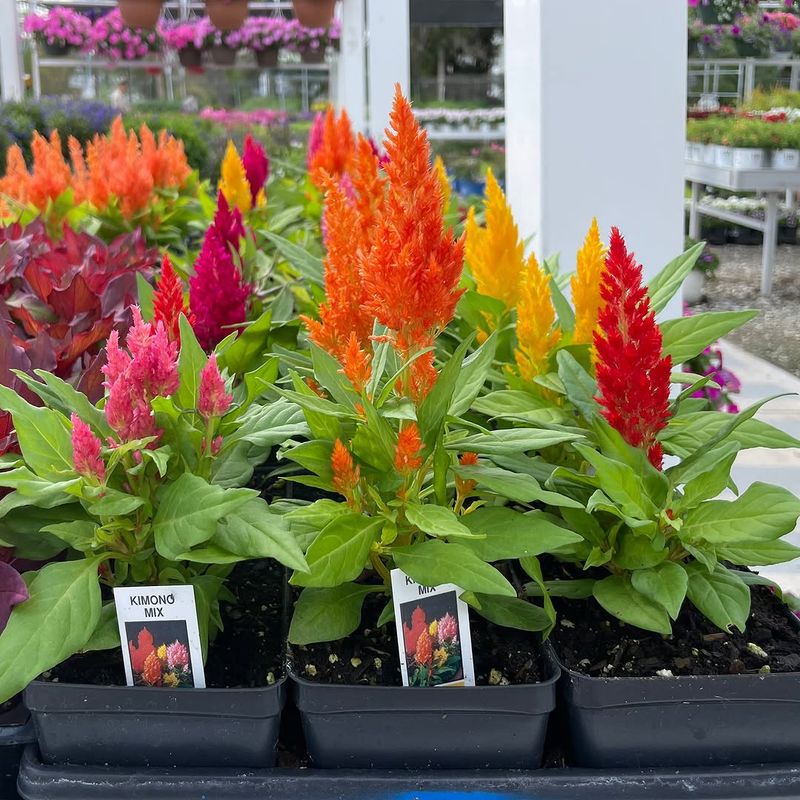
Celosia is the kind of flower that makes people stop and stare. With blooms that look like flickering flames or soft velvet plumes, it brings a level of visual drama to a garden bed that few other annuals can match.
March is a smart time to start celosia from seed in Florida, setting the stage for a spectacular warm-season show.
There are two main types worth knowing about: plumed celosia, which has feathery upright flower spikes, and crested celosia, also called cockscomb, which forms wavy, brain-like flower heads. Both types are excellent performers in Florida’s climate and hold up well in the heat and humidity that defines a Florida summer.
Start celosia seeds indoors about four weeks before you plan to transplant, or direct sow once soil temperatures are reliably warm. In South Florida, direct sowing in early March is usually fine.
Central and North Florida gardeners may want to start indoors first. Celosia needs full sun and soil with good drainage.
Avoid overwatering, as too much moisture can cause root problems. Once established, celosia is a low-fuss plant that rewards Florida gardeners with weeks of bold, saturated color in the garden bed.
6. Cosmos Add Easygoing Beauty In A Hurry
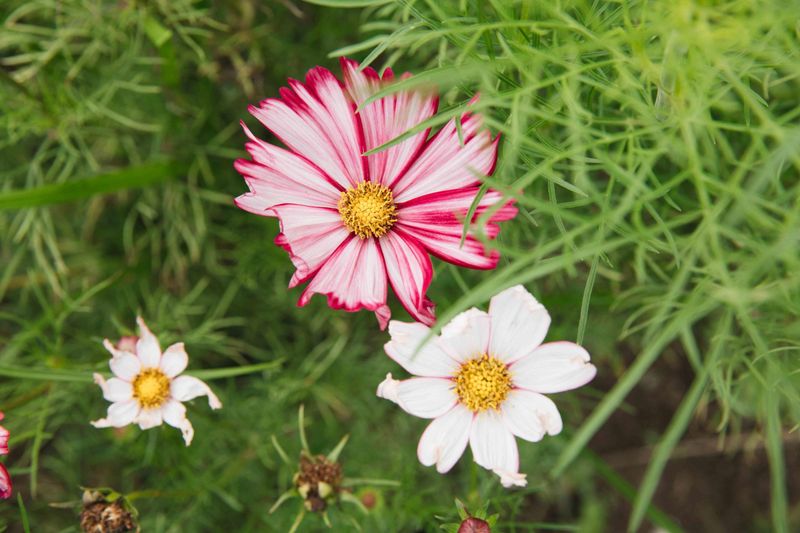
Cosmos might just be the most laid-back flower you can grow from seed in Florida. They ask for very little, grow quickly, and produce an abundance of airy, daisy-like blooms that sway beautifully in a warm breeze.
If you have never grown cosmos before, March is a wonderful time to give them a try.
One thing to keep in mind across Florida is that local temperatures matter. In South Florida, March conditions are warm enough for direct sowing without hesitation.
In Central Florida, mid-March is usually a good target. North Florida gardeners should wait until nighttime temps are reliably above 50 degrees before sowing outdoors.
Cosmos germinate quickly in warm soil, often sprouting within a week.
Scatter seeds directly onto loosened soil and press them in lightly, barely covering them. Cosmos actually prefer lean soil, meaning you should skip the heavy fertilizing.
Too much nitrogen pushes leafy growth at the expense of flowers. Give them full sun, water regularly until established, then ease back since they are surprisingly drought tolerant.
Thin plants to about twelve inches apart so air can circulate freely. Their soft, feathery look pairs beautifully with bolder flowers like zinnias or sunflowers in a mixed Florida garden bed.
7. Torenia Thrives When Other Flowers Struggle
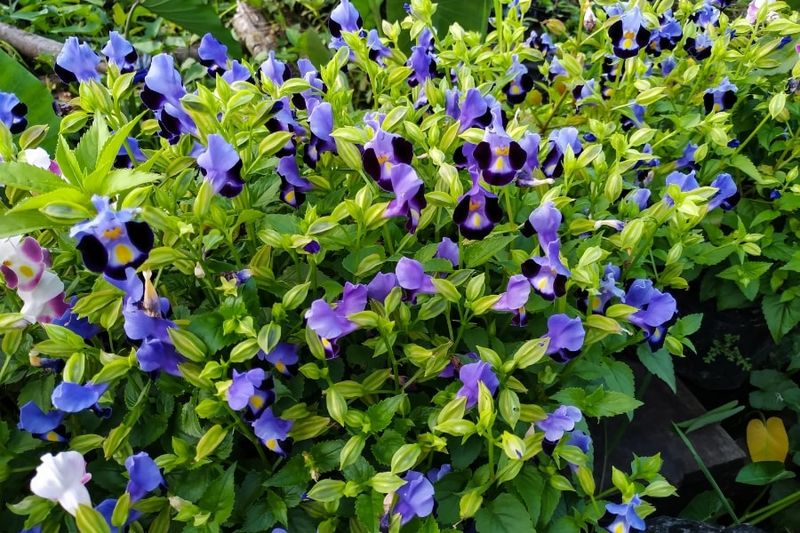
Not every corner of a Florida garden gets full sun all day, and that is exactly where torenia earns its reputation. Often called the wishbone flower, torenia is a warm-season annual that handles partial shade with ease, making it a practical solution for spots that other flowers tend to struggle with.
March is a good time to start torenia seeds indoors in Florida, since the seeds are tiny and benefit from the controlled conditions of a seed tray. Press them onto the surface of a moist seed-starting mix without covering them, as they need light to germinate.
Keep the tray warm and consistently moist. Once seedlings are a few inches tall, they can be transplanted into the garden when outdoor temperatures are reliably warm.
In South Florida, transplanting in late March is usually fine. Central and North Florida gardeners may prefer to wait until April to move seedlings outdoors.
Torenia works well in garden beds, window boxes, and hanging baskets. It produces cheerful trumpet-shaped blooms in shades of purple, pink, white, and bicolor combinations.
Regular watering and a light application of balanced fertilizer every few weeks keeps it performing well through Florida’s warm and humid growing season without much fuss.
8. Salvias Fill Florida Gardens With Buzz And Color
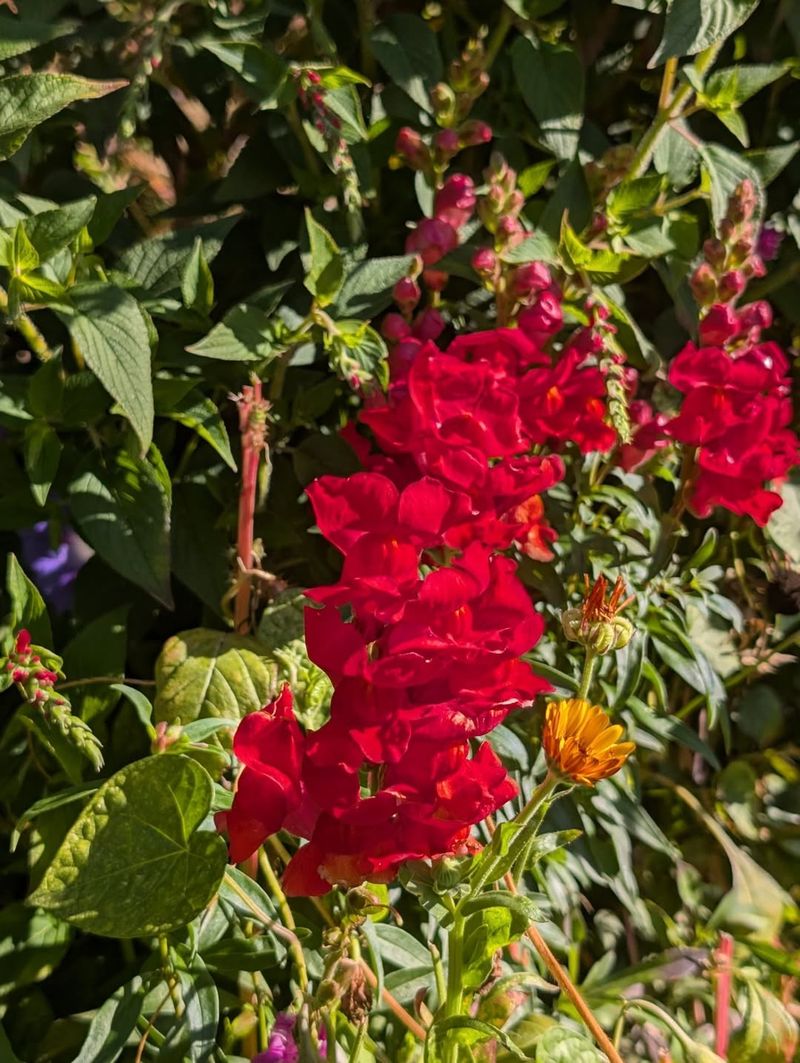
Salvias are a powerhouse choice for Florida gardens, and starting them from seed in March gives you a plant that is ready to deliver color right as the warm season kicks into full gear. The genus is huge, with varieties ranging from compact bedding types to larger landscape plants, and many of them are well suited to Florida’s climate.
Salvia coccinea, commonly called scarlet sage, is one of the most popular types for Florida and is easy to start from seed. It grows quickly, tolerates heat and humidity, and produces spikes of bright red flowers that attract hummingbirds and butterflies throughout the season.
Other salvia varieties in shades of blue, purple, and white are also worth exploring for Florida landscapes.
Direct sow salvia seeds in March in South and Central Florida once temperatures are warm. In North Florida, starting seeds indoors in early March and transplanting later in the month is a smart approach.
Salvias prefer full sun and well-drained soil. They are reasonably drought tolerant once established, which makes them a practical pick for Florida gardeners who want color without excessive watering demands.
Regular deadheading encourages continued blooming and keeps the plants looking tidy throughout the growing season.
9. Pentas Keep The Butterflies Coming Back
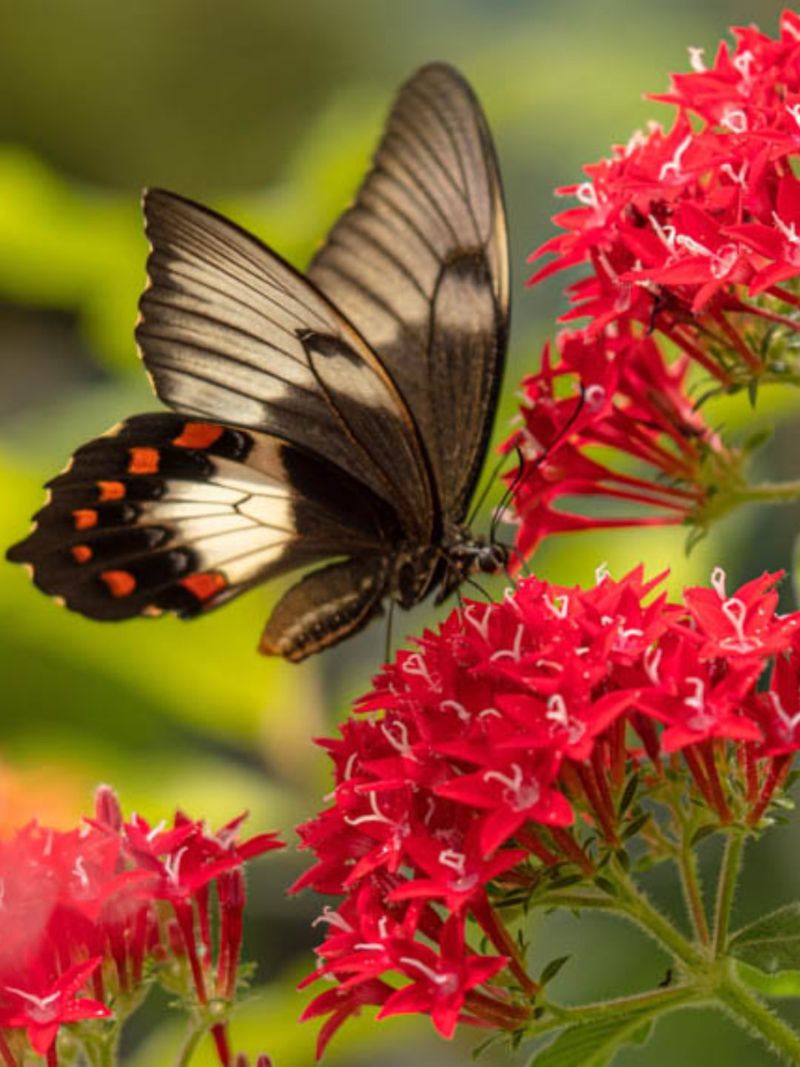
Pentas is practically a Florida garden celebrity. Walk through any neighborhood in Central or South Florida during the warm months and you are likely to spot those clusters of star-shaped flowers in red, pink, white, or lavender catching the eye from driveways and front porches.
Starting pentas from seed in March is a great way to build up a full display without spending a lot at the nursery.
Pentas seeds are tiny and benefit from being started indoors about six to eight weeks before transplanting. Press them onto the surface of moist seed-starting mix and keep them in a warm, bright location.
They need light to germinate, so do not bury them. Once seedlings have a few sets of true leaves, they can be hardened off and moved to the garden.
In South Florida, transplanting in March is generally fine since the climate stays warm year-round. Central Florida gardeners can plan for late March or early April transplanting.
North Florida should wait until consistent warmth arrives. Pentas love full sun and well-drained soil.
They are heat tolerant and perform beautifully through Florida’s long warm season. Butterflies are naturally drawn to the flower clusters, making pentas a lively and colorful addition to any Florida garden.
10. Coreopsis Delivers Florida Native Charm Fast
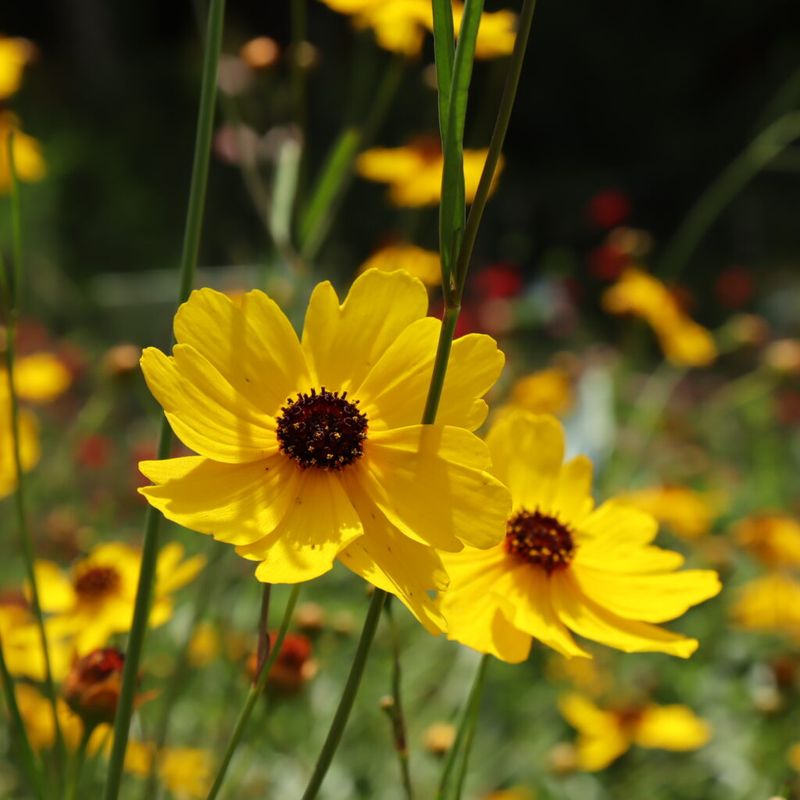
Coreopsis tickseed holds a special place in Florida gardening culture. It is the official state wildflower of Florida, which tells you a lot about how well it fits into the local landscape.
Starting coreopsis from seed in March connects you to something genuinely rooted in Florida’s natural environment, and the cheerful yellow blooms are a welcome sight in any garden setting.
Florida native coreopsis species, particularly Coreopsis leavenworthii, are adapted to the state’s sandy soils and variable rainfall patterns. They germinate readily from seed and do not need much coaxing.
Scatter seeds over a prepared, sunny bed and press them lightly into the soil. March conditions across much of Florida are ideal for getting coreopsis seeds going, though North Florida gardeners may want to hold off until mid-month to avoid any lingering cool spells.
Coreopsis grows best in full sun with well-drained soil and minimal fertilizer. Overly rich soil can actually reduce flowering.
Once established, it handles drought and heat with ease, making it an especially practical option for Florida gardeners who want low-maintenance color. The bright golden blooms also attract native bees and other pollinators, adding life and movement to the garden.
For anyone looking to celebrate Florida’s natural beauty, coreopsis is a meaningful and rewarding seed-starting choice.