These Are The Arizona Garden Tasks That Stop Scorpion Problems Before They Start Each Season
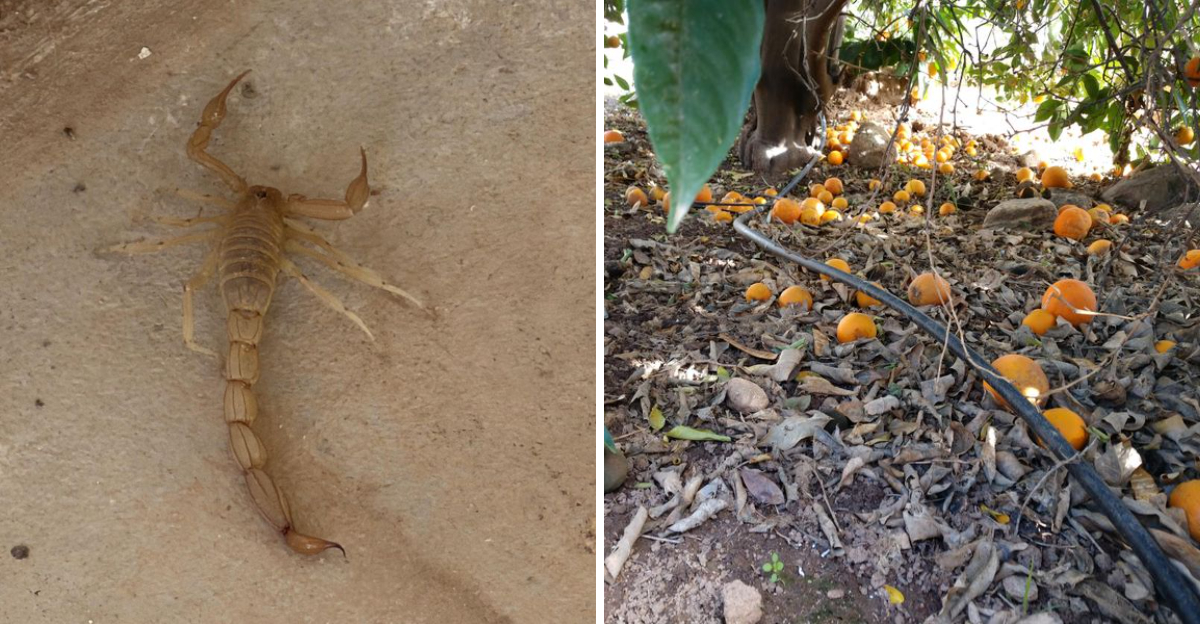
Finding a scorpion in the yard is never something people forget. For many homeowners, that first sighting is enough to make them start looking much more carefully at every corner of the property.
The surprising part is that scorpion activity often becomes easier to manage when a few simple tasks are handled before conditions become ideal for them.
Arizona yards can unintentionally provide exactly what scorpions are looking for without anyone realizing it.
Small hiding places, overlooked debris, and certain outdoor habits may create opportunities that make a property more appealing than it needs to be.
By the time scorpions are showing up regularly, those conditions may have been in place for quite a while.
That is why timing matters. A handful of seasonal garden tasks can help reduce attractive hiding spots and make the landscape less inviting, helping address potential problems before they become much more noticeable.
1. Clear Out Wood Piles Before Scorpions Settle In
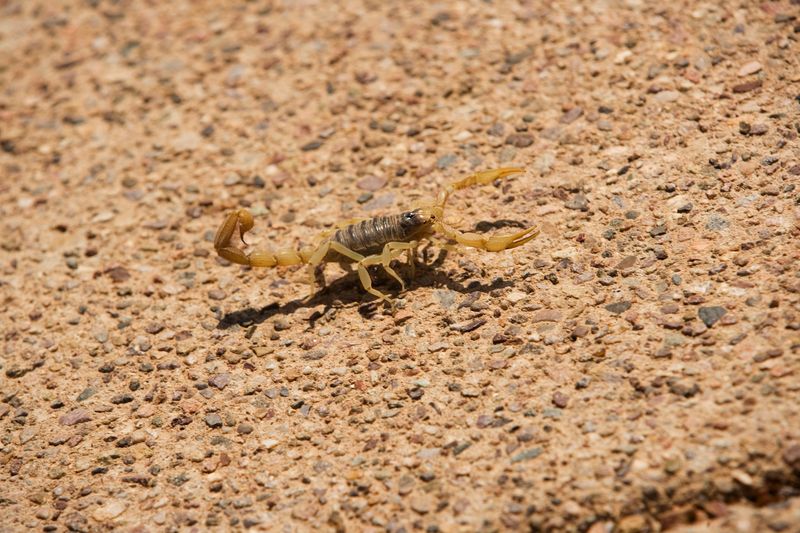
Wood piles are one of the most overlooked scorpion magnets in any desert yard. Stack wood directly on the ground, and you have basically handed scorpions a free hotel.
They love dark, tight spaces where moisture can collect and insects gather for food.
Stacking wood off the ground on a metal rack makes a real difference. Even a few inches of clearance removes the cozy, hidden environment scorpions prefer.
Covered, ground-level wood stacks near a wall are almost guaranteed to attract them over time.
Rotate your wood regularly instead of letting it sit untouched for weeks. Moving the pile disrupts nesting and discourages scorpions from settling in.
Wear thick gloves every single time you touch a wood pile, no exceptions.
Keeping the pile as far from the house as possible also limits the path scorpions take toward entry points. Thirty feet is a solid goal if your yard allows it.
Closer than ten feet and you are essentially bridging the gap between their habitat and your home.
Check the area under and around the pile for scorpion activity at least once a month. A UV flashlight works well for nighttime checks since scorpions glow under that light.
Catching early activity lets you respond before numbers build up around the structure.
2. Pull Back Ground Covers Near Exterior Walls
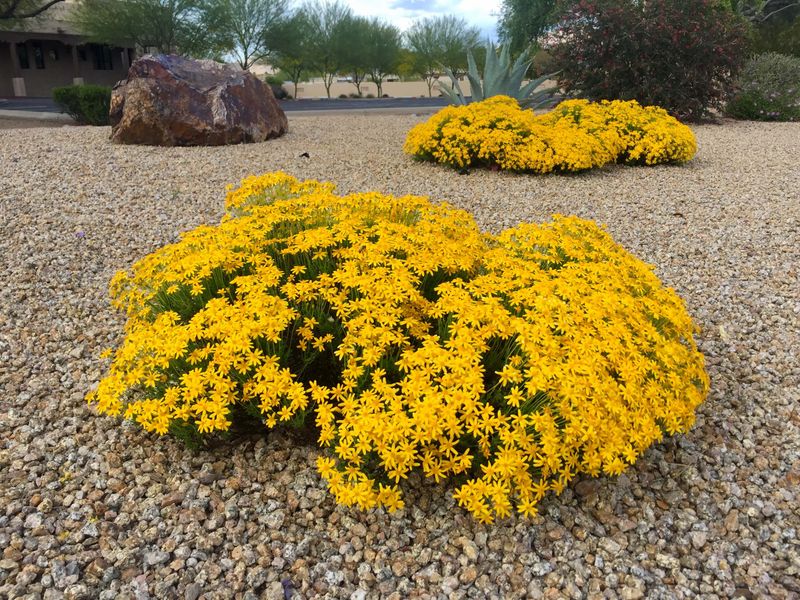
Ground covers pressed tight against exterior walls create exactly the kind of hidden corridor scorpions use to move around undetected. Dense, low-lying plants trap moisture and shade, which are two things scorpions actively seek out in dry desert climates.
Pulling ground covers back at least twelve inches from the foundation removes that buffer zone. Bare soil or gravel near the wall dries out faster and offers far less shelter.
Scorpions prefer to travel under cover, so exposing that path discourages movement toward the house.
Ice plant, trailing rosemary, and other spreading ground covers are common culprits in desert landscaping. They look great but create dense mats that are nearly impossible to inspect.
Trimming them back seasonally is a small effort with a noticeable payoff.
Your Arizona Garden Changes Every Week. Your Plan Should Too.
Gardening in Arizona changes quickly throughout the season. Every Friday you’ll receive a simple weekly plan showing exactly what to plant, prune, fertilize, harvest, and protect so you never miss the right timing.
Replacing ground cover directly against the wall with gravel or decomposed granite is a smarter long-term choice. Crushed rock stays dry, reflects heat, and gives scorpions nowhere to hide.
It also makes it easier to spot any scorpion activity at a glance.
Check the cleared zone regularly, especially after rain. Moisture brings insects, and insects bring scorpions looking for a meal.
Keeping that perimeter dry and open is one of the simplest ways to reduce scorpion pressure around any desert home throughout the year.
3. Seal Small Openings Around Pipes And Utility Lines
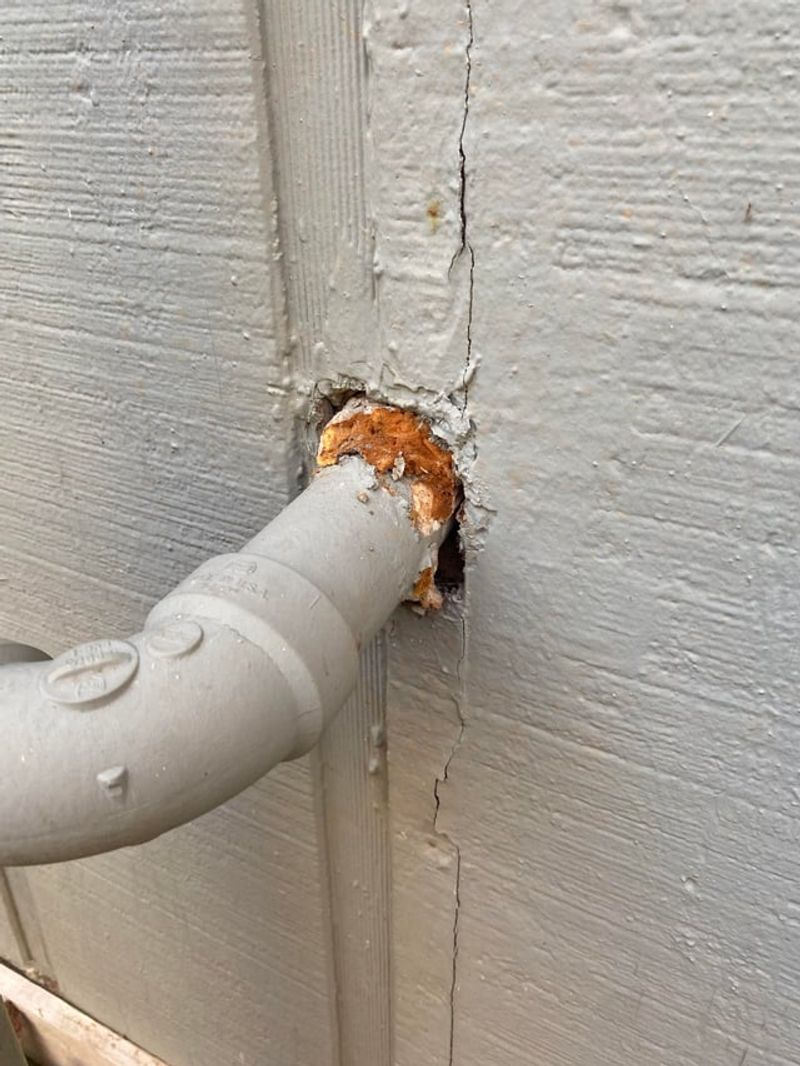
Scorpions can squeeze through a gap the size of a credit card. Pipes, conduit lines, and utility entries are some of the most common and least inspected entry points on any home.
A small crack around a water line is all it takes for one to slip inside.
Walk the entire exterior and look closely at every spot where something passes through the wall. Gaps around irrigation lines, electrical conduit, gas pipes, and cable boxes are all worth inspecting.
Even freshly built homes often have these gaps left unsealed.
Use weatherproof caulk or expanding foam to close any gap you find. Both work well for small to medium openings around pipes and utility lines.
For larger gaps, a combination of mesh backing and caulk gives a more durable seal that holds up in desert heat.
Check these seals at the start of each season. Extreme heat causes materials to expand and contract, which can break down seals over time.
A quick visual check twice a year costs almost nothing and keeps entry points closed.
Don’t overlook the spots where pipes enter through the floor inside the home either. Under-sink cabinet openings and laundry room utility entries are common indoor access points.
Sealing both the interior and exterior sides of any pipe penetration gives you the most complete barrier possible against scorpion entry.
4. Thin Overgrown Shrubs Around The Foundation

Overgrown shrubs touching the foundation are scorpion superhighways. Dense branching, thick leaf litter underneath, and constant shade create conditions scorpions find extremely appealing.
Thinning those shrubs out changes the environment dramatically.
Start by removing any branches that make direct contact with the wall. Scorpions use plant contact points to climb onto walls and find gaps near windows, vents, and doors.
Cutting back that physical bridge removes a key access route.
Prune for air circulation and light penetration at the base of each shrub. A well-thinned shrub dries out faster after rain and stays less hospitable to scorpions and the insects they hunt.
Dense, untouched shrubs stay moist and cool, which is the opposite of what you want near a foundation.
Remove accumulated leaf litter under and around foundation shrubs during each seasonal cleanup. Dry leaves and debris pack tightly and hold moisture longer than bare soil.
Clearing that layer out regularly reduces hiding spots significantly.
Native desert plants like brittlebush, desert broom, and creosote can still be used near the foundation with proper management. The key is consistent trimming and keeping the base open.
A shrub that is well-maintained and cleared underneath poses far less risk than one left to grow dense and unchecked season after season.
You should also leave a small gap between shrubs and the foundation so air can move freely and hidden access points are easier to spot during inspections.
5. Move Firewood Away From The House
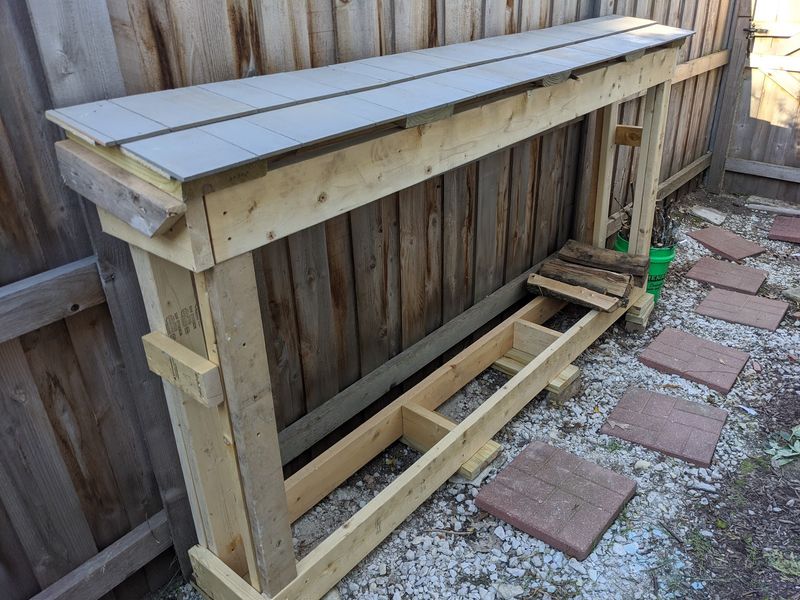
Firewood stored next to the house is one of the most consistent scorpion problems homeowners in the desert Southwest deal with every season.
It is not just about the wood itself but the entire microenvironment that forms around a stationary pile over time.
Moisture, insects, bark beetles, and decaying organic material all accumulate in and around a wood stack. Scorpions are opportunistic and patient.
A pile left undisturbed for even a few weeks becomes a layered habitat where multiple scorpions can establish themselves comfortably.
Moving firewood at least twenty feet from the exterior wall reduces the likelihood of scorpions using the pile as a staging area before entering the home. The farther, the better.
Distance alone is not a complete solution, but it meaningfully lowers risk when combined with other yard habits.
Store wood on an elevated rack with open space underneath. Ground contact accelerates moisture buildup and insect activity.
A metal rack with legs keeps the base visible and dry, which makes the environment far less suitable for scorpion nesting.
Only bring in the amount of firewood you plan to use that evening. Avoid stockpiling a large indoor supply, especially near doors or in garages.
Every piece of wood brought inside should be shaken out and visually inspected before it crosses the threshold. Scorpions hide in bark crevices and between split logs with surprising ease.
6. Pick Up Fallen Fruit Before Insects Gather
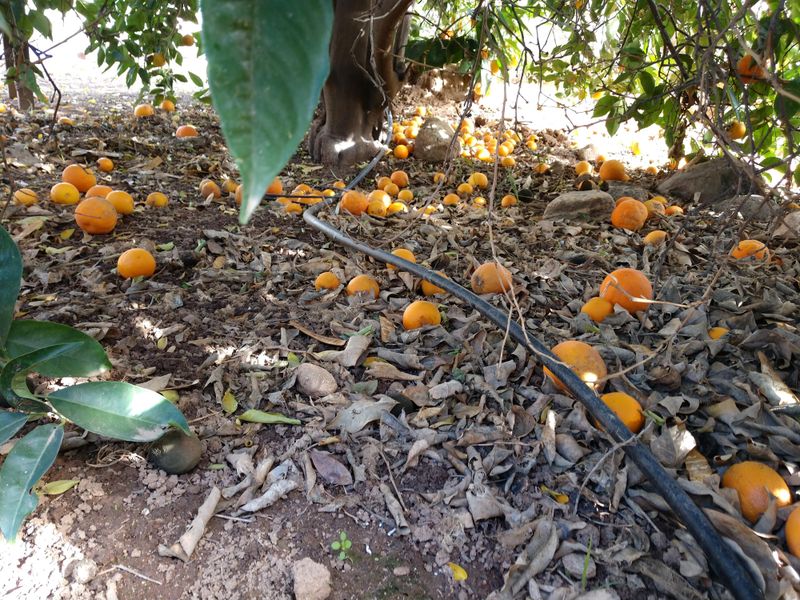
Fallen fruit sitting on the ground is basically a buffet for insects. Ants, beetles, and flies swarm rotting citrus, figs, and pomegranates within hours.
Where insects gather in large numbers, scorpions follow because insects are a primary food source.
Citrus trees are extremely common in desert yards, and they drop fruit consistently throughout the year depending on variety. Letting that fruit sit for even a few days creates a feeding zone that draws scorpion activity closer to the house.
Picking it up promptly breaks that chain.
Make a habit of checking under fruit trees every two to three days during peak drop seasons. Use a rake or long-handled tool to gather fallen fruit without having to reach blindly into leaf litter.
Scorpions often hide near the base of fruit trees, especially in shaded spots with mulch or debris.
Bag the collected fruit and dispose of it away from the house. Composting it near the structure just relocates the insect attraction a few feet closer to where you don’t want scorpions.
Off-site disposal or a sealed compost bin far from the foundation is a better option.
Keeping the ground under fruit trees clean and raked also improves visibility. Scorpions are harder to spot in cluttered, organic debris.
A tidy ground surface makes it much easier to notice and respond to any scorpion activity before it builds up around the yard.
7. Organize Storage Areas That Rarely Get Disturbed
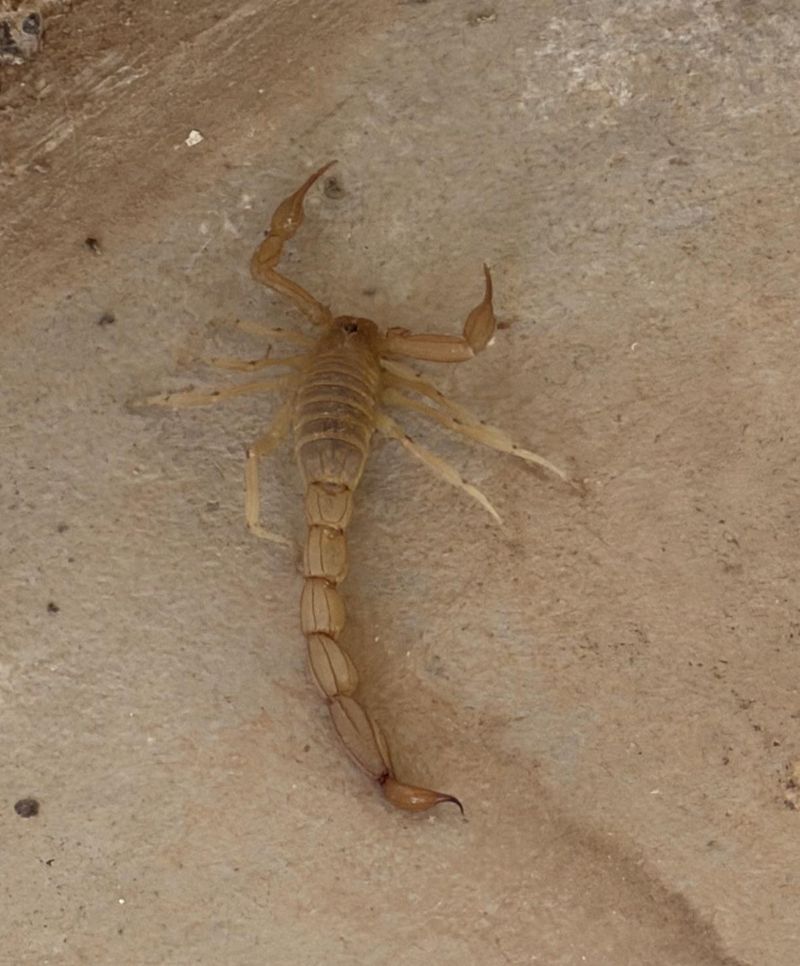
Quiet, undisturbed corners are exactly where scorpions choose to settle. Garages, sheds, and side-yard storage areas that go weeks without being touched become prime territory.
Clutter on the floor makes those spaces even more attractive.
Cardboard boxes stacked directly on the ground are a well-known scorpion habitat. They trap warmth, hold slight moisture, and create dark, tight gaps that offer perfect cover.
Switching to sealed plastic bins and placing them on metal shelving off the floor eliminates most of that appeal.
Seasonal items like holiday decorations, pool gear, and camping equipment often sit untouched for months. Before using any of it, shake items out and inspect carefully.
Scorpions can hide inside folded tarps, sleeping bags, shoes, and fabric storage bags without being visible at a glance.
Reorganizing a storage area does not have to be a major project. Start by lifting everything off the floor, sweeping thoroughly, and identifying which items haven’t been touched in over a month.
Relocating those items to sealed bins and raising them off the ground is usually enough to make the space noticeably less attractive to scorpions.
Doing a seasonal walkthrough of every storage space before summer and again before winter keeps conditions from drifting back toward clutter. Consistency matters far more than any single deep clean.
Regular light maintenance prevents the kind of undisturbed buildup that scorpions rely on to establish themselves in a space.
8. Inspect Block Walls For Hidden Entry Points
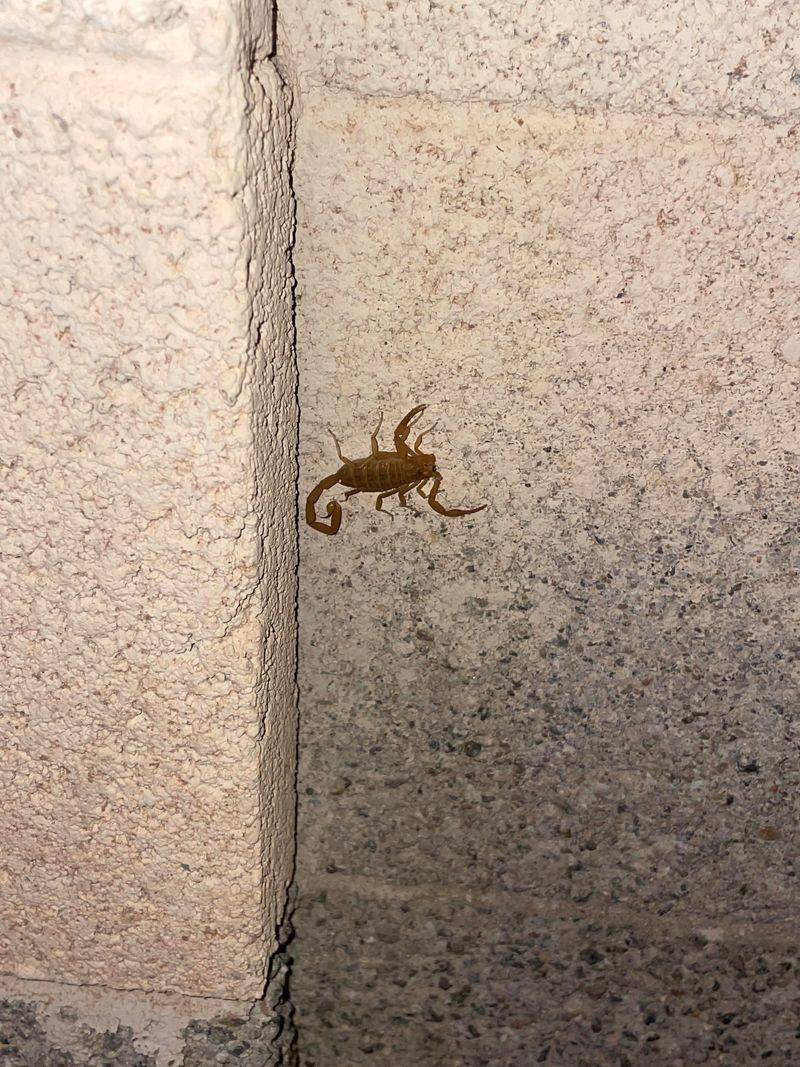
Block walls are everywhere in desert neighborhoods, and most homeowners never think about what’s inside them. Hollow cinder blocks are basically ready-made scorpion condos.
Cracks, open tops, and gaps at the base give scorpions easy access to a protected, temperature-stable environment.
Walk your block wall perimeter and look for any cracks along mortar lines, especially near the base where moisture contact is highest.
Small fractures may not look like much from a distance, but up close they often connect to hollow interior spaces where scorpions can shelter comfortably.
Open block cores at the top of unsealed walls are a frequently missed problem. Scorpions can drop down into those hollow chambers and move along the wall’s interior.
Capping the tops of exposed block walls with mortar or purpose-made caps closes off that vertical access point.
Check where the block wall meets the ground. Soil erosion or settling can create gaps along the base that provide ground-level entry into the hollow block system.
Filling those gaps with mortar or packed gravel limits how easily scorpions can enter and exit the wall structure.
Pay special attention to spots where electrical or irrigation lines pass through block walls. Those penetrations are rarely sealed properly and often have gaps large enough for scorpions to pass through.
Sealing those points with exterior-grade caulk or hydraulic cement keeps the wall perimeter tight and much harder for scorpions to use as a hidden pathway into the yard.