These Are The Benefits Of Planting Lavender In Pennsylvania Gardens
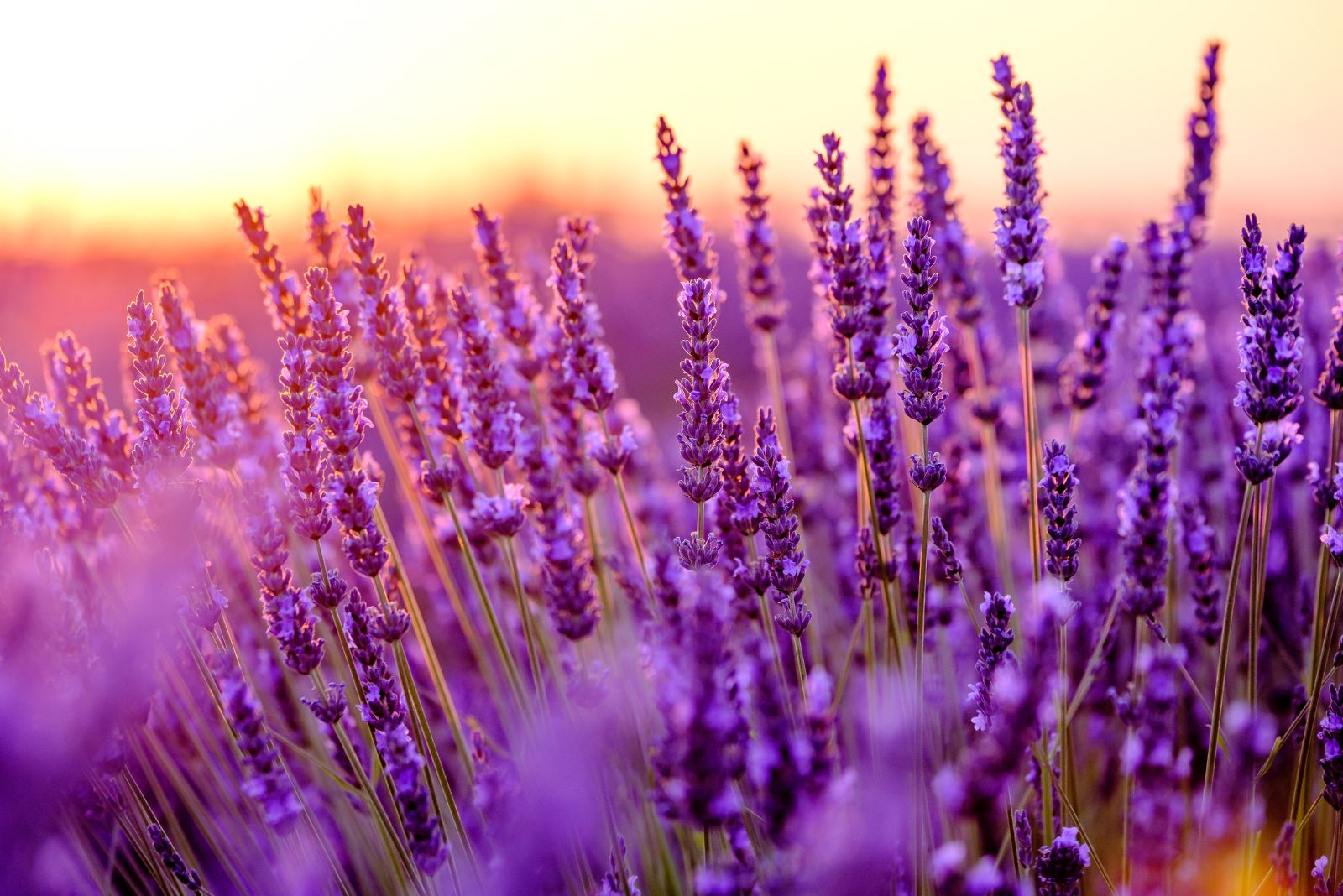
Have you ever noticed the calming scent of lavender and wished your garden could feel just as peaceful? In Pennsylvania, lavender is more than just a fragrant flower.
It’s a plant that brings both beauty and practicality to your outdoor space. Hardy enough to handle the state’s seasonal changes, lavender thrives in well-drained soil and sunny spots, making it an excellent choice for local gardens.
Planting lavender does more than create a lovely aroma. Its flowers attract pollinators like bees and butterflies, supporting a healthy garden ecosystem.
The soft purple blooms also add vibrant color, while the plant’s natural oils can be used in homemade sachets, soaps, or teas.
For gardeners looking to combine aesthetics with function, lavender offers a lot in a small package.
With proper care, it can enhance your yard, encourage beneficial insects, and bring a sense of calm and charm to your Pennsylvania garden throughout the growing season.
1. Adds Fragrant Beauty To Your Garden
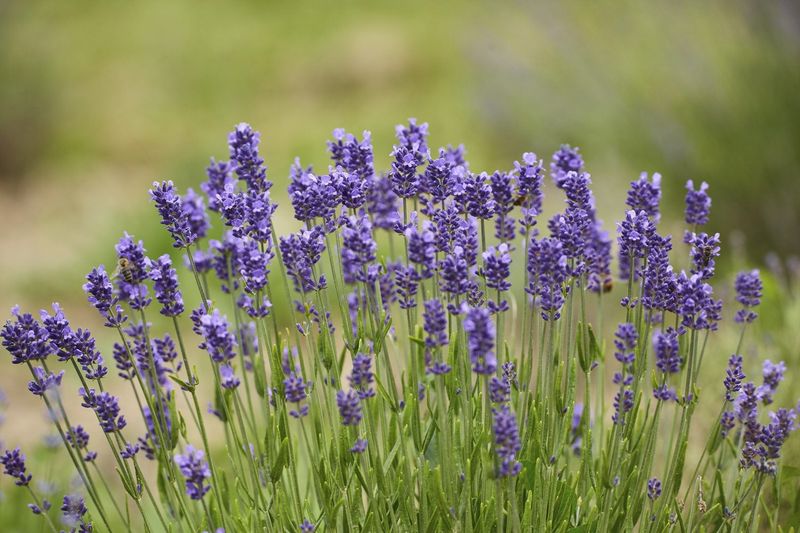
Walking through a garden that smells like lavender is one of life’s simple pleasures. That sweet, calming aroma hits you the moment you step outside, and it never really gets old.
For Pennsylvania gardeners, planting lavender means turning an ordinary yard into a sensory experience you look forward to every single day. Lavender blooms are not just fragrant. They are genuinely beautiful.
The delicate purple flower spikes rise above the silvery-green foliage in a way that feels both wild and elegant at the same time. Whether you plant it along a garden path, near a patio, or under a window, the visual impact is hard to match.
One of the best things about lavender’s fragrance is that it does not stay in the garden. You can cut fresh lavender stems and bring them indoors.
A small bouquet on a kitchen table or bathroom counter fills an entire room with a clean, floral scent that most people find incredibly relaxing.
Pennsylvania summers can get warm and humid, but lavender holds up beautifully and keeps producing that signature scent throughout the season. Even when the flowers dry out, the fragrance lingers for weeks.
Many gardeners in the Keystone State harvest their lavender, dry it in bundles, and use it throughout the fall and winter months to keep that fresh garden smell alive long after the growing season ends. It is a simple, natural way to make your home feel more like a retreat.
2. Attracts Pollinators And Beneficial Insects
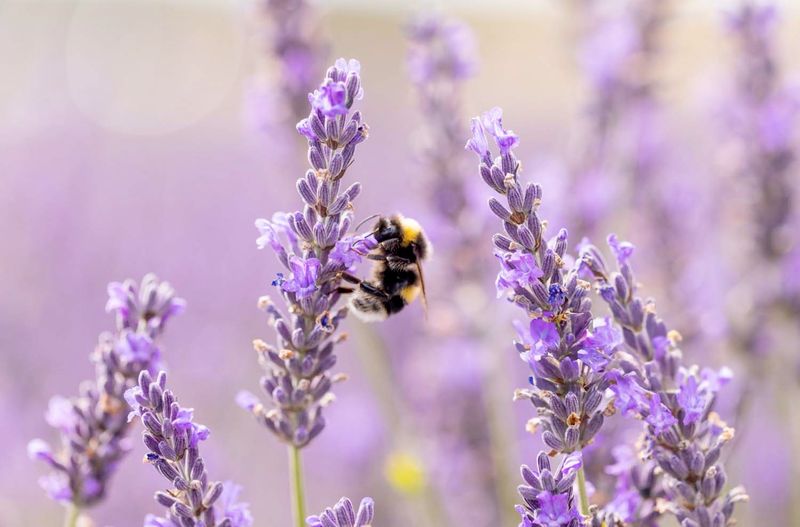
Bees absolutely love lavender. If you plant even a small patch in your Pennsylvania garden, you will notice buzzing visitors within days.
That is actually a fantastic sign for your entire yard because bees are among the most important pollinators on the planet, and having them around means your vegetables, fruits, and flowers will all produce better.
Butterflies are equally attracted to lavender blooms. Watching colorful butterflies float from flower to flower on a warm Pennsylvania afternoon is one of those peaceful moments that reminds you why gardening is so rewarding.
Beyond butterflies and bees, lavender also draws in other beneficial insects like hoverflies, which are natural helpers that keep harmful pest populations in check.
A garden that supports pollinators is a healthier garden overall. When you plant lavender alongside tomatoes, peppers, or berry bushes, you are essentially inviting nature to do some of the hard work for you.
Increased pollinator activity leads to better fruit set and stronger harvests without any extra effort on your part.
Pennsylvania is home to many native bee species, and lavender provides them with a reliable nectar source during the summer months. Supporting these local pollinators is not just good for your garden.
It also contributes to the broader health of your local ecosystem. Gardeners across Pennsylvania who have added lavender report noticing more wildlife activity, more vibrant gardens, and a stronger sense of connection to the natural world around them.
Planting lavender is one of the easiest ways to make your outdoor space a true pollinator haven.
3. Drought-Tolerant And Low Maintenance
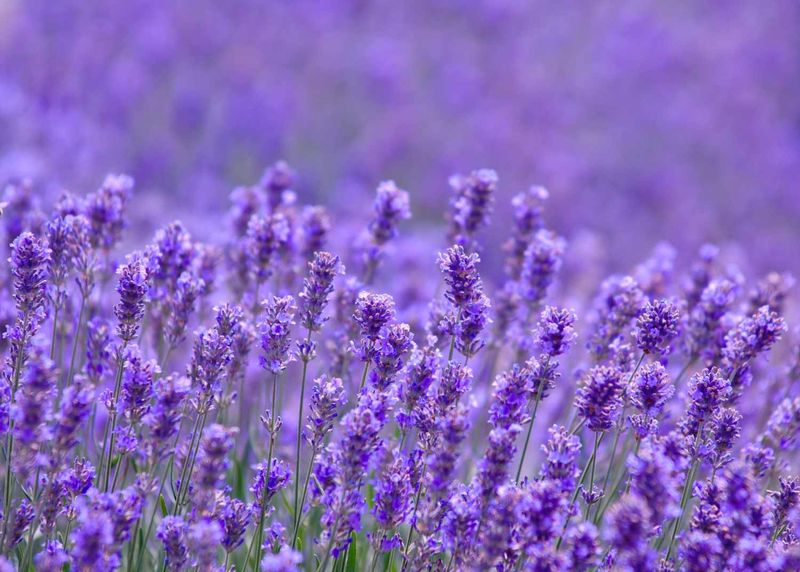
Not every gardener has hours to spend watering and tending to plants each week. That is exactly why lavender has become such a popular choice across Pennsylvania.
Once it gets settled into your garden, lavender is remarkably self-sufficient. It does not demand constant attention, and it certainly does not need to be babied through the summer heat.
Lavender originally comes from the dry, sun-baked regions of the Mediterranean. That heritage means it is built for tough conditions.
It thrives in full sun and well-draining soil, both of which are easy to provide in most parts of Pennsylvania. Sandy or rocky soil that might frustrate other plants is actually ideal for lavender.
Good drainage is the key ingredient to keeping it healthy year after year. During dry spells, lavender barely skips a beat. While other garden plants may wilt and demand extra watering, established lavender plants continue to look lush and bloom freely.
This makes it a smart choice for Pennsylvania gardeners who want a beautiful yard without a sky-high water bill or a packed maintenance schedule.
Pruning is really the main task lavender asks of you. A light trim after flowering encourages new growth and keeps the plant looking tidy.
Beyond that, lavender mostly takes care of itself. It does not need heavy fertilizing, and it rarely struggles with serious disease problems when planted in the right conditions.
For beginners in Pennsylvania who are just starting their gardening journey, lavender is one of the most forgiving and rewarding plants to start with. It gives a lot back for very little effort.
4. Can Be Used For Culinary And Home Uses
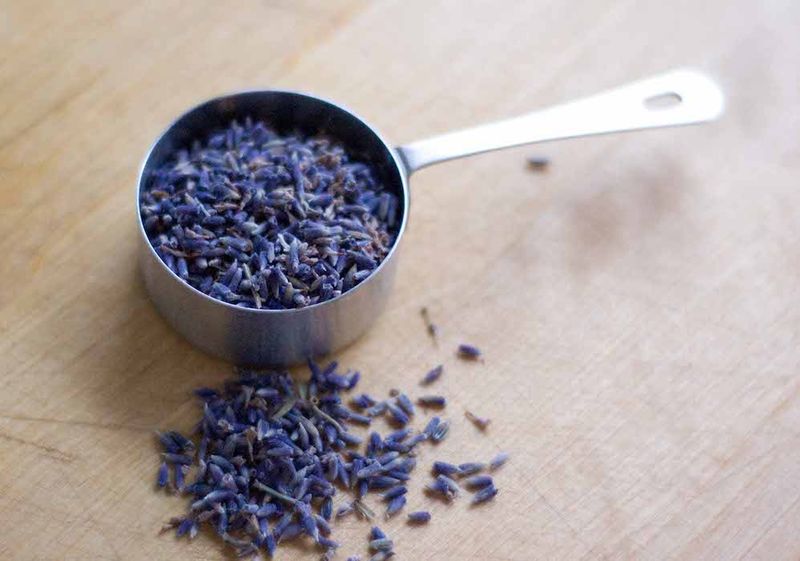
Most people think of lavender as just a pretty garden plant, but it is so much more than that. The flowers and leaves are fully edible and have been used in cooking for centuries.
Pennsylvania gardeners who grow lavender at home get to enjoy a fresh, homegrown ingredient that can elevate everyday recipes in surprising and delightful ways.
In the kitchen, lavender pairs wonderfully with honey, lemon, and herbs like rosemary and thyme. You can add dried lavender buds to shortbread cookies, scones, or pound cake for a floral flavor that feels fancy without being complicated.
Lavender-infused simple syrup is another crowd-pleaser that works beautifully in lemonade, iced tea, or cocktails. The flavor is subtle but distinctive, and guests always ask what the secret ingredient is.
Beyond baking, lavender makes a calming herbal tea. Steeping a small handful of fresh or dried buds in hot water for a few minutes creates a soothing drink that many people enjoy before bed. It is a simple, natural way to unwind after a long day.
At home, lavender sachets are a classic use that never goes out of style. Tucking a small pouch of dried lavender into a drawer or closet keeps clothes smelling fresh and naturally discourages moths.
Pennsylvania gardeners also use homegrown lavender to make linen sprays, candles, and DIY essential oil blends.
Growing your own supply means you always have a fresh batch ready to harvest each summer, and you know exactly what went into it. It is a satisfying blend of beauty and practicality.
5. Helps Repel Pests Naturally
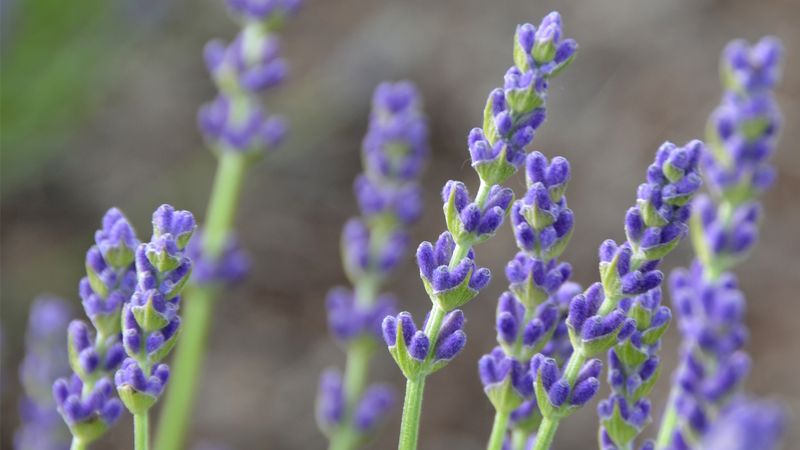
Anyone who has spent a summer evening outdoors in Pennsylvania knows that mosquitoes can quickly ruin the fun. Here is something worth knowing: lavender’s strong, distinctive scent is something mosquitoes genuinely dislike.
Planting lavender near your patio, deck, or outdoor seating area can help reduce the number of these unwelcome guests without reaching for a single chemical spray.
It is not just mosquitoes that find lavender unappealing. Flies, moths, and certain beetles also tend to steer clear of areas where lavender is growing.
This makes it a smart companion plant for vegetable gardens across Pennsylvania. Positioning lavender near cabbage, tomatoes, or other vulnerable crops can help protect them naturally, reducing the need for pesticides that can harm the very pollinators you want to attract.
The science behind this is straightforward. Lavender contains compounds like linalool and camphor, which give it that signature scent humans love but many insects find overwhelming.
These natural compounds work as a gentle deterrent without causing harm to the surrounding environment or beneficial garden creatures like earthworms and ladybugs.
Pennsylvania gardeners who prefer organic gardening methods will find lavender to be a genuinely useful tool in their pest management strategy. It works quietly in the background, doing its job without any fuss.
Planting a border of lavender around your garden beds is an easy, attractive solution that serves double duty.
You get a gorgeous, fragrant display of purple blooms all summer long, and your garden gets a natural layer of protection against common pests. It is a win for both your plants and your peace of mind.
6. Adds Visual Interest With Color And Texture
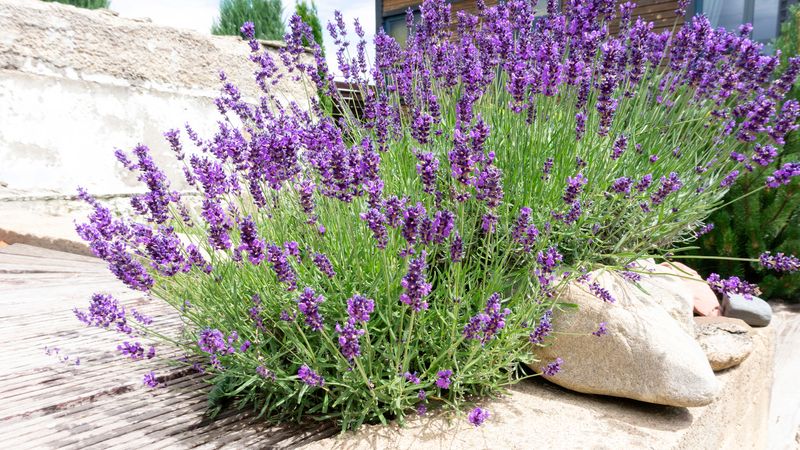
There is something almost magical about the way lavender looks in a garden. The contrast between its soft gray-green leaves and those vivid purple flower spikes creates a visual pop that draws the eye immediately.
Whether planted in a long border, a container on a porch, or scattered throughout a mixed garden bed, lavender has a way of making everything around it look more intentional and polished.
Texture is something many gardeners overlook when planning their outdoor spaces. Lavender brings a fine, feathery texture that balances out broader-leafed plants beautifully.
Pairing it with bold perennials like black-eyed Susans or coneflowers, both of which thrive in Pennsylvania, creates a layered, naturalistic look that feels lush without being fussy or overdone.
One of lavender’s underrated strengths is its long blooming period. In Pennsylvania, lavender typically starts blooming in mid-summer and can continue producing flowers well into fall depending on the variety.
That means months of color in your garden at a time when many other spring bloomers have already faded away. It fills in visual gaps beautifully.
Even in winter, lavender adds structure to the garden. The woody stems and persistent gray foliage create an interesting silhouette against snow or bare soil, keeping the landscape from looking completely empty during the colder Pennsylvania months.
Garden designers often use lavender as an anchor plant precisely because it contributes something in every season.
Whether you are designing a formal garden or a relaxed cottage-style space, lavender fits right in and elevates the overall look with effortless natural charm.