These Are The Best Florida Native Pairings To Plant By March
In Florida, March feels like a turning point. The air softens, soil warms, and the garden begins to move again.
This short window offers more than just a chance to plant. It is when smart combinations can shape how a landscape performs for months to come.
In nature, plants rarely grow alone. Certain natives naturally grow side by side, sharing space, balancing moisture, and creating stronger, more resilient communities.
When gardeners follow these natural pairings, the results often look fuller, healthier, and more connected to Florida’s environment. Some combinations bring layered color, others improve structure, and some quietly support wildlife and seasonal rhythm.
Planting with intention during this moment can change how a garden settles into the growing season. The right native pairings placed in March can build a landscape that feels balanced, grounded, and ready to thrive as Florida moves into its warmer, brighter months.
1. Firebush And Tropical Sage
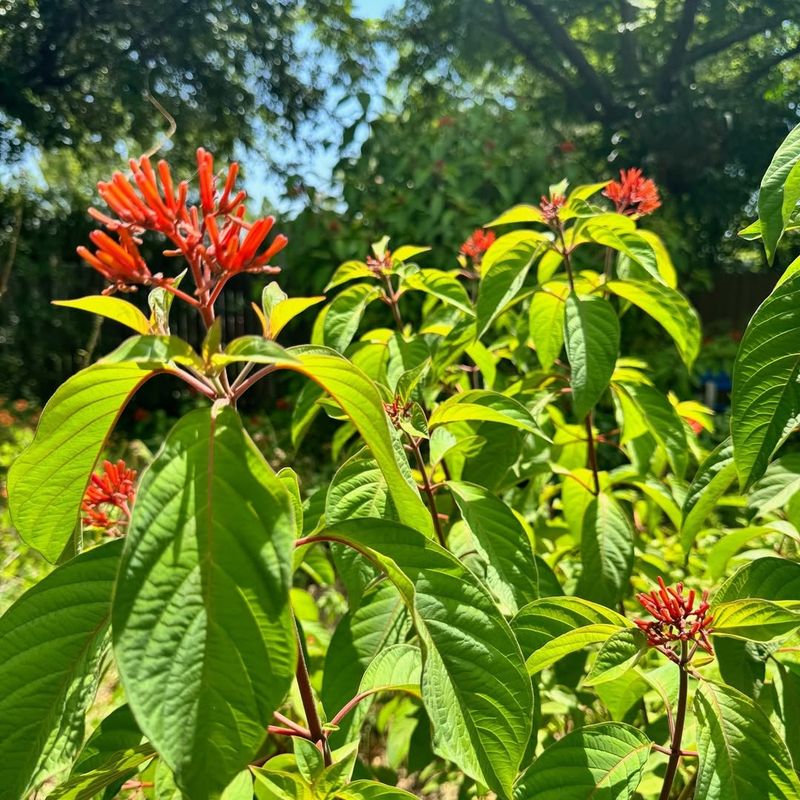
Firebush brings vibrant orange-red tubular blooms that hummingbirds can’t resist, while tropical sage adds spikes of red, coral, or pink flowers that butterflies adore. Together, they create a pollinator magnet that blooms almost year-round in central and south Florida, with slightly shorter seasons in northern zones.
Both plants love full sun and handle heat like champions, making them perfect partners for those scorching summer days.
Their maintenance requirements align beautifully. Neither needs rich soil or frequent fertilizing, and both tolerate Florida’s sandy conditions without complaint.
They prefer moderate watering once established, though they’ll forgive you if you forget occasionally during dry spells. A light trim after cold snaps keeps them tidy and encourages fresh growth.
The height difference between these two adds natural layering to your landscape. Firebush typically reaches four to eight feet, creating a backdrop for the shorter tropical sage, which usually stays around one to three feet.
This vertical arrangement looks intentional and professional without any fussy planning.
Planting them together by March gives both species time to root deeply before summer. They’ll reward you with continuous color, constant wildlife activity, and virtually zero pest problems.
This pairing works beautifully along fences, in island beds, or as informal hedges that never look boring.
2. Muhly Grass And Black Eyed Susan
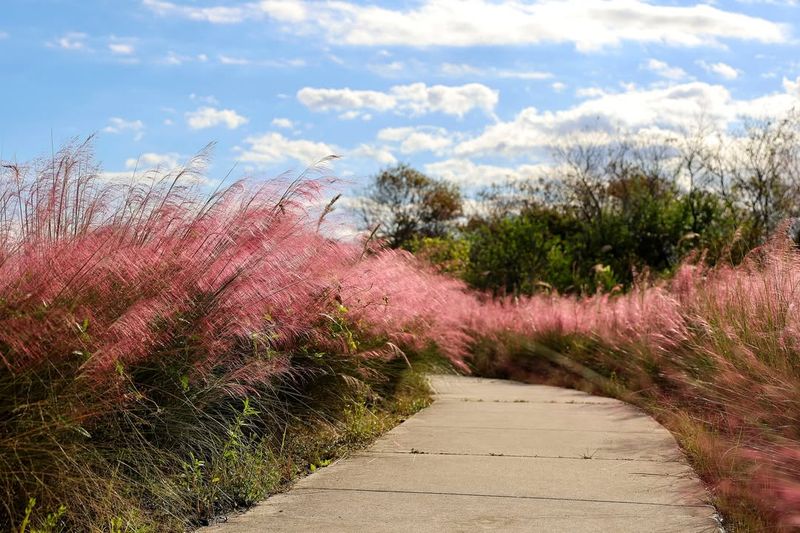
Watch muhly grass transform your fall garden into something magical. Those airy pink plumes rise like clouds above the cheerful yellow daisies of black-eyed susans, creating a combination that stops people in their tracks.
The contrast between soft, flowing grass and bold, sunny flowers gives your landscape professional-level design without hiring anyone.
Both plants thrive in full sun and actually prefer Florida’s well-drained sandy soils that frustrate so many other species. Once established, they handle drought remarkably well, making them ideal for water-wise landscapes or areas you don’t want to irrigate constantly.
Neither requires fertilizer to perform beautifully, and both resist the pests and diseases that plague non-native alternatives.
The bloom timing works perfectly together. Black-eyed susans start their show in late spring and continue through fall, while muhly grass sends up its signature pink plumes in September and October.
You get months of overlapping color that carries your garden through multiple seasons.
Planting by March allows both species to establish before their main performance seasons. Space muhly grass as accents or in drifts, with black-eyed susans filling around them.
This pairing works wonderfully in modern landscapes, cottage gardens, or naturalized meadow-style plantings throughout Florida.
3. Coontie And Blue Porterweed
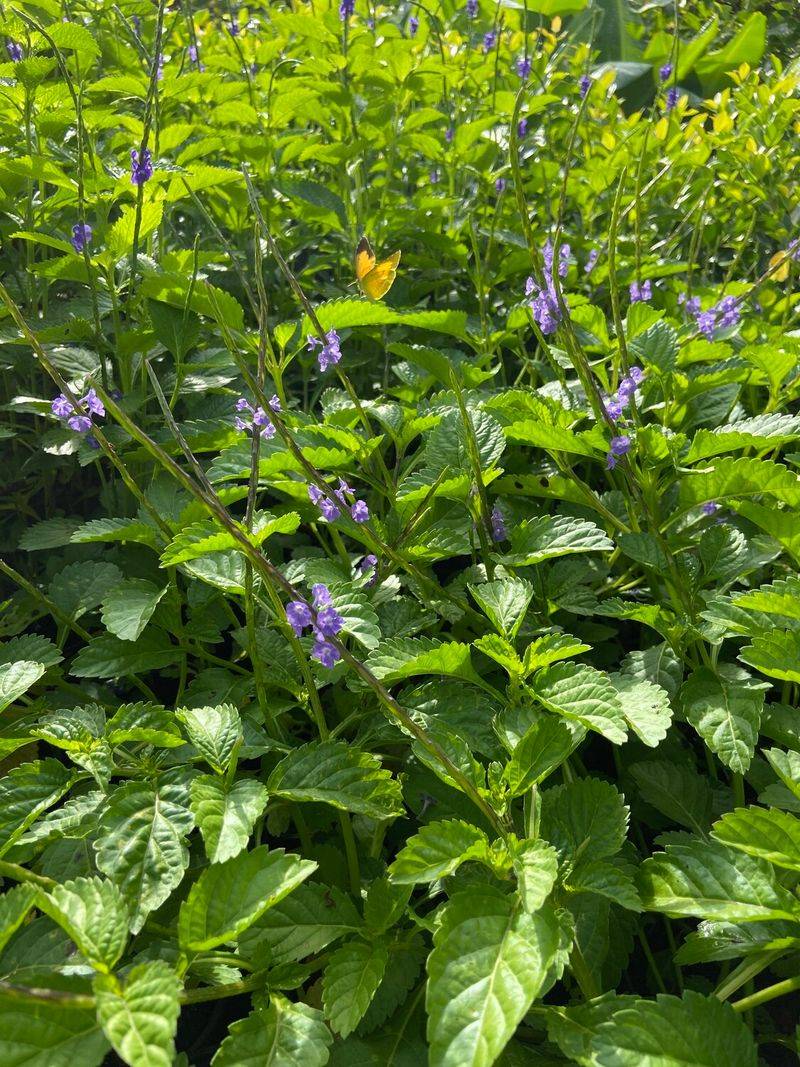
Coontie represents one of Florida’s most ancient plants, a cycad that hosted our native butterfly populations long before humans arrived. Pairing it with blue porterweed creates a low-maintenance combination that supports the entire atala butterfly lifecycle while adding year-round interest to shaded or partially sunny spots.
Use true native blue porterweed (Stachytarpheta jamaicensis) and avoid invasive porterweed types sometimes sold under the same common name.
Blue porterweed produces small tubular flowers in shades of blue to purple that attract numerous butterfly species beyond just the atala. It blooms prolifically with minimal care, spreading gently to fill spaces without becoming aggressive.
Meanwhile, coontie provides the structural foundation with its attractive, palm-like fronds that stay evergreen and neat throughout the year.
Their care requirements match beautifully. Both prefer moderate moisture but tolerate dry periods once established, and neither demands rich soil or regular fertilizing.
They handle Florida’s occasional cold snaps better than many tropical alternatives, making them reliable choices for most of the state. Pest problems rarely occur with either species.
The height relationship works naturally, with coontie typically staying around two to three feet and blue porterweed reaching similar proportions but with a more sprawling habit. Together they create layered texture that looks intentional and mature even when newly planted.
Getting them in the ground by March gives both plants time to settle before summer heat arrives.
4. Simpsons Stopper And Wild Coffee
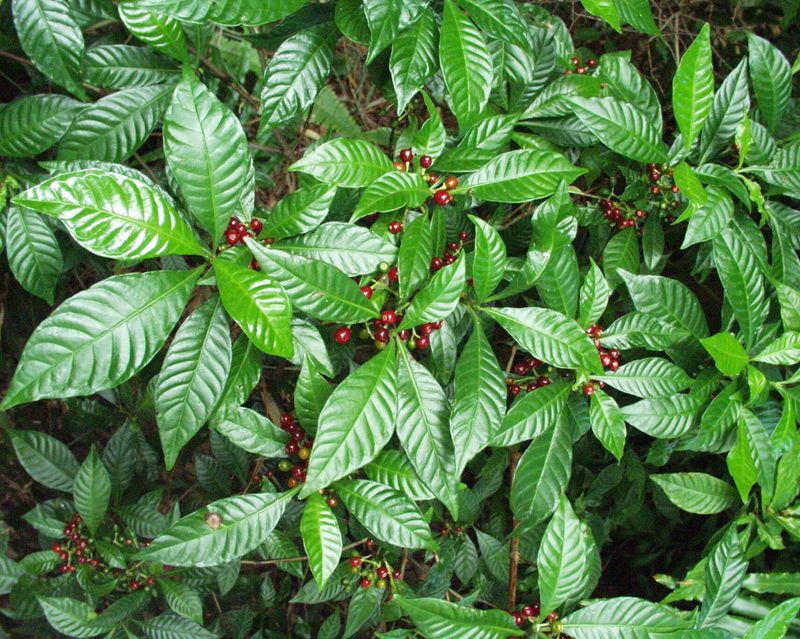
Shade gardening in Florida becomes much easier when you work with plants evolved for our forest understories. Simpsons stopper and wild coffee both thrive in partial shade, creating a lush, evergreen combination that looks tropical without the tropical plant maintenance headaches.
Simpsons stopper brings delicate white flowers in spring that develop into small berries loved by birds. Its dense branching habit and attractive foliage make it valuable year-round, not just during bloom time.
Wild coffee complements this with glossy, dark green leaves and its own small white flowers followed by red berries that birds devour. Neither plant drops leaves or creates messy cleanup.
Both species prefer the same growing conditions: partial shade, moderate moisture, and protection from harsh afternoon sun. They handle typical Florida soils without amendment and rarely need fertilizing.
Neither suffers from serious pest issues, and both tolerate the root competition from nearby trees that destroys so many other understory plants.
The size compatibility makes planning easy. Both typically grow four to six feet tall with similar spread, creating a cohesive mass planting or mixed hedge.
Their evergreen nature provides year-round privacy and structure, while the staggered berry production keeps birds visiting throughout seasons. Planting by March lets roots establish before summer, ensuring both shrubs settle in successfully for long-term performance.
5. Coreopsis And Blanket Flower
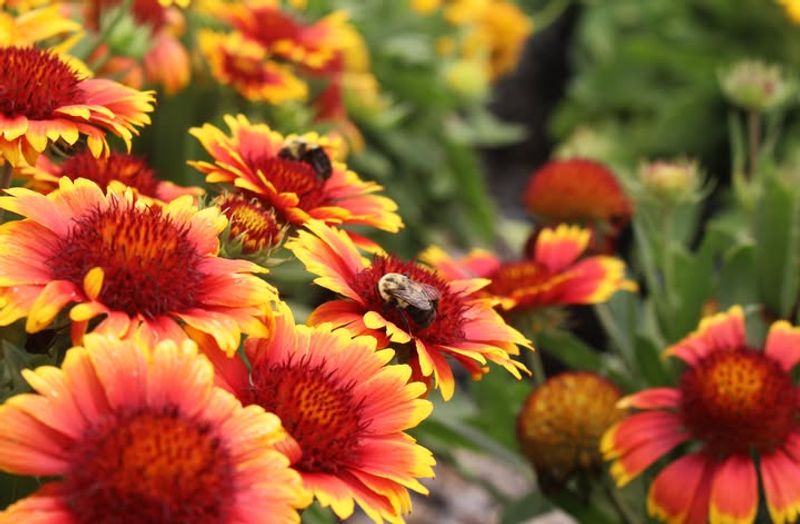
Bright, cheerful color doesn’t have to mean high maintenance. Coreopsis and blanket flower prove this beautifully, delivering months of vivid blooms while handling Florida’s toughest conditions with grace.
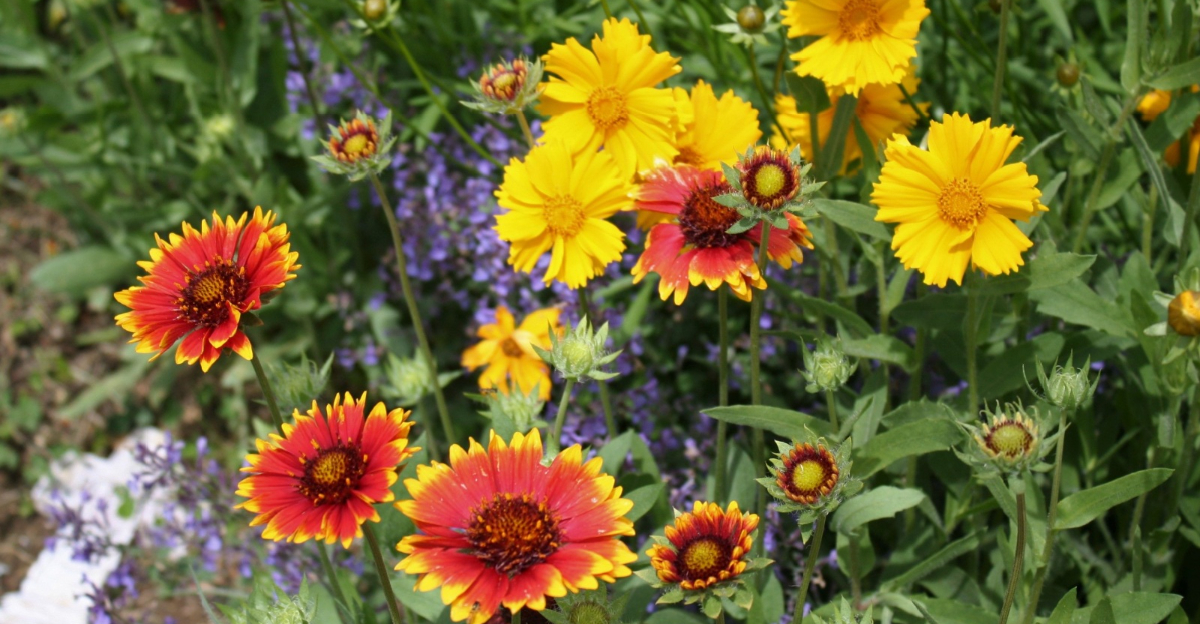
Their yellow and orange-red combination creates eye-catching contrast that enlivens any sunny space.
Coreopsis, Florida’s state wildflower, produces abundant yellow blooms, especially in spring and often reblooming into fall with virtually no care beyond occasional watering during establishment. Blanket flower adds warm shades of red, orange, and yellow in daisy-like blooms that overlap coreopsis’s flowering period perfectly.
Together they create continuous color that never looks tired or sparse.
Both plants thrive in full sun and actually prefer lean, sandy soils over rich, amended beds. They need minimal water once established and perform better without fertilizer, which can cause weak, floppy growth.
Deadheading spent blooms extends flowering, but even without this attention, both species rebloom reliably. Pests and diseases rarely bother either plant.
The growth habits complement each other naturally. Coreopsis typically reaches one to three feet depending on variety, while blanket flower stays around one to two feet, creating subtle height variation.
Both spread gradually to fill spaces without becoming invasive, and both attract butterflies and beneficial insects constantly. Planting by March gives them time to establish before their main bloom season begins.
6. Saw Palmetto And Railroad Vine
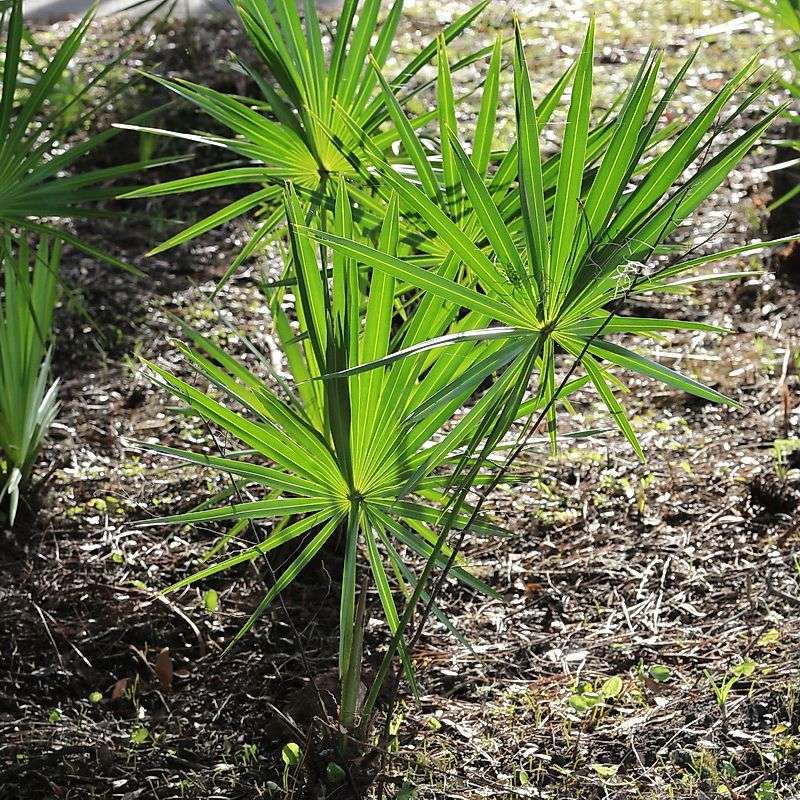
Tough sites demand tough plants. Saw palmetto and railroad vine handle the conditions that destroy most landscape plants: deep sand, salt spray, intense sun, and minimal water.
Together they create a low-maintenance coastal or dry-landscape combination that looks natural and requires virtually no care once established.
Saw palmetto provides the structural element with its fan-shaped fronds and slow, steady growth. It tolerates salt, drought, and neglect while providing cover for small wildlife.
Railroad vine complements this by spreading across the ground with attractive foliage and pink morning-glory flowers that bloom sporadically throughout warm months. Its vigorous growth quickly covers bare sand, preventing erosion while adding color.
Both species evolved for Florida’s harshest environments. They need no irrigation once established, no fertilizer ever, and no pest control.
They actually perform worse with too much attention, preferring to be left alone in lean conditions. Neither suffers from disease problems, and both handle salt exposure that would destroy typical landscape plants.
The growth habit pairing works perfectly for challenging sites. Saw palmetto grows slowly upward while railroad vine spreads horizontally, covering ground quickly without competing for the same space.
This combination stabilizes dunes, fills dry slopes, and creates naturalized coastal landscapes. Planting by March, especially for railroad vine, allows establishment before the growing season accelerates.
7. Beautyberry And Fakahatchee Grass
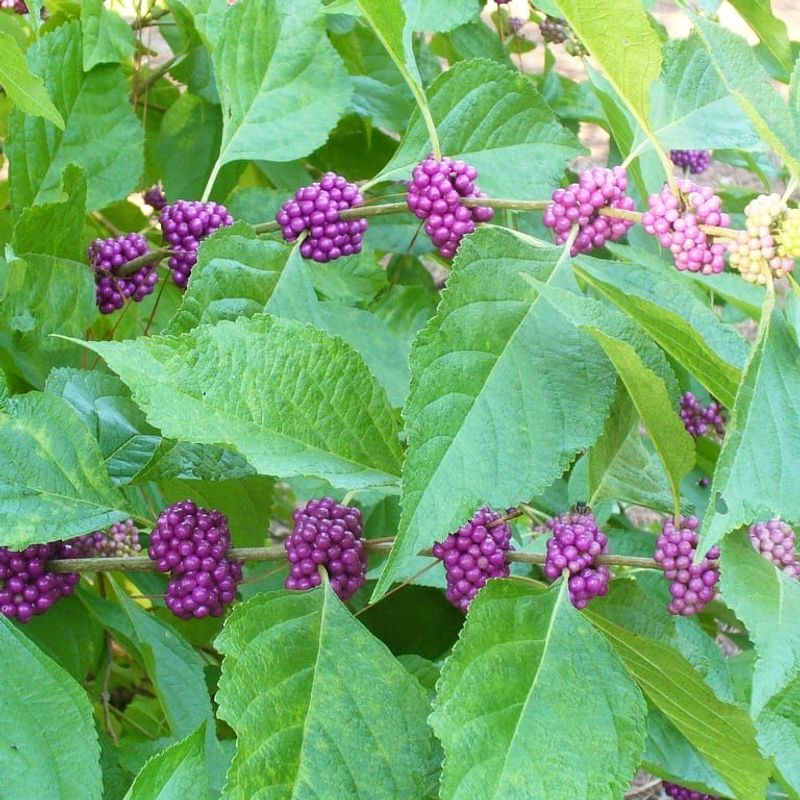
Fall gardens in Florida can rival spring displays when you choose the right combinations. Beautyberry and fakahatchee grass create a stunning seasonal partnership, with bright purple berries appearing just as the grass reaches its peak graceful form.
Together they bring texture, color, and wildlife value to spaces that work with Florida’s natural rhythms.
Beautyberry produces clusters of brilliant purple berries in fall that practically glow in the landscape. Birds flock to these fruits, creating constant activity and movement.
Fakahatchee grass adds fine-textured, arching foliage that sways with every breeze, softening the beautyberry’s more structured form. The contrast between bold berries and delicate grass creates visual interest without feeling busy or chaotic.
Both plants prefer partial shade to full sun and moderate moisture, though both tolerate short dry periods once established. Neither needs rich soil or regular fertilizing, and both resist the pests and diseases common in Florida landscapes.
They handle our sandy soils, summer heat, and occasional cold snaps without special protection or intervention.
The size relationship works naturally for mixed borders or naturalized areas. Beautyberry typically reaches four to six feet with similar spread, while fakahatchee grass forms graceful clumps around three to four feet tall.
Planting both by March ensures they’re well-established before their fall performance, giving roots time to develop during spring and summer growth.
8. Walters Viburnum And Twinflower
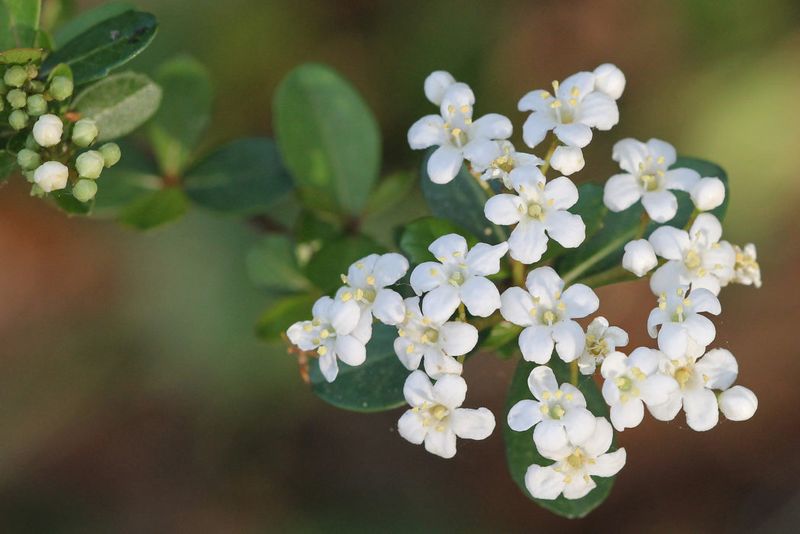
Foundation plantings don’t have to be boring boxwoods and boring routines. Walters viburnum and twinflower (Dyschoriste oblongifolia) create a sophisticated native alternative that provides structure, seasonal blooms, and habitat value while handling typical foundation conditions better than most conventional choices.
Walters viburnum offers glossy evergreen foliage year-round, with clusters of fragrant white flowers appearing in spring. These blooms develop into berries that change from red to black, feeding birds through fall and winter.
Twinflower adds delicate blooms and fine texture at a lower level, filling the space between viburnum and ground without competing for resources or attention.
Both species tolerate the challenging conditions near building foundations: reflected heat, limited root space, and inconsistent moisture. They prefer partial shade but adapt to various light levels, making them flexible for different exposures.
Neither requires rich soil, frequent watering once established, or regular fertilizing. Pest problems rarely occur, and both handle Florida’s occasional freezes better than many alternatives.
The height layering happens naturally. Walters viburnum typically reaches six to twelve feet, creating the taller backdrop, while twinflower stays around two to three feet, filling the foreground perfectly.
Together they provide year-round greenery, spring flowers, and wildlife support. Planting by March allows both species to establish before the stress of summer heat, ensuring successful long-term performance in your foundation beds.