These Are The Best Plants For Texas Heat That Don’t Need Constant Watering
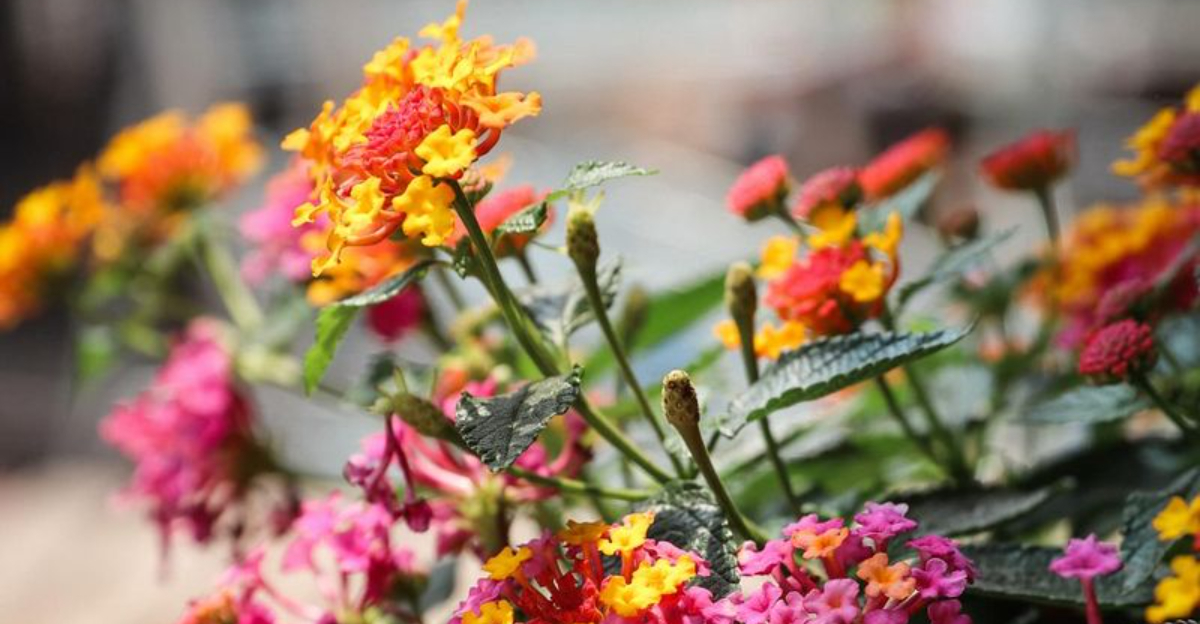
Tired of watching your Texas garden struggle every time the temperature climbs? When the heat is intense and rain is hard to come by, many plants simply can’t keep up.
That’s why so many homeowners are searching for better options that don’t require constant watering to stay healthy.
The good news is that there are plenty of tough, beautiful plants that are built to handle high temperatures and dry conditions.
Choosing the right ones can save time, reduce water use, and make yard care much easier. From colorful flowers to hardy greenery, smart plant choices can transform any outdoor space.
If you want a landscape that stays strong, vibrant, and attractive even during the hottest Texas summers, these heat-loving, low-water plants are exactly what you should be planting.
1. Red Yucca
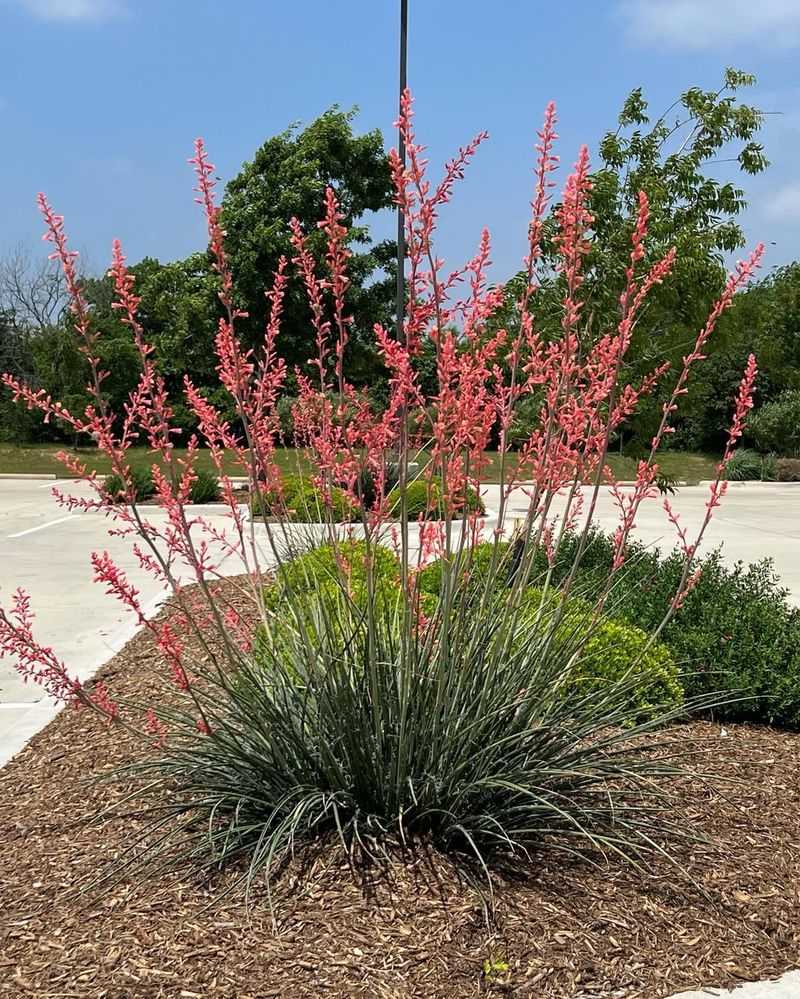
Picture a plant that sends up tall stalks covered in tubular coral-pink flowers that hummingbirds absolutely adore.
Red yucca grows naturally across central and west Texas, which means it already knows how to handle the intense summer heat without breaking a sweat.
The long, narrow leaves form an attractive clump that stays green throughout the year, adding texture and interest even when the plant isn’t blooming.
This tough performer needs watering only during extreme drought conditions after the first growing season. The root system grows deep into the soil, seeking moisture far below the surface where most plants can’t reach.
Your Texas garden will benefit from this reliable bloomer that puts on a show from spring through fall without demanding constant attention.
Red yucca works beautifully along walkways, in rock gardens, or as a focal point in xeriscape designs. The spiky foliage provides an architectural element that contrasts nicely with softer, rounded plants.
Deer typically leave it alone, making it ideal for rural properties where wildlife browsing can be a challenge.
Established plants spread slowly to form larger clumps over time, giving you more value without any extra work. Simply remove old flower stalks after blooming ends to keep the plant looking tidy.
This native Texas treasure proves that drought-tolerant doesn’t mean boring or difficult to grow in your landscape.
2. Lantana
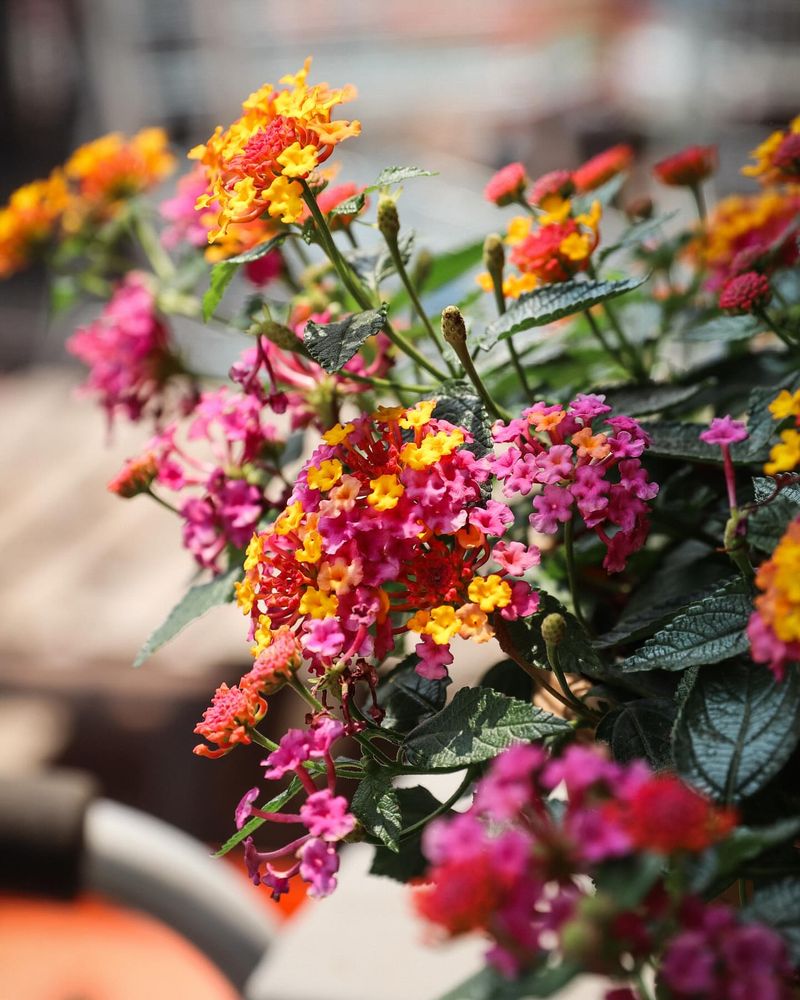
Butterflies flock to lantana like kids to an ice cream truck on a hot summer day. These cheerful clusters of tiny flowers come in vibrant color combinations including orange and yellow, pink and purple, or pure white varieties that brighten up any Texas garden.
Lantana blooms continuously from spring until the first frost arrives, providing months of non-stop color without requiring you to deadhead spent flowers.
Heat actually makes lantana grow better and produce more blooms. While other plants wilt during triple-digit temperatures, lantana keeps pumping out flowers and spreading across your garden beds.
Once established in Texas soil, it survives on rainfall alone during most years, only needing supplemental water during extended dry spells.
Several varieties grow low and spreading, making excellent groundcovers that suppress weeds naturally. Taller cultivars reach three to four feet high, creating colorful hedges or background plants for mixed borders.
The aromatic foliage smells pleasant when you brush against it but deer and rabbits find it unappealing, so your plants stay intact.
Lantana grows as a perennial in southern Texas regions but may freeze back to the ground in northern areas during winter. Don’t worry though, because it bounces right back from the roots when warm weather returns.
Hummingbirds join the butterflies for visits, turning your yard into a wildlife watching paradise throughout the growing season.
3. Texas Sage
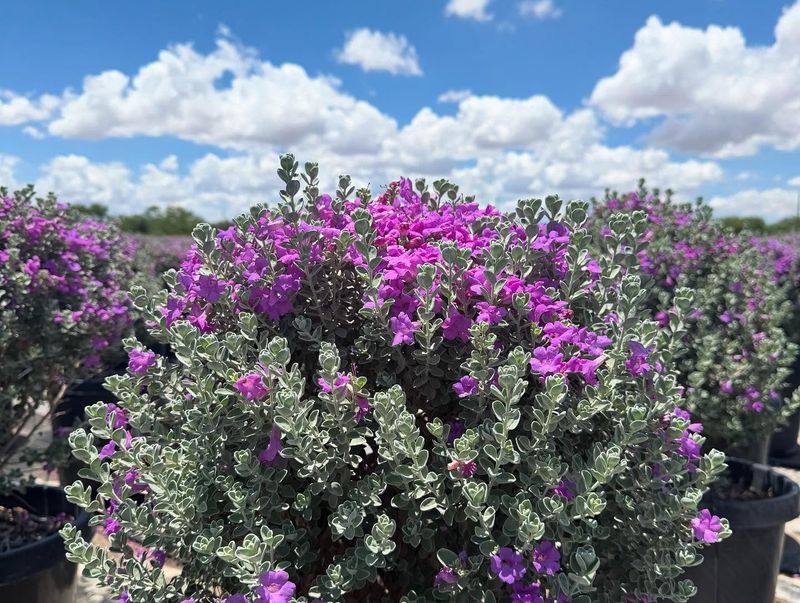
Also called barometer bush, Texas sage earned its nickname because it bursts into bloom after summer rains arrive. The tubular purple, pink, or white flowers cover the entire shrub in a spectacular display that lasts for several weeks.
Between blooming periods, the soft silvery-gray foliage provides a cooling visual effect that complements other plants beautifully in Texas landscapes.
This native shrub grows naturally in the Chihuahuan Desert, so it comes pre-programmed to handle extreme heat and drought conditions. Mature plants need almost no supplemental watering once their roots establish during the first year.
Texas sage actually performs better with less water, developing fuller foliage and more compact growth when kept on the dry side.
Gardeners love using Texas sage as a low hedge, foundation plant, or specimen shrub that requires minimal pruning.
The rounded form stays naturally attractive without constant shaping, though you can trim it lightly to maintain a specific size. Full sun exposure brings out the best color in both flowers and foliage.
Several cultivars offer different flower colors and leaf shades, from deep purple blooms with green leaves to pink flowers paired with silvery foliage. Choose varieties based on your color scheme and how they’ll blend with existing plants.
This reliable shrub continues looking good year after year with virtually no maintenance beyond occasional shaping if desired.
4. Blackfoot Daisy
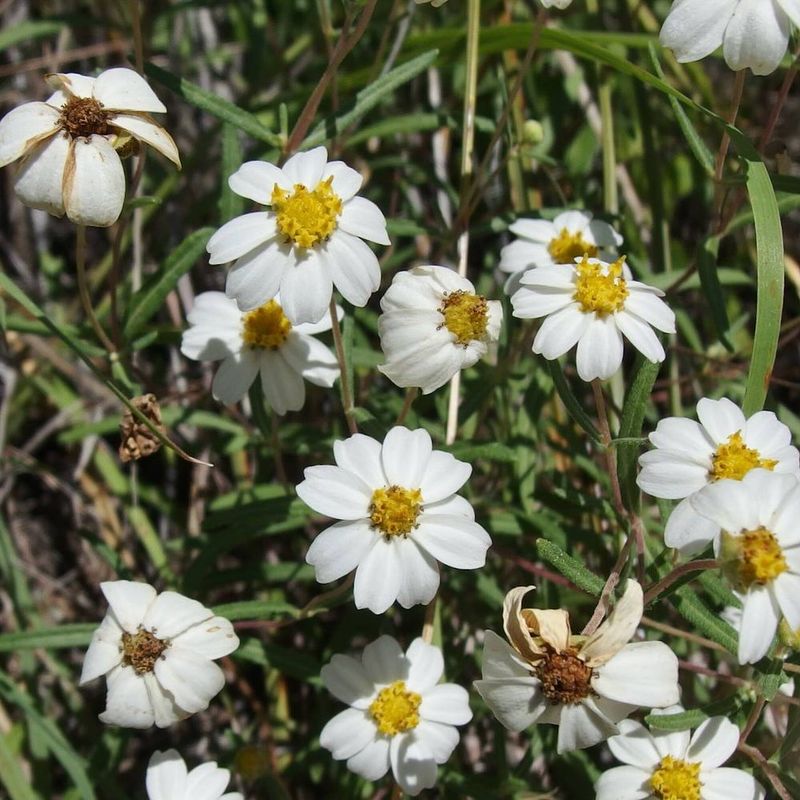
Imagine a plant that covers itself in cheerful white daisies with sunny yellow centers from March through November. Blackfoot daisy stays low to the ground, spreading into a dense mat that works perfectly along pathway edges or cascading over rock walls.
The small, narrow leaves create a fine-textured appearance that contrasts beautifully with bold foliage plants in Texas gardens.
Native to Texas and other southwestern states, this little powerhouse thrives in poor, rocky soil that would challenge most other flowering plants. It actually prefers lean conditions and can struggle if given too much water or fertilizer.
Once established, blackfoot daisy survives on natural rainfall alone across most of Texas, making it truly maintenance-free.
The continuous blooming habit means you always have fresh flowers opening without any deadheading required. Bees and beneficial insects visit regularly, adding movement and life to your garden throughout the growing season.
Despite its delicate appearance, this tough perennial handles full sun and reflected heat from pavement or walls without complaint.
Blackfoot daisy grows about six to twelve inches tall and spreads two feet wide at maturity. Plant several together for a sweeping groundcover effect, or use individual plants as edging along beds and borders.
The evergreen foliage looks good even during winter months when growth slows down but doesn’t completely stop in mild Texas climates.
5. Autumn Sage
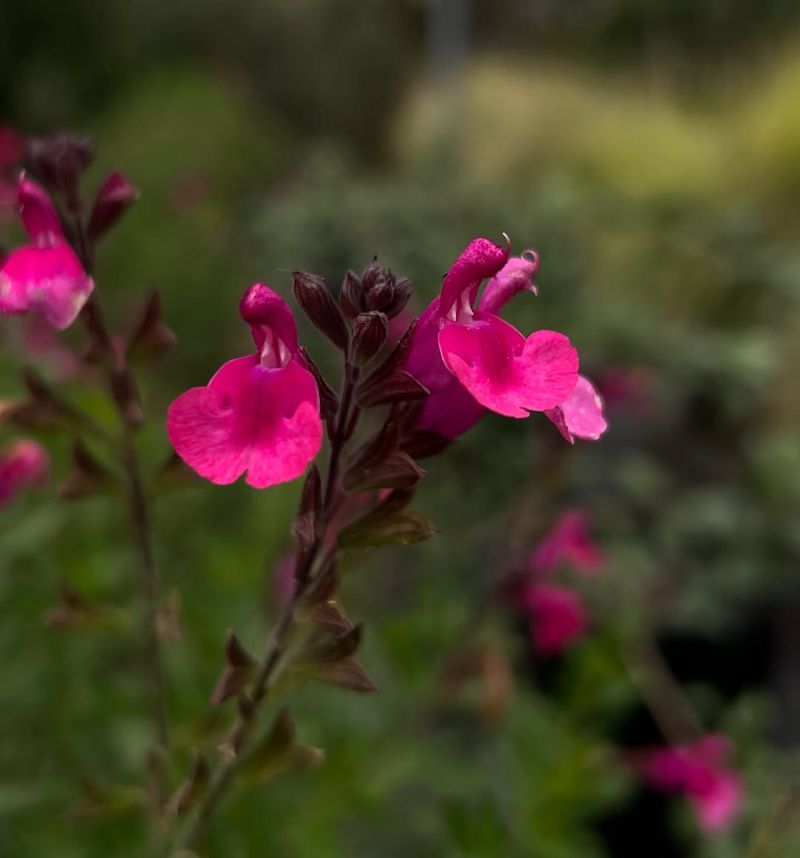
Hummingbirds can’t resist the tubular flowers that cover autumn sage from spring through fall. This native Texas perennial comes in multiple colors including red, pink, coral, white, and purple varieties that let you customize your garden palette.
The flowers appear in loose clusters at the tips of stems, creating a light, airy appearance that never looks heavy or overpowering in the landscape.
Drought tolerance runs deep in autumn sage genetics since it evolved in the rocky hills and canyons of central and west Texas. Mature plants laugh at summer heat waves and keep blooming when other flowers have given up.
Water deeply once every two weeks during establishment, then step back and let nature take over for the most part.
The aromatic foliage releases a pleasant scent when you brush against it or crush a leaf between your fingers. Deer avoid eating autumn sage, making it valuable for gardens where browsing animals present challenges.
The semi-woody stems create a loose, informal shape that fits naturally into cottage gardens or wildflower meadows.
Prune autumn sage back by about one-third in late winter to encourage fresh growth and more flowers. This quick trim keeps plants compact and prevents them from getting too leggy or sprawling.
Combine different flower colors together for a rainbow effect, or stick with a single shade for a more unified look throughout your Texas garden beds.
6. Turk’s Cap
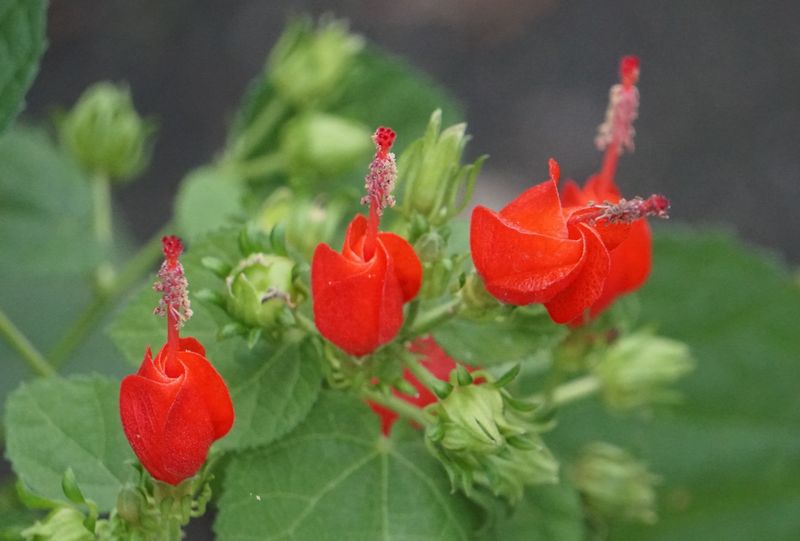
The unusual turban-shaped flowers give Turk’s cap its memorable name and make it instantly recognizable in any Texas garden. Red is the most common flower color, though pink and white varieties also exist for gardeners wanting different options.
These quirky blooms appear from summer through fall, attracting hummingbirds and butterflies that appreciate the nectar-rich flowers during hot months when other food sources become scarce.
Unlike most drought-tolerant plants that demand full sun, Turk’s cap actually prefers partial shade and performs beautifully under trees or along the north side of buildings.
This makes it incredibly valuable for filling those tricky spots where nothing else seems to thrive. Once established in Texas soil, it needs minimal supplemental watering even during dry periods.
The large, soft green leaves create a tropical appearance that adds lushness to shaded garden areas. Plants grow three to five feet tall with an equal spread, forming substantial shrubs that fill space quickly.
Turk’s cap spreads slowly by underground runners, gradually forming larger colonies that you can divide and share with friends.
Small edible fruits follow the flowers, though birds usually snatch them up before gardeners get a chance to harvest. The fruits taste mildly sweet and can be eaten fresh or used in jams if you beat the wildlife to them.
This native Texas plant requires almost no care beyond occasional shaping to control size or direct growth in a particular direction.
7. Mexican Feathergrass
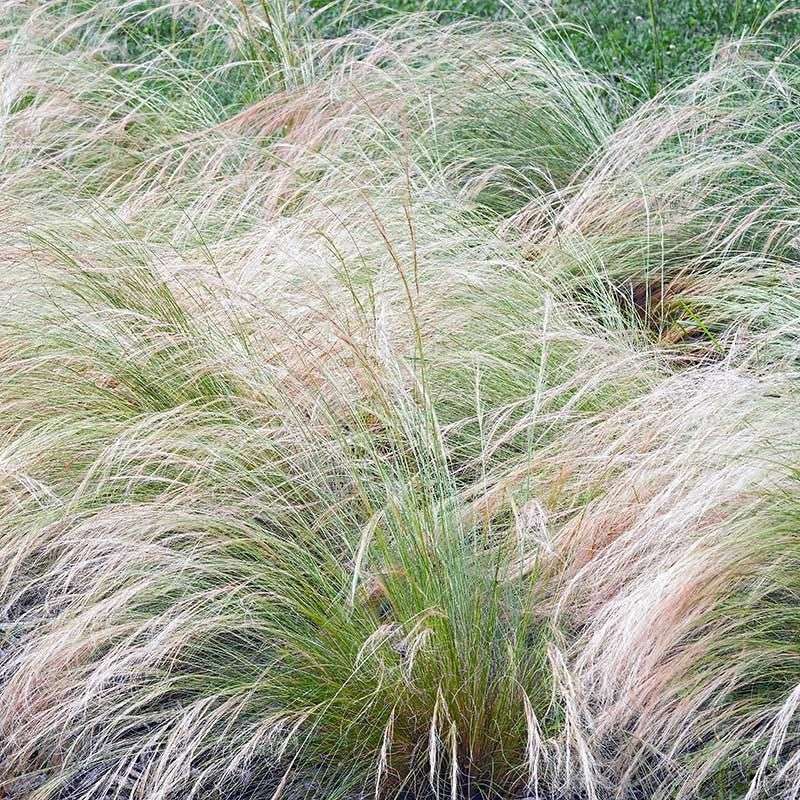
Watching Mexican feathergrass sway in the breeze creates a mesmerizing effect that brings movement and grace to any Texas landscape. The fine, hair-like leaves grow in dense clumps that look soft enough to pet, though the foliage stays somewhat stiff to the touch.
Delicate blonde seed heads appear in spring and persist through summer, catching sunlight and creating a golden glow that seems to shimmer when air currents pass through.
This ornamental grass comes from the dry regions of Texas, New Mexico, and Mexico, where it learned to thrive on minimal moisture. Established plants need watering only during the most severe droughts, making them perfect for water-wise landscapes.
The deep root system anchors plants firmly while seeking moisture deep underground where most plants can’t access it.
Mexican feathergrass works beautifully as a specimen plant, in mass plantings, or mixed with flowering perennials for textural contrast. The soft appearance balances bold foliage and bright flowers, creating visual interest without overwhelming other plants.
Full sun exposure brings out the best color and encourages the most prolific seed head production.
Plants grow about two feet tall and wide, maintaining a tidy clump shape without spreading aggressively. Cut back the foliage to about four inches in late winter before new growth begins, giving plants a fresh start each spring.
This easy maintenance task takes just minutes but keeps your grass looking its best year after year in your Texas garden.
8. Pride Of Barbados
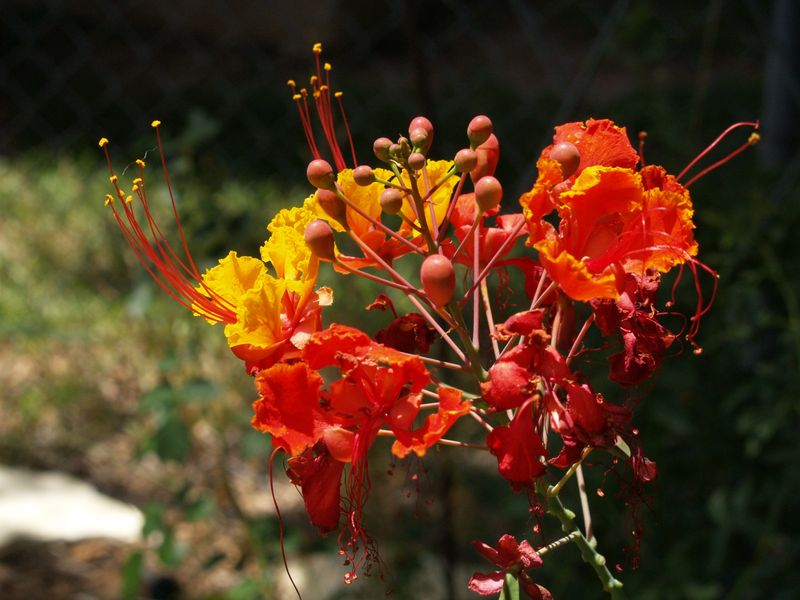
Tropical-looking flowers in brilliant shades of orange and red make Pride of Barbados a showstopper that commands attention in any Texas garden.
The blooms feature long, prominent stamens that extend beyond the petals, creating a fireworks effect that butterflies find irresistible.
Flowering continues from late spring through fall, providing months of eye-catching color that brightens up even the hottest summer days.
Despite its exotic appearance, this shrub handles Texas heat and drought like a champion once roots establish during the first growing season. The fern-like foliage stays attractive between bloom cycles, adding fine texture that contrasts nicely with bolder plants.
Pride of Barbados grows quickly, reaching six to eight feet tall in favorable conditions, though you can keep it smaller with occasional pruning.
Southern Texas gardeners enjoy this plant as an evergreen shrub that keeps its leaves year-round.
In northern parts of the state, cold winters may freeze it back to the ground, but it regrows vigorously from the roots when warm weather returns. Either way, you get a spectacular flowering plant that requires minimal care and water.
Plant Pride of Barbados in full sun where it receives at least six hours of direct light daily. The shrub tolerates poor soil and doesn’t need fertilizer to bloom prolifically.
Seedpods develop after flowers fade, and you can collect these to start new plants or simply leave them for visual interest during winter months in your Texas landscape.