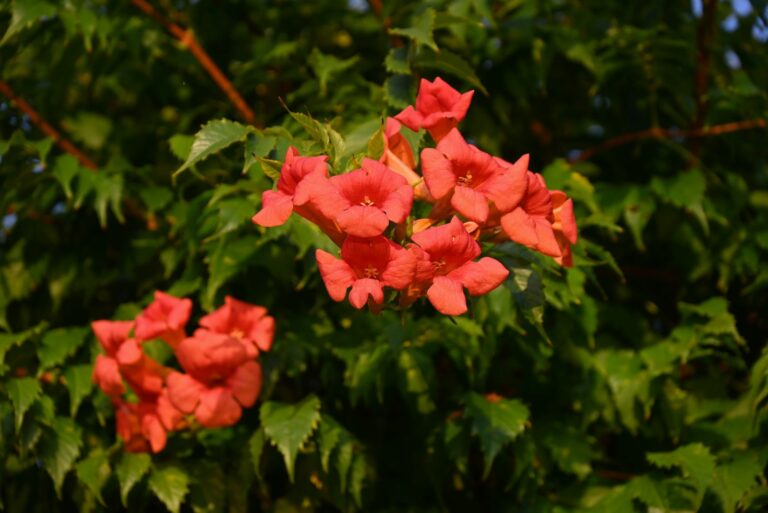
These Are The Best Plants That Thrive Under Live Oaks In Texas
Growing anything under a live oak in Texas can feel like a losing battle at first. Between the heavy shade, thirsty roots, dry spells, and stubborn soil, it is easy to assume nothing will ever look good there.
But that patchy ground under the canopy does not have to stay bare, dusty, or disappointing. The right plants can turn it into one of the prettiest parts of the yard, with color, texture, and life that feel right at home beneath those big, graceful branches.
The secret is choosing plants that can handle tough conditions without constant fuss. Some love the filtered light, some can compete with tree roots, and some even seem to prefer the protection a live oak provides.
That means you can build a space that feels lush and inviting without working against nature. If you have been staring at that shady area and wondering what could possibly grow there, you are about to get some very good ideas.
1. Texas Sedge (Carex Texensis)
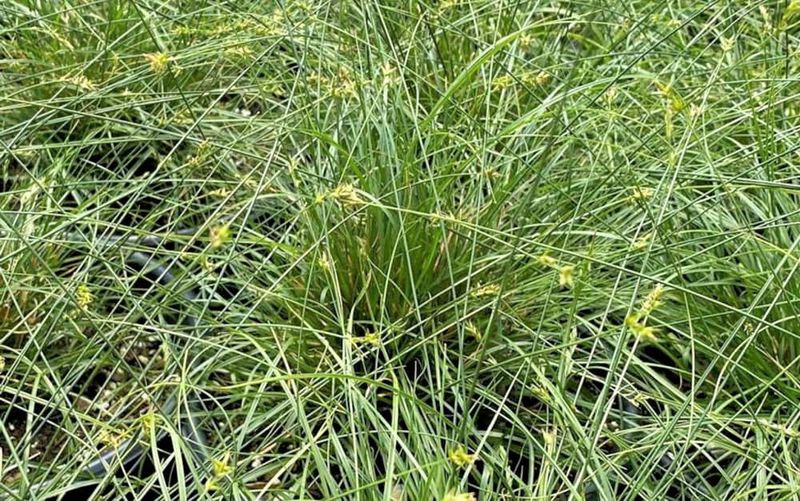
Picture a soft, flowing carpet of green grass-like clumps spreading quietly beneath a giant live oak.
That is exactly what Texas sedge looks like, and it is one of the most recommended native plants for under live oaks across Texas. This small but mighty groundcover is built for the challenge.
Texas sedge grows naturally in shaded woodlands, which means it already knows how to survive in low-light conditions. It forms neat, arching clumps that stay relatively low to the ground, usually reaching about six to twelve inches tall.
The fine-textured leaves give it a soft, elegant look that pairs beautifully with the rugged bark of a live oak.
One of the best things about this plant is how little water it needs once established. In a state like Texas, where summer heat can be brutal, that matters a lot.
It handles drought conditions really well, making it perfect for the dry, root-filled soil that collects under live oak canopies.
You can plant Texas sedge in full shade or partial shade, and it will adapt without much fuss. It spreads slowly over time, gradually filling in bare patches without becoming invasive. That means less weeding and more enjoying your yard.
Gardeners in Central Texas especially love this plant because it stays green through mild winters.
It requires very little maintenance, rarely needs fertilizer, and does not need frequent watering after its first season. For a simple, natural look under your live oaks, Texas sedge is a top pick.
2. Horseherb (Calyptocarpus Vialis)
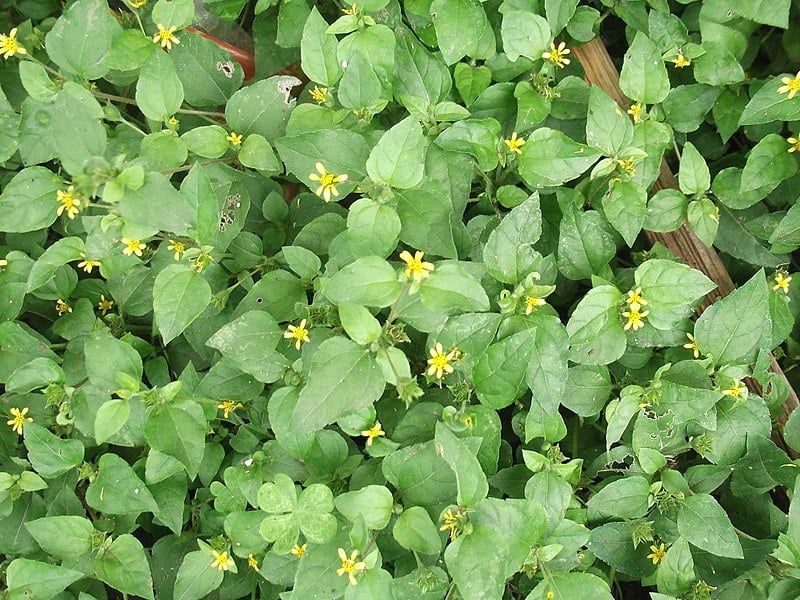
Walk through almost any shaded yard in Austin or San Antonio, and you will probably spot horseherb without even knowing it. This cheerful little native groundcover spreads itself quietly across dry, shaded ground, asking for almost nothing in return.
Texas A&M AgriLife actually recommends it specifically for dry shade situations, and it earns that praise every single time.
Horseherb stays very low to the ground, usually just two to four inches tall. Its small, bright green leaves form a dense mat that looks tidy and natural.
Tiny yellow flowers pop up throughout the growing season, adding a subtle charm that makes the ground beneath your live oaks feel alive rather than bare.
One of the most impressive things about horseherb is that it can handle light foot traffic. That makes it a smart choice if you have a path running near your live oaks or if kids or pets tend to cut across the yard. It bounces back quickly after being walked on.
This plant thrives in both sun and shade, but it really shines in those tough dry-shade conditions that live oaks create.
The shallow, competitive roots of live oaks do not seem to bother horseherb much at all. It just keeps spreading and growing without complaint.
Horseherb spreads naturally on its own, so once you get it started, it tends to fill in gaps by itself over time. For Texas gardeners who want a no-fuss, native-friendly groundcover that actually works under live oaks, this plant is a genuine winner.
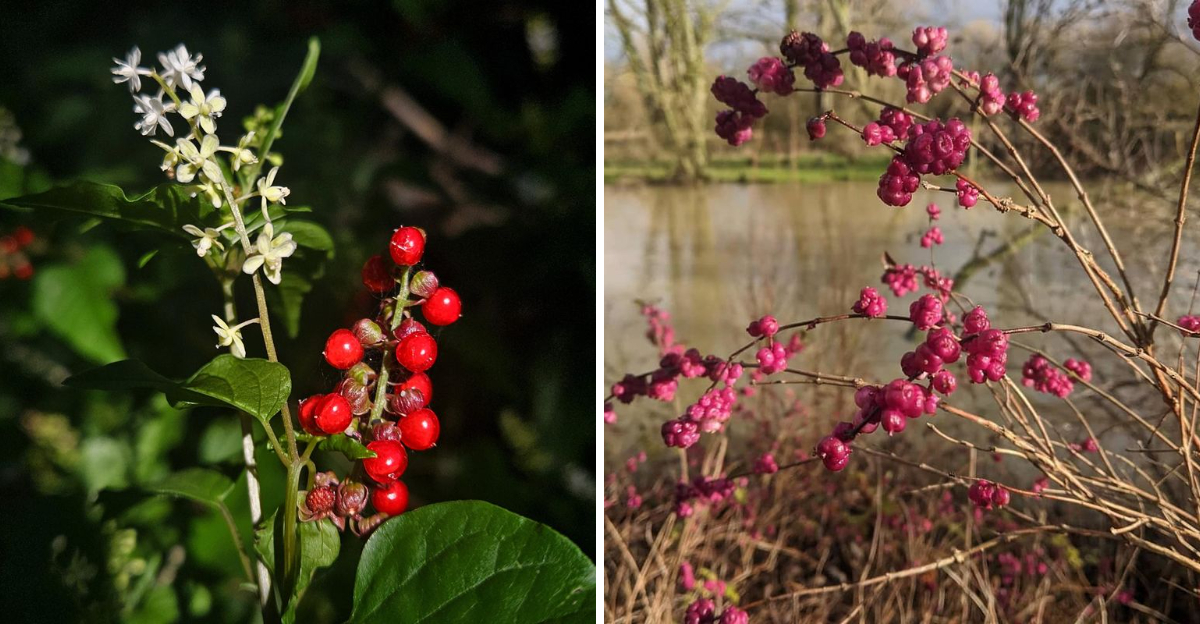
3. Pigeonberry (Rivina Humilis)
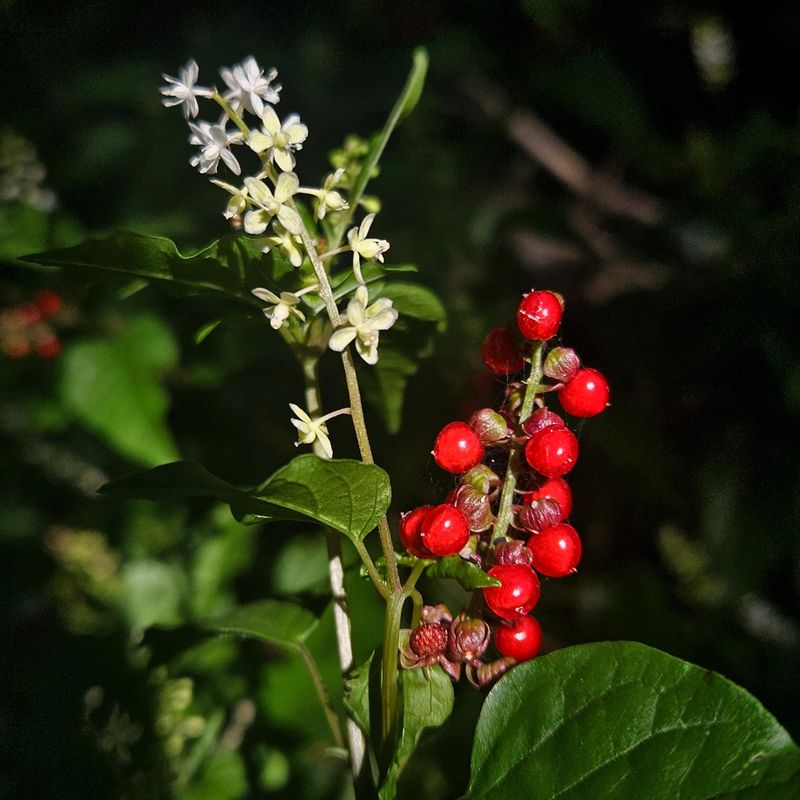
There is something almost magical about stumbling across pigeonberry in a shaded Texas garden.
Its tiny pinkish-white flowers and clusters of glossy red berries look like something straight out of a fairy tale. But do not let the delicate appearance fool you. This plant is tougher than it looks.
Pigeonberry is a small native perennial that grows naturally in shaded woodland areas across Texas and the southeastern United States. It handles part shade to full shade very comfortably, which makes it a natural fit for the dense canopy that live oaks provide.
The dry, slightly acidic soil under live oaks is actually close to what this plant experiences in the wild.
The red berries are not just pretty. They are a food source for birds, which is why the plant earned its common name.
If you plant pigeonberry under your live oaks in Texas, do not be surprised when mockingbirds and other songbirds start showing up regularly in your yard.
Pigeonberry typically grows one to three feet tall and spreads slowly through reseeding. It is not aggressive or invasive, so it plays nicely with other plants nearby.
You can mix it with other shade-loving natives for a layered, naturalistic look beneath your trees.
Once established, pigeonberry needs very little care. It is drought-tolerant enough to handle the dry conditions under live oaks, and it does not need rich soil to perform well.
For Texas gardeners who want beauty, wildlife value, and low maintenance all at once, pigeonberry delivers on every count.
4. Inland Sea Oats (Chasmanthium Latifolium)
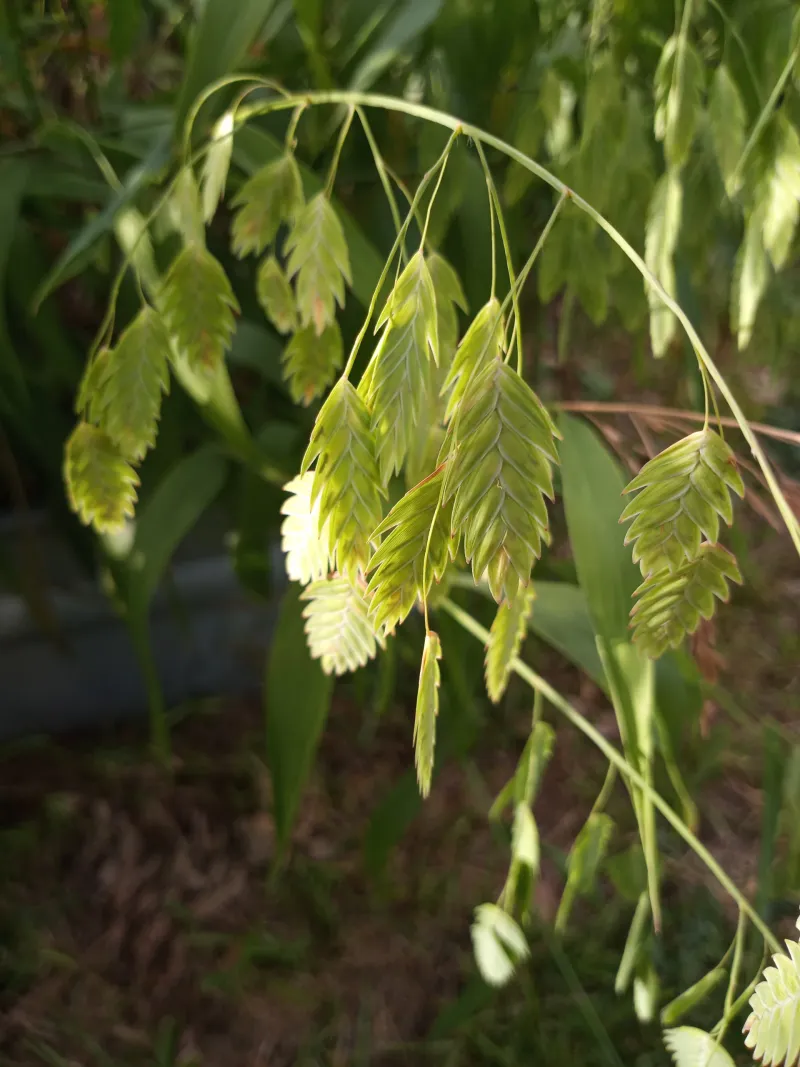
Few plants bring as much movement and texture to a shaded garden as inland sea oats. When a breeze passes through a Texas yard, the flat, dangling seed heads of this native grass sway gently in a way that feels almost hypnotic.
It is both a practical groundcover and a living piece of art. Inland sea oats is a native grass that grows naturally along creek banks and in shaded woodland areas across Texas and much of the eastern United States.
It adapts well to shade and part shade, making it a reliable choice for planting under live oaks. The root competition from live oaks does not seem to slow it down much once it gets established.
The plant grows about two to four feet tall, with broad, arching leaves that look more like a tropical plant than a typical Texas grass.
The seed heads appear in late summer and turn a warm copper-bronze color in fall, giving the garden a beautiful seasonal change without any extra effort.
Did you know that inland sea oats reseeds itself readily? Once you have a patch established under your live oaks, it will slowly spread and fill in over the years. You can also divide clumps to spread it faster or share it with neighbors.
Across Central Texas and the Hill Country, inland sea oats is a popular choice for naturalistic landscapes.
It provides excellent erosion control on slopes, adds year-round visual interest, and creates habitat for small wildlife. For a bold, graceful look under your live oaks, this native grass is hard to beat.
5. Cedar Sedge (Carex Planostachys)
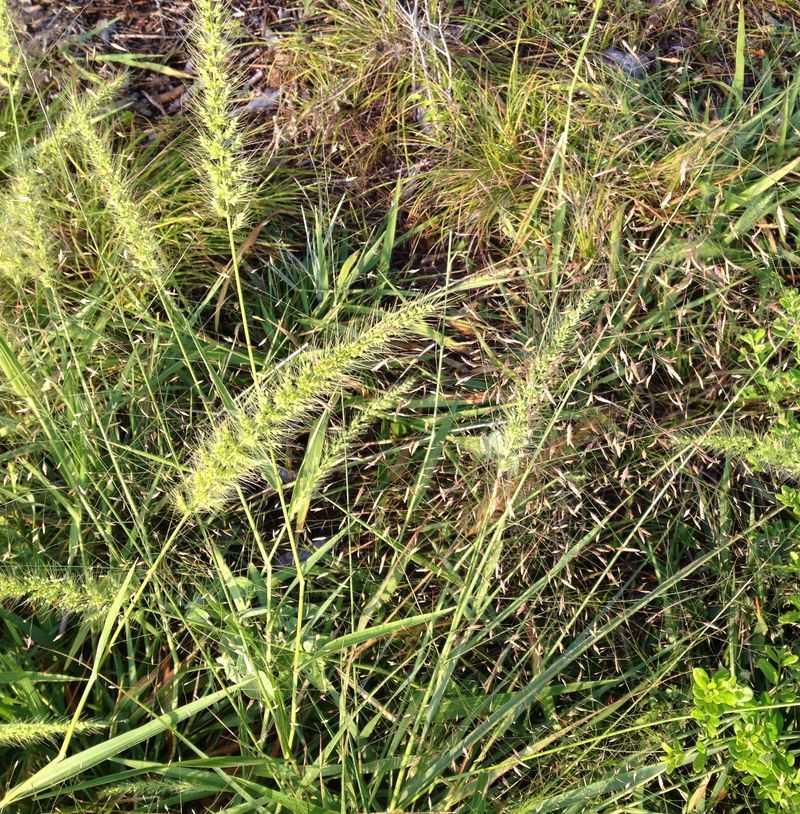
Cedar sedge might not be the most famous plant at the garden center, but Texas landscapers and native plant enthusiasts know its worth. This tough little sedge thrives in exactly the kind of dry, shaded spots that most plants want nothing to do with.
If you have a particularly challenging area under your live oaks, cedar sedge is worth a serious look.
Native to the Texas Hill Country and surrounding regions, cedar sedge grows naturally in rocky, shaded areas with poor, dry soil.
That background makes it exceptionally well-suited for life under live oaks, where the soil tends to be shallow, dry, and root-packed. It handles those conditions without complaint.
The plant forms soft, arching clumps of fine-textured, blue-green leaves that stay relatively low, usually around six to ten inches tall.
The color has a slightly silvery quality that looks elegant against the dark soil and rough bark of live oaks. It creates a look that feels natural and refined at the same time.
Cedar sedge is evergreen in most parts of Texas, meaning it keeps its color through mild winters and provides year-round ground coverage. That is a big plus for homeowners who want their landscape to look good even in January.
Because cedar sedge spreads slowly and stays compact, it is easy to manage and will not take over your garden.
It pairs well with other native shade plants like pigeonberry or Texas sedge, creating a layered, low-maintenance understory that looks intentional and beautiful. For dry shade in Texas, this is one of the best options available.
6. Turk’s Cap (Malvaviscus Arboreus Var. Drummondii)
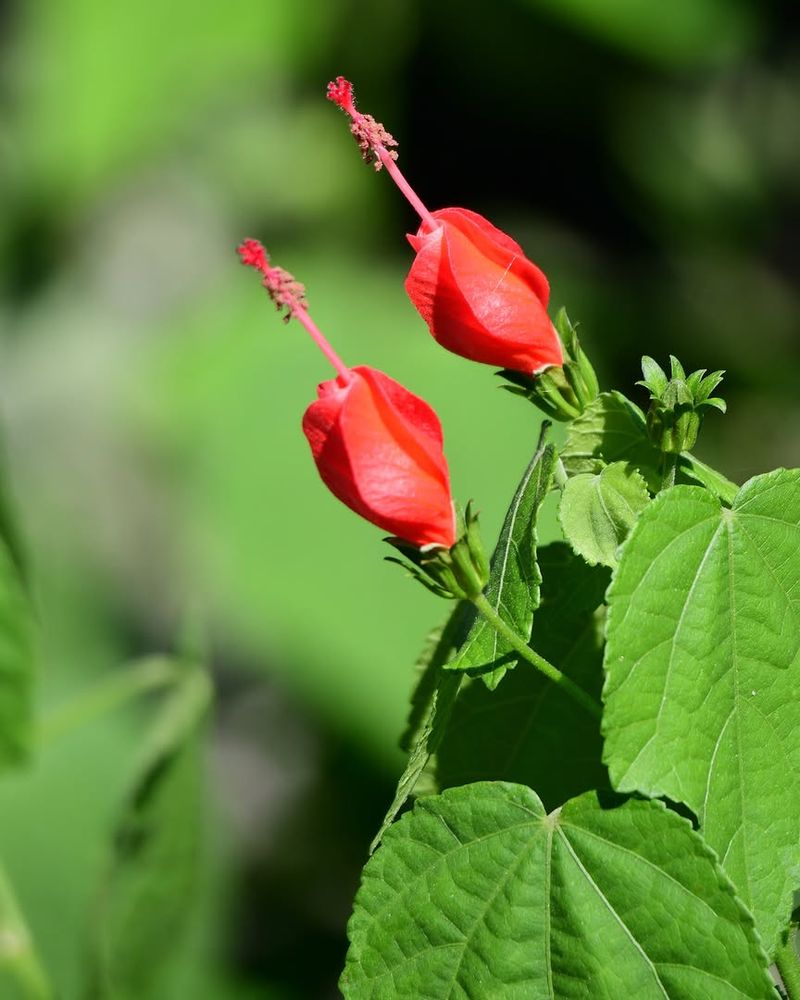
Bold, bright, and buzzing with hummingbirds, Turk’s cap is the showstopper of the live oak understory. While most shade plants stay quiet and low-key, this native shrub makes a statement with its vivid red flowers that look like tiny rolled-up party hats.
Once you see a hummingbird hovering over one in a shaded Texas garden, you will want it in your yard immediately.
Turk’s cap is native to Texas and grows naturally in shaded and partially shaded areas across the state. It handles everything from full shade to full sun, which makes it one of the most flexible native shrubs available.
Under live oaks, where light levels shift throughout the day, that flexibility is a major advantage.
The plant can grow quite large, sometimes reaching four to eight feet tall and equally wide. That makes it better suited for the outer edges of a live oak canopy rather than tight spaces directly under the trunk.
Used as a background shrub or a natural hedge, it adds real structure and presence to the landscape.
Beyond hummingbirds, Turk’s cap also attracts butterflies, bees, and other pollinators. The small red fruits that follow the flowers are edible and taste a bit like apples, which is a fun fact to share with curious visitors to your Texas garden.
Once established, Turk’s cap is extremely drought-tolerant and needs very little supplemental watering. It cuts back to the ground after a hard freeze but regrows vigorously in spring.
For color, wildlife value, and adaptability under live oaks, nothing quite matches this reliable Texas native.
7. Coralberry (Symphoricarpos Orbiculatus)
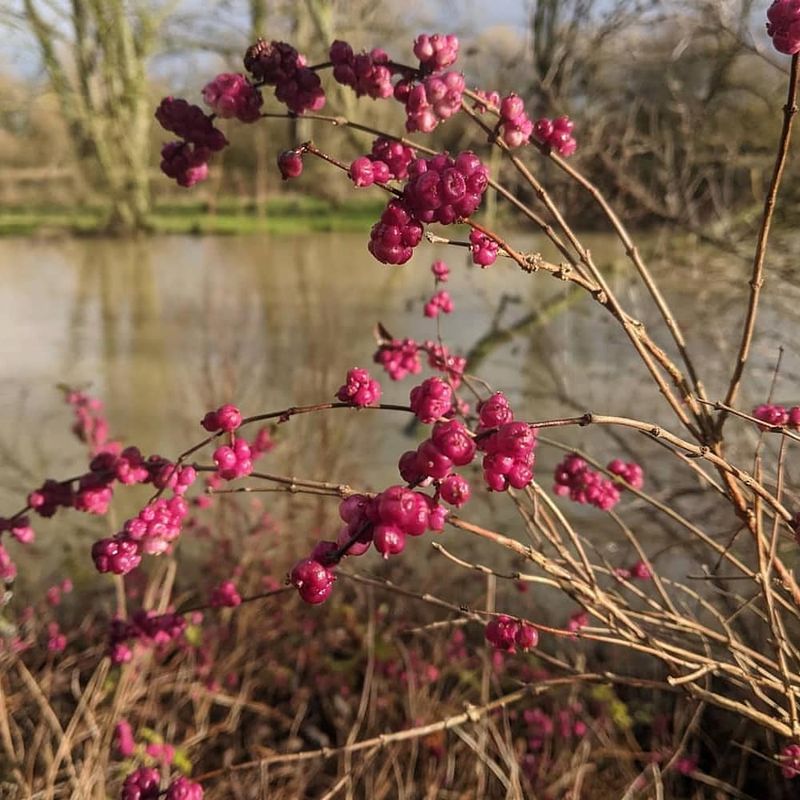
At the outer edge of a live oak’s canopy, where the shade begins to soften and the soil holds a little more moisture, coralberry steps in and does something remarkable.
It fills that transitional zone with graceful arching branches and clusters of deep pink-red berries that glow against the fall landscape.
It is one of those plants that looks like it was designed specifically for Texas woodland gardens.
Coralberry is a native shrub found naturally across Texas and much of the central and eastern United States. It handles part shade to full shade and tolerates a wide range of soil conditions, from dry to moderately moist.
That flexibility makes it a natural fit for the varied conditions you find around the edges of a live oak understory.
The shrub grows two to four feet tall and spreads by underground stems, forming loose colonies over time.
That spreading habit makes it excellent for stabilizing slopes or filling in larger areas where you want natural-looking coverage without a lot of intervention. It works especially well in naturalistic or wildlife-friendly landscapes.
The berries appear in late summer and persist well into winter, providing a critical food source for birds during colder months. Cedar waxwings, robins, and mockingbirds are especially fond of them.
Planting coralberry under your live oaks in Texas is basically putting out a welcome sign for local wildlife.
Coralberry needs very little care once it is established. It does not need rich soil, heavy watering, or regular pruning to look good.
For a reliable, wildlife-friendly native shrub that thrives at the edge of live oak shade across Texas, coralberry is an excellent and often overlooked choice.