These Are The Best Plants To Propagate In Florida This February
Florida gardeners can grow new plants this February without buying a single one. Warm sun, mild nights, and active growth create perfect rooting conditions right now across the state.
A simple stem cutting can turn into a full plant in weeks, saving money and filling homes, patios, and yards with fresh green life. No greenhouse, fancy tools, or special skills needed.
Just clean cuts, a jar of water or moist soil, and a bright spot near a window or porch. Many popular favorites root fast during late winter, producing strong plants ready for spring growth and summer color.
Start a few cuttings today and watch roots appear sooner than expected. By spring, one plant can become many, ready to decorate your space or share with friends, neighbors, and family across Florida.
1. Pothos Roots Fast Almost Anywhere
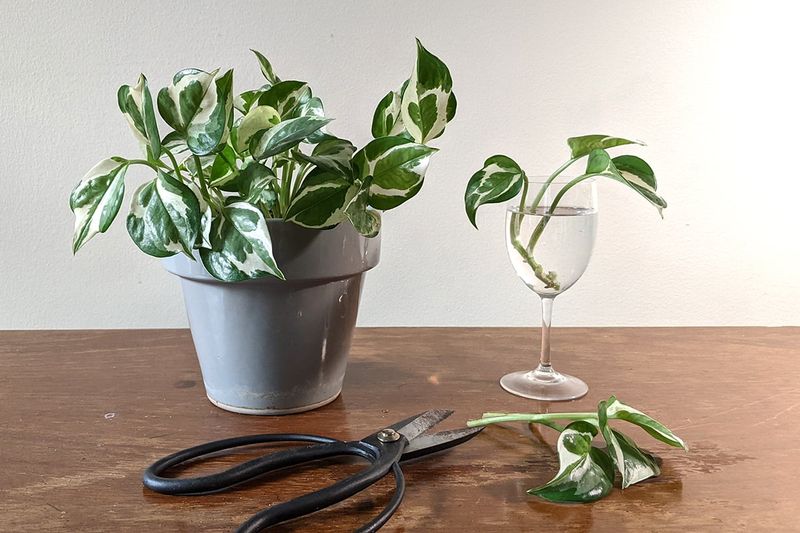
Snip a stem about six inches long just below a leaf node, and you have started your pothos propagation journey. Those bumpy spots along the stem where leaves attach are where roots emerge, so make sure each cutting has at least two nodes.
Drop your cuttings into a jar of plain tap water, place it near a window with bright indirect light, and watch roots appear within seven to ten days.
Florida’s warm February temperatures speed up root development compared to cooler months. Change the water every few days to keep it fresh and prevent cloudy buildup.
Within three weeks, you will see a healthy root system ready for planting in soil.
Pothos adapts to almost any indoor space in Florida homes, tolerating low light and occasional neglect. Once roots reach two inches long, transfer your cuttings to small pots filled with regular potting mix.
Water lightly at first while the plant adjusts to soil.
This trailing vine grows quickly and purifies indoor air while adding greenery to shelves, desks, or hanging baskets. Start several cuttings now, and by spring you will have multiple plants to decorate your home or give as thoughtful gifts to neighbors and family members.
2. Coleus Brings Bold Color Easily
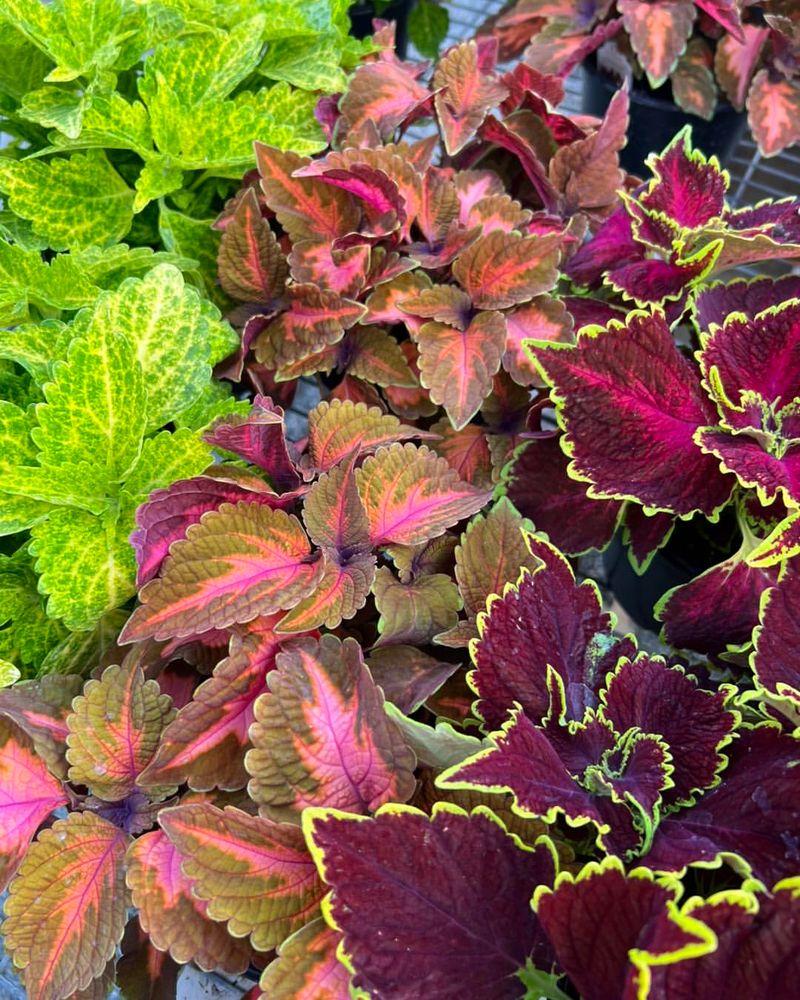
Cut a four-inch section from a healthy coleus stem, remove the bottom leaves, and stick it directly into moist potting soil or water. Roots form incredibly fast in Florida’s February warmth, often showing growth within five days.
Keep the soil consistently damp but not waterlogged, and place your container where it receives morning sun and afternoon shade.
Coleus offers an explosion of colors ranging from deep burgundy to lime green, often with multiple shades on a single leaf. February provides ideal conditions because intense summer heat has not yet arrived.
Your cuttings establish strong roots before facing the challenges of hotter months ahead.
Pinch off any flower spikes that appear, as blooming reduces leaf production and vibrant color. Each pinch encourages bushier growth and more of those stunning leaves that make coleus so popular.
Florida gardeners love coleus for shady spots where other colorful plants struggle.
Start ten cuttings now, and within six weeks you will have enough plants to fill a entire shaded border or create a rainbow effect in containers on your patio. Coleus thrives in Florida’s humidity and rewards minimal effort with maximum visual impact throughout spring and early summer.
3. Sweet Potato Vine Fills Space Fast
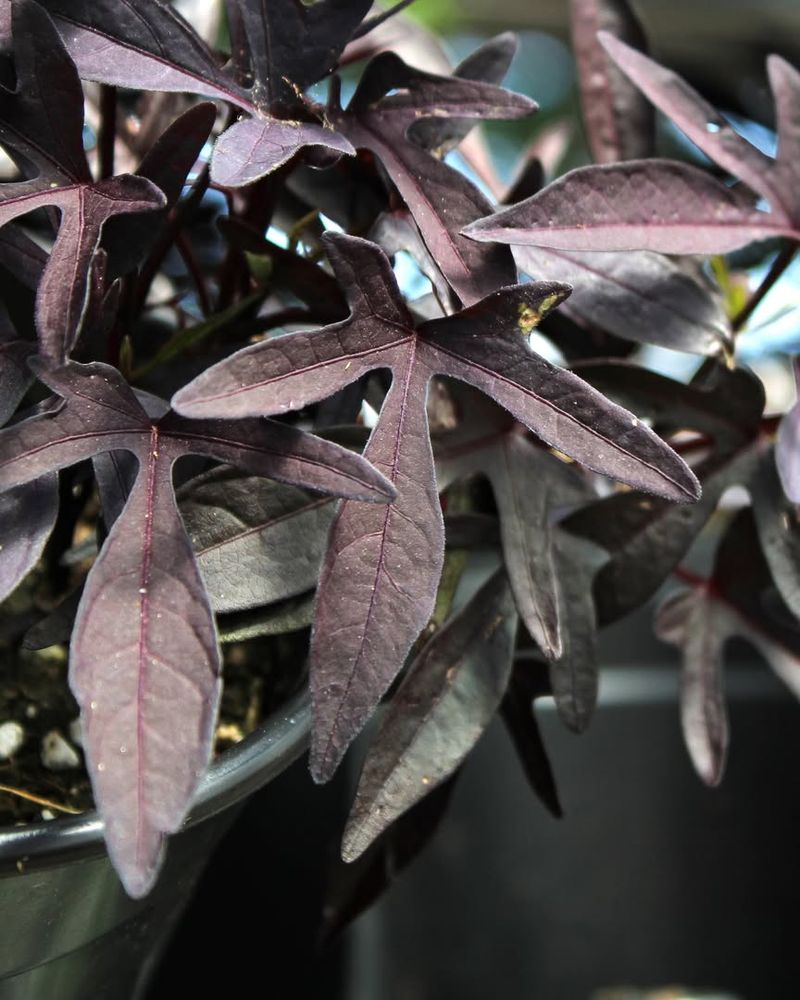
Take a six-inch cutting from a sweet potato vine stem, strip away the lower leaves, and place it in water or directly into moist soil. Roots develop within a week in Florida’s warm February weather.
This vigorous grower quickly produces trailing stems that cascade beautifully from hanging baskets or spread across garden beds as ground cover.
Sweet potato vine comes in chartreuse, deep purple, and bronze varieties that add dramatic color without flowers. The heart-shaped leaves create a lush tropical look perfect for Florida landscapes.
February propagation gives plants time to establish before summer heat kicks growth into overdrive.
One parent plant can produce dozens of cuttings, making this an economical way to fill large spaces. Space new plants about eighteen inches apart in garden beds, and they will quickly grow together into a solid carpet of color.
In containers, combine different colored varieties for stunning contrast.
Water regularly during the first few weeks while roots establish, then reduce frequency as plants mature. Sweet potato vine tolerates Florida’s intense summer sun better than many foliage plants.
Pinch back growing tips occasionally to encourage fuller, bushier growth rather than long, sparse stems reaching for space.
4. Basil Rewards You All Season
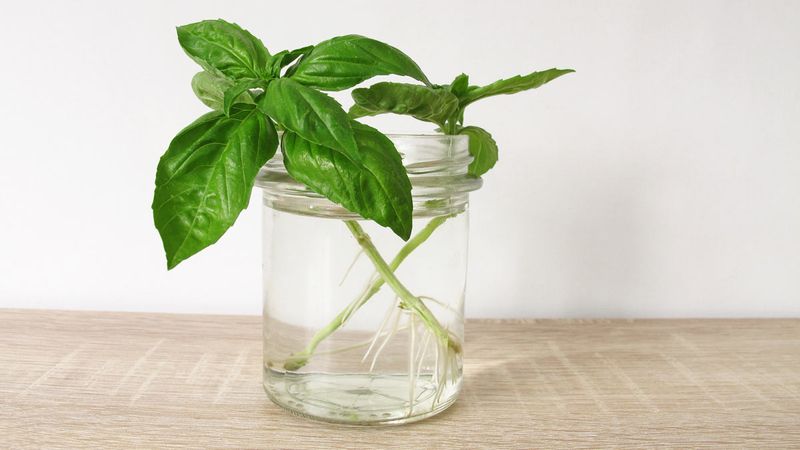
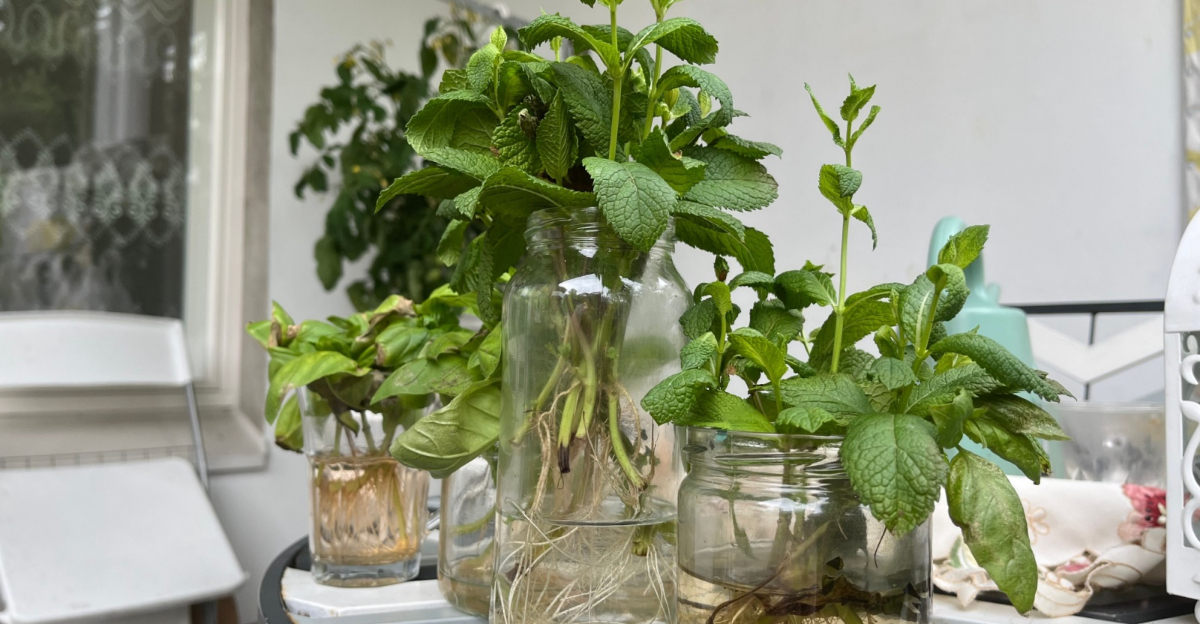
Clip a four-inch stem from a healthy basil plant just above where two leaves meet the main stem. Remove leaves from the bottom two inches and place the cutting in a glass of water on a sunny windowsill.
Within five to seven days, white roots will emerge from the submerged portion of the stem.
February in Florida provides perfect temperatures for basil propagation without the scorching heat that sometimes stresses young plants. Change the water every two days to keep it oxygenated and clear.
Once roots reach about an inch long, transplant your cutting into a pot filled with well-draining potting mix enriched with compost.
Basil loves Florida’s warmth and sunshine, growing vigorously when temperatures stay consistently above sixty degrees. Place containers where they receive at least six hours of direct sunlight daily.
Pinch off the top growing tips every week to encourage bushy, productive plants rather than tall, leggy ones.
Fresh basil transforms ordinary meals into flavorful experiences, and homegrown leaves taste far superior to store-bought herbs. Start multiple cuttings now, and you will harvest handfuls of fragrant leaves for pasta, pizza, salads, and pesto throughout spring and summer without spending money on expensive grocery store packages.
5. Mint Spreads Fast And Strong
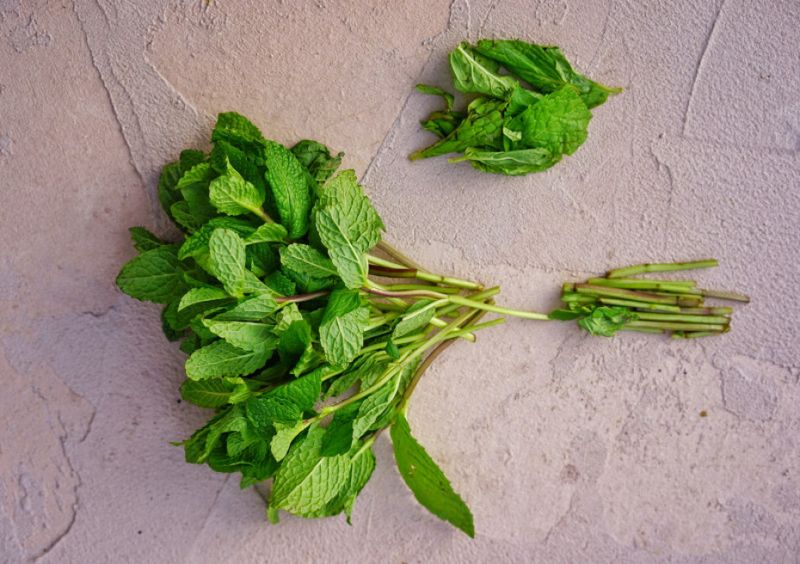
Break off a mint stem about four inches long, strip the lower leaves, and push it into moist soil or place it in water. Roots appear within days in Florida’s February warmth.
Mint propagates so easily that you might wonder why anyone buys it from nurseries.
Plant mint in containers rather than directly in garden beds because it spreads aggressively through underground runners. A single cutting can fill a twelve-inch pot within two months during Florida’s growing season.
Use large pots with drainage holes and quality potting soil for best results.
Several mint varieties thrive in Florida, including spearmint, peppermint, chocolate mint, and mojito mint. Each offers unique flavors for teas, cocktails, desserts, and savory dishes.
February planting allows roots to establish before summer heat encourages explosive growth.
Place containers where they receive morning sun and afternoon shade, as intense Florida sunshine can scorch tender leaves. Water consistently to keep soil evenly moist but never soggy.
Harvest frequently by snipping stems just above leaf nodes, which encourages branching and prevents flowering.
Fresh mint elevates beverages and recipes while repelling certain garden pests naturally. Start cuttings from different varieties now, and you will enjoy abundant harvests for months while sharing extras with grateful friends and neighbors.
6. Hibiscus Grows Stunning Tropical Blooms
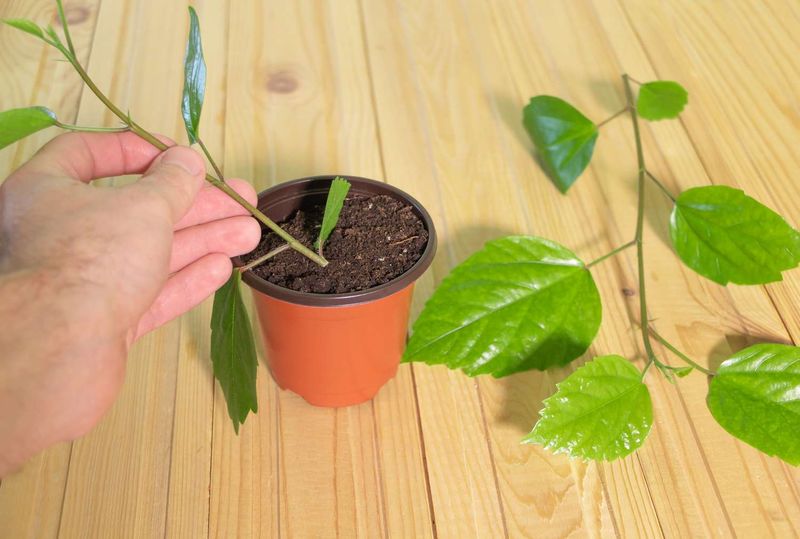
Select a semi-hardwood stem about six inches long from a healthy hibiscus plant, making your cut just below a leaf node. Remove all but the top two leaves, dip the cut end in rooting hormone powder, and insert it into a pot filled with moistened perlite or a mix of peat and sand.
Cover the pot with a clear plastic bag to maintain humidity.
Florida’s February weather provides warmth without extreme heat, creating ideal conditions for hibiscus propagation. Place your covered pot in bright indirect light and check daily to ensure the growing medium stays moist.
Roots typically develop within four to six weeks, though some varieties take longer.
Tropical hibiscus produces spectacular blooms in vibrant colors including red, pink, yellow, orange, and coral. These plants thrive in Florida’s climate, blooming repeatedly throughout warm months.
Remove the plastic covering once you see new leaf growth, which signals successful rooting.
Transplant rooted cuttings into larger containers with rich, well-draining potting soil. Feed monthly with a fertilizer formulated for flowering plants.
Hibiscus needs at least six hours of sunlight daily to produce abundant blooms.
These tropical beauties attract hummingbirds and butterflies while adding bold color to Florida landscapes. Start several cuttings now, and by summer you will enjoy gorgeous flowers without the expense of purchasing mature plants from garden centers.
7. Croton Multiplies Bright Fiery Foliage
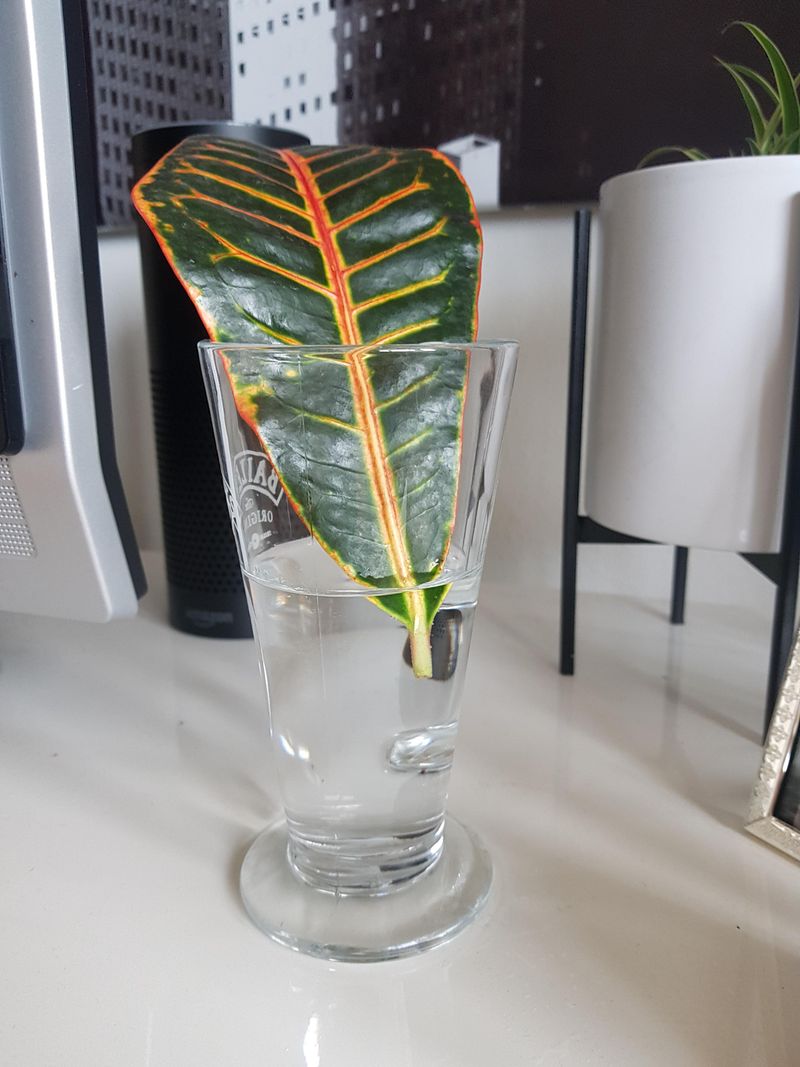
Cut a stem section four to six inches long from a croton plant, making sure it includes at least three leaves. Dip the cut end in rooting hormone, then insert it into a small pot filled with moistened perlite or a mixture of peat moss and sand.
Keep the soil consistently moist and place the pot in a warm location with bright, indirect light.
Croton cuttings root more slowly than many other plants, typically taking six to eight weeks. Florida’s warm February temperatures help speed the process compared to cooler months.
Maintain high humidity around your cutting by covering the pot with a clear plastic bag, removing it briefly each day for air circulation.
These tropical plants display some of nature’s most spectacular leaf colors, with patterns that include bold stripes, spots, and splashes of red, orange, yellow, and purple against green backgrounds. Each variety offers unique coloration that intensifies in bright light.
Florida’s sunshine brings out the most vibrant hues.
Once roots develop, gradually acclimate your new plant to normal conditions by removing the humidity cover for longer periods each day. Transplant into regular potting soil and place in a spot receiving several hours of direct morning sunlight.
Crotons make dramatic focal points in Florida landscapes and containers, thriving in heat and humidity that challenge other colorful plants. Starting cuttings now gives you impressive specimens by summer.
8. Snake Plant Grows Tough And Steady
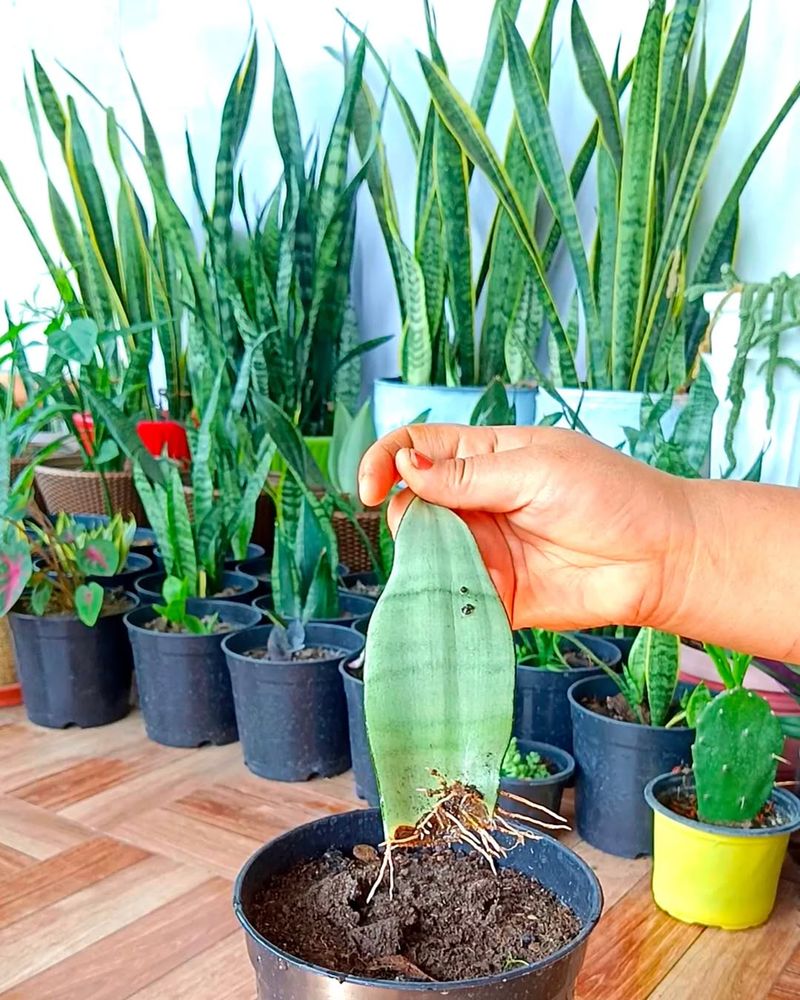
Cut a healthy snake plant leaf into three-inch sections using a clean, sharp knife. Let the cut pieces sit in a dry location for one to two days until the cut surfaces form a callus.
Plant each section about an inch deep in a pot filled with cactus or succulent potting mix, keeping the same end that was originally pointing up still facing upward.
Snake plants root slowly but reliably, usually taking four to eight weeks. Florida’s warm February weather helps the process along nicely.
Water sparingly, allowing the soil to dry completely between waterings to prevent rot. Too much moisture causes more problems than too little with these drought-tolerant plants.
These architectural plants feature stiff, upright leaves with striking patterns of dark and light green, sometimes edged in yellow. Snake plants tolerate low light, irregular watering, and neglect better than almost any other houseplant.
They purify indoor air by removing toxins while requiring minimal care.
Place containers in bright indirect light for fastest growth, though snake plants adapt to dimmer conditions. Avoid direct Florida sunshine through windows, which can scorch leaves.
Once established, these plants grow slowly but steadily, eventually producing pups around the base that you can separate and pot individually.
Start several leaf cuttings now, and you will have attractive, nearly indestructible plants perfect for offices, bedrooms, or any Florida home space needing easy greenery.
9. Spider Plant Babies Grow With Ease
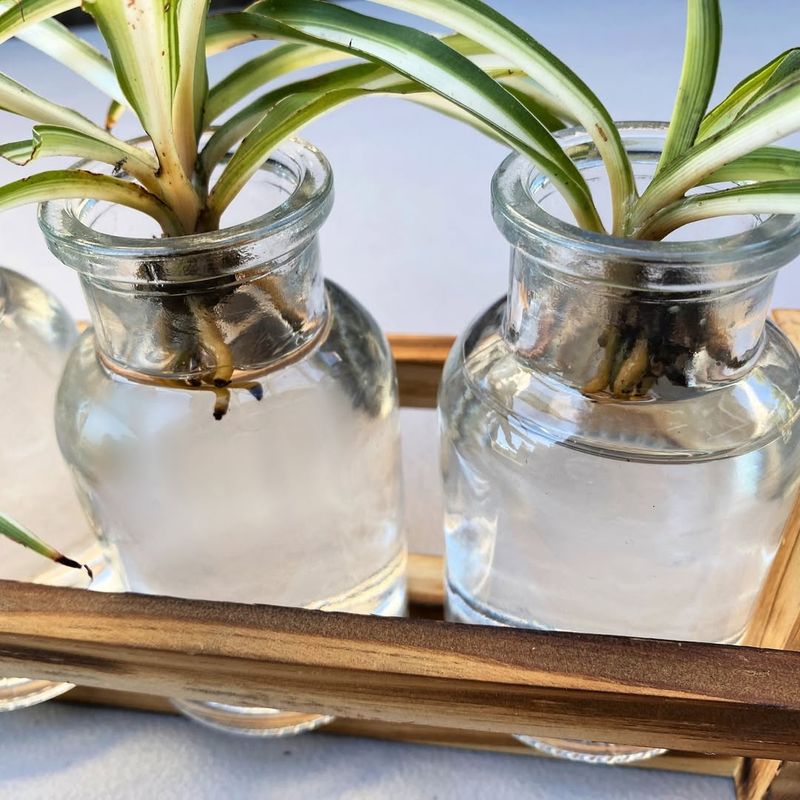
Spider plants produce miniature versions of themselves called plantlets that dangle from long stems extending from the mother plant. Simply cut off a plantlet that has already developed small roots, and place it directly into moist potting soil or water until roots grow longer.
These babies root incredibly fast in Florida’s warm February conditions, often establishing within a week.
You can also root plantlets while they remain attached to the mother plant by placing a small pot of soil beneath each one and pinning the baby into the soil with a bent paperclip. Once roots develop, snip the connecting stem.
This method guarantees success because the plantlet continues receiving nutrients from the parent.
Spider plants feature graceful, arching leaves striped with white or cream that create a fountain effect in hanging baskets. They thrive in Florida homes, tolerating various light conditions from bright indirect to partial shade.
These adaptable plants rarely face pest or disease problems.
Water when the top inch of soil feels dry, and feed monthly during active growth periods. Spider plants occasionally produce small white flowers on the same stems that later bear plantlets.
Each mature plant can produce dozens of babies throughout the year.
Start collecting plantlets now, and you will quickly have enough spider plants to fill your home, share with friends, or donate to schools and community spaces seeking easy-care greenery.
10. Blue Daze Spreads A Soft Blue Carpet
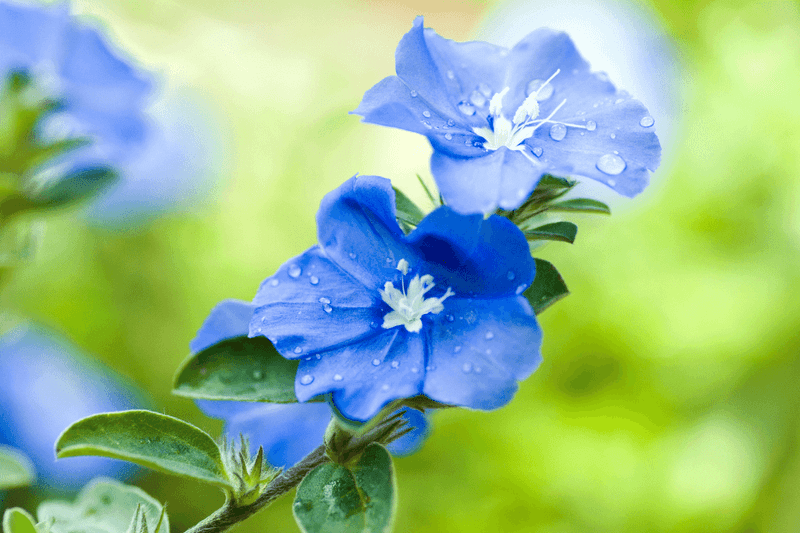
Cut four-inch stem sections from a blue daze plant, remove the lower leaves, and stick them directly into moist potting soil or a propagation tray. Keep the soil consistently damp and place containers in bright light but not harsh direct afternoon sun.
Roots form within ten to fourteen days in Florida’s February warmth.
Blue daze produces an abundance of cheerful sky-blue flowers with sunny yellow centers that open each morning and close in late afternoon. This low-growing plant spreads quickly to form a dense mat of green foliage covered in blooms.
February propagation allows plants to establish strong root systems before summer heat arrives.
Each cutting can grow into a plant that spreads two to three feet wide, making blue daze perfect for filling spaces between taller plants or cascading over container edges. The delicate flowers attract butterflies while providing months of color in Florida gardens.
Plants bloom most heavily during cooler months but continue flowering year-round in frost-free areas.
Once rooted, transplant cuttings into garden beds or larger containers with well-draining soil. Water regularly until established, then reduce frequency as plants mature.
Blue daze tolerates heat and humidity well but appreciates afternoon shade in the hottest parts of summer.
Start multiple cuttings now, and by late spring you will have enough plants to create sweeping drifts of blue color that transform ordinary garden spaces into peaceful retreats.