These Are The 8 Best Privacy Trees And Shrubs For South Florida Front Yards
In South Florida, a front yard can feel a little too open. Bright sun, wide streets, and close neighbors often leave homeowners wishing for a bit more privacy without turning the yard into a solid wall of fencing.
The good news is that the right plants can create a natural screen that feels far more welcoming than wood or metal barriers.
A well-chosen tree or shrub can soften the view from the street while still keeping your yard bright, tropical, and full of life.
Lush foliage, layered greenery, and living walls of leaves can quietly reshape the entire feel of a front yard.
Many South Florida landscapes achieve privacy not with fences, but with carefully chosen plants that grow beautifully in the region’s warm climate.
1. Cocoplum Forms A Dense Coastal Screen For Sunny Front Yards
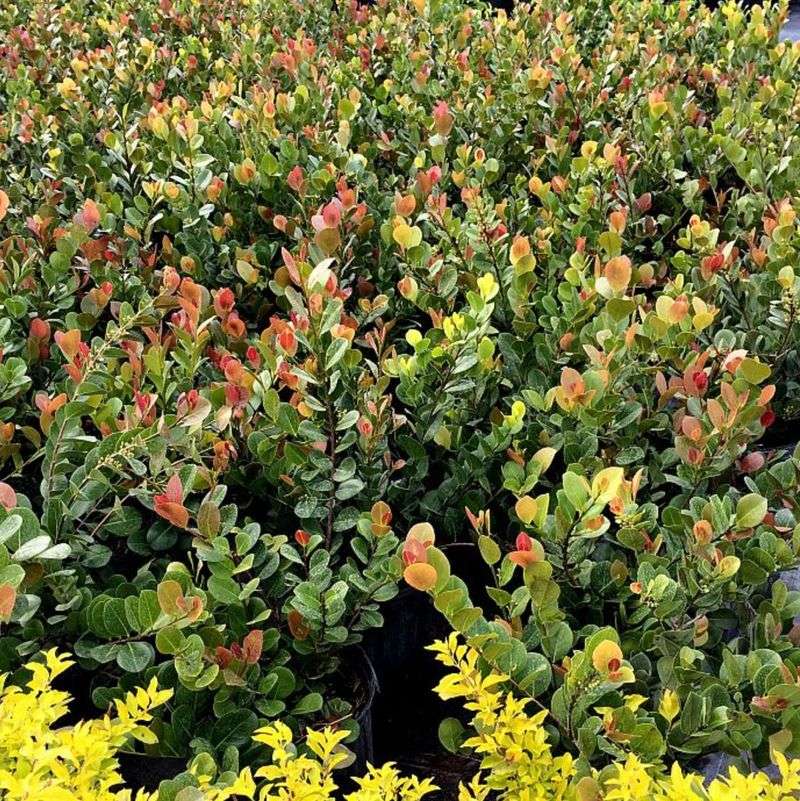
Few plants feel as naturally at home along South Florida’s coastlines and sunny suburban streets as cocoplum. Known botanically as Chrysobalanus icaco, this Florida native grows into a thick, rounded shrub or small tree that practically begs to be shaped into a polished privacy hedge.
Its glossy, leathery leaves pack tightly along sturdy branches, creating a solid green wall that blocks views from the street without looking out of place in a tropical landscape.
Cocoplum handles full sun beautifully and tolerates salt spray, making it one of the most reliable screening plants available for properties near the ocean or along coastal corridors. It also adapts well to a range of South Florida soil types, including the sandy and rocky soils common in Miami-Dade and Broward counties.
Once established, it shows solid drought tolerance and rarely needs supplemental irrigation beyond the rainy season.
Planting cocoplum about four to five feet apart encourages the shrubs to knit together into a continuous screen fairly quickly. According to UF/IFAS, cocoplum is considered moderately fast-growing, and a well-maintained hedge can reach six to fifteen feet tall.
It also produces small edible fruits that attract wildlife, adding an extra layer of interest to your front yard planting.
2. Simpson’s Stopper Adds Native Privacy With A Polished Look
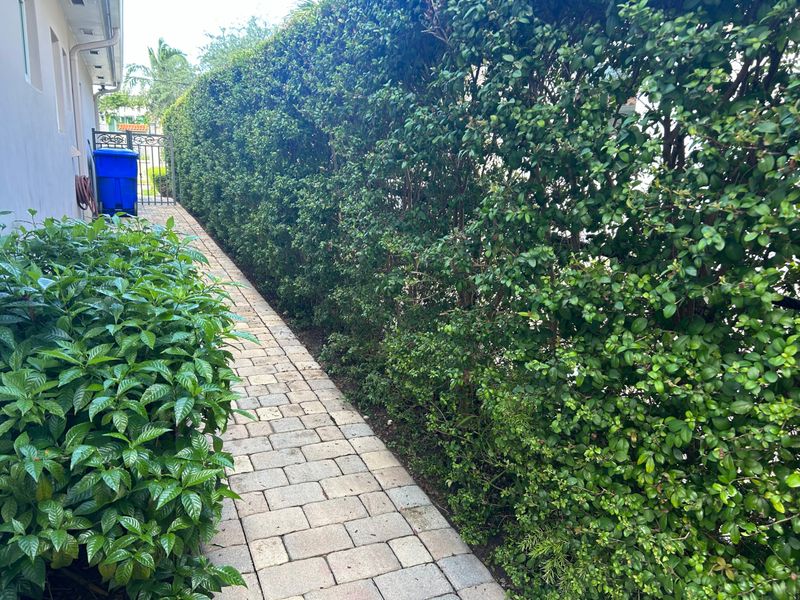
Tucked into natural hammocks and coastal scrub areas across South Florida, Simpson’s stopper has been quietly proving itself as one of the best native privacy plants available for residential landscapes. Myrcianthes fragrans grows as a multi-stemmed shrub or small tree with exceptionally dense branching and small, aromatic, dark green leaves that stay on the plant year-round.
That evergreen density is exactly what makes it so valuable as a privacy screen or natural hedge in front yards.
The plant responds very well to shaping, so homeowners can keep it trimmed into a neat formal hedge or allow it to grow into a more natural, layered form depending on the look they prefer. Small white flowers appear periodically throughout the year, followed by bright red berries that songbirds absolutely love.
Beyond its wildlife value, Simpson’s stopper is notably low-maintenance once established in the landscape.
UF/IFAS recommends this plant for South Florida landscapes because of its strong performance in full sun to partial shade and its solid tolerance for drought and salt conditions. Spacing plants about three feet apart helps them fill in quickly and form a dense, unbroken screen.
Expect steady growth that fills the gap between plants within one to two growing seasons under good conditions.
3. Walter’s Viburnum Creates A Thick Green Wall In Florida Landscapes
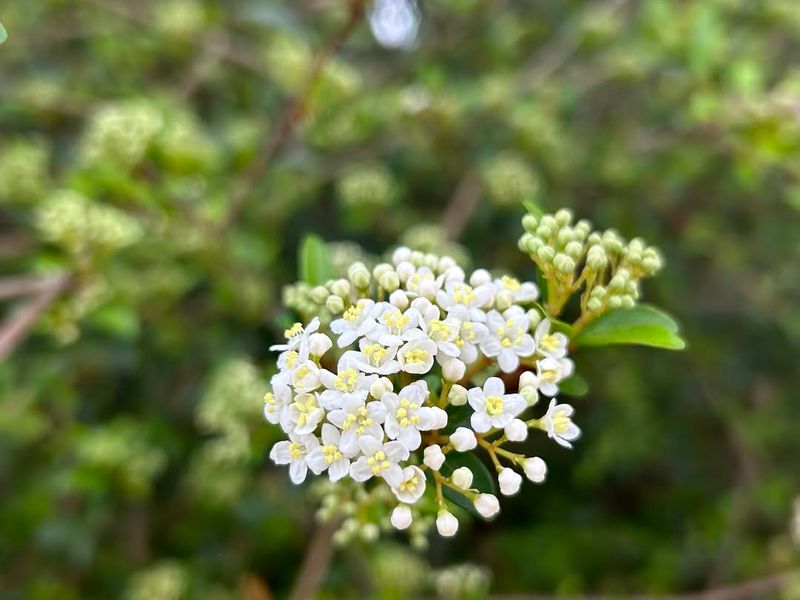
Walk past a mature Walter’s viburnum hedge in full bloom and you will understand immediately why Florida gardeners and landscape professionals keep reaching for this plant. Viburnum obovatum is a Florida native that produces clouds of tiny white flowers in late winter and early spring, but its real value lies in the incredibly dense, compact foliage that fills in from top to bottom without leaving gaps for nosy neighbors to peek through.
This plant works equally well as a clipped formal hedge or as a more relaxed, natural-looking screen depending on how often it is trimmed. Left to grow freely, it can reach ten to eighteen feet tall, functioning more like a small tree.
Kept trimmed, it forms one of the tightest, most solid hedges available in South Florida landscaping. The small, dark green semi-evergreen leaves stay on the plant through most of the year in warmer South Florida microclimates.
Walter’s viburnum adapts well to both wet and dry soil conditions, which is a genuine advantage in South Florida yards that deal with seasonal flooding followed by dry spells. Plant in full sun for the densest growth and most abundant flowering.
UF/IFAS notes this species is well-suited for Florida’s native plant landscapes and supports pollinators while providing reliable year-round screening for front yards across the region.
4. Sweet Viburnum Builds Fast Privacy With Glossy Evergreen Foliage
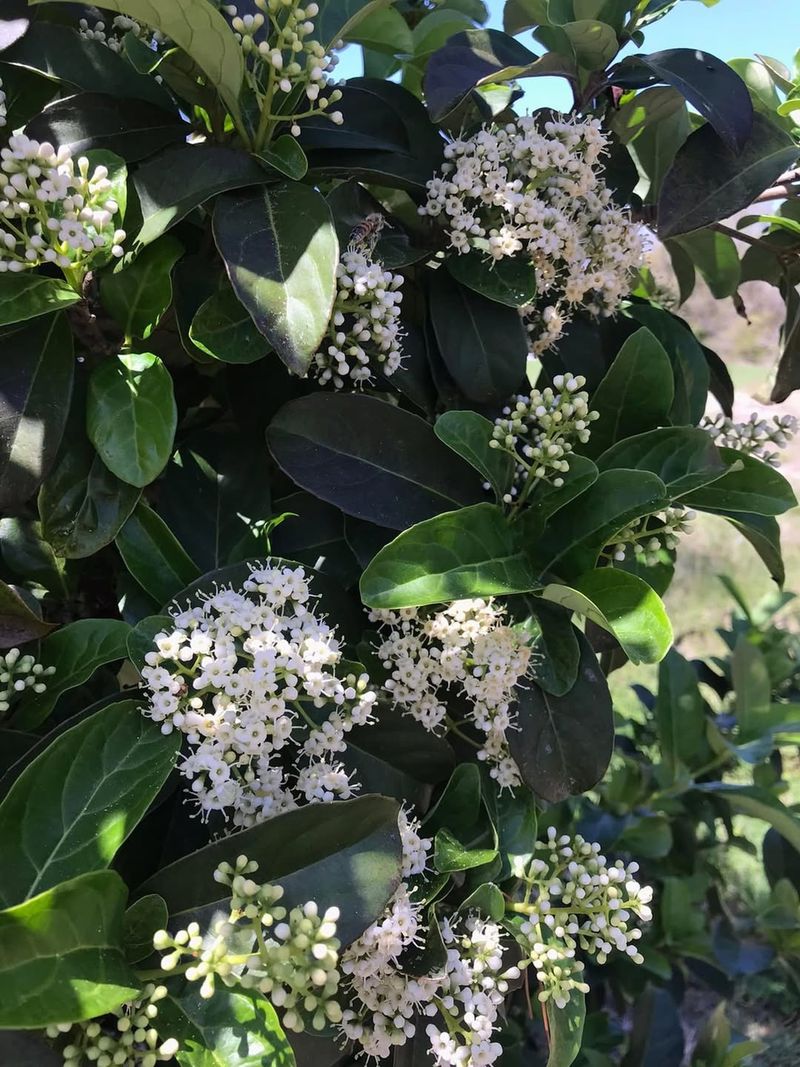
Speed matters when you want privacy, and sweet viburnum delivers it faster than almost any other broadleaf evergreen shrub used in South Florida landscaping. Viburnum odoratissimum pushes out vigorous growth quickly under South Florida’s warm, sunny conditions, and its large, glossy dark green leaves create a lush, tropical-looking screen that feels more like a living wall than a simple hedge.
Homeowners who need fast results without sacrificing elegance keep coming back to this plant.
Sweet viburnum is not a Florida native, but it has proven itself as a reliable performer in South Florida’s warm climate for decades. It handles full sun and partial shade, adapts to a variety of well-drained soils, and holds its foliage year-round in USDA hardiness zones 9 through 11, which covers most of South Florida comfortably.
The plant also produces fragrant white flower clusters in spring, which adds a bonus sensory element to the front yard.
For the fastest privacy screen, space plants three to four feet apart and keep them well-watered during the first growing season. Once established, sweet viburnum is reasonably drought-tolerant and low-maintenance.
Regular light trimming encourages denser lateral branching, which thickens the screen over time. Within two to three years of planting, a sweet viburnum hedge can easily reach eight to twelve feet tall in South Florida conditions.
5. Silver Buttonwood Brings Durable Privacy To Sunny South Florida Yards
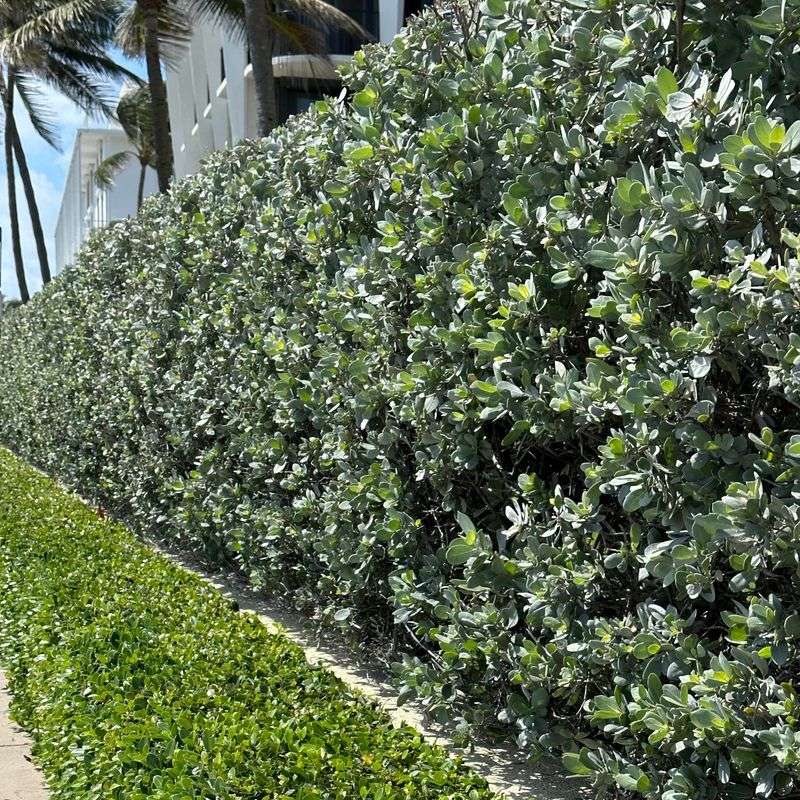
There is something striking about a silver buttonwood hedge catching the afternoon light, its leaves shimmering in shades of silver, gray, and soft green against a deep blue South Florida sky. Conocarpus erectus var. sericeus is the silver-leafed variety of buttonwood, a tree native to coastal South Florida and the Florida Keys.
That silvery coloring comes from tiny hairs on the leaf surface, and those same hairs help the plant resist salt spray, wind, and the intense coastal sun that can stress less-adapted plants.
Silver buttonwood works beautifully as either a pruned hedge or a small specimen tree, reaching anywhere from eight to twenty feet tall depending on how it is managed. Its dense branching habit and persistent foliage make it a reliable year-round screen, and the unusual leaf color gives front yards a distinctive look that stands apart from the standard green hedges seen throughout South Florida neighborhoods.
It also shows good hurricane resilience compared to many other screening options.
Full sun is essential for silver buttonwood to look its best and grow most densely. It prefers well-drained, slightly alkaline soils, which matches the limestone-based soils found throughout much of Miami-Dade County.
According to UF/IFAS, silver buttonwood is one of the most salt-tolerant native trees available for South Florida coastal landscapes, making it a smart long-term investment for front yard privacy planting.
6. Wax Myrtle Fills In Quickly With Soft Natural Screening
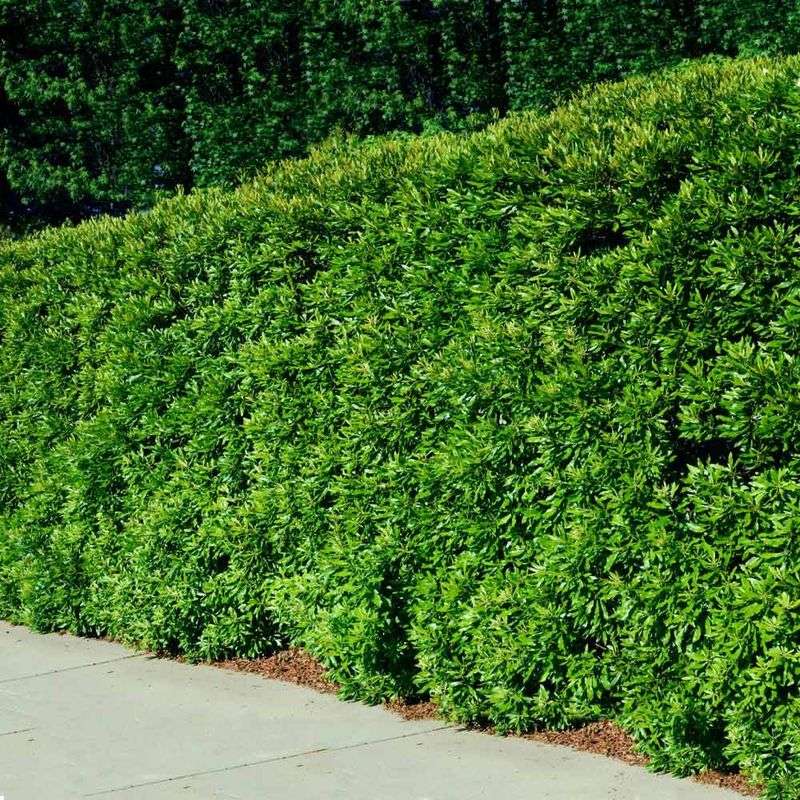
If you have ever walked past a wax myrtle on a warm South Florida morning and caught a faint, pleasant herbal scent drifting from the foliage, you already know there is something special about this plant. Morella cerifera, commonly called wax myrtle, is a vigorous Florida native that grows fast, fills in generously, and creates a soft, natural-looking privacy screen that feels right at home in both formal and casual front yard settings.
Growth is one of wax myrtle’s biggest strengths. Under good South Florida growing conditions, it can add several feet of height per year, quickly reaching ten to fifteen feet tall if left unpruned.
The fine-textured, aromatic foliage creates a screen that feels airy and natural rather than stiff or blocky, which many homeowners prefer over the look of a tightly clipped formal hedge. Birds are drawn to the small waxy berries that appear on female plants, adding wildlife activity to the front yard.
Wax myrtle tolerates a wide range of conditions, including wet soils, dry soils, full sun, and partial shade. UF/IFAS lists it as adaptable to many Florida landscape situations.
For the densest screening, plant in full sun and prune lightly once or twice a year to encourage bushy, lateral growth rather than upward stretching. It is also notably salt-tolerant, which is a real advantage in South Florida’s coastal communities.
7. Wild Coffee Adds Lush Privacy In Partly Shaded Front Yards
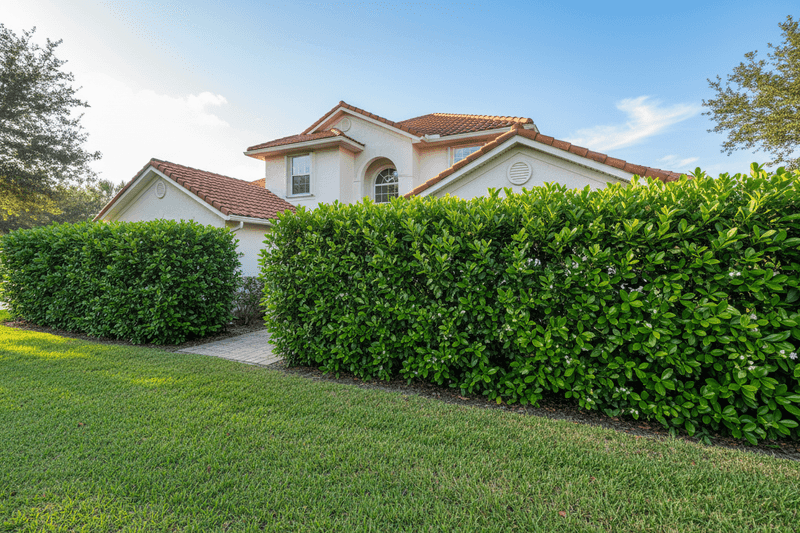
Not every South Florida front yard gets blasted with full sun all day long. Mature shade trees, roof overhangs, and neighboring structures can create patches of partial shade that leave homeowners struggling to find a privacy plant that actually performs well without direct sunlight.
Wild coffee steps in perfectly for those situations, filling shaded and semi-shaded spaces with genuinely lush, tropical-looking foliage that earns its place in any front yard.
Psychotria nervosa is a Florida native shrub that grows steadily to about six to ten feet tall, with large, deeply ridged, glossy leaves that give it a rich, layered appearance. The foliage is dense enough to block views effectively, and the plant holds its leaves year-round in South Florida’s frost-free climate.
Small white flowers appear in summer, followed by clusters of bright red berries that local birds, including mockingbirds and catbirds, actively seek out through the fall months.
Wild coffee performs best in partial to full shade with consistently moist, organically rich soil. It is well-suited to the understory conditions found beneath live oaks, gumbo limbo trees, and other large canopy trees common in South Florida front yards.
According to UF/IFAS, this plant is an excellent choice for native shade gardens and wildlife-friendly landscapes throughout South Florida’s hardiness zones. Space plants three to four feet apart for a solid privacy screen.
8. Seagrape Creates Bold Tropical Screening Near The Coast
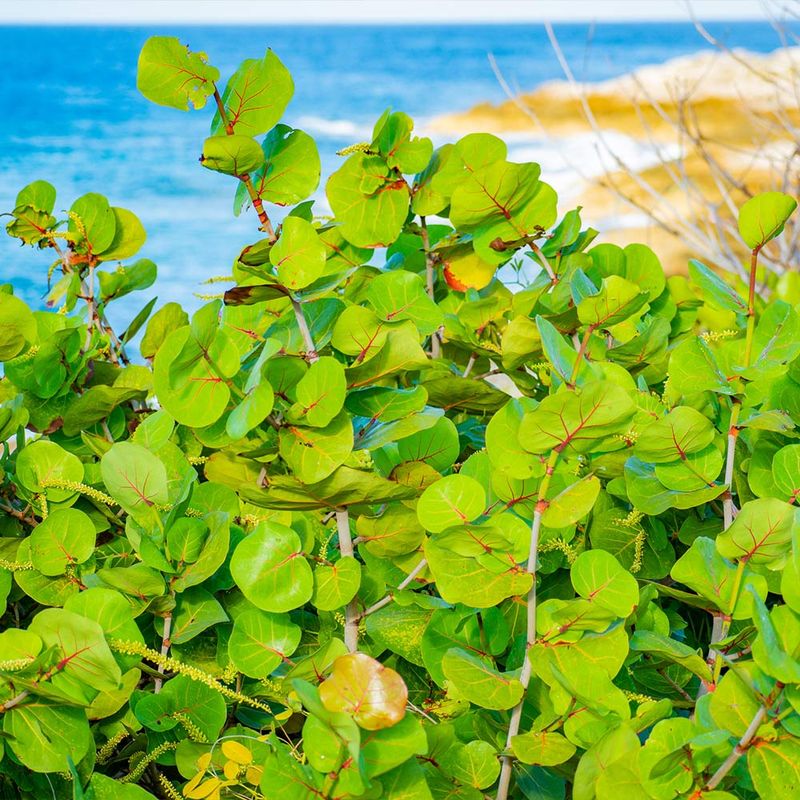
Bold, dramatic, and unmistakably tropical, seagrape is the kind of plant that makes people slow down and take a second look when they drive past a South Florida front yard. Coccoloba uvifera is a Florida native tree that grows naturally along the coastlines of South Florida and the Florida Keys, and its enormous round leaves with bright red veins create a visual presence that no other privacy plant in the region can quite match.
Each leaf can grow to nearly eight inches across, giving the plant a sculptural quality that doubles as serious screening.
Seagrape handles salt spray, sandy soils, strong coastal winds, and relentless sun with ease. It is genuinely one of the toughest coastal natives available for South Florida landscaping, and its thick, leathery leaves hold up well during storm season.
Left unpruned, seagrape can grow into a multi-stemmed tree reaching twenty to thirty feet tall. Kept trimmed, it forms a broad, dense hedge or informal screen that works beautifully along front property lines near the coast.
Plant seagrape in full sun and well-drained soil for the best results. UF/IFAS highlights its exceptional salt and drought tolerance as key advantages for South Florida coastal landscapes.
Clusters of grape-like fruit ripen in late summer, attracting birds and wildlife. Spacing plants six to eight feet apart gives each one room to develop its full, impressive canopy while still creating a continuous privacy barrier along the front yard.