These Are The 7 Best Privacy Vines For South Florida Front Yards
Front yards in South Florida often need privacy without losing color, texture, or curb appeal, and the right vine can do all three at once. Fences, gates, trellises, and porch edges can feel too exposed under year-round sun, especially in neighborhoods where homes sit close together.
That is where fast-growing, heat-tolerant vines become such valuable landscape tools. The best choices can soften hard lines, create a thicker green screen, and make an entry feel more lush and secluded without taking up much ground space.
Of course, not every vine is a good fit for a front yard. Some grow too aggressively, look messy fast, or need more upkeep than most homeowners want.
The strongest options for South Florida bring privacy while still holding up to heat, humidity, and long growing seasons. Pick the right ones, and a front yard can feel greener, calmer, and much more enclosed in all the right ways.
1. Star Jasmine Builds A Privacy Screen That Smells Amazing
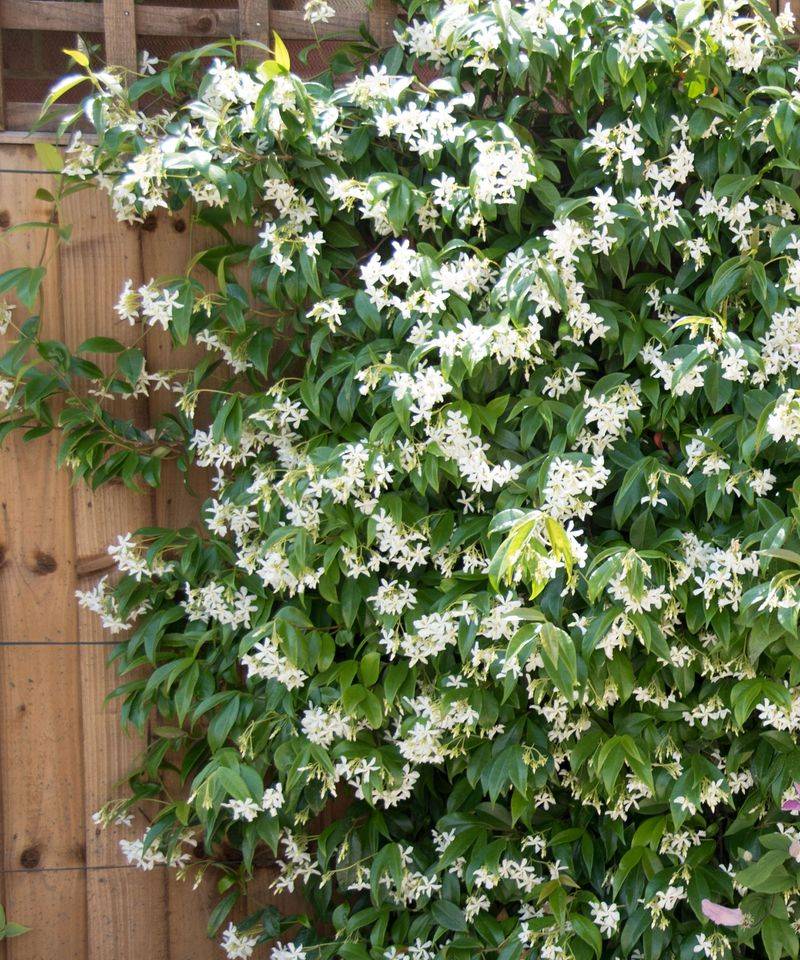
Few things beat walking past a front yard fence and catching a wave of sweet fragrance drifting through the warm South Florida air. Star jasmine, also known as Trachelospermum jasminoides, delivers exactly that kind of sensory experience while quietly building a solid evergreen privacy screen behind the scenes.
It holds its glossy dark green leaves year-round, which means your fence or trellis stays covered even when the blooms take a break.
Gardeners in South Florida appreciate star jasmine because it handles heat and humidity with ease. It does well in full sun to partial shade, making it flexible enough for front yards with varying sun exposure depending on the time of day.
Once established, it is reasonably drought-tolerant, which is helpful during dry stretches common to the region.
For best results, give it a sturdy fence, trellis, or wall to climb and train it early to fill in evenly. Sandy soil should be amended with organic matter before planting to support healthy root development.
Regular trimming keeps the growth tidy and encourages denser coverage over time. Star jasmine is a reliable, fragrant, and genuinely beautiful privacy option for South Florida front yards that want both function and charm.
2. Bougainvillea Turns A Sunny Front Yard Into A Color Wall
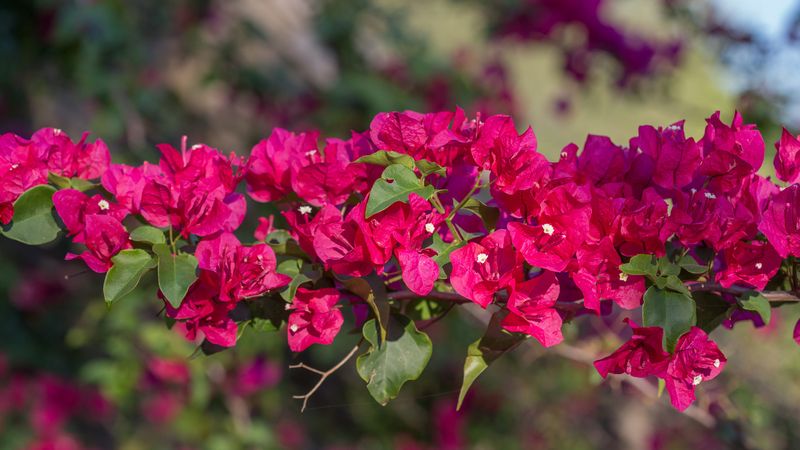
There is nothing subtle about bougainvillea, and that is exactly the point. This bold, sun-loving vine is practically built for South Florida, where intense heat and bright light are the norm rather than the exception.
It thrives in full sun and well-drained soil, and once it gets going on a fence or wall, the color payoff is hard to beat. Shades of hot pink, deep purple, coral, and orange can completely transform a plain front yard boundary into something that stops traffic.
Beyond the looks, bougainvillea is a practical privacy choice for homeowners in South Florida who deal with salty coastal air. It handles salt spray better than many other vines, making it a smart pick for yards near the water.
It is also drought-tolerant once established, which reduces the watering burden during dry seasons.
Keep in mind that bougainvillea has thorns, so placement matters if foot traffic runs close to the fence line. It grows vigorously and will need periodic pruning to keep it from overtaking surrounding plants or structures.
Blooming is heaviest when the plant experiences slight drought stress, so avoid overwatering. For a front yard that makes a visual statement while providing real screening, bougainvillea is a top-tier choice in South Florida.
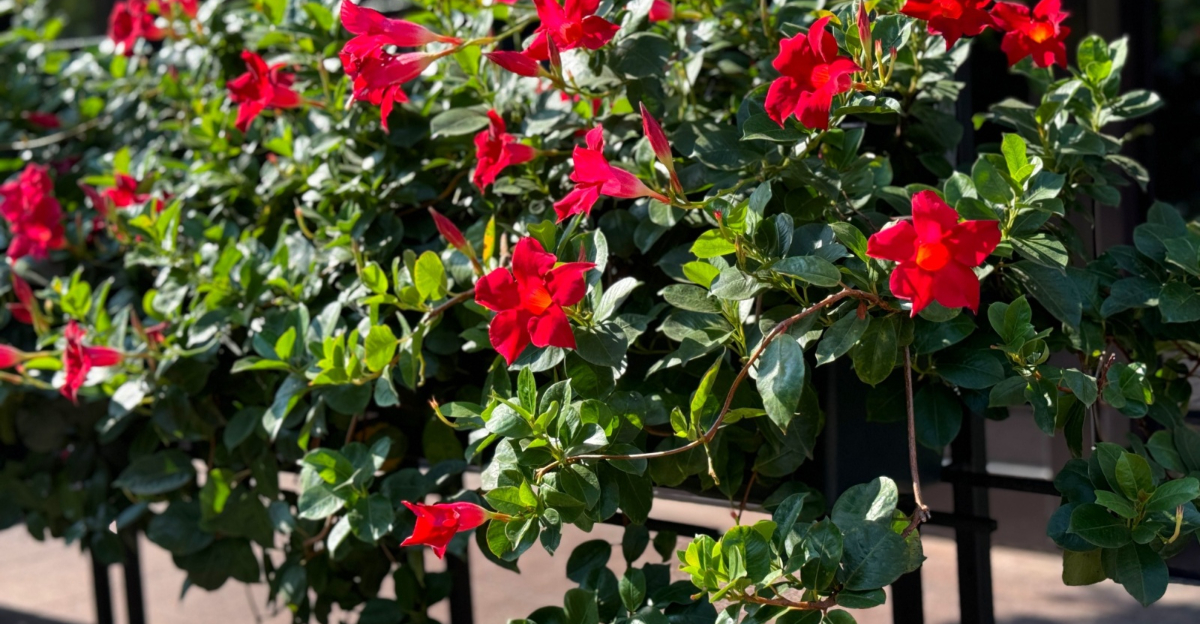
3. Mandevilla Brings Tropical Color And Fast Coverage
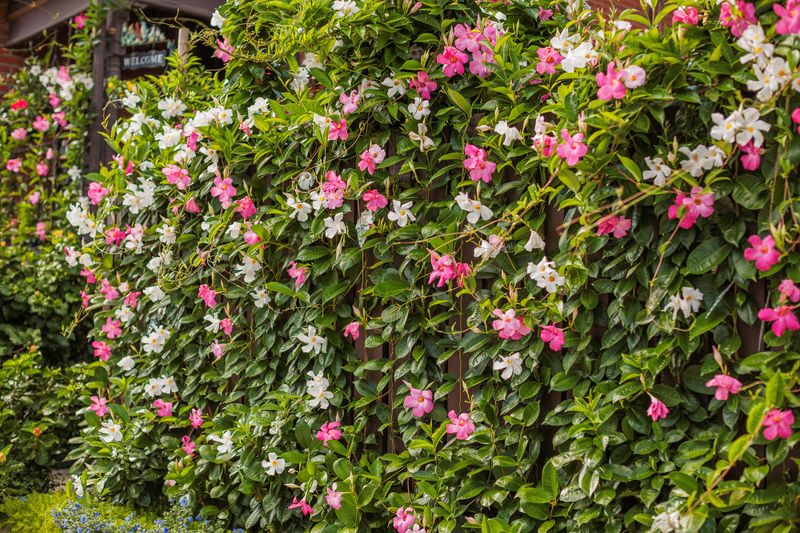
Mandevilla has a way of making a front yard look instantly tropical and well-tended without requiring a professional landscaper. The large, trumpet-shaped flowers in shades of red, pink, and white are eye-catching from the street, and the glossy foliage stays attractive even between bloom cycles.
For South Florida gardeners who want color and coverage working together, mandevilla earns its spot on the list.
It performs best in full sun with rich, well-drained soil and consistent moisture, especially during establishment. South Florida’s warm temperatures suit mandevilla well since it is sensitive to cold and truly thrives when nighttime temperatures stay warm.
Sandy soil should be enriched before planting to help the roots settle in and support steady growth up a trellis or fence.
Mandevilla is not the thickest vine on this list, so pairing it with a slatted fence or a decorative trellis gives the best privacy results while showing off the blooms. It responds well to light pruning to encourage branching and fuller coverage rather than a single long stem.
Regular feeding with a balanced fertilizer during the growing season keeps the flowers coming. For a cheerful, tropical-looking front yard screen in South Florida, mandevilla is a reliable and rewarding choice.
4. Coral Honeysuckle Adds Privacy With A Florida Native Twist
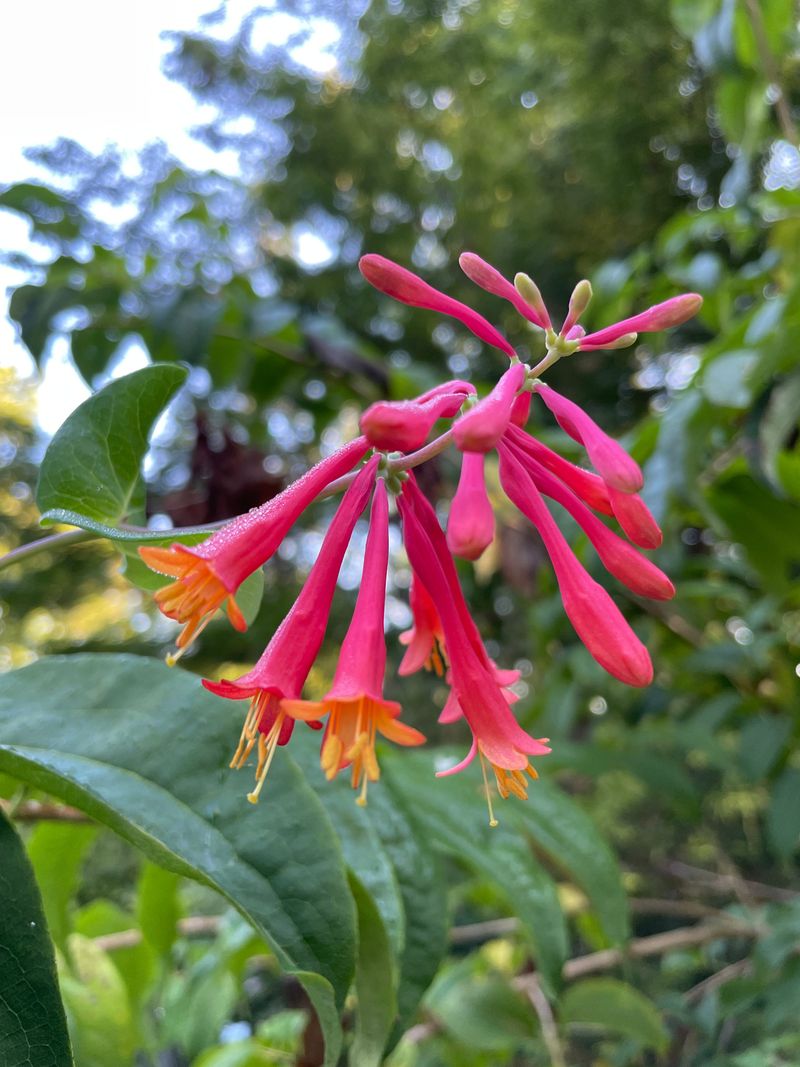
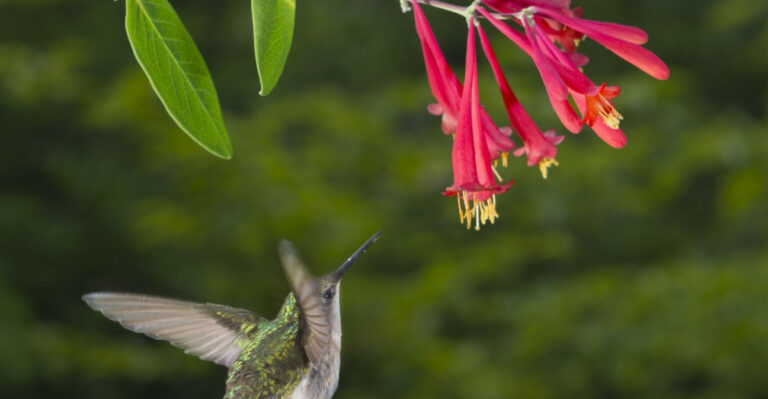
Choosing a Florida native plant for your front yard privacy screen is one of the smartest moves a South Florida homeowner can make. Coral honeysuckle, known botanically as Lonicera sempervirens, is native to Florida and brings a softer, more natural look to a fence or trellis compared to some of the showier options on this list.
The tubular coral to red-orange flowers are beautiful and also happen to attract hummingbirds, which is a bonus worth mentioning.
Unlike some invasive honeysuckle species, coral honeysuckle plays nicely in the landscape without taking over. It tolerates partial shade, which is useful in front yards where a nearby tree or structure blocks some of the intense South Florida sun.
It also handles the region’s heat and humidity without much fuss once it is properly established.
Support is key with coral honeysuckle. A sturdy fence, arbor, or trellis helps it climb and spread in a way that builds useful coverage over time.
The density it provides is softer than some other vines, so pairing it with an existing fence gives the most practical privacy result. For South Florida gardeners who want to support local wildlife, work with native plants, and still get a visually appealing front yard screen, coral honeysuckle is a well-rounded and responsible choice.
5. Crossvine Fills In Fast Without Looking Heavy
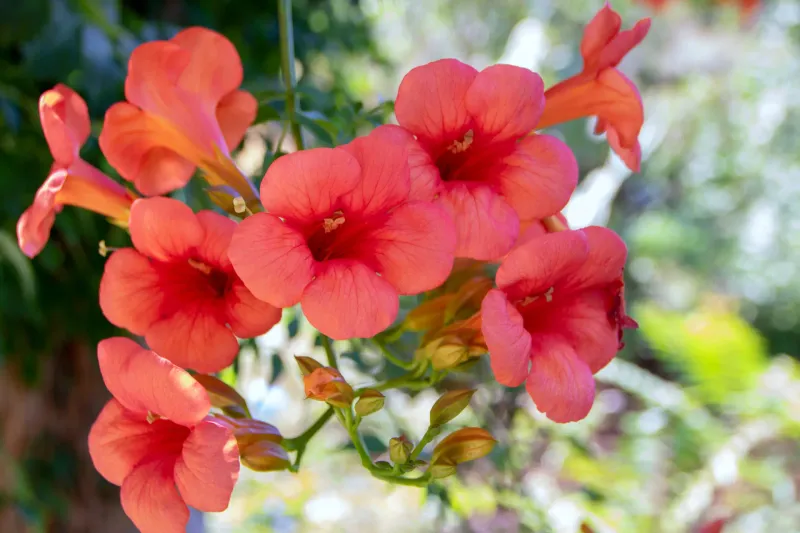
Not every homeowner wants a vine that looks like a jungle took over the front fence. Crossvine, or Bignonia capreolata, strikes a nice balance between solid coverage and a look that stays refined rather than overwhelming.
The trumpet-shaped flowers, typically orange with yellow throats, add seasonal color while the semi-evergreen foliage provides structure and screening throughout the year in South Florida’s mild winters.
Crossvine is a native plant to the southeastern United States and handles Florida’s heat, humidity, and occasional dry spells well. It climbs using tendrils and adhesive discs, which means it can grab onto fences, trellises, and walls without needing constant tying or training.
That self-supporting habit makes it easier to manage in a busy front yard setting.
Full sun to partial shade works for crossvine, giving homeowners some flexibility depending on how the front yard is oriented. It grows steadily and fills in at a reasonable pace without becoming unruly if trimmed back once or twice a year.
For South Florida gardens where a clean, layered look matters as much as privacy, crossvine offers real coverage without the bulk. It is a practical, attractive vine that earns its place on a fence without demanding constant attention or dramatic maintenance.
6. Native Passionflower Brings Dense Growth With Extra Garden Charm
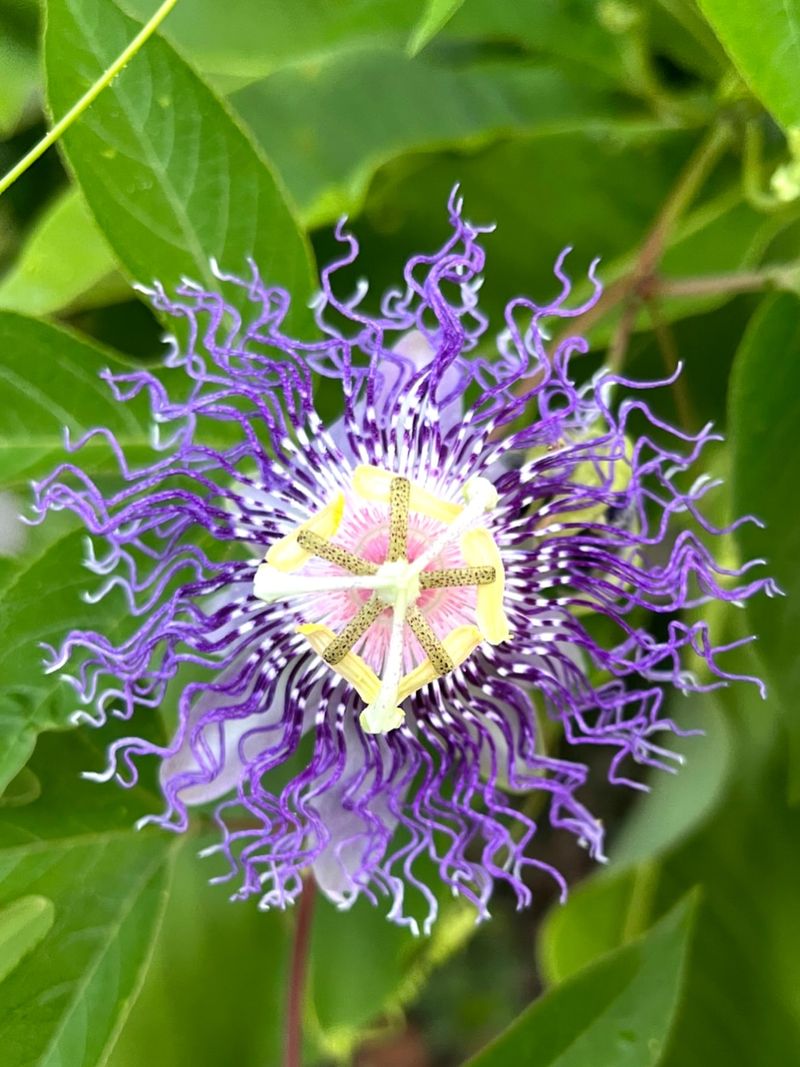
There is something genuinely special about watching a passionflower bloom open up for the first time. The flowers look almost otherworldly, with their layered petals, fringe-like corona, and striking colors that range from lavender to white depending on the native species.
In South Florida, native passionflowers like Passiflora incarnata and Passiflora suberosa earn their place in front yard plantings by combining real visual drama with practical coverage on a trellis or fence.
Beyond the flowers, native passionflowers are important host plants for several native butterfly species, including the zebra longwing, which is Florida’s state butterfly. That ecological connection makes them more than just a pretty vine.
They support local wildlife while adding dense, layered growth that fills in a support structure with genuine texture and interest.
Full sun and well-drained soil give native passionflowers the conditions they need to perform well in South Florida’s climate. They spread through runners, so some management is needed to keep growth focused on the fence or trellis rather than wandering into surrounding beds.
Choosing native species over non-native or potentially invasive varieties is important for responsible Florida gardening. With the right placement and a little guidance, native passionflower adds density, color, and real garden character to a South Florida front yard screen.
7. Carolina Jessamine Adds Soft Color To A Fuller Front Yard Screen
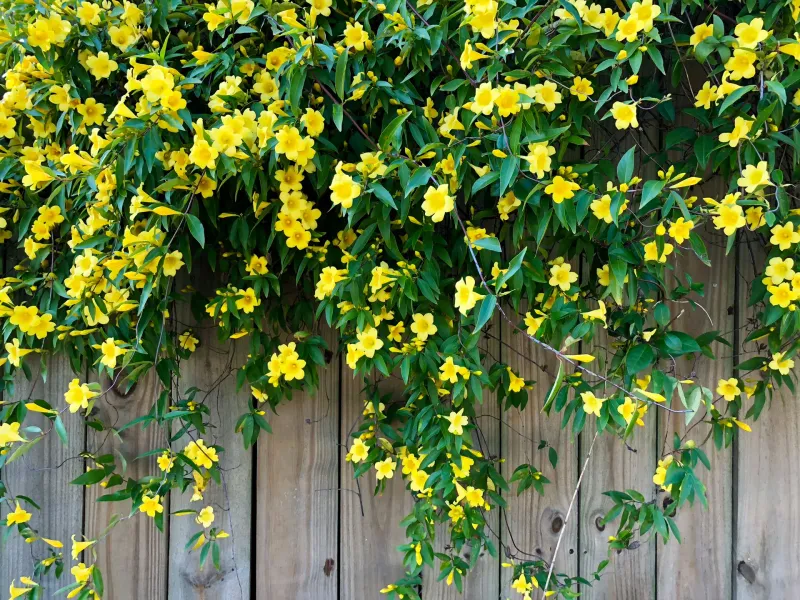
Carolina jessamine has a graceful quality that sets it apart from some of the bolder, more dramatic vines on this list. The bright yellow, trumpet-shaped flowers appear in late winter and early spring, offering a welcome burst of color during the season when many other plants are still getting started.
In South Florida, where winters are mild rather than harsh, Carolina jessamine can perform reliably without the cold stress that limits it in northern states.
Gelsemium sempervirens is an evergreen vine, meaning the deep green foliage stays in place year-round to maintain coverage on a fence or trellis even after the flowers fade. That consistency is valuable for homeowners who want a front yard screen that does not go bare at any point during the year.
It handles full sun and partial shade well, which adds flexibility depending on how much direct light your front yard receives throughout the day.
One important note for South Florida gardeners: all parts of Carolina jessamine are toxic if ingested, so placement away from areas where small children or pets play frequently is a smart precaution. It responds well to pruning after the bloom period ends, which keeps the growth tidy and encourages a fuller shape.
For a refined, softly colorful addition to a layered front yard privacy screen in South Florida, Carolina jessamine is a graceful and dependable option.