These Are The Best Texas Lawn Alternatives For Low Water Use In 2026
Tired of watching your water bill climb while your lawn still looks thirsty under the Texas sun? You are not alone.
Many Texas homeowners are rethinking traditional grass and turning to smarter, low water lawn alternatives that stay attractive without constant irrigation.
With the right choices, you can enjoy a beautiful yard that handles heat, drought, and busy schedules with far less effort.
These options offer color, texture, and year round appeal while saving precious water. They also reduce mowing, cut maintenance time, and create a more eco friendly outdoor space.
A greener yard does not always mean more grass, especially in Texas conditions. Ready to transform your landscape into something practical and eye catching?
These alternatives help Texas homeowners save water while keeping their outdoor spaces fresh, functional, and full of life all year round.
1. Buffalo Grass
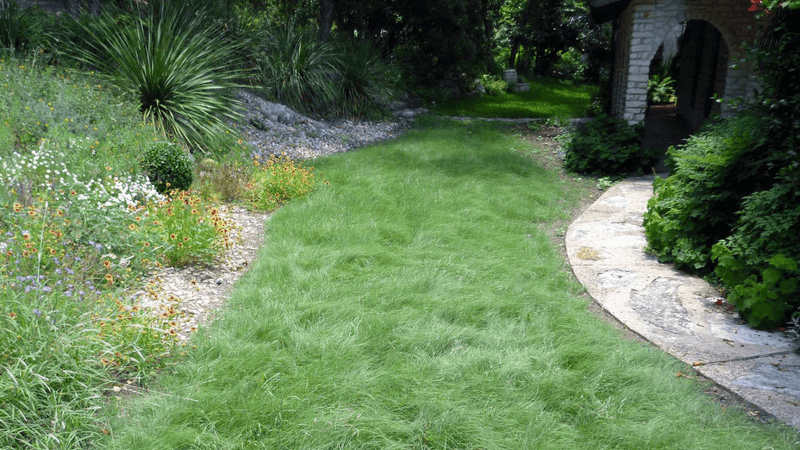
Native to the Great Plains, buffalo grass has become a favorite among Texas homeowners who want a lawn that looks traditional but acts tough. This warm-season grass naturally grows in Texas and handles the heat like a champion.
Once established, it needs watering only during extreme drought, making it perfect for water-conscious families.
Buffalo grass stays short on its own, reaching just four to five inches at full height. Many homeowners choose to skip mowing altogether, letting the grass create a soft, natural carpet.
If you prefer a manicured look, mowing once or twice monthly keeps it tidy. Either way, you spend far less time on lawn care compared to regular grass.
The root system grows deep into the soil, sometimes reaching five feet down. These extensive roots help buffalo grass survive Texas summers when other grasses turn brown and crispy.
During winter, the grass goes dormant and turns tan, then bounces back green when warm weather returns in spring.
This grass spreads through runners called stolons, gradually filling in bare spots without reseeding. It forms a dense turf that naturally crowds out many weeds, reducing the need for chemical treatments.
Buffalo grass tolerates foot traffic reasonably well, though it recovers more slowly than some other options.
Several improved varieties have been developed specifically for Texas lawns. These cultivars offer better color, density, and drought resistance than wild buffalo grass.
Installation can happen through sod, plugs, or seed, with plugs being the most economical choice for patient homeowners willing to wait for coverage.
2. Clover Lawn
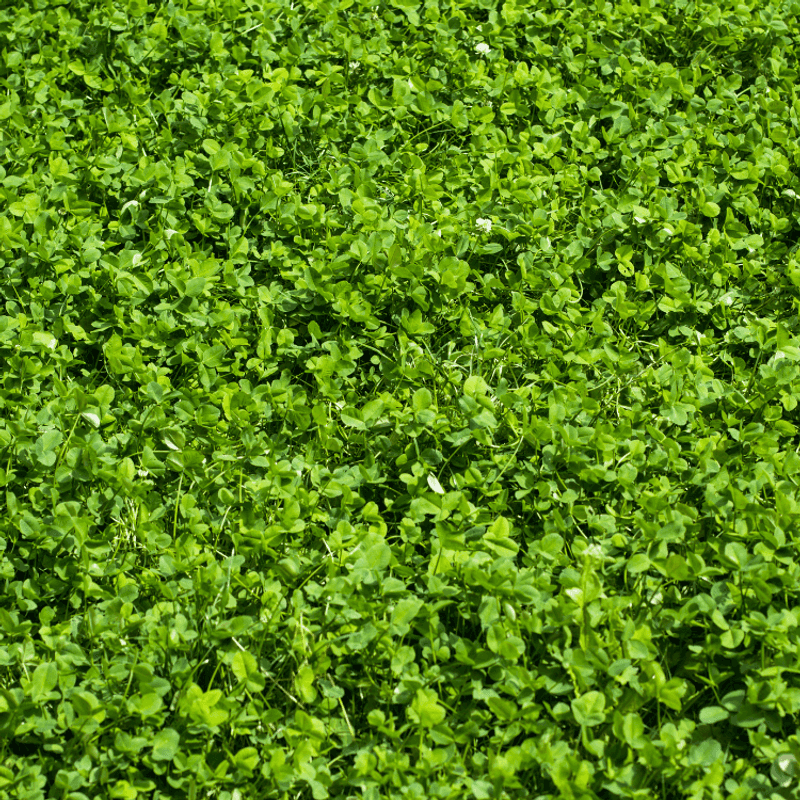
Clover might seem unusual as a lawn replacement, but this humble plant offers surprising advantages for Texas properties. White clover and microclover varieties create a soft, green carpet that stays lush even when temperatures soar.
Kids and pets love playing on clover because it feels cushiony underfoot and stays cooler than regular grass during hot Texas afternoons.
One remarkable feature sets clover apart from almost every other lawn option. It actually produces its own nitrogen fertilizer through a special relationship with soil bacteria.
This means you never need to apply chemical fertilizers, saving money and protecting Texas waterways from nutrient runoff.
Clover needs far less water than traditional grass lawns. Its deep roots access moisture that grass roots cannot reach, keeping the plants green during dry spells.
Most Texas homeowners find that occasional watering during extended droughts keeps clover looking healthy and vibrant throughout summer.
The small white flowers that appear in clover lawns attract beneficial bees and butterflies. Some people consider the flowers a bonus feature, while others prefer to mow them off for a uniform appearance.
Mowing every two to three weeks maintains a neat look, though clover stays low naturally and can go unmowed if you prefer a more casual style.
Clover tolerates light to moderate foot traffic quite well. High-traffic areas may need occasional reseeding, but most residential yards hold up fine.
Microclover varieties have smaller leaves and flowers than traditional white clover, creating an appearance closer to conventional grass while maintaining all the water-saving benefits.
3. Native Wildflower Meadow
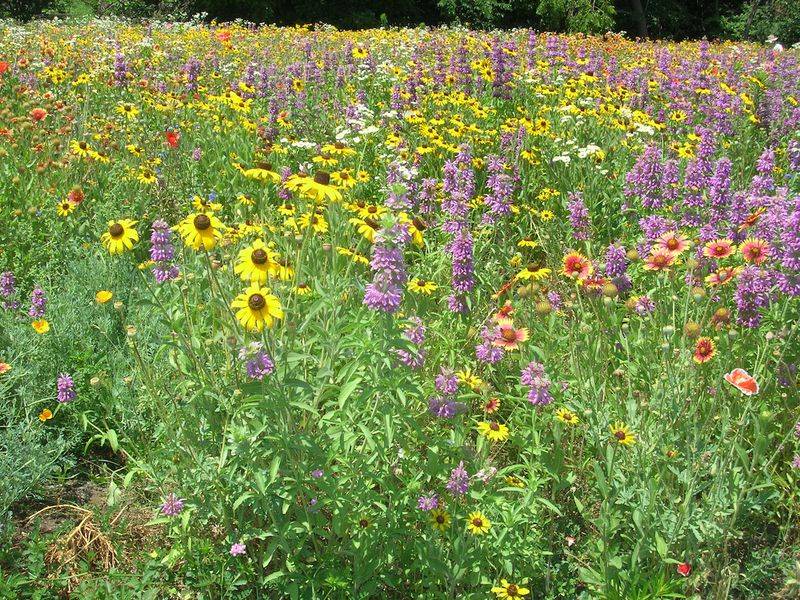
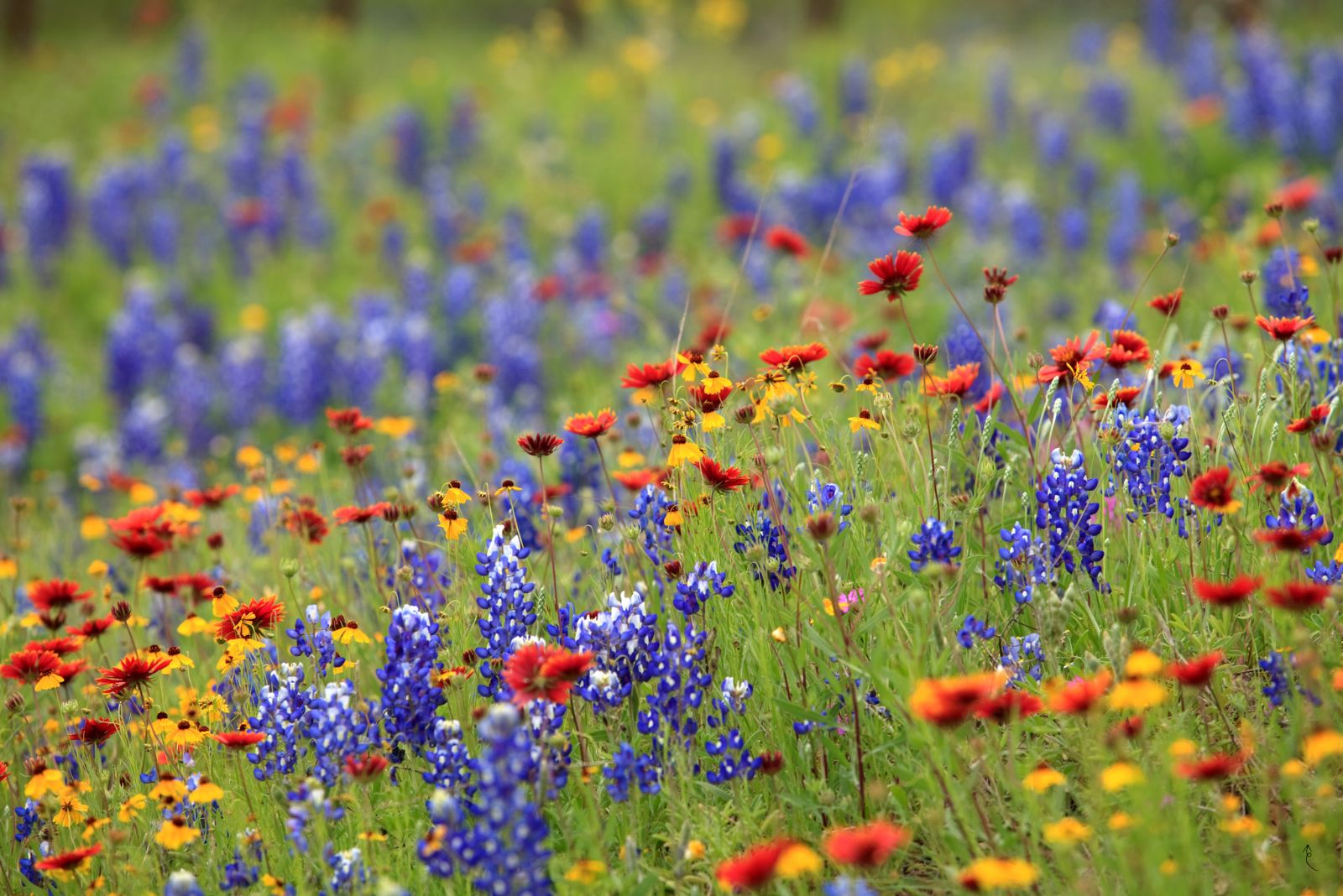
Imagine stepping outside to a sea of bluebonnets, Indian paintbrush, and black-eyed Susans swaying in the breeze. Native wildflower meadows bring natural Texas beauty right to your doorstep while using minimal water.
These landscapes celebrate the plants that have thrived in Texas for thousands of years, long before irrigation systems and lawn sprinklers existed.
Wildflower meadows require almost no maintenance once established. Native Texas flowers evolved to survive on rainfall alone, so they rarely need supplemental watering after their first growing season.
They handle heat, drought, and poor soil conditions that would devastate a traditional grass lawn.
The explosion of color changes throughout the growing season as different species bloom. Spring brings vibrant bluebonnets and pink evening primrose, while summer features bright coreopsis and purple coneflowers.
Fall introduces golden groundsel and asters in shades of purple and white. This ever-changing display creates visual interest that a plain grass lawn simply cannot match.
Birds, butterflies, and beneficial insects flock to wildflower meadows. These important pollinators struggle in urban areas where traditional lawns dominate, so your meadow becomes an ecological oasis.
Many Texas gardeners report seeing species they had not observed in years once they converted to native wildflowers.
Starting a wildflower meadow involves removing existing grass and preparing the soil. You can plant seeds in fall for spring blooms or use transplants for faster results.
The first year requires patience as plants establish roots, but subsequent years reward you with increasingly lush displays. Mowing once annually after seeds drop maintains the meadow and prevents woody plants from taking over.
4. Decomposed Granite
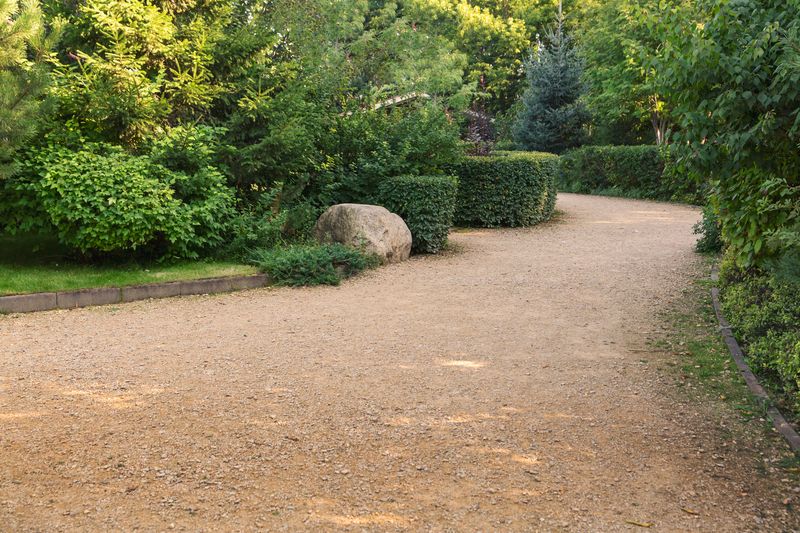
Decomposed granite transforms outdoor spaces into elegant, low-maintenance areas that never need watering. This natural material consists of granite rock that has broken down into small particles over time.
When compacted properly, it creates a firm, stable surface perfect for patios, pathways, and even entire yard areas in Texas homes.
Available in colors ranging from tan and gold to red and gray, decomposed granite complements almost any home exterior. The earthy tones blend beautifully with Texas architecture and create a sophisticated look that feels both modern and timeless.
Unlike concrete or pavers, decomposed granite allows water to percolate through, reducing runoff and helping recharge groundwater supplies.
Installation requires preparing a solid base and compacting the granite in layers. Professional installation ensures proper drainage and long-lasting results, though handy homeowners can tackle smaller projects themselves.
Once in place, decomposed granite needs only occasional raking to maintain its smooth appearance.
This material stays relatively cool compared to concrete or asphalt, making it more comfortable during Texas summers. It provides excellent drainage, so puddles never form even after heavy rains.
Weeds rarely grow through properly installed decomposed granite, especially when a weed barrier fabric is placed underneath.
Combining decomposed granite with drought-tolerant plants creates a stunning xeriscape design. Strategic placement of agaves, yuccas, or ornamental grasses in beds surrounded by granite produces a desert-inspired landscape that celebrates Texas’s natural environment.
This approach eliminates lawn watering entirely while creating outdoor living spaces perfect for entertaining or relaxation. Many Texas cities offer rebates for converting grass lawns to permeable surfaces like decomposed granite.
5. Artificial Turf
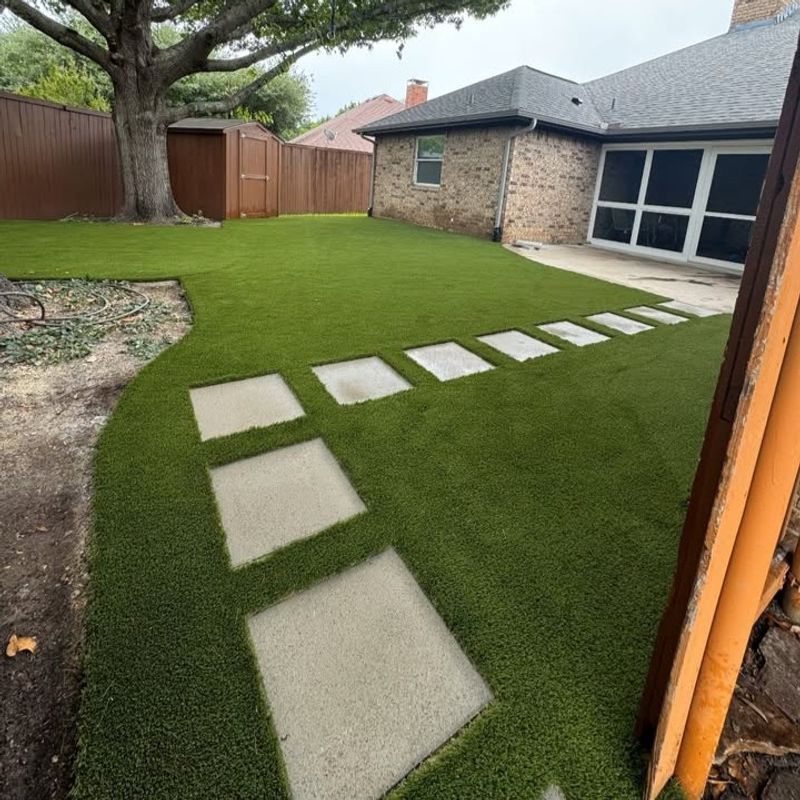
Modern artificial turf bears little resemblance to the fake-looking products of decades past. Today’s synthetic grass mimics the appearance and feel of natural grass so convincingly that visitors often cannot tell the difference.
For Texas homeowners who love the look of a green lawn but hate the water waste, artificial turf offers an appealing solution.
Water savings represent the most compelling reason to choose artificial turf. Your lawn stays perfectly green year-round without a single drop of irrigation water.
In Texas, where outdoor water use accounts for up to half of residential water consumption, this reduction makes a significant impact on both your utility bills and the environment.
Maintenance requirements drop to almost nothing with artificial turf. No mowing, fertilizing, or applying pesticides means your weekends stay free for activities you actually enjoy.
Occasional rinsing to remove dust and brushing to keep blades upright represents the extent of care needed. Pet owners appreciate that artificial turf resists staining and odors better than natural grass.
Quality matters tremendously when selecting artificial turf. Premium products feature multiple blade colors and textures that create realistic depth and variation.
Proper installation with adequate drainage prevents water pooling and ensures longevity. Infill materials help blades stand upright and can include options that reduce heat absorption during scorching Texas summers.
The upfront cost of artificial turf exceeds other lawn alternatives, but many homeowners recover the investment through water savings over time. Warranties typically guarantee the turf for 15 to 20 years, and high-quality products often last even longer.
Some Texas municipalities offer rebates for artificial turf installation as part of water conservation programs.
6. Texas Sedge
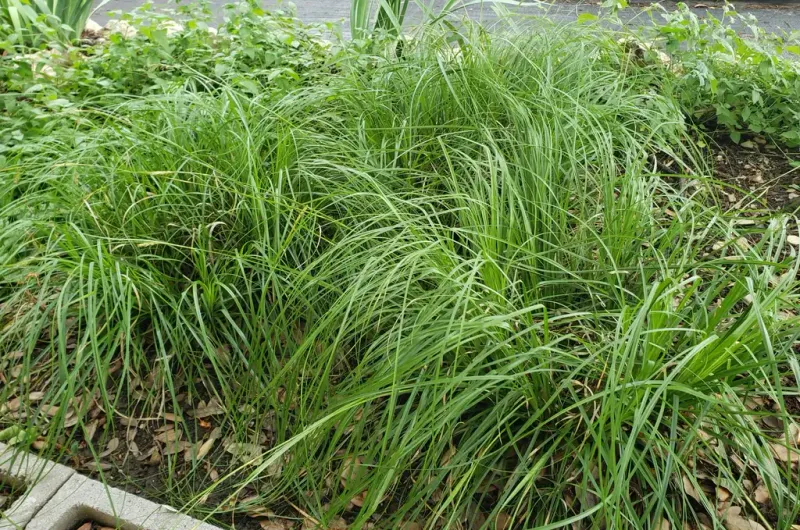
Texas sedge brings the look of a traditional lawn while using a fraction of the water. This native plant resembles grass but actually belongs to a different plant family entirely.
It forms dense, grass-like clumps that create a soft, green carpet perfect for areas where you want a lawn feel without the lawn hassle.
Shade tolerance makes Texas sedge especially valuable. While most lawn grasses struggle under trees or near buildings, Texas sedge thrives in partial to full shade.
This characteristic solves a common problem for Texas homeowners who want attractive ground cover in areas where grass simply will not grow.
Once established, Texas sedge survives on natural rainfall alone across most of Texas. During extreme droughts, occasional deep watering keeps it looking fresh, but it needs far less attention than conventional grass.
The plant stays evergreen in most Texas regions, maintaining its color even during winter when other plants go dormant.
Foot traffic tolerance varies depending on how you manage Texas sedge. Left unmowed, it grows into soft, flowing clumps about a foot tall that work beautifully in naturalized areas.
Mowing every four to six weeks keeps it at three to four inches, creating a more traditional lawn appearance that handles moderate foot traffic reasonably well.
Installation typically happens through plugs or divisions rather than seed. Spacing plugs eight to twelve inches apart allows them to fill in within a growing season.
Texas sedge spreads through rhizomes, gradually forming a dense mat that crowds out most weeds naturally. It pairs wonderfully with native trees and shrubs, creating a cohesive Texas landscape that celebrates regional plant communities while conserving water.