These Are The 8 Best Ways To Shade Vegetable Beds In Florida
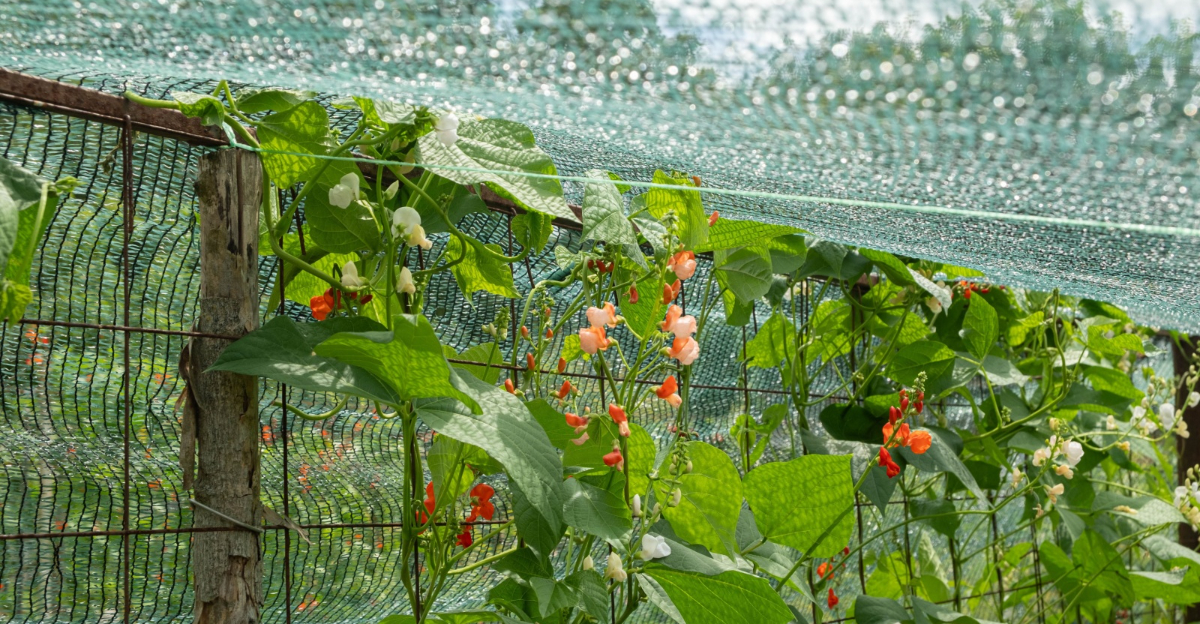
Florida sun can turn a thriving vegetable bed into a struggle almost overnight. One week your plants look strong and full of promise.
The next, leaves droop under the intense light, soil dries out faster than you can water it, and the garden starts to feel like it is baking in place. Many gardeners assume vegetables simply have to endure the heat.
But experienced Florida growers know a different approach makes all the difference. A little shade, placed in the right way, can protect tender plants, keep soil cooler, and help crops stay productive much longer.
The trick lies in how you create that shade without blocking the sunlight vegetables still need to grow. With a few clever solutions, your garden can stay productive even during Florida’s brightest, hottest days.
1. Shade Cloth Cuts Harsh Sun Before It Scorches Tender Crops
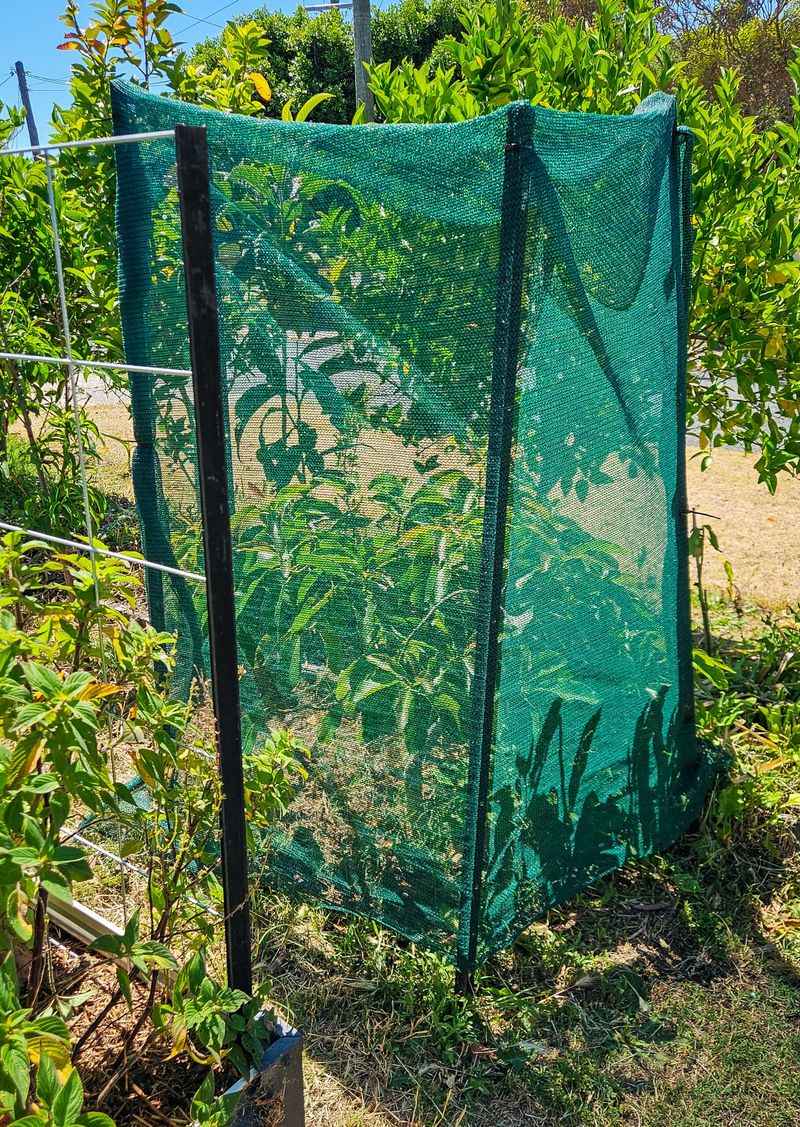
Florida’s summer sun is relentless, and for crops like lettuce, kale, and spinach, full midday exposure can stop growth in its tracks. Shade cloth is one of the most reliable tools available to Florida gardeners because it intercepts intense sunlight before it ever reaches the plants.
According to UF/IFAS, shade cloth is available in densities ranging from 30% to 90% light blockage, and most vegetables do well under 40% coverage.
Tomatoes and peppers can benefit from 50% cloth during peak summer months when heat stress causes blossom drop. Leafy greens are especially grateful for that filtered light, staying productive longer into the warm season.
The key is making sure the cloth is elevated above the foliage rather than resting directly on the leaves, which helps maintain airflow and prevents trapped moisture from causing fungal problems.
Installing shade cloth over simple PVC or metal hoops is an easy weekend project. Use clips or zip ties to secure edges so wind does not lift the cloth off.
Remove or swap to lighter coverage once cooler fall temperatures arrive. A quick practical tip: choose knitted shade cloth over woven fabric because it resists tearing and allows better air movement through the canopy.
2. Hoop Frames Make Midday Protection Easy In Florida Gardens
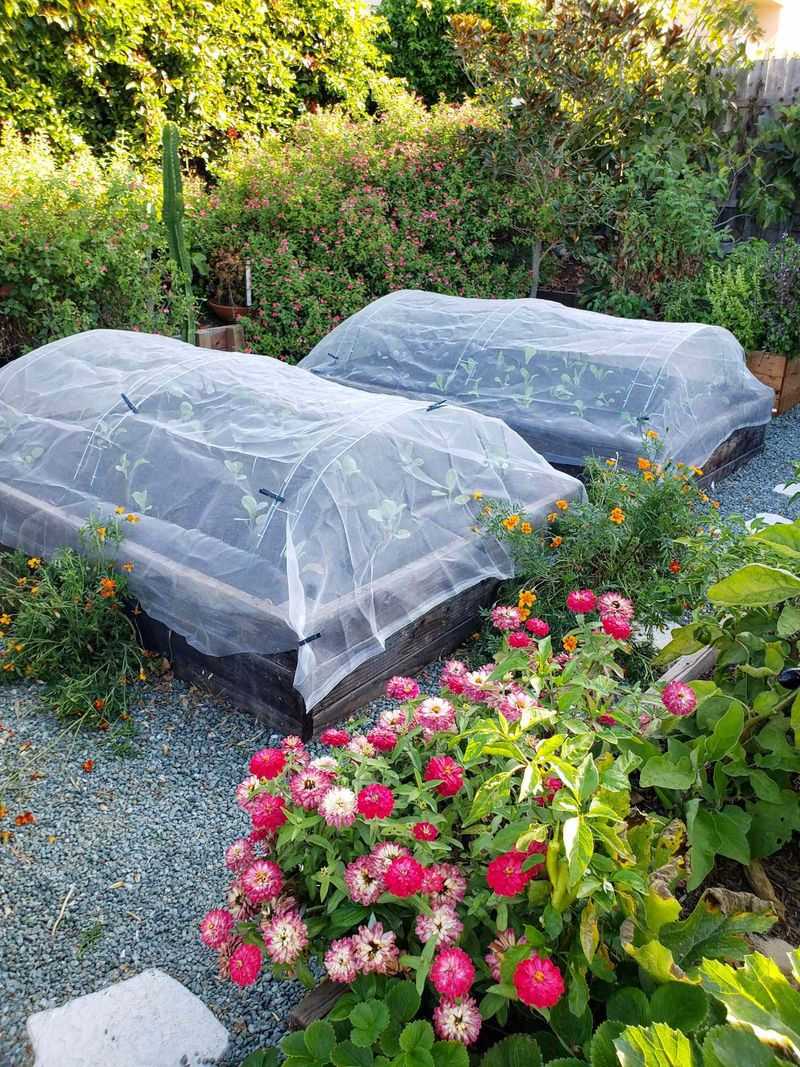
Midday heat between 11 a.m. and 3 p.m. is the most punishing window for Florida vegetable gardens. Hoop frames are a practical and affordable way to create a shaded tunnel over your beds during exactly those hours.
The structure is simple: flexible PVC pipes or metal conduit are bent into arches and pushed into the ground or attached to the sides of raised beds.
Once the hoops are in place, shade cloth or row cover material can be draped over the top and secured with clips or sandbags. The curved shape sheds wind more effectively than flat structures and keeps the covering lifted away from plant leaves, which is important for airflow in Florida’s humid climate.
Hoop frames work especially well over raised beds because the sides of the bed give you a solid anchor point.
Crops like basil, cilantro, and young transplants benefit most from this kind of quick overhead protection during the hottest part of the day. The frames are also reusable season after season if stored properly.
One tip worth using right away: mark your hoop spacing with small stakes before planting so the frame fits perfectly without disturbing roots later.
3. Row Covers Filter Light While Easing Heat Stress
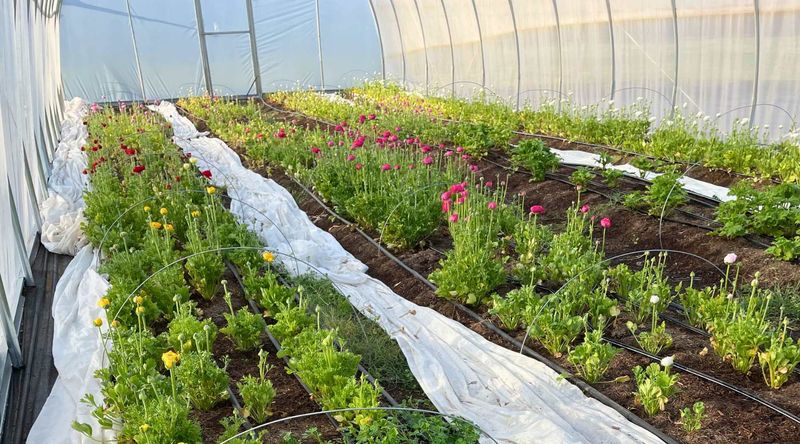
Not every shading situation calls for heavy-duty cloth. Sometimes a lighter touch is exactly what Florida vegetable beds need, especially during transitional seasons when the heat is building but not yet at peak intensity.
Lightweight row covers made from spunbonded fabric filter sunlight gently while still allowing water and air to pass through freely.
Unlike solid plastic sheeting, breathable row covers do not trap heat underneath, which makes them safer to use on warm days without turning your bed into an oven. They work especially well for protecting transplants during their first few weeks in the ground, when young root systems are still adjusting to Florida’s intense conditions.
Crops like Swiss chard, beets, and young pepper plants respond well to this kind of soft coverage.
Row covers also offer a bonus benefit: they create a physical barrier against common Florida garden pests like aphids and whiteflies without blocking the beneficial insects you want to keep around. Make sure to remove or vent the covers during the hottest afternoons to prevent any heat buildup beneath the fabric.
A practical tip for right now: use wire staples or landscape pins along the edges to keep the cover flat and secure on breezy Florida days.
4. Cattle Panels Create Quick Shade Over Raised Beds
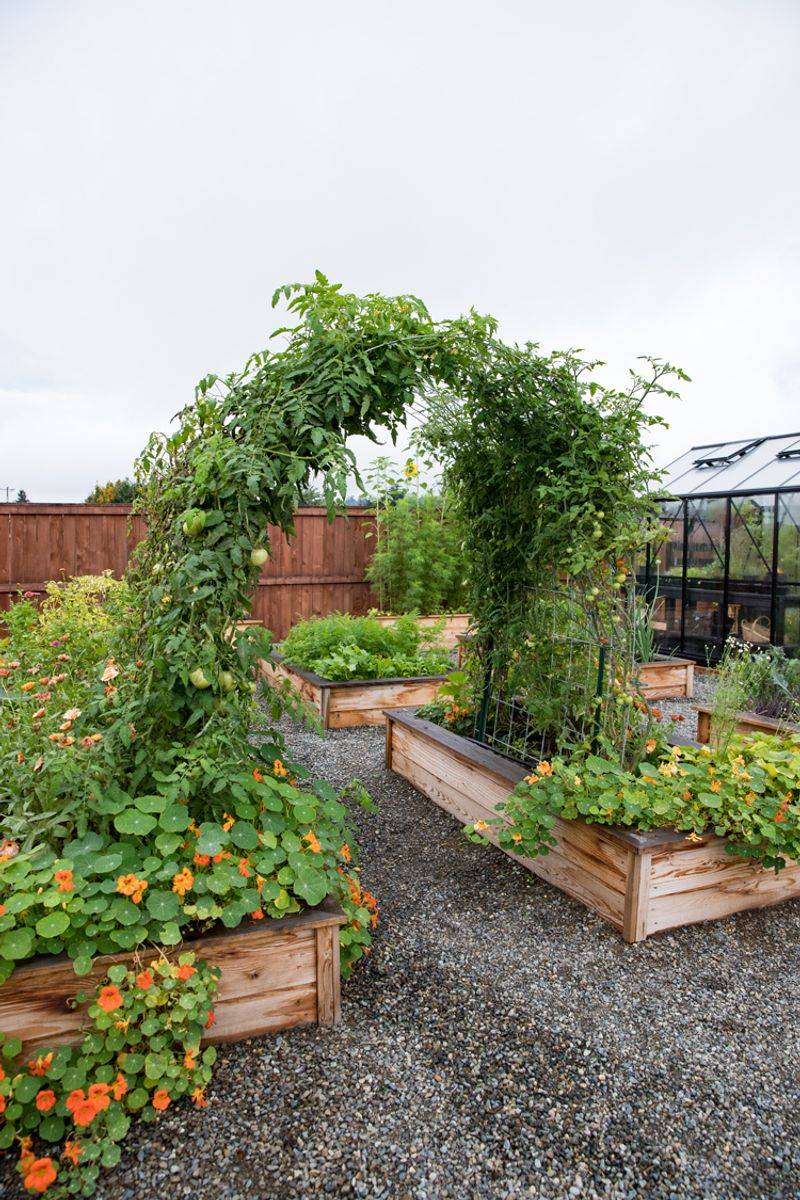
Cattle panels are not just for farms. Florida gardeners have discovered that these sturdy wire grids make excellent permanent arches over raised beds, combining structural strength with reliable shade support.
A standard 16-foot cattle panel can be bent into a gentle arch over a 4-foot-wide raised bed and secured to the bed frame with zip ties or U-bolts.
Once the arch is in place, shade cloth can be attached to the outside of the panel, giving you a solid, wind-resistant shade structure that holds up through Florida’s afternoon thunderstorm season. Unlike lightweight hoop systems, cattle panels do not flex or collapse under heavy rain or gusting winds.
That durability matters a lot in a state where summer storms arrive without much warning.
Tomatoes, cucumbers, and beans can also be trained to climb the panel itself, turning the structure into a dual-purpose setup that provides both shade and a trellis. This is particularly useful in smaller Florida gardens where every square foot counts.
For the quickest setup, choose panels that are already galvanized to resist Florida’s humidity and occasional saltwater air near coastal areas. Attach shade cloth with binder clips for easy removal during cooler seasons without damaging the wire.
5. Umbrellas Help Shield Small Beds During Extreme Heat
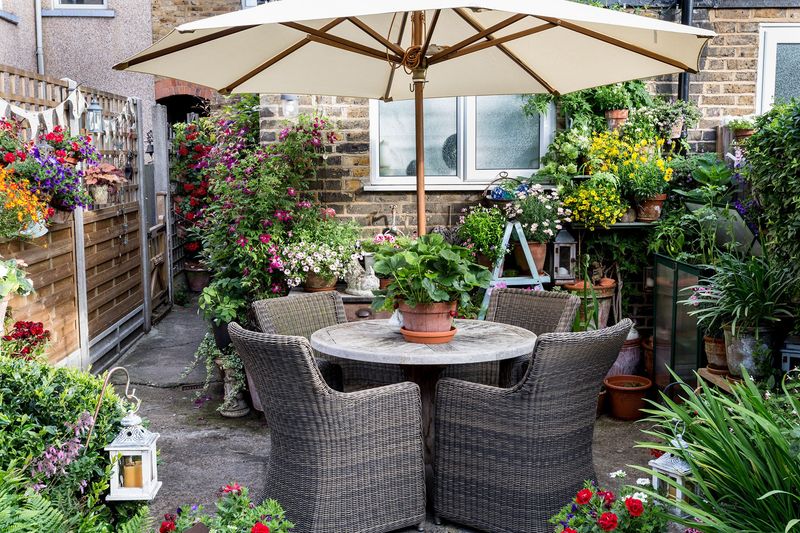
During Florida’s most brutal heat waves, even well-established vegetable plants can struggle to cope. For gardeners with small beds or container setups, a large outdoor umbrella offers a surprisingly effective and flexible shading solution.
Market umbrellas or cantilever-style patio umbrellas can be positioned to cast shade directly over a bed during the hottest hours and then tilted or closed in the evening.
This method is especially helpful for protecting heat-sensitive crops like lettuce, cilantro, and young seedlings during those days when temperatures push past 95 degrees Fahrenheit and the UV index climbs to dangerous levels. The mobility of an umbrella is its biggest advantage.
Unlike fixed shade structures, you can move it quickly to follow the sun’s angle or shift it to protect a different part of the garden on a moment’s notice.
Umbrellas work best as a short-term or supplemental shading tool rather than a permanent solution. They are not designed to handle heavy wind or daily outdoor exposure the way shade cloth is.
Anchor the base with extra weight like sandbags in Florida, where afternoon storm winds pick up fast. Tip: a 9-foot or larger umbrella covers roughly a 4×4 raised bed well enough to protect the most vulnerable plants during peak afternoon hours.
6. Taller Crops Cast Natural Shade Over More Sensitive Plants
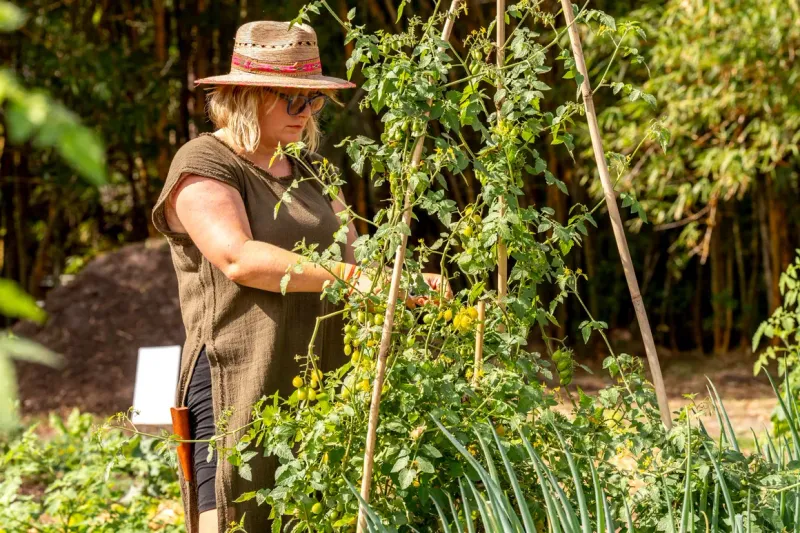
Nature already has a shading system built in, and Florida gardeners can take full advantage of it through smart companion planting. Positioning taller crops on the west or south side of a garden bed allows them to block the harshest afternoon sun from falling directly on shorter, more heat-sensitive plants nearby.
Corn, sunflowers, and okra are all excellent candidates for this role in a Florida garden.
According to UF/IFAS planting guides, okra thrives in Florida’s heat and grows tall enough to cast meaningful shade over neighboring crops like lettuce, parsley, and basil. The shading effect is most valuable between 1 p.m. and 4 p.m., when the sun angle is lowest and most intense from the west.
Planning your bed layout with sun direction in mind takes only a few extra minutes before planting but pays off throughout the growing season.
This approach works best in North and Central Florida where the growing season is long enough to have multiple crops at different growth stages sharing the same space. One thing to watch: very dense plantings can also reduce airflow, which matters in Florida’s humid summers.
Keep enough spacing between plants to avoid trapping moisture close to the soil. A simple tip is to sketch your bed layout on paper before planting so tall and short crops end up in the right spots from day one.
7. Trellises Block Strong Sun And Support Climbing Vegetables
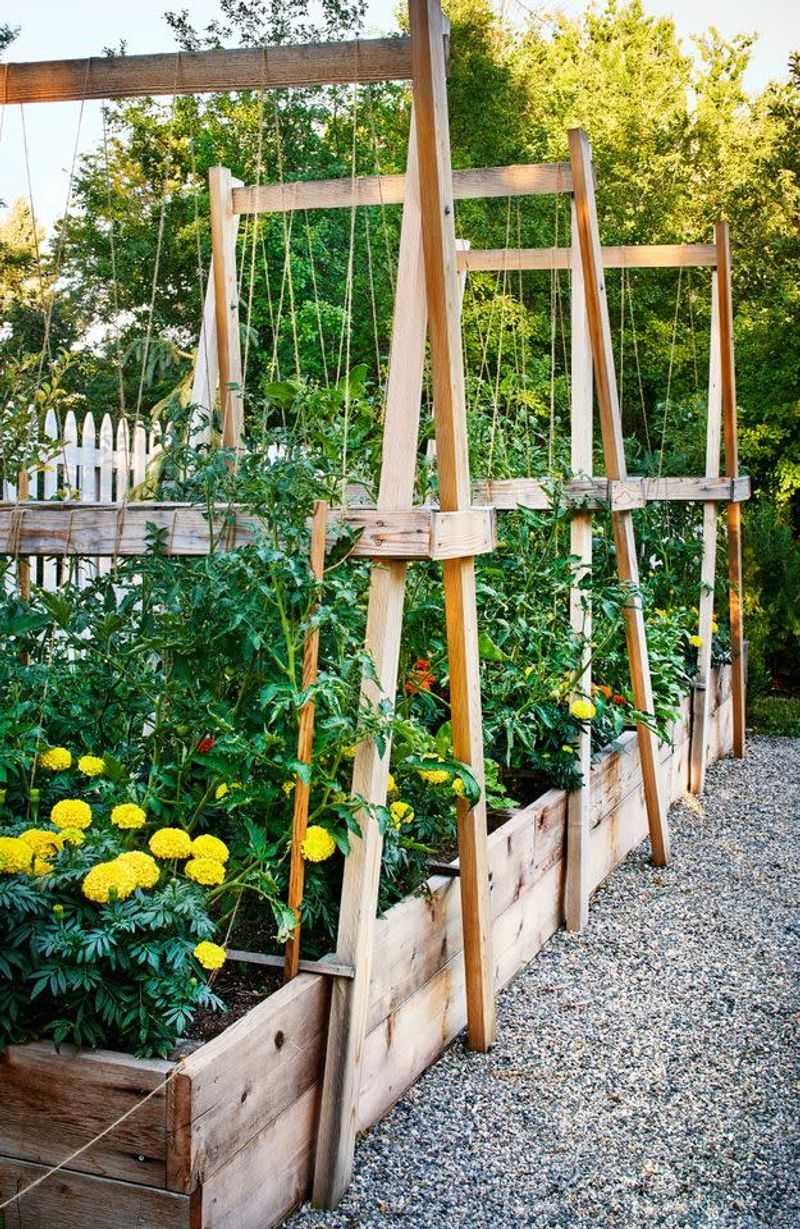
A well-placed trellis does double duty in a Florida vegetable garden. It supports climbing crops like pole beans, cucumbers, and Malabar spinach while also creating a living wall of shade that protects lower-growing plants on the east or north side of the structure.
The shade produced by a vine-covered trellis is natural, dappled, and shifts gently through the day, which is often less stressful for plants than constant deep shade.
Malabar spinach is a standout choice for Florida trellises because it loves the heat, grows aggressively through summer, and produces thick foliage that shades the soil below effectively. UF/IFAS recommends Malabar spinach as a warm-season alternative to traditional spinach precisely because it handles Florida’s humidity and sun without struggling.
Train the vines to spread across the trellis evenly so shading is consistent rather than patchy.
Cedar, bamboo, and galvanized metal are all good trellis materials for Florida’s outdoor conditions, since they hold up against humidity and UV exposure. Position the trellis on the west side of a bed so afternoon shade falls where you need it most.
One quick tip: plant fast-growing climbing crops like yard-long beans early in the season so the trellis is already well-covered before peak summer heat arrives in June and July.
8. Portable Panels Give Florida Gardeners Flexible Heat Relief
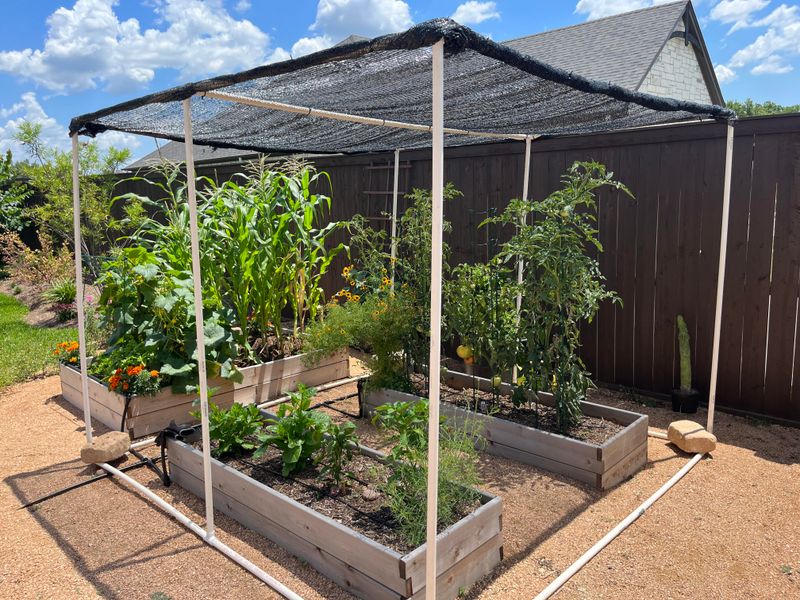
Florida’s sun angle changes noticeably from season to season, and what shades a bed perfectly in July may leave it fully exposed by September. Portable shade panels solve that problem by letting you move coverage exactly where it is needed as conditions shift.
These panels typically consist of a shade cloth stretched over a lightweight aluminum or PVC frame with feet or wheels for easy repositioning.
During a sudden Florida heat wave, you can roll or carry a portable panel into position within minutes, protecting vulnerable crops without committing to a permanent installation. This flexibility is especially useful for gardeners who grow a rotating mix of crops throughout the year and need shading options that can adapt to different bed locations and plant heights.
Cherry tomatoes, young pepper transplants, and cool-season greens planted in late summer are all good candidates for this kind of on-demand protection.
Portable panels are also practical for renters or gardeners who cannot make permanent modifications to their yard. Look for frames rated for outdoor UV exposure, since cheap plastic components can become brittle quickly under Florida’s intense sunshine.
One tip that makes a real difference: keep a portable panel stored nearby during summer so you can deploy it immediately when a heat advisory is issued rather than scrambling to build something at the last minute.