These Are The Bulbs Michigan Gardeners Plant In Spring For Stunning Late Summer Color
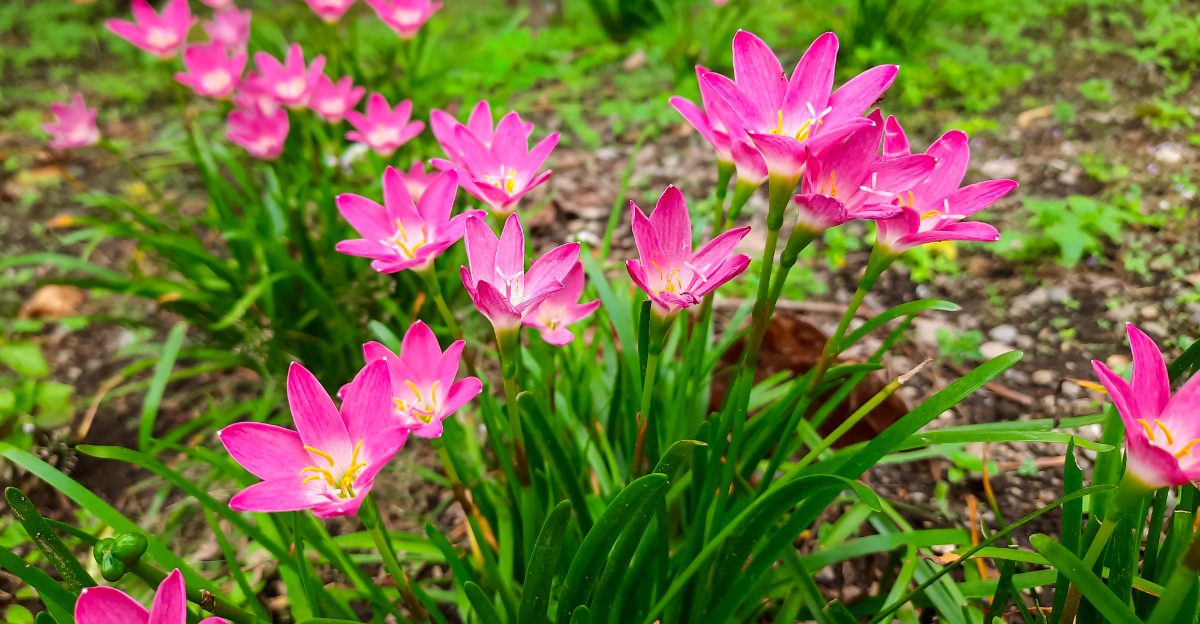
Most bulb conversations in Michigan revolve around spring bloomers, the tulips and daffodils that get planted in fall and reward gardeners early in the season. Spring planted bulbs get far less attention, which is a missed opportunity.
A handful of bulbs go in the ground in spring and deliver their payoff exactly when the garden needs it most, during the late summer stretch when many early performers have finished and fall bloomers have not yet peaked.
Michigan’s warm summers give these bulbs enough growing time to develop fully and produce impressive displays from August into September.
For gardeners looking to extend the season and fill what is often the quietest visual period in the yard, spring planted bulbs aimed at late summer color are one of the most straightforward solutions available.
1. Dahlias
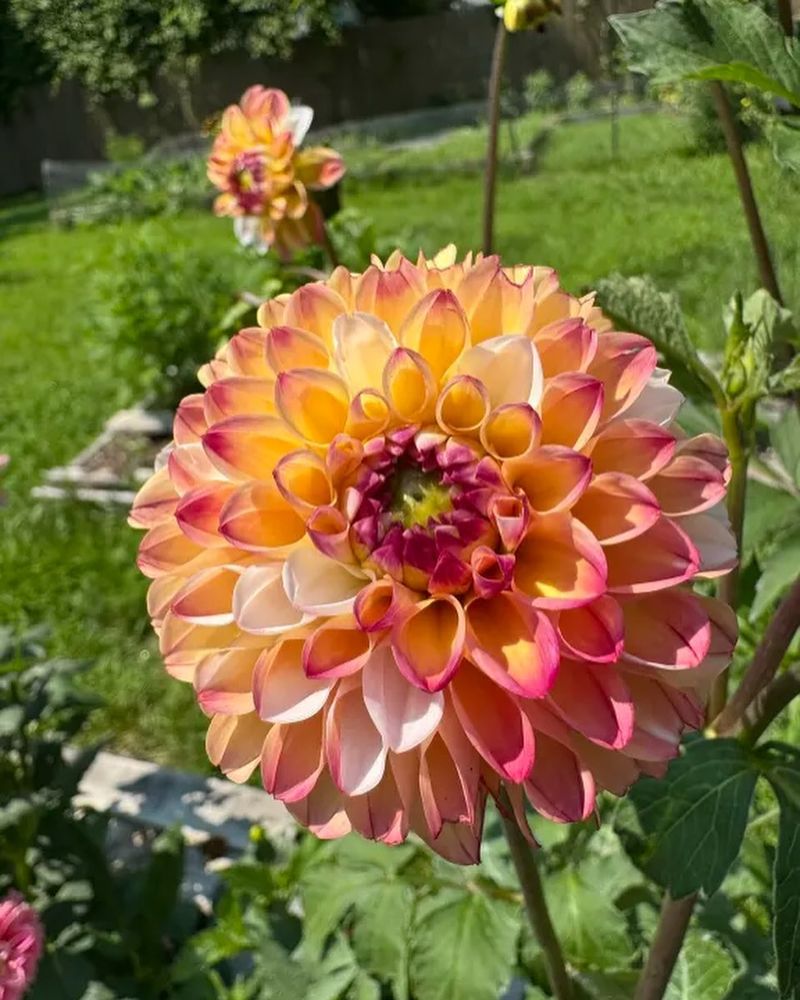
Few flowers command attention quite like a dahlia in full bloom. Dahlia pinnata hybrids come in nearly every color imaginable, from soft blush to deep burgundy, and their dinner-plate-sized blooms can stop people in their tracks.
Michigan gardeners have a real advantage here because dahlias absolutely love the warm, sunny days that midsummer through early fall delivers.
Plant tubers outdoors after your last frost date, typically mid-May in most of Michigan. Choose a spot with at least six to eight hours of direct sun each day.
Dig the tubers about six inches deep and space them two feet apart to give each plant room to spread out and breathe.
Dahlias are heavy feeders, so a low-nitrogen fertilizer applied every few weeks encourages more blooms rather than extra leaf growth. Water consistently at the base of the plant, keeping the soil moist but never soggy.
Tall varieties need sturdy stakes placed at planting time so you do not disturb the roots later in the season.
Because dahlias are not cold-hardy in Michigan, dig the tubers up after the first light frost blackens the foliage.
Let them dry for a few days, then store them in a cool, dry location in barely damp peat moss or vermiculite. Replant them next spring and enjoy the show all over again.
2. Gladiolus
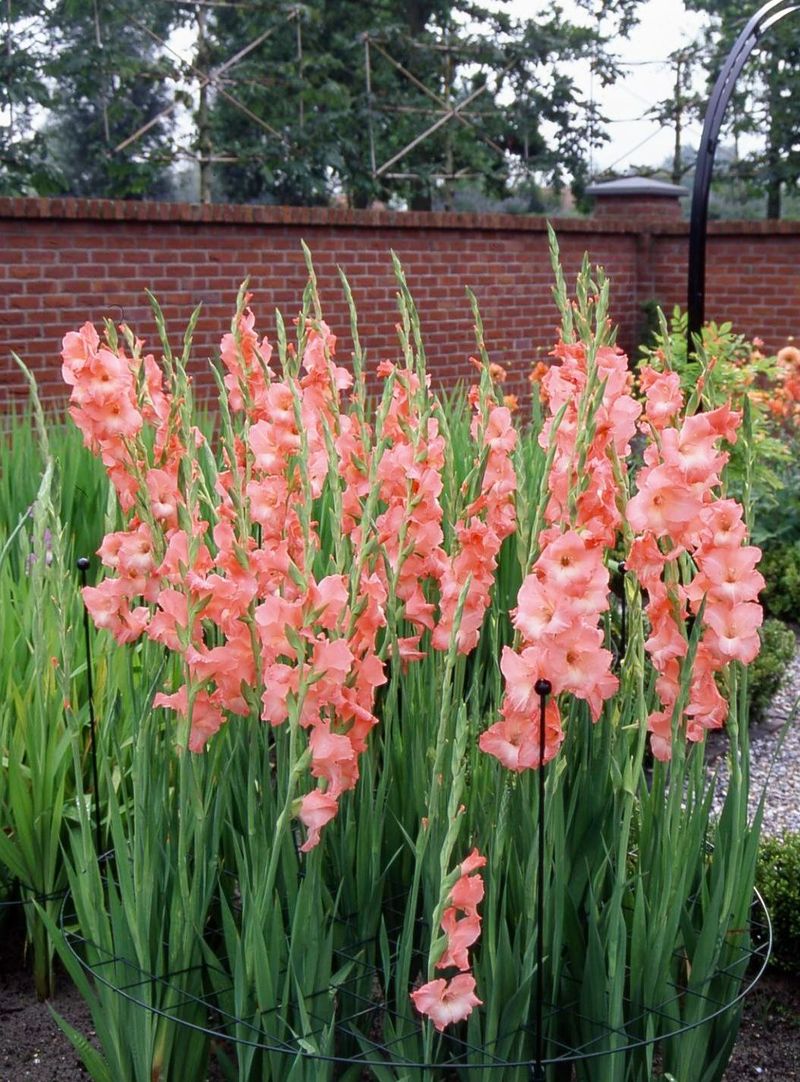
Gladiolus is the kind of flower that makes a garden look professionally designed without much effort at all. Gladiolus x hortulanus produces tall, elegant spikes packed with trumpet-shaped blooms in shades of red, pink, purple, white, and orange.
Each spike can carry up to twenty individual flowers, making them as impressive in a vase as they are in the ground.
Plant corms in spring once the soil reaches at least 55 degrees Fahrenheit, usually around mid-April to early May in southern Michigan. For a longer bloom season, plant a new batch of corms every two weeks through early June.
That staggered approach keeps flowers coming from midsummer well into September.
Space corms about six inches apart and plant them four to six inches deep. Full sun is non-negotiable for strong, upright growth.
Stake taller varieties early because summer storms can easily knock over unprotected spikes before they reach their peak.
Your Michigan Garden Changes Every Week. Your Plan Should Too.
Gardening in Michigan changes quickly throughout the season. Every Friday you’ll receive a simple weekly plan showing exactly what to plant, prune, fertilize, harvest, and protect so you never miss the right timing.
Water regularly during dry spells, aiming for about one inch per week. Gladiolus corms do not survive winters in the ground, so lift them after the foliage yellows in fall.
Let the corms cure in a warm, airy space for a few weeks before storing them in mesh bags or paper bags in a cool, frost-free location. Replanting them each spring keeps your investment going strong year after year.
3. Canna Lilies
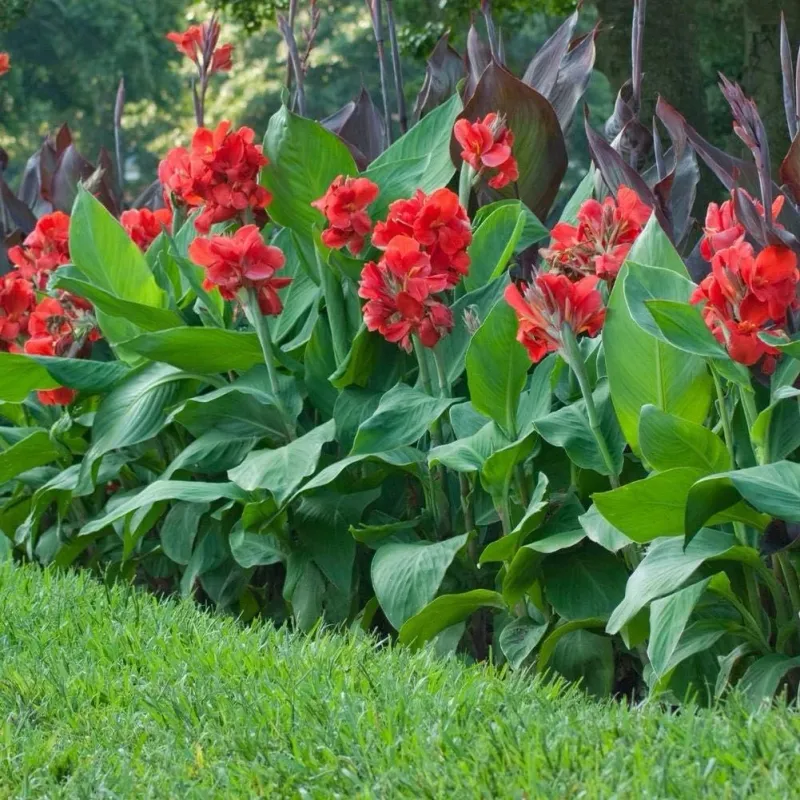
Canna lilies bring a tropical energy to gardens that few other plants can match. Canna indica hybrids grow fast, stand tall, and produce oversized leaves in shades of green, bronze, or burgundy alongside vivid flowers in red, orange, yellow, and pink.
By midsummer, a well-fed canna can easily reach five to six feet in height.
Start rhizomes indoors four to six weeks before your last frost date for an earlier start, or plant directly outdoors in late May once the soil is consistently warm. Cannas love heat, so a sunny spot with rich, well-draining soil sets them up for success.
Space rhizomes about eighteen to twenty-four inches apart to accommodate their impressive spread.
Consistent moisture is key throughout the growing season. Water deeply once or twice a week during dry stretches, and apply a balanced fertilizer monthly to fuel that vigorous tropical growth.
Cannas also respond well to a thick layer of mulch that keeps moisture in the soil and roots cool during hot spells.
When temperatures drop in fall, cut foliage back to a few inches above the ground and carefully dig up the rhizomes. Allow them to dry briefly, then store them wrapped in barely damp peat moss in a cool, dark space around 50 degrees Fahrenheit.
Michigan winters are too harsh for in-ground storage, but properly stored cannas come back stronger every spring.
4. Calla Lilies
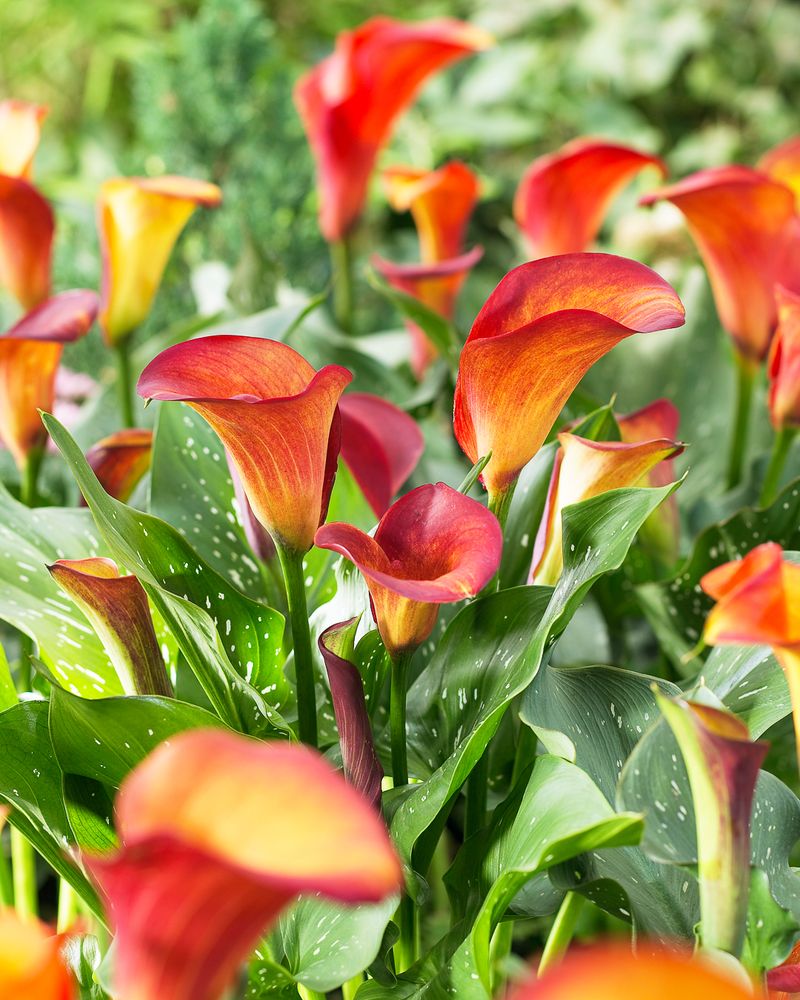
Calla lilies have a sophistication that feels almost effortless. Zantedeschia spp. produces those iconic funnel-shaped blooms in white, yellow, pink, purple, and deep burgundy, rising above glossy, arrow-shaped foliage that looks polished all season long.
They work beautifully in garden borders, raised beds, and container arrangements alike.
Plant rhizomes after your last frost date in Michigan, typically mid-May, in a location that receives full sun to partial shade. Callas prefer rich, consistently moist soil, making them an excellent choice near water features or in low spots where moisture naturally collects.
Plant rhizomes about three to four inches deep with the growing eyes facing upward.
Regular watering is important throughout the summer, especially during hot and dry stretches. A slow-release balanced fertilizer applied at planting and again in midsummer supports strong stem and bloom production.
Container-grown callas can be moved to brighter or shadier spots as needed, giving you more flexibility in smaller garden spaces.
Calla lilies are not winter-hardy in Michigan, so the rhizomes need to come indoors before frost arrives in fall. Lift them carefully, allow them to dry for a few days in a warm spot, then store them in a cool, dry location in paper bags or breathable containers.
Kept between 50 and 60 degrees Fahrenheit, they will be ready to perform again next season with the same effortless elegance that makes them so popular.
5. Elephant Ears
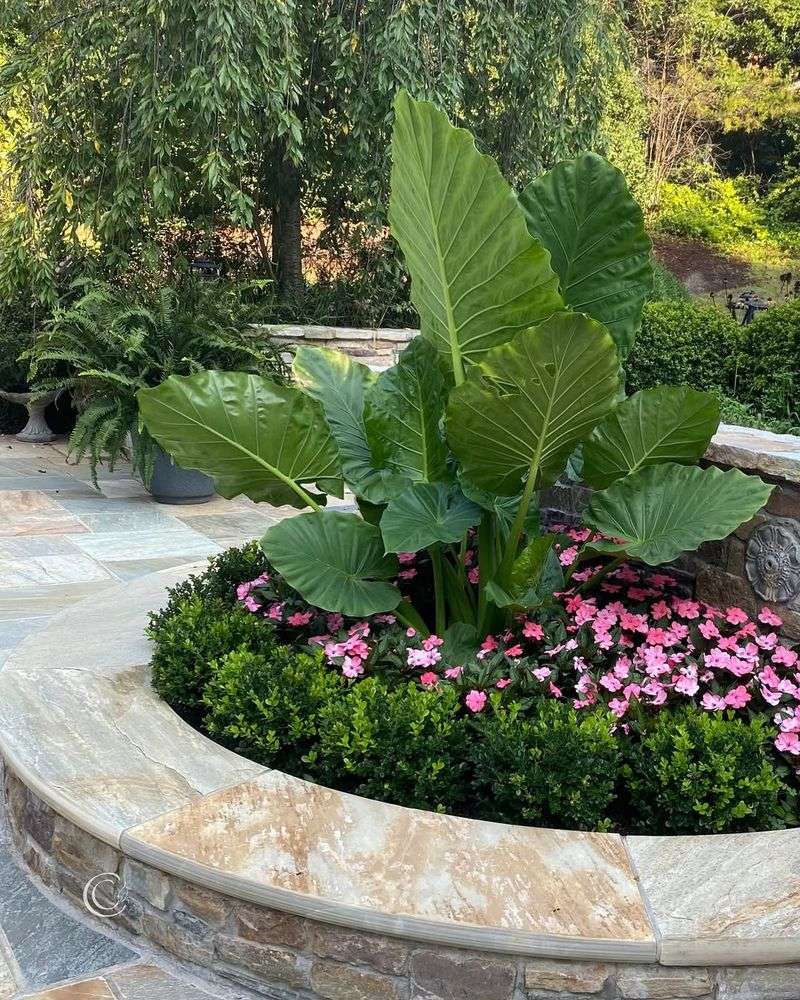
Elephant ears are the drama queens of the summer garden, and gardeners are completely here for it.
Colocasia esculenta and Alocasia spp. produce enormous heart-shaped or arrowhead leaves that can grow two to three feet wide on plants that reach four to eight feet tall by late summer.
The result is an instant tropical focal point that draws every eye in the garden.
Plant tubers or bulbs outdoors after all frost risk has passed, around late May in most Michigan zones. These plants genuinely love warmth and humidity, which our summers supply in generous amounts from June through August.
Choose a spot with rich, moisture-retentive soil and either full sun or partial shade depending on the variety, since darker-leaved types often benefit from some afternoon shade.
Water generously and consistently because elephant ears are thirsty plants that struggle in dry conditions. A monthly application of a nitrogen-rich fertilizer supports the rapid, lush leaf growth that makes these plants so spectacular.
Mulching around the base helps hold soil moisture and keeps roots comfortable during hot spells.
Our winters will not allow elephant ears to survive outdoors, so plan to lift the tubers before the first hard frost. Let them cure in a warm, dry spot for about a week, then store them in a cool, dark location in barely damp peat moss or sawdust.
Bring them back out next spring and watch the bold, leafy spectacle begin again.
6. Crocosmia
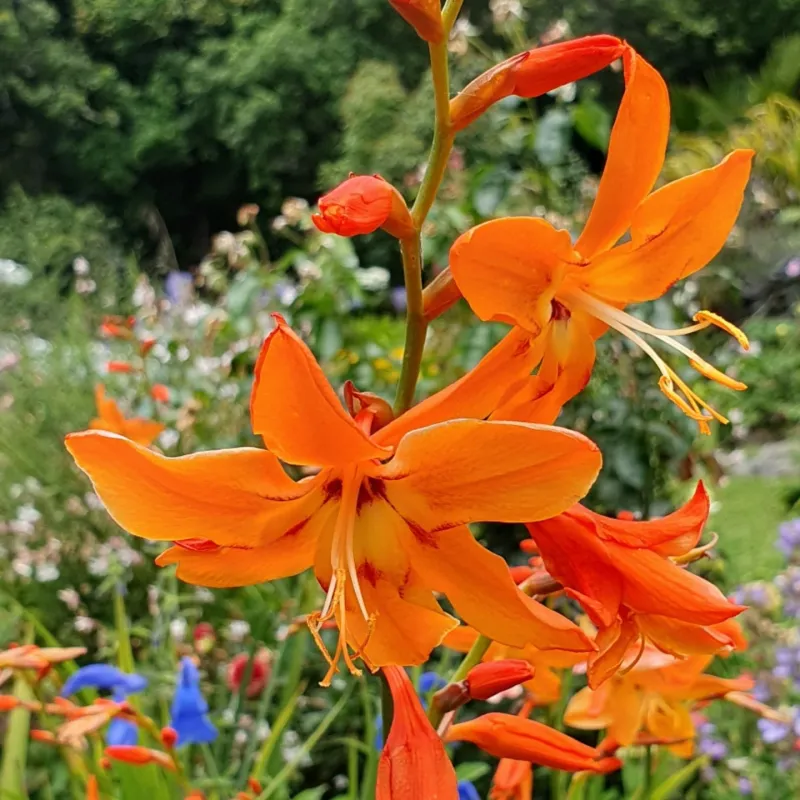
Crocosmia is one of those plants that looks exotic but actually grows with surprising ease. Crocosmia x crocosmiiflora sends up graceful, arching stems lined with vivid trumpet-shaped flowers in fiery shades of red, orange, and yellow.
Hummingbirds absolutely adore them, making these plants a lively addition to any garden focused on pollinator activity.
Plant corms in spring after the soil warms, spacing them about three to four inches apart and two to three inches deep. A sunny location with well-draining soil produces the strongest growth and the most flowers.
Crocosmia naturally forms spreading clumps over time, so give it a spot where it has room to multiply and fill in beautifully.
Watering needs are moderate once the plants establish themselves. During dry summers, a weekly deep watering keeps the foliage upright and the blooms coming strong from midsummer through late summer.
Crocosmia does not require heavy fertilizing, but a light application of balanced fertilizer in spring gives the corms a productive head start.
Winter hardiness in Michigan depends on your location. In the southern Lower Peninsula, a thick layer of mulch applied before the ground freezes can protect corms through winter in some years.
Gardeners in northern Michigan or Upper Peninsula zones should plan to lift corms each fall and store them similarly to gladiolus, in cool, frost-free conditions. Either way, the reward of those bright arching blooms makes every bit of effort worthwhile.
7. Tuberous Begonias
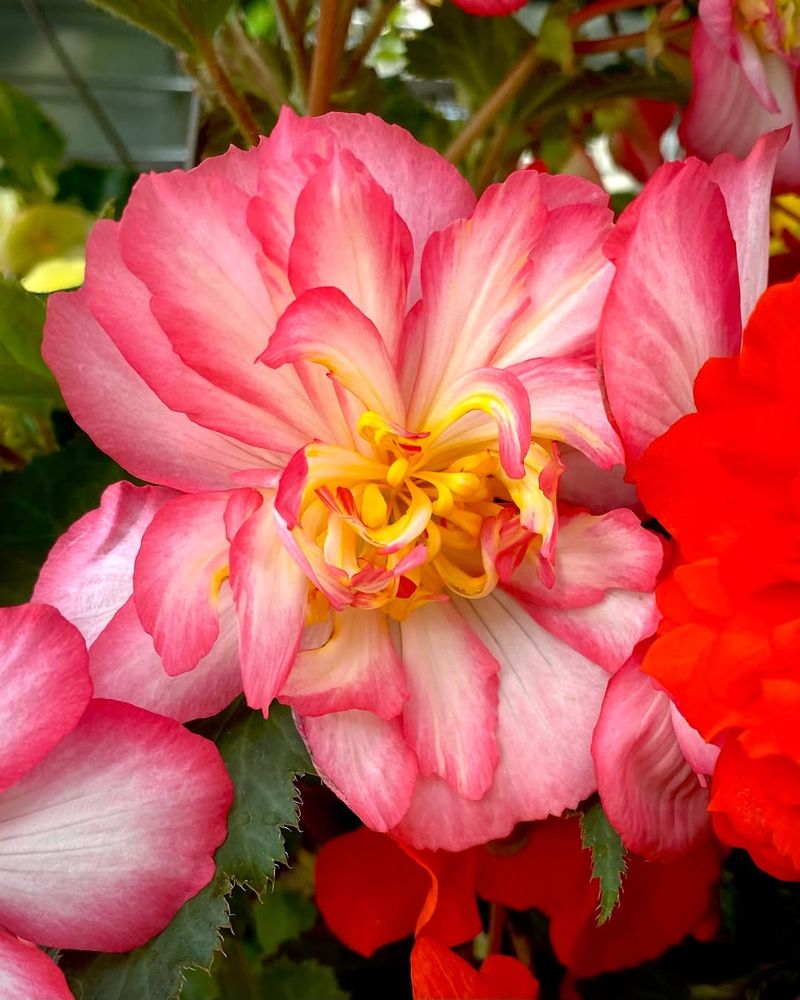
Shady spots in gardens finally get their moment to shine with tuberous begonias in the picture.
Begonia x tuberhybrida produces enormous, rose-like flowers in shades of red, pink, orange, yellow, and white on plants that thrive in the kind of dappled or indirect light that stumps most other flowering plants.
Whether in hanging baskets, window boxes, or shaded patio containers, these plants deliver all-summer color where it counts most.
Start tubers indoors six to eight weeks before your last frost date by placing them hollow-side up in barely moist potting mix under bright, indirect light. Transplant outdoors after frost danger has completely passed, typically late May in Michigan.
Choose a location with morning sun and afternoon shade, or consistent bright indirect light, for the richest bloom production.
Humidity matters to tuberous begonias, and summers often provide the warm, moist air these plants appreciate. Water consistently but avoid letting containers sit in standing water because soggy roots cause problems quickly.
A balanced liquid fertilizer applied every two weeks keeps the blooms coming strong from early summer through the first fall frost.
When cooler temperatures arrive in September and October, reduce watering gradually to let the tubers go dormant naturally. Once foliage fades, remove it and store the tubers in dry peat moss or vermiculite in a cool, dark location around 50 degrees Fahrenheit.
They will be ready to start again next spring, bringing that same lavish, garden-show quality to every shaded corner.
8. Pineapple Lily
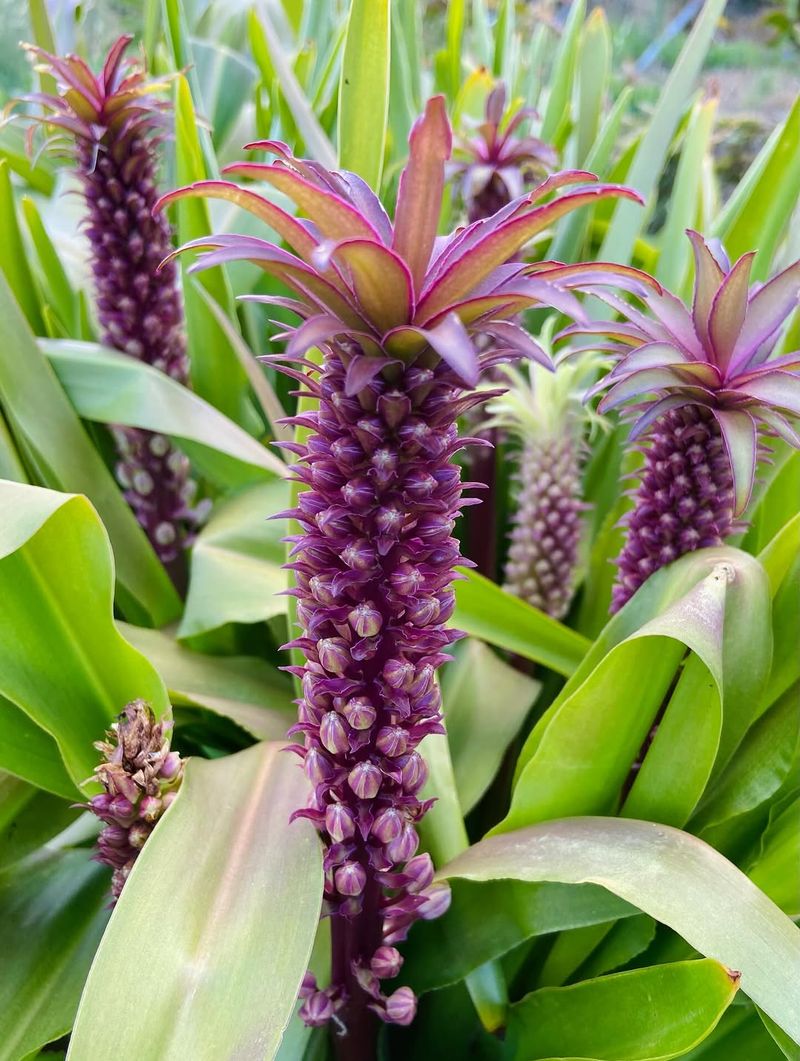
Pineapple lily is one of those plants that makes visitors stop and say, what is that? Eucomis spp. produces chunky flower spikes topped with a tuft of leaves that genuinely resembles a miniature pineapple sitting on top of a column of star-shaped blooms.
The flowers range from white and cream to soft pink and deep purple, and they hold their good looks for weeks at a time.
Plant bulbs outdoors after frost danger has passed in Michigan, ideally in late May or early June. Choose a sunny location with excellent drainage because pineapple lilies strongly dislike sitting in wet soil.
Plant bulbs about three to four inches deep and space them around twelve inches apart, giving each one enough room to develop its full, architectural profile.
Watering should be moderate and consistent throughout the growing season. Allow the soil to dry slightly between waterings rather than keeping it constantly saturated.
A light application of a balanced fertilizer at planting time and again when the flower spikes emerge supports strong bloom development without pushing too much leafy growth.
Container growing suits pineapple lilies beautifully, and Michigan gardeners who grow them in pots can simply bring the containers indoors before frost.
For in-ground plants, carefully dig the bulbs after foliage fades in fall and store them in dry peat moss or paper bags in a frost-free location around 50 degrees Fahrenheit.
Their unusual beauty makes the extra storage step completely worthwhile every single year.
9. Rain Lilies
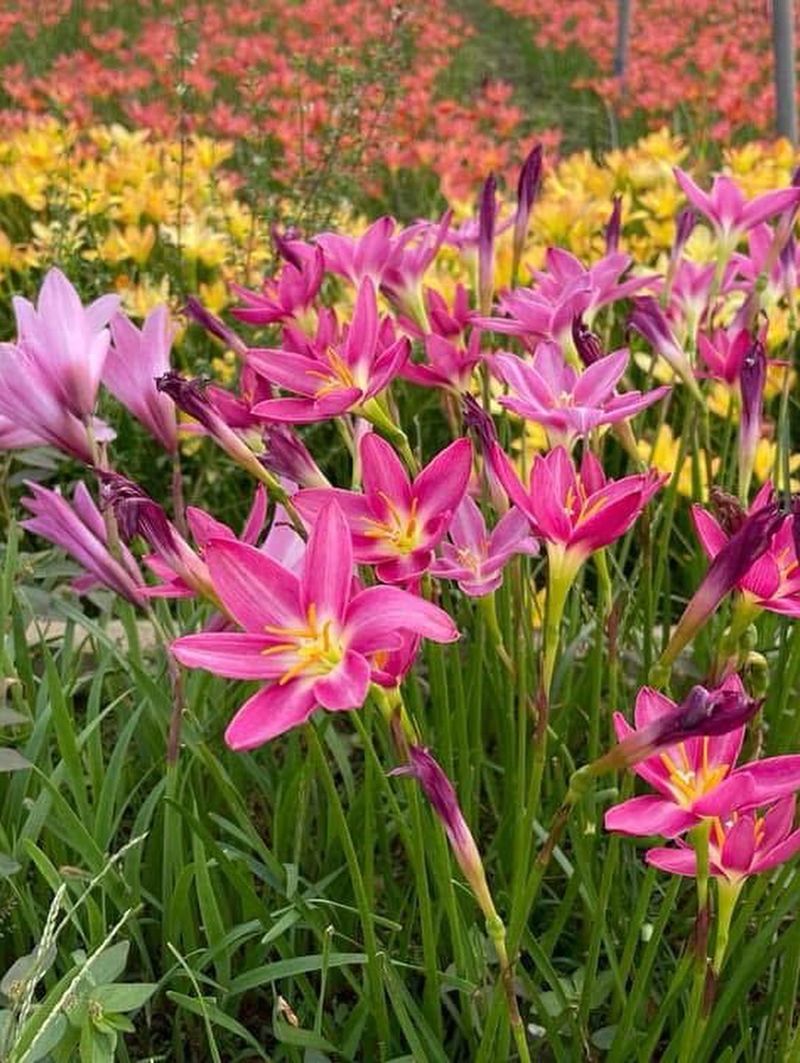
Rain lilies have a charming little secret: they bloom best right after a summer rainstorm.
Zephyranthes spp. produces slender, grass-like foliage that stays tidy and low-key most of the time, then suddenly erupts in clusters of small, funnel-shaped flowers in pink, white, or yellow within a day or two of a good soaking rain.
That surprise bloom habit makes them one of the most delightful plants in any summer garden.
Plant bulbs in spring after the last frost, placing them about one to two inches deep and three to four inches apart in a sunny, well-draining location.
Rain lilies love warmth, and summers here from June through August give them exactly the heat they need to settle in and establish strong root systems.
Full sun brings out the most flowers, though a spot with very light afternoon shade can work in hotter summers.
Beyond natural rainfall, supplemental watering every week or two during dry stretches encourages more frequent blooming cycles throughout late summer.
These are not heavy feeders, so a single application of a balanced bulb fertilizer in spring is usually enough to keep them happy and productive.
Container growing works wonderfully for rain lilies, giving gardeners easy control over soil moisture and drainage.
Michigan winters are too cold for rain lilies to survive outdoors in the ground. Lift the bulbs before frost, let them dry briefly, and store them in a cool, dry spot in paper bags or mesh containers.
Replant next spring and enjoy that magical post-rainstorm bloom show all over again.