These Are The 8 Drought-Tolerant Trees To Plant This April In Florida
April in Florida can flip a switch fast. One week the soil still holds spring moisture, the next the heat turns up and everything starts to dry out.
Sound familiar? That short window is exactly when smart planting decisions pay off or come back to haunt you.
So what actually holds up once the rain pulls back? This is where drought-tolerant trees earn their place.
Not just tough enough to survive, but built for Florida’s sandy soils, intense sun, and sudden dry stretches. Many native options go even further, handling salt, wind, and poor soil while supporting birds and pollinators at the same time.
Here’s the part most people miss. Trees planted now have just enough time to settle in before summer stress kicks in.
Get it right, and your yard stays green while others start to struggle.
1. Live Oak Handles Heat And Drought Well
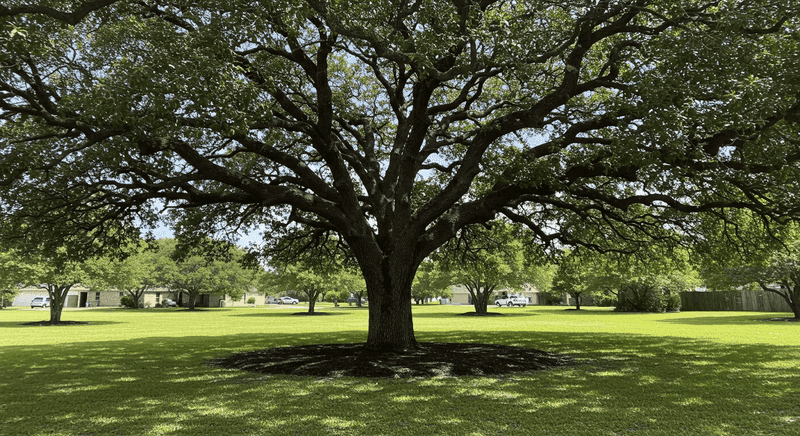
Few trees in the entire Southeast are as tough, iconic, or long-lived as the Live Oak. Known scientifically as Quercus virginiana, this native evergreen has been shading Florida yards, parks, and roadsides for centuries.
Once its root system gets established, it can pull moisture from deep in the soil, making it remarkably resilient during dry spells.
The canopy on a mature Live Oak can spread anywhere from 60 to 100 feet wide, which means it needs plenty of open space to grow properly. Planting it too close to structures or other trees will limit its development and cause problems down the road.
For large yards, though, it is an outstanding choice that provides serious shade.
April is a great planting window because the warm soil encourages fast root development before summer heat arrives. Water the tree regularly during its first two growing seasons, then back off as it becomes self-sufficient.
Full sun is preferred, and well-drained or sandy soil suits it perfectly. In Florida, Live Oaks can live for hundreds of years, making every planting an investment in the future of your landscape.
2. Southern Magnolia Stays Resilient In Dry Conditions
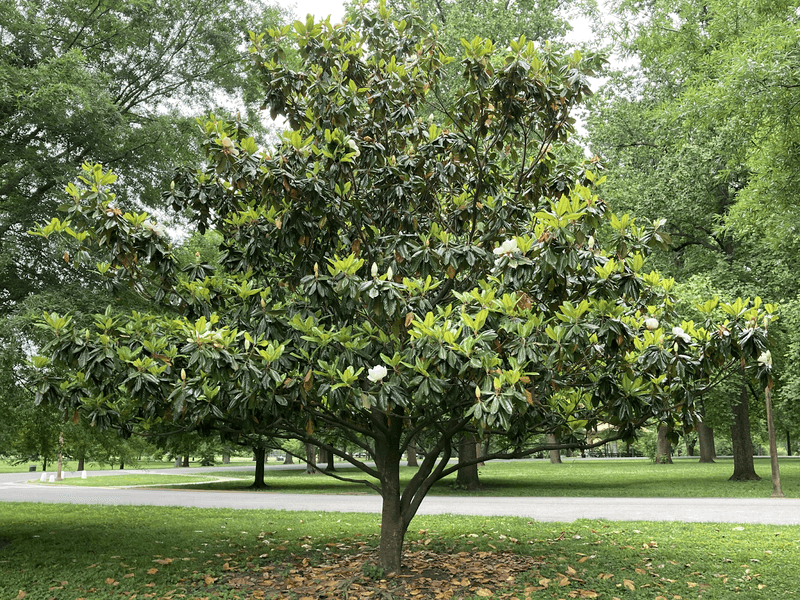
There is something almost regal about a Southern Magnolia standing tall in a Florida yard. The large, creamy white flowers and those thick, dark green leaves with bronze undersides make it one of the most recognizable trees in the South.
What many people do not realize is that this tree is also moderately drought tolerant once it gets properly established.
The secret is in the leaves. Magnolia grandiflora has thick, waxy foliage that significantly reduces water loss through evaporation.
Combined with a deep root system that seeks out moisture well below the surface, it can handle dry stretches better than most ornamental trees of its size. It does grow slowly, so patience is part of the deal.
Expect a mature Southern Magnolia to reach 60 to 80 feet tall with a spread of 30 to 40 feet. Give it full sun and well-drained soil for the best results.
Avoid planting it near driveways or sidewalks since the roots and leaf litter can create maintenance headaches. Water consistently during the first year after planting, and it will reward you with decades of beauty and shade with minimal fuss.
3. Sand Live Oak Thrives In Dry Sandy Soils
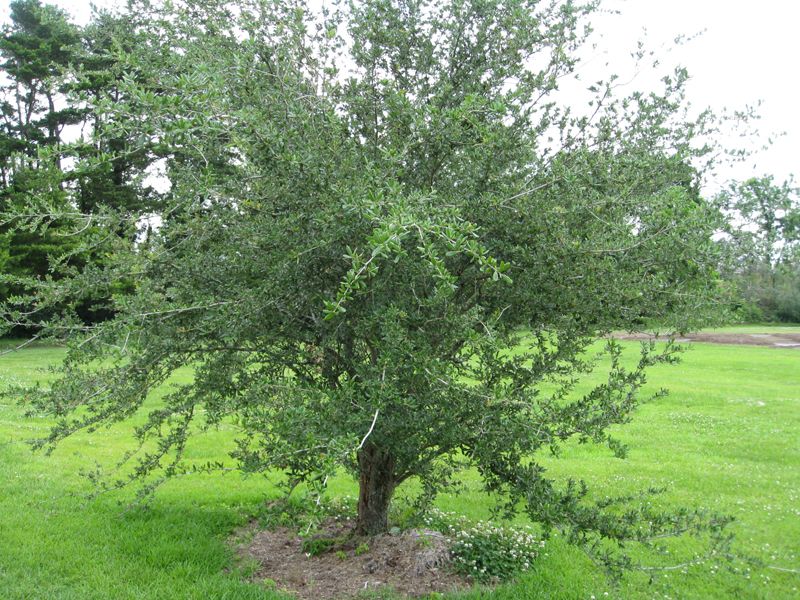
If your yard has dry, sandy soil that seems to drain water almost instantly, the Sand Live Oak was practically made for those conditions. Quercus geminata is closely related to the Live Oak but is naturally adapted to the well-drained, nutrient-poor soils found throughout Central and South Florida.
It handles drought stress with ease once it gets a foothold.
Compared to its larger cousin, the Sand Live Oak stays more compact, typically reaching 20 to 40 feet tall with a rounded, dense canopy. The leaves are smaller and have slightly rolled edges, a natural adaptation that reduces moisture loss in hot, dry environments.
It is also notably tolerant of salt spray, making it a solid option for coastal properties.
Planting in April gives this tree the warm soil conditions it loves. Full sun is non-negotiable for healthy growth.
Sandy, acidic, well-drained soil is ideal, and it actually struggles in heavy clay or poorly draining spots. One practical tip: avoid over-watering once the tree is past its first year.
Too much irrigation can cause root issues. Let it dry out between waterings, and it will thrive naturally with very little intervention from you.
4. Yaupon Holly Handles Drought And Poor Soil Easily
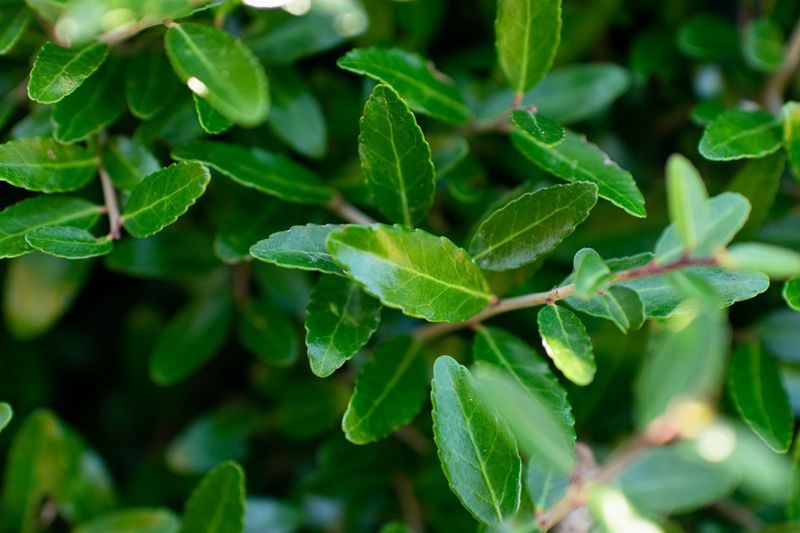
Tough, adaptable, and loaded with personality, Yaupon Holly is one of Florida’s most underrated native trees. Ilex vomitoria might have an unusual scientific name, but its performance in the landscape is anything but off-putting.
It grows naturally across Florida in everything from dry sandy uplands to moist woodland edges, which tells you a lot about its flexibility.
Drought tolerance is one of its strongest traits. Once established, Yaupon Holly can go through extended dry periods without showing much stress.
The small, glossy evergreen leaves stay on the tree year-round, and female plants produce bright red berries that birds absolutely love. If supporting local wildlife matters to you, this tree earns its spot quickly.
Mature size typically ranges from 15 to 25 feet tall, though it can be pruned into a smaller multi-trunk tree or even a large shrub form. It handles poor sandy soils without complaint and does not need fertilizer-rich conditions to look good.
Full sun to partial shade both work well. April planting gives it time to settle before summer dry spells.
Keep it watered during the first season, and after that it largely takes care of itself with minimal maintenance required.
5. Red Cedar Stays Tough In Heat And Drought
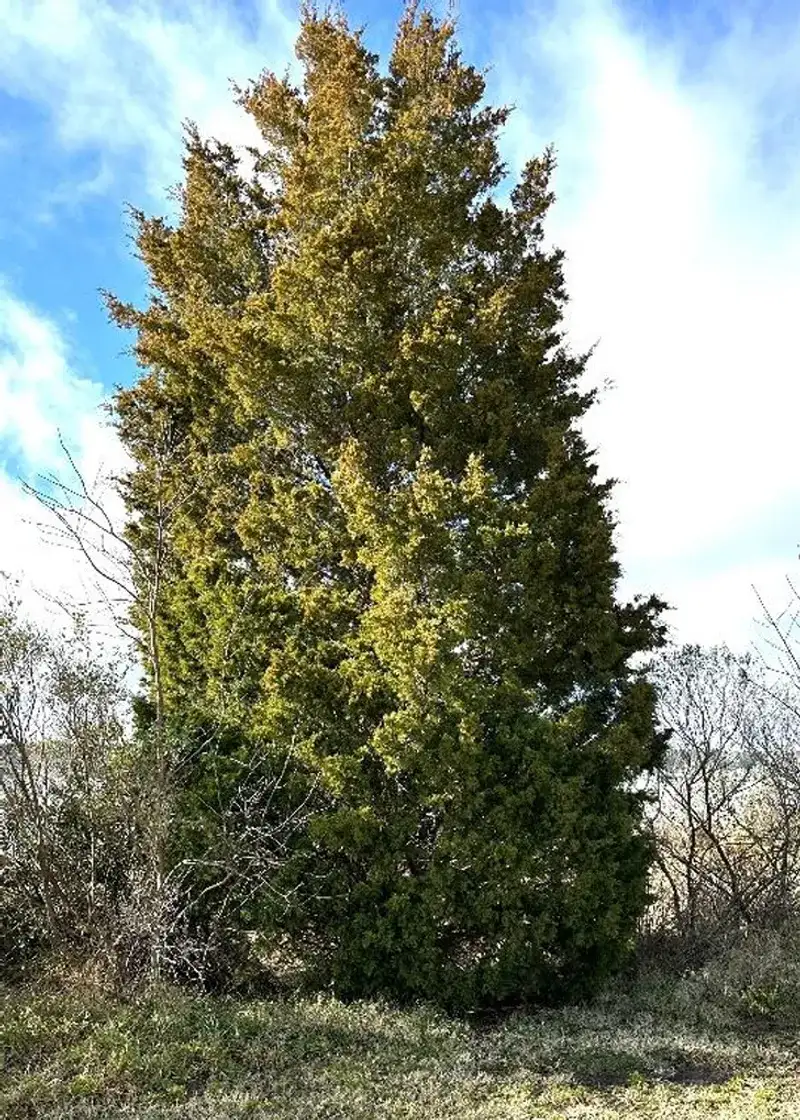
When it comes to surviving tough conditions, the Eastern Red Cedar has been doing it long before anyone was paying attention. Juniperus virginiana is one of the most widely distributed native conifers in eastern North America, and in Florida it grows naturally in dry upland sites, old fields, and sandy scrub habitats where other trees would struggle.
Heat, drought, and wind are no problem for this species. Its fine, scale-like foliage and deep root system allow it to manage dry conditions effectively.
It also produces small blue-gray berries that are a valuable food source for cedar waxwings and other birds during winter months. The aromatic reddish wood is another distinctive quality that makes this tree memorable.
Red Cedar prefers full sun and well-drained soil. It does not perform well in areas with standing water or consistently wet soil, so Florida’s sandy upland sites are genuinely ideal.
Mature trees can reach 40 to 50 feet tall with a spread of 8 to 20 feet depending on the form. Planting in April lets the roots expand through spring before summer heat arrives.
Avoid heavy mulching right against the trunk, as good air circulation around the base keeps the tree healthier long term.
6. Buttonwood Handles Dry Coastal Conditions Well
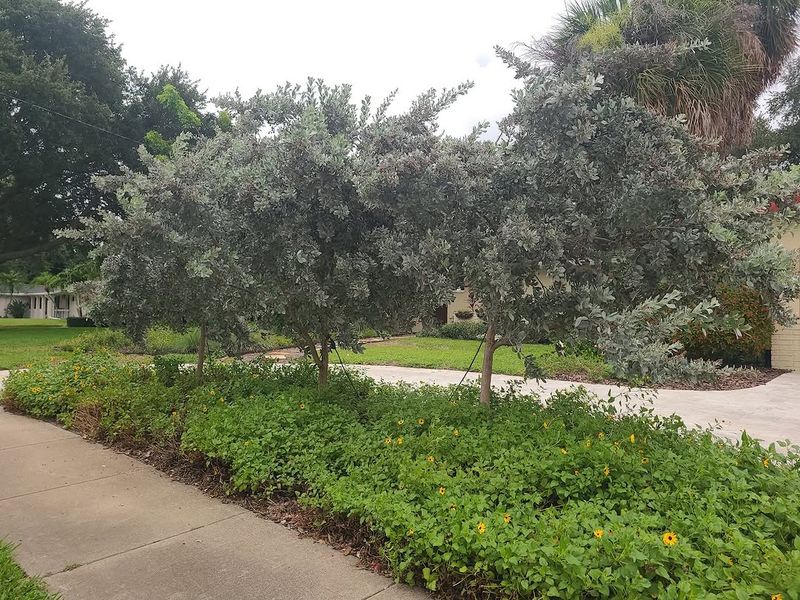
Spend enough time along Florida’s southern coastline and you will start noticing Buttonwood trees holding their ground where other species simply cannot. Conocarpus erectus is a native coastal tree that thrives in the salty, dry, and often harsh conditions found near shorelines and tidal areas throughout South Florida.
It is built for environments that would stress most other trees significantly.
Buttonwood comes in two natural forms: the standard green variety and the silver form, which has leaves coated in fine silvery hairs that reflect sunlight and reduce water loss. Both are excellent for dry coastal landscapes, but the silver form adds a striking visual element that works well in ornamental settings.
Neither form demands much water once established.
Salt tolerance, drought resistance, and wind hardiness all come standard with this species. It typically grows 20 to 35 feet tall and handles poor, sandy, or rocky soils without difficulty.
Full sun is preferred. It is particularly well-suited to South Florida landscapes and can also work as a windbreak or buffer planting near the water.
April planting gives roots time to develop before the intense summer sun. Water regularly during the first season, then reduce frequency as the tree becomes self-sustaining in the landscape.
7. Slash Pine Grows Strong With Minimal Water
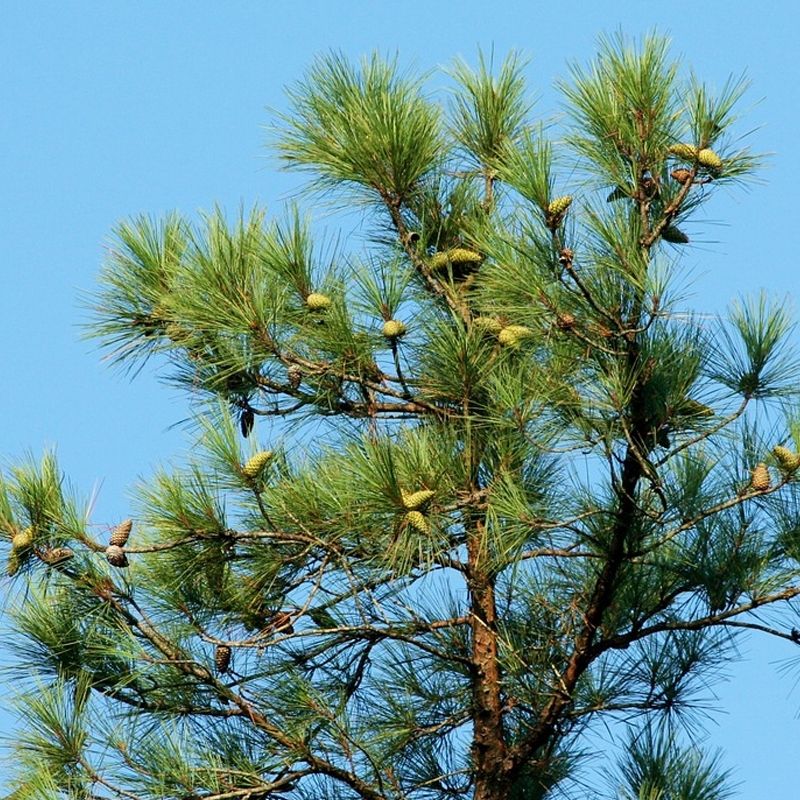
Straight, fast-growing, and deeply rooted in Florida’s natural landscape, Slash Pine is a native species that has shaped the state’s ecosystems for thousands of years. Pinus elliottii is one of the most common pines in Florida, found naturally in flatwoods, dry uplands, and sandy coastal areas from North to South Florida.
Its adaptability to local conditions is hard to match.
Once established, Slash Pine handles drought well because of its deep, wide-spreading root system that can access soil moisture far below the surface. It is also a fast grower compared to many native trees, which makes it appealing for homeowners who want results without waiting decades.
Expect it to reach 75 to 100 feet tall at maturity, so space is a real consideration before planting.
Full sun is absolutely necessary for healthy growth. Slash Pine does not tolerate shade and will decline quickly in crowded or shaded conditions.
Sandy, well-drained soil is ideal, and it actually prefers the kind of nutrient-poor soil that frustrates gardeners trying to grow other species. April is an excellent planting month because warm soil encourages strong early root development.
Water consistently during the first year, then let natural rainfall handle most of the irrigation as the tree matures and strengthens.
8. Chickasaw Plum Handles Dry Florida Conditions Naturally
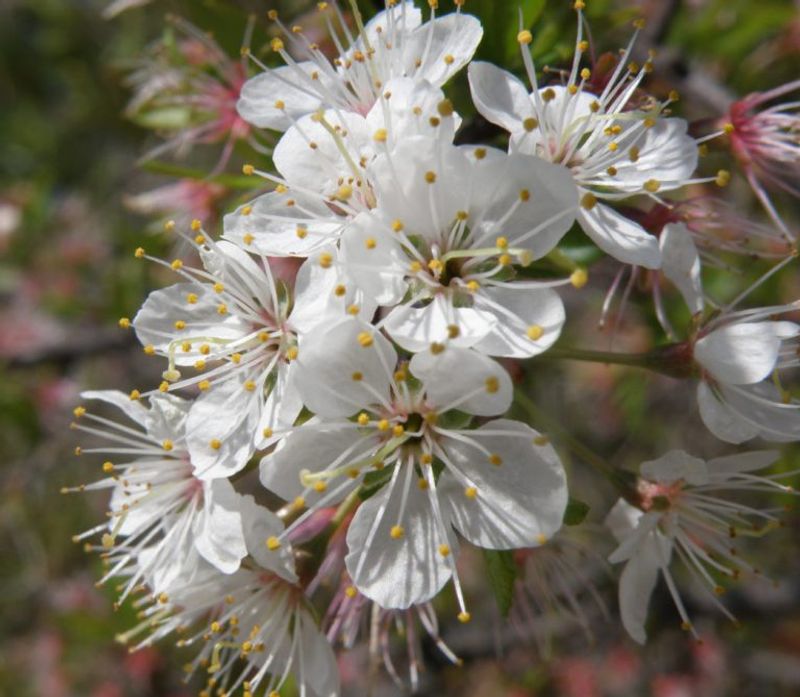
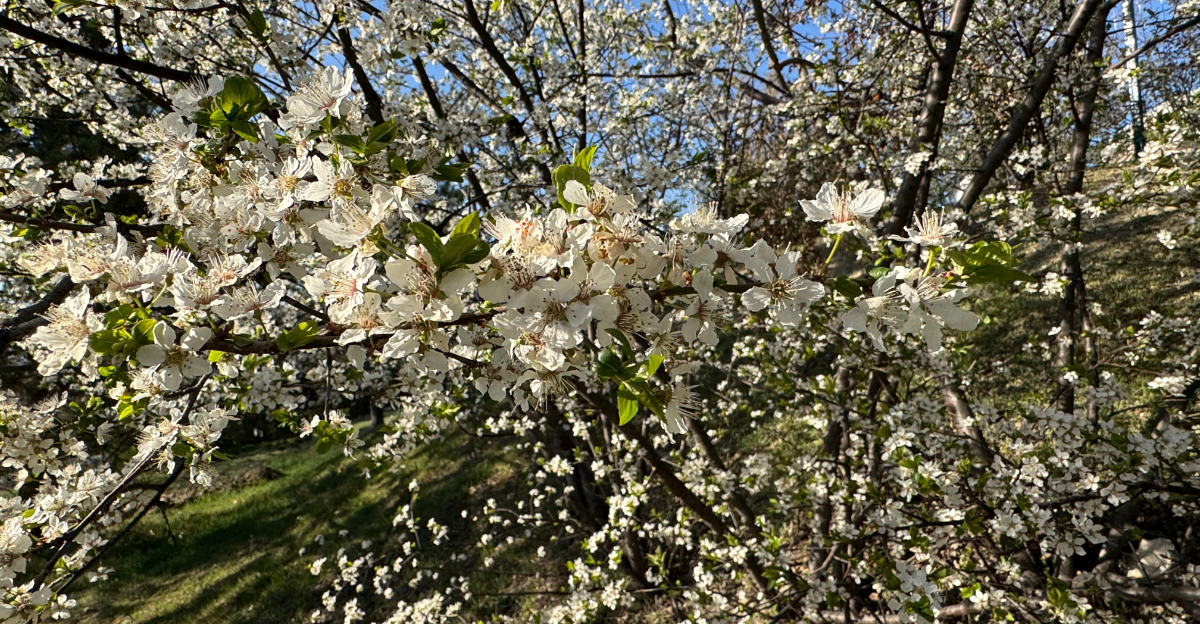
Before the spring rains arrive and summer heat takes over, the Chickasaw Plum puts on one of the most cheerful shows in the Florida landscape. Prunus angustifolia bursts into clusters of small white flowers in late winter to early spring, often before the leaves even appear.
That early bloom is one reason gardeners love it, but the real story is how well this small native tree handles Florida’s dry, sandy conditions.
Chickasaw Plum is naturally found across Florida’s dry uplands and sandy scrub areas, which means it evolved specifically for the soil types that cover much of the state. It does not need rich, amended soil or frequent watering to look good and produce fruit.
Small, tart plums ripen in early summer and attract birds, foxes, and other wildlife throughout the season.
Mature size is typically 12 to 25 feet tall, making it a manageable choice for smaller yards. One thing to keep in mind is that it can spread through root suckers and form thickets if left unpruned.
Regular trimming keeps it tidy and contained. Full sun works best, and well-drained sandy soil suits it perfectly.
Planting in April gives it a strong start before summer arrives and the soil dries out significantly.