These Are The Fastest Growing Fruit Trees You Can Plant In California
Patience is a virtue, but nobody wants to wait a decade for homegrown fruit. The idea of planting a tree and watching it do virtually nothing for years is exactly what puts most people off the whole endeavor, and honestly, that hesitation is understandable.
But here’s the thing: not all fruit trees operate on that sluggish timeline. Some varieties hit the ground running, putting on serious growth in the first season and producing fruit before you’ve even had a chance to forget you planted them.
California’s long growing season and generous sunshine give these fast movers an extra advantage that gardeners in most other states simply don’t get. And the payoff goes beyond just fresh fruit.
A productive tree adds shade, curb appeal, and a surprising amount of wildlife activity to your yard. So if you’ve been putting off planting because the wait seemed too long, the trees on this list might completely change your thinking on that.
1. Fig
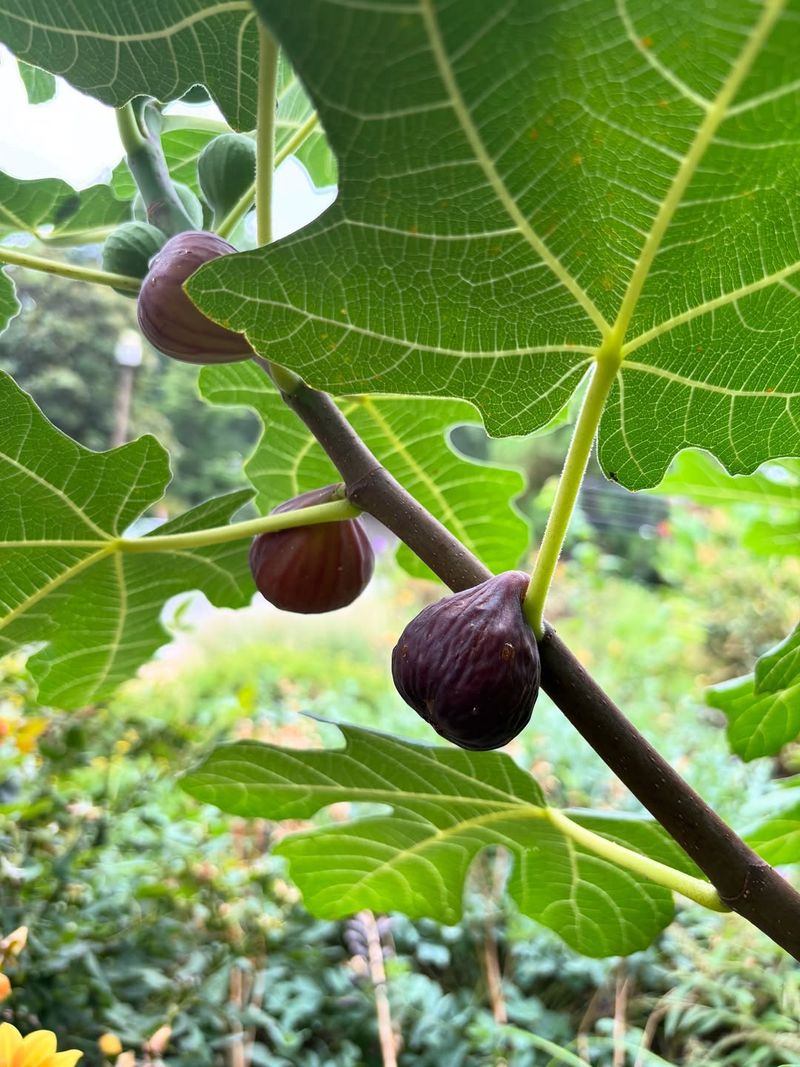
Few fruit trees feel as timeless and rewarding as the fig. In California, figs are practically a backyard tradition, and for good reason. They grow fast, ask for very little, and reward you with loads of sweet, jammy fruit year after year.
A young fig tree can grow anywhere from one to two feet per year under the right conditions. Plant it in a sunny spot with well-drained soil, and it will take off quickly.
California’s warm, dry summers are almost exactly what figs need to thrive.
Figs do not need a lot of water once they are established. They are drought-tolerant, which makes them a smart choice for California gardeners who want to conserve water.
Most fig varieties do not even need another tree nearby to produce fruit.
The Brown Turkey and Black Mission varieties are two of the most popular choices across California. Both grow vigorously and produce generous harvests.
You can eat figs fresh off the tree, dry them, or turn them into preserves. Planting a fig tree is one of the simplest ways to start enjoying homegrown fruit without a long wait.
2. Mulberry
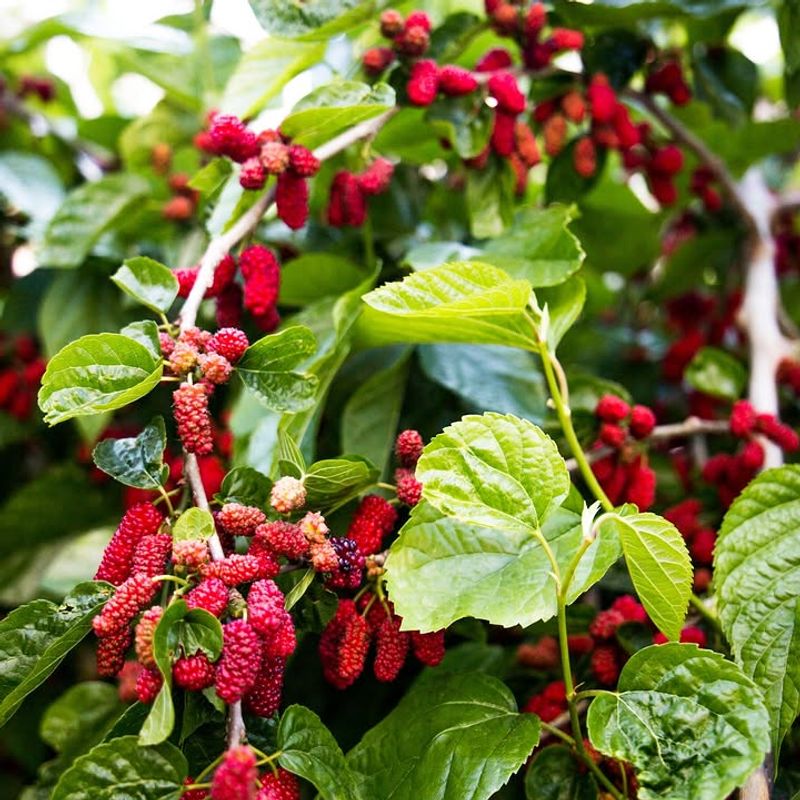
If speed is what you are after, the mulberry tree might just be your best friend. It is one of the fastest-growing fruit trees you can plant anywhere in California, often putting on three to five feet of new growth every single year.
That kind of pace is hard to beat.
Mulberry trees are incredibly tough. They handle heat well, tolerate a range of soil types, and once established, they need very little extra care.
For busy California homeowners, that combination is a real bonus.
The fruit itself is delicious. Mulberries taste like a mix between blackberries and raspberries, sweet with a slight tang.
They ripen in late spring and early summer, giving you an early-season harvest to look forward to.
One thing to keep in mind is that mulberries can stain. The berries are deeply pigmented, so planting the tree away from patios or driveways is a smart move.
Your California Garden Changes Every Week. Your Plan Should Too.
Gardening in California changes quickly throughout the season. Every Friday you’ll receive a simple weekly plan showing exactly what to plant, prune, fertilize, harvest, and protect so you never miss the right timing.
The White Mulberry and Red Mulberry varieties are both well-suited for California’s climate. If you want a tree that grows fast, feeds you well, and does not demand constant attention, mulberry is a top pick.
3. Meyer Lemon
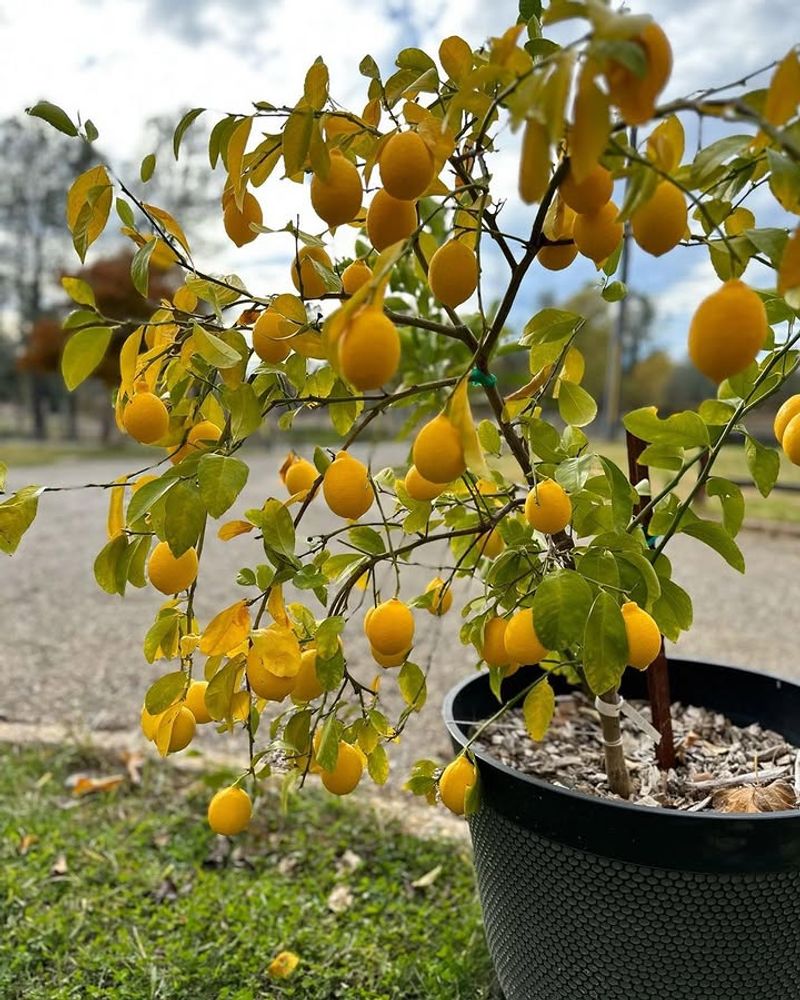
There is something almost cheerful about a Meyer lemon tree. The bright yellow fruit, the glossy green leaves, and that sweet citrus smell make it one of the most beloved trees in California gardens.
It is also one of the fastest-growing citrus trees you can plant.
Meyer lemons are a cross between a regular lemon and a mandarin orange. The result is a fruit that is sweeter and less acidic than a standard lemon.
Californians love them for cooking, baking, and making fresh lemonade.
These trees grow quickly in California’s warm climate. They can reach full size within three to five years and often start producing fruit even sooner.
They do well in the ground or in large containers, which makes them flexible for different yard sizes.
Meyer lemon trees love full sun and regular watering. They do well across most of California, from Southern California’s warm valleys to the milder coastal areas of Northern California.
Fertilize them a few times a year, watch for common pests like aphids, and you will have a thriving tree that produces fruit almost year-round. Few trees deliver as much joy with as little fuss.
4. Loquat
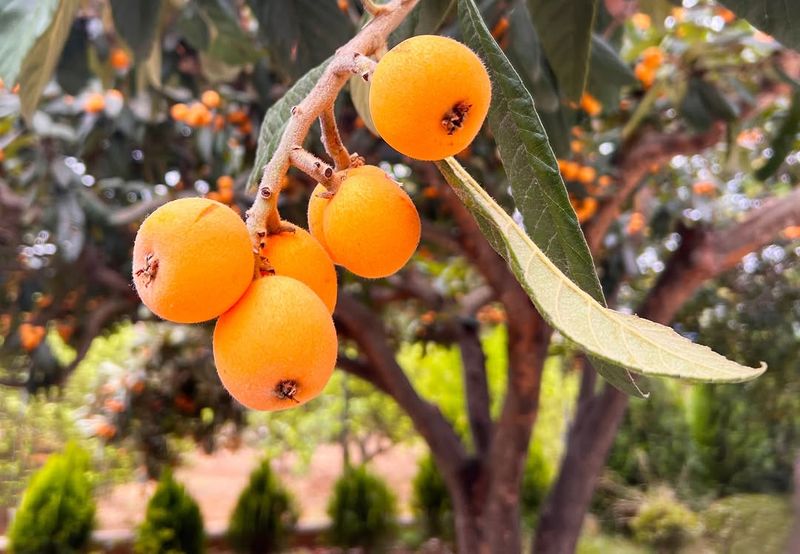
Not everyone knows about the loquat, but once you taste one fresh off the tree, you will never forget it. Loquats are small, golden-orange fruits with a flavor somewhere between a peach, an apricot, and a mango.
They are sweet, juicy, and absolutely worth growing.
In California, loquat trees grow at a solid pace and can reach heights of fifteen to thirty feet. They are evergreen, so they keep their leaves all year and provide shade even in winter.
That alone makes them a fantastic addition to any yard.
One of the most unique things about loquats is their timing. They flower in fall and winter, then ripen in late winter to early spring.
That means you get fresh fruit when most other trees are still dormant. It is a great way to extend your homegrown harvest season.
Loquats thrive across much of California, especially in Southern California and the Central Valley. They are low-maintenance, drought-tolerant once established, and rarely troubled by pests.
Plant one in a sunny or partially shaded spot, give it decent soil, and stand back. Within a few years, you will have a beautiful, productive tree that practically takes care of itself.
5. Peach
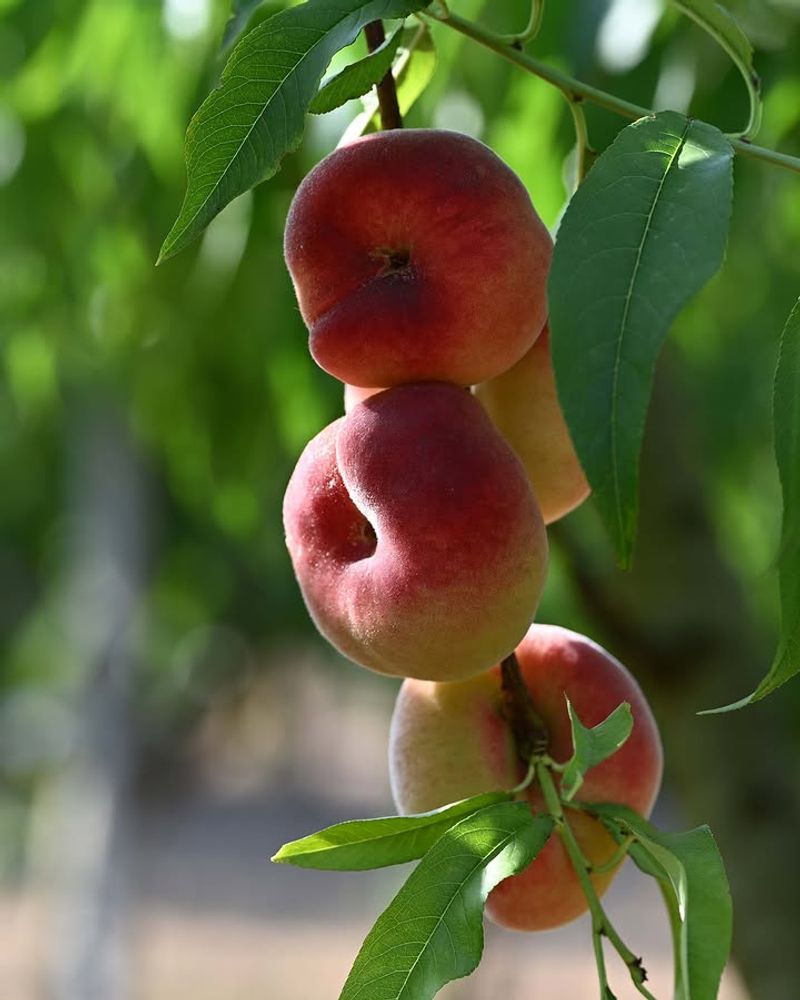
Biting into a sun-warmed peach you grew yourself is one of summer’s great pleasures. Peach trees are among the most popular fruit trees in California, and they earn that reputation by growing quickly and producing abundantly.
In the right conditions, a young peach tree can start bearing fruit in just two to three years.
California’s warm inland valleys are especially ideal for peaches. The hot summers and mild winters give these trees exactly the chill hours they need to produce well.
Varieties like Elberta, Reliance, and Babcock are all well-adapted to different parts of the state.
Peach trees grow at a moderate-to-fast pace, typically gaining one to two feet per year. They prefer full sun and well-drained soil.
Regular pruning helps keep them healthy and encourages better fruit production each season.
One practical tip for California growers is to choose a low-chill variety if you live in a warmer area like Southern California or the Central Valley. These varieties need fewer cold winter hours to produce fruit properly.
With the right variety and a little seasonal care, a peach tree will reward you with baskets of sweet, fragrant fruit that store-bought peaches simply cannot match.
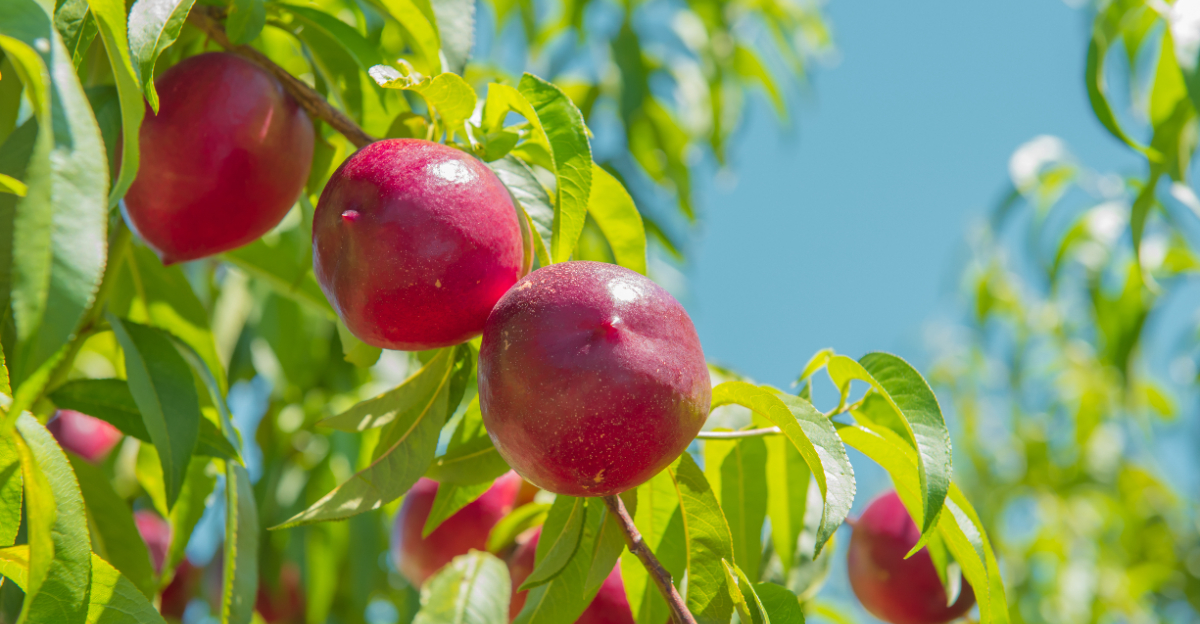
6. Nectarine
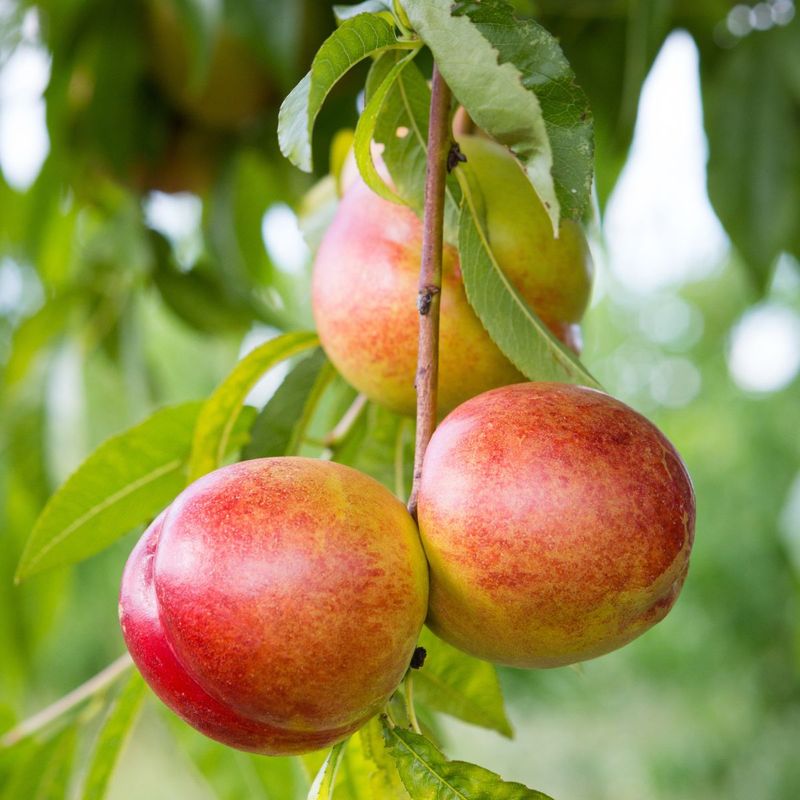
Think of a nectarine as a peach’s smooth-skinned cousin. The two fruits are closely related, but nectarines have a slightly firmer texture and a more intense, almost honey-like sweetness.
In California, nectarine trees grow fast and produce generously, making them a fantastic choice for home gardeners.
Nectarine trees typically reach eight to fifteen feet tall and start producing fruit within two to four years of planting. They love heat, which means California’s long, sunny summers are perfect for them.
The Central Valley and inland Southern California are especially well-suited for growing nectarines.
One of the best things about nectarines is that they are self-fertile. You only need one tree to get fruit, which is great if space is limited.
Varieties like Fantasia, Flavortop, and Arctic Star are all popular and well-performing options for California growers.
Proper care makes a big difference with nectarines. They need regular watering during the growing season, annual pruning to shape the tree and remove old wood, and fertilizer in early spring.
Watch for peach leaf curl, a common fungal issue in California. A simple dormant spray in late winter can prevent most problems and keep your tree producing beautiful fruit for many years.
7. Apricot
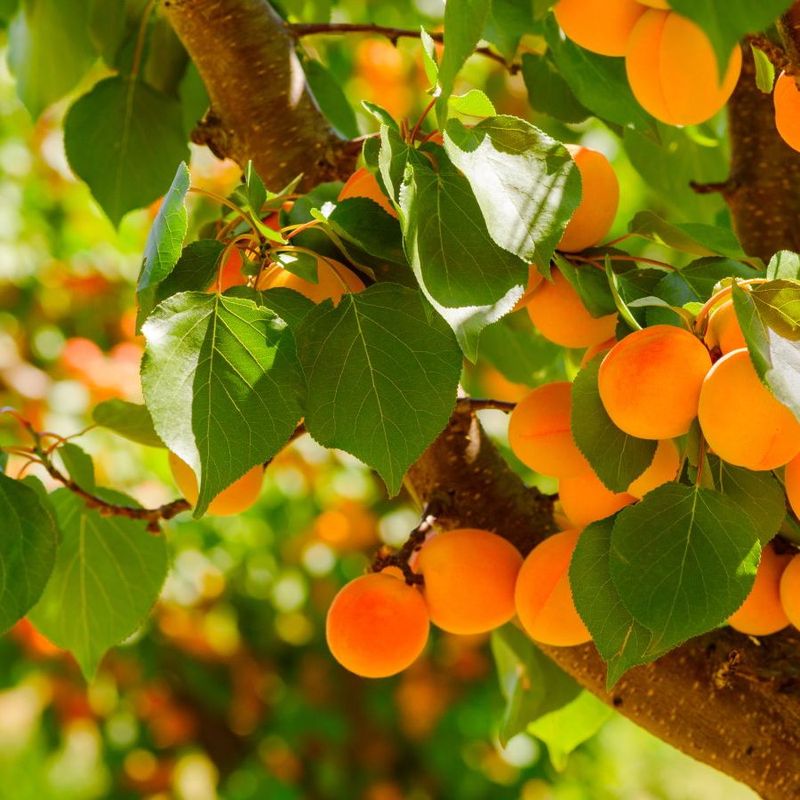
California has a long and proud history with apricots. The Santa Clara Valley was once famous for its endless apricot orchards, and for good reason.
Apricot trees grow quickly, adapt well to California’s climate, and produce fruit that is absolutely incredible when eaten fresh and still warm from the sun.
A young apricot tree can grow one to two feet per year and often begins fruiting within three to four years of planting. They prefer full sun and well-drained soil.
Unlike some other fruit trees, apricots are fairly low-maintenance once they get established.
One thing to know about apricots is that they bloom early in spring. In areas with late frosts, this can sometimes be a problem.
However, in most of California, especially in the Central Valley and Southern California, the climate is warm enough that this is rarely an issue.
Popular varieties for California include Blenheim, also known as Royal, which has been grown in the state for over a century, and Katy, which does well in warmer, low-chill areas. Apricots are wonderful for fresh eating, drying, and making preserves.
Planting one is a nod to California’s agricultural roots and a gift that keeps giving every summer.
8. Pomegranate
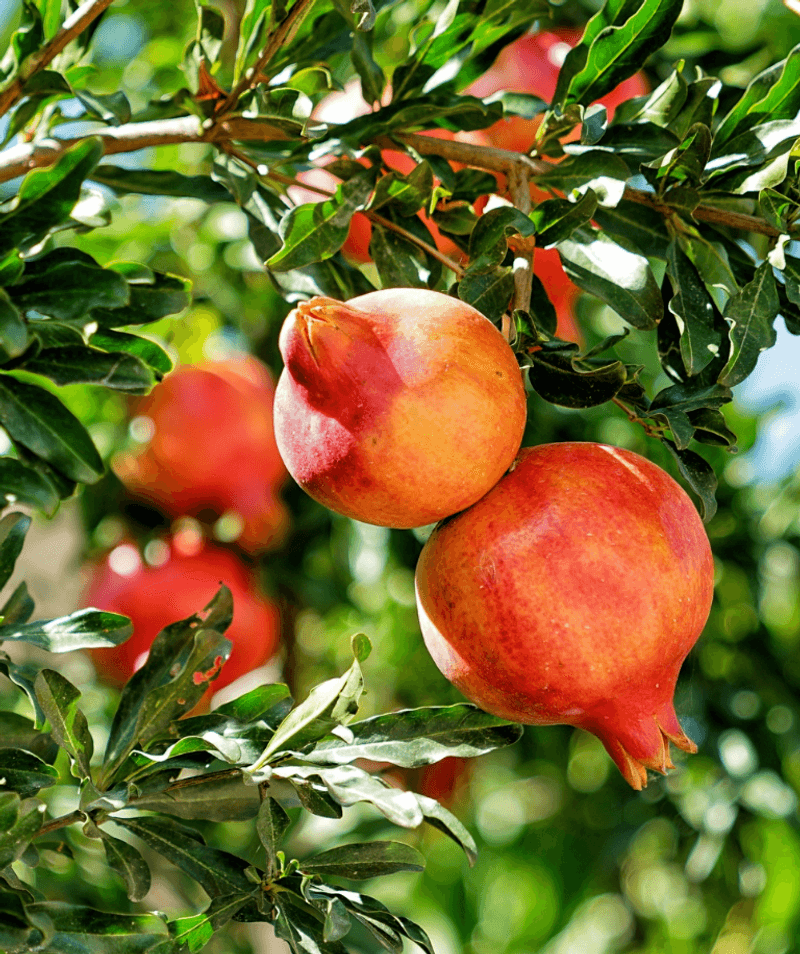
Pomegranate trees have been grown in California for hundreds of years, and they remain one of the most reliable and beautiful fruit trees you can plant. With their bright red-orange flowers in spring and stunning jewel-toned fruit in fall, they are as ornamental as they are productive.
These trees are tough. Pomegranates love heat, tolerate drought, and can handle poor soil far better than most fruit trees.
In California’s hot inland valleys and desert regions, they absolutely thrive. They grow at a moderate pace, typically one to three feet per year, and can begin producing fruit within two to three years.
The fruit is packed with antioxidants and has a uniquely sweet-tart flavor. Fresh pomegranate seeds, called arils, are delicious on their own or added to salads, yogurt, and desserts.
The juice is equally popular and widely used in California cuisine.
Wonderful is the most widely grown variety in California and for good reason. It produces large, deeply colored fruit with rich flavor and stores well after harvest.
Pomegranate trees need very little pruning and are rarely bothered by serious pests. If you want a low-effort, high-reward tree that loves California’s heat, this one belongs in your yard.
9. Guava
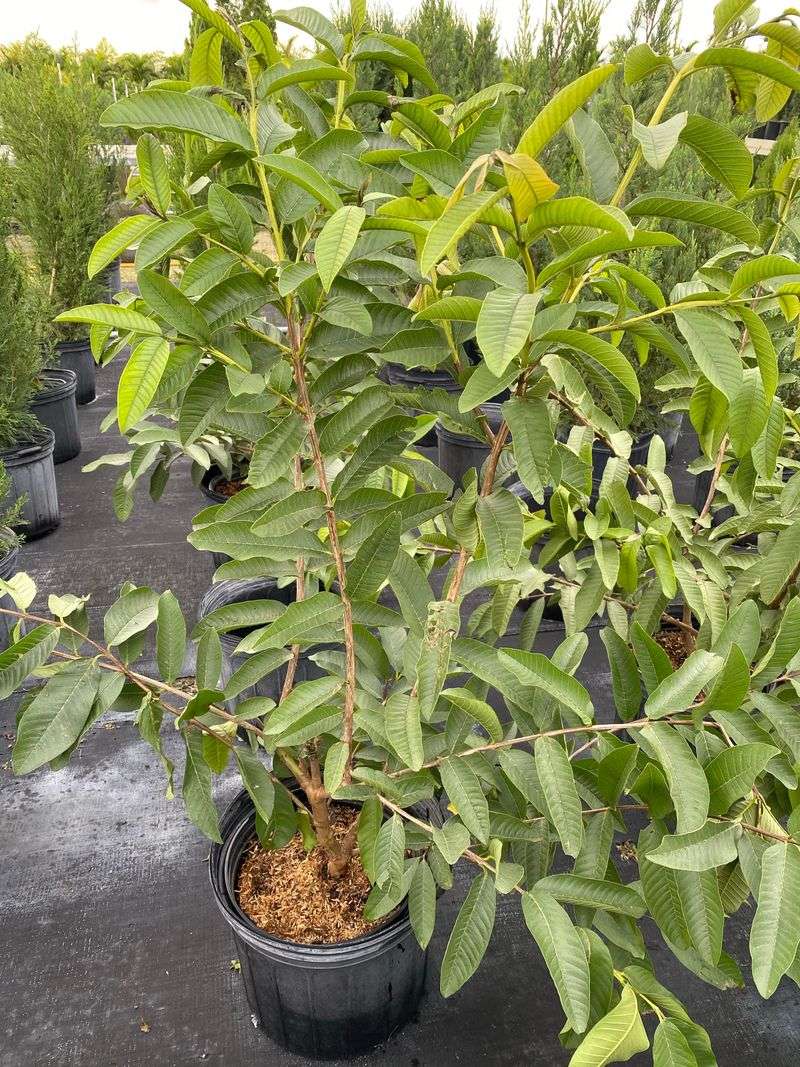
Guava might not be the first tree that comes to mind for a California garden, but it absolutely should be. In the warmer parts of the state, especially Southern California and the Bay Area, guava trees grow fast, fruit heavily, and bring a tropical flair that is hard to match.
Tropical guava trees can grow two to four feet per year in warm conditions. They start producing fruit within two to four years and often bear multiple crops annually.
The fruit is sweet, fragrant, and packed with vitamin C. It can be eaten fresh, blended into smoothies, or made into jelly and jam.
Guava trees are surprisingly adaptable. They handle a range of soil types and do not need much fertilizer to produce well.
They do best in full sun with regular watering during the growing season. In cooler coastal areas of California, a sheltered, south-facing spot will help the tree stay warm and productive.
The Strawberry Guava and Tropical White varieties are both popular choices for California home gardens. Strawberry Guava is especially cold-tolerant, making it a solid option for gardeners in slightly cooler climates.
If you want something a little unexpected but incredibly rewarding, guava is a wonderful choice for California yards.
10. Plum
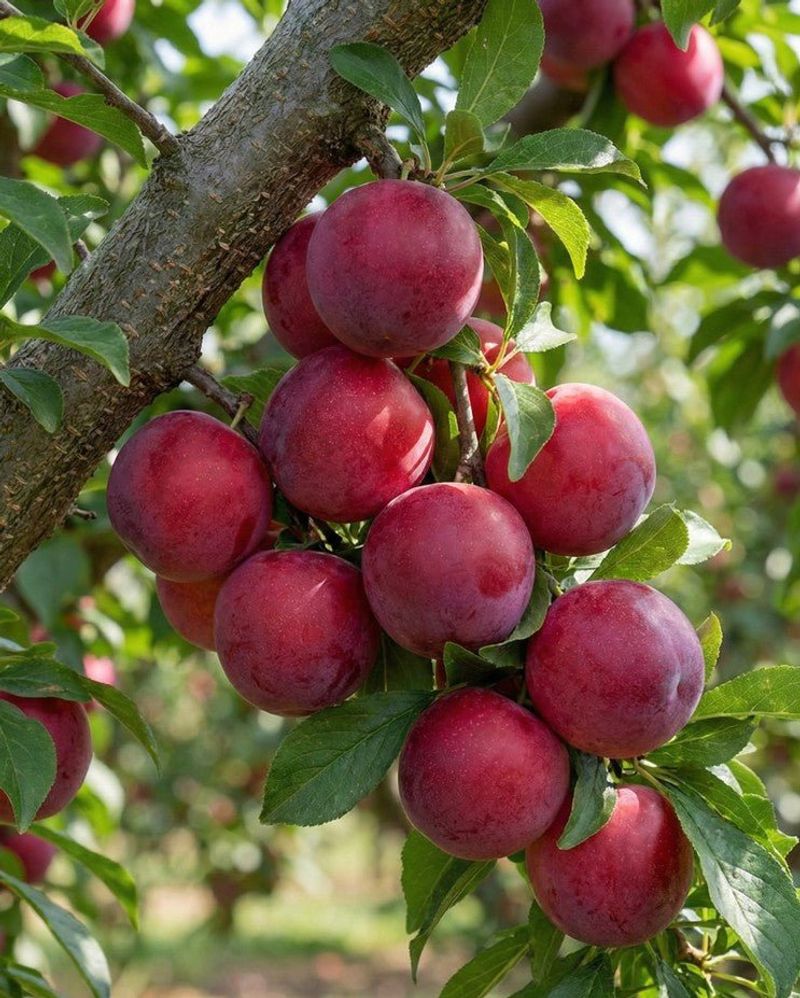
Plum trees bring a burst of color and flavor to California gardens every summer. The deep purple, red, or yellow fruit is sweet and juicy, and the trees themselves are surprisingly fast growers.
Under good conditions, a young plum tree can put on one to two feet of growth per year and begin bearing fruit within three to five years.
California is actually one of the top plum-producing states in the country. The climate suits them well, particularly in the Central Valley and inland areas of Southern California.
Plums need a certain number of cold hours in winter to produce fruit, but many low-chill varieties have been developed specifically for California’s milder winters.
Santa Rosa is probably the most famous plum variety in California. Developed by legendary horticulturist Luther Burbank right here in the state, it produces large, flavorful fruit and grows vigorously.
Other popular varieties include Burgundy, which is low-chill and ideal for warmer areas, and Beauty, which ripens early in the season.
Plum trees do best in full sun with well-drained soil. They benefit from annual pruning and regular watering during the growing season.
With proper care, a plum tree will reward you with heavy crops of delicious fruit that are perfect for fresh eating, baking, and making homemade jam.