These Are The 8 Fruit Trees That Hate Florida’s Humidity
Florida’s warmth might seem perfect for fruit trees, but humidity tells a different story. Thick, sticky air creates the ideal conditions for fungal diseases, leaf spots, and fruit rot that can quickly take down the wrong tree.
Many popular fruit trees that thrive in drier climates struggle here, even with good care. They may grow at first, then stall, drop fruit, or develop constant disease issues that become frustrating to manage.
That is why choosing the right tree matters just as much as how you care for it. Some fruit trees simply do not handle Florida’s humidity well, no matter how much attention they get.
Knowing which ones tend to struggle can save time, effort, and disappointment before you ever put them in the ground.
1. Sweet Cherry Struggles With Heat And Humidity Stress
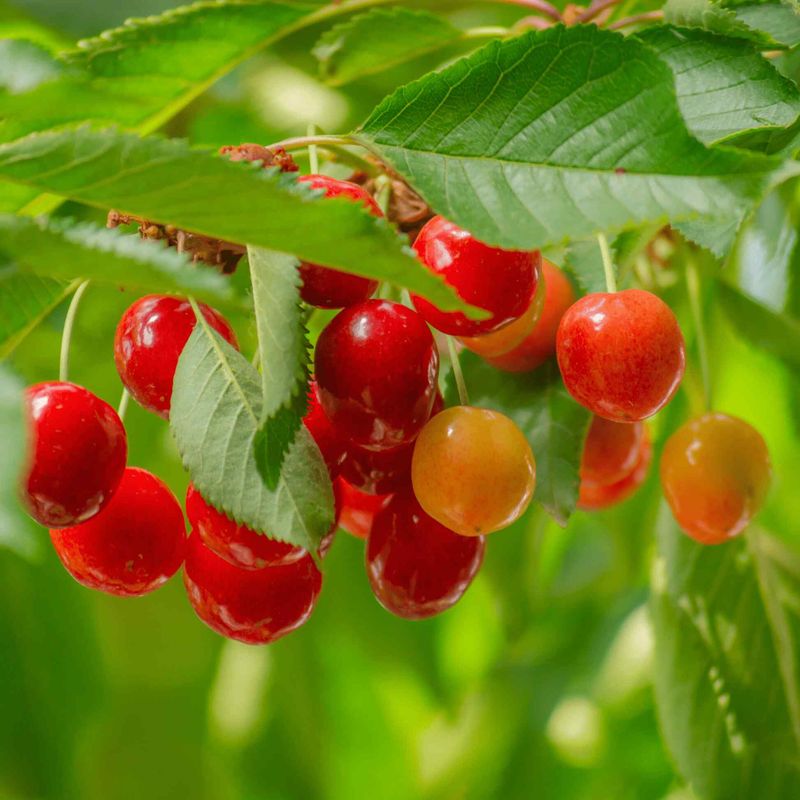
Imagine planting a beautiful cherry tree, dreaming of fresh fruit by summer, only to watch it sit there year after year without producing much of anything. That frustrating experience is all too common for Florida gardeners who try growing sweet cherries, known botanically as Prunus avium.
This tree evolved in the cooler regions of Europe and Western Asia, where cold winters give it the dormancy it needs to bloom and fruit reliably.
Sweet cherries typically require between 700 and 1,000 chill hours, meaning temperatures at or below 45 degrees Fahrenheit for extended periods during winter. Even North Florida rarely meets that threshold consistently.
In Central and South Florida, the numbers fall so short that fruiting becomes nearly impossible most years.
Beyond chill hours, Florida’s humidity creates serious problems. Fungal diseases like brown rot and bacterial canker spread quickly in warm, moist air, attacking blossoms and young fruit before they can develop.
Wet summers make the situation worse, and most sweet cherry trees weaken considerably within a few seasons in these conditions.
A much better fit for Florida gardeners craving something similar is the Barbados cherry, Malpighia emarginata. It thrives in heat and humidity, produces fruit generously, and handles South and Central Florida conditions with ease.
2. Apple Trees Face Disease Pressure In Humid Conditions
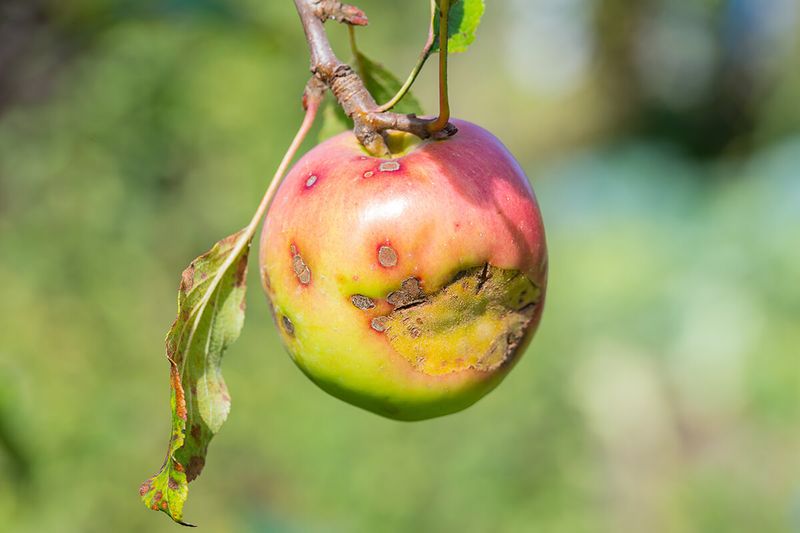
Few fruit trees carry as much nostalgia as the apple, and plenty of Florida gardeners have tried planting one hoping to recreate that classic orchard feeling. The reality, though, is that standard apple varieties, classified under Malus domestica, are a tough sell in Florida’s climate.
Most traditional apple cultivars need anywhere from 900 to 1,200 chill hours, a requirement that Florida winters almost never satisfy.
When chill hours fall short, apple trees often leaf out unevenly, bloom at the wrong times, and set very little fruit. Even in the cooler parts of North Florida, getting consistent apple production from standard varieties is a real challenge.
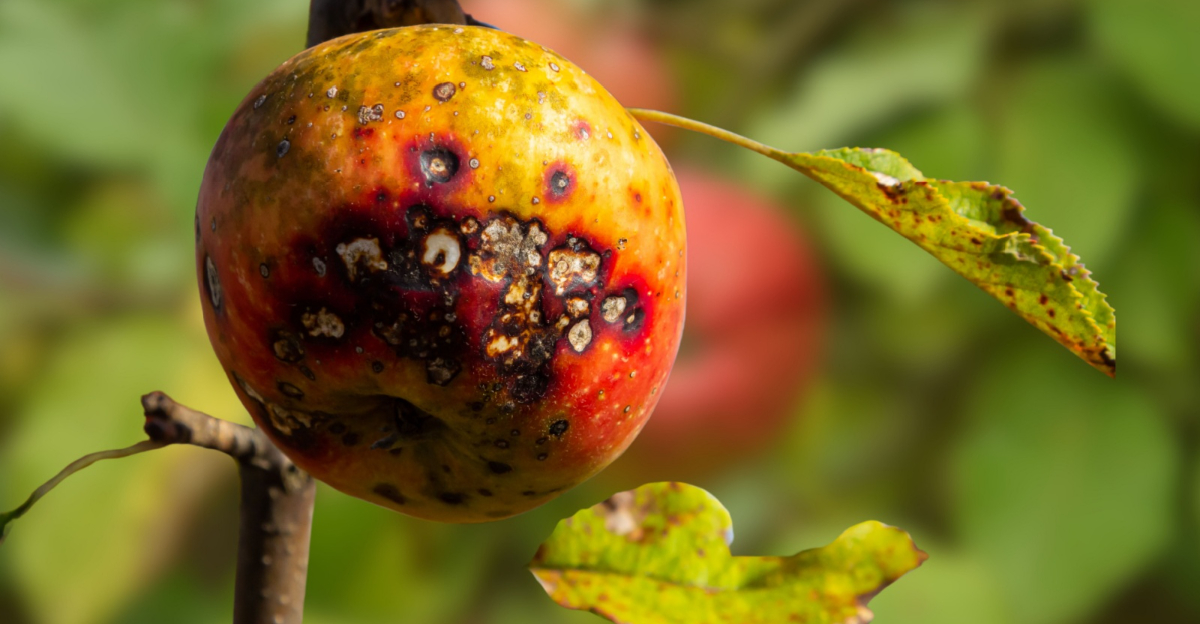
Add in the state’s relentless summer humidity, and fungal diseases like apple scab and powdery mildew become constant problems that wear the tree down over time.
Fire blight, a bacterial disease that spreads fast in warm, wet weather, is another serious threat. It can move through an apple tree quickly, turning branches brown and causing significant damage before gardeners can respond.
Low-chill apple varieties do exist and may produce modest results in North Florida, but they still require careful management. For a more reliable alternative, loquat, Eriobotrya japonica, is an excellent choice that handles Florida’s humidity gracefully and rewards gardeners with fruit most years.
3. Peach Varieties Often Battle Fungal Issues In Florida Air
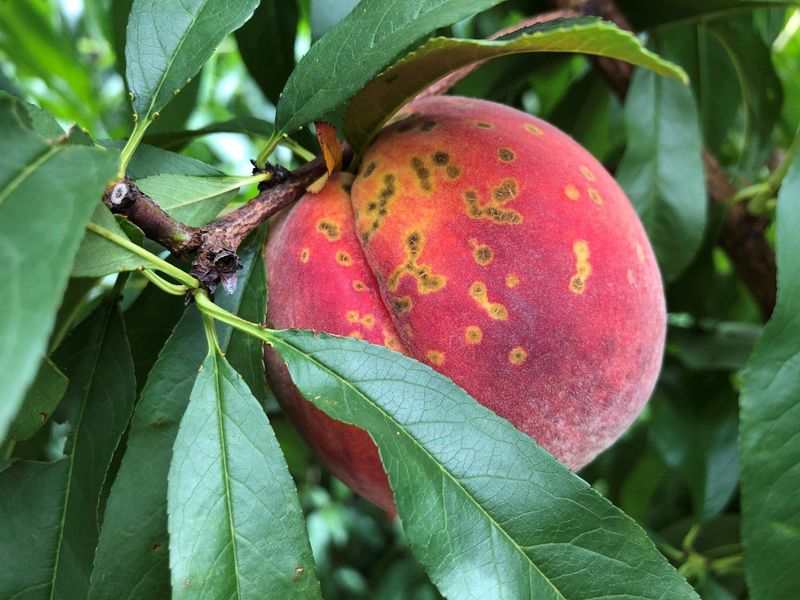
Peaches have a complicated relationship with Florida. On the surface, the state seems warm enough to grow them, and technically some peaches can survive here.
But standard high-chill Prunus persica varieties are a different story entirely, often spending years in Florida soil without ever producing a decent harvest.
High-chill peach cultivars require 800 or more chill hours, a threshold that most of Florida never reaches. Even in North Florida where winters are coolest, chill hours vary wildly from year to year, making reliable fruiting unpredictable at best.
Trees that do not get enough cold often break dormancy unevenly, producing weak growth and poor fruit set.
Humidity brings its own set of problems. Brown rot, caused by the fungus Monilinia fructicola, spreads aggressively in Florida’s moist air and can destroy developing fruit quickly.
Peach leaf curl and bacterial spot are also common, reducing the tree’s health and productivity over multiple seasons.
The University of Florida IFAS Extension has developed low-chill peach cultivars specifically bred for Florida’s conditions, such as TropicBeauty and UFBest. These varieties perform considerably better in North and Central Florida and are worth exploring.
For gardeners wanting a lower-maintenance option, figs, Ficus carica, are a wonderfully reliable alternative that handles Florida humidity with far less drama.
4. Apricot Trees Decline Quickly In Warm, Humid Climates
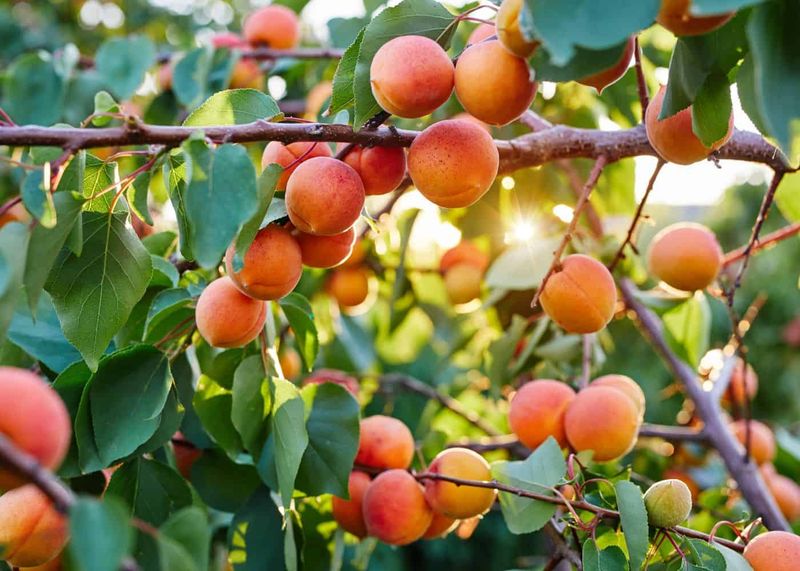
Apricots look like they belong in a sun-drenched orchard, so it seems reasonable to think Florida would suit them well. Unfortunately, Prunus armeniaca is one of the least Florida-friendly stone fruits available, and gardeners who try growing it often find themselves disappointed within just a few seasons.
Apricot trees typically need between 700 and 1,000 chill hours to break dormancy properly and flower at the right time. Florida’s winters, even in the northern part of the state, rarely provide that consistently.
When chill requirements go unmet, trees bloom erratically or fail to produce fruit altogether.
The humidity problem runs just as deep. Apricots are native to dry continental climates in Central Asia, where low rainfall and low humidity are the norm during the growing season.
Florida’s wet, muggy summers create ideal conditions for fungal diseases like brown rot and shot hole fungus, both of which attack apricot blossoms and developing fruit aggressively.
Warm nights also prevent the tree from getting the rest it needs, gradually weakening it over time. The combination of insufficient chill, high humidity, and fungal pressure makes long-term apricot success in Florida very difficult for most gardeners.
Mango, Mangifera indica, is a far more rewarding choice. It loves Florida’s heat and humidity, thrives across South and Central Florida, and produces generous harvests with far less struggle.
5. European Pears Struggle With Humidity And Disease
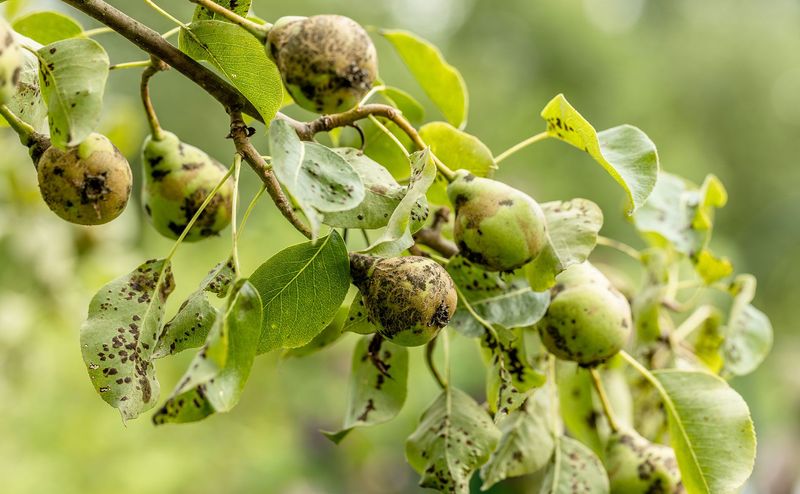
There is something undeniably appealing about a pear tree heavy with ripe fruit, but European pears and Florida’s climate are a genuinely poor match. Pyrus communis, the classic European pear, was developed in cool, temperate regions where cold winters and dry summers are the norm.
Florida offers the opposite on both counts.
Most European pear varieties need 600 to 900 chill hours to flower and fruit reliably. North Florida can occasionally approach the lower end of that range in a cold year, but Central and South Florida fall far short.
Without adequate chill, trees often produce minimal blooms and very little fruit.
Fire blight is the most damaging threat in Florida’s climate. This bacterial disease, caused by Erwinia amylovora, spreads rapidly during warm, wet spring weather, exactly the conditions Florida delivers every year.
Infected branches turn brown and appear scorched, and the disease can spread through an entire tree quickly if not managed aggressively.
Humid summers also encourage other fungal issues that further weaken the tree. The ongoing cycle of disease pressure and poor fruit set makes European pears a frustrating long-term investment for most Florida gardeners.
Asian pear, Pyrus pyrifolia, performs noticeably better in parts of North Florida and has lower chill requirements. It also shows somewhat better tolerance to fire blight, making it a smarter starting point for pear enthusiasts in the region.
6. Plum Trees Often Develop Issues In Wet, Humid Conditions
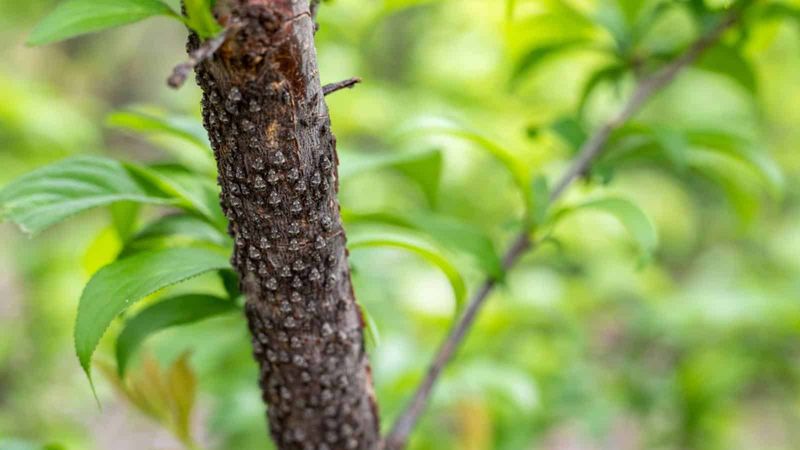
Plums seem like a reasonable fruit tree choice for Florida at first glance, and the truth is that not all plums are equally unsuited to the state. However, European plum varieties, Prunus domestica, face serious challenges here that make them a risky pick for most Florida gardeners.
European plums typically require 700 to 1,000 chill hours, a range that most of Florida cannot reliably provide. Even in North Florida, winters are inconsistent enough that fruiting becomes unpredictable from year to year.
Trees that bloom without meeting their chill requirements often produce poorly or set fruit that drops prematurely.
Wet, humid conditions accelerate disease problems significantly. Brown rot, caused by Monilinia species, is one of the most destructive fungal diseases for plums in Florida.
It can spread through developing fruit rapidly during the warm, moist summer months. Bacterial spot and plum curculio, an insect pest that thrives in humid environments, add to the list of challenges.
The good news is that Florida does have better-suited plum options. The Chickasaw plum, Prunus angustifolia, is a native Florida species that handles the state’s climate with much greater ease.
It requires far fewer chill hours, tolerates humidity well, and supports local wildlife as a bonus. For gardeners set on plums, starting with native or low-chill adapted varieties is a much more practical approach than fighting the climate with European types.
7. Nectarines Face Heavy Disease Pressure In Florida Weather
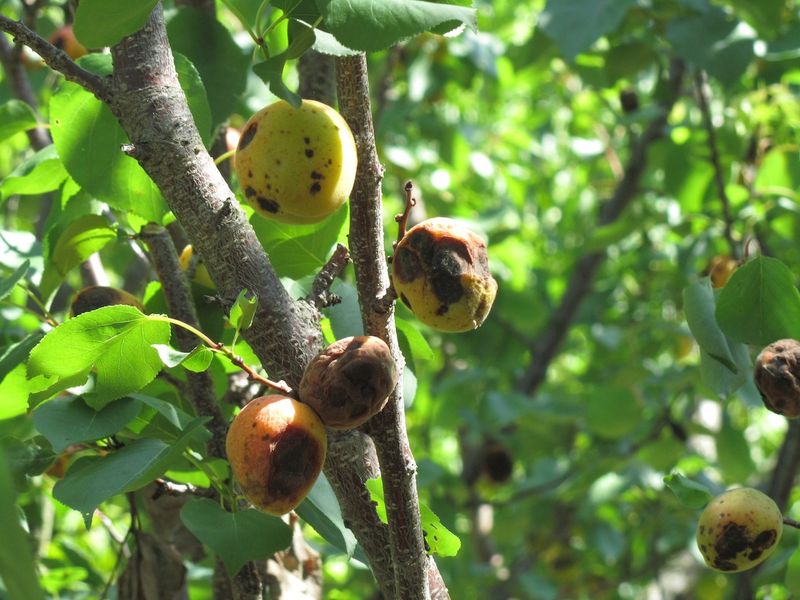
Nectarines look like the sleek, smooth cousin of the peach, and in many ways that comparison holds up botanically too. Prunus persica var. nucipersica is essentially a fuzz-free peach, which means it shares nearly all of the same climate needs and vulnerabilities.
For Florida gardeners, that connection is not encouraging.
Like standard peaches, most commercial nectarine varieties require substantial chill hours, often in the range of 600 to 900 hours, to produce well. Florida’s winters fall short of that in most regions, leading to uneven leafing out, poor bloom timing, and limited fruit development.
North Florida growers have the best shot, but even there the results can be inconsistent depending on winter temperatures.
The humidity issue hits nectarines especially hard because their smooth skin, while appealing to eat, offers less natural protection against fungal spores than the fuzzy skin of a peach. Brown rot spreads quickly on nectarine fruit in Florida’s warm, moist air, and bacterial spot can disfigure both the leaves and developing fruit throughout the growing season.
Managing these diseases requires consistent fungicide applications and careful pruning to improve airflow, which adds time and cost for home gardeners. Low-chill peach cultivars developed by the University of Florida, such as TropicSweet, may offer a more manageable alternative.
Figs and loquats remain strong, lower-maintenance options for gardeners who want reliable fruit without the constant disease battles.
8. Almond Trees Struggle Outside Dry, Mediterranean Climates
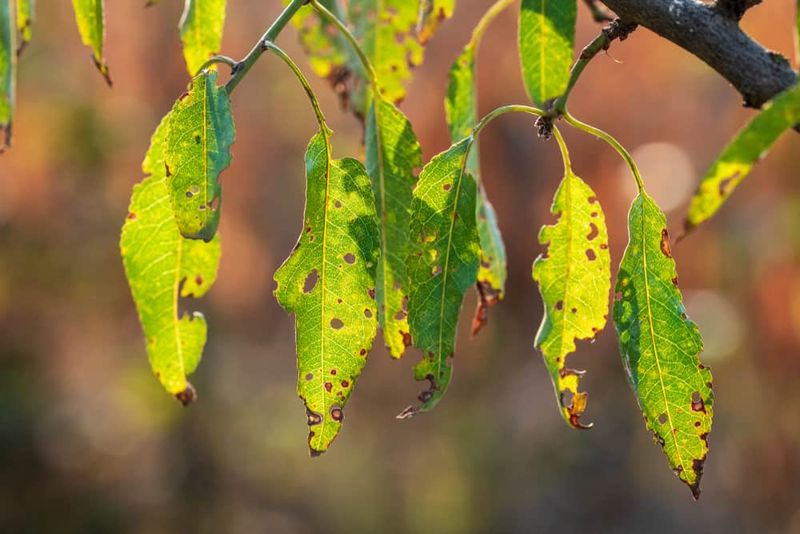
Almonds feel almost exotic in a Florida garden, and the idea of harvesting your own nuts from a backyard tree is genuinely appealing. But Prunus dulcis evolved in the dry, sunny Mediterranean region and the Middle East, where low humidity and long dry summers are standard.
Florida’s climate is practically the opposite of those conditions.
Almond trees need between 200 and 400 chill hours depending on the variety, which is actually lower than many other stone fruits. That part of the equation is not the biggest obstacle.
The real problem is Florida’s relentless humidity during spring and summer, exactly when almond trees are blooming and developing nuts.
Fungal diseases like brown rot and hull rot thrive in moist conditions and attack almond blossoms and developing nuts aggressively. In a typical Florida spring, warm temperatures combined with frequent rain create near-perfect conditions for these pathogens to spread.
The blossoms often drop or fail to develop into usable nuts before the season even gets going.
Wet winters can also cause root rot issues, especially in Florida’s sandy soils that can shift between dry and waterlogged quickly. Long-term almond production in Florida is genuinely difficult for most home gardeners.
Pecan, Carya illinoinensis, is a much better-suited nut tree for Florida. It handles the state’s humidity reasonably well, and several varieties have been recommended by University of Florida IFAS for North and Central Florida growing conditions.