These Are The Georgia Bush Squash Varieties You Should Be Planting Right Now
do everything as usual, but change the subheads to 8 squash varieties by name
Your garden bed looks full. Peppers on one end, beans coming up the middle, herbs along the edge.
No room left for squash, which is the crop you actually wanted most.
Then somebody mentions bush varieties and the math changes completely.
Here’s the difference. Traditional squash runs. Vines cross paths, climb over neighbors, and claim a section of bed you had other plans for.
Bush types stay put. Compact plants, roughly the same production, a fraction of the footprint.
That habit matters even more in Georgia, since better airflow around leaves helps against the humidity that makes squash leaves look rough by September.
Fall planting works well here too, provided you match the variety to the time remaining.
Curious which ones actually fit a tight Georgia bed?
1. Black Beauty Zucchini
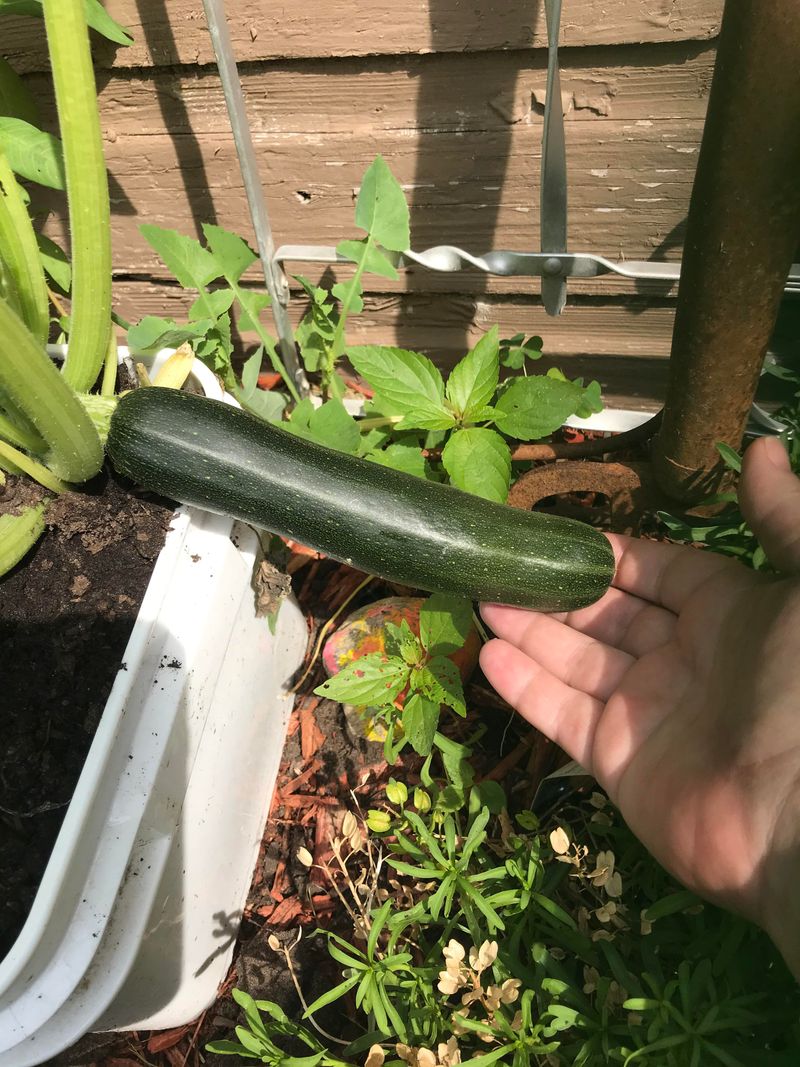
Black Beauty is the zucchini most Georgia gardeners have grown without necessarily knowing the name. Dark green fruit, upright bush habit, and reliable production.
It matures in roughly fifty days. That timeline makes it workable for fall planting when the calendar is tight.
Compact growth is the practical advantage. Fruits stay findable rather than hiding under a sprawling vine.
That visibility matters more than it sounds, since missed zucchini turns into a baseball bat within days.
Frequent harvesting keeps texture tender and signals the plant to keep producing. Picking at six to eight inches gives the best eating quality.
Full sun, rich soil, and consistent water cover the requirements. Nothing complicated about growing it.
Powdery mildew shows up eventually in Georgia humidity. Good spacing and watering at soil level rather than overhead both slow it down.
Squash vine borer is the bigger threat here. Adults lay eggs at the stem base, and the larvae tunnel inside.
Row cover on young plants prevents access, though it needs removing once flowers open for pollination.
Black Beauty produces heavily enough that two plants feed most households. Three creates a distribution problem you’ll be solving at the office.
2. Gold Rush Zucchini
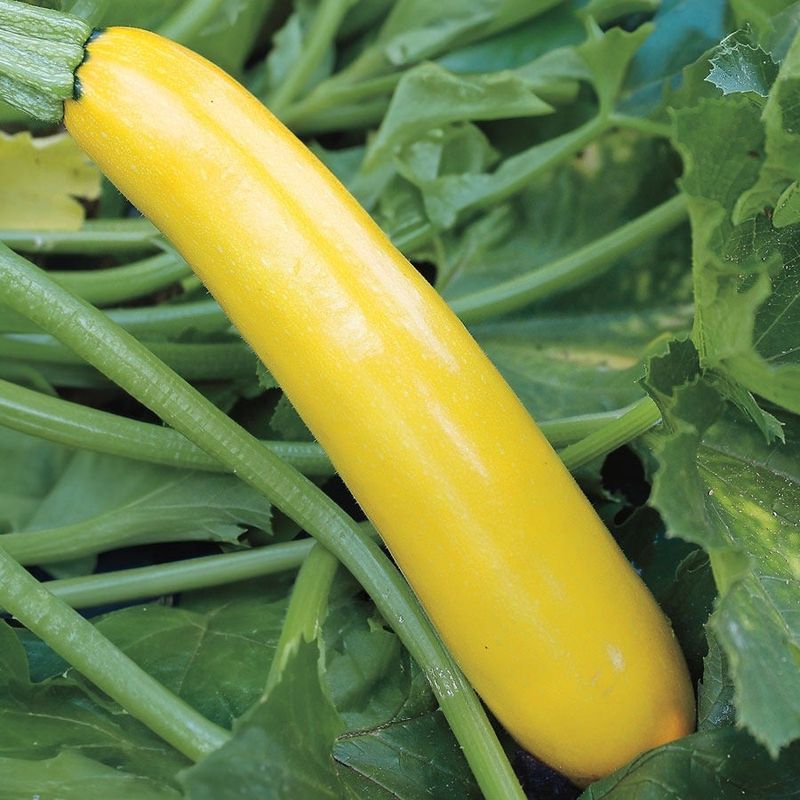
Gold Rush delivers bright yellow zucchini on a genuinely compact plant. The color makes harvesting easier, since fruit stands out against green foliage.
Maturity runs around fifty days, similar to standard green zucchini. That speed suits Georgia’s fall window.
Open bush habit is the standout trait. Fewer leaves crowding the center means fruit stays visible and airflow improves.
Both of those matter in humid conditions where dense plants develop problems faster.
Flavor and texture match green zucchini closely. Substitution works in any recipe without adjustment.
Skin stays tender when picked young, so harvesting at six to eight inches beats letting fruit size up.
Full sun and steady moisture produce the best results. Mulch helps hold water through hot afternoons.
Yellow fruit shows blemishes more readily than dark green does. Watering at the base keeps splashed soil off the skin.
An All-America Selections winner, Gold Rush has held up across decades of home garden use. Reliability rather than novelty.
Your Georgia Garden Changes Every Week. Your Plan Should Too.
Gardening in Georgia changes quickly throughout the season. Every Friday you’ll receive a simple weekly plan showing exactly what to plant, prune, fertilize, harvest, and protect so you never miss the right timing.
Mixing it with a green variety gives you visual interest at harvest and identical growing requirements. Same bed, same schedule, two colors on the plate.
3. Early Prolific Straightneck
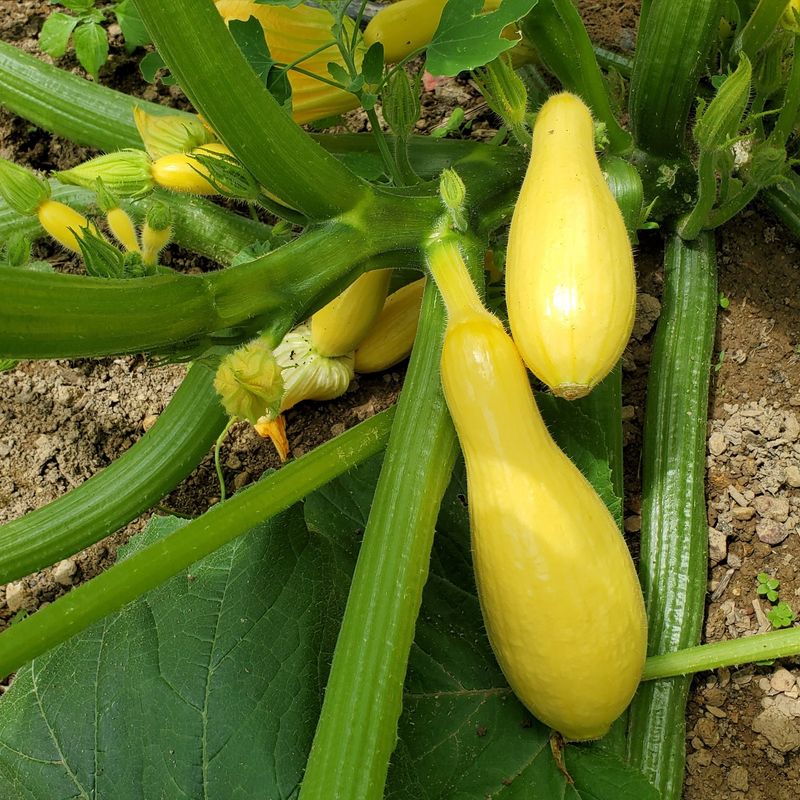
This is the yellow summer squash that earned its name honestly. Heavy production on a bush plant.
Maturity lands around fifty days, which fits a Georgia fall planting comfortably. Fast enough to beat frost with margin.
Straight neck rather than crooked makes the fruit easier to handle and store. Less breakage during harvest too.
Pale yellow skin turns brighter as fruit matures. Picking at four to six inches keeps texture at its best.
Another All-America Selections winner, this variety has been in gardens for decades. Longevity suggests something works.
Bush habit stays reasonably tight. Two plants supply a family and fit into a bed with other crops.
Harvest frequency drives total production. Checking every other day prevents oversized fruit and keeps the plant setting more.
Full sun and consistent water handle most of the growing requirements. Rich soil improves yield.
Skin bruises easily on yellow squash, so gentle handling during harvest preserves quality.
Georgia humidity brings powdery mildew eventually. Spacing plants generously and avoiding overhead watering both delay it.
Vine borer prevention deserves the same attention it does with zucchini.
4. Yellow Crookneck
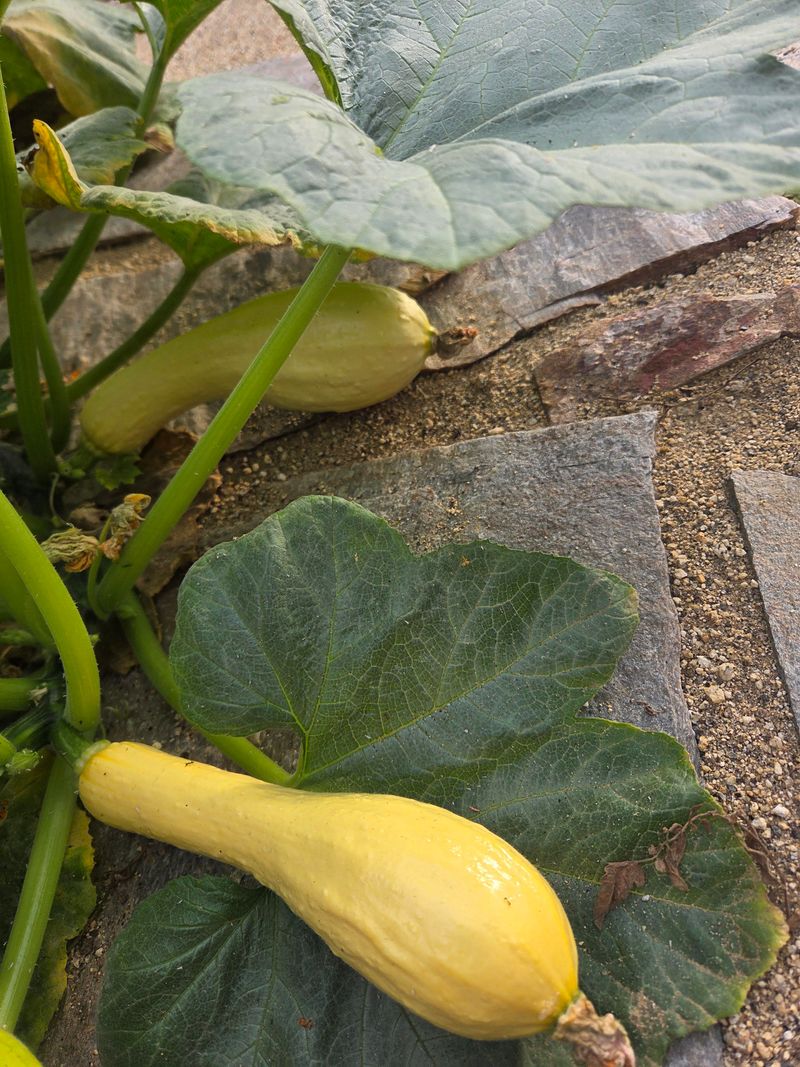
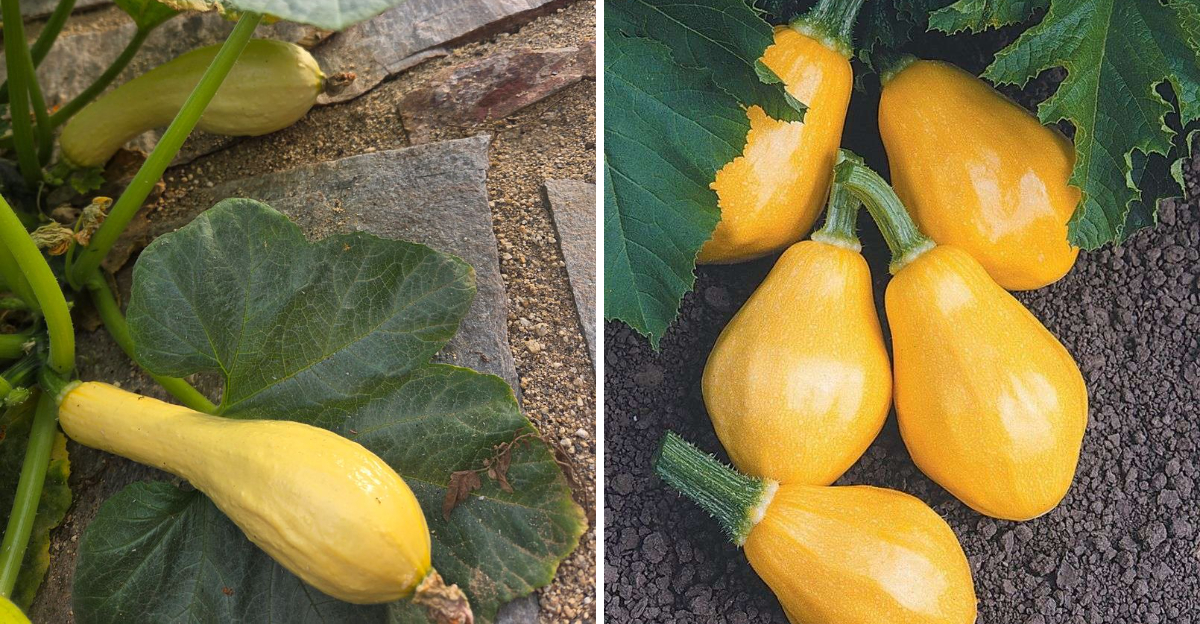
Yellow Crookneck brings a distinctly Southern squash to the list. Bumpy skin, curved neck, and flavor plenty of Georgia gardeners prefer to zucchini.
Maturity runs roughly fifty to sixty days depending on the strain. Slightly slower than straightneck types.
Bush and semi-bush versions both exist. Reading the packet matters, since some strains sprawl more than the compact label suggests.
Harvest small for the best experience. Four to six inches keeps skin tender before it toughens.
Larger fruit develops seedy interiors and thicker skin. Flavor declines noticeably past that point.
The curved neck makes fruit break more easily during picking. Cutting with a knife beats twisting.
Bumpy skin holds soil, so watering at the base keeps it cleaner.
Full sun, rich soil, and even moisture cover the requirements. Same as other summer squash.
Traditional varieties like Early Yellow Summer Crookneck carry heirloom appeal alongside good flavor. Newer strains offer somewhat better disease resistance.
Georgia gardeners often find crookneck holds up reasonably well in heat. Production continues later than some varieties.
Pick daily during peak season. This one goes from perfect to overgrown fast.
5. Sunburst Pattypan
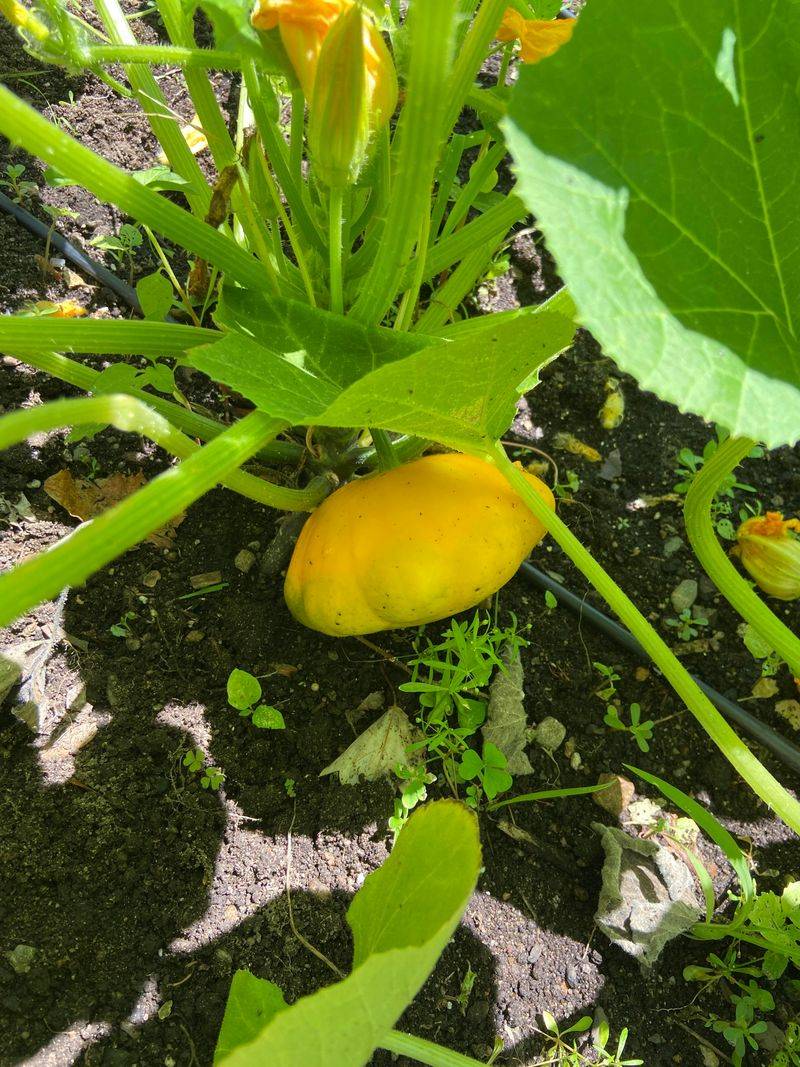
This one brings the flying-saucer shape to a compact plant. Bright yellow scalloped fruit that harvests early and often.
Maturity arrives around fifty days. Fall planting works well with that timeline.
Pattypan squash gets picked small, which is the whole point. Two to three inches across gives the best texture and flavor.
Larger fruit turns tough and seedy. The window is narrower than with zucchini.
Bush habit stays genuinely compact, which suits containers and small beds. Plants take less room than most summer squash.
The shape makes it easy to spot among foliage. Missed fruit is less common than with green varieties.
Full sun and steady water produce best results. Nothing unusual in the requirements.
Sunburst is an All-America Selections winner with a solid track record. Reliability across regions.
The unusual shape appeals to kids and market shoppers alike. Whole grilled or stuffed both work well.
Frequent harvest keeps production going. Every other day at minimum during peak season.
Georgia humidity affects it like other summer squash. Spacing and base watering both help.
Vine borers find pattypan as readily as zucchini, so the same prevention applies.
6. Table King Bush Acorn
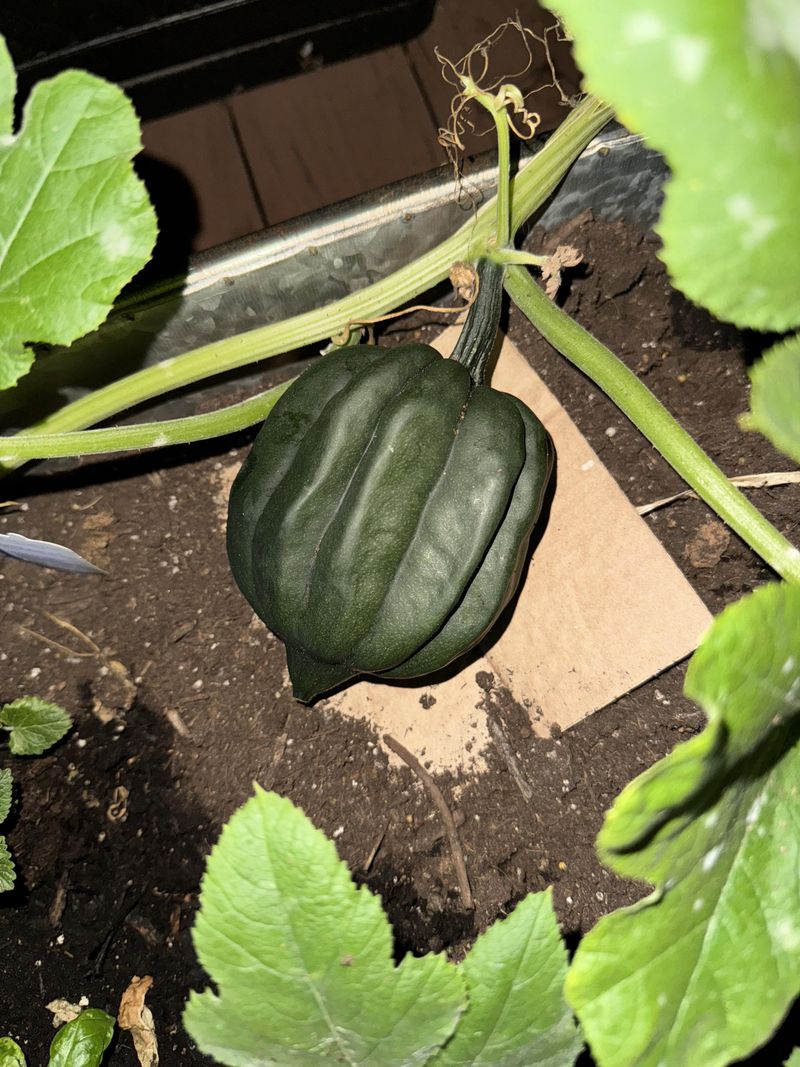
Table King is the acorn squash that stays compact enough for a raised bed. Bush habit rather than the long vines acorn usually produces.
Maturity runs around eighty to eighty-five days. Considerably longer than summer squash.
That timeline matters for Georgia fall planting. Count backward from frost and add margin, since cool weather slows fruit development.
Winter squash gets harvested mature rather than young. Rind must harden before picking.
Wait for deep green color and a rind that resists a fingernail. Cutting too early costs storage life.
Leave an inch or two of stem attached. Fruit without stems rots at that point during storage.
Full sun, rich soil, and even moisture while fruit develops all matter. Mulch keeps fruit cleaner during storms.
Curing after harvest improves keeping quality. A week in warm dry conditions works.
Properly cured acorn squash stores for a couple months in cool dry conditions. Not as long as butternut.
Table King is an All-America Selections winner bred specifically for compact growth. Bush habit without sacrificing fruit quality.
For gardeners wanting winter squash from a small bed, this variety makes it realistic.
7. Burpee’s Butterbush
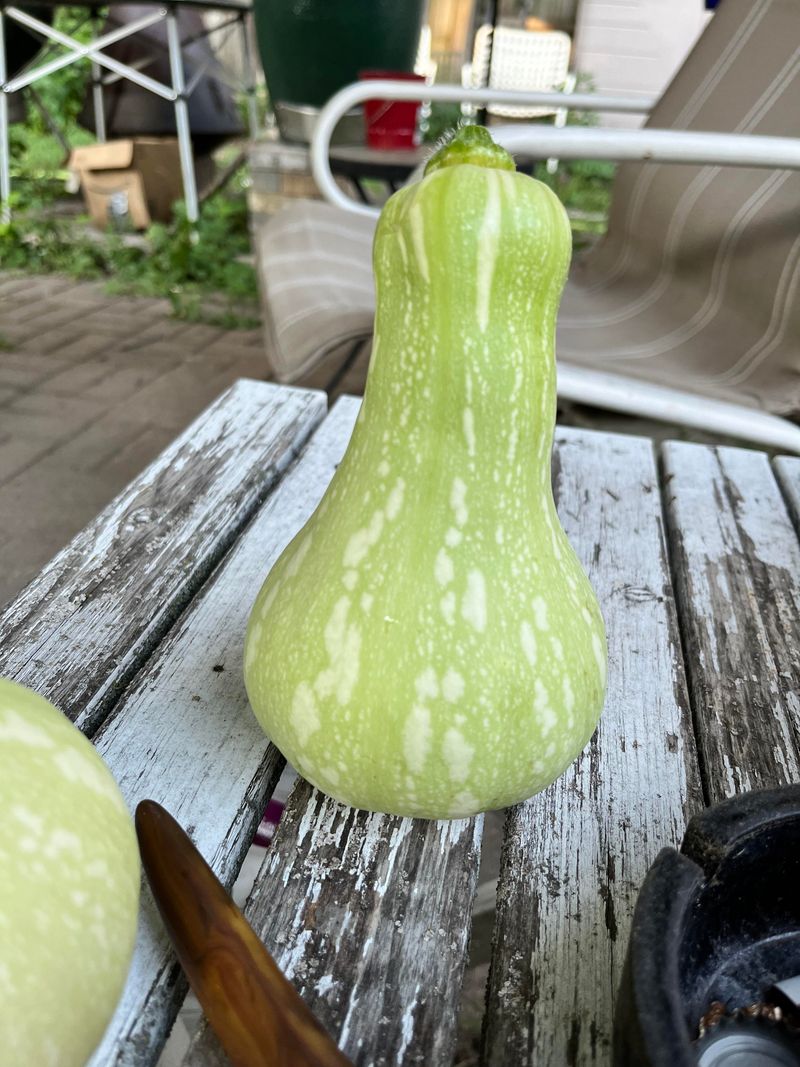
Butterbush delivers butternut squash flavor on a plant that actually fits a small garden. Vines run three to four feet rather than fifteen.
Maturity lands around seventy-five to eighty-five days. Fall planting requires checking your frost date carefully.
Fruit runs smaller than standard butternut, typically one to two pounds. Convenient size for a single meal.
Flavor matches full-size butternut closely. Sweet, dense flesh that improves with curing.
Storage potential is the real appeal. Cured butternut keeps for months in cool dry conditions.
Harvest when the rind turns tan and hardens. Green streaks mean waiting longer.
Leave stem attached and handle carefully. Punctures shorten storage considerably.
Curing for a week or two in warm conditions improves both flavor and keeping quality. That step gets skipped too often.
Full sun and consistent moisture through fruit development produce the best crop. Mulch helps on both counts.
Butternut types generally resist squash vine borer better than zucchini, since the stems are tougher. That’s a genuine advantage in Georgia.
Powdery mildew still appears late in the season. By then fruit is usually mature enough that it matters less.
8. Papaya Pear Summer Squash
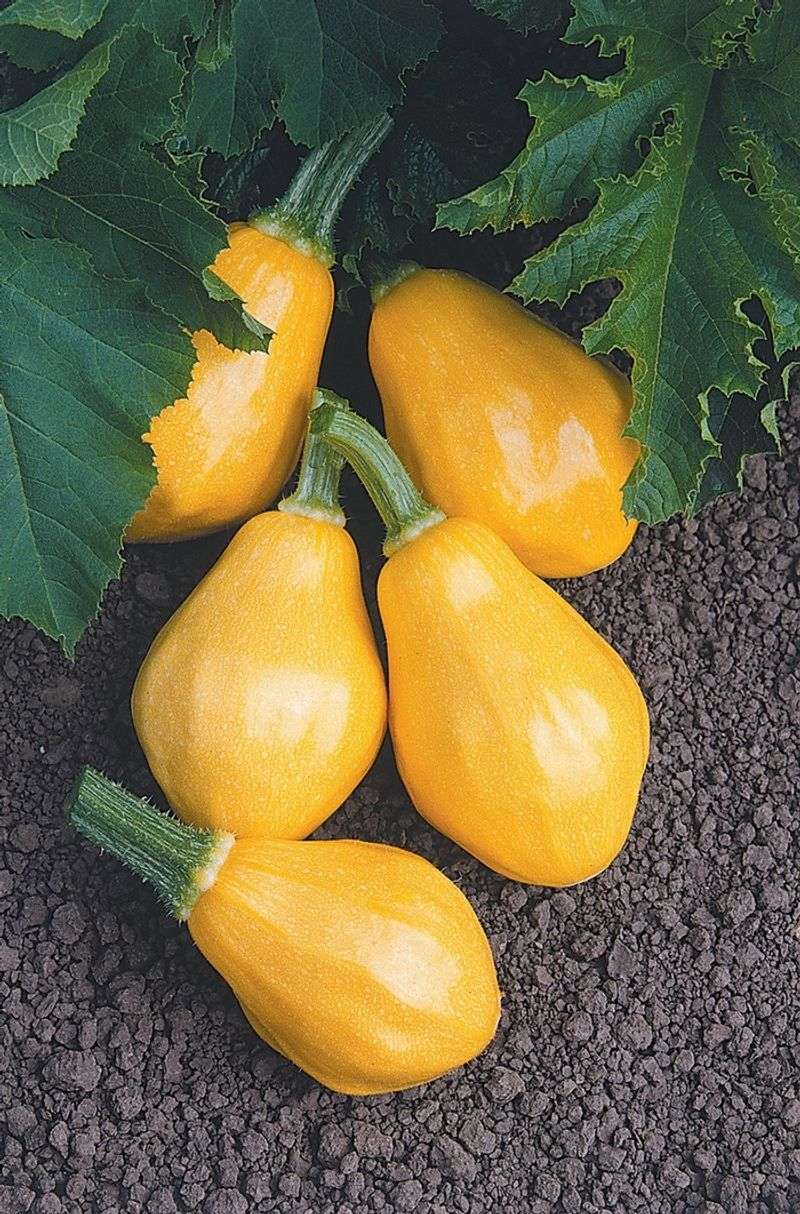
Papaya Pear produces pear-shaped yellow fruit on a compact bush. Unusual enough to be interesting, productive enough to be practical.
Maturity arrives around forty-five days. That speed makes it one of the better choices for a late Georgia planting.
Fruit harvests best at three to four inches. Small size keeps texture tender and flavor mild.
The shape distinguishes it from typical yellow squash. Grilling and stuffing both work well.
Bush habit stays tight, which suits containers and crowded beds. Plants require noticeably less space than sprawling types.
Full sun and steady water handle the growing requirements. Rich soil improves production.
Frequent picking drives continued output. Every other day prevents oversized fruit.
Yellow skin shows soil splash readily, so base watering keeps fruit cleaner.
This variety has All-America Selections recognition and a reputation for heavy production. Small plant, real yield.
Georgia humidity brings the usual concerns. Spacing plants generously improves airflow considerably.
Vine borer prevention applies here as it does to all summer squash. Row cover on young plants, removed at flowering.
For a fast crop in limited space, this one earns consideration.
9. Match The Variety To Your Calendar
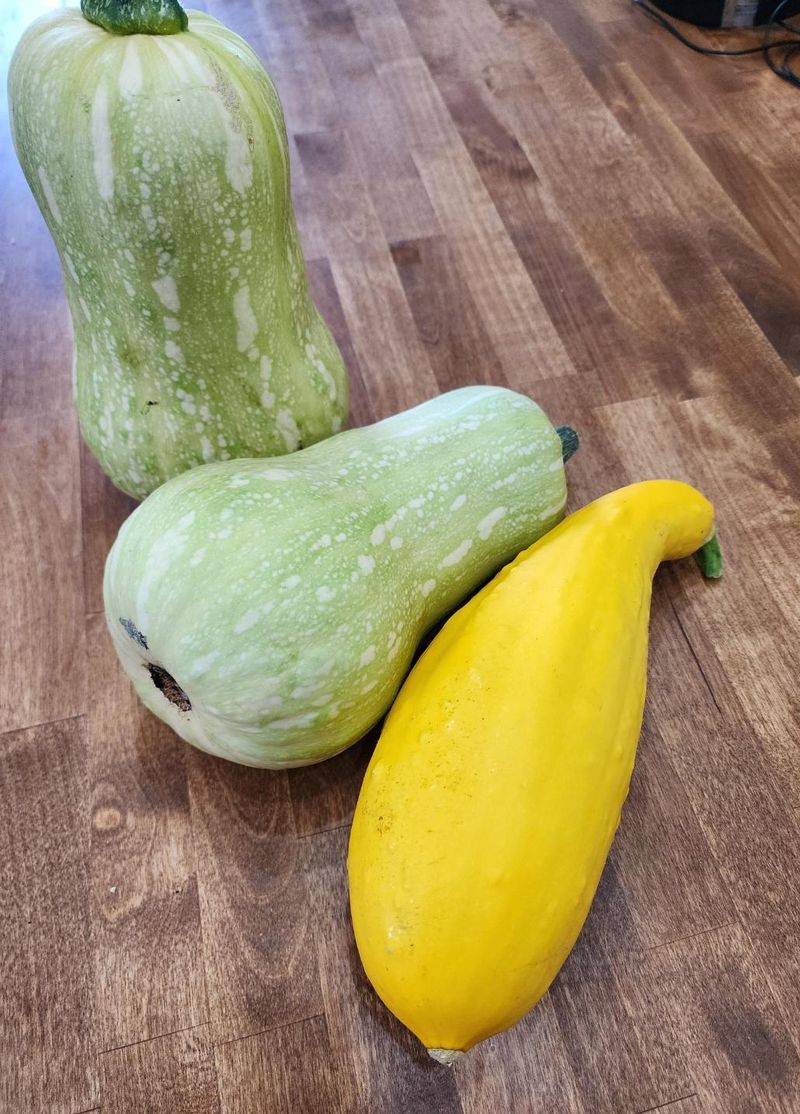
Days to maturity does most of the planning work for a Georgia fall garden. That number tells you whether a crop has enough time.
It isn’t a guarantee though. Weather and growing conditions both shift the actual timeline.
Count backward from your average first frost and add a cushion. Plants need strong growing weather during flowering and fruit set, not just calendar days.
Cool nights slow development considerably. A variety listed at fifty days may take sixty in October.
Summer squash at forty to fifty days fits a fall planting comfortably across most of Georgia. Winter squash at eighty days requires an earlier start.
North Georgia frosts earlier than the coastal plain, which shifts the whole calculation. Local dates matter more than state averages.
Staggering plantings a week or two apart spreads the harvest. Bush types make that easier since they fit into gaps.
Later sowings should stick to the fastest varieties. Winter squash rarely finishes from a late start.
Keeping notes on planting dates, first bloom, and first harvest builds useful data. Next year’s decisions improve considerably.
Row cover extends the season on both ends, protecting young plants from insects and mature plants from early cold.
A few minutes checking the numbers beats losing a crop to the calendar.