Why You Should Never Use Raw Manure In North Carolina Fall Vegetable Beds
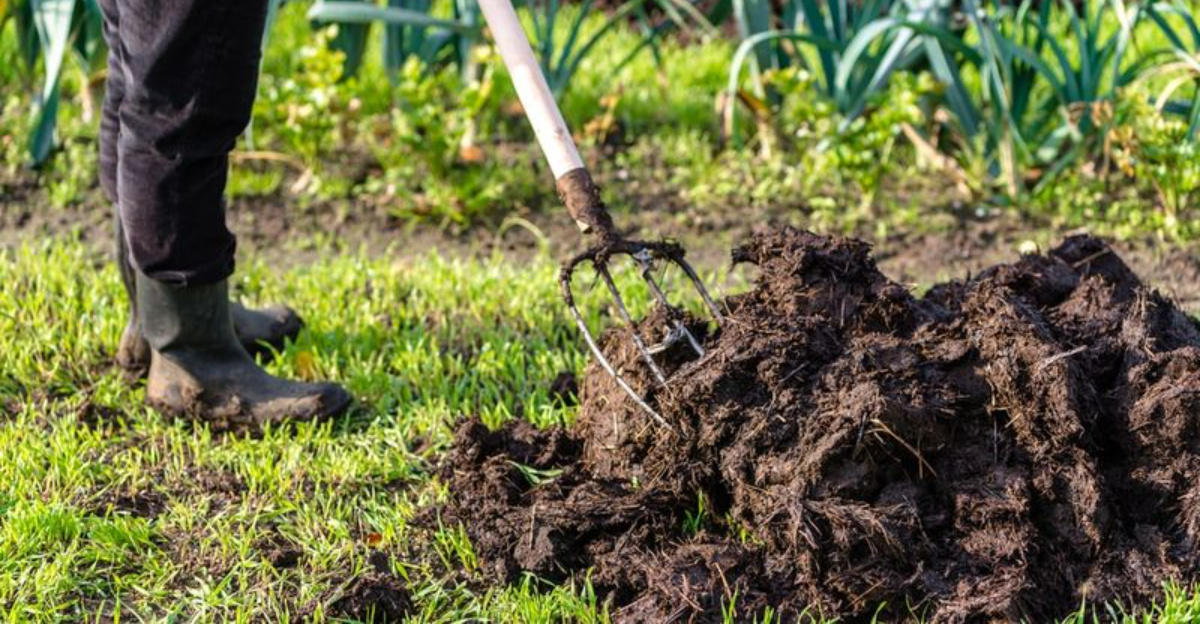
Adding manure to garden beds is a common way North Carolina gardeners boost soil fertility, but using it raw in fall vegetable beds carries risks that aren’t always obvious.
Fresh manure hasn’t gone through the breakdown process needed to make it safe and beneficial for growing food.
Raw manure can contain harmful bacteria that pose a real risk when applied close to edible crops, and it also releases nitrogen in a way that can burn plant roots instead of nourishing them.
Without time to properly age or compost, it does more harm than good in a working vegetable bed.
This makes fall an important season to get manure use right, especially with crops still growing or about to be planted. Here’s why raw manure should be avoided in North Carolina vegetable beds, and what to use instead for safer results.
1. Raw Manure Can Contain Human Pathogens
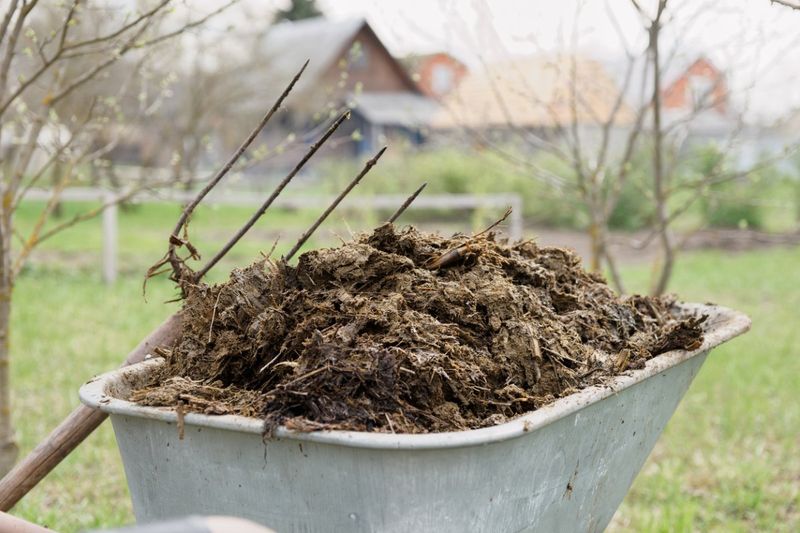
Fresh manure might look like harmless garden gold, but it can hide germs that make people sick. Animals such as cows, horses, and chickens naturally carry bacteria like E. coli and Salmonella in their waste.
When that manure lands on your growing food, those germs can travel straight to your plate. The risk grows when you plant leafy greens or root crops that touch the soil directly.
Lettuce, spinach, carrots, and radishes can pick up harmful bacteria right on the parts you eat. Washing helps, but it does not always remove everything hiding in cracks and crevices.
This is why timing matters so much. NC State Extension recommends waiting a set number of days between spreading raw manure and picking your harvest.
That waiting period gives sunlight, soil microbes, and weather time to break down many of the germs naturally.
For fall beds, this timing gets tricky because crops often go from planting to plate in just a few weeks. Rushing the process leaves little room for the soil to clean itself.
That means the food you worked so hard to grow could carry a hidden health risk. Protecting your family is worth a little extra planning. Choosing aged or composted manure instead removes much of this worry from the start.
When you respect the waiting periods and pick safer materials, you get all the soil benefits without inviting trouble into your kitchen.
2. Fresh Manure Can Burn Plants
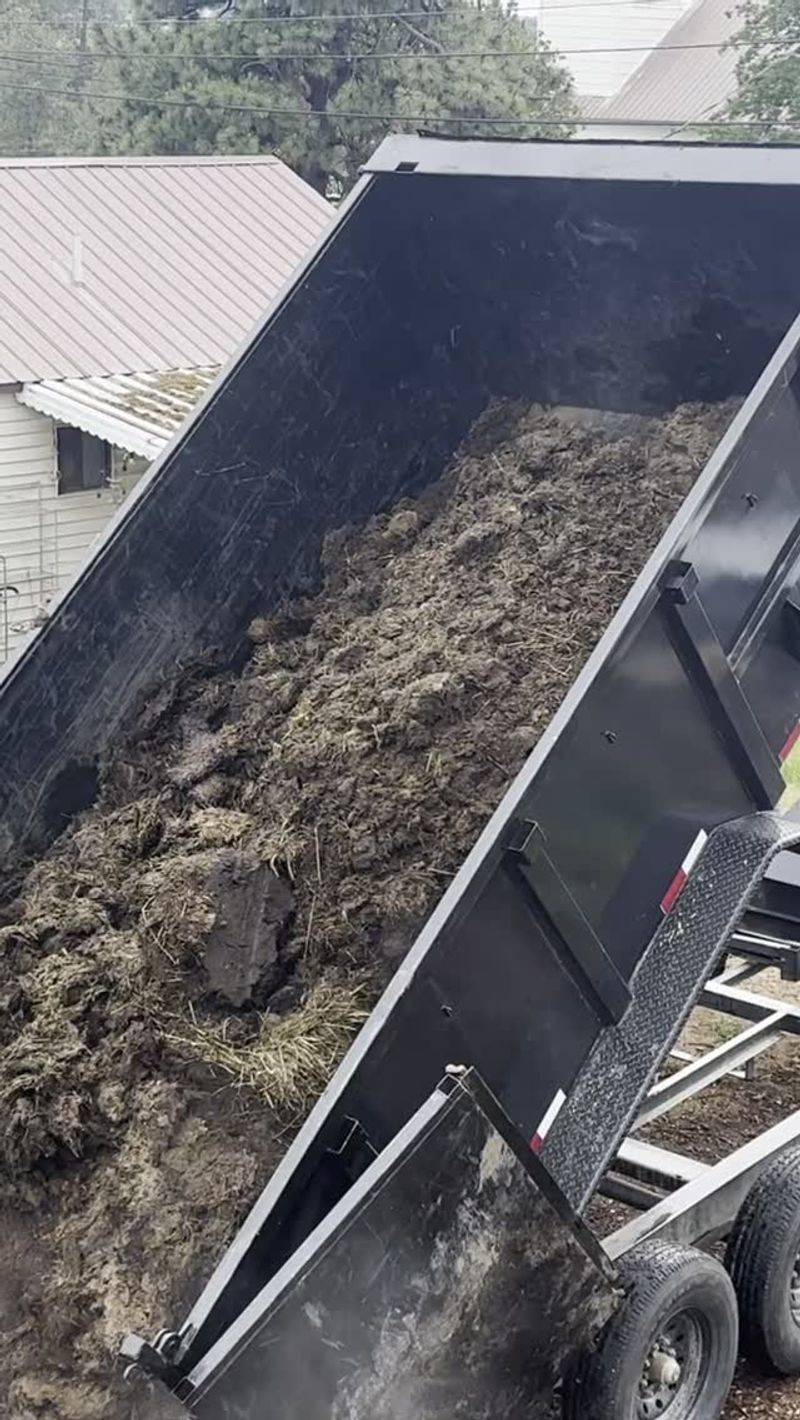
Picture spreading fresh manure and expecting lush growth, only to watch your seedlings turn yellow and droop instead. That sad surprise happens because raw manure is loaded with nitrogen and salts.
In fresh form, those levels can be far too strong for tender plants. Young roots are especially sensitive. When the salt content around them climbs too high, it actually pulls water away from the roots instead of feeding them.
The result looks a lot like drought stress, even when the soil feels moist. Nitrogen in raw manure comes in fast-release forms that hit plants all at once. A gentle boost helps vegetables thrive, but a sudden flood can scorch leaves and stunt growth.
Your North Carolina Garden Changes Every Week. Your Plan Should Too.
Gardening in North Carolina changes quickly throughout the season. Every Friday you’ll receive a simple weekly plan showing exactly what to plant, prune, fertilize, harvest, and protect so you never miss the right timing.
Small fall seedlings simply cannot handle that kind of shock. The problem gets worse when gardeners pile on extra manure hoping for bigger results. More is not better here.
Heavy applications concentrate the salts and nitrogen, making the soil harsh instead of helpful.
Composting solves most of this trouble. As manure breaks down, the harsh salts mellow and the nitrogen changes into slower, gentler forms that plants can use safely.
Finished compost feeds your beds without the risk of burning anything. If you want strong, leafy fall crops, give them a calm start. Skip the fresh stuff near planting time and let well-aged material do the work.
Your seedlings will reward you with steady, healthy growth instead of struggling to survive their first few weeks in the ground.
3. Fall Crops May Be Harvested Too Soon
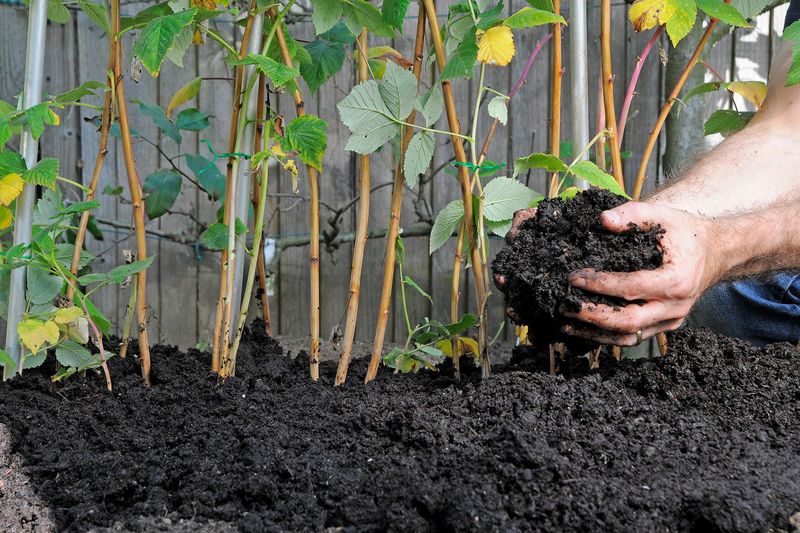
Timing is everything when raw manure meets a fall garden. Cool-season crops grow fast, and many are ready to pick within a month or two of planting. That quick turnaround creates a real problem with raw manure.
NC State guidance sets clear waiting periods for a good reason. If the edible part of the plant touches the soil, like lettuce, carrots, or radishes, you should wait 120 days after applying raw manure before harvest.
For crops where the edible part stays away from the soil, the recommended wait drops to 90 days.
Now do the math on a fall bed. If your radishes mature in 30 days but the safe waiting period is 120 days, the numbers just do not line up. You would be harvesting long before the soil has had time to clear away harmful germs.
This mismatch is exactly why fall beds are risky for fresh manure. Spring and summer sometimes give you a longer runway, but shorter fall seasons rarely allow enough space between spreading and picking.
Trying to squeeze both into a tight window puts your food safety at risk. It is not worth gambling on your health to save a little effort.
The smarter move is planning ahead. Apply raw manure many months before you plan to plant, or better yet, use finished compost that carries no waiting period.
That way your fast fall crops stay on schedule while your soil stays safe for the whole family.
4. It Can Add More Nutrients Than The Garden Needs
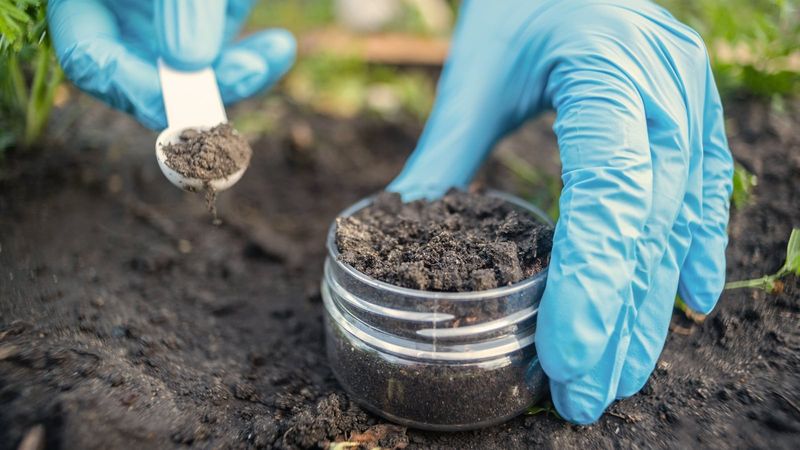
More food for your soil sounds like a great idea until you realize plants can only use so much. Manure delivers nitrogen, phosphorus, potassium, and many trace nutrients all at once.
While that mix helps at first, piling it on year after year creates an imbalance. Phosphorus is a big troublemaker here. Unlike nitrogen, it does not wash away easily and tends to build up in the soil over time.
Repeated manure applications can push phosphorus levels far past what your vegetables actually need.
Too much of a good thing brings real drawbacks. Excess nutrients can interfere with how plants absorb other minerals, leading to weaker growth even when the soil looks rich.
Your garden does not get better forever just because you keep adding manure.
There is also an environmental cost. Extra phosphorus and nitrogen can wash into nearby streams and ponds during North Carolina’s rainy spells, fueling algae growth and harming local water quality.
The best way to avoid this trap is testing your soil. A simple soil test tells you exactly what your beds need, so you stop guessing and start feeding smart. NC State offers affordable testing that takes the mystery out of the process.
Once you know your numbers, you can add only what is missing. That saves money, protects the water around you, and keeps your soil balanced.
Feeding your garden wisely beats dumping on nutrients and hoping for the best every single season.
5. Herbicide Residues Can Survive In Manure
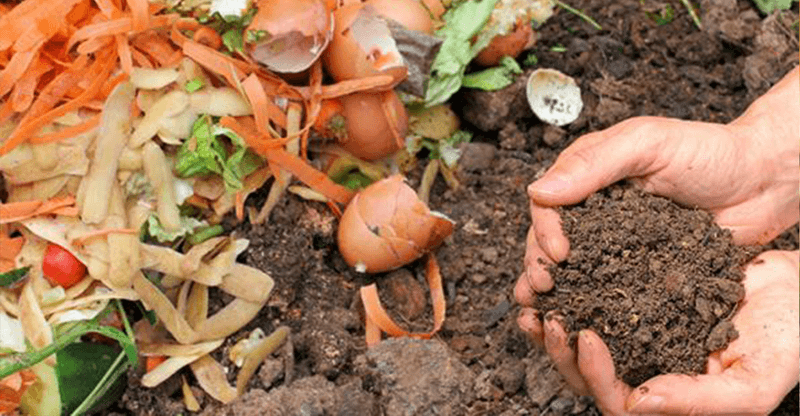
Here is a sneaky danger most gardeners never see coming. Some manure carries leftover weed sprays that traveled through an animal’s body.
When livestock eat hay or forage sprayed with certain herbicides, those chemicals pass right through and end up in the manure.
The tricky part is how stubborn these chemicals are. Products containing aminopyralid, clopyralid, or picloram are built to last, and they do not break down easily.
They can survive in manure, in compost, and even in the soil for a long time. Sensitive vegetables suffer the most. Tomatoes, beans, peas, and potatoes are especially vulnerable.
Even tiny amounts of these residues can cause twisted, cupped leaves and stunted plants that never produce a proper crop.
Composting does not always fix the problem. Many gardeners assume that breaking down manure removes everything harmful, but these persistent herbicides can outlast the composting process entirely.
Your carefully finished compost could still carry hidden damage. You cannot spot these chemicals just by looking. That makes trusting your manure source incredibly important.
Ask where it came from and whether the animals grazed on treated fields. A simple safety check helps a lot. Plant a few fast-growing bean or pea seeds in a small pot of the manure or compost.
If the seedlings come up twisted or deformed, keep that material far from your vegetable beds.
Taking these steps protects the crops you love. A little caution now saves you from a heartbreaking season of struggling, misshapen plants later on.
6. Fall Is Better Used For Properly Finished Compost
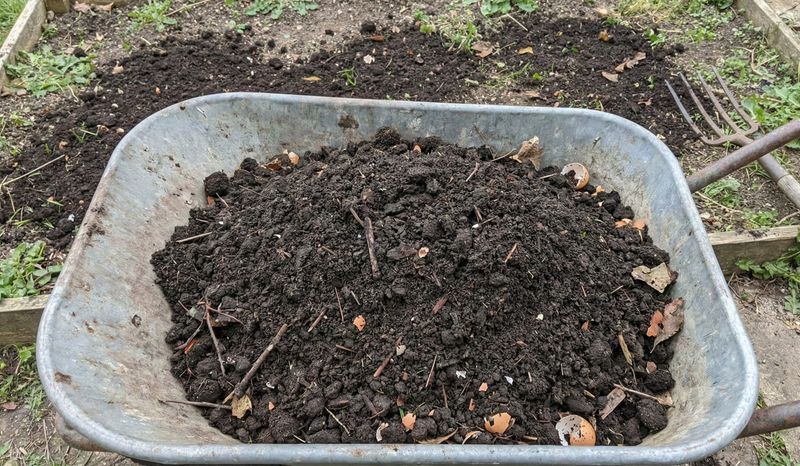
Autumn offers a golden chance to improve your soil, and finished compost is the star player. Instead of gambling with fresh manure, you can spread rich, fully broken-down compost that behaves in a safe, steady way.
The difference lies in how compost is made. When manure composts properly, it heats up enough to reduce harmful germs while transforming harsh nutrients into gentle, plant-friendly forms.
The end result is dark, crumbly, and pleasant to handle. Predictability is the real gift here. Finished compost releases nutrients slowly, so you avoid the sudden nitrogen spikes and salt problems that come with raw manure.
Your fall crops get a calm, reliable food source from day one. Compost also does more than feed plants. It improves soil structure, helps beds hold moisture during dry stretches, and encourages the helpful microbes that keep roots happy.
Those benefits build over time and make future seasons easier. Fall timing works perfectly for this. Spreading compost now lets it settle into your beds through the cooler months, getting everything ready for planting.
There is no long waiting period to worry about like there is with fresh manure. You can buy quality compost or make your own from yard trimmings and kitchen scraps. Either way, you gain a soil booster you can trust around food crops.
Choosing finished compost turns fall into a season of smart preparation. Your garden grows stronger, your harvest stays safe, and you skip the guesswork that raw manure always brings to the table.
7. Know When Raw Manure Actually Has A Place
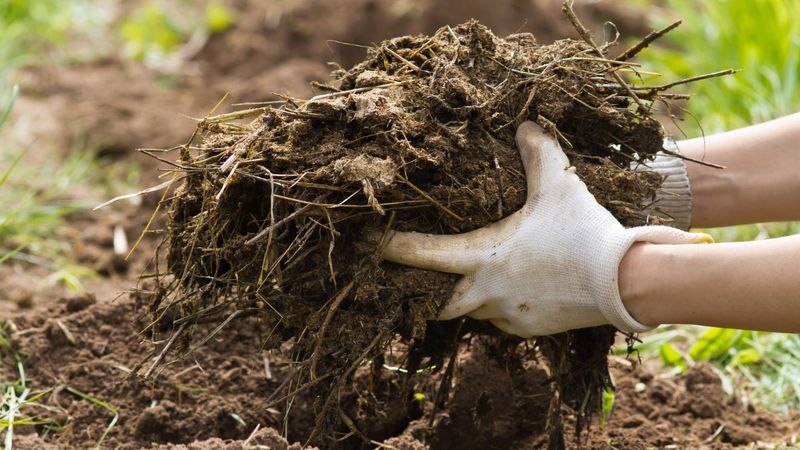
Saying never use raw manure is a bit too strict, and honest gardening deserves the full story. NC State does allow raw manure under the right conditions, as long as you follow the proper waiting periods and use it thoughtfully.
The key is timing and distance from harvest. If you apply raw manure many months before planting food crops, the soil has plenty of time to break down germs and mellow out the strong nutrients.
That long gap makes all the difference. Empty beds in late fall can work well for this approach. Spreading raw manure after your season ends gives the material a whole winter to settle before spring planting begins.
By the time you sow seeds, much of the risk has faded. Certain non-food areas are fine too. Using raw manure around ornamental plants, trees, or shrubs keeps it away from the vegetables you eat while still recycling a useful resource.
For most home gardeners, though, aged or properly composted manure remains the smarter everyday choice. It removes the guesswork and lets you plant whenever you like without counting days on a calendar.
The real rule is simple. Never apply fresh manure right before planting or harvesting vegetables, and always respect the 90 and 120 day guidelines when you do use it.
Understanding these details puts you in control. You can use raw manure safely when it truly fits, and lean on compost the rest of the time. That balanced approach keeps both your soil and your family in great shape.