These Are The Georgia Vegetables That Handle Summer Heat And Keep Producing Through August
Georgia summers have a reputation, and they earn it every single year. The heat climbs hard, the humidity settles in like it’s planning to stay forever, and by the time August arrives a lot of vegetable gardens are looking pretty tired.
Some crops though just don’t get the memo. Certain vegetables are built for exactly these conditions and keep producing through heat and humidity that would shut down less resilient plants entirely.
Getting a late summer harvest in Georgia is absolutely possible, it just comes down to choosing the right crops and giving them what they need: consistent water, frequent picking, and a watchful eye on pests and soil health.
Pick the right plants and your garden can keep delivering well past the point when most people have given up on it.
1. Okra Keeps Going In Summer Heat
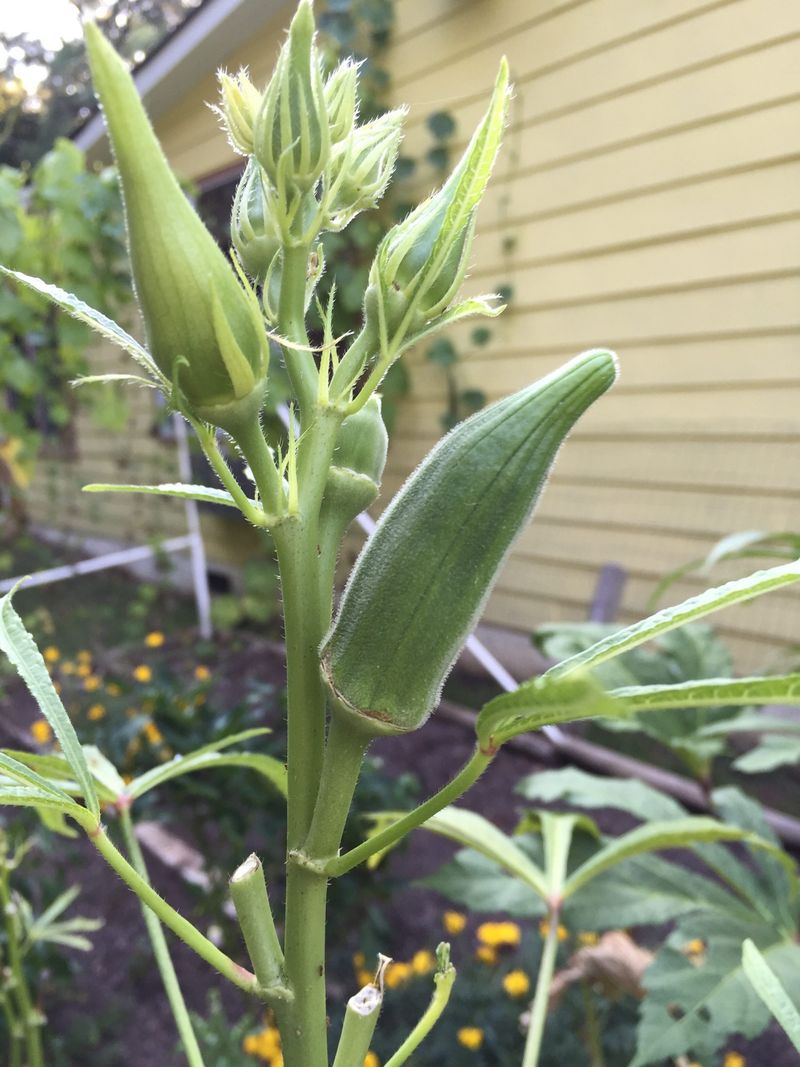
Hot garden rows are practically where okra feels most at home. Few vegetables handle Georgia’s intense summer heat as well as okra does, and it tends to hit its stride right when many other crops are fading.
Established plants can push out new pods almost daily during the hottest weeks of summer, which makes it one of the most reliable crops a home gardener can grow.
Okra thrives in warm, well-drained soil and does not slow down much when afternoon temperatures climb high. Consistent watering helps keep plants healthy and productive, but okra can tolerate short dry spells better than many warm-season vegetables.
The key to keeping production steady through August is picking pods every two to three days before they get too large and tough.
Pods left on the plant too long will cause production to slow noticeably. Regular harvest signals the plant to keep flowering and setting new pods.
Corn earworm and stink bugs are common pests to watch for in okra plantings, so check plants regularly. A few healthy rows of okra can supply a Georgia household with steady harvests from midsummer straight through the end of August.
2. Southern Peas Thrive In Hot Weather
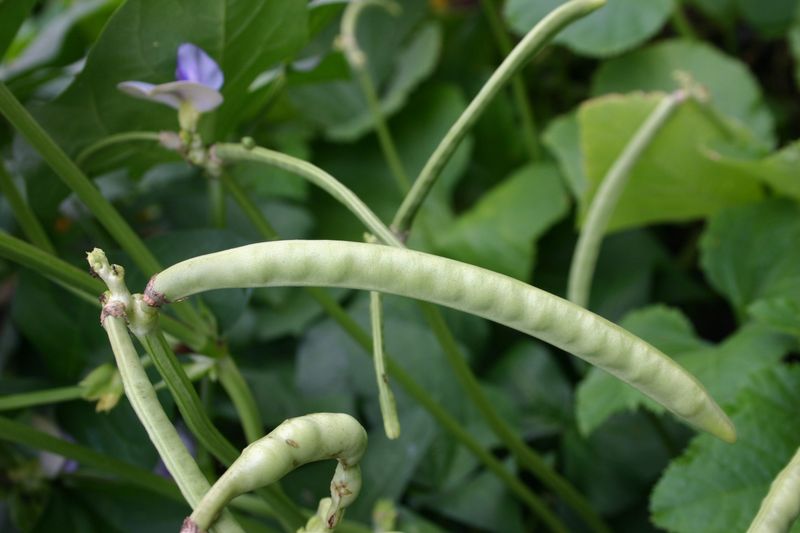
Warm soil, long sunny days, and humid summers are conditions that Southern peas were practically shaped for.
Varieties like crowder peas, black-eyed peas, and cream peas have been a staple of food gardens for generations, and their ability to keep producing in hot weather is a big reason why.
These crops do not just survive summer heat – they genuinely perform well in it.
Southern peas fix nitrogen in the soil as they grow, which benefits the garden long after the season ends. They are relatively low-maintenance once established, needing consistent moisture but tolerating short dry spells without losing too much productivity.
In Georgia, planting can happen from late spring through midsummer, giving gardeners a wide window to get a solid crop in before the season winds down.
Succession planting every few weeks can help spread out the harvest and keep fresh peas coming through late summer. Watch for pea weevils, cowpea curculio, and caterpillars, which can be active in Georgia gardens during summer.
Your Georgia Garden Changes Every Week. Your Plan Should Too.
Gardening in Georgia changes quickly throughout the season. Every Friday you’ll receive a simple weekly plan showing exactly what to plant, prune, fertilize, harvest, and protect so you never miss the right timing.
Picking pods at the right stage – either fresh shell or dry – keeps plants producing and helps you get the most out of each planting.
3. Peppers Keep Producing With Steady Care
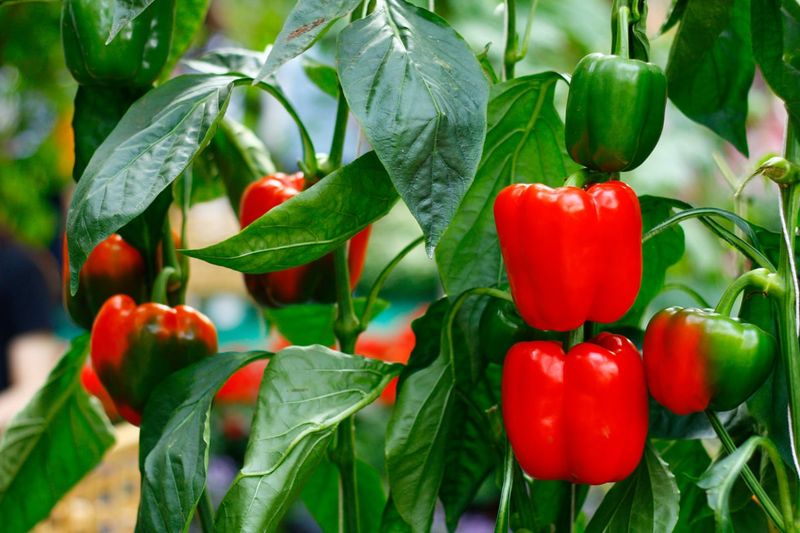
A pepper plant that has been well-tended through the early summer months can carry a garden well into August and beyond.
Both sweet and hot pepper varieties tend to handle Georgia’s summer conditions reasonably well, especially when plants are kept watered, mulched, and free from heavy pest pressure.
The challenge comes during the most intense heat waves, when daytime temperatures stay very high for extended periods.
Extreme heat can sometimes cause pepper blossoms to drop before they set fruit, which is a frustrating but temporary setback for most gardeners.
When temperatures moderate even slightly, or when nights cool a little, pepper plants often resume flowering and setting fruit.
Keeping the soil consistently moist and using a layer of mulch to reduce soil temperature can help plants push through the hottest stretches of summer.
Hot pepper varieties like cayenne, jalapeño, and banana peppers tend to handle Georgia summer heat a bit more reliably than large bell pepper varieties. Aphids and pepper weevils are pests worth monitoring through summer.
With steady watering, regular fertilizing, and attentive care, a healthy pepper plant started in spring can still be producing pods when August rolls around in a garden.
4. Eggplant Handles Long Hot Days
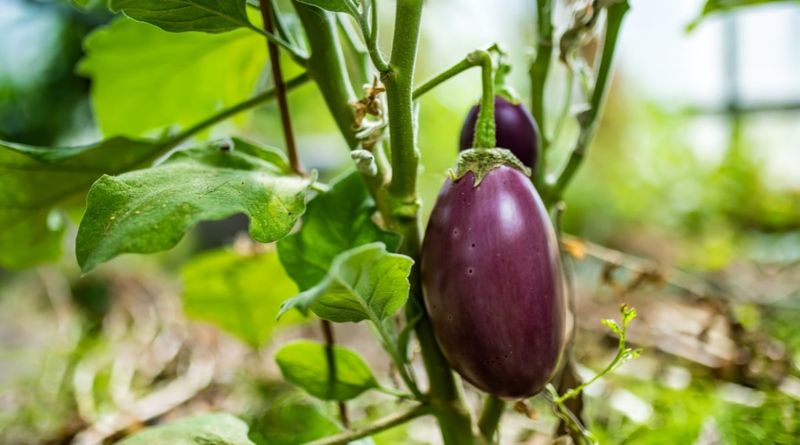
Long, steamy Georgia days do not slow eggplant down the way they affect some other vegetable crops.
Eggplant is a warm-season crop that genuinely enjoys heat, and established plants can keep setting fruit through much of the summer when given proper care.
The glossy purple fruits develop best when plants receive consistent moisture and are harvested regularly before they become overripe.
Eggplant does well planted in raised beds, in-ground rows, or even large containers on a sunny patio. The plants like full sun and warm soil, which Georgia summers supply in abundance.
Mulching around the base of eggplant helps retain soil moisture and keeps roots a bit cooler during the most intense afternoon heat.
Flea beetles are one of the most common pest problems for eggplant in Georgia, and their small feeding holes can weaken young plants if left unchecked. Monitoring plants regularly and acting early helps protect the crop.
Harvesting fruits when they are firm and glossy encourages new flower and fruit development.
Eggplant varieties bred for southern climates tend to be especially well-suited for long, hot growing season and can continue producing well into late summer with attentive care.
5. Lima Beans Fit Georgia Summer Gardens
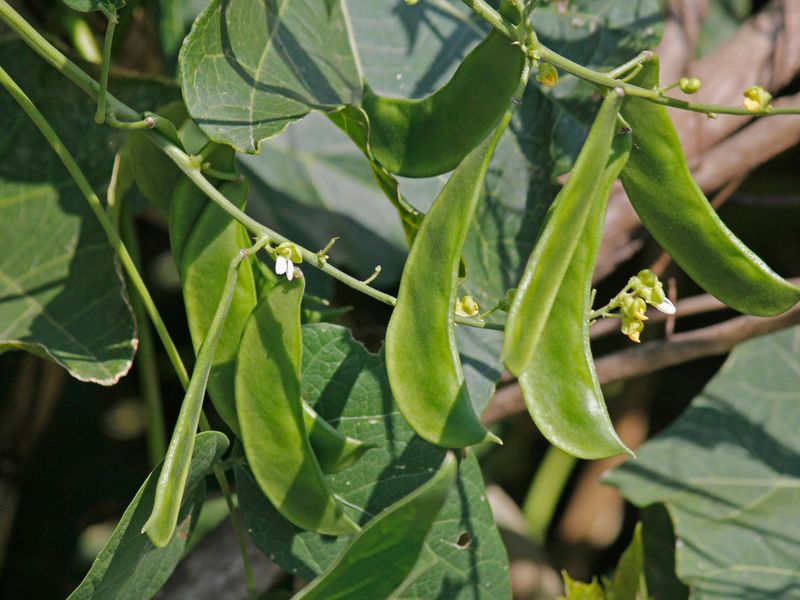
There is something satisfying about shelling lima beans on a porch in the middle of a Georgia summer, knowing the plants in the garden are already setting the next round of pods.
Lima beans are well-suited for Georgia’s warm-season growing conditions, and both bush and pole varieties can produce a solid harvest when planted at the right time and given steady care through the summer months.
Lima beans need warm soil to germinate and grow well, which Georgia summers provide from late spring onward. They prefer consistent moisture and can struggle during extended dry spells, so regular watering is important for keeping pods filling out properly.
Planting in late spring or early summer gives plants enough time to establish and produce before the season winds down.
Pole lima bean varieties generally produce over a longer stretch of time than bush types, which can be an advantage for gardeners looking to extend the harvest through August.
Stink bugs, bean leaf beetles, and caterpillars are pests to watch for in Georgia lima bean plantings.
Picking pods when beans are fully formed but still green gives the best flavor and encourages continued production from healthy plants across the summer season.
6. Pole Beans Keep The Harvest Coming
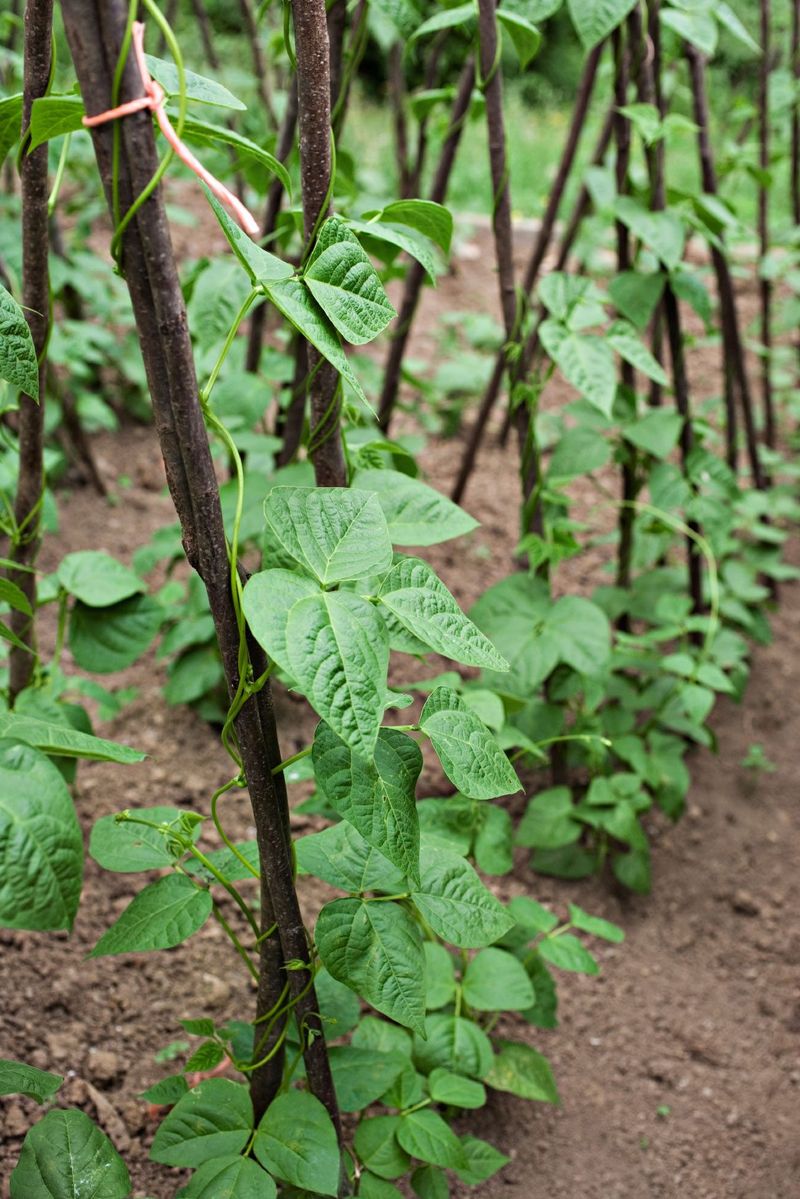
Watching a trellis fill in with climbing pole bean vines is one of the more rewarding sights in a Georgia summer garden.
Pole beans are productive, relatively easy to grow, and tend to spread their harvest out over a longer period than bush bean varieties, which makes them a practical choice for home gardeners who want steady picking through the summer months.
In Georgia, pole beans can be planted from late spring through early summer and will often keep producing for several weeks once they hit their stride. The plants need a sturdy support structure, consistent moisture, and regular harvesting to stay productive.
Leaving mature pods on the vine signals the plant to slow down, so picking every few days keeps new beans coming.
Heat can sometimes slow flower set during the most intense stretches of summer, but healthy pole bean plants usually resume production when conditions ease slightly.
Aphids, bean beetles, and spider mites can show up in gardens during dry, hot periods, so keeping an eye on plants helps catch problems early.
Planting a second succession in midsummer can also help extend fresh pole bean harvests further into August and early fall.
7. Snap Beans Work Well For Succession Planting
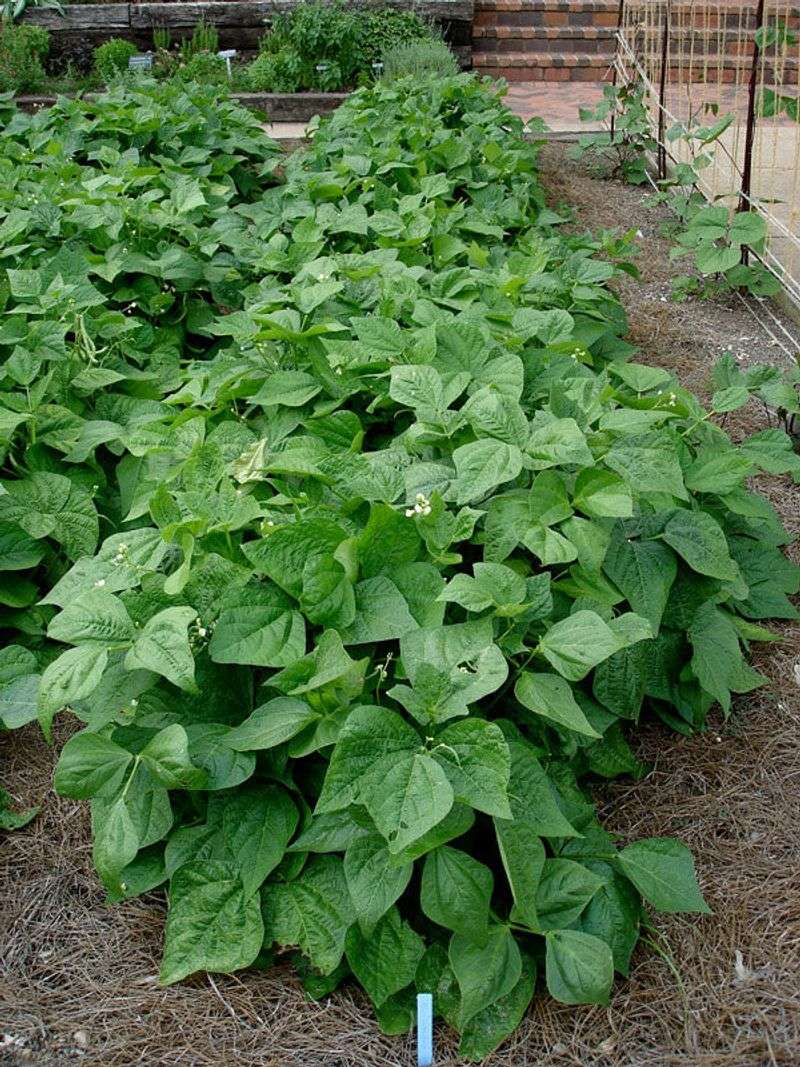
One of the smartest moves a gardener can make in summer is planting snap beans in short, staggered successions rather than all at once.
Bush snap bean varieties mature quickly – often in 50 to 60 days – which means a midsummer planting can yield a fresh harvest in late summer without needing a huge amount of space or setup.
Succession planting is the key to keeping snap beans productive across a longer stretch of the season.
Snap beans prefer consistent moisture and do best when soil stays evenly watered rather than swinging between wet and dry.
In Georgia, summer heat can speed up the growing process, so checking plants frequently and harvesting pods before they become tough helps maintain quality.
A well-timed planting started in July can often produce harvestable beans by mid to late August.
Bush snap beans do not require a trellis, which makes them easy to fit into raised beds, in-ground rows, or any open garden space. Mexican bean beetles and caterpillars are common Georgia summer pests to monitor.
Rotating where snap beans are planted each season can also help reduce soil-borne disease pressure, which tends to build up in warm, humid summers when the same crops grow in the same spots repeatedly.
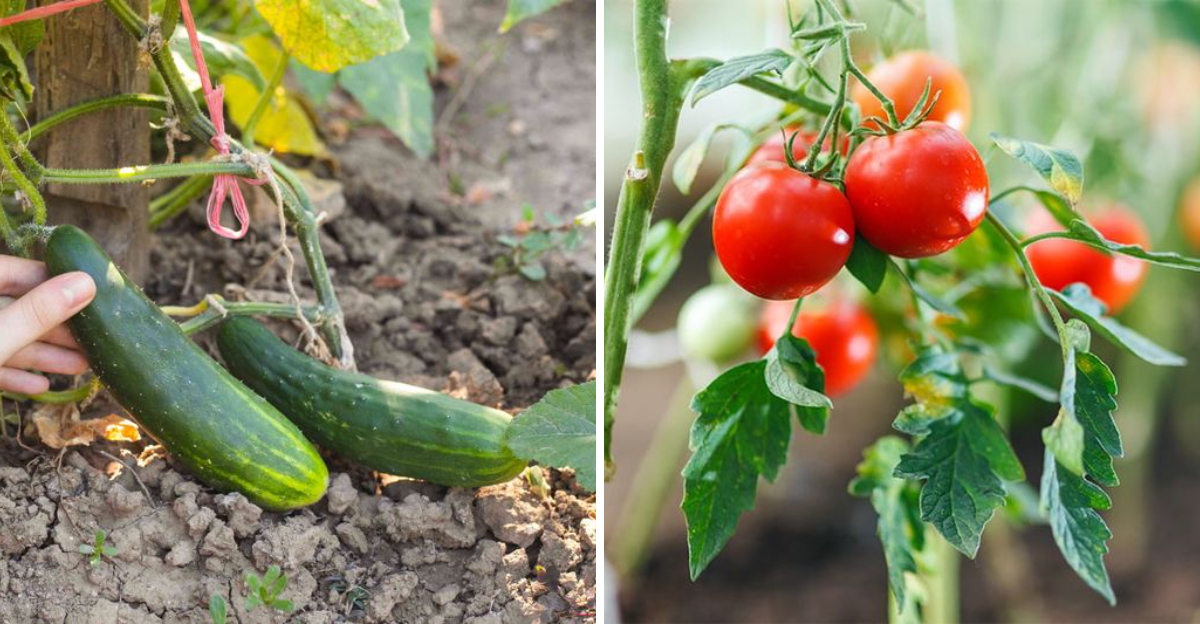
8. Cucumbers Can Be Replanted For Late Harvests
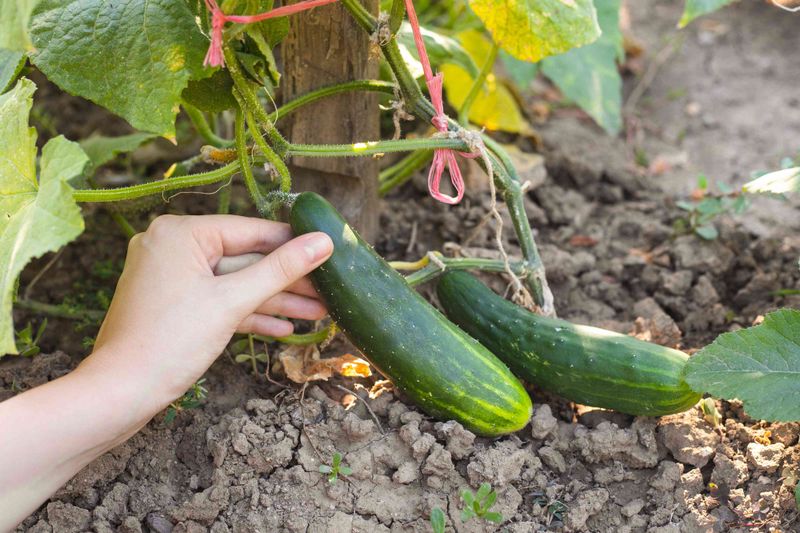
Most cucumber plants started in spring will begin to fade by midsummer in Georgia, worn down by powdery mildew, cucumber beetles, or just the natural end of their productive cycle. But that does not mean cucumbers are done for the season.
A second planting started in mid to late July can produce fresh cucumbers in late summer, giving gardeners a second round of harvests when other cucumbers have long since stopped.
Cucumbers grow quickly in warm Georgia soil, and a midsummer planting can go from seed to harvest in roughly 50 to 60 days depending on the variety.
Keeping the soil consistently moist is important because cucumbers are sensitive to moisture stress, which can lead to bitter or misshapen fruit.
A trellis helps keep vines off the ground, improves air circulation, and makes picking much easier.
Cucumber beetles are one of the more serious pest concerns in summer gardens, and they can spread bacterial wilt, so monitoring plants closely from the start helps protect the second planting. Picking cucumbers before they yellow keeps the vines producing longer.
With a well-timed second planting and steady care, gardeners can enjoy fresh cucumbers from the garden well into August and sometimes beyond.
9. Summer Squash Produces Fast In Warm Soil
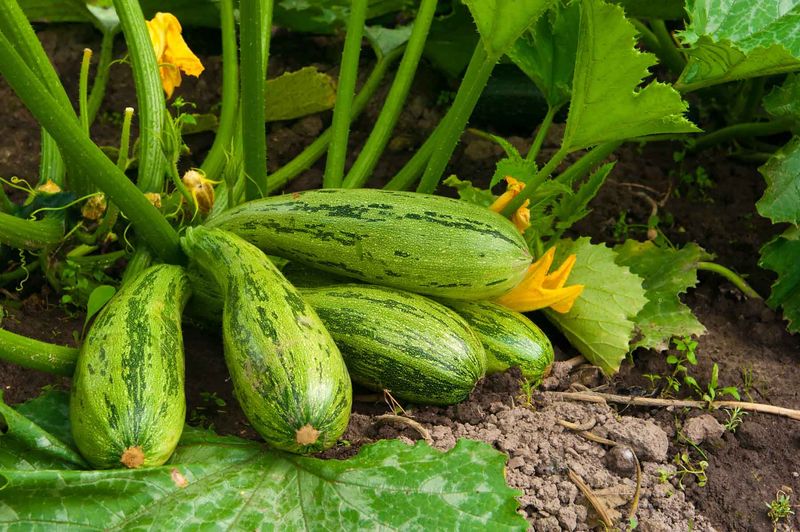
Warm Georgia soil in early summer can push a summer squash plant from seedling to harvest in just a few weeks, which is part of what makes this crop so satisfying to grow.
Zucchini, yellow crookneck, and pattypan squash all tend to produce quickly and heavily once they get going, and a single healthy plant can supply a household with more squash than expected during peak production.
The challenge with summer squash is that plants started in spring often run into squash vine borer pressure and powdery mildew by midsummer, which can end production earlier than expected.
A succession planting started in late June or early July can sidestep some of that pressure by growing through the tail end of vine borer season and into the more manageable late summer period.
Harvesting squash while fruits are still small – six to eight inches for zucchini – keeps the plant producing and prevents the energy-draining oversized fruits that slow things down.
Consistent moisture, good air circulation, and regular pest monitoring are the main care priorities for summer squash in Georgia.
With the right timing and steady attention, a late planting can keep producing fresh squash through much of August.
10. Tomatoes Need Extra Care In August
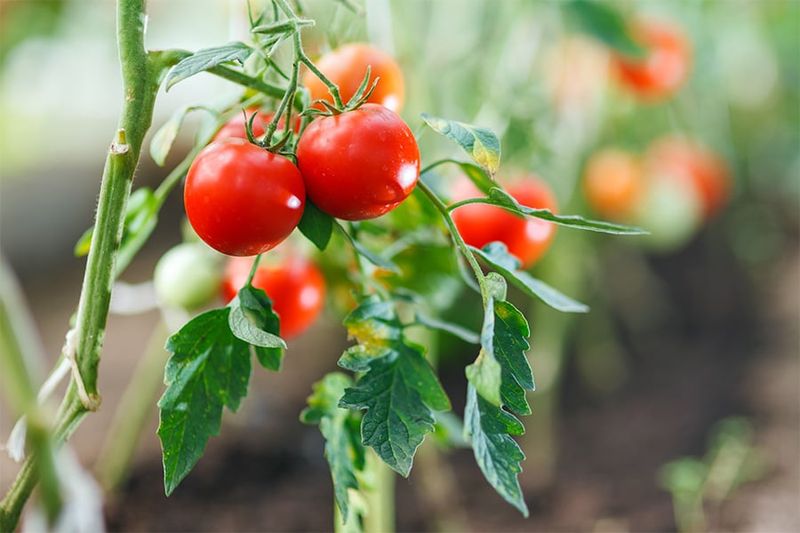
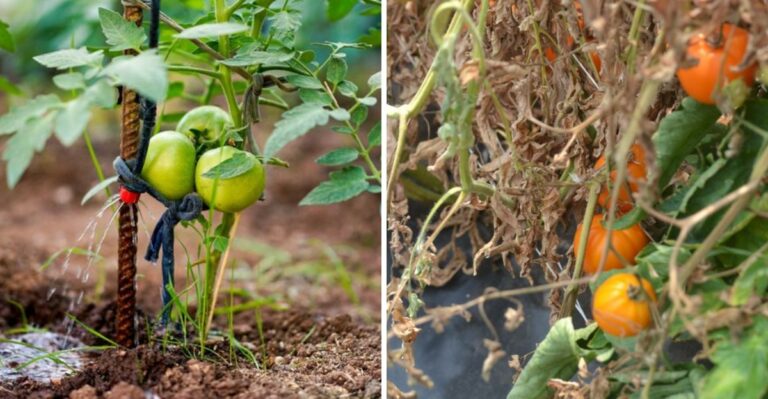
By the time August rolls around in Georgia, tomato plants have usually been through weeks of intense heat, humidity, pest pressure, and occasional drought stress.
Unlike okra, Southern peas, or peppers, tomatoes can be finicky during the hottest part of the Georgia summer.
Blossom drop is common when nighttime temperatures stay high, and fruit set can become inconsistent even on plants that look otherwise healthy.
Keeping tomato plants productive through August requires extra attention to watering, mulching, and disease management.
Fungal diseases like early blight and septoria leaf spot tend to spread quickly in Georgia’s humid summer conditions, and once they get ahead of a plant, production often suffers.
Removing affected lower leaves, improving air circulation, and keeping water off the foliage can slow the spread.
Some gardeners choose to cut back and refresh struggling tomato plants in late summer, allowing new growth to develop for a modest fall harvest. Others start fresh transplants in late summer for a fall crop.
Either way, tomatoes in August benefit from consistent soil moisture, a thick layer of mulch, and regular monitoring for pests like hornworms and stink bugs.
With extra care, some fruit production can continue, though it may be less steady than earlier in the season.