These Are The Oregon Clematis Varieties That Bloom The Longest With The Least Amount Of Care
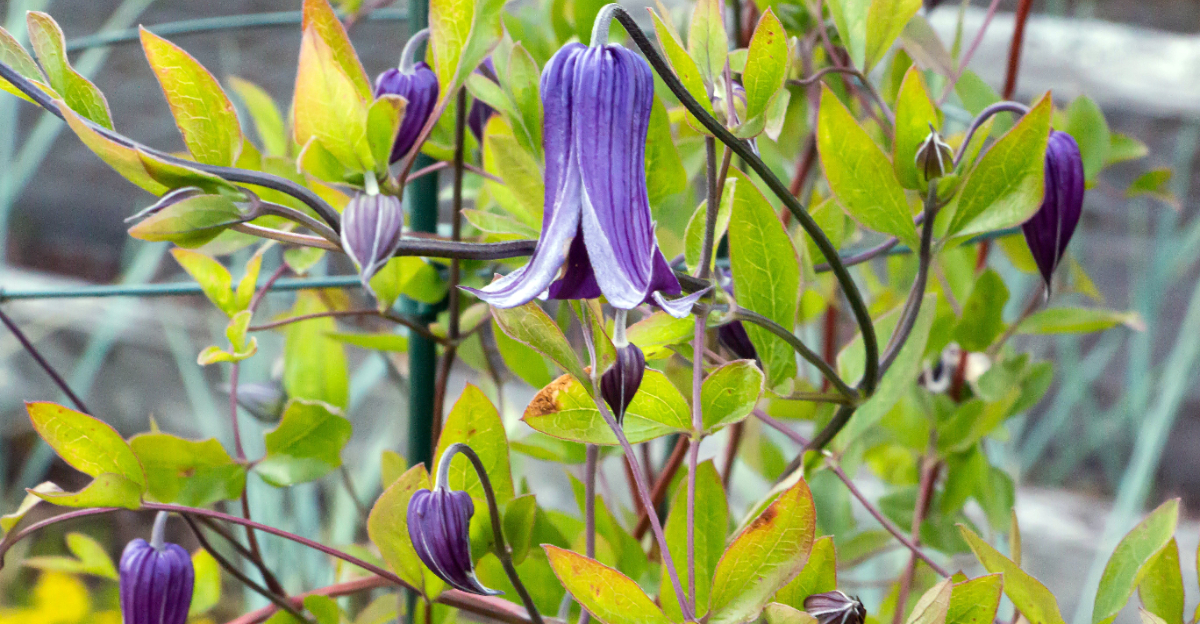
Clematis can make a garden look far more polished than the effort suggests. One healthy vine can climb a trellis, soften a fence, or brighten a plain corner for weeks at a time.
Sounds like a pretty good trade, right? For Oregon gardeners, the easiest varieties are the ones that bloom well without constant fussing.
Some handle cooler springs better than others. Some keep sending out flowers when the rest of the garden starts to slow down.
The real secret is matching the vine to the spot and knowing how much pruning it actually needs. Nobody wants a gorgeous plant that turns into a chore by midsummer.
Long-blooming clematis can bring color, height, and a soft romantic feel to the yard while still staying surprisingly manageable.
1. Jackmanii
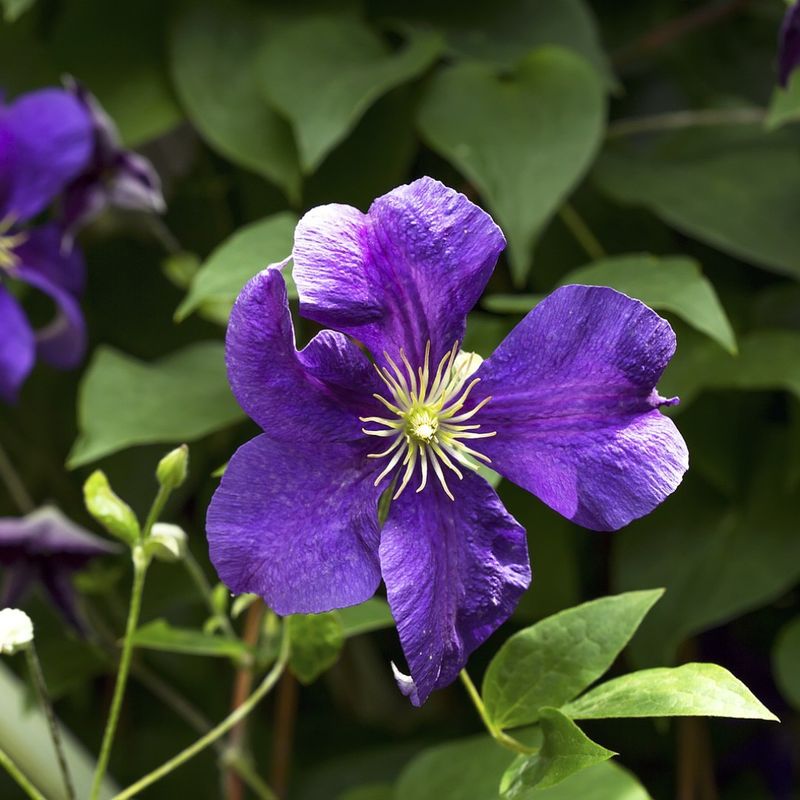
Few flowering vines have earned their legendary status quite like Jackmanii. This classic variety has been charming gardeners since 1858, making it one of the oldest and most beloved clematis cultivars in the world.
Its deep, velvety purple blooms are bold enough to stop anyone in their tracks.
In Oregon, Jackmanii thrives with minimal fuss. It loves a sunny spot with well-drained soil and rewards even the most hands-off gardener with an explosion of color from midsummer all the way into fall.
Pruning is simple since it falls into Group 3, meaning you cut it back hard in late winter and let it do the rest.
The vine can reach up to 10 feet tall, making it perfect for covering fences, arbors, and pergolas. Each flower measures around four to six inches across, and the rich purple color holds up beautifully even in summer heat.
Pairing it with white or pale pink roses creates a classic cottage garden look that feels both timeless and effortless. Many Oregon gardeners swear by this variety as their go-to clematis for reliable, long-lasting blooms that never disappoint season after season.
2. Etoile Violette
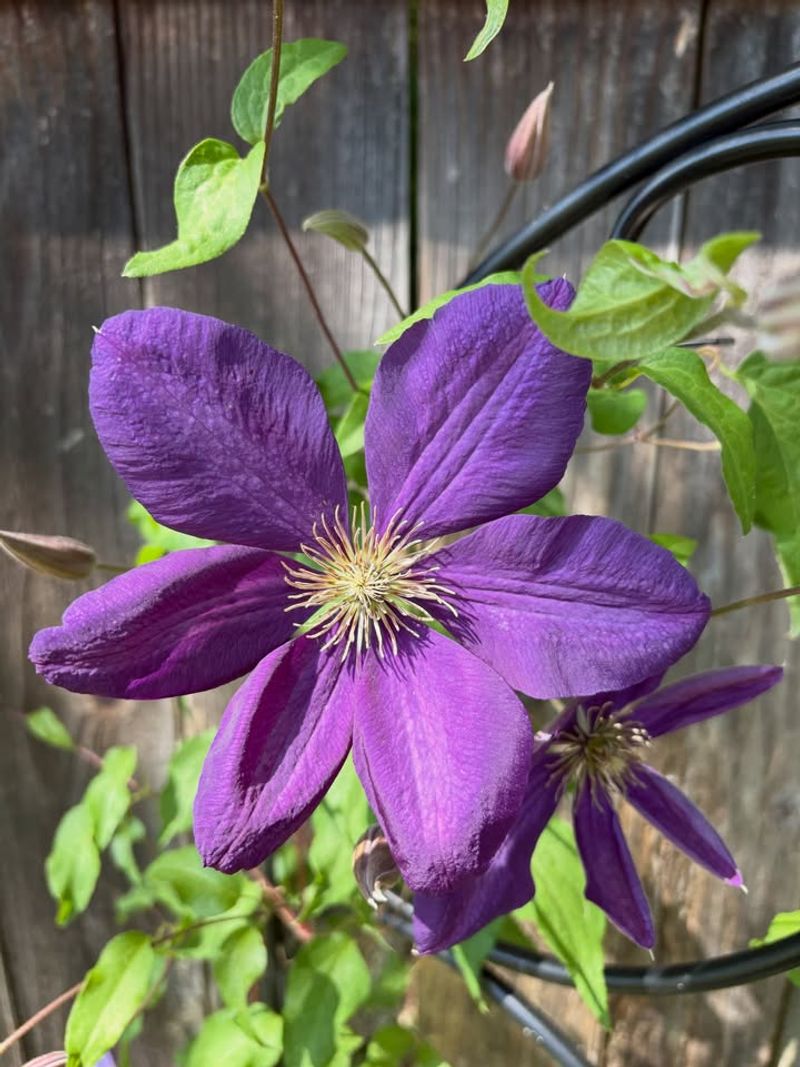
There is something undeniably graceful about Etoile Violette. The flowers nod slightly downward, giving this variety a soft, lantern-like quality that sets it apart from the flat-faced blooms of many other clematis.
Each flower is a rich violet-purple with creamy yellow stamens at the center.
This variety is a Group 3 pruner, which means maintenance is refreshingly easy. You cut it back in late winter, and by summer it rewards you with hundreds of small but striking blooms.
In Oregon, it tends to bloom from July through September, giving your garden weeks of gorgeous color during the warmest part of the year.
Etoile Violette is also wonderfully versatile. It grows well through shrubs, over fences, and up pergola posts with equal enthusiasm.
The vine reaches about 12 to 15 feet at maturity, so it can cover a good stretch of garden structure without becoming overwhelming. It prefers full sun to light shade and handles Oregon’s mild, damp winters without complaint.
Gardeners who want a high-impact vine that practically takes care of itself will find Etoile Violette to be a genuinely satisfying choice year after year.
3. Polish Spirit
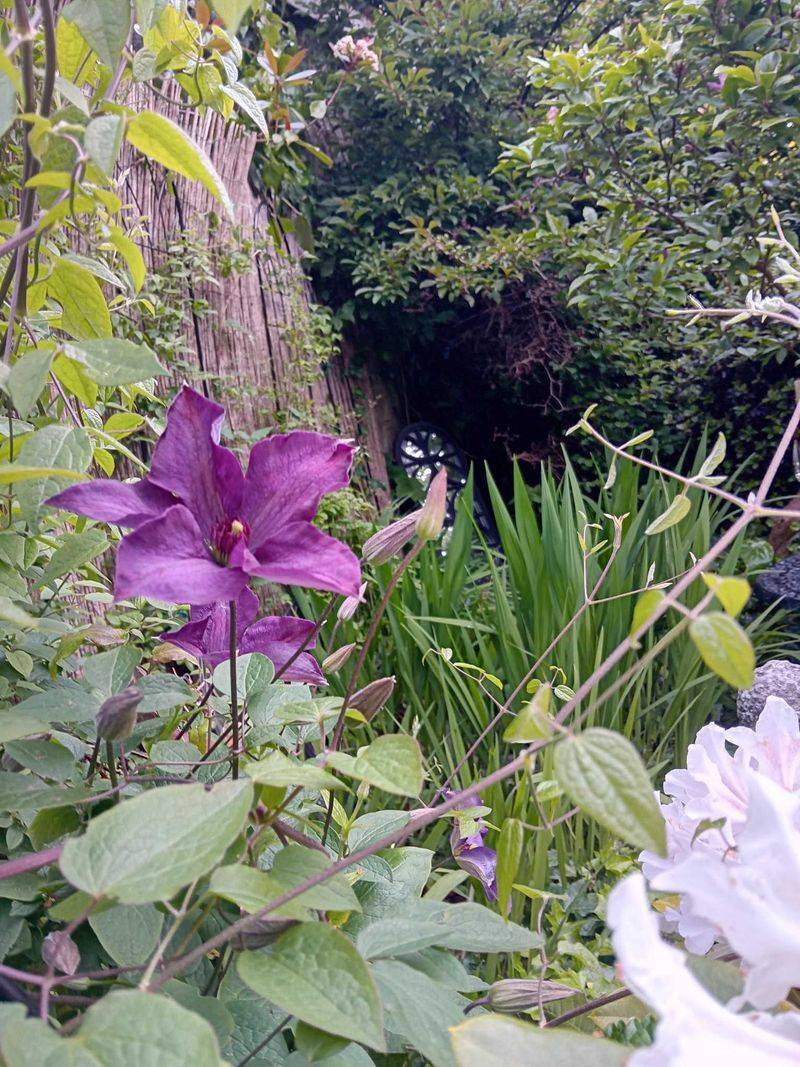
Bold, vigorous, and loaded with blooms, Polish Spirit is the kind of clematis that makes neighbors stop and ask questions. Its rich purple-blue flowers with dark reddish stamens create a striking color combination that looks almost painted.
Your Oregon Garden Changes Every Week. Your Plan Should Too.
Gardening in Oregon changes quickly throughout the season. Every Friday you’ll receive a simple weekly plan showing exactly what to plant, prune, fertilize, harvest, and protect so you never miss the right timing.
When this vine gets going in midsummer, it covers its support structure in a way that few other clematis can match.
One of the biggest selling points for Oregon gardeners is how well Polish Spirit handles less-than-perfect conditions. It tolerates partial shade better than many other Group 3 clematis, which is a real advantage in areas with tree cover or buildings that block direct sun for part of the day.
Bloom time runs from July to October, giving you an especially long season of color.
The plant grows to about 10 to 15 feet and produces flowers that are roughly three to four inches wide. Despite its impressive size and output, it asks for very little in return.
A hard prune in late winter, some basic fertilizing in spring, and regular watering during dry spells are about all it needs. For anyone in Oregon looking for a vigorous, low-maintenance vine that delivers serious floral impact, Polish Spirit is a top-tier choice every single time.
4. Sweet Summer Love
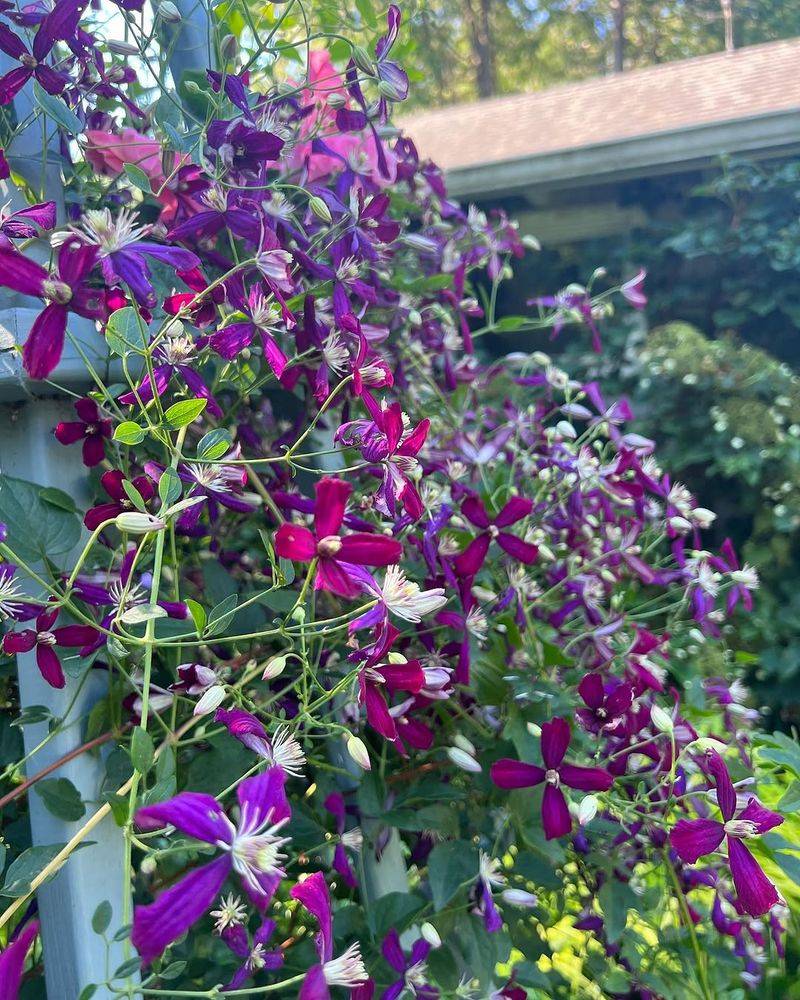
A newer variety with an old-fashioned charm, Sweet Summer Love brings a cottage-style softness to any Oregon garden. The flowers are small but produced in extraordinary numbers, covering the vine in a cloud of reddish-purple blooms from early summer well into fall.
Up close, each flower has a subtle lighter edge that gives it a delicate, two-tone look.
What makes this variety especially appealing is its exceptional bloom duration. Few clematis stay in flower as consistently or as long as Sweet Summer Love does throughout the season.
Oregon’s mild summers suit it perfectly, and the vine handles both sunny and partly shaded spots with ease.
Growing to about 6 to 8 feet, Sweet Summer Love is more compact than many other vigorous clematis, making it a great fit for smaller gardens, containers, or mailbox posts. It belongs to Group 3, so a late-winter pruning is all the seasonal care it really needs.
The fragrance is light and pleasant, adding another layer of appeal to an already impressive plant. Gardeners across Oregon have embraced this variety for its cheerful reliability and the way it seems to bloom almost effortlessly from one end of summer to the other without missing a beat.
5. Arabella
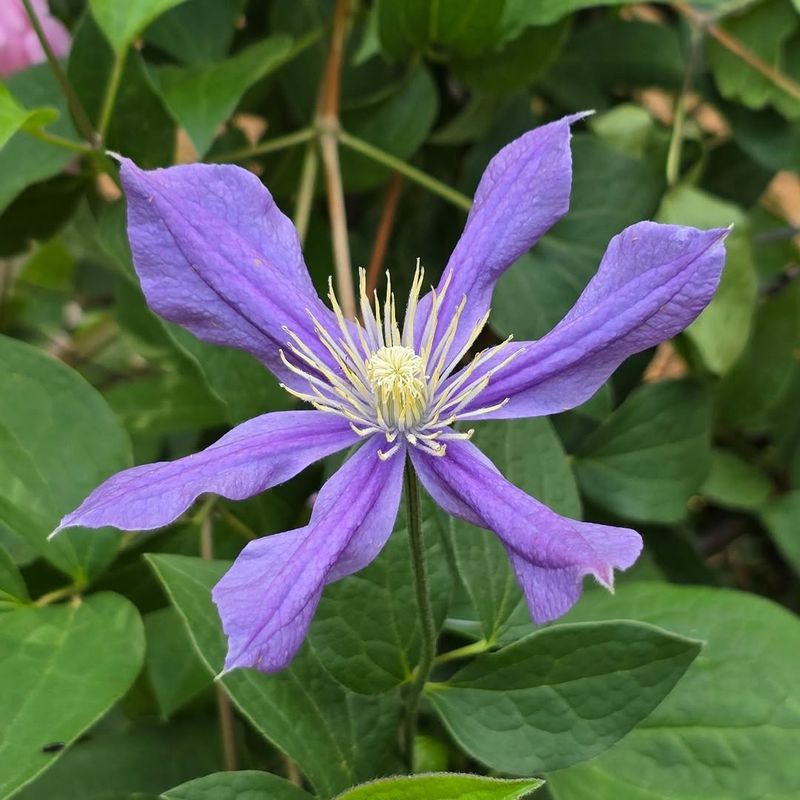
Not every clematis needs a trellis to shine, and Arabella proves that point beautifully. Unlike most climbing clematis, this variety is non-vining, meaning it sprawls rather than climbs.
That makes it incredibly versatile for gardeners who want a low-growing flowering plant that can weave through other perennials or spill over a garden wall.
The flowers are a soft, dreamy blue-purple with creamy stamens, and they appear in remarkable abundance from late spring all the way through early fall. That long bloom window is one of the reasons Arabella has become so popular in Oregon gardens.
It keeps producing fresh flowers even when other plants in the border have long finished for the season.
Arabella reaches about 3 to 5 feet in spread and works wonderfully as a ground cover, a companion for roses, or a filler between taller shrubs. It is a Group 3 clematis, so pruning is straightforward and forgiving.
The plant handles Oregon’s variable spring weather well and is resistant to clematis wilt, which is a common frustration with larger-flowered hybrids. For gardeners who want something a little different from the typical climbing vine, Arabella offers a fresh and flexible approach to growing clematis with minimal effort and maximum reward.
6. Rooguchi
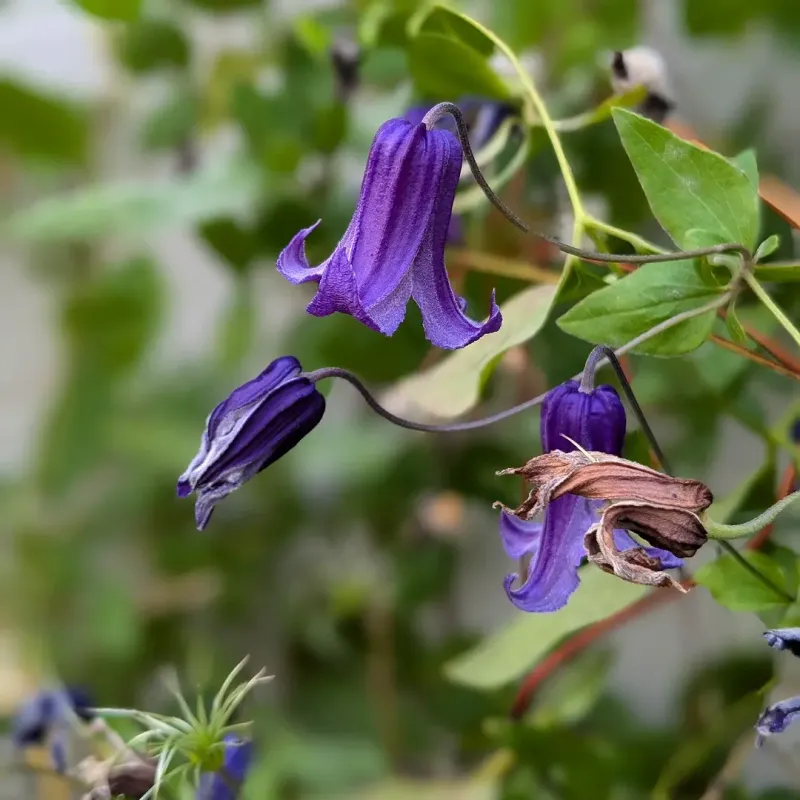
With its deep indigo-blue, nodding bell-shaped flowers, Rooguchi is one of the most distinctive clematis you can grow. The blooms are tubular and slightly twisted at the tips, giving them an almost sculptural quality that looks unlike anything else in the garden.
They appear in abundance from early summer to early fall, creating a long and reliable show.
Like Arabella, Rooguchi does not climb by twining. Instead, it scrambles and sprawls, making it ideal for weaving through shrubs or draping over low fences and walls.
Many Oregon gardeners grow it through ornamental grasses or alongside silvery-leaved plants to make the dark blue flowers really pop against contrasting textures and colors.
The plant grows to about 4 to 6 feet and is considered a Group 3 clematis, so late-winter pruning keeps it tidy and productive. One of Rooguchi’s best qualities is its resistance to clematis wilt, which gives it a real edge over more temperamental large-flowered varieties.
It thrives in full sun to partial shade and handles Oregon’s coastal moisture and valley heat with surprising adaptability. For gardeners who want something genuinely eye-catching that still asks very little in return, Rooguchi delivers a level of beauty and toughness that is hard to beat.
7. Betty Corning
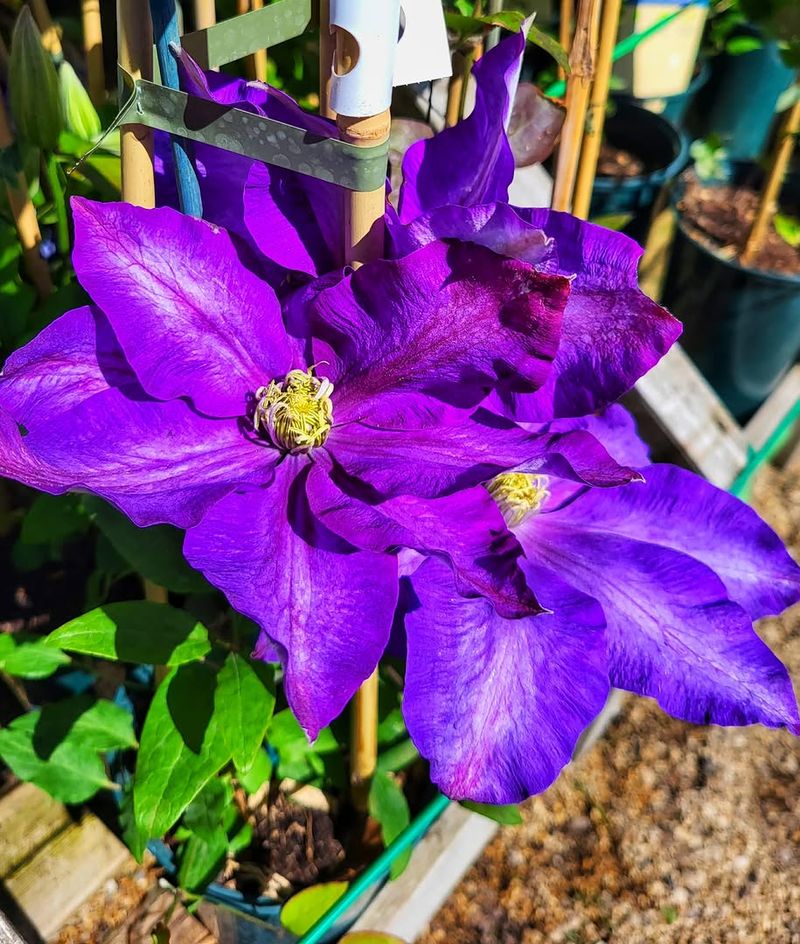
Sometimes the most understated flowers make the biggest impression, and Betty Corning is a perfect example of that idea. The blooms are soft lavender bells that nod gracefully on slender stems, creating a delicate, almost fairy-tale effect when the vine is in full flower.
A light, sweet fragrance adds another reason to grow this charming variety.
Betty Corning is a hybrid of the native Clematis viticella and Clematis crispa, giving it a natural toughness that many showier hybrids lack. It blooms from June through September in Oregon, with peak flowering in midsummer when the vine is absolutely covered in those airy, nodding bells.
The display is generous, consistent, and genuinely beautiful without feeling overdone.
Growing to about 6 to 8 feet, Betty Corning works well on trellises, fences, and through shrubs. It is a Group 3 clematis, making pruning simple and seasonal care minimal.
This variety is notably resistant to clematis wilt, which is a significant advantage for Pacific Northwest gardeners who deal with damp spring conditions. The combination of fragrance, long bloom time, disease resistance, and easy care makes Betty Corning one of the most recommended clematis for Oregon gardens.
Gardeners who plant it rarely regret the decision and often add more to their landscapes.
8. Nelly Moser
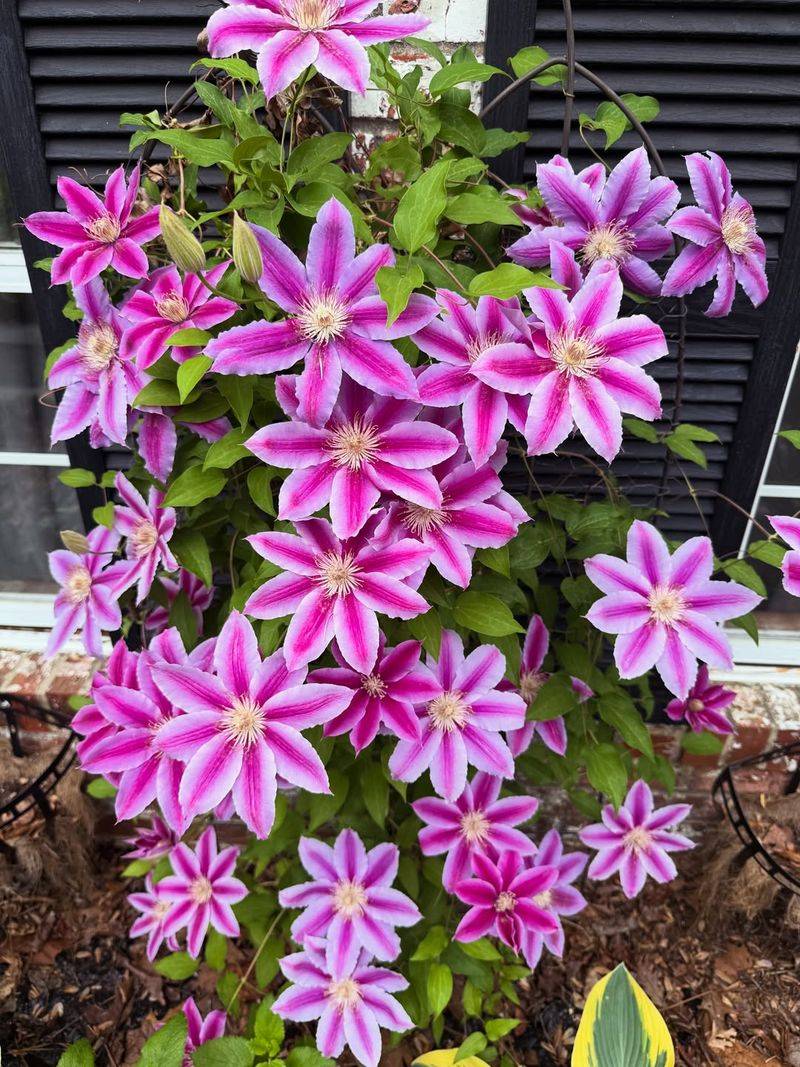
Few clematis create the kind of dramatic first impression that Nelly Moser does. The flowers are large and pale pink with a bold, deep pink or mauve bar running down the center of each petal.
That two-tone pattern is eye-catching in a way that makes this variety one of the most recognizable clematis in the world.
Nelly Moser is a Group 2 clematis, which means it blooms twice a year. The first flush comes in late spring on the previous year’s growth, and a second round appears in late summer on new growth.
In Oregon, both flushes can be impressive, especially when the plant is well established and given a spot with morning sun and afternoon shade.
One important tip for growing Nelly Moser in Oregon is to avoid too much direct afternoon sun. Strong sunlight can fade the flowers quickly, washing out that beautiful pink color.
A spot with dappled light or east-facing exposure keeps the blooms vibrant for longer. The vine grows to about 8 to 12 feet and works beautifully on fences, walls, and obelisks.
While it requires slightly more thoughtful pruning than Group 3 varieties, the twice-yearly bloom reward makes the extra attention completely worthwhile for any Oregon gardener.
9. The President
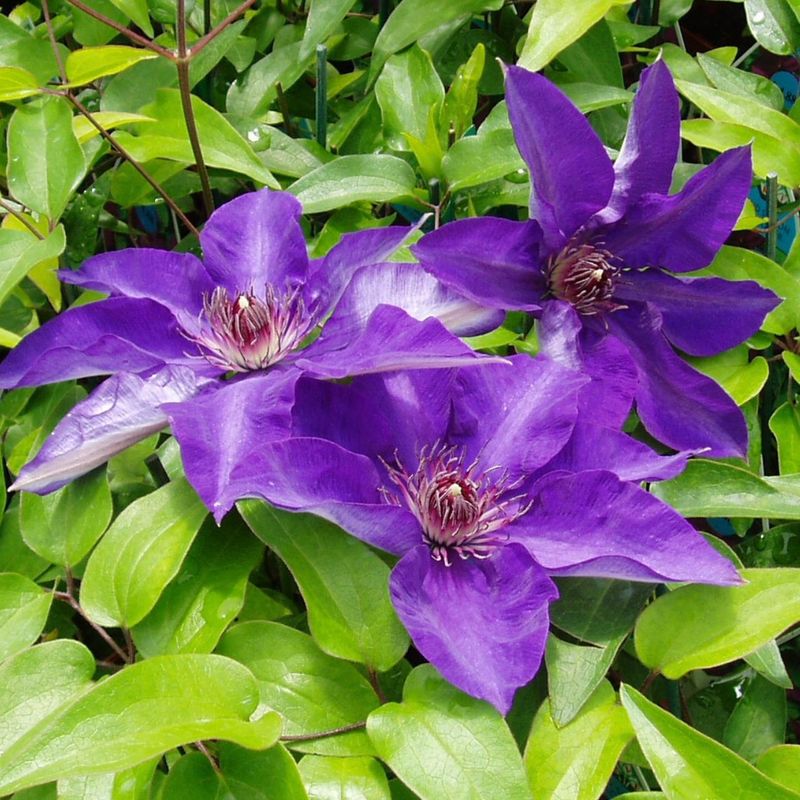
Named with confidence and delivering on every expectation, The President is a clematis that commands attention. The flowers are large, deep purple-blue with silvery stamens at the center, creating a rich, jewel-toned display that looks genuinely regal against a white fence or stone wall.
This variety has been a garden favorite since the 1870s, and its staying power speaks volumes.
As a Group 2 clematis, The President blooms twice a season. The first wave arrives in late spring, and a second flush follows in late summer and early fall.
In Oregon, where mild summers keep the vine comfortable, both bloom periods can be remarkably productive. The flowers measure up to six inches across, making them some of the largest you will find on a clematis vine.
The President grows to about 8 to 12 feet and performs best in full sun to partial shade with fertile, well-drained soil. It is one of the more adaptable large-flowered hybrids available, tolerating Oregon’s wet winters and warm summers without much complaint.
Regular watering during dry spells and a balanced fertilizer in spring are the main care requirements. For gardeners who want a classic, high-impact clematis with a long history of excellence, The President remains one of the finest choices available in Oregon and beyond.