These Are The 9 Most Beautiful Bicolor Flowers To Grow In Your Florida Garden
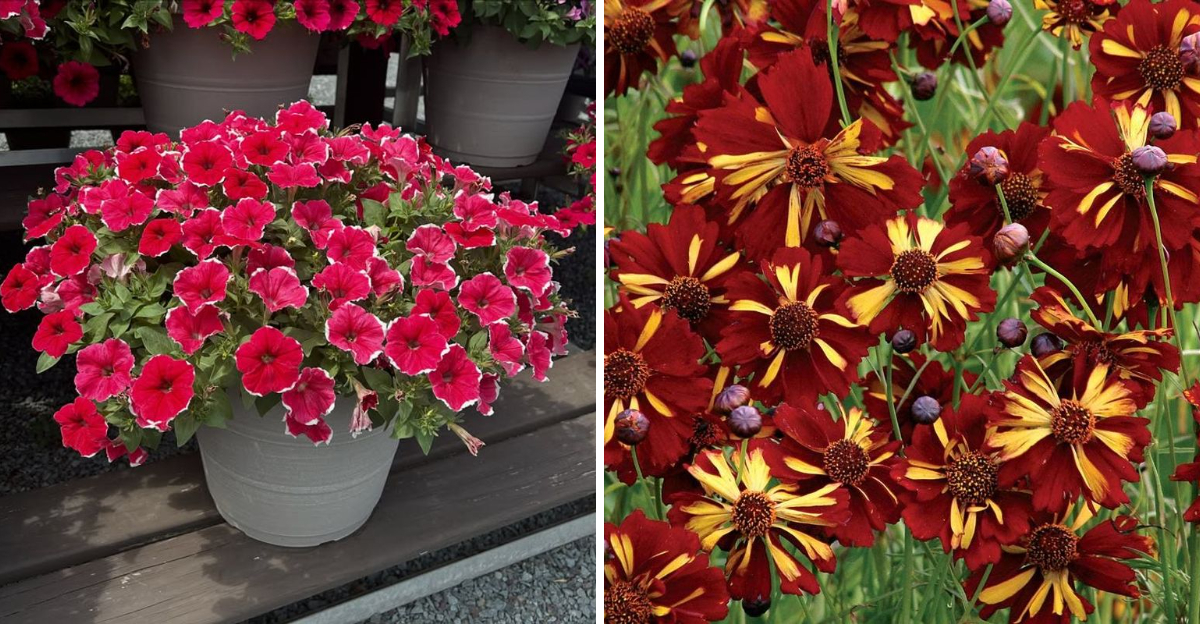
Color alone can make a garden shine, but two colors on a single bloom can stop you in your tracks. Bicolor flowers bring contrast, depth, and a striking visual rhythm that turns ordinary beds into living art.
In Florida, where sun runs strong and seasons move fast, these blooms thrive and deliver bold displays from spring through fall.
Petals edged in white, streaked with gold, or brushed with deep crimson create instant focal points that draw eyes and pollinators alike. Garden paths feel brighter, containers look richer, and every corner gains a touch of drama without extra effort.
With the right choices, your landscape can glow with layered color and tropical energy all season long.
1. Double Delight Rose In Two Stunning Colors
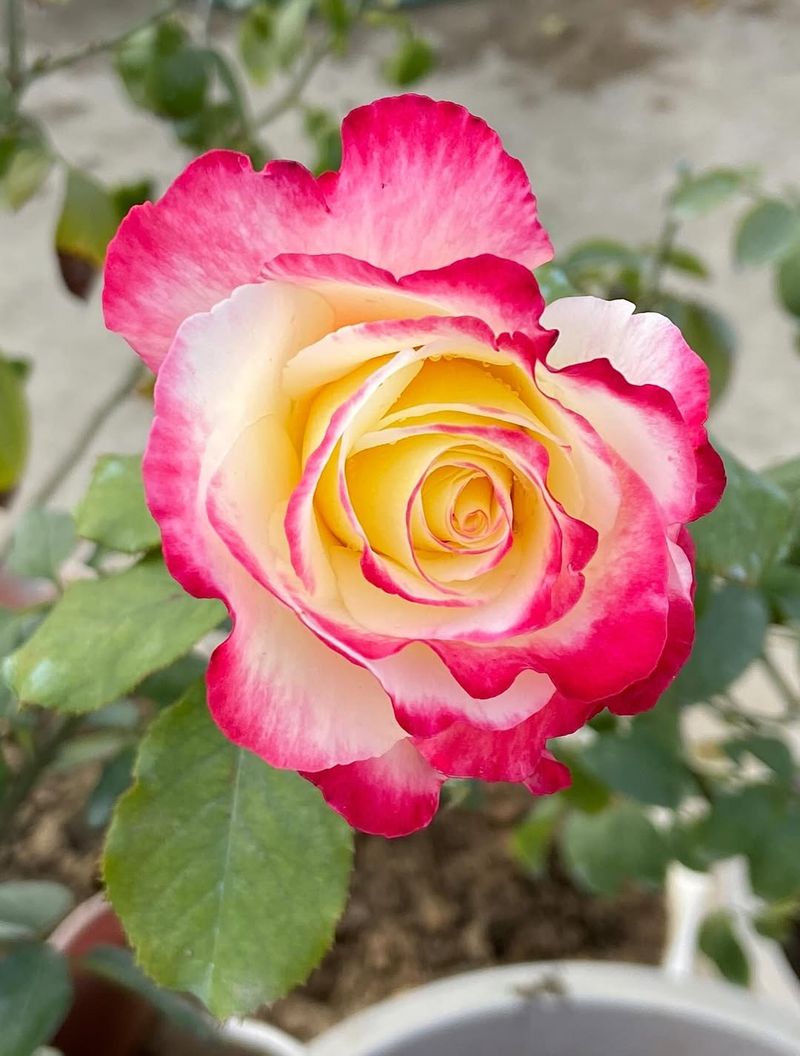
Picture a rose that looks hand-painted by an artist, with creamy white centers that gradually deepen into rich crimson red edges. That’s the magic of Double Delight, a hybrid tea rose that’s become a Florida favorite for good reason.
Each bloom measures about five inches across and releases an incredibly sweet fragrance that fills your garden space.
This rose performs best in North and parts of Central Florida, where slightly cooler winters and lower humidity help it grow and flower more reliably. Plant it where it gets at least six hours of direct sunlight daily, and you can expect repeated bloom cycles from spring through fall.
The color intensity deepens as temperatures rise, making summer flowers especially dramatic.
Regular feeding every six weeks keeps this beauty producing those show-stopping blooms. Water deeply at the base rather than overhead to prevent fungal issues in our humid climate.
Mulch around the base helps retain moisture and keeps roots cooler during scorching summer days.
Deadhead spent blooms regularly to encourage new flower production. This variety responds well to pruning in late winter, which promotes bushier growth and more flowering stems.
With proper care, Double Delight becomes a reliable performer that rewards you with breathtaking bicolor roses season after season.
2. Josephs Coat Rose With Rainbow Blooms
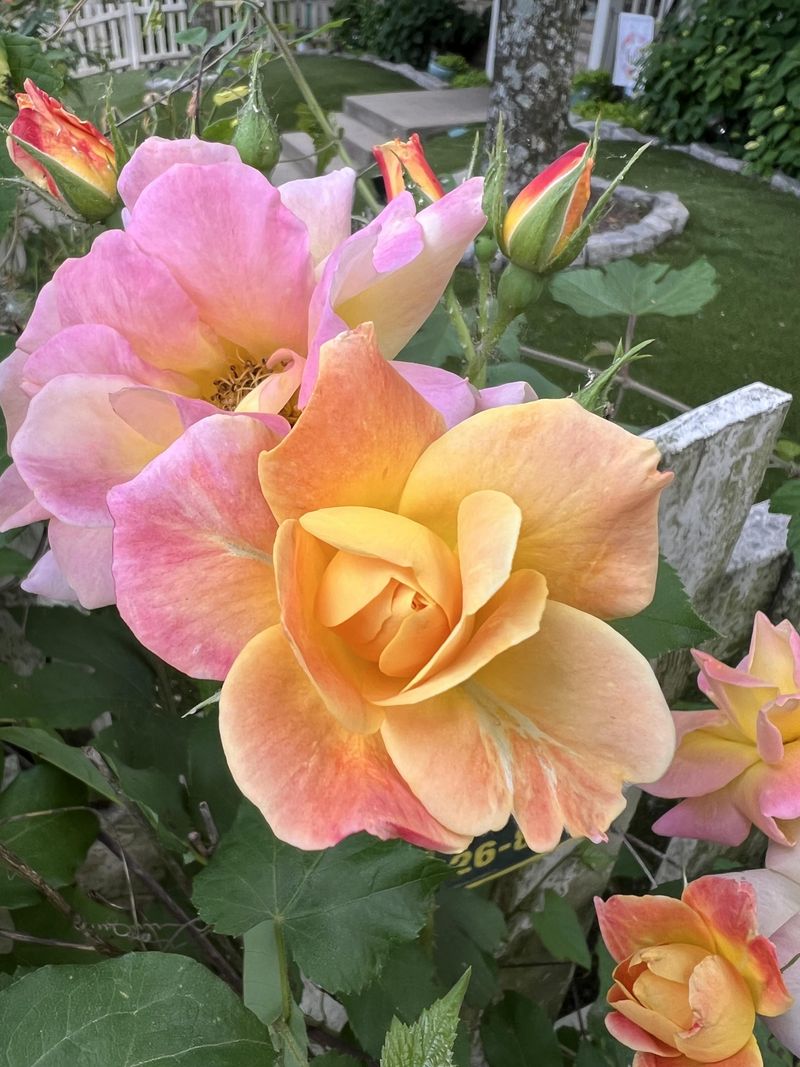
Watching Joseph’s Coat rose bloom feels like witnessing a color-changing magic show in your own backyard. Individual flowers start as bright yellow buds, then transform through shades of coral, orange, pink, and finally deep red as they mature.
Since flowers at different stages appear simultaneously, you get a rainbow effect on one plant.
This vigorous climbing rose works wonderfully on fences, trellises, or arbors throughout Florida. It tolerates our heat better than many rose varieties and keeps pushing out new growth even during summer months.
The canes can reach ten to twelve feet, creating spectacular vertical displays that become neighborhood landmarks.
Full sun exposure brings out the most vibrant color transitions, though it tolerates light afternoon shade in South Florida. Water consistently during establishment, then this tough rose handles short dry periods once mature.
Its disease resistance makes it easier to grow than fussier rose varieties.
Prune lightly after major bloom cycles to shape the plant and remove old canes. Feed monthly during the growing season with a balanced rose fertilizer.
The continuous color show makes this climbing rose worth every bit of space it occupies, turning ordinary garden structures into living works of art.
3. Bougainvillea Raspberry Ice Brings Tropical Color
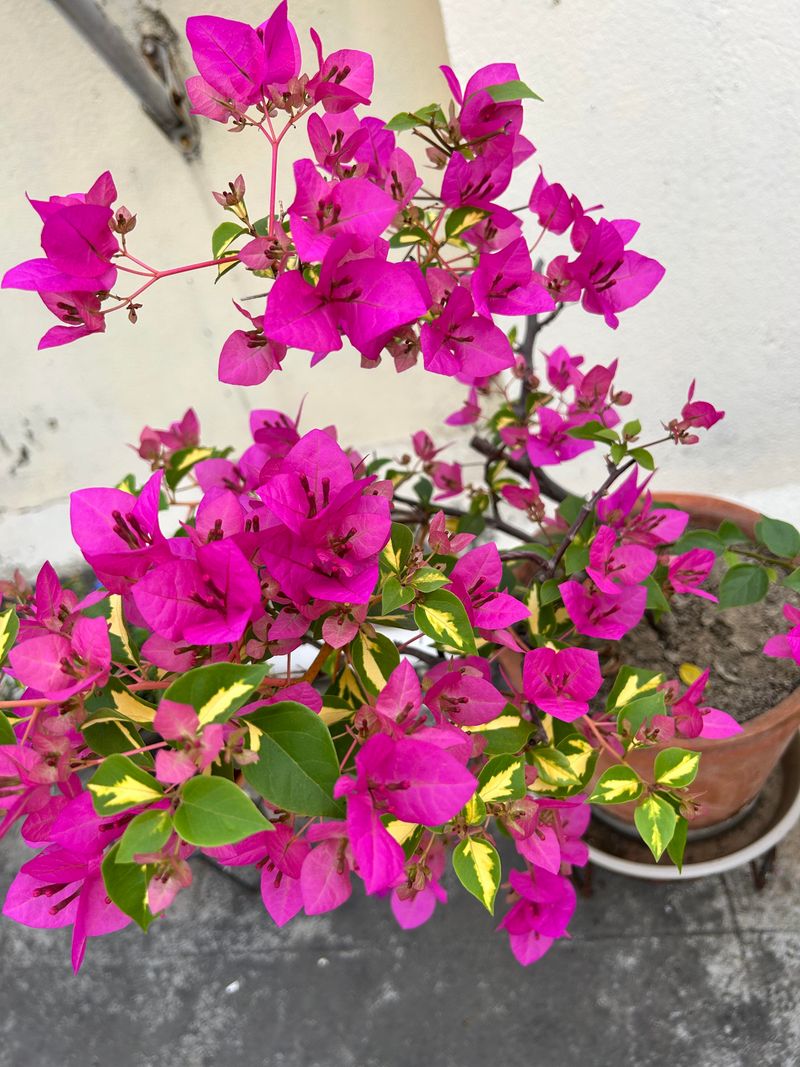
Raspberry Ice bougainvillea doesn’t just offer bicolor flowers. It delivers tricolor drama with white-and-green variegated leaves topped by hot pink bracts that look like tissue paper flowers.
This combination creates a stunning contrast that photographs beautifully and adds dramatic color in sunny areas, where it flowers best in full sun.
Florida gardeners love this variety because it thrives in our climate without constant fussing. Once established, it handles heat, humidity, and drought with remarkable toughness.
The variegated foliage remains attractive even between blooming cycles, unlike solid green varieties that look plain without flowers.
Plant Raspberry Ice where it receives full sun for maximum color intensity and abundant blooms. It works brilliantly cascading over walls, climbing up posts, or trained along fence lines.
In South Florida, it blooms nearly year-round, while Central Florida sees peak color from spring through fall.
Water regularly during the first few months, then cut back significantly once roots establish. Overwatering actually reduces flowering, so let the soil dry between waterings.
Light pruning after bloom cycles keeps growth manageable and encourages fresh flowering stems. This bougainvillea may experience damage during cold snaps but usually regrows once warm weather returns.
4. Painted Lady Hibiscus In Sunset Shades
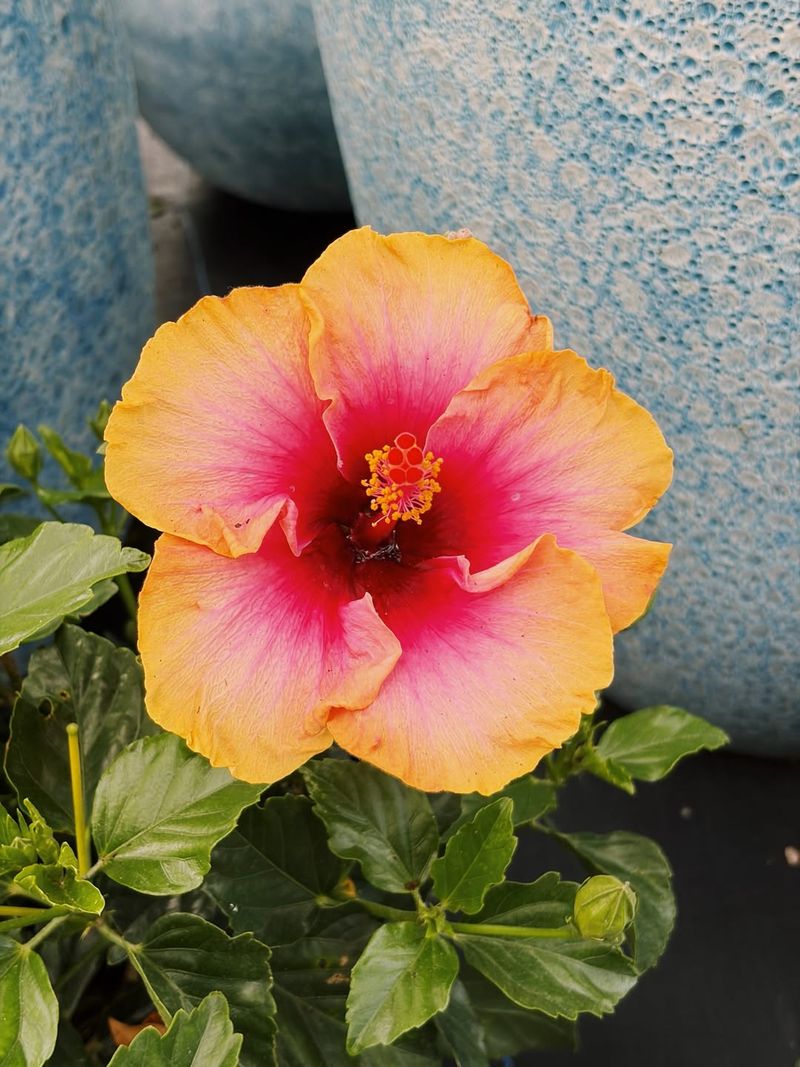
Each Painted Lady hibiscus bloom resembles a tropical sunset captured in petal form. The flowers open with soft peachy-pink outer petals that fade to creamy yellow near the center, topped with a bold red eye that draws attention from across the yard.
These dinner-plate-sized blooms measure about five to seven inches across and appear abundantly on compact shrubs.
This tropical hibiscus thrives in South and Central Florida, producing flowers year-round in frost-free areas. The plant stays relatively small, reaching about four feet tall and wide, making it perfect for foundation plantings, containers, or mixed borders.
Its manageable size means you can enjoy those spectacular blooms without sacrificing valuable garden space.
Provide full to partial sun and consistent moisture for best performance. Painted Lady tolerates our summer heat remarkably well and keeps blooming even during the hottest months.
Regular feeding with a fertilizer formulated for flowering tropicals promotes continuous bloom production.
Watch for aphids and whiteflies, which sometimes target hibiscus in Florida. A strong spray from the hose usually handles light infestations.
Prune lightly throughout the year to maintain shape and remove leggy growth. Each flower lasts only one day, but new buds open constantly, ensuring your garden always displays those gorgeous sunset-colored blooms.
5. Pink And White Picotee Petunias Pop
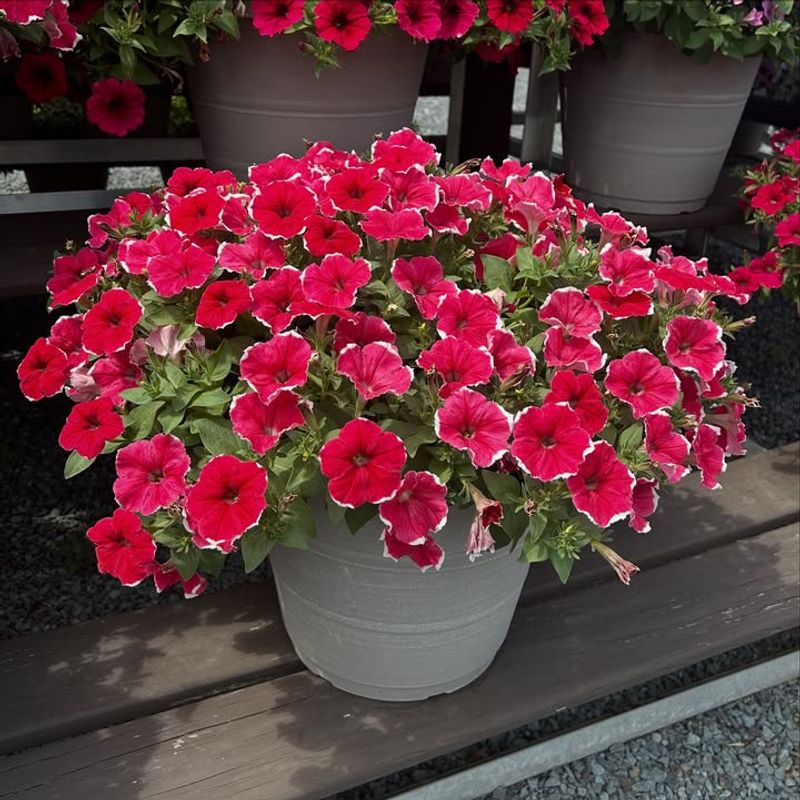
Imagine petunias that look like they’ve been delicately outlined with a pink marker along every petal edge. Picotee petunias feature crisp white centers with vibrant pink margins, creating a fresh, cheerful appearance that brightens containers, hanging baskets, and flower beds.
These ruffled beauties bloom prolifically throughout Florida’s cooler months.
Fall through spring represents prime petunia season in Florida, when these cool-season annuals perform at their absolute best. Plant them in October or November for months of continuous color.
They handle our mild winters beautifully and keep flowering until late spring heat arrives.
Full sun exposure produces the most abundant blooms and strongest plants. Picotee petunias need well-draining soil and regular watering to maintain their flower power.
Deadheading spent blooms isn’t strictly necessary with modern varieties, but it keeps plants looking tidy and encourages even more flowers.
Feed every two weeks with a water-soluble fertilizer to support their heavy blooming habit. These petunias work wonderfully in mixed containers combined with other cool-season annuals like pansies or snapdragons.
Their trailing habit makes them ideal for hanging baskets on porches or shepherd’s hooks. When summer heat intensifies, replace them with heat-loving annuals and save picotee petunias for your next fall planting season.
6. Arizona Sun Gaillardia Glows In Fiery Tones
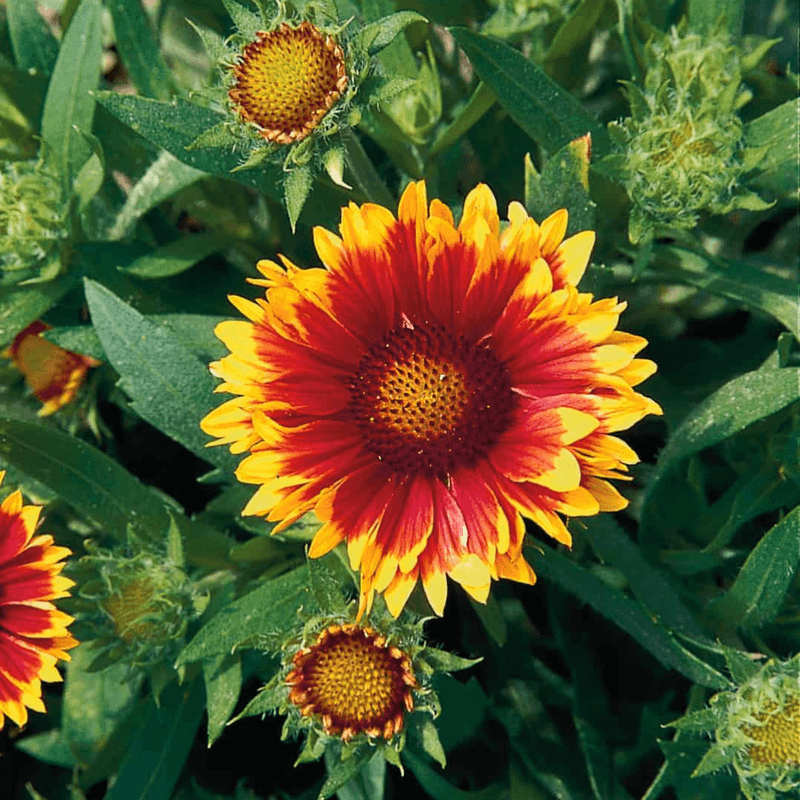
Bright red centers surrounded by sunshine yellow petal tips make Arizona Sun gaillardia look like miniature sunbursts scattered across your garden. This compact, long-blooming wildflower brings prairie toughness to Florida landscapes, handling our challenging growing conditions with impressive resilience.
The flowers measure about three inches across and bloom continuously once established.
Native to North America, gaillardia adapts beautifully to Florida’s climate, especially in Central and North regions. It tolerates sandy soil, salt spray, heat, and drought, making it perfect for low-maintenance landscapes.
Butterflies and bees visit the flowers constantly, adding movement and life to your garden space.
Plant Arizona Sun in full sun locations with excellent drainage. This plant prefers lean soil and performs poorly in rich, heavily fertilized beds.
Water during establishment, then back off significantly. Overwatering causes more problems than underwatering with this tough plant.
Deadheading extends the blooming season and keeps plants producing fresh flowers. Arizona Sun typically grows twelve to fifteen inches tall, forming neat mounds that work well in borders or mass plantings.
It reseeds moderately, so you might find volunteer seedlings appearing nearby. This gaillardia provides reliable color from spring through fall, asking very little in return for its cheerful bicolor display.
7. Roulette Coreopsis Spins In Sunshine Colors
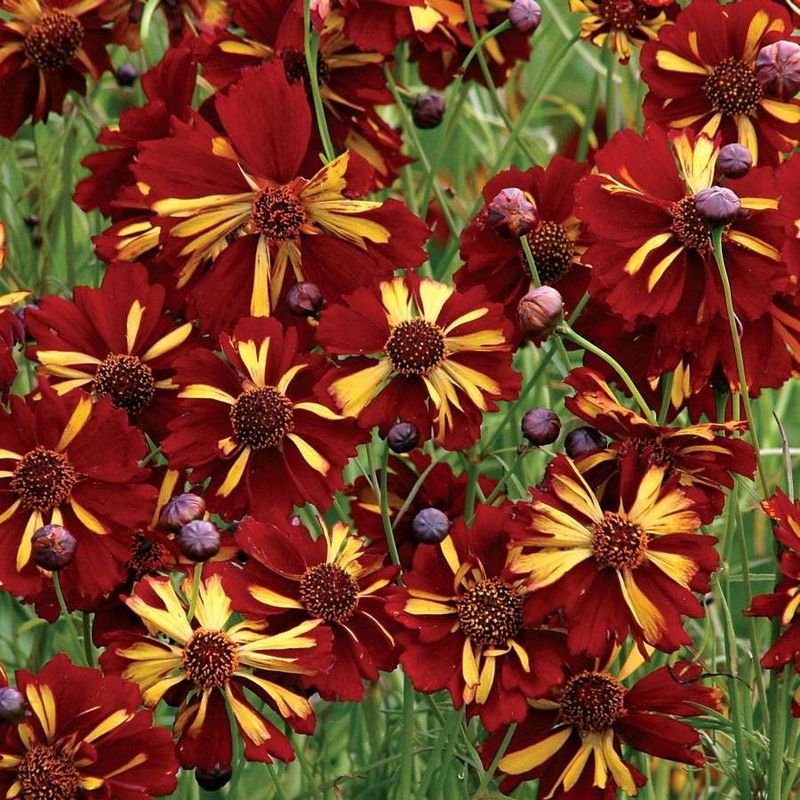
Golden yellow petals splashed with deep burgundy red near the center give Roulette coreopsis a playful, spinning-wheel appearance. This Florida-friendly perennial blooms abundantly from spring through fall, creating cheerful drifts of color in sunny garden beds.
Each flower sits atop thin stems that sway gracefully in the breeze, adding movement to your landscape.
Coreopsis species are native to Florida, and this cultivated variety keeps that same toughness without breaking a sweat. It thrives in sandy soil, tolerates drought once established, and actually prefers less fertilizer than most garden flowers.
This makes it ideal for naturalistic landscapes or anywhere you want beautiful blooms without constant maintenance.
Full sun brings out the best flowering performance, though Roulette tolerates light shade. Space plants about twelve inches apart for a full, flowing display.
They typically reach eighteen to twenty-four inches tall, creating substantial color impact without overwhelming smaller gardens.
Water regularly during the first growing season, then reduce frequency significantly. Deadhead spent flowers to encourage continuous blooming and prevent excessive self-seeding.
Roulette coreopsis attracts butterflies, goldfinches, and other beneficial wildlife to your garden. It combines beautifully with other Florida natives like salvia and blanket flower.
This tough coreopsis often returns and may reseed to create continuing displays of bicolor color.
8. Mediterranean Strawberry Vinca Loves Florida Heat
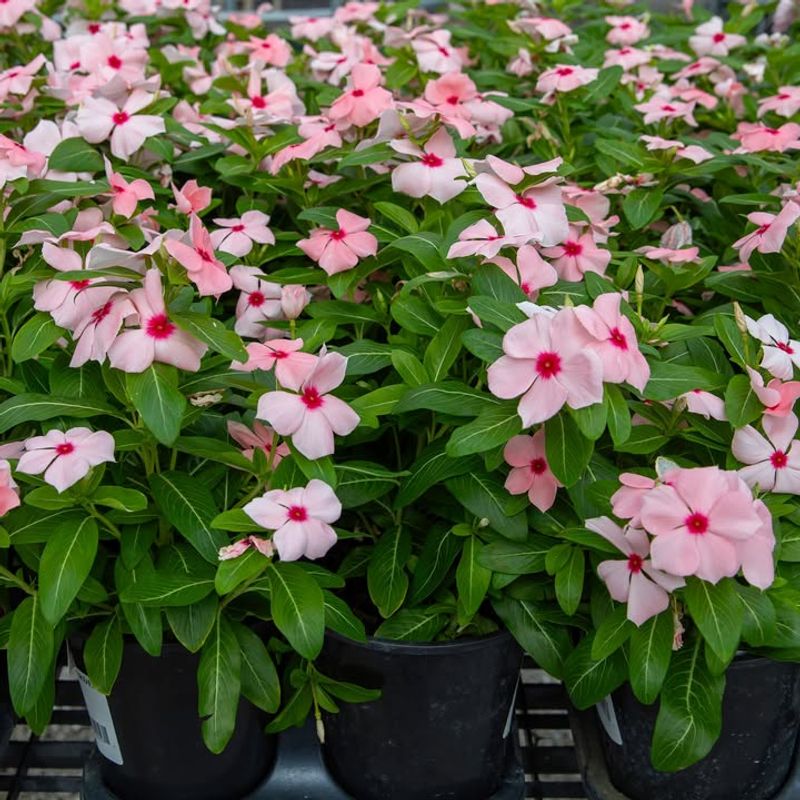
Crisp white petals surrounding cherry-red centers give Mediterranean Strawberry vinca a fresh, clean appearance that brightens hot, sunny areas. This heat-loving annual bedding plant blooms nonstop through Florida’s toughest summer months when many other flowers take a break.
The glossy foliage stays attractive through the warm growing season, providing consistent beauty between bloom cycles.
Mediterranean vinca, also called periwinkle, thrives in South and Central Florida, handling full sun and heat with remarkable stamina. It grows in tidy clumps and works well in beds, borders, and containers rather than spreading as a ground cover.
This makes it perfect for large areas, slopes, or anywhere you need reliable color without constant attention.
Plant in well-draining soil and water regularly until established. Once roots settle in, this tough plant tolerates dry periods remarkably well.
It actually prefers drier conditions over wet soil, which can cause root problems. Full sun produces the heaviest flowering, though it tolerates partial shade.
Fertilize lightly in spring to encourage vigorous growth and abundant blooms. Mediterranean Strawberry vinca rarely needs pruning but responds well to light trimming if it spreads beyond desired boundaries.
The cheerful bicolor flowers attract butterflies while the dense growth provides habitat for beneficial garden insects. This versatile ground cover delivers consistent performance in Florida’s challenging climate, rewarding you with months of carefree color.
9. Zahara Starlight Rose Zinnia Shines Bright
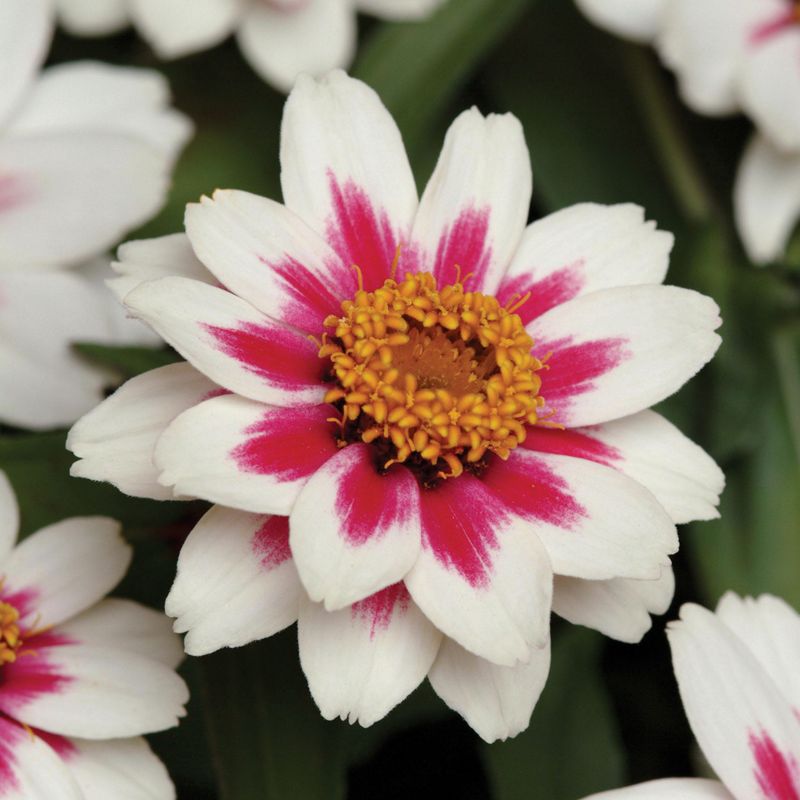
Rose-pink petals radiating from creamy white centers create a starburst effect on Zahara Starlight Rose zinnias. These compact, disease-resistant annuals bloom continuously through Florida’s brutal summer heat, providing reliable color when many other flowers fade or struggle.
Each plant produces dozens of flowers simultaneously, creating impressive color impact from relatively small plants.
Zahara zinnias revolutionized summer gardening in Florida by offering true heat tolerance combined with excellent disease resistance. They handle our humidity without developing the powdery mildew that plagues older zinnia varieties.
Plants stay compact at twelve to eighteen inches tall, making them perfect for front-of-border plantings or containers.
Plant once temperatures are consistently warm and frost risk has passed in your area. They prefer warm soil and really take off once summer heat arrives.
Well-draining soil prevents root problems, though these zinnias aren’t particularly fussy about soil quality.
Water at ground level rather than overhead to keep foliage dry and discourage any potential disease issues. Deadheading spent blooms encourages continuous flowering, though Zahara varieties bloom heavily even without deadheading.
Butterflies absolutely love zinnia flowers, so expect frequent colorful visitors. Feed monthly with a balanced fertilizer to support heavy blooming.
These cheerful bicolor zinnias provide months of dependable summer color, proving that Florida gardens can look spectacular even during the hottest months.