These Are The 8 Most Common Crape Myrtle Growing Mistakes In Florida Gardens
Crape myrtles look almost effortless in Florida landscapes. Tall branches burst with color, smooth bark catches the light, and the trees seem to thrive in heat that sends other plants struggling.
It is easy to assume they take care of themselves. That assumption leads many gardeners into trouble.
A crape myrtle that should bloom for months can end up weak, poorly shaped, or strangely bare in the middle of the season. The problem rarely comes from the plant itself.
More often, a few common mistakes slowly hold it back without gardeners realizing it.
Once you know what to watch for, these beautiful trees become far easier to grow successfully in Florida yards.
1. Picking The Wrong Spot Causes Problems Fast
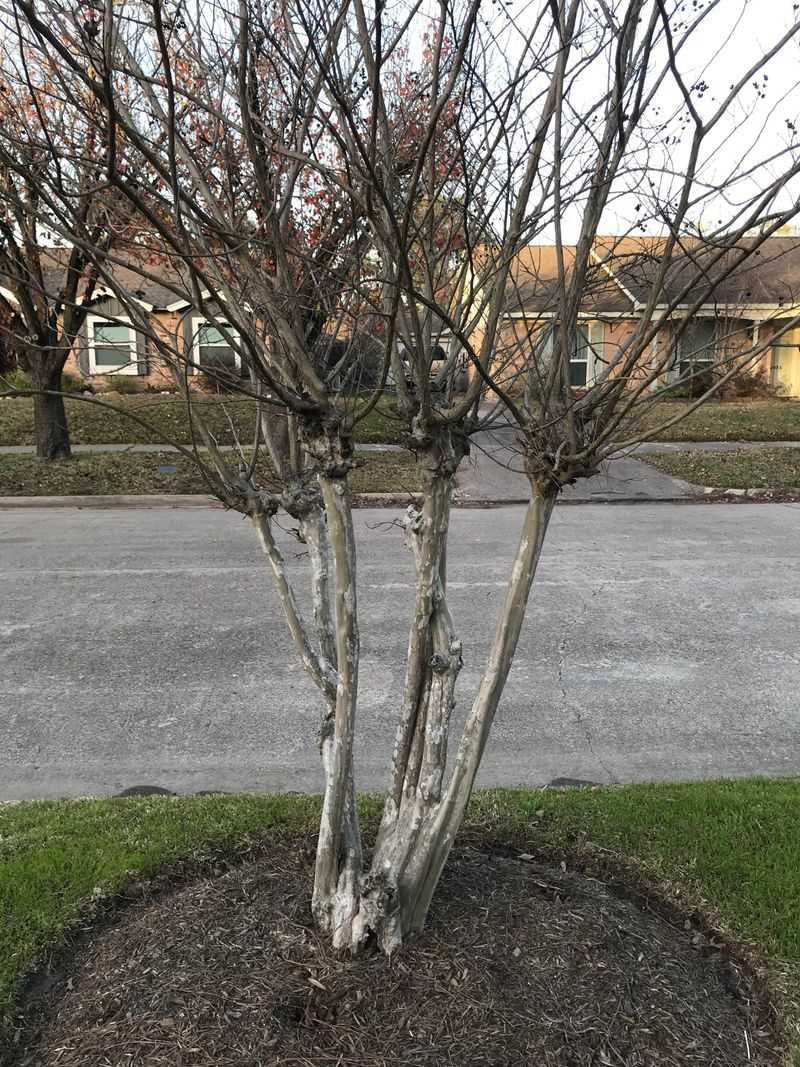
Location matters more than most people realize when it comes to crape myrtles. A spot that looks fine at planting time can turn into a real headache within just a few growing seasons, especially in Florida where plants grow fast and conditions can be extreme.
Crape myrtles planted too close to structures, fences, or utility lines end up fighting for space. Roots can buckle sidewalks, branches can crowd rooflines, and airflow gets cut off in ways that invite disease.
Poor drainage is another location issue that Florida gardeners often overlook. Low-lying spots in yards tend to collect rainwater, and crape myrtles sitting in soggy soil after heavy summer storms will show stress signs quickly.
According to UF/IFAS, crape myrtles perform best when planted in open areas with good air circulation, full sun exposure, and well-drained soil. Avoid spots near septic systems, drainage swales, or areas where construction fill was used.
Before planting, walk the site at different times of day to check for shade patterns, standing water, and nearby obstacles. A little planning upfront saves you from relocating the tree later, which is stressful for the plant and frustrating for you.
2. Too Much Shade Means Fewer Flowers
Few things are more disappointing than a crape myrtle that barely blooms. You wait all spring, the tree leafs out nicely, and then summer arrives with almost nothing to show in the flower department.
Shade is usually the culprit.
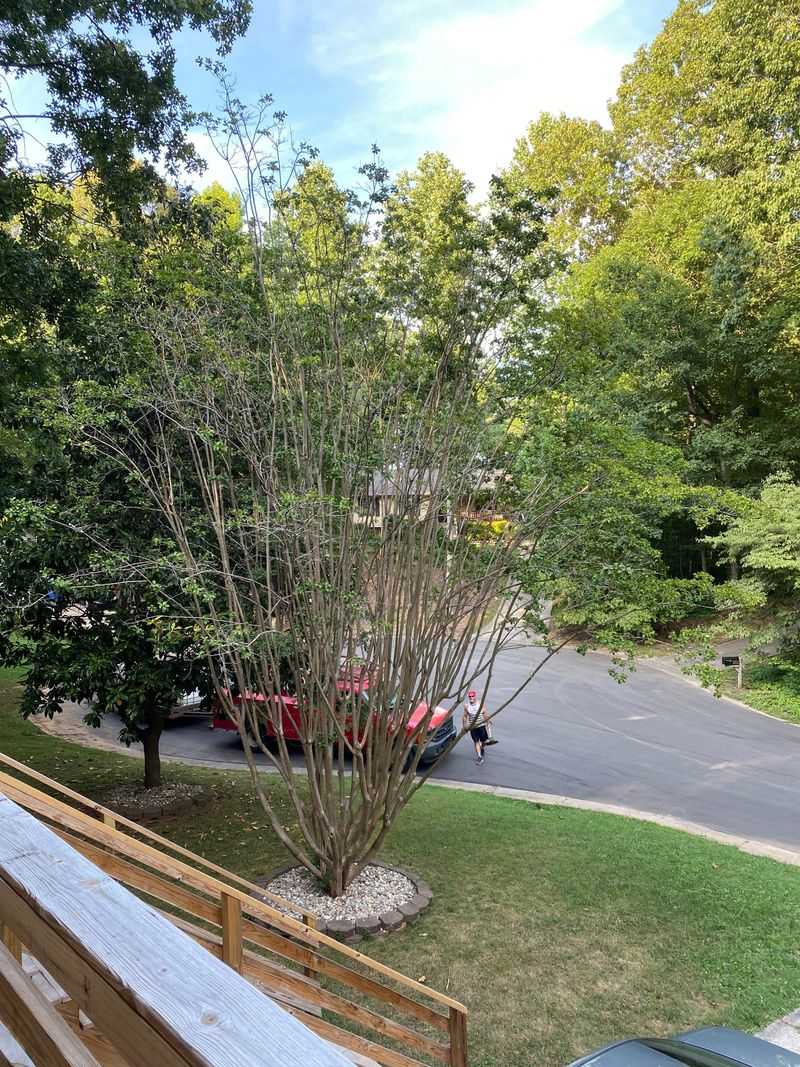
Crape myrtles are sun-loving plants that need a minimum of six to eight hours of direct sunlight daily to produce their best flower display. Florida gardeners sometimes underestimate how much a nearby oak, pine, or building can reduce that sun exposure over time.
Trees grow, houses get additions, and what was once a sunny spot can quietly become a shaded one.
UF/IFAS consistently lists full sun as a non-negotiable requirement for healthy crape myrtle performance. Without it, the tree may grow taller and leggier as it reaches toward light, produce fewer flower clusters, and become more vulnerable to powdery mildew, which thrives in shaded, humid conditions common across Florida.
If your crape myrtle is blooming less than it used to, check how the sun hits that spot throughout the day. Pruning back competing trees or relocating younger crape myrtles to a sunnier position can make a dramatic difference in flowering performance the very next season.
3. Too Much Water Puts Roots Under Stress
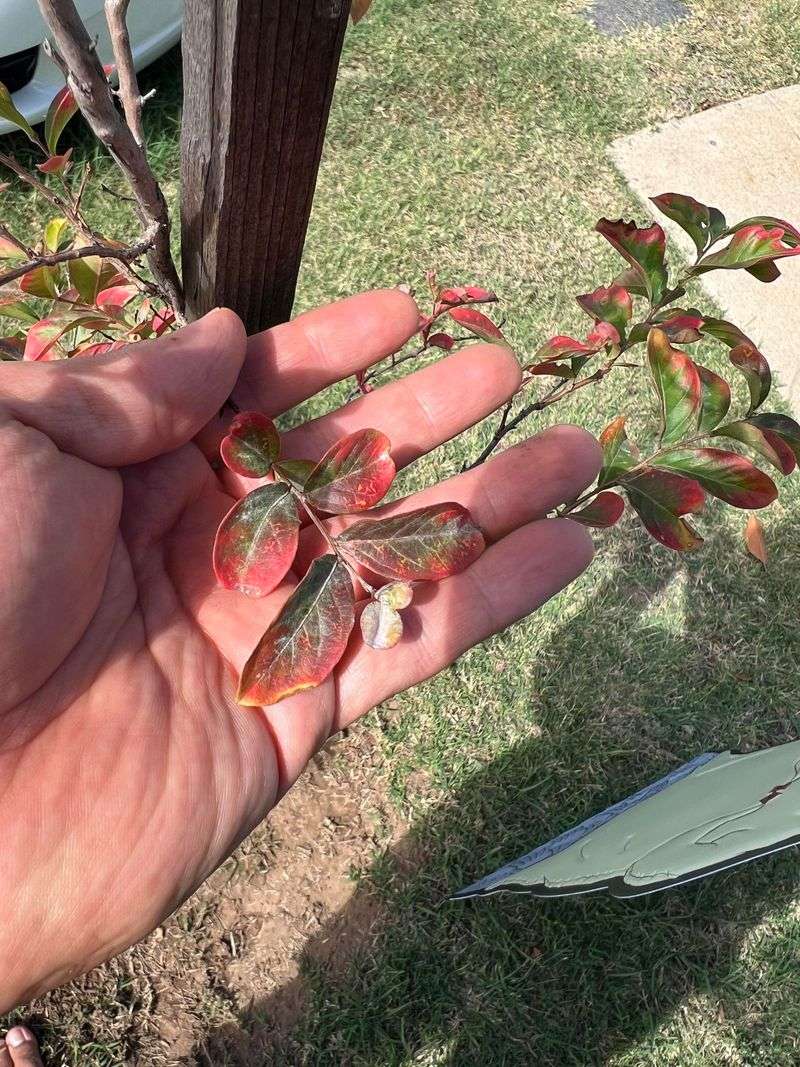
Crape myrtles have a reputation for being tough and drought-tolerant once they settle in, and that reputation is well-earned. Established trees in Florida can handle dry spells surprisingly well.
The problem is that many gardeners treat them like thirsty plants that need constant irrigation, and that approach backfires.
Overwatering creates soggy soil conditions around the root zone, which limits oxygen availability and stresses the roots. In Florida, where summer rainfall can already be heavy and frequent, adding irrigation on top of natural rain is often unnecessary and harmful.
Signs of too much water include yellowing leaves, sparse growth, and a general look of decline that gardeners sometimes mistake for drought stress, which leads them to water even more.
UF/IFAS recommends watering newly planted crape myrtles regularly during the first few months to help them establish, then tapering off as roots spread. After establishment, supplemental irrigation should only kick in during extended dry periods.
Make sure your planting site drains well before you ever put a tree in the ground. Sandy Florida soils drain quickly in many areas, but clay-heavy spots or compacted fill soil can hold water far longer than the roots can tolerate.
Check soil moisture before reaching for the hose.
4. Bad Pruning Spoils The Natural Shape
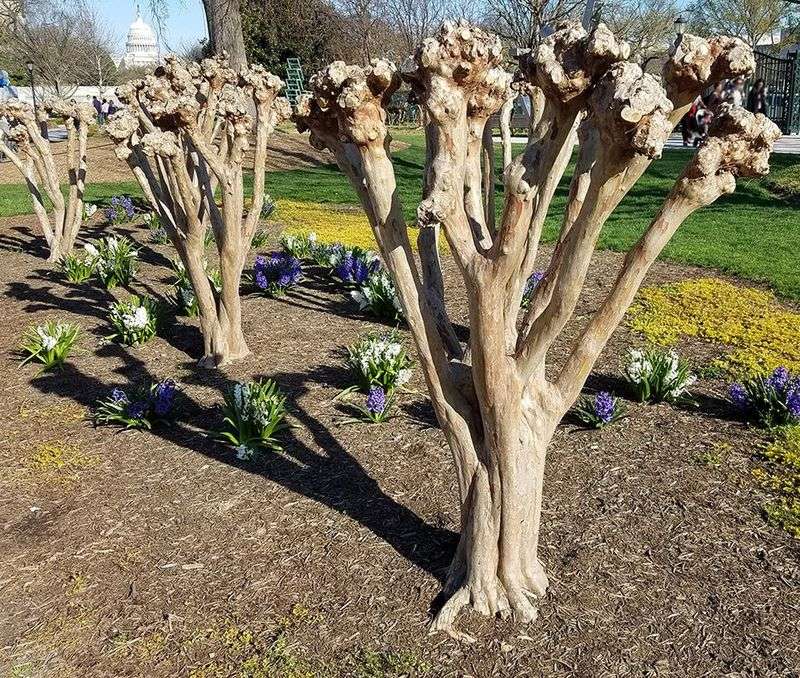
Ask any Florida horticulturist what frustrates them most about crape myrtle care, and odds are high that the answer involves pruning. Specifically, the habit of chopping crape myrtles back to thick, blunt stubs every winter.
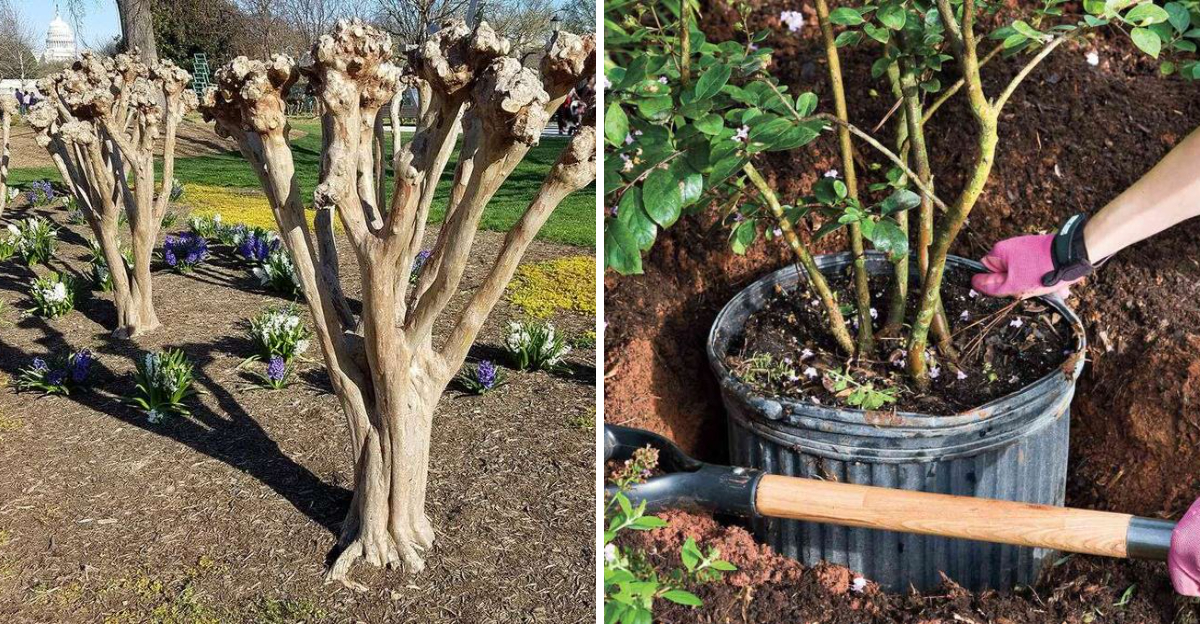
Topping a crape myrtle does not help it bloom better or grow more vigorously. Instead, it destroys the tree’s naturally elegant branching structure, creates large wounds that are slow to close, and forces the plant to push out clusters of weak, whippy shoots from the cut points.
Those shoots are more susceptible to pests and look nothing like the graceful growth that a properly maintained crape myrtle develops over time.
UF/IFAS Extension advises gardeners to avoid topping entirely. If pruning is needed, focus on removing crossing branches, suckers at the base, and small twiggy growth in the canopy interior.
Light shaping right after blooming is fine. The best approach for most Florida landscapes is to choose a cultivar that fits the space naturally so heavy pruning is never needed in the first place.
A well-chosen crape myrtle in the right spot rarely needs more than minimal annual tidying to look its best.
5. No Mulch Leaves Roots Exposed To Heat
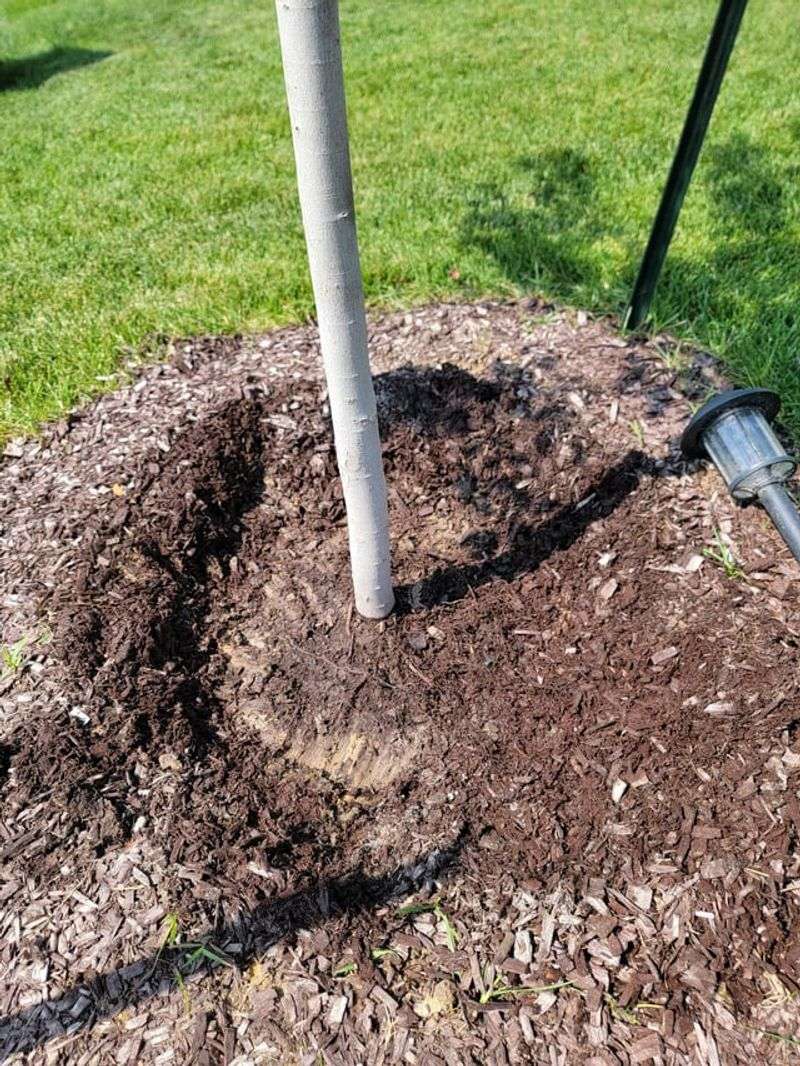
Florida summers are relentless. Soil temperatures in full-sun landscapes can climb high enough to stress shallow roots, and without a protective layer of mulch, crape myrtles in Florida yards take the full brunt of that heat.
Skipping mulch is one of the easiest mistakes to make and one of the easiest to fix.
A proper mulch layer helps regulate soil temperature, retain moisture between rain events, and suppress weeds that compete with the tree for nutrients and water. UF/IFAS recommends applying two to three inches of organic mulch, such as pine bark or wood chips, around the base of the tree.
The mulch ring should extend out to the drip line if possible, covering the area where most of the feeder roots are active.
One important caution specific to Florida: never pile mulch directly against the trunk in a volcano shape. That practice traps moisture against the bark, encourages fungal rot, and can attract pests.
Keep mulch a few inches away from the base of the trunk and spread it flat and even instead. Fresh mulch applied once or twice a year, ideally in spring before the heat peaks, gives crape myrtles a real advantage during the long, hot Florida growing season and helps them look vibrant all summer long.
6. Tight Spacing Cuts Down Airflow
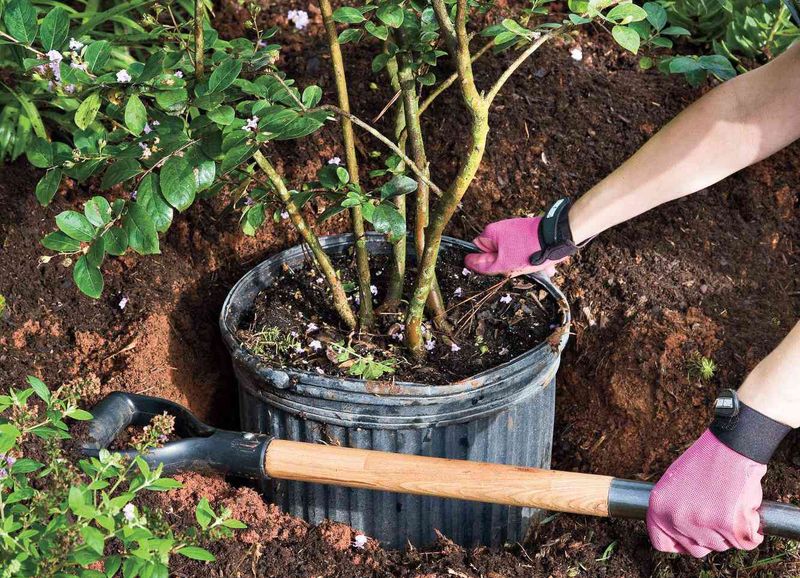
Nursery tags on young crape myrtles can be misleading. That tidy little three-gallon tree sitting on the shelf looks perfectly manageable, but some cultivars grow into full-sized trees reaching twenty to thirty feet tall with canopies that spread just as wide.
Planting several of them too close together is a setup for long-term crowding.
Tight spacing creates a microclimate between the trees where humidity stays high and airflow stays low. In Florida, where summer humidity is already significant, that combination is a recipe for powdery mildew, a fungal disease that coats crape myrtle foliage in a white powdery film.
Cercospora leaf spot, another fungal issue common in Florida, also spreads more easily when plants are crowded and wet foliage cannot dry out between rain showers.
UF/IFAS guidance on crape myrtle planting recommends spacing trees according to their mature size, not their size at the time of purchase. Dwarf varieties can be planted closer together, but standard and tree-form cultivars need generous spacing to develop properly and stay healthy.
If you are using crape myrtles as a privacy screen or hedge, choose compact cultivars bred for that purpose. Giving each tree room to breathe is one of the simplest and most effective ways to keep Florida crape myrtles looking full, healthy, and disease-free.
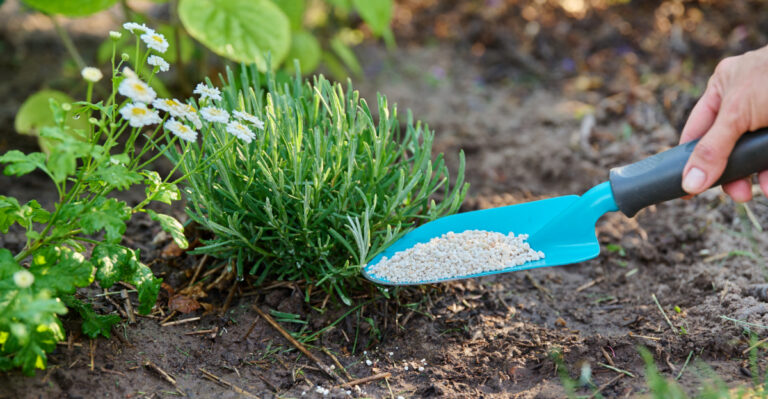
7. Too Much Fertilizer Leads To Weak Growth
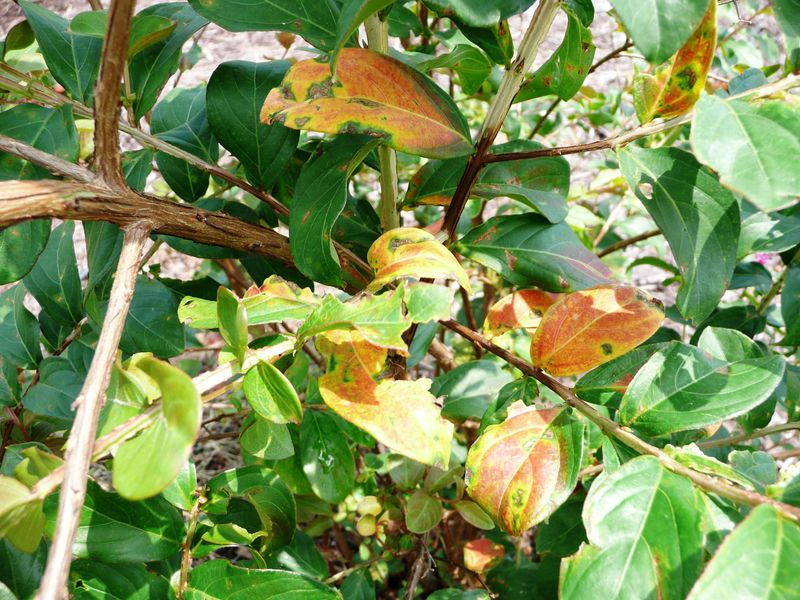
More fertilizer does not equal more flowers. That is a gardening lesson that applies to many plants, and crape myrtles are a clear example of it.
Gardeners who feed their crape myrtles heavily and frequently often end up with trees that are impressively leafy but surprisingly short on blooms.
Excess nitrogen, the first number on any fertilizer bag, pushes plants toward vegetative growth. Lots of lush, dark green leaves sounds appealing, but all that foliage energy comes at the expense of flower production.
Overfed crape myrtles can also develop soft, weak new growth that is more attractive to aphids and other pests common in Florida landscapes. The extra growth can make the canopy denser, reducing the airflow that crape myrtles need to stay healthy in humid conditions.
UF/IFAS notes that crape myrtles are relatively low-maintenance when it comes to fertilization. A light application of a balanced slow-release fertilizer in early spring is typically sufficient for most Florida landscapes.
If your soil is reasonably healthy and you are mulching consistently, you may not need to fertilize much at all. Before adding any fertilizer, consider doing a simple soil test through your local UF/IFAS Extension office to see exactly what your soil needs rather than guessing.
8. The Wrong Size Creates A Landscape Headache
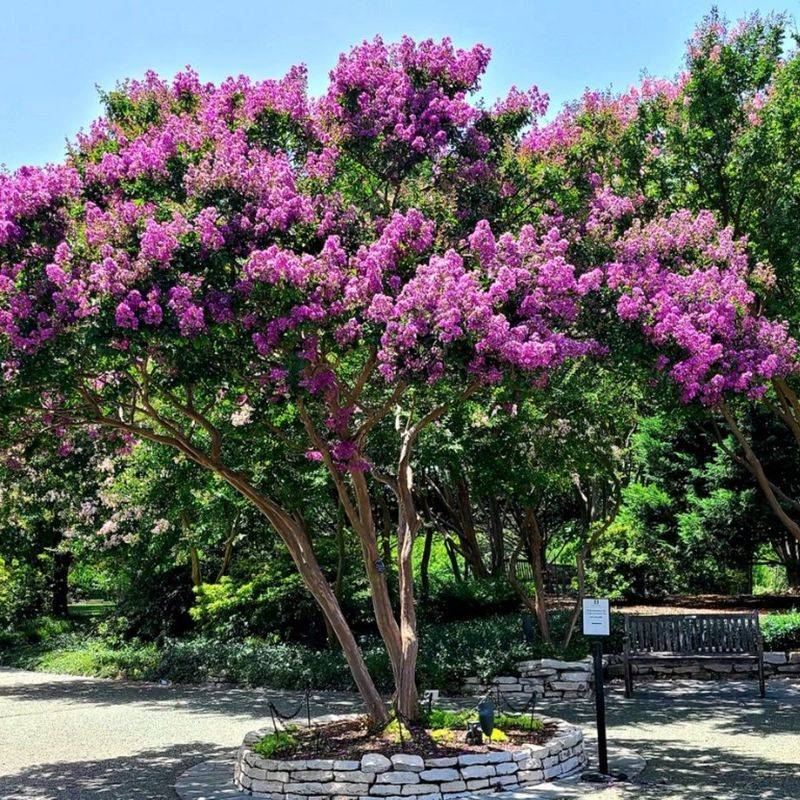
Crape myrtles come in a remarkable range of sizes, from compact dwarf varieties that top out around three feet to towering tree forms that can reach thirty feet or more. That variety is one of their greatest strengths as a landscape plant, but it also means that choosing the wrong cultivar for a given space can create serious long-term problems.
A large-growing variety planted under a power line or right next to a front door will eventually need constant pruning to keep it in check. That pruning cycle is exactly what leads to the overpruning problem mentioned earlier.
Roots from oversized trees can also lift sidewalks, crowd foundations, and interfere with underground utilities in ways that become expensive to address over time.
Florida landscapes benefit enormously from the wide selection of named crape myrtle cultivars now available, many of which were specifically bred to stay within a predictable size range. UF/IFAS recommends selecting cultivars based on mature height and spread first, then considering flower color and bark characteristics.
Look for cultivars labeled as dwarf, semi-dwarf, or compact if the planting space is limited. Taking five minutes to check a cultivar’s mature size before buying saves years of frustration and keeps your Florida landscape looking exactly the way you envisioned it.