These Are The 7 Most Common Easter Cactus Care Mistakes Florida Growers Should Avoid
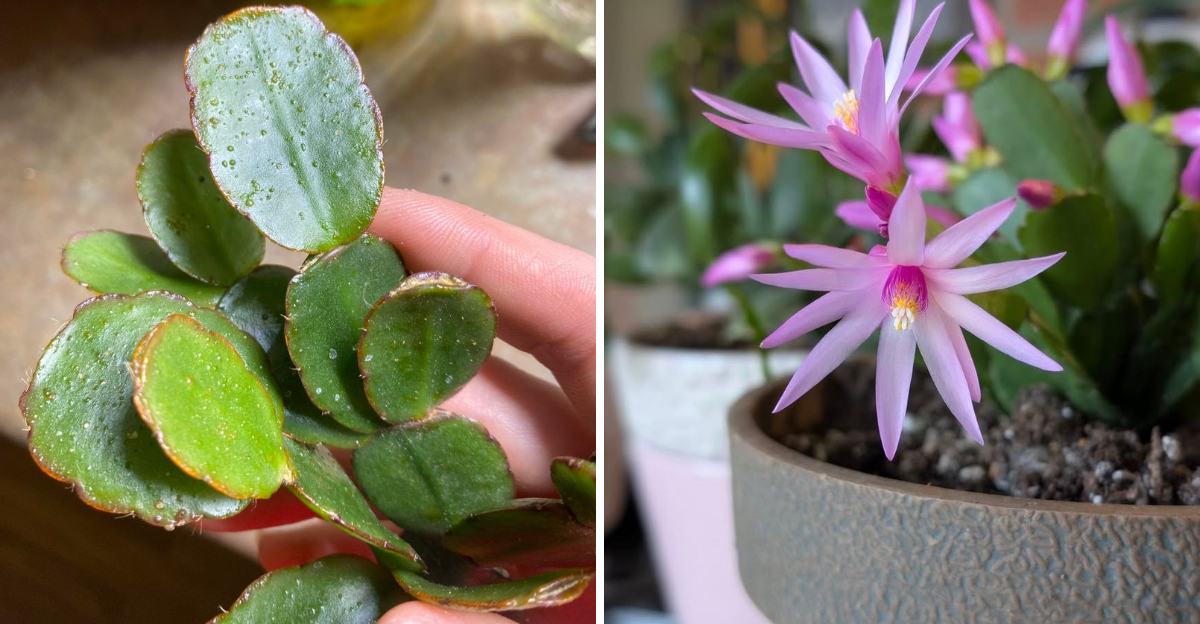
Spring blooms should feel effortless, yet many Florida growers feel real frustration when their Easter cactus fails to thrive or refuses to flower as expected. Despite its name, this plant is not a desert survivor but a tropical forest species with very different needs.
Buds fall, growth weakens, and the brilliant seasonal display never reaches its full potential. Florida’s intense sun, warm nights, and heavy humidity can quietly push this sensitive plant out of balance.
The warning signs often appear early, long before most growers realize something is off. True success comes from understanding its natural rhythm and recognizing subtle signals throughout the year.
Many repeat the same habits season after season and never see the vibrant spring show this plant can deliver. Before another bloom cycle disappoints, it is time to uncover the most common Easter cactus care mistakes Florida growers should avoid.
1. Overwatering Triggers Root Stress Fast
Too much water is one of the fastest ways to harm an Easter Cactus, especially in Florida where humidity already keeps the air moist. Growers often think these plants need frequent watering because they bloom so beautifully, but the roots actually prefer to dry out slightly between drinks.
When soil stays soaking wet for too long, roots cannot breathe properly and begin to suffer from lack of oxygen.
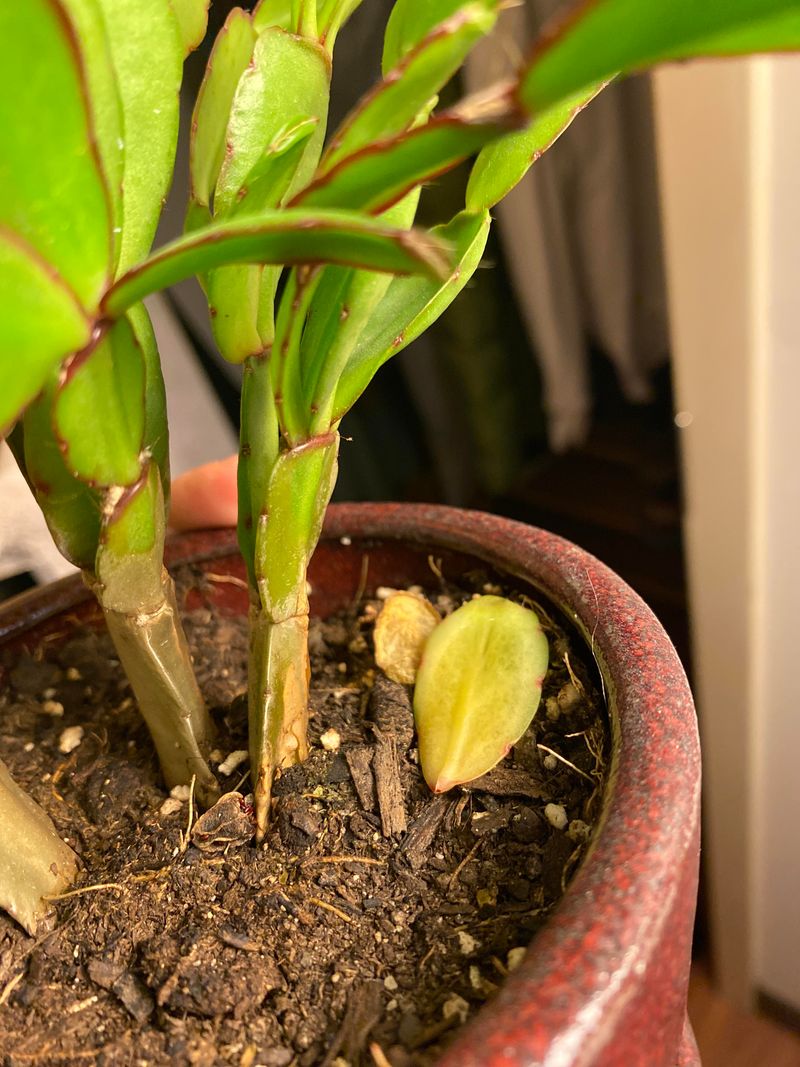
Signs of overwatering include soft or mushy segments, yellowing that spreads quickly, and a general wilted appearance even though the soil feels damp. Sometimes you might notice a sour smell coming from the pot, which indicates root trouble brewing below the surface.
The plant may also drop segments or buds unexpectedly, leaving you puzzled about what went wrong.
To avoid this mistake, always check the top inch or two of soil before adding more water. Stick your finger into the potting mix and only water when it feels dry to the touch.
In Florida, indoor plants might need watering once a week during warmer months, but less often during cooler periods or when air conditioning reduces humidity indoors.
Make sure your pot has drainage holes so excess water can escape easily. Never let the plant sit in a saucer full of water for hours, as this keeps roots constantly wet.
Adjusting your watering schedule based on the season and your home environment helps keep roots healthy and strong, which supports vibrant growth and dependable blooming every spring.
2. Poor Drainage Slowly Damages The Plant
Drainage might not seem exciting, but it plays a huge role in keeping your Easter Cactus healthy over time. When water cannot escape from the pot quickly, roots sit in soggy conditions that slowly weaken their ability to absorb nutrients and oxygen.
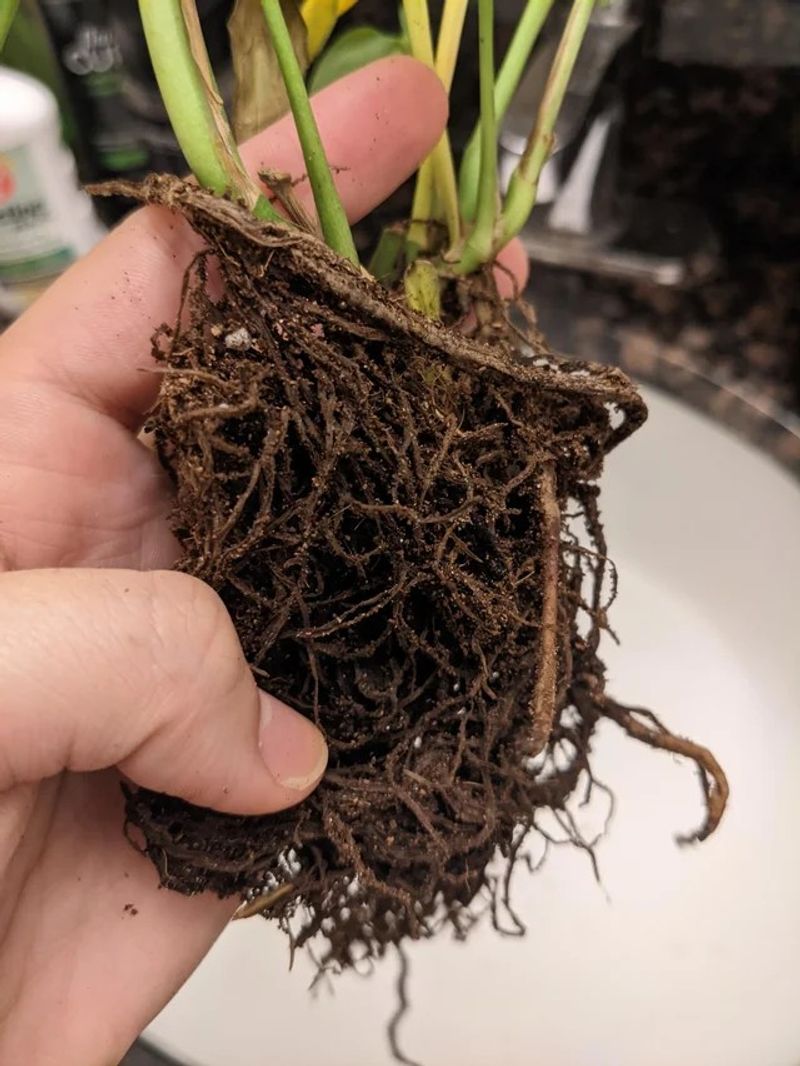
Many growers use decorative pots without drainage holes or choose heavy potting soil that holds moisture for days, creating an environment where roots struggle constantly.
Plants grown in poorly draining conditions often show slow, subtle decline rather than sudden collapse. You might notice segments that look dull or slightly shriveled even though you water regularly.
Growth slows down, and the plant may refuse to bloom when spring arrives, leaving you disappointed after months of care.
Compact soil that packs down tightly prevents air from reaching the roots and traps water in place. Over time, this leads to root damage that makes the plant more vulnerable to other problems.
Even if you water carefully, poor drainage undermines your efforts and limits how well the plant can thrive.
Choose a pot with at least one drainage hole in the bottom, and use a light, airy potting mix designed for cacti or succulents. These mixes typically contain perlite, sand, or bark that allows water to flow through quickly while still holding enough moisture for the roots.
If you love a decorative pot without holes, use it as a cover pot and keep the plant in a smaller nursery pot with proper drainage inside.
Repotting every couple of years refreshes the soil and prevents it from becoming too compacted, giving your Easter Cactus the best foundation for long-term health and beautiful blooms.
3. Harsh Sun Burns The Segments
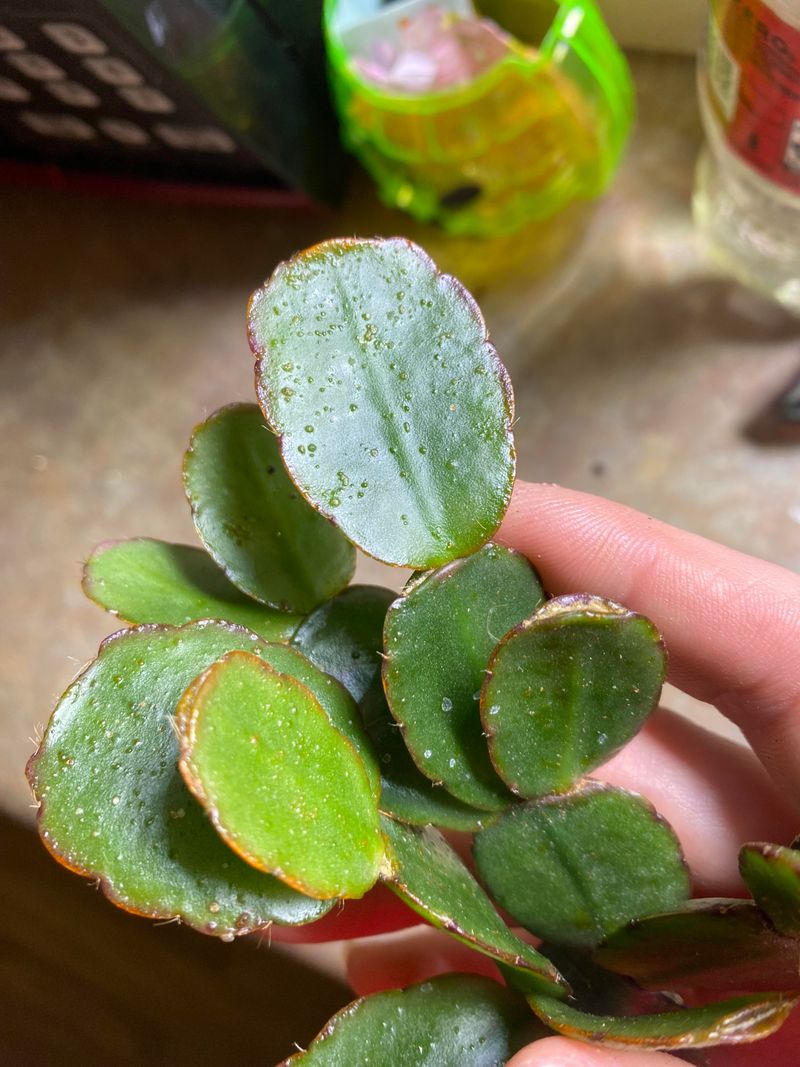
Florida sunshine is intense, and while Easter Cactus plants need plenty of light to bloom well, direct sun can quickly scorch their delicate segments. Many growers place their plants on a sunny windowsill thinking more light equals more flowers, but these plants naturally grow under the canopy of trees in their native habitat where light is bright but filtered.
When segments get too much direct sun, they turn pale yellow, develop brown or red patches, and lose their healthy green color.
Sunburned segments cannot recover their original appearance, and severe damage may cause them to shrivel or drop off completely. The plant uses energy trying to repair the damage instead of focusing on growth and bud development.
Over time, repeated sun stress weakens the entire plant and reduces its ability to produce the vibrant blooms you want to see each spring.
Watch for warning signs like fading color, segments that look bleached or translucent, or brown spots that appear on the parts of the plant closest to the window. If you notice these changes, move your Easter Cactus to a new spot right away to prevent further harm.
The ideal location offers bright indirect light for several hours each day. A spot near an east-facing window works beautifully, giving the plant gentle morning sun without harsh afternoon rays.
North-facing windows also provide consistent light without intensity, while south or west windows may need sheer curtains to soften the brightness.
If you grow your Easter Cactus outdoors during Florida’s mild months, place it under a covered patio or beneath a tree where dappled shade protects the segments while still providing ample light for healthy growth.
4. The Wrong Soil Mix Causes Ongoing Trouble
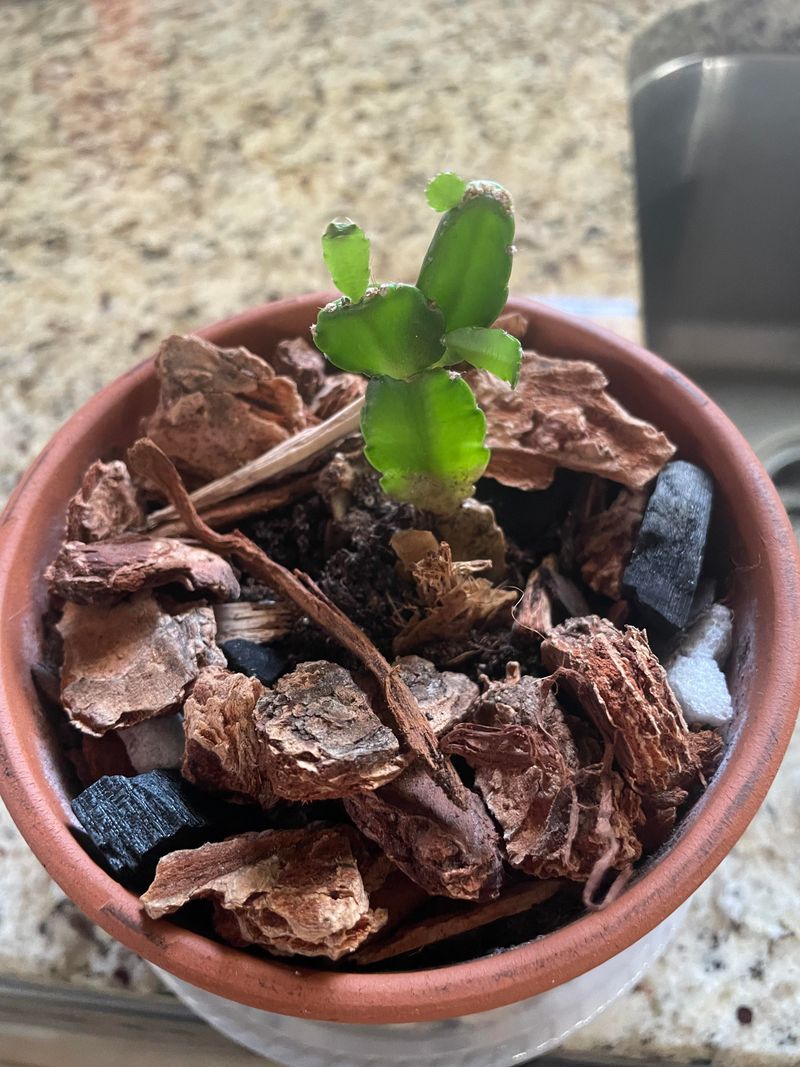
Soil might look like a simple detail, but using the wrong type creates problems that build up slowly and affect every aspect of your Easter Cactus health. Regular potting soil designed for garden plants or houseplants holds too much moisture and packs down over time, creating a dense environment where roots cannot function properly.
These plants need a mix that drains quickly while still providing enough moisture and nutrients for steady growth.
When soil is too heavy, roots stay wet longer than they should and struggle to access the air pockets they need for respiration. The plant may grow slowly, produce weak segments, and refuse to bloom even when everything else seems right.
You might also notice that the soil takes forever to dry out after watering, leaving you uncertain about when to water again.
Dense mixes also break down faster in Florida’s warmth and humidity, becoming even more compacted as organic matter decomposes. This creates a cycle where the soil gets worse over time, making it harder for your plant to thrive no matter how carefully you care for it.
Choose a potting mix specifically labeled for cacti and succulents, or make your own by combining regular potting soil with perlite, coarse sand, or orchid bark. Aim for a mix that feels light and crumbly in your hands, with visible chunks that create air spaces throughout.
When you water, the mix should absorb moisture quickly and drain within seconds rather than pooling on top.
Repotting with fresh, proper soil every two years keeps the structure open and healthy, giving roots the environment they need to support lush growth and abundant blooms each spring.
5. Low Humidity Weakens Growth Over Time
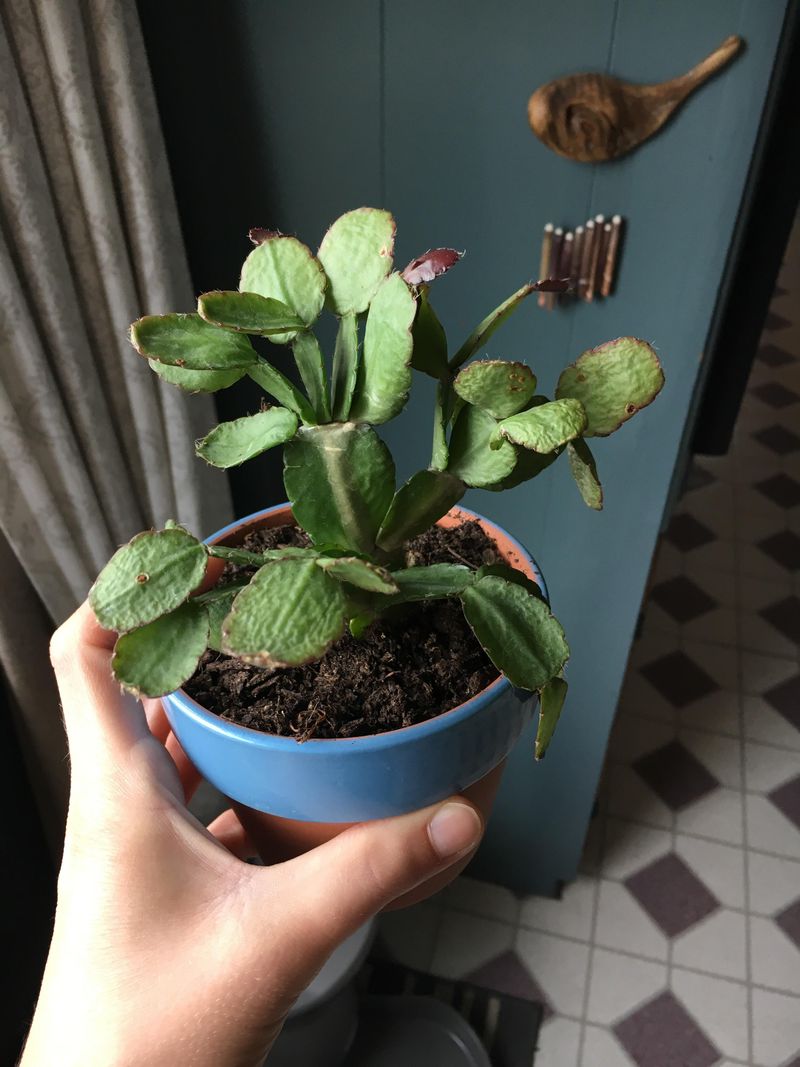
Humidity is easy to overlook, but Easter Cactus plants come from environments where moisture in the air stays fairly consistent. Florida outdoor air usually provides plenty of humidity, but indoor spaces with air conditioning or heating can become surprisingly dry.
When humidity drops too low, segments lose moisture faster than the roots can replace it, leading to stress that shows up gradually over weeks and months.
Plants struggling with dry air often develop segments that look slightly shriveled or wrinkled, even when you water on schedule. Growth may slow down, and new segments might emerge smaller than usual.
The plant may also drop buds before they open, which is especially frustrating when you’ve been waiting for spring blooms.
Low humidity affects the plant’s ability to carry out normal functions like photosynthesis and nutrient transport. Segments cannot stay plump and healthy when moisture evaporates faster than the plant can absorb it from the soil.
Over time, this chronic stress makes the plant more vulnerable to other problems and reduces its overall vigor.
Increasing humidity around your Easter Cactus does not require expensive equipment or complicated systems. Grouping several plants together creates a small microclimate where moisture released by the leaves benefits all the plants nearby.
You can also place the pot on a tray filled with pebbles and water, making sure the pot sits on the pebbles above the water line rather than in it.
Misting the segments lightly once or twice a week helps temporarily, though the effect does not last long. Running a small humidifier near your plants provides more consistent moisture, especially during dry winter months when heating systems run frequently indoors throughout Florida.
6. Temperature Swings Disrupt Bud Development
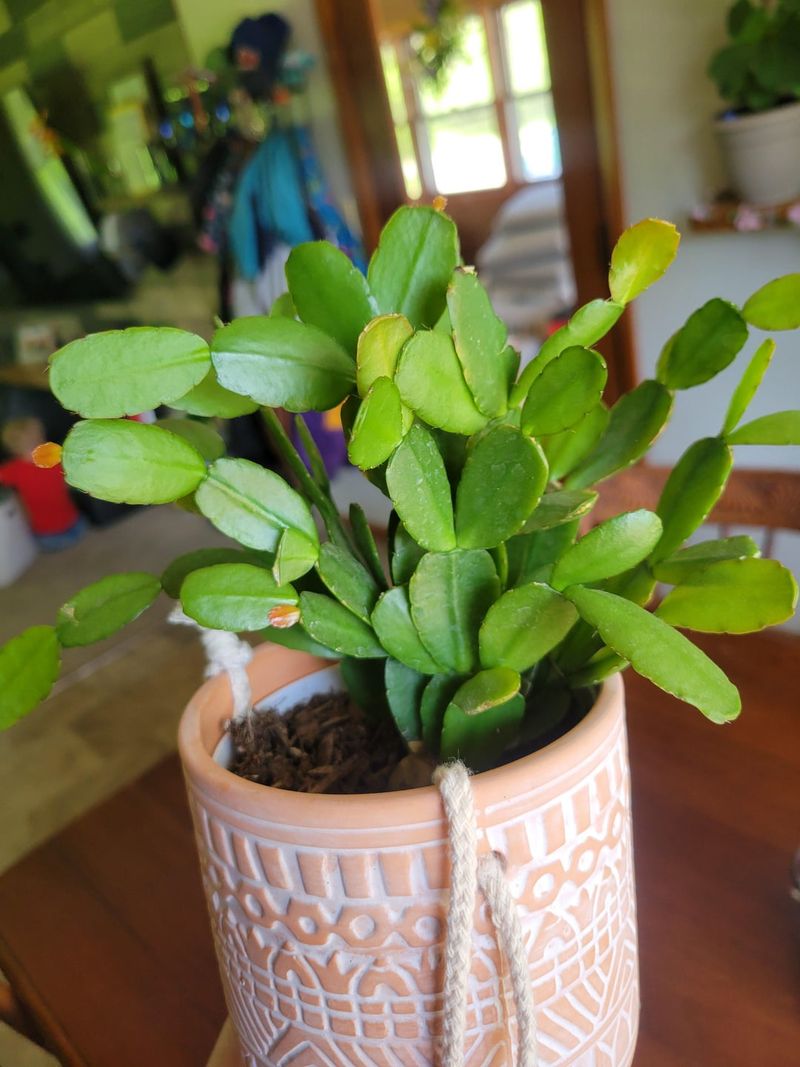
Temperature stability matters more than most growers realize, especially when Easter Cactus plants prepare to bloom. These plants need a period of cooler temperatures and shorter days to trigger bud formation, but sudden swings or extreme changes confuse the plant and interrupt the flowering cycle.
Florida growers sometimes move plants between air-conditioned indoor spaces and warm outdoor areas without considering how these shifts affect bud development.
When temperatures bounce around unpredictably, the plant struggles to maintain the internal processes that lead to blooming. Buds may form but then drop off before opening, or the plant might skip blooming altogether and focus energy on survival instead.
You might also notice that segments look stressed or growth becomes erratic when temperatures change too quickly.
Plants placed near drafty windows, heating vents, or air conditioning units experience constant temperature fluctuations that add up to significant stress over time. Even moving the plant from a cool room to a warm one repeatedly can disrupt the careful timing needed for successful bud formation and flowering.
To support healthy blooming, keep your Easter Cactus in a location where temperatures stay fairly consistent day to day. During fall and early winter, cooler nighttime temperatures between 50 and 55 degrees combined with shorter daylight hours help trigger bud formation.
Once buds appear, maintain temperatures between 60 and 70 degrees to support development without shocking the plant.
Avoid placing the plant near exterior doors that open frequently or windows that let in cold drafts during cooler months. If you move your plant outdoors during mild weather, bring it back inside before temperatures drop suddenly at night, giving it time to adjust gradually rather than experiencing abrupt changes.
7. Feeding At The Wrong Time Reduces Blooms
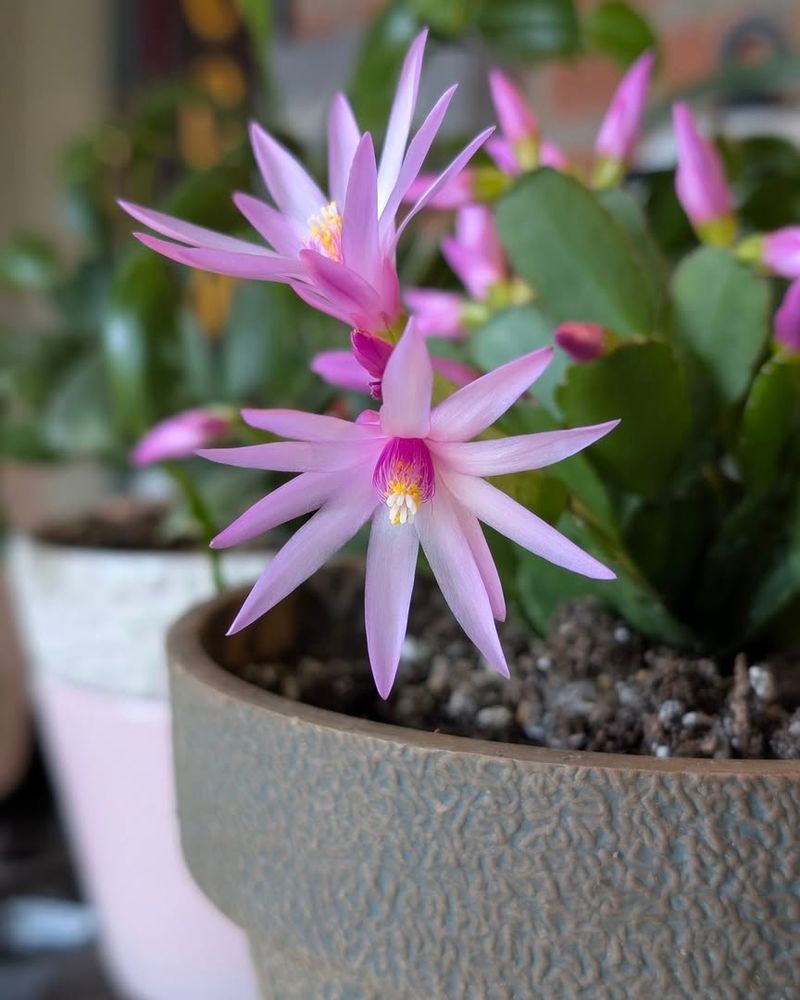
Fertilizer timing plays a bigger role in Easter Cactus blooming than many growers expect. These plants have specific nutritional needs that change throughout the year, and feeding at the wrong time can actually reduce flowering rather than encourage it.
Many growers fertilize regularly all year long thinking more food equals more blooms, but this approach pushes the plant to produce foliage instead of flowers.
When you feed during fall and winter while the plant prepares to bloom, you interrupt the natural cycle that triggers bud formation. The plant receives signals to keep growing leaves rather than shifting energy toward flowering.
You might end up with a lush, green plant that looks healthy but never produces the colorful blooms you want to enjoy each spring.
Over-fertilizing at any time can also cause salt buildup in the soil, which damages roots and creates brown tips on segments. Too much nitrogen promotes leafy growth at the expense of flowers, leaving you with a plant that looks vigorous but refuses to bloom when the season arrives.
Feed your Easter Cactus during the active growing season from spring through summer, using a balanced fertilizer diluted to half strength every three to four weeks. As fall approaches and days grow shorter, stop fertilizing completely to allow the plant to enter its natural rest period.
This break in feeding combined with cooler temperatures and reduced light helps trigger the bud formation process.
Resume feeding once blooms fade and new growth begins again in spring. Choose a fertilizer formulated for flowering houseplants or cacti, and always follow package directions carefully to avoid overfeeding.
Proper timing ensures your plant gets nutrition when it needs it most while respecting the natural cycles that lead to abundant, beautiful blooms.