These Are The Most Common Mistakes Florida Orchid Growers Make In February
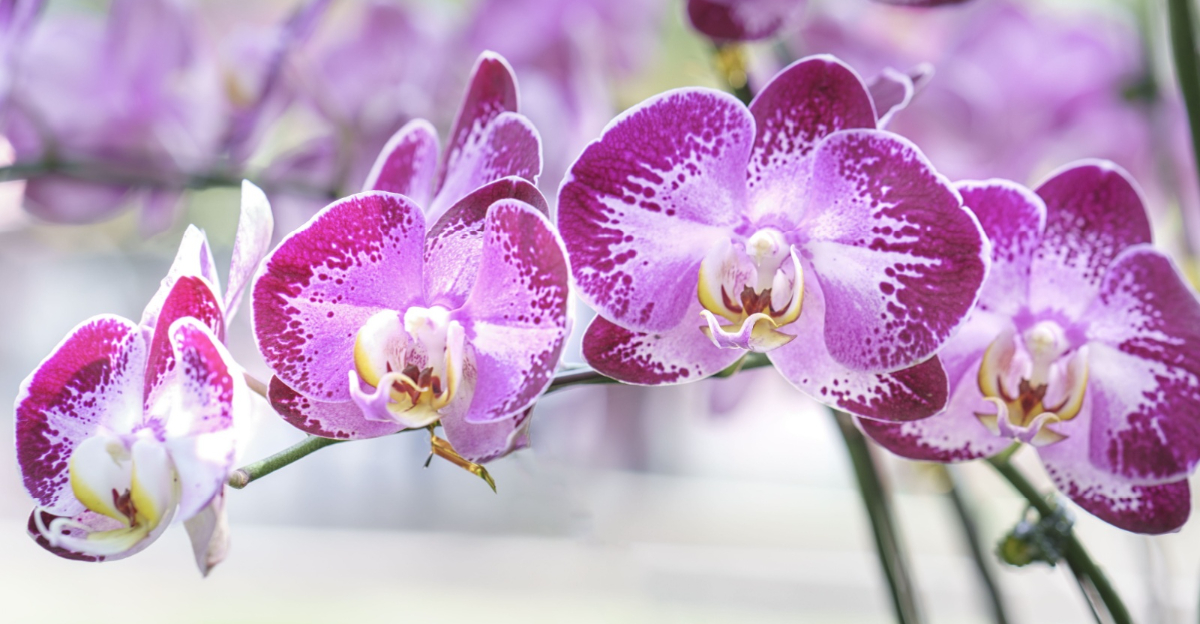
Orchids have a way of stealing your attention in February. You walk past, expect calm winter rest, and suddenly one plant sulks, another wrinkles, and a spike stalls for no clear reason.
Florida growers know this mood well. Orchids may look graceful, but they can be dramatic when conditions shift.
Small missteps now can echo through the entire bloom season. Still, orchids rarely fail without warning.
They signal, they react, and they bounce back with the right care. February is the turning point that shapes what comes next.
Catch the common mistakes early, fine tune your routine, and your orchids can reward you with strong spikes, healthy roots, and the spectacular blooms that made you fall in love with them in the first place.
1. Overwatering In Cool February Weather
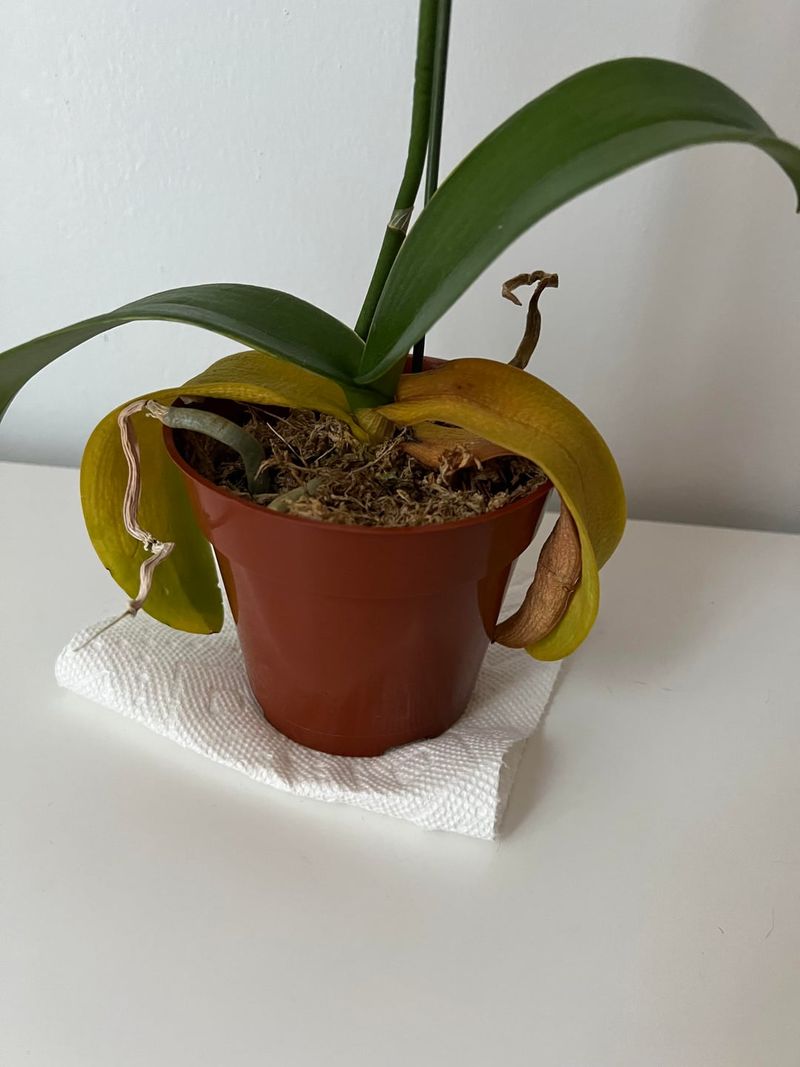
Cool February temperatures across Florida slow down how fast water evaporates from orchid pots. Many growers keep their same watering schedule from warmer months and accidentally drown their plants.
Roots sitting in moisture too long begin to rot, turning brown and mushy instead of staying firm and silvery-green.
In North Florida, where nighttime temperatures can drop into the 40s, orchids barely drink anything. Central Florida sees slightly warmer conditions but still experiences significant slowdowns in water use.
Even South Florida growers need to reduce watering frequency as cooler nights mean less evaporation and slower root activity.
Check your potting medium before watering by poking your finger an inch deep or lifting the pot to feel its weight. Light pots need water while heavy ones should wait.
Most orchids prefer drying out between waterings, especially during cooler weather.
Adjust your schedule based on your specific location and where you keep your plants. Outdoor orchids in humid areas need less frequent watering than those indoors where heating systems dry the air.
Pay attention to each plant individually rather than watering everything on the same day, and your roots will stay healthy through February’s transition period.
2. Cold Drafts Can Stress Your Orchids
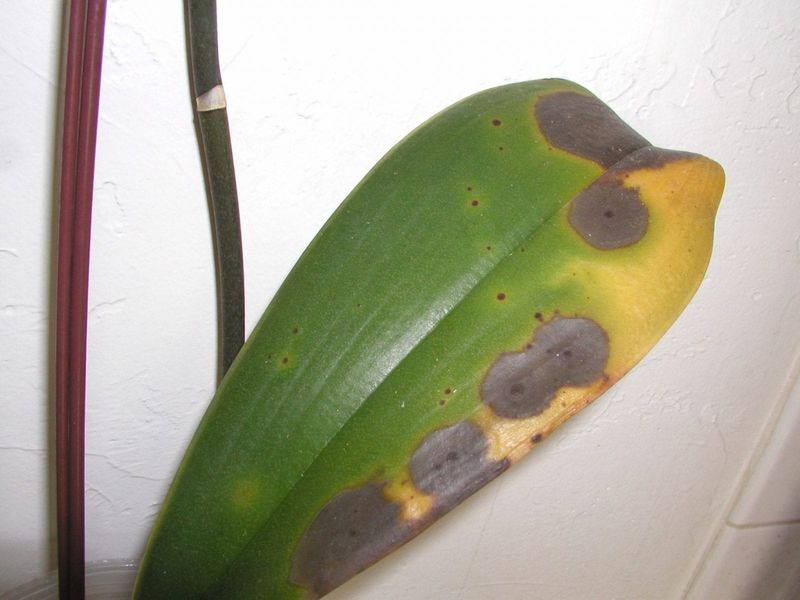
Windows and doors create invisible cold zones that can shock orchids during February nights. Even in Florida, temperatures near glass surfaces drop significantly when cold fronts move through.
Your plant might look fine during the day but suffer stress from chilly drafts while you sleep.
Most orchids prefer temperatures between 60 and 80 degrees, with Phalaenopsis and Paphiopedilums being particularly sensitive to cold. Prolonged exposure to temperatures below the mid-50s can cause cold stress, and leaves can develop dark spots or become limp.
North Florida growers face the biggest risk during February cold snaps, but Central and South Florida aren’t immune to occasional freezing nights.
Move plants away from windows on cold evenings or place a barrier between them and the glass. Avoid positioning orchids near air conditioning vents or frequently opened doors where temperature swings happen quickly.
Sudden changes stress plants more than gradual cooling.
Monitor weather forecasts and bring outdoor orchids inside or cover them when temperatures threaten to drop below 50 degrees. A simple sheet or frost cloth provides protection for plants that can’t be moved.
Remember that cold damage often appears days later, so prevention is much easier than trying to rescue a stressed orchid after exposure.
3. Winter Light Is Often Not Enough
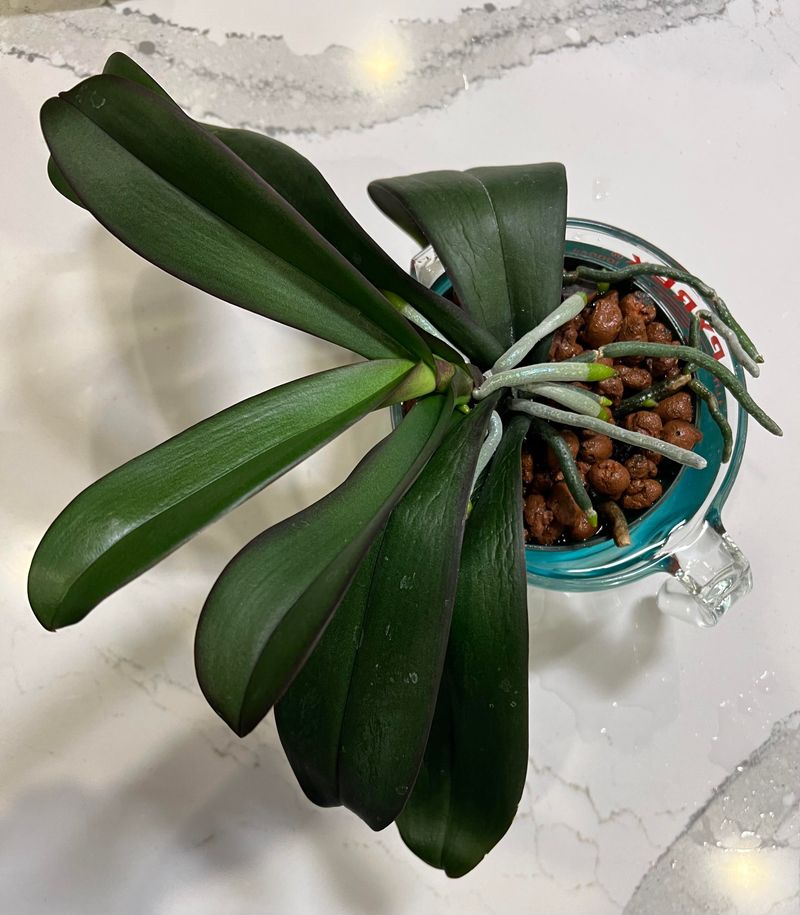
Shorter February days mean orchids receive fewer hours of sunlight than during summer months. This reduced light causes weak growth, pale leaves, and fewer flower spikes.
Many growers don’t realize their plants are essentially starving for light because the change happens gradually throughout winter.
South-facing windows provide the strongest light in Florida homes, but even these spots deliver less intensity during winter. Orchids growing under trees outdoors face additional shading as the sun’s angle changes.
Without enough light, plants can’t produce the energy needed for healthy development or blooming.
Moving plants closer to windows helps, but watch for leaf burn if you make sudden changes. Gradually shift them over several days so they can adjust.
East-facing locations offer gentle morning sun that rarely burns leaves while providing good light for most orchid types.
Consider supplemental grow lights if natural light seems insufficient. LED panels designed for orchids work well and don’t generate excessive heat.
Position lights about 12 inches above foliage and run them for 10 to 12 hours daily. Outdoor growers in Florida should trim back overhanging branches to allow more winter sun to reach their plants without waiting for spring pruning season.
4. Fertilizing Wrong In Late Winter
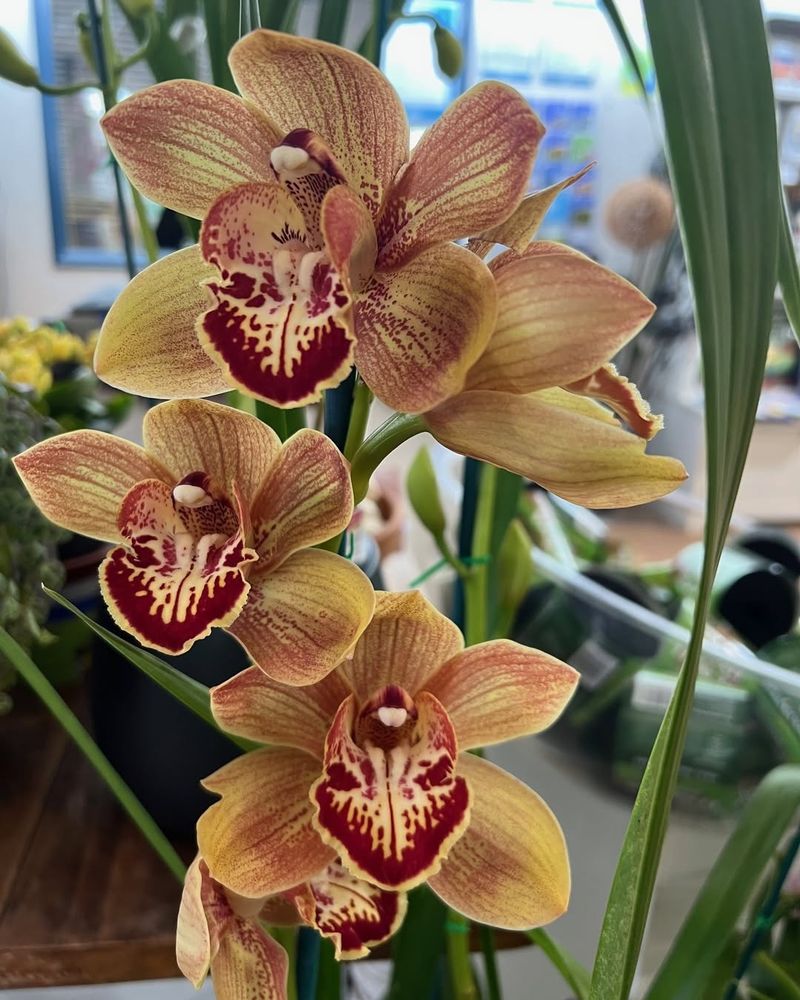
Plants grow slower in February, which means they need less fertilizer than during active growing seasons. Continuing heavy feeding schedules causes salt buildup in potting media that burns roots and creates crusty white deposits on pot edges.
These salts prevent roots from absorbing water properly even when the medium is moist.
Balanced fertilizers labeled 20-20-20 work well for orchids, but concentration and frequency matter more than the formula. During cooler months, dilute fertilizer to quarter strength and apply every three to four weeks instead of weekly.
Some growers in South Florida can fertilize slightly more often if their orchids show active growth, but most plants benefit from reduced feeding.
Flush pots occasionally with plain water to prevent fertilizer salt buildup. Run water through the pot for a minute or two, letting it drain completely.
This simple practice prevents buildup that damages roots over time.
Watch for signs of over-fertilization like brown leaf tips, stunted growth, or roots that look shriveled despite regular watering. If you notice these symptoms, stop fertilizing completely and flush the pot several times over the next few weeks.
February is a time for gentle maintenance rather than pushing growth, so resist the urge to feed heavily just because spring approaches.
5. Low Humidity Is A Silent Problem
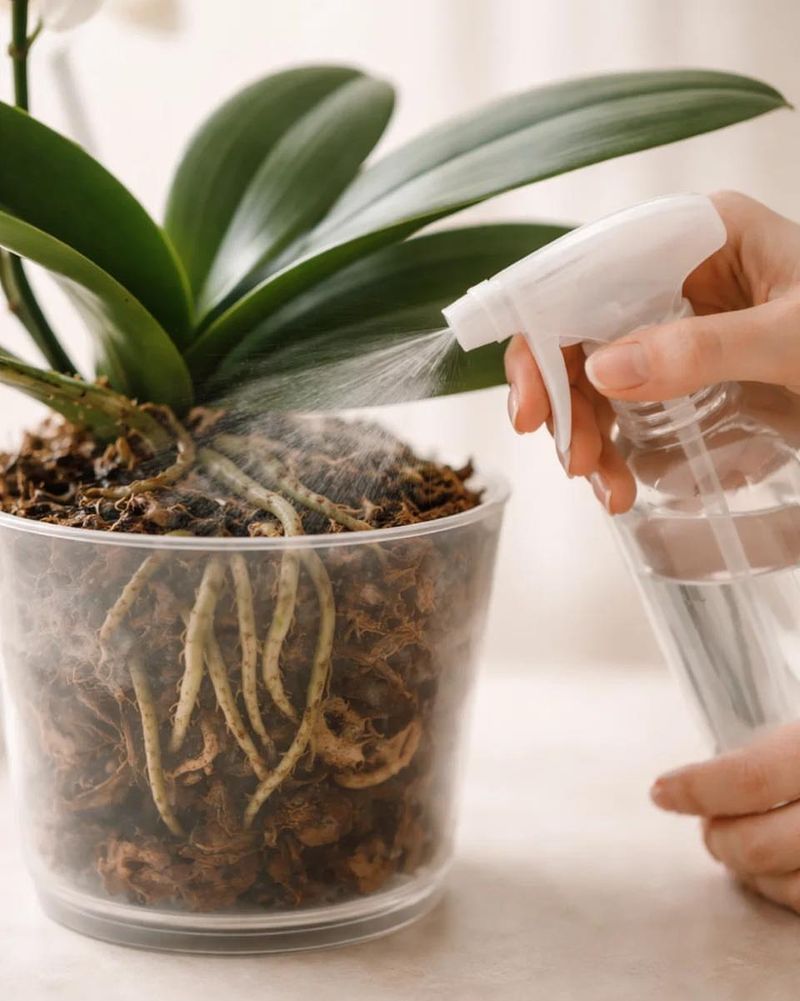
Heating systems and dry winter air rob moisture from orchid leaves faster than many Florida growers expect. While our state is known for humidity, indoor environments during February often drop below the 40 to 60 percent range that orchids prefer.
This invisible problem causes leaf edges to turn brown and crispy, buds to blast before opening, and overall plant stress.
Central heating, even when used sparingly in Florida, dramatically reduces indoor humidity. North and Central Florida homes run heat more frequently during February, creating desert-like conditions for tropical plants.
Even South Florida growers using air conditioning to manage warm days face humidity drops from the drying effects of cooled air.
Group orchids together to create a humid microclimate where plants share moisture through transpiration. Place pots on trays filled with pebbles and water, keeping the pot bottoms above the waterline to prevent root rot.
The evaporating water raises humidity around the leaves without making the potting medium soggy.
Avoid misting leaves as a humidity solution because water droplets dry quickly and can promote bacterial problems if they sit in leaf crevices overnight. Instead, run a small humidifier near your orchid collection or move plants to naturally humid rooms like bathrooms with windows where they receive good light and moisture.
6. Repotting At The Wrong Moment
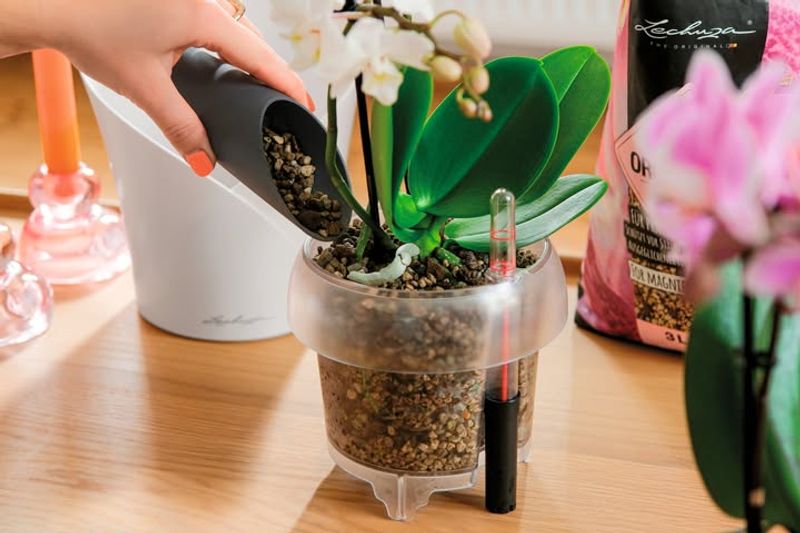
The urge to repot orchids in February often strikes when growers have indoor time during cooler weather. However, most orchids aren’t actively growing new roots during late winter, which means they struggle to establish in fresh media.
Repotting dormant plants increases stress and can lead to months of poor growth or decline.
Wait until you see green root tips emerging from the base of the plant, usually in March or April for most Florida orchids. These actively growing roots quickly grip new potting material and help plants recover from the disturbance.
Repotting without active roots leaves plants unable to anchor properly or absorb nutrients efficiently.
Exceptions exist for emergency situations like severe root rot, broken pots, or media that has completely decomposed into muck. In these cases, repot carefully and expect the plant to take longer recovering.
Use appropriate orchid bark mix and avoid overpotting into containers much larger than the root system.
February is better spent observing your plants and preparing supplies for spring repotting. Check which orchids have outgrown their containers or whose media looks old and compacted.
Order fresh bark, new pots, and other supplies so you’re ready when active growth begins in a few weeks across most of Florida.
7. Pests Wake Up Before You Notice
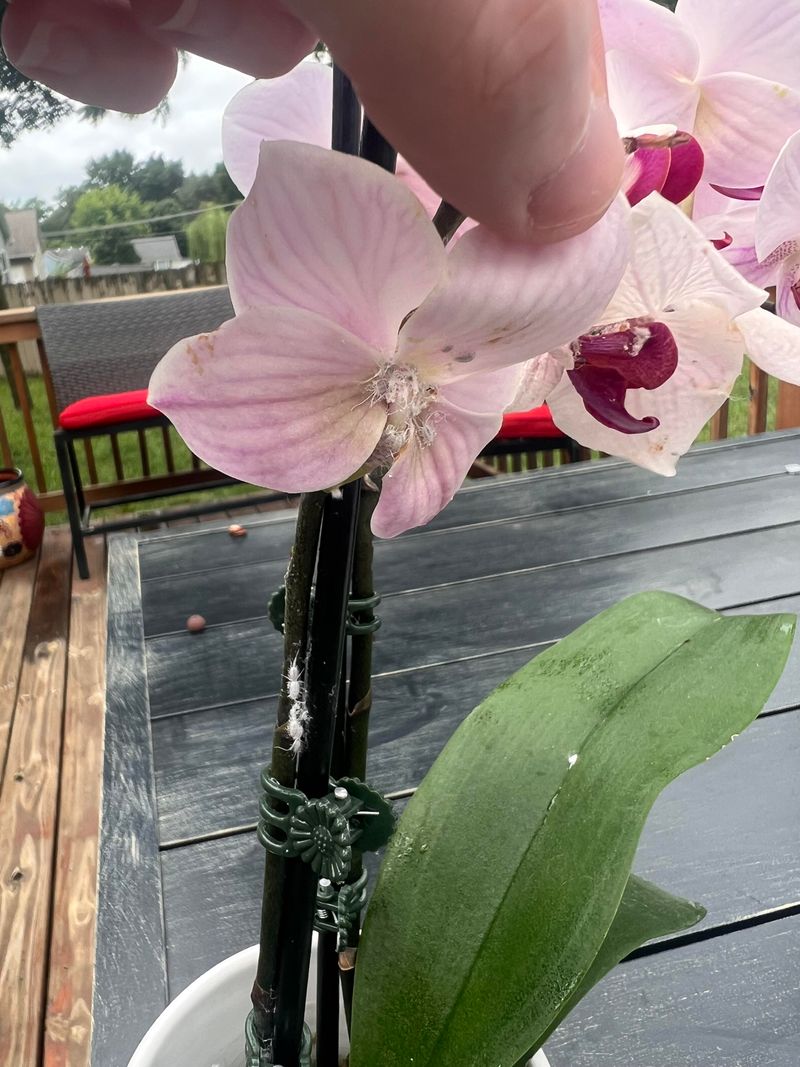
Warmer February days in Florida trigger pest activity before many growers think to check their plants. Spider mites, scale insects, and mealybugs often become more active as temperatures warm and begin reproducing rapidly.
By the time you notice webbing or sticky residue, populations have already exploded and spread to multiple plants.
Inspect leaf undersides, new growth, and stem crevices weekly during February. Look for tiny moving dots, cotton-like clusters, or small brown bumps attached to leaves.
Early detection means you can remove pests by hand or with a gentle spray of water before chemical treatments become necessary.
Mealybugs love hiding in leaf axils and flower spikes, appearing as white fuzzy spots. Scale insects attach firmly to leaves and stems, looking like small tan or brown bumps.
Spider mites create fine webbing and cause stippled yellow spots on foliage. All three pests weaken orchids by sucking plant juices.
Treat small infestations by dabbing pests with rubbing alcohol on a cotton swab. For larger problems, insecticidal soap or horticultural oil works effectively without harsh chemicals.
Isolate affected plants immediately to prevent pests from crawling to healthy orchids. Regular monitoring throughout February catches problems early when they’re easiest to control and before they damage your collection significantly.