The 10 Most Unique Cactus Plants California Gardeners Should Try Growing
Cactus plants have a way of making a garden feel instantly cooler, like the landscape just put on sunglasses.
In California, they can be especially fun because so many thrive in bright sun, dry conditions, containers, rock gardens, and low-water beds that still deserve big personality.
Some look like sculpted coral, some grow in tidy little globes, some bloom with flowers so flashy they seem almost fake, and others bring architectural drama without asking for constant attention. They are not just “spiky green things,” either.
The right cactus can add texture, color, height, weird shapes, and a little desert magic to a patio or front yard.
For gardeners who want plants that feel bold, unexpected, and surprisingly collectible, cactus growing is a rabbit hole worth falling into. Just grab gloves first, because these beauties know how to defend their sparkle.
1. Totem Pole Cactus
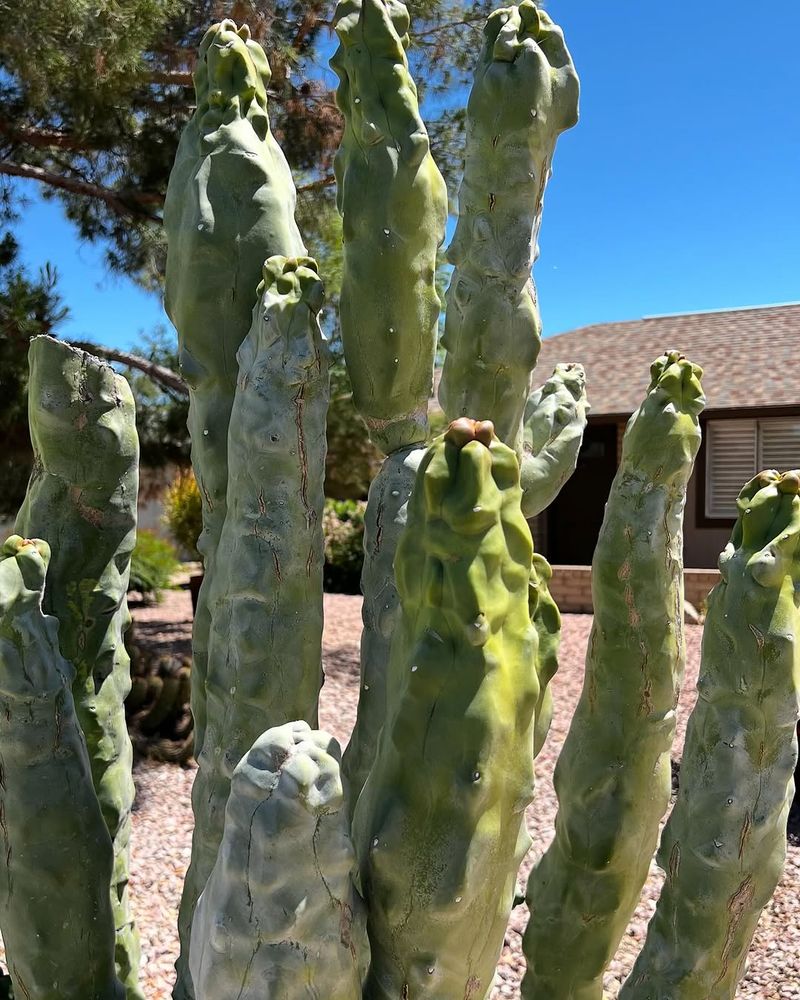
Imagine a cactus that looks like it was sculpted by hand. The Totem Pole Cactus, known scientifically as Pachycereus schottii monstrosus, has a wonderfully lumpy, skin-like surface with no sharp spines.
That alone makes it one of the most conversation-starting plants you can grow in a California garden.
This cactus grows slowly but can eventually reach heights of ten to twelve feet. It thrives in full sun and well-drained soil, making it perfectly suited for Southern California landscapes.
Because it has no spines, it is also a safer option for gardens where kids or pets spend time outdoors.
Watering is simple. During the warmer months, give it a deep drink every two to three weeks.
In winter, you can cut back watering almost completely. The Totem Pole Cactus is also a striking container plant when young, making it a great choice for patios in cities like San Diego or Palm Springs.
Its ghostly pale green color and unusual texture give any garden a sculptural, almost artistic feel that is hard to match with any other plant.
2. Bunny Ears Cactus
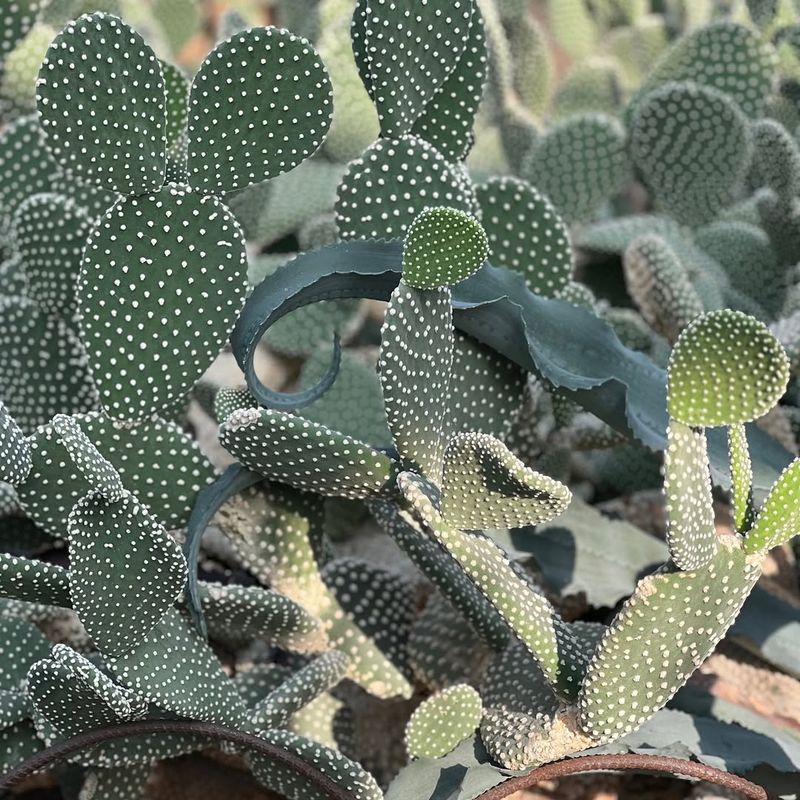
Few cacti are as instantly recognizable and cheerful-looking as the Bunny Ears Cactus. Its flat, oval pads grow in pairs that really do look like a rabbit’s ears, giving it a playful, almost cartoonish appearance.
It is native to northern Mexico but adapts beautifully to California’s warm, dry climate.
Scientifically called Opuntia microdasys, this cactus is covered in tiny clusters of hair-like spines called glochids. Do not let their soft appearance fool you though.
Those glochids can stick to skin and be tricky to remove, so handle this one with gloves. Despite that small caution, it is a very low-maintenance plant that asks for very little attention.
Bunny Ears Cactus grows best in full sun and sandy or gravelly soil. In places like the Inland Empire or the Central Valley, it practically takes care of itself once established.
It stays relatively compact, reaching about two to three feet tall, making it a great fit for smaller garden spaces or decorative pots. In late spring, it may even surprise you with pale yellow flowers.
It is a fun, easygoing plant that brings personality to any California garden.
Your California Garden Changes Every Week. Your Plan Should Too.
Gardening in California changes quickly throughout the season. Every Friday you’ll receive a simple weekly plan showing exactly what to plant, prune, fertilize, harvest, and protect so you never miss the right timing.
3. Crested Saguaro
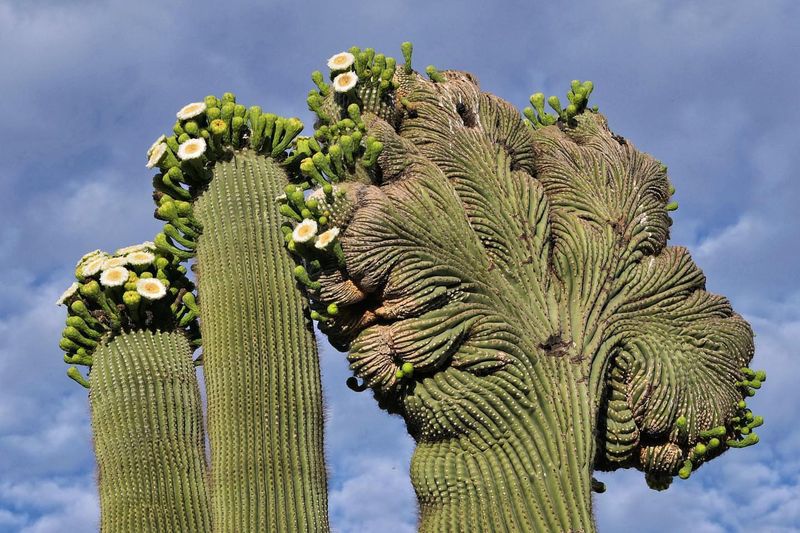
Nature does not always follow the rules, and the Crested Saguaro is proof of that. This rare mutation of the iconic Saguaro cactus produces a fan-shaped, ruffled crest at the top instead of the usual rounded growth.
Scientists are still not entirely sure what causes this fascinating abnormality, which makes it even more intriguing to collectors and gardeners.
Growing a Crested Saguaro in California is a long-term commitment. These plants grow very slowly, sometimes just an inch or two per year.
However, for patient gardeners in Southern California or the desert regions near the Mojave, the payoff is extraordinary. A mature crested specimen becomes a true centerpiece that draws attention from anyone who sees it.
Full sun and excellent drainage are non-negotiable for this plant. It handles the intense California heat well, especially in low-desert areas.
Young plants can be started in containers before being transplanted into the ground. Because crested Saguaros are rare, they can be harder to find at nurseries, so check with specialty cactus growers in the region.
Owning one feels like having a small piece of natural art growing right in your own yard.
4. Barrel Cactus
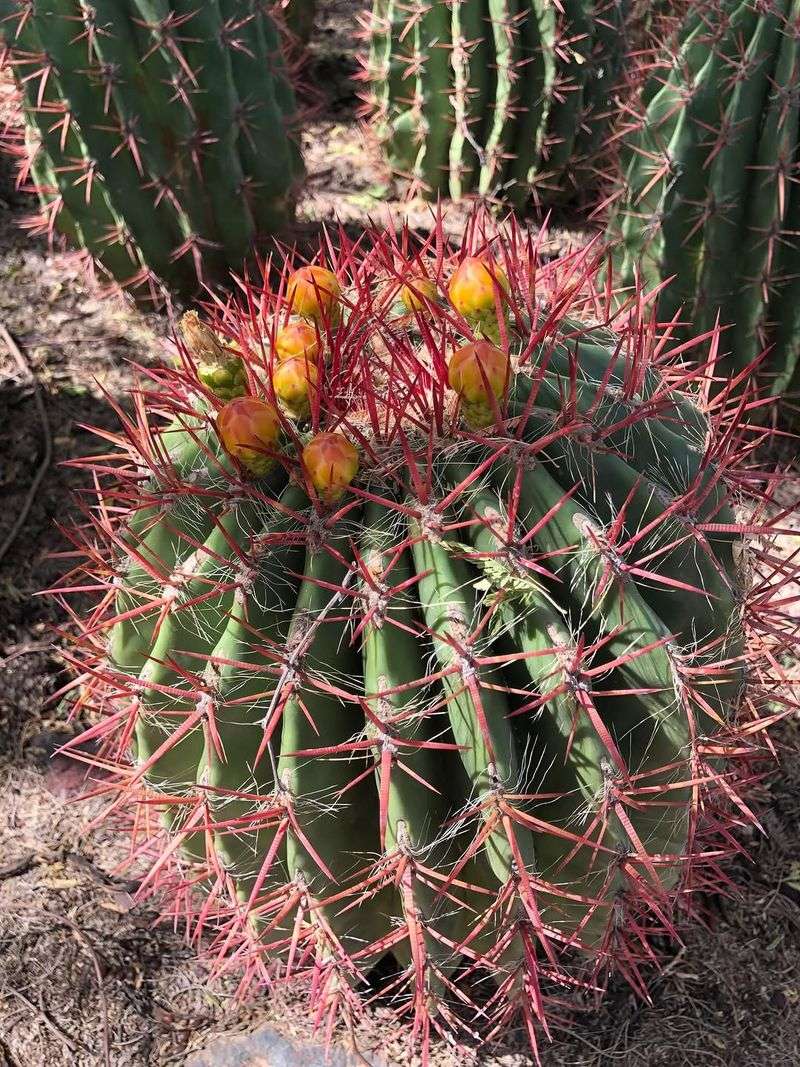
Bold, round, and covered in fierce-looking spines, the Barrel Cactus is a classic symbol of the American Southwest. It has a satisfying, almost geometric shape that looks great in both formal and naturalistic garden designs.
California gardeners in desert regions have long appreciated this plant for its reliability and striking good looks.
There are two main types commonly grown in California: the California Barrel Cactus and the Fishhook Barrel Cactus. Both thrive in full sun and rocky or sandy soil.
They are remarkably drought-tolerant once established, which makes them a smart pick for water-wise landscaping across the state. In spring and summer, they can produce bright yellow, orange, or red flowers at the top, adding a pop of color to the garden.
One interesting thing about Barrel Cacti is that they tend to lean toward the south as they grow, earning them the nickname “compass cactus” among desert hikers. In garden settings around Palm Desert or Riverside, they can reach three to four feet tall over many years.
They need very little fertilizer and minimal pruning. Just give them sunshine, good drainage, and space to grow, and they will reward you with years of bold, sculptural beauty.
5. Organ Pipe Cactus
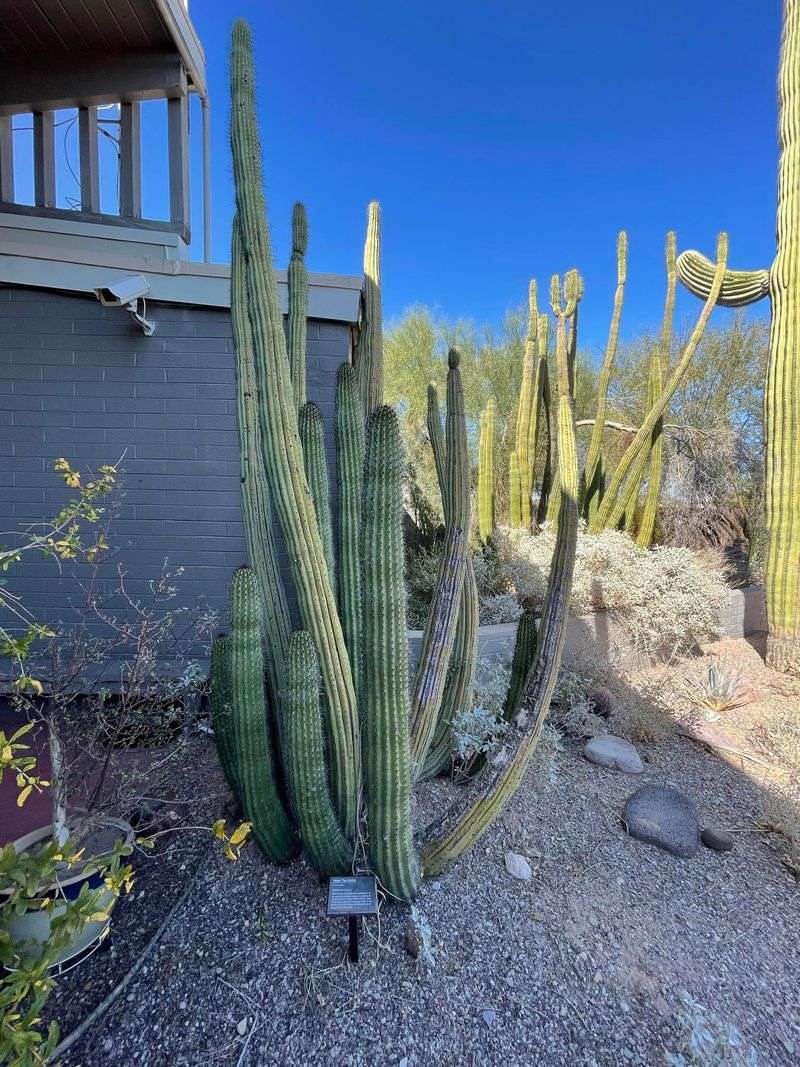
Standing tall with multiple vertical stems rising from a single base, the Organ Pipe Cactus is one of the most majestic cacti you can grow in California. Its name comes from its resemblance to the pipes of a classic church organ, and once you see one in person, the comparison makes perfect sense.
It creates a dramatic vertical element that few other plants can match.
Scientifically known as Stenocereus thurberi, this cactus is native to the Sonoran Desert and thrives in the hot, dry conditions found in Southern California. It prefers full sun and fast-draining soil.
Mature plants can reach up to twenty feet tall, so it works best in larger garden spaces or as a bold background plant in a desert landscape design.
Organ Pipe Cacti bloom at night, producing beautiful pink and white flowers that attract bats and moths. The blooms usually appear in late spring and early summer.
Watching the flowers open in the evening is a unique experience that many California gardeners find truly memorable. Young plants grow best when protected from frost, so if you live in a cooler part of the state, start them in a pot and move them indoors during cold snaps.
They are absolutely worth the extra care.
6. Fishhook Cactus
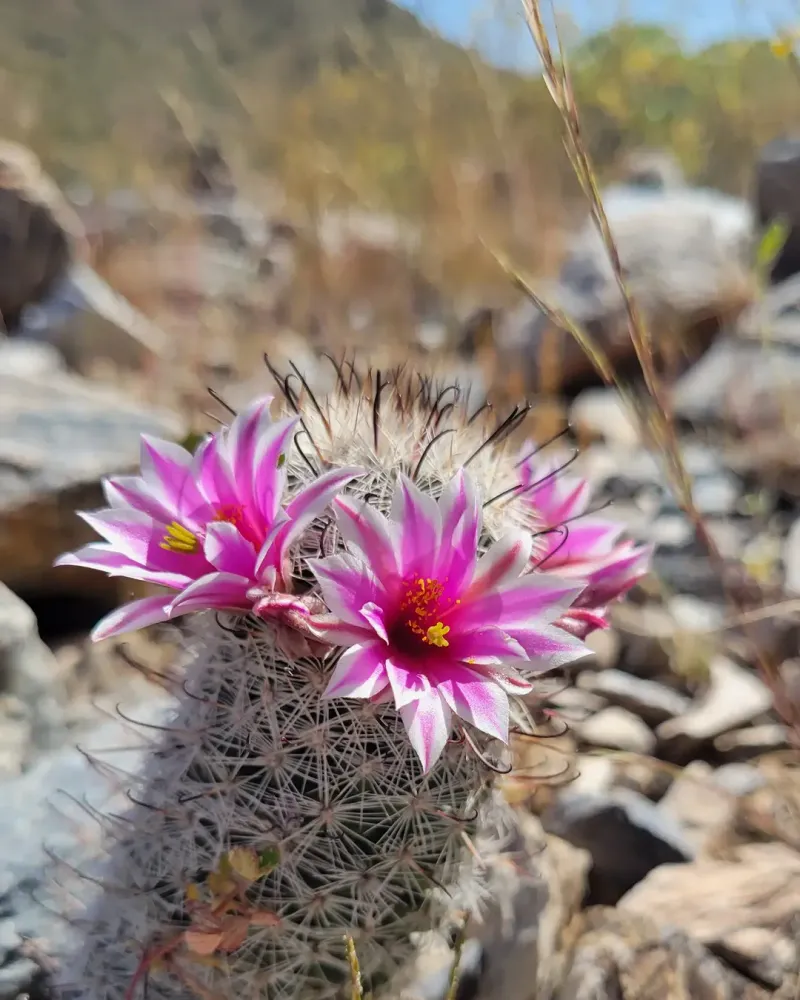
Small but full of character, the Fishhook Cactus earns its name from its curved, hook-tipped spines that look exactly like tiny fishing hooks. Do not underestimate this little plant.
What it lacks in size, it more than makes up for in personality and charm. It is one of the most rewarding small cacti a California gardener can grow.
Belonging to the genus Mammillaria, Fishhook Cacti stay compact, usually reaching just six to twelve inches tall. That makes them ideal for container gardening on patios, windowsills, or small outdoor spaces.
They love direct sunlight and well-drained soil. In warmer parts of California like the Coachella Valley or San Bernardino County, they can be grown outdoors year-round with very little fuss.
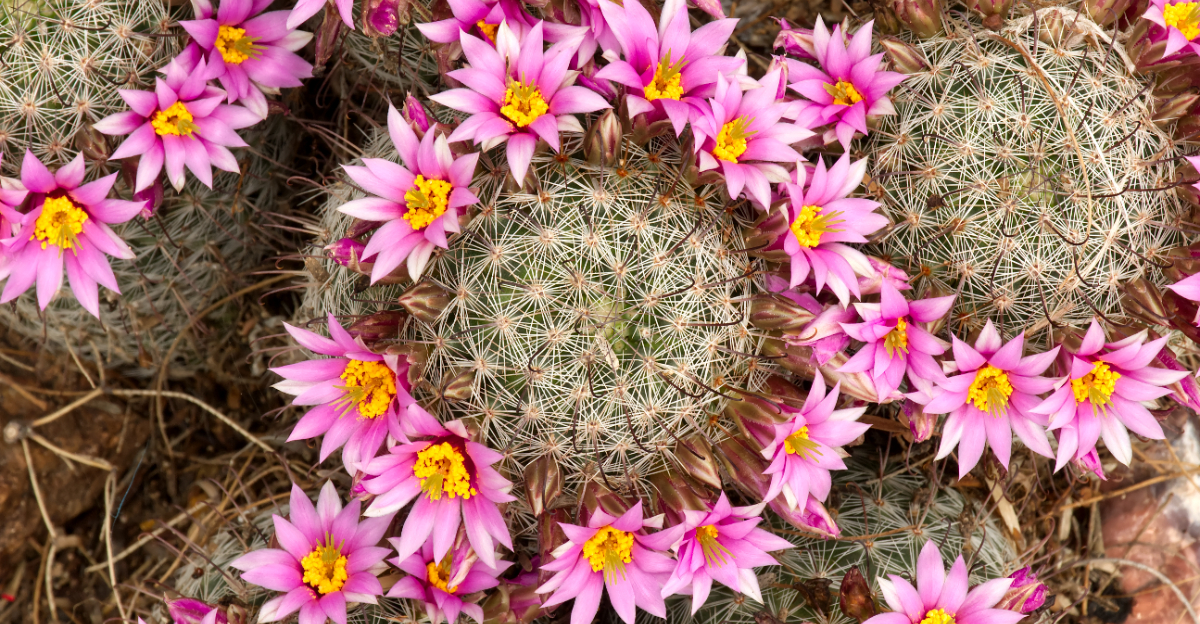
One of the best surprises this cactus offers is its flowers. In spring, a ring of small, bright pink or magenta blooms circles the top of the plant like a crown.
It is genuinely stunning for such a petite plant. After flowering, small red fruits sometimes appear, adding another layer of visual interest.
Fishhook Cacti are also great choices for beginners because they are forgiving of occasional missed waterings. If you want a low-effort, high-reward plant, this one belongs in your collection.
7. Candelabra Cactus
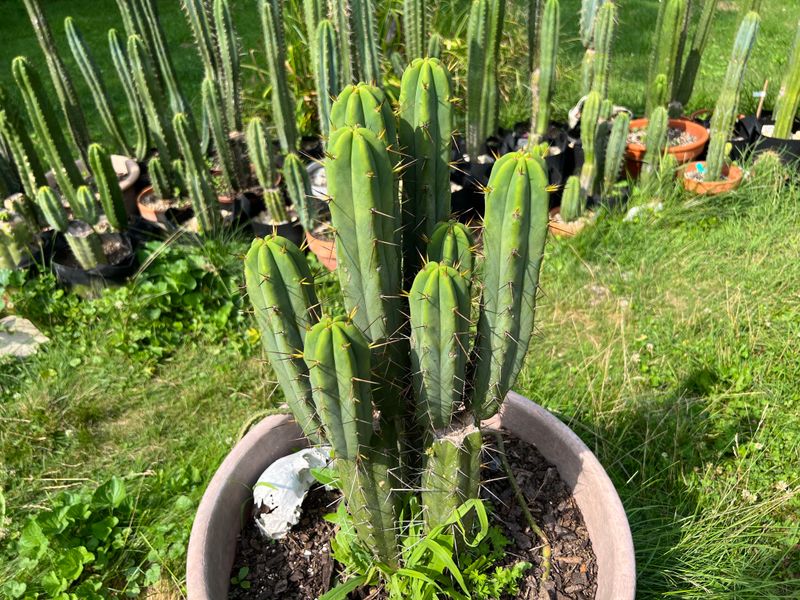
Picture a cactus so dramatic it looks like it belongs in a movie set. The Candelabra Cactus, often called Myrtillocactus geometrizans or sometimes referring to Euphorbia ingens in landscaping circles, produces thick, upright branches that spread out like arms of a candelabra.
It has a bold, architectural presence that makes any California garden feel larger and more dynamic.
This cactus thrives in full sun and warm temperatures, both of which California provides in abundance. It is a fast grower compared to many other cacti, which means you will see real results within a few growing seasons.
In coastal Southern California, it can be used as a dramatic privacy screen or a focal point in a modern garden design.
The blue-green color of its stems is another standout feature. That cool, silvery hue pairs beautifully with warm-toned gravel, terracotta pots, and desert-inspired landscaping.
Watering should be moderate during summer and reduced significantly in winter. Young plants benefit from protection against frost, but established specimens handle mild cold reasonably well.
Garden centers across California, especially in the Los Angeles area, often carry this plant because of its growing popularity in contemporary landscape design. It is truly a showstopper worth every bit of garden space it takes up.
8. Blue Myrtle Cactus
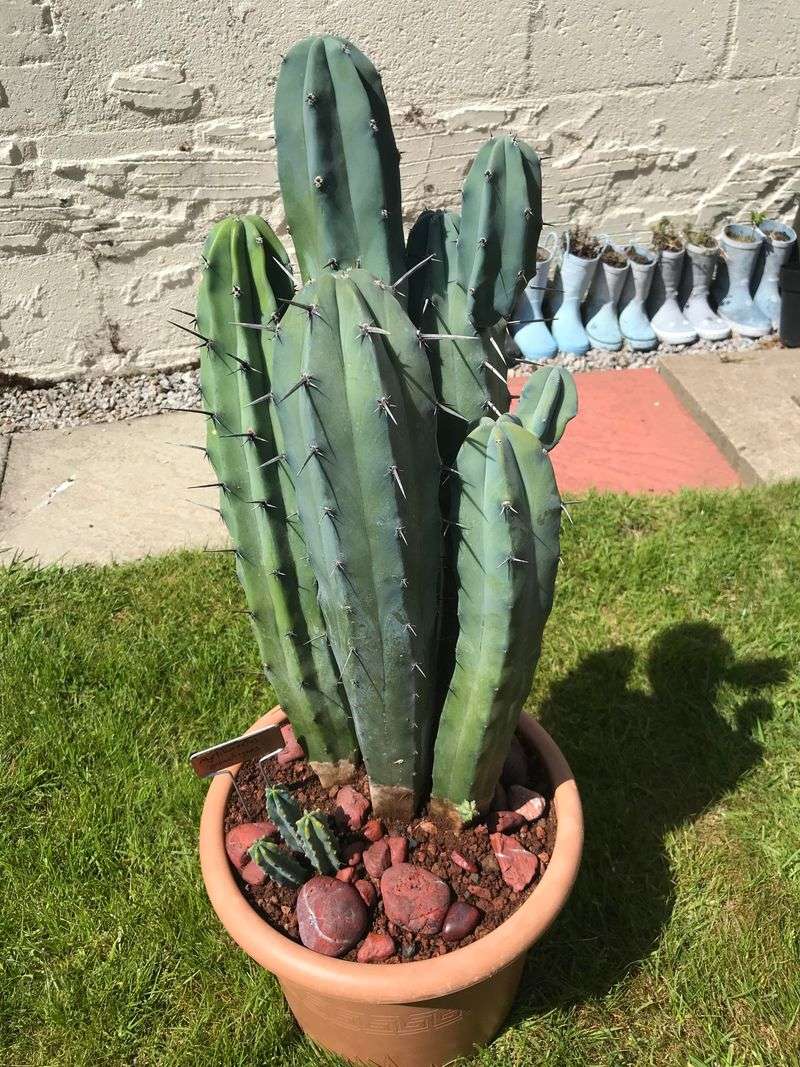
There is something almost otherworldly about the Blue Myrtle Cactus. Its stems are a stunning shade of blue-green that looks almost painted on.
When sunlight hits this plant just right, it practically glows. For California gardeners who love color and texture, this is a must-have addition to any desert-inspired or modern garden space.
Myrtillocactus geometrizans is the scientific name, and it is native to central Mexico. In California, it grows best in full sun with excellent soil drainage.
It can reach heights of up to fifteen feet at maturity, forming a tree-like structure with multiple branches. In the right setting, such as a large backyard in Riverside or a desert property near Palm Springs, it becomes a breathtaking focal point.
During late winter and early spring, small white flowers appear along the stems. These are followed by small, blueberry-like fruits that are actually edible and mildly sweet.
The fruit is sometimes called garambullos and has been eaten in Mexico for generations. That combination of visual beauty and edible fruit makes the Blue Myrtle Cactus truly special.
It is drought-tolerant, relatively fast-growing, and surprisingly easy to care for once established. Any California gardener looking for something truly eye-catching should give this plant a serious look.
9. Fairy Castle Cactus
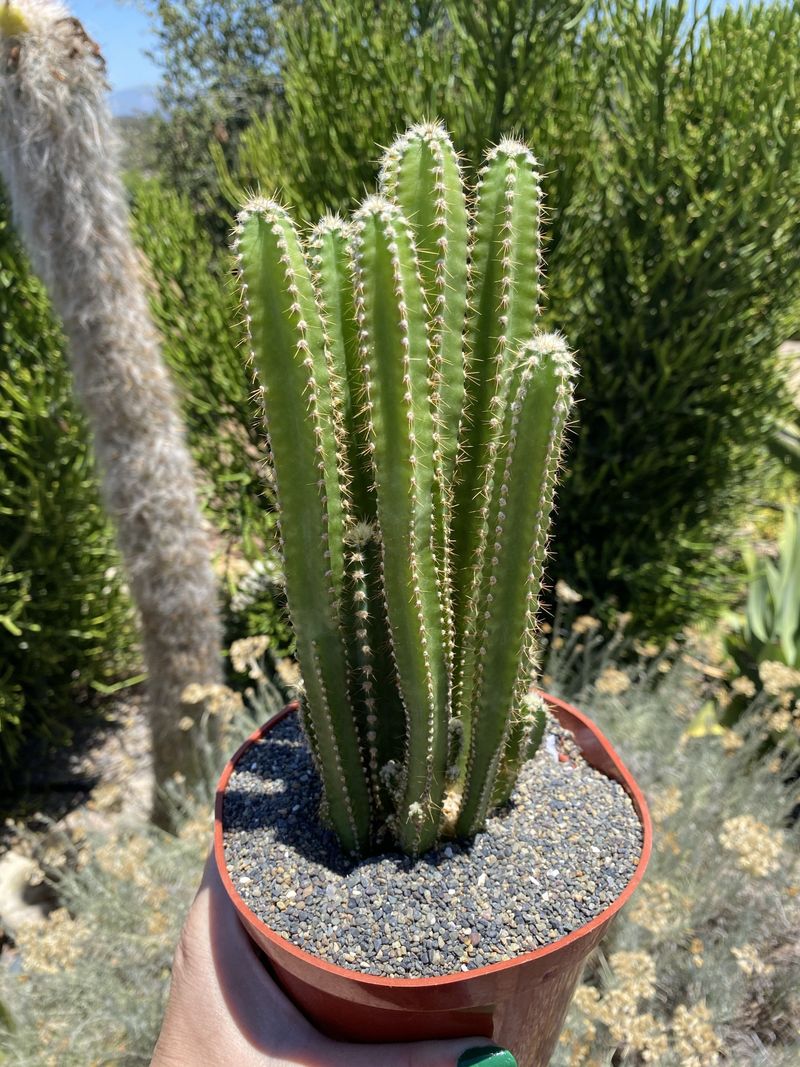
If any cactus deserves a whimsical name, it is this one. The Fairy Castle Cactus gets its name from the way its multiple stems grow in clusters of different heights, creating a silhouette that really does resemble the turrets and towers of a fairy tale castle.
It is one of the most charming and visually interesting small cacti available to California gardeners.
Scientifically known as Acanthocereus tetragonus, this plant is a slow grower that stays manageable in size for many years. That makes it perfect for windowsills, small patios, or indoor growing spaces in apartments or homes across California.
It loves bright light and needs very little water, especially during the cooler months. Overwatering is the most common mistake people make with this plant, so when in doubt, wait a few more days before watering.
The stems are light green with small white spines that give the whole plant a soft, almost delicate look. Despite its gentle appearance, it is actually quite tough and forgiving.
Flowering is rare indoors, but in outdoor settings with strong California sunshine, mature plants occasionally produce large, white, night-blooming flowers. Those blooms are spectacular when they appear.
Whether you grow it indoors or out, the Fairy Castle Cactus adds a touch of magic to any space.
10. Paperspine Cactus
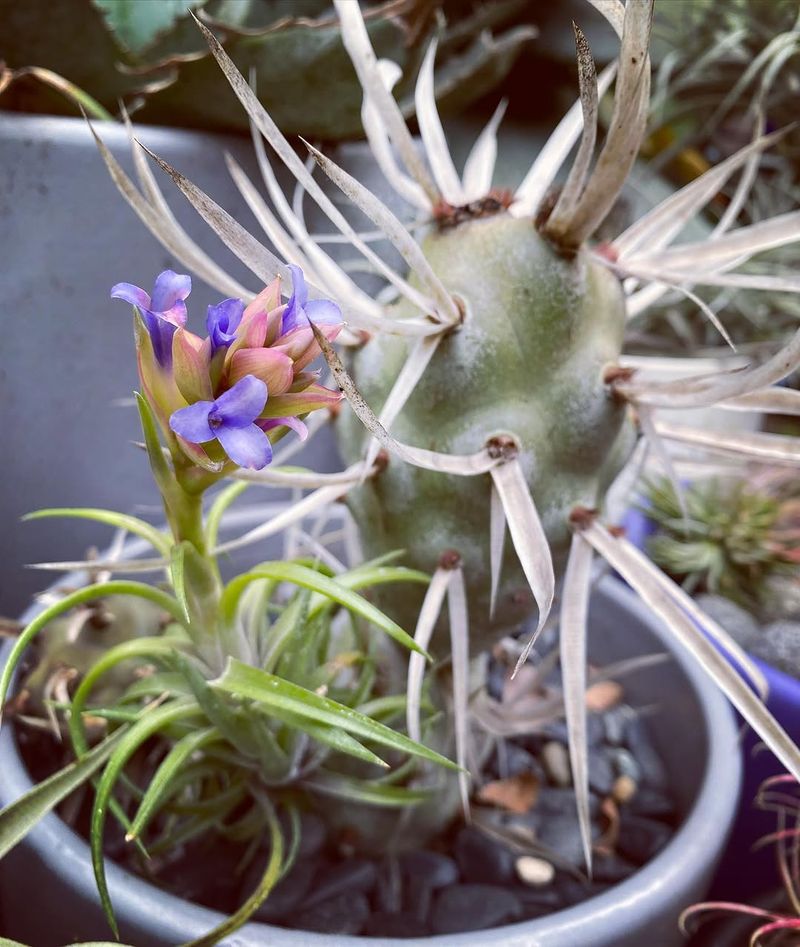
Most cacti warn you away with sharp, needle-like spines. The Paperspine Cactus takes a completely different approach.
Its spines are flat, papery, and almost soft to the touch, giving the plant a feathery, unique texture that surprises everyone who sees it for the first time. It is genuinely one of the most unusual-looking cacti you can find.
Known scientifically as Tephrocactus articulatus var. papyracanthus, this cactus comes from Argentina but adapts well to California’s dry climate. It has a segmented, stacked structure that looks almost like a series of small balls piled on top of each other.
Each segment is covered in those distinctive flat, white spines that shimmer in sunlight. It stays small, usually under a foot tall, making it ideal for container gardening.
California gardeners in coastal areas or higher elevations will be happy to know this plant handles cooler temperatures better than many other cacti. It still needs excellent drainage and should not sit in soggy soil.
Water it sparingly and give it as much direct sunlight as possible. Because of its unusual appearance, the Paperspine Cactus often becomes the most talked-about plant on a patio or in a cactus garden.
It is a true conversation starter that rewards curious gardeners with something genuinely one of a kind.