These Are The Non-Native Plants Causing Problems In Texas Gardens
A plant does not have to look wild or aggressive to cause trouble in a Texas garden. In fact, some of the biggest problem plants are the ones people buy for quick color, fast growth, or easy coverage, only to realize later that they spread too far, crowd out better choices, or become a constant battle to control.
What starts as a pretty addition can slowly take over flower beds, climb over fences, or compete with the plants you actually want to grow.
That is part of what makes non-native problem plants so frustrating in Texas. The climate gives many of them exactly what they need to grow fast and hang on tight.
Warm temperatures, long growing seasons, and mild winters in many parts of the state can turn an innocent-looking plant into a real headache.
Some soak up resources, some escape into nearby natural areas, and some make yard maintenance much harder than it needs to be.
Knowing which non-native plants tend to cause problems can save time, money, and plenty of regret while helping you build a garden that looks good and behaves itself too.
1. Chinese Privet
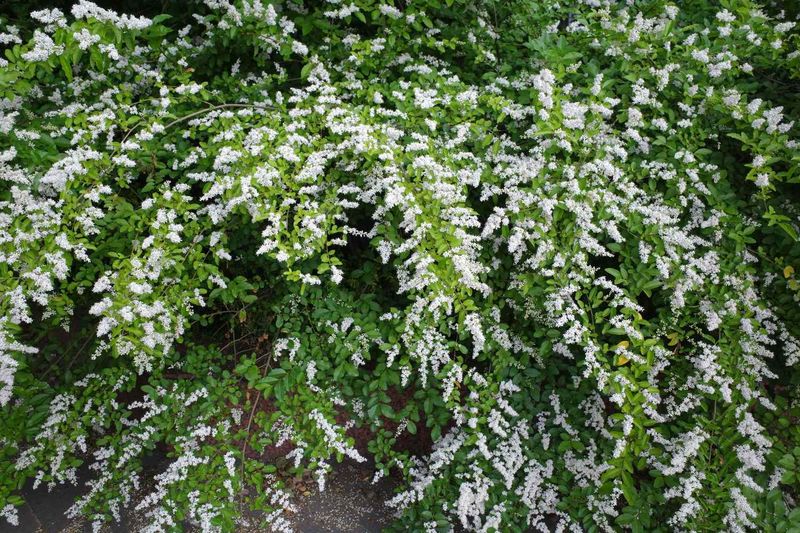
Walk through almost any wooded area in Texas and you will likely spot Chinese Privet without even knowing it.
This fast-spreading shrub was originally brought over from Asia and planted as a hedge because it grows thick and fast. The problem is, it does not stay where you put it.
Chinese Privet produces large numbers of berries that birds eat and spread across wide areas. Once it takes root in a new spot, it forms dense thickets that block sunlight from reaching the ground.
Native wildflowers, grasses, and tree seedlings simply cannot compete with that kind of shade.
Across Texas, this shrub has invaded forests, riverbanks, and even neighborhood green spaces. It is incredibly tough and can regrow quickly after being cut back, which makes removal a real challenge.
Many landowners feel frustrated because the plant seems to bounce back no matter what they do.
If you have Chinese Privet in your yard, the best approach is to remove it before it spreads further. You can pull young plants by hand when the soil is moist.
For larger shrubs, cutting them down and treating the stumps right away gives better results.
Replacing Chinese Privet with native Texas shrubs is a smart move. Plants like American beautyberry or Texas sage offer similar visual appeal without the invasive behavior.
These natives also support local birds, bees, and butterflies in ways that Chinese Privet simply cannot. Making the switch helps restore balance to your little corner of the Texas landscape.
2. Nandina (Heavenly Bamboo)
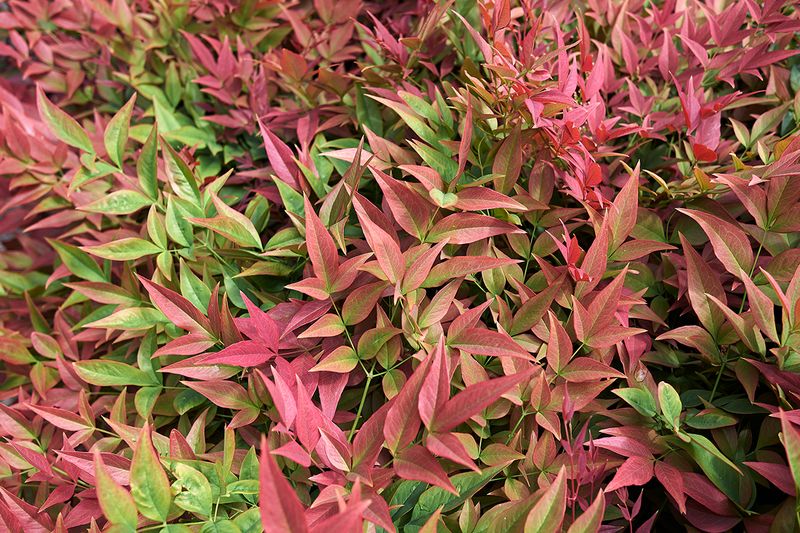
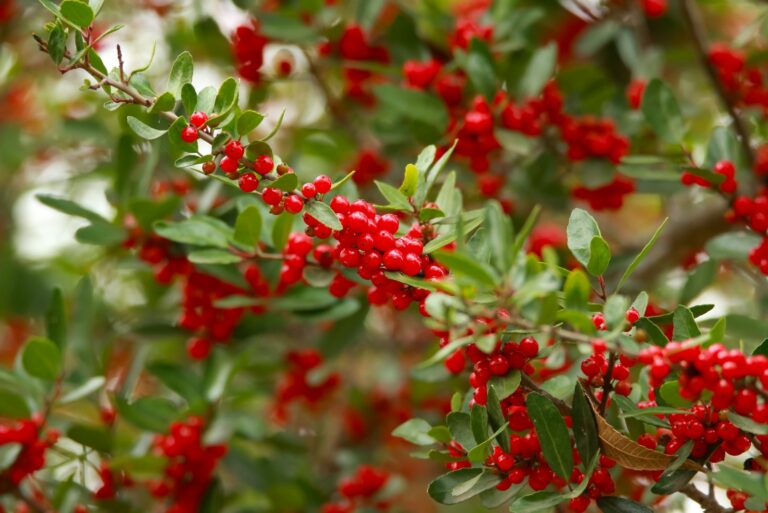
At first glance, Nandina looks like the perfect garden plant. It stays green year-round, grows in almost any condition, and produces clusters of bright red berries that look stunning against winter foliage.
For years, it was one of the most popular landscaping choices across Texas neighborhoods.
Here is the catch though: those pretty red berries are actually harmful to birds. Cedar waxwings and other Texas bird species have been found seriously affected after eating large amounts of Nandina berries.
The berries contain compounds that can be dangerous when consumed in quantity, making this plant a hidden threat to local wildlife.
Beyond the berry problem, Nandina also spreads aggressively. It sends up new shoots from underground roots and drops seeds that sprout in nearby natural areas.
Over time, it can push out native vegetation in Texas parks, greenbelts, and natural preserves.
Many Texas gardeners are surprised to learn that a plant sold at nearly every garden center can cause these kinds of problems. The good news is that awareness is growing, and some nurseries are starting to stock fewer Nandina plants in response.
If you already have Nandina in your yard, consider swapping it out for native alternatives like possumhaw holly or yaupon holly. Both offer beautiful red berries that are actually safe and beneficial for Texas birds.
Removing Nandina gradually and replacing it with native shrubs is one of the most practical steps a Texas gardener can take toward supporting local wildlife. Small changes in your yard really do add up across the community.
3. Japanese Honeysuckle
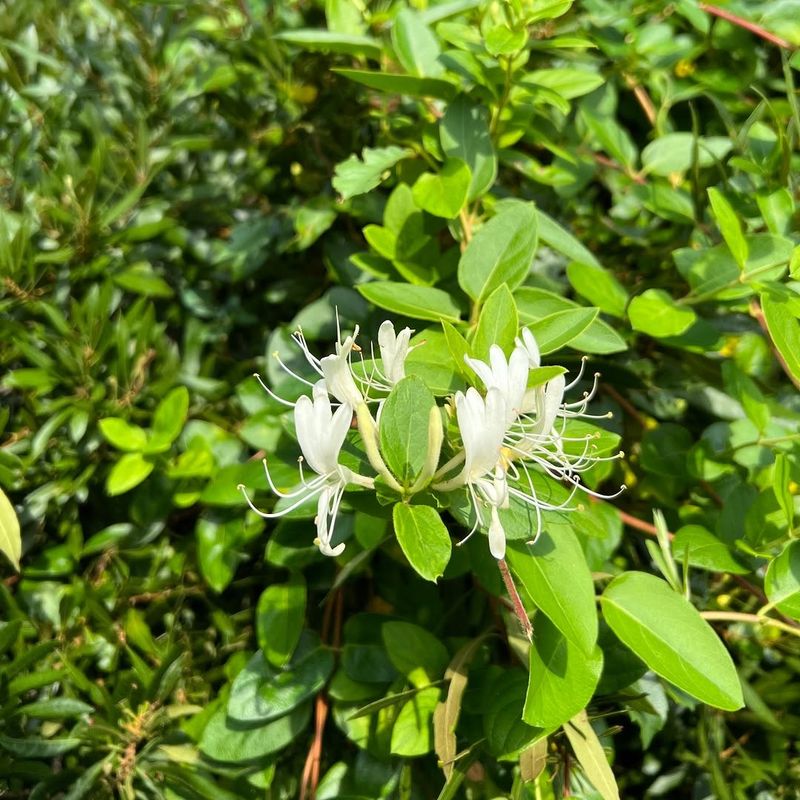
Sweet-smelling and fast-growing, Japanese Honeysuckle has a reputation that makes it sound like a dream plant.
The fragrant white and yellow flowers attract attention, and many people plant it thinking it will add charm to a fence or trellis. But in Texas, this vine has a way of getting completely out of hand.
Japanese Honeysuckle is a vigorous climber that wraps itself around trees, shrubs, and fences with surprising strength. It grows so quickly that it can smother young trees before they have a chance to mature.
In wooded areas across Texas, entire stretches of native vegetation have been overtaken by this one vine alone.
What makes it especially tricky is that it stays green through much of the Texas winter. While native plants slow down during cooler months, Japanese Honeysuckle keeps right on growing. That head start gives it a serious advantage over the plants it competes with.
Removing it takes patience and persistence. Young vines can be pulled up by the roots, but older, established plants need to be cut back repeatedly to weaken them over time.
Letting it go unchecked for even one season can mean doubling the amount of work needed later.
Replacing Japanese Honeysuckle with a native Texas vine is a great solution. Coral honeysuckle, which is native to Texas, looks beautiful and actually supports hummingbirds and butterflies.
It offers the climbing habit and visual appeal without the invasive spread. Switching to native vines is a simple way to help protect Texas ecosystems one garden at a time.
4. Chinaberry Tree
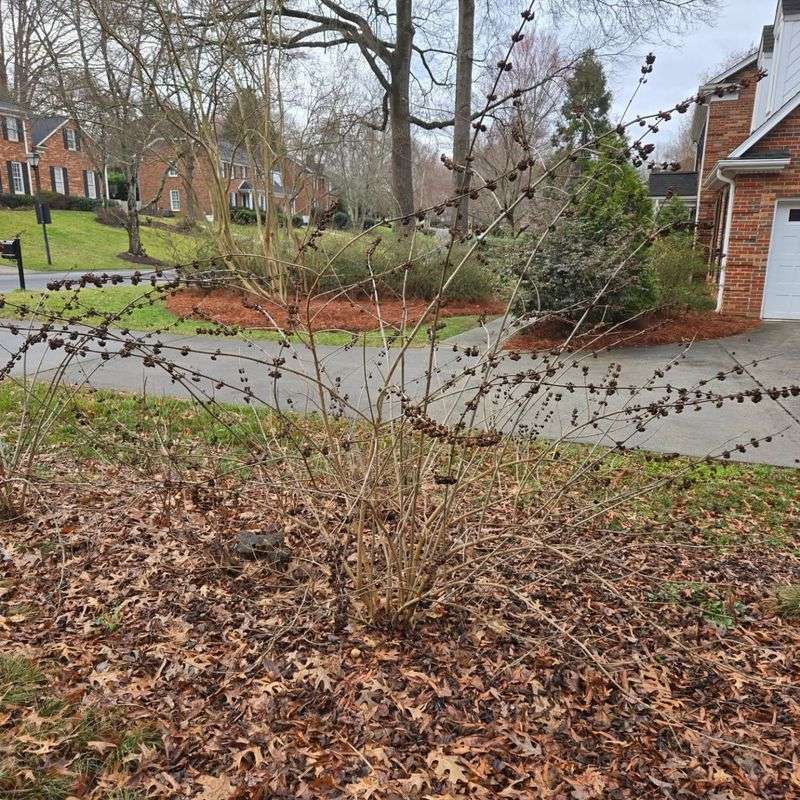
Chinaberry trees have been growing in Texas for well over a century, and that long history makes many people assume they belong here. They do not.
Originally from Asia, Chinaberry was brought to the United States as an ornamental tree because of its attractive purple flowers and fast growth rate.
The problem with Chinaberry is that it reseeds at an alarming rate. One mature tree can drop hundreds of seeds that sprout quickly in disturbed soil, roadsides, and natural areas.
In Texas, it has spread into creek bottoms, pastures, and the edges of forests, where it crowds out native trees and shrubs.
Chinaberry trees also produce berries that are harmful to many animals, including birds and small mammals. Despite this, birds do sometimes eat and spread the seeds, which only adds to the plant’s ability to colonize new areas across the Texas landscape.
Another frustrating trait of Chinaberry is its ability to resprout aggressively after being cut down. Simply removing the trunk is rarely enough.
The roots will send up new growth repeatedly if not treated properly, making full removal a multi-step process that requires time and consistency.
If you spot Chinaberry growing near your Texas property, acting sooner rather than later is the smart move. For replacement options, consider planting native Texas trees like the Texas redbud or Mexican plum.
Both are beautiful, fast enough in growth, and provide genuine value to local birds, pollinators, and the broader ecosystem. Choosing native trees is one of the best investments any Texas gardener can make for long-term environmental health.
5. Giant Reed (Arundo Donax)
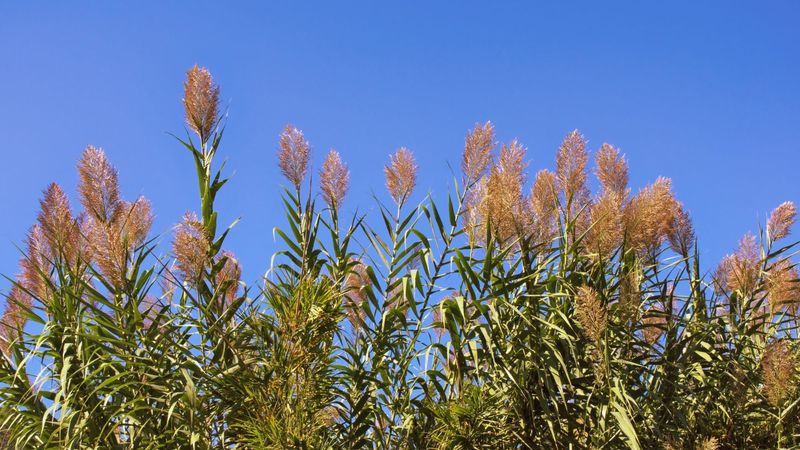
Standing up to 30 feet tall, Giant Reed is hard to miss. This massive grass grows along rivers, creeks, and drainage channels across Texas, forming towering walls of vegetation that block out nearly everything else.
It may look impressive, but the damage it causes to Texas waterways is very real. Giant Reed spreads through underground stems called rhizomes, which can extend far from the parent plant. Even a small fragment left in the soil can sprout into a new colony.
Along Texas rivers like the Rio Grande, it has taken over huge stretches of riverbank that once supported diverse native plant and animal communities.
One of the biggest concerns with Giant Reed is how much water it consumes. In a state where water conservation is a serious issue, this plant draws enormous amounts of water from the ground, reducing what is available for native plants and wildlife.
It also increases the risk of fire because the dry canes burn intensely. Controlling Giant Reed is one of the more difficult challenges facing Texas land managers. Mechanical removal alone is rarely enough since the roots run deep and wide.
Repeated treatment over several growing seasons is usually needed to bring an established stand under control.
Preventing new plantings is an important step. Many people have planted Giant Reed as a decorative grass or windbreak without realizing the consequences.
Native Texas grasses like Gulf muhly or big bluestem offer beautiful alternatives that provide wildlife habitat, tolerate Texas heat, and stay right where you plant them. That reliability alone makes native grasses the far smarter choice for any Texas landscape.
6. Golden Bamboo
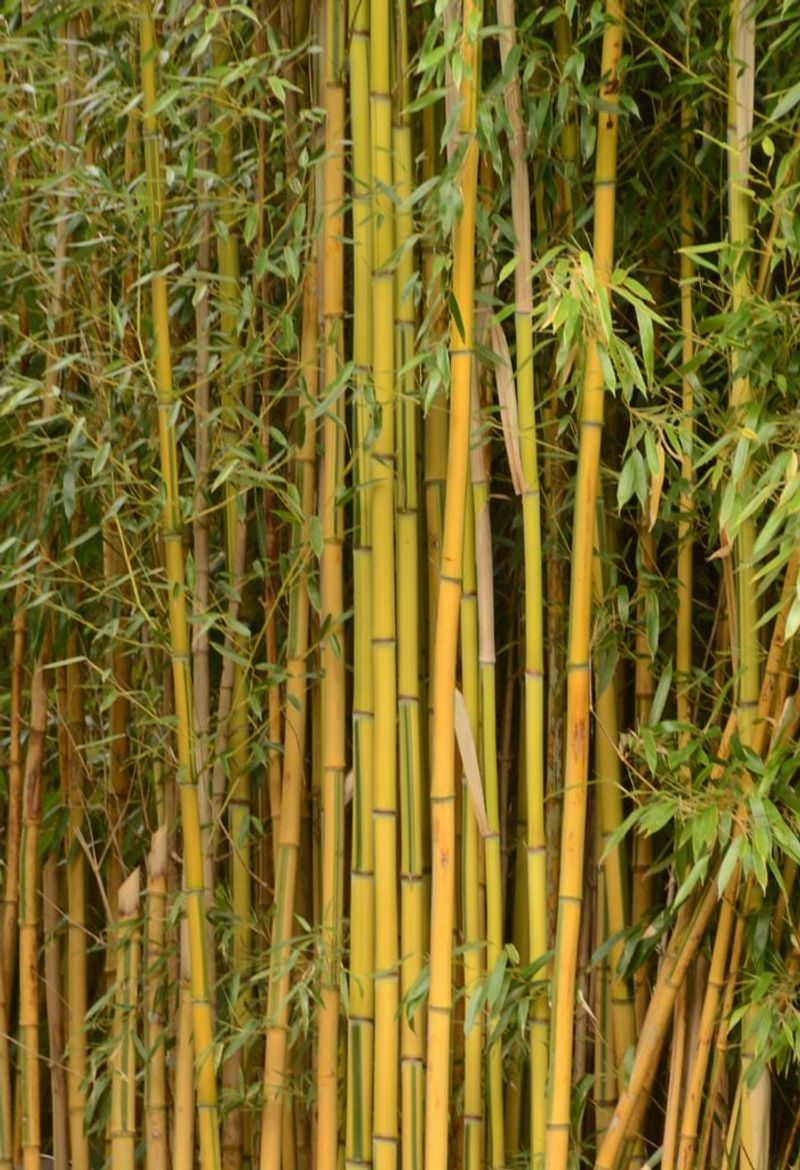
Privacy is something many Texas homeowners want, and Golden Bamboo seems like the perfect solution. It grows tall, stays green year-round, and creates a thick screen between properties in no time at all.
What most people do not realize when they plant it is that Golden Bamboo does not respect boundaries.
Unlike clumping bamboo varieties, Golden Bamboo spreads through underground runners called rhizomes that travel horizontally through the soil. These runners can move several feet in a single growing season, popping up as new shoots far from where the original plant was placed.
Before long, it appears in neighboring yards, garden beds, and even beneath concrete or fencing.
In Texas, Golden Bamboo has escaped cultivated areas and moved into natural spaces where it crowds out native plants.
It creates dense groves that block light and make it nearly impossible for other vegetation to survive underneath. Wildlife that depends on native plant diversity finds little value in a bamboo monoculture.
Removing Golden Bamboo is notoriously difficult. The underground runners must be dug out completely, which is exhausting work even in small areas.
Leaving even a short section of rhizome behind means the plant will regrow. Many Texas homeowners who planted it for privacy end up spending years trying to get it out of their yards.
If you want a privacy screen in your Texas yard, native alternatives like yaupon holly or wax myrtle grow dense, stay green, and support local wildlife beautifully.
They give you the visual barrier you are looking for without the long-term headache that Golden Bamboo almost always brings. Going native is always the better bet in Texas.